28 Matches Found

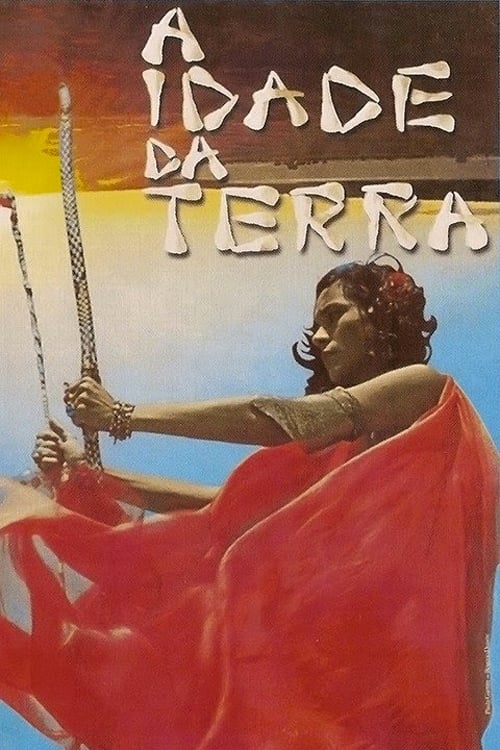
The Age of the Earth

Drawing inspiration from a poem penned by Castro Alves, this film vividly captures the political, cultural, and intellectual climate of Brazil during the late 1970s. At its core, the story revolves around four distinctive embodiments of Christ's image: a black man, a soldier, an Indian, and a guerrilla fighter. These courageous individuals, hailed as the harbingers of doom in the tupiniquim lands, valiantly combat the insatiable avarice and oppressive "civilizing" brutality propagated by the formidable John Brahms—a foreign exploiter devoid of morals.

The Age of the Earth

6.0 1980
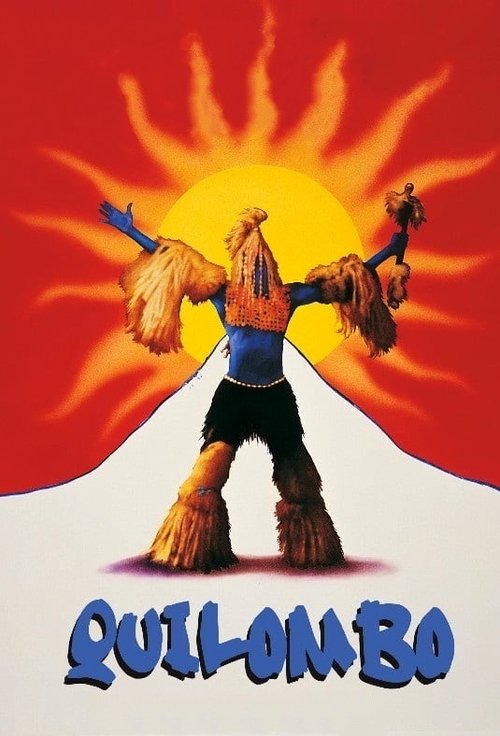
Quilombo

Quilombo dos Palmares was a real-life democratic society, created in Brazil in the 17th century. This incredibly elaborate (and surprisingly little-known) film traces the origins of Quilombo, which began as a community of freed slaves. The colony becomes a safe harbor for other outcasts of the world, including Indians and Jews. Ganga Zumba (Toni Tornado) becomes president of Quilombo, the first freely elected leader in the Western Hemisphere. Naturally, the ruling Portuguese want to subjugate Zumba and his followers, but the Quilombians are ready for their would-be oppressors. The end of this Brave New World is not pleasant, but the followers of Zumba and his ideals take to the hills, where they honor his memory to this day. Writer/director Carlos Diegues takes every available opportunity to compare the rise and fall of Quilombo with the state of affairs in modern-day Brazil.

Quilombo

6.9 1984
Sermões

Based upon the life story of Father Antonio Vieira, born in Lisbon in 1608 and deceased in Salvador, Bahia, in 1697. He's considered the first Brazilian writer and one of the most important aesthete of linguistic and of the Portuguese language of all times, a master in the art of metaphor, of verbal relations and analogy. He was persecuted and condemned by the Portuguese Court of Inquisition due to his position against native slavery, against the intolerance to the Jewish people and to the colonial politics of exploration.

Sermões

5.9 1989
Eternamente Pagu

Eternamente Pagu is a biographical film about Patrícia Galvão, best known as Pagu, a Brazilian political, literary and artistic activist. An important figure of the Brazilian Modernism, Pagu was also a militant for the Brazilian Communist Party after she married writer Oswald de Andrade. She broke up with Andrade and, as a journalist was arrested by the Dictatorship of Getúlio Vargas. After she left prison, she abandoned Communism in favor of Trotskyist Socialism, married Geraldo Ferraz, and started a career as theatre director.

Eternamente Pagu

7.0 1987
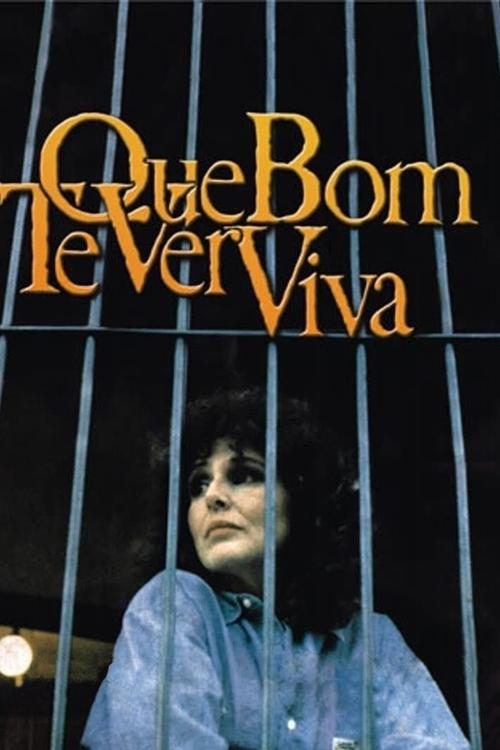
How Good to See You Alive

Four years after a military coup overthrew the Brazilian government in 1964, all civil rights were suspended and torture became a systematic practice. Using a mix of fiction and documentary this extraordinary film is a searing record of personal memory, political repression and the will to survive. Interviews with eight women who were political prisoners during the military dictatorship are framed by the fantasies and imaginings of an anonymous character, portrayed by actress Irene Ravache.

How Good to See You Alive

7.2 1989
Participar: Experiência no Governo Democrático

Documentary about the resumption of popular participation, with the country's redemocratization, in public city planning policies. It gives examples of community councils and Neighborhood Friendly Societies in the health sector in Franco da Rocha, transport in Osasco and Santo André, community kitchens in communities and councils of employee representatives in companies such as Metrô and Emplasa, which still carried out training in auxiliary inspection system, with the presence of civil society, in the inspection of water sources and public transport areas.

Participar: Experiência no Governo Democrático

0.0 1984