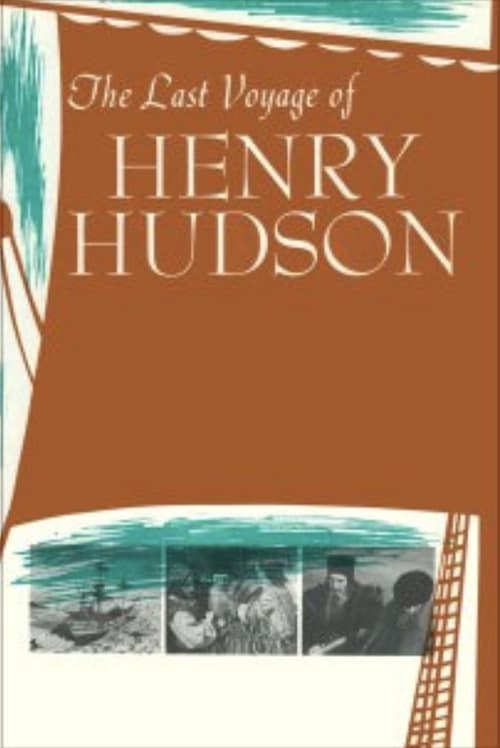
This short film realistically portrays the conflict Henry Hudson experienced when he went in search of an open water route to the Orient, and no one would follow him. What he discovered instead was an inland sea, a discovery that ended in tragedy.
17 Matches Found
This short film realistically portrays the conflict Henry Hudson experienced when he went in search of an open water route to the Orient, and no one would follow him. What he discovered instead was an inland sea, a discovery that ended in tragedy.
Filmed on the great Mackenzie River, this short fiction film recreates the amazing voyage of the man who gave his name to it. Following the path outlined in Mackenzie's journal, the film depicts his arduous journey by canoe all the way to the salt water of the Arctic Ocean - one of the great epics of northern exploration.
Opera by Harry Somers portraying Metis leader Louis Riel and his Northwest Rebellion. 1969 CBC-TV production based on the original 1967 opera.
This film tells the story of the Red River settlement, now the city of Winnipeg, Manitoba. The pioneer venture of Thomas Douglas, Earl of Selkirk, to establish a colony brought opposition from the North West Company, the Hudson's Bay Company’s powerful rival. A fine cast of actors portrays the ensuing dispute.
This short biopic profiles Montreal lawyer-turned-politician George-Étienne Cartier as he campaigns to unite English and French Canada under Confederation. The political world of a century ago comes to life as we hear debates in the Parliament of Upper and Lower Canada amidst political strife and personal feuds. Ultimately, Cartier skilfully allays the fears of party and sectional leaders, convincing them that federal union would protect, rather than weaken, Quebec’s cherished rights of language and religion. The eloquent and enigmatic Cartier was instrumental in shaping the Canada that was soon to emerge.
For Alexander Galt it was the middle of the road, until he saw some hope for his dream of a united Canada. What was he like, this stubborn idealist? How did he measure up to other political strongmen of his time? In this film you sense the personal clashes and the interplay of political ambitions that left their mark on history.
This short film recreates the story of David Thompson – a man who, over the course of his lifetime, mapped a-million-and-a-half square miles of uncharted territory. His achievement remains unsurpassed.
This film is a reconstruction of Robert Baldwin’s involvement in the Upper Canada Rebellion of 1837. Though bound to the cause of constitutional reform by principle, Baldwin’s heart was with the rebels and in the midst of armed revolt, he withdrew to fight a lonely battle with himself.
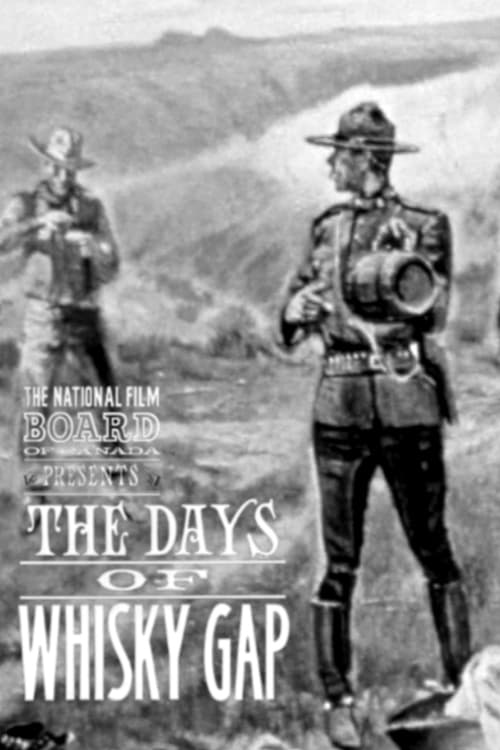
Rousing tales of the North-West Mounted Police are brought to life through photos and artists' sketches. In 1873, the North-West Mounted Police were established to maintain law and order in the North-West Territories. They undertook a trek from Fort Dufferin, south of Winnipeg, to Fort Whoop-up, near present-day Lethbridge, Alberta. The force raised the flag and proclaimed the Queen's Law, ensuring that the Canadian West would not become a lawless, American-style frontier.
In this experimental collage film, Arthur Lipsett reworks over fifty years of newsreel footage into a surreal audiovisual montage of twentieth-century life. Juxtaposing images of scientific progress, political figures, spectacle, warfare, and everyday leisure, the film becomes a fragmented “time capsule” exploring the rituals and contradictions of modern technological culture.
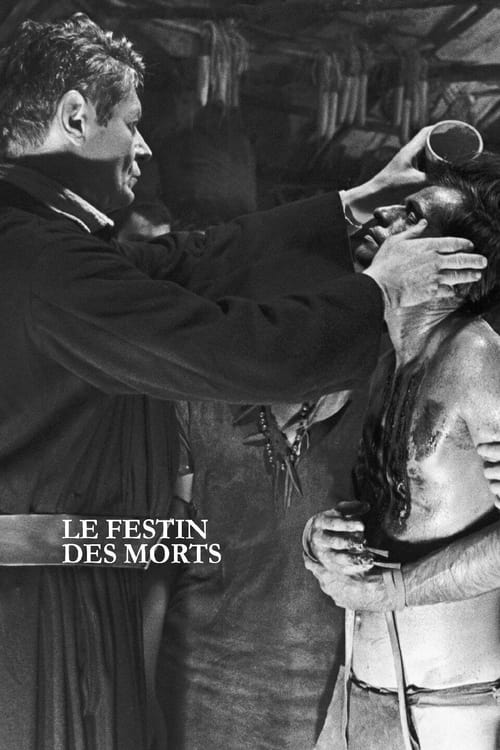
A young Jesuit missionary reflects on his life and his faith while awaiting his execution at the hands of the Native Americans he came to convert.
This short film offers a glimpse into the life of Louis Hippolyte Lafontaine, the Chief Justice who died prematurely but left French Canada a legacy of political freedom. Shot entirely in Montreal, the film begins on the day of his death, and flashes back to tense moments throughout his life. French with English subtitles.
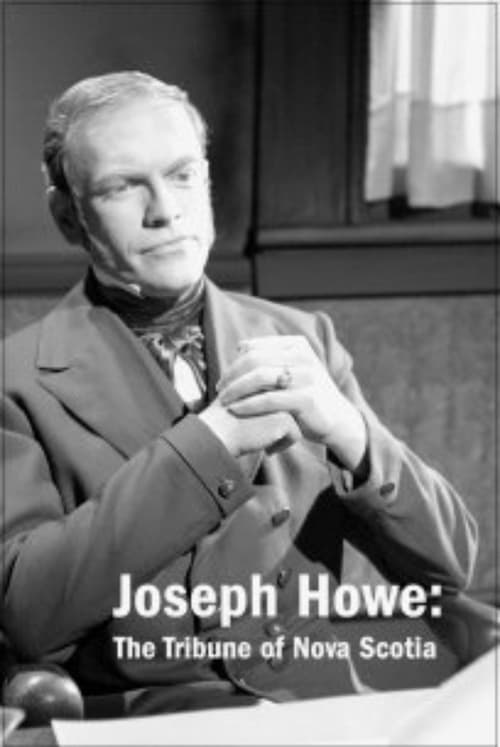
This short drama is a portrait of Nova Scotian journalist and politician Joseph Howe (1804-1873) and his battle for freedom of press. When, in 1835, Howe was accused of seditious libel, no lawyer dared defend him. Choosing to defend himself, he addressed the jury for over 6 hours, urging jurors to leave an unshackled press as a legacy to their children. Though the judge instructed the jury to find Howe guilty, jurors took only 10 minutes to acquit him - a landmark event in the evolution of press freedom in Canada.
The rise of National Socialism in Germany and Hitler’s anti-semitic policies and advocation of the superiority of the Aryan race resulted in several calls for a boycott of the games. Against this political backdrop, Jesse Owens’ haul of four gold medals is all the more significant. For a black athlete to demonstrate clearly his superior athleticism and so convincingly outperform his white counterparts was a massive slap in the face for Hitler and made a mockery of his racist theories during his Nazi showpiece games. Standing in the box at the Olympiastadion where Hitler sat to watch the games, Jesse Owens tells with pride that the flag of the US team was the only one not to be dipped as the athletes passed the Führer. (andberlin.com)
The story of John A. MacDonald’s rise to power.
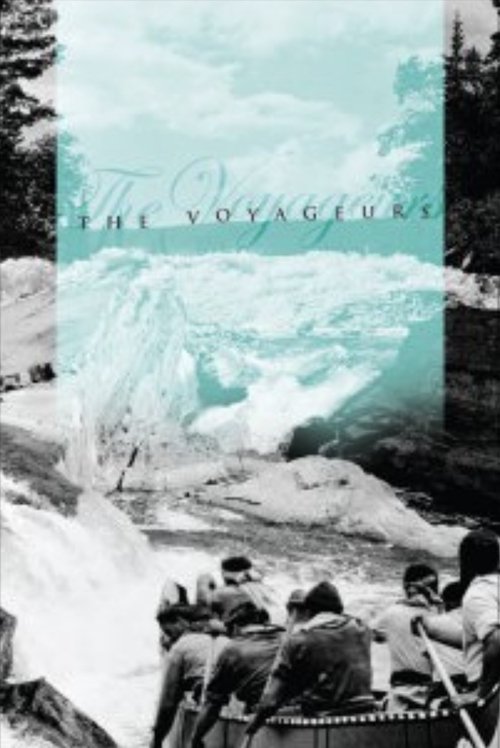
This short film tells the tale of the men who drove big freighter canoes into the wilderness in the days when the fur trade was Canada's biggest business. The film recreates scenes of the early 19th century with a soundtrack by an all-male chorus.