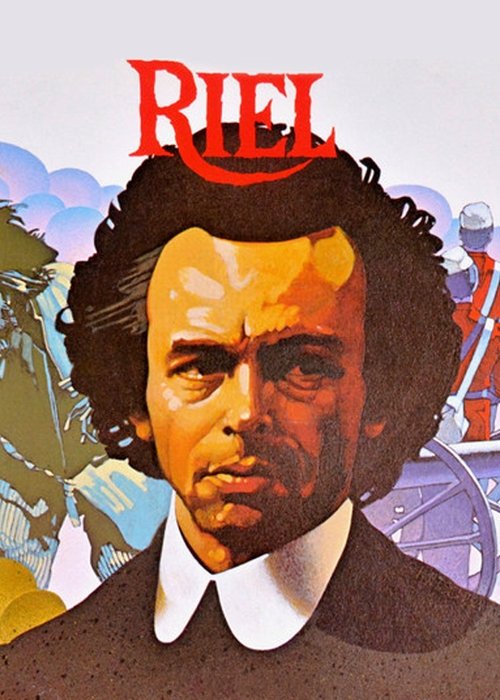
A film about the actions of the Metis rebel leader who opposed the Canadian government in two seperate rebellions.
Riel
6.0 1979
13 Matches Found
A film about the actions of the Metis rebel leader who opposed the Canadian government in two seperate rebellions.

A writer, Kamouraska is based on a real nineteenth-century love-triangle in rural Québec. It paints a poetic and terrifying tableau of the life of Elisabeth d'Aulnières: her marriage to Antoine Tassy, squire of Kamouraska; his violent murder; and her passion for George Nelson, an American doctor. Passionate and evocative, Kamouraska is the timeless story of one woman's destructive commitment to an ideal love.

"The Hart of London" is an endlessly layered tour de force. It explores life and death, the sense of place and personal displacement, and the intricate aesthetics of representation. It is a personal and spiritual film, marked inevitably by Chambers’s knowledge that he had leukemia. The late American avant-garde filmmaker Stan Brakhage said of Hart, "If I named the five greatest films [ever made], this has got to be one of them." Even this high praise falls short of hyperbole. The Hart of London is at the centre of Chambers’s extraordinary achievement.
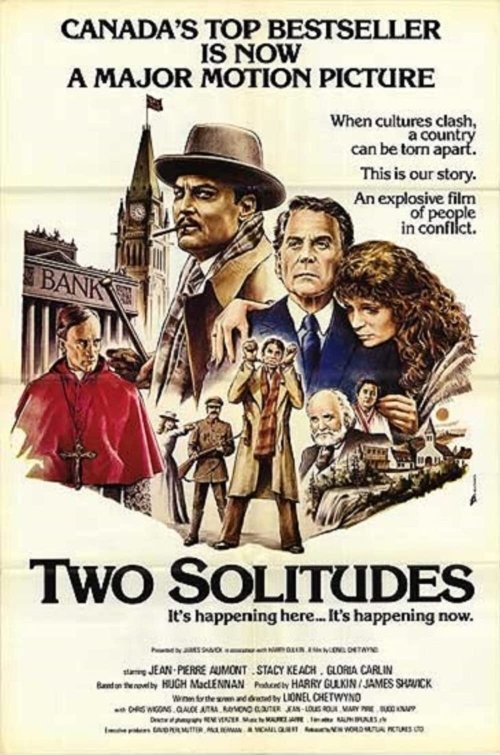
The story of the problems caused by what became known as the Conscripton Crisis in 1917 Canada, which threatened to divide the country.
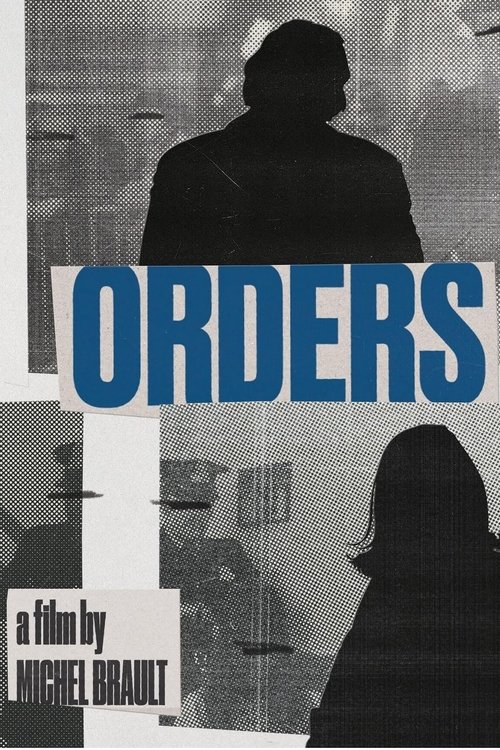
A fact-based account of ordinary citizens who found themselves arrested and imprisoned without charge for weeks during the October Crisis in 1970 Quebec.
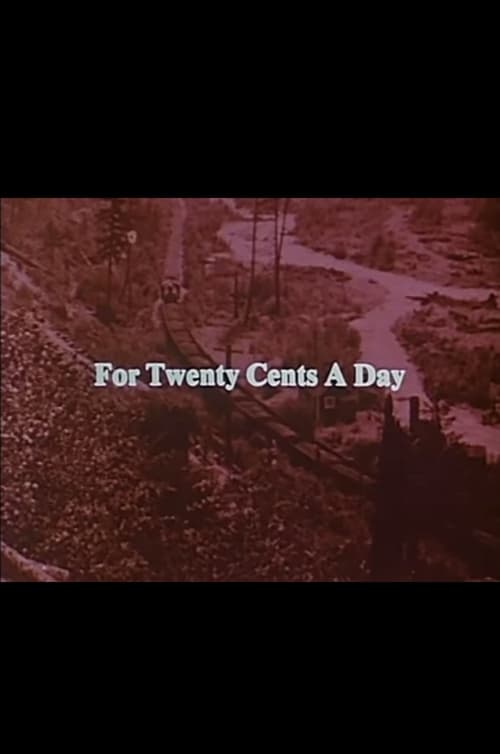
A film documenting work shortages during the Depression of the 1930s and the attempts to deal with the unemployed, in particular young men. The film discusses the establishment of relief camps and projects, where men were paid twenty cents per day; the founding of organizations such as the Co-operative Commonwealth Federation (CCF), Workers' Unity League, and Relief Camp Workers' Union; general unionization and protest of the unemployed, including the On To Ottawa Trek, Regina Riot, sit-in strike from May to June 1938 at the Vancouver Main Post Office, Vancouver Art Gallery and Hotel Georgia, and the resulting Bloody Sunday of June 19.

In 1755, ten thousand French Canadian settlers were thrown off their land, loaded on ships, and exiled. Island Memories explores the past in a small Acadian community in Nova Scotia where the last survivor of this great deportation is reputedly buried. A lively film full of adventure, people, and history.
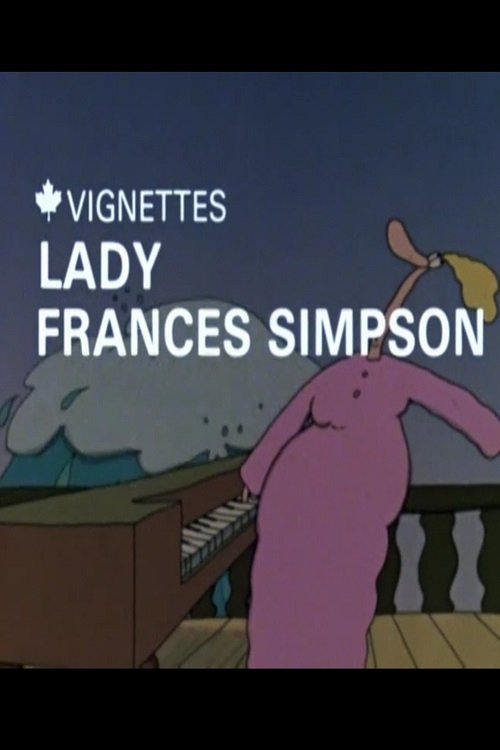
A humorous account of the pioneering journey of Lady Frances Simpson, along with her piano, from England to Manitoba.
This short film is an ode to the women who settled the Prairies, from the days of early immigration to 1916 - when Manitobans became the first women in Canada to receive the provincial vote - and beyond. Recollections of women are complemented by a series of quotations drawn from letters, diaries, and newspapers of the day, which are spoken over re-enacted scenes and archival photographs.
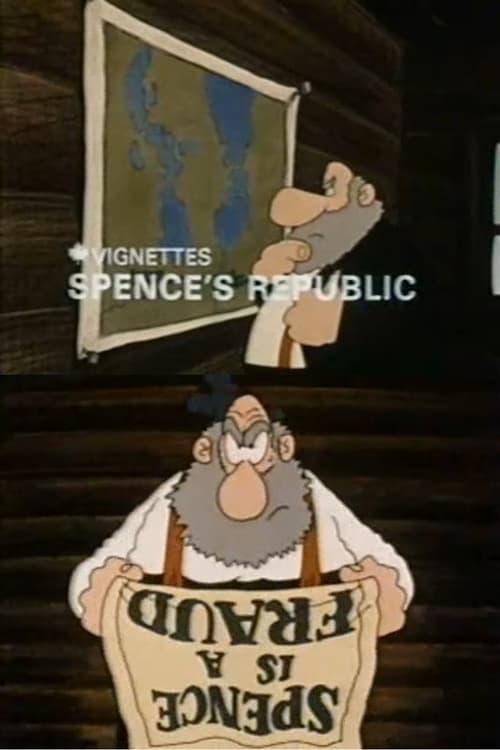
An animated vignette about the role of Thomas Spence in the formation and demise of the Republic of Manitoba at Portage la Prairie in 1867-68.
This short animated film is about Wop May, one of Canada's leading bush pilots in the 1920s.
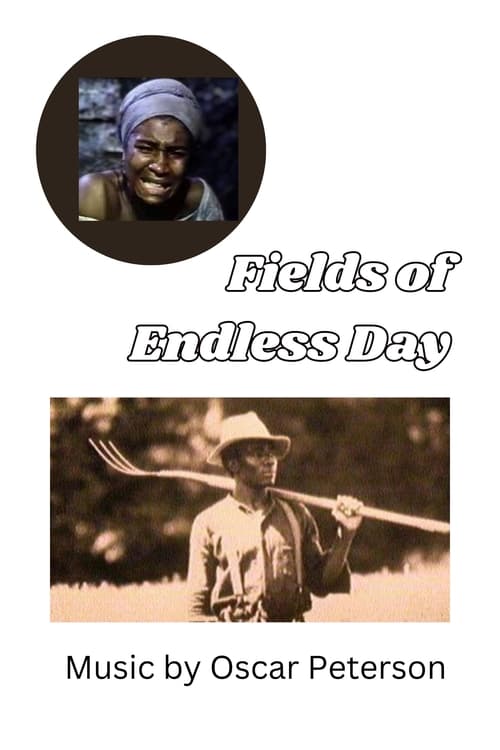
The history of Canada's black population.
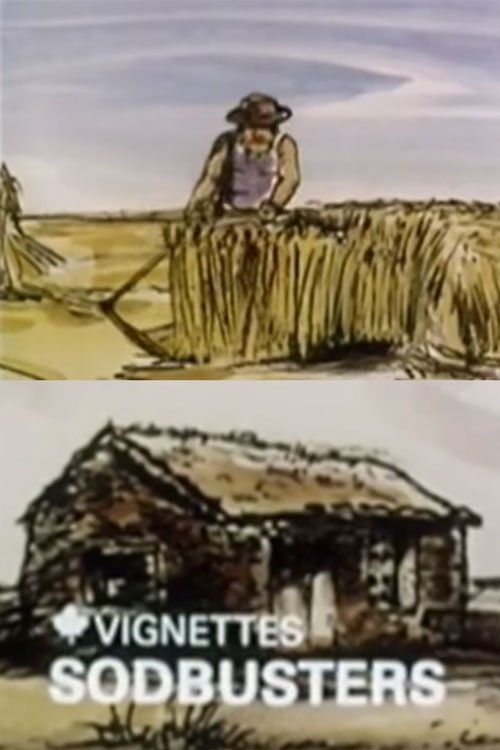
A Canadian prairie farm family has a tough beginning on their new farm.