76 Matches Found

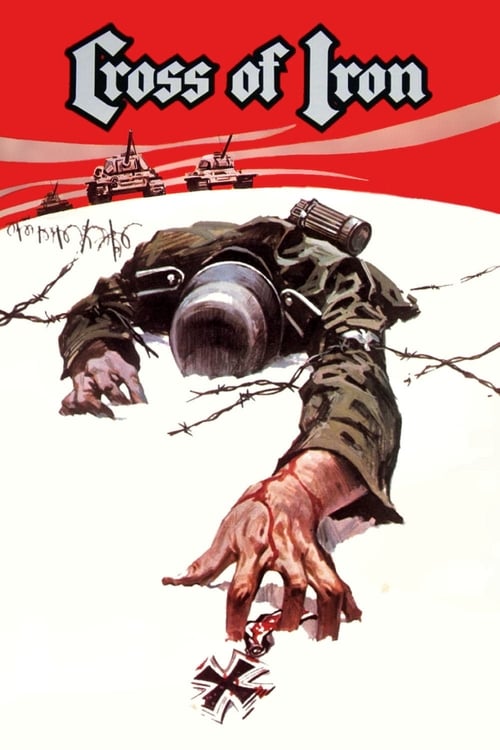
Cross of Iron

It is 1943, and the German army—ravaged and demoralised—is hastily retreating from the Russian front. In the midst of the madness, conflict brews between the aristocratic yet ultimately pusillanimous Captain Stransky and the courageous Corporal Steiner. Stransky is the only man who believes that the Third Reich is still vastly superior to the Russian army. However, within his pompous persona lies a quivering coward who longs for the Iron Cross so that he can return to Berlin a hero. Steiner, on the other hand is cynical, defiantly non-conformist and more concerned with the safety of his own men rather than the horde of military decorations offered to him by his superiors.

Cross of Iron

7.1 1977
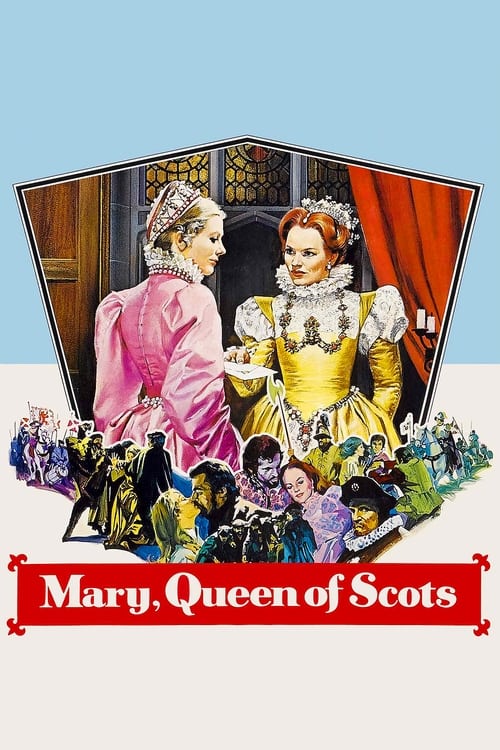
Mary, Queen of Scots

Mary Stuart, who was named Queen of Scotland when she was only six days old, is the last Roman Catholic ruler of Scotland. She is imprisoned at the age of 23 by her cousin Elizabeth Tudor, the English Queen and her arch adversary. Nineteen years later the life of Mary is to be ended on the scaffold and with her execution the last threat to Elizabeth's throne has been removed. The two Queens with their contrasting personalities make a dramatic counterpoint to history.

Mary, Queen of Scots

6.7 1971
Galileo

Challenged by a new student, tutor and theorist Galileo co-opts emerging telescope technology and discovers irrefutable proof of the heretical notion that the earth is not the center of the universe. But in a rigid society ruled by an uneasy alliance of aristocracy and clergy already undermined by the Plague and the Reformation, science is a threat and enlightenment is a luxury. Faced with either death at the hands of the Inquisition or recantation to a hypocritical but all-powerful Papacy, Galileo must choose between his own life and the restless scientific curiosity that he has spurned family, friends, and wealth to pursue.

Galileo

5.9 1975
The Snow Goose

Based upon Paul Gallico's delicate novel, Patrick Garland's Golden Globe winning The Snow Goose is a stark and hauntingly beautiful drama set amongst the striking scenery of the Essex salt marshes during the early years of WWII. A bearded Richard Harris leads the modest cast with his sensitive portrayal of tormented soul Philip Rhayader, a lonely misshapen man shunned by society but with a great love of life; Harris isnt overly bitter of his treatment and expresses his compassion through his paintings and love of the waterfowl that surround him. Harris is ably supported by the waiflike Jenny Agutter as Frith, who radiates the requisite amount of youthful innocence and naivety, and won a best supporting actress Emmy Award for her performance.

The Snow Goose

7.0 1971
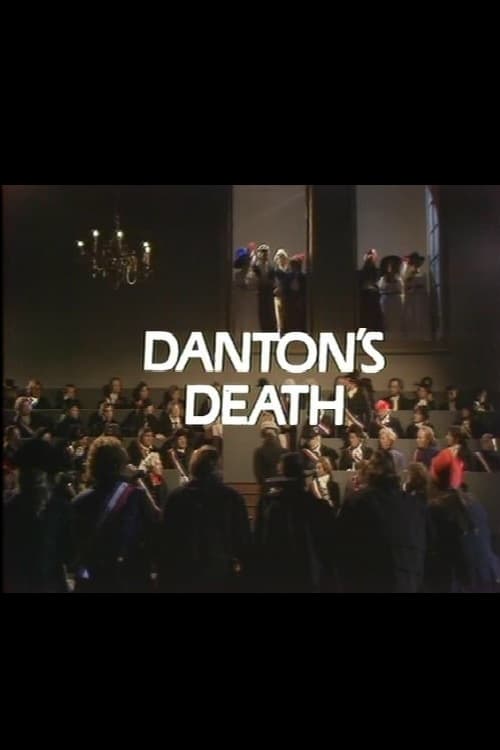
Danton's Death

Danton's Death is arguably the most dramatic and penetrating study of revolution ever written. Georg Büchner concentrates on that moment in 1794 when the Reign of Terror, already well established, spills over into a total blood-bath. The play, adapted by director Alan Clarke and Stuart Griffiths, both highly imaginative and closely documentary, shows how the great hero of the early phase of the Revolution, Danton, sickened by the excesses of the guillotine, which he helped to create, wants to call a halt. But Robespierre and Saint-Just, leaders of the Jacobins, with a ferocious puritanical zeal, spur on 'the wild horses of the Revolution'.

Danton's Death

0.0 1978