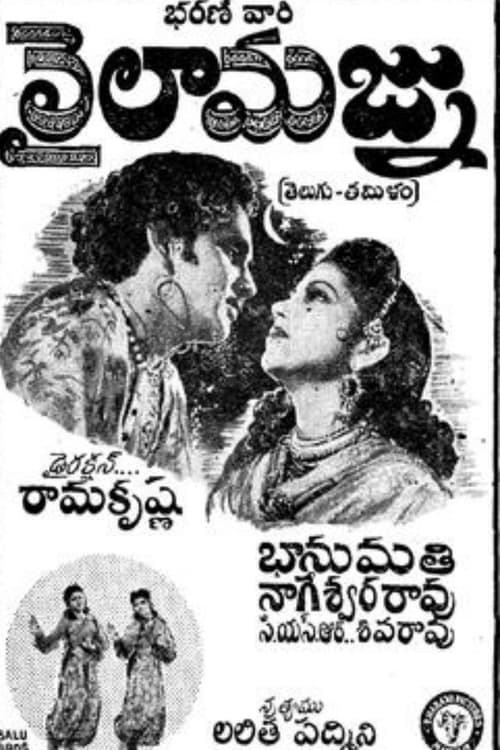
Khayas falls in love with Laila but her father refuses the alliance, which leaves Khayas heartbroken. Things take a turn when Laila then moves to Mecca.
Laila Majnu
0.0 1949
58 Matches Found
Khayas falls in love with Laila but her father refuses the alliance, which leaves Khayas heartbroken. Things take a turn when Laila then moves to Mecca.

A legendary king of Avanti, Vikramaditya, pledges to protect Princess Shreelakha of Kashmir from the Shakas, appointing Kalidas as his court poet. The film depicts Vikramaditya's heroic battles, his eventual defeat of Shakaraj, and the restoration of Kashmir's kingdom.
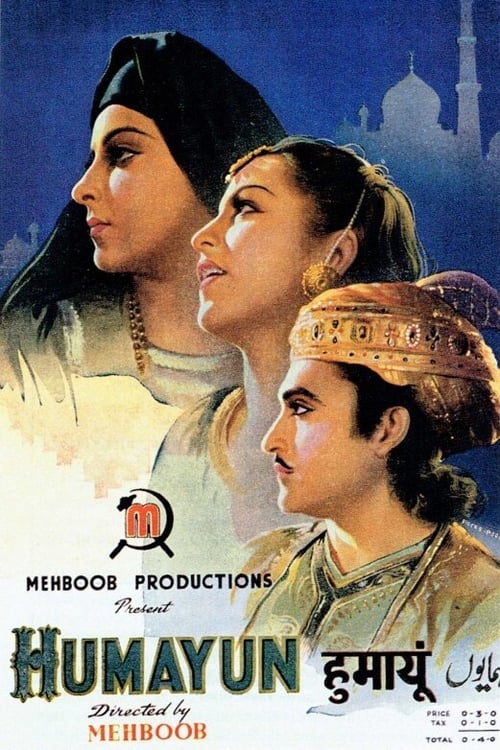
The film follows Humayun’s rise to the throne, his struggles to maintain the empire, and his conflicts with rivals—especially Sher Shah Suri, who defeats him and forces him into exile. Amid political upheaval and personal loss, the story also explores Humayun’s relationships, particularly with his noble wife Hamida Banu. Eventually, with Persian support, he regains his empire, but his triumph is short-lived, as his reign ends with a fatal accident.
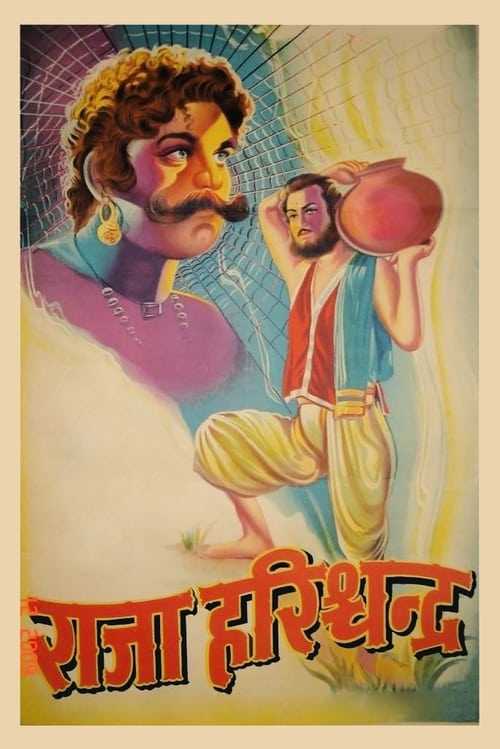
Revolves around the noble and righteous king, Harishchandra, who first sacrifices his kingdom, followed by his wife and eventually his children to honor his promise to the sage Vishwamitra.
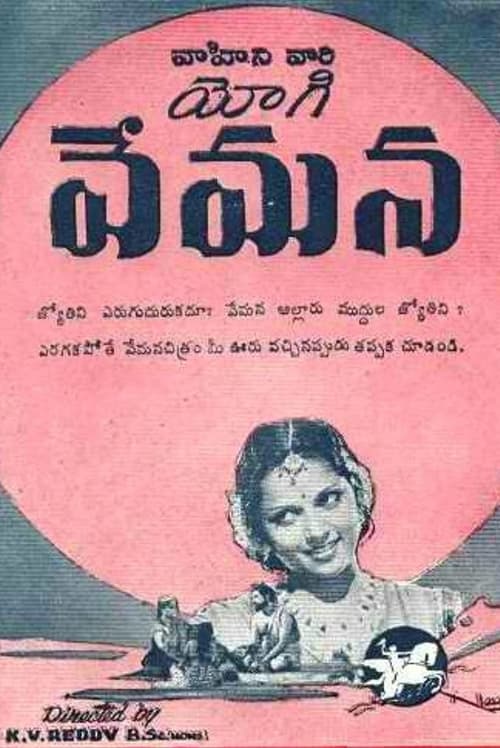
It chronicles the legend of the progressive Telugu poet-saint Vemana from his being a rebellious and hedonistic youth from a landed elite to a renunciate.

1938 Indian Tamil-language film
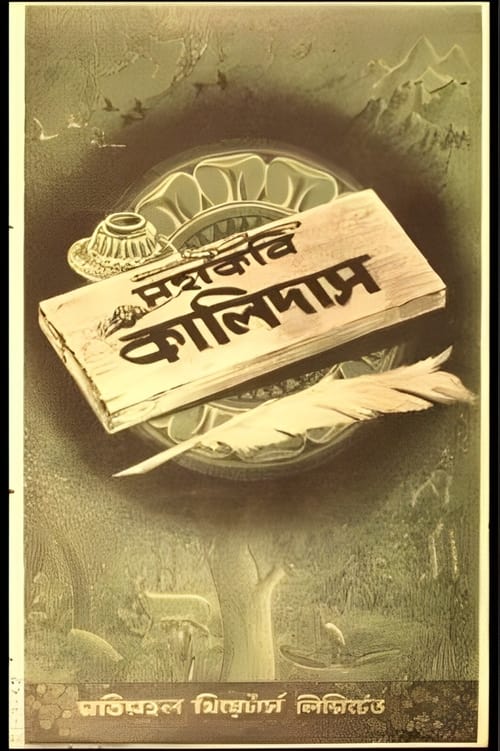
A naive Sanskrit poet, shunned for falling in love with a low-caste Indian woman, faces challenges after entering into a competition with a princess.
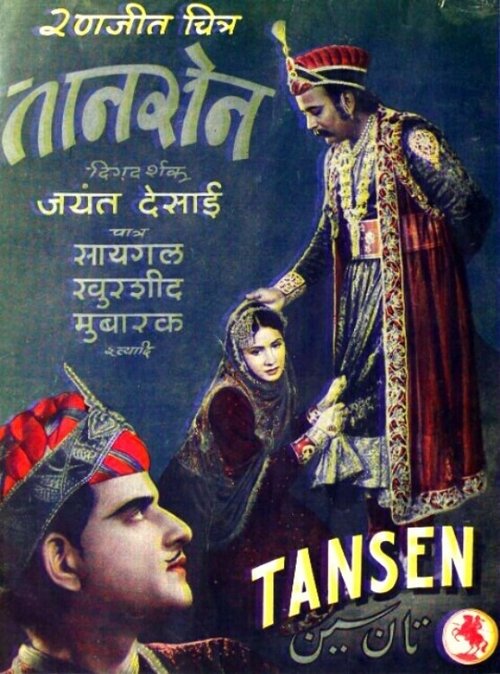
Renowned, talent singer Tansen is settled in a small village. He has a lover whom he loves madly namely Tani. His singing talent pampers everyone in his village namely the animals, the Maharaja's and other living organisms.

Based on age-old Buddhist folklore connected with Mauryan Emperor Ashoka's son Kunal.

King Rajendra Varman and Queen Mrinalini are reigning the Vyjayanti empire. Mahendra Varman is the rival and the neighbouring king. Kannika is the minister’s daughter, who is in love with King Rajendra Varman and aims to attain him at any cost. This convoluted tale of palace intrigue, suspicion, unreciprocated love, seduction, villainy and piety was interspersed with excellent music.

The film begins after Alexander the Great (Sikander in Hindi/Urdu) conquers Persia and the Kabul valley and approaches the Indian border at Jhelum. Sohrab Modi plays the Indian king Puru (Porus to the Greeks). The story goes that when Sikander defeated Porus and imprisoned him, he asked Porus how would he like to be treated. Porus replied the same way a defeated king is treated by the winner (meaning killed).
Based on the novel Marthandavarma, the film recounts the adventures of the crown Prince, Marthandavarma on how he eliminates his arch-rivals one by one, to ascend to the throne of the Kingdom of Travancore.
Thyagaraja, a saint and a poet, overcomes many hurdles in his life, including grinding poverty to emerge as the greatest Carnatic music composers of all time.
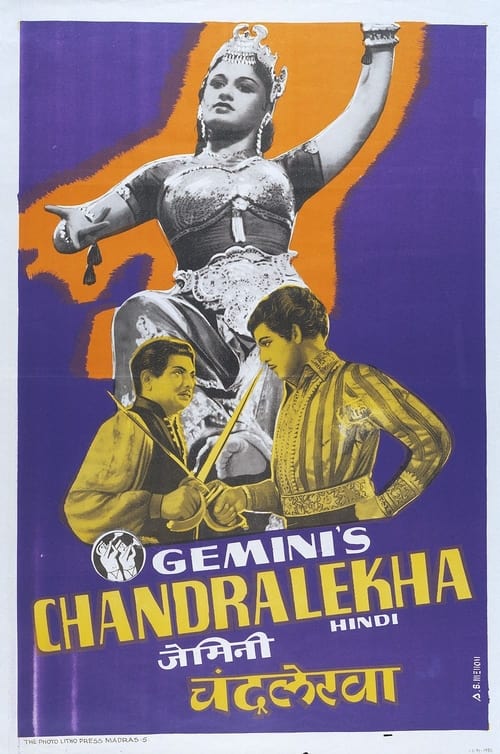
Brothers Veer and Shashank fall in love with Chandralekha. Shashank kidnaps her and forces her to marry him. She requests a special drum dance prior to the wedding. The drums, however, hold a secret.
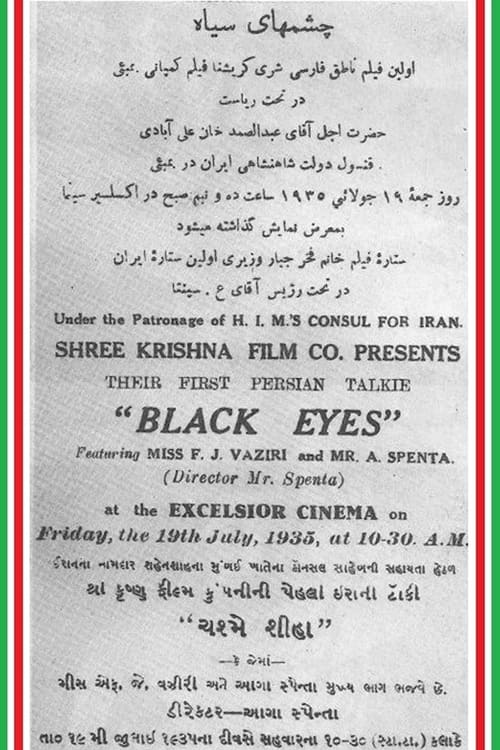
The story happens in Nader Shah era when he attacked India. At the very moment of the war in India and conquering Lahore, there is a romantic love going on between a girl and boy named Homa and Homayoun, which the war directly affects.
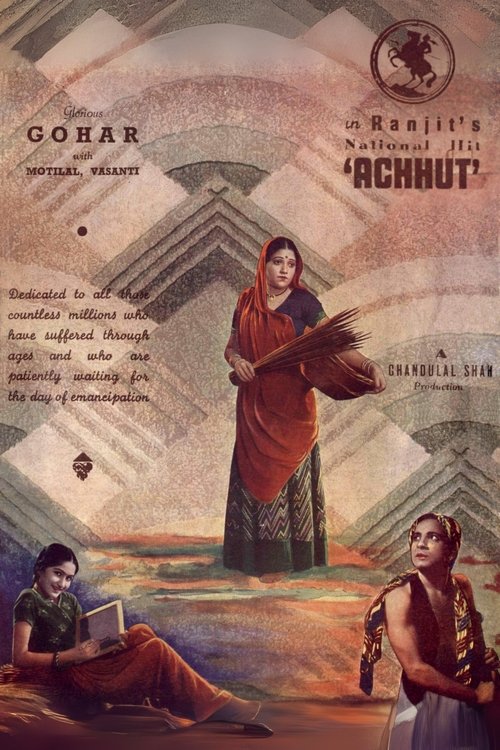
Laxmi, an "untouchable" woman fights for her community's rights against societal discrimination. She faces personal hardship and resistance from authorities, ultimately leading a movement for equality and temple access, while advocating for deeper societal change.
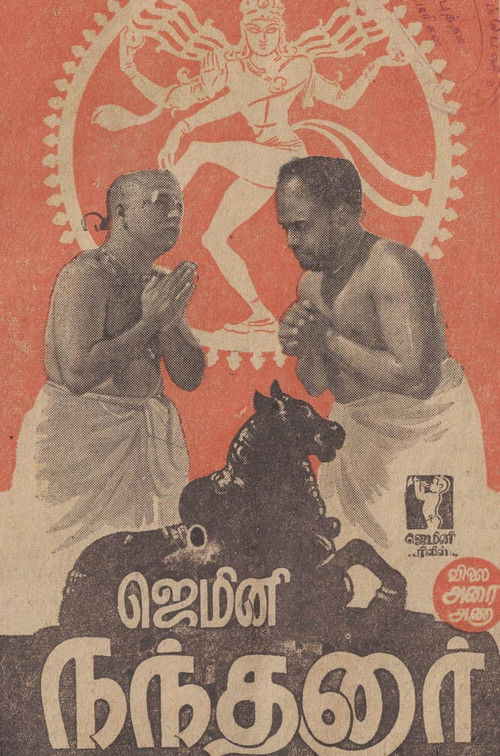
Based on Nandan, a low caste farmer's deep devotion towards Shiva.
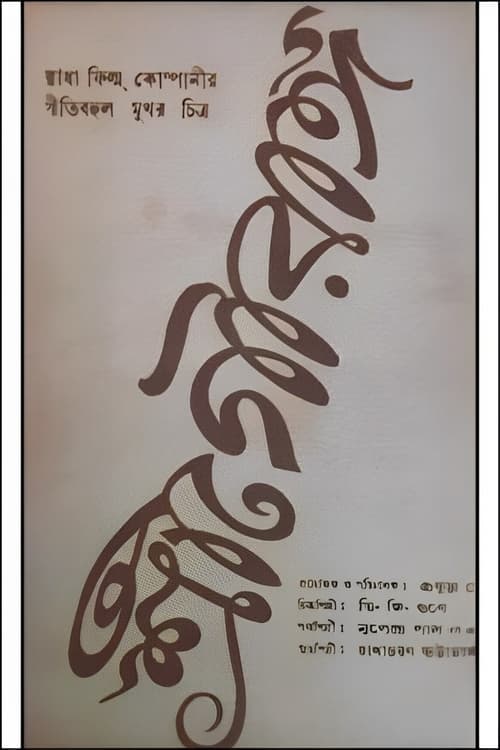
Sree Gouranga is a 1933 Indian Bengali biographical film that chronicles the life of the revered spiritual leader, Sri Chaitanya Mahaprabhu, also known as Gauranga. The film delves into the early life of Mahaprabhu, born Nimai in Mayapur in 1486, highlighting his mischievous childhood and subsequent intellectual brilliance. Despite family pressure to marry, Mahaprabhu prioritizes his spiritual journey and eventually leaves his home to become an ascetic. The film portrays his deep devotion to Lord Krishna and his eventual return to visit his mother, where he instructs his wife to worship the same deity. The film is a historical and devotional portrayal of the saint's life.
Prabhat's expansively mounted historical set at a contentious period of the Maratha empire is a biographical of Ramshastri Prabhune (1720-89), chief justice at the court of Madhavrao and later of Nana Phadnavis, and a major figure in the development of an indigenous legal code.
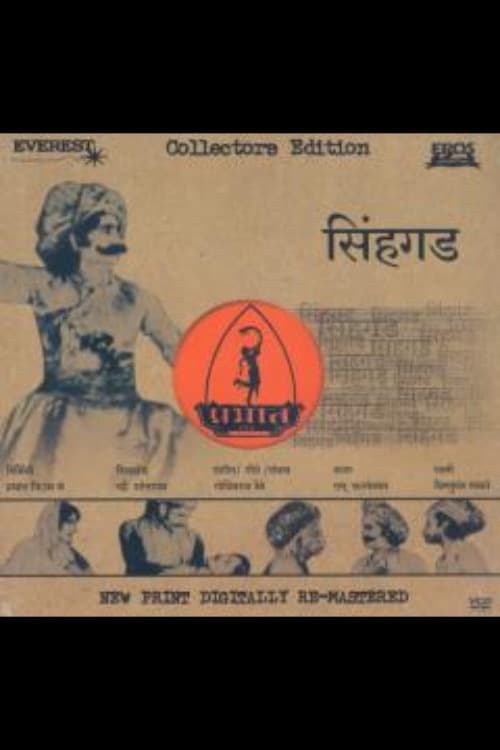
Udaybhanu captures Kamlakumari who is planning to commit Sati and brings her to his fort in Kondana. Tanaji Malusare prepares to attack the fort with fifty soldiers. He manages to scale it but is killed in the battle with Udaybhanu. Chatrapati Shivaji Maharaj arrives and wins the fort but he is despondent on losing his most trusted Lieutenant.
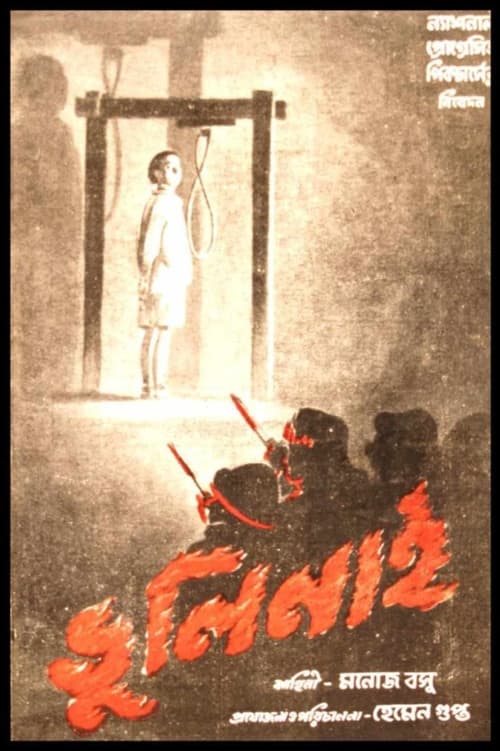
Hemen Gupta's 'Bhuli Nai' (1948) was set against the infamous 1905 Partition of Bengal by Lord Curzon.

Ayodhyecha Raja, literally "The King of Ayodhya", was the first Marathi talkie. It is based on the mythological story of Raja Harishchandra of Ayodhya and his test by sage Vishwamitra, as recounted in Valmiki's epic, Ramayana. The film was also made as a double-version, Ayodhya Ka Raja (1932) in Hindi, making it the first double version talkie of Indian cinema.

A love affair and two feuding families who play out a Romeo and Juliet type drama in 17th century India, under the Emperor Jehangir.
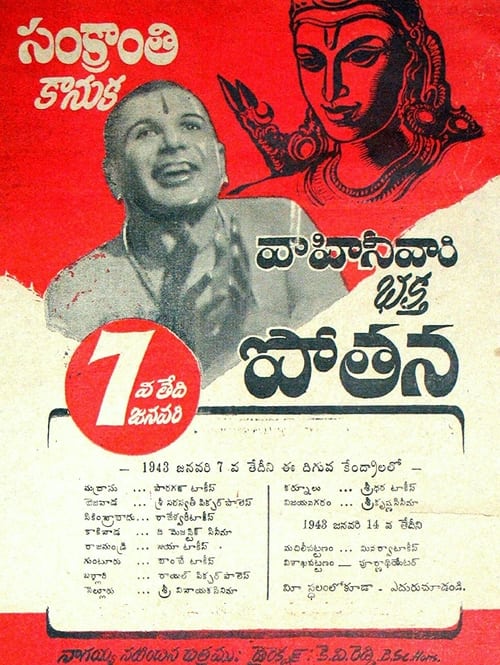
It is a biographical film based on the life of Potana, who translated Bhagavatam into the Telugu language.
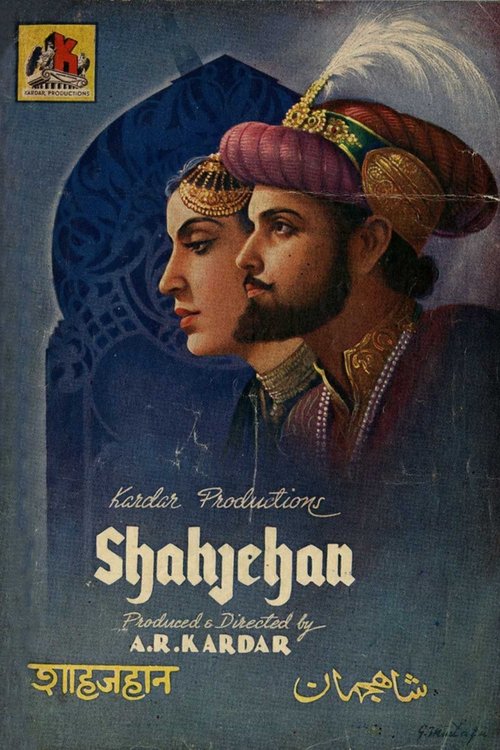
Shahjehan (a raw Rehman in one of his first releases) is approached by a Rajput chieftain, Jwala Singh, narrating the plight of his foster daughter, Ruhi (Ragini), who is blessed with unheard of beauty. This gives rise to an army of suitors, who indulge in violence to prevent her from getting married by scaring her to-be grooms. Her beauty, confined to four walls of Jwala's haveli becomes part of folklore, and street gossip, through the poetry of Sohail (Saigal) who accidentally catches her glimpse, and falls in love with her.
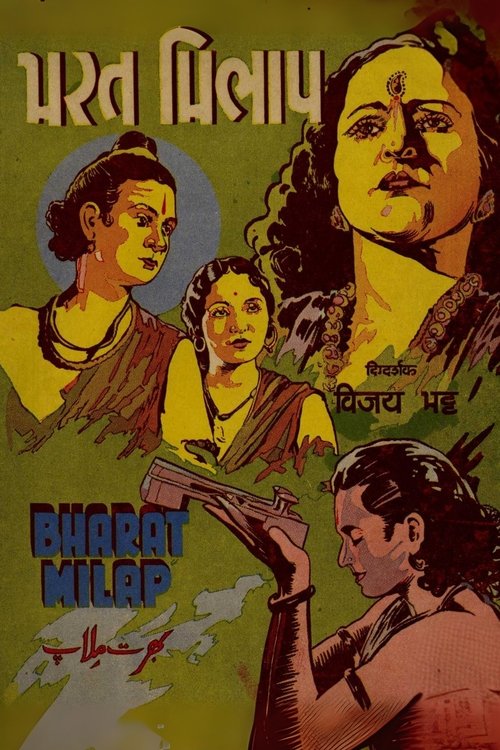
Queen Kaikeyi exiles Rama and demands Bharat be king. Bharat, devoted to Rama, refuses the throne and goes to the forest, urging Rama to return. Rama insists on upholding his father's vow. Bharat then rules Ayodhya as Rama's regent, placing Rama's sandals on the throne until his return.
This film is based on the Indian Mythological love story of Radha and Krishna.

During the Japanese invasion of China, a young Indian doctor joins the Chinese resistance, meets and courts a Chinese girl, cures a virulent plague, and is captured by a Japanese platoon...

Following his conquest of India, Emperor Babar faces a crisis of loyalty among his troops and nobles. His most devoted subject, Sardar Sheikh, faces a dilemma when his daughter, Hamida, falls in love with Prince Humayun. Sheikh sends Hamida away, prompting Babar to intervene. However, a great sacrifice is ultimately demanded of the Emperor to save his son and reconcile the conflict.

Sant Eknath, a 16th-century poet-saint who challenges caste discrimination by serving and dining with the untouchables. His actions provoke outrage from orthodox Brahmins, leading to his excommunication. Despite opposition, Eknath stands firm in his belief in equality and devotion, inspiring others to join his cause and defending his principles through his spiritual teachings.

A commoner and a noblewoman fall in love after he saves her from a fire, but her father is against their marriage.
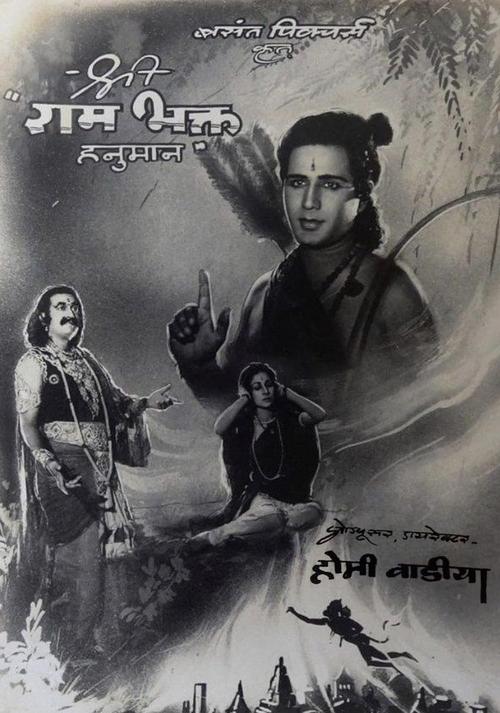
Ravana (Niranjan Sharma) orders Maricha to turn into a deer to entice Sita (Sona Chatterjee) with the notion of kidnapping her. Rama (Trilok Kapoor), Lakshman (Prabhash Joshi) and Sita are in the Panchavati forest for their fourteen year exile. Espying the golden deer sent by Ravana to lure Rama away, Sita asks Rama to get it. On hearing a cry of pain she sends Lakshman after his brother thinking he’s hurt. Ravan comes in the guise of a hermit begging alms and makes Sita step over the Lakshman Rekha (line), Lakshman had drawn around their cottage for her safety, asking her not to step beyond it. In their search for Sita, Ram and Lakshman meet Hanuman (S. N. Tripathi) whom they help in the fight between Sugriva and Bali. Hanuman then helps in finding Sita. (Wikipedia)
1939 Indian Tamil-language film

Set in the Ottoman Empire, it deals with the Caesar's (Pande) army and its skirmishes with the local Muslim rulers. The Sultan's (Asooji) son Ziyad (Kumar) is arrested by the Roman army. The Roman princess Rahil falls in love with him. A Muslim maid Leela (Sitara Devi) and the princess help him escape. Long chase scenes and fights follow, which ultimately lead to success for Ziyad and his people.
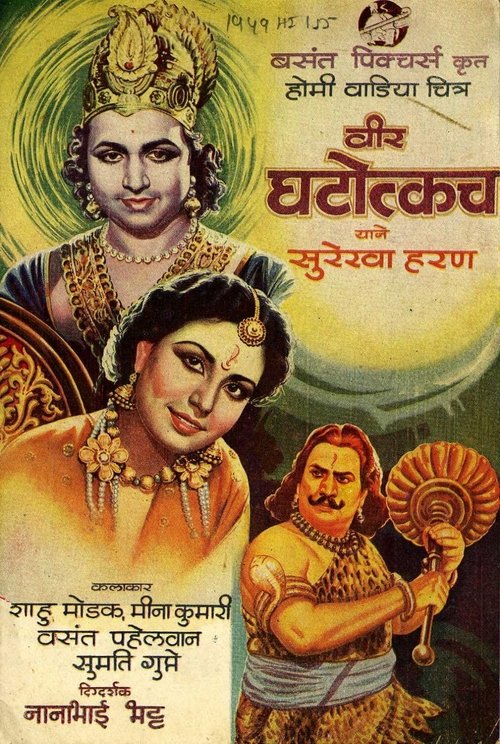
The epic starts with the mighty illusionist Ghatotkach, son of Bhim, accidentally clashing with and reviving his cousin Abhimanyu. As newfound allies, the two launch a daring abduction to rescue Surekha from a forced marriage by the Kauravas, triggering a monumental crisis that demands the direct intervention of Lord Krishna himself.

The ancient Indian epic of the Ramayana. It follows Prince Rama, his wife Sita, and his brother Lakshman as they embark on an exile to the forest. During their time there, events unfold that lead to the abduction of Sita by the demon king Ravan. The narrative then chronicles Rama and Lakshman's journey to find Sita, their encounters with various allies, and the ultimate conflict to rescue her from Ravan's kingdom.
1942 Indian Tamil-language film

The King of Yemen, after gaining the ability to speak with animals, tragically discovers he's accidentally thrown his son into the ocean. He tells his Queen, then mysteriously becomes incapacitated. His only cure: a magic flower from the mouth of Princess Meherangez of Sistan. Heroic Prince Umar sets out to retrieve it.

Mumtaz Mahal tells the story of Shah Jahan and his wife Mumtaz Mahal, tracing their deep love, her death during childbirth, and his grief that leads him to build the Taj Mahal in her memory.
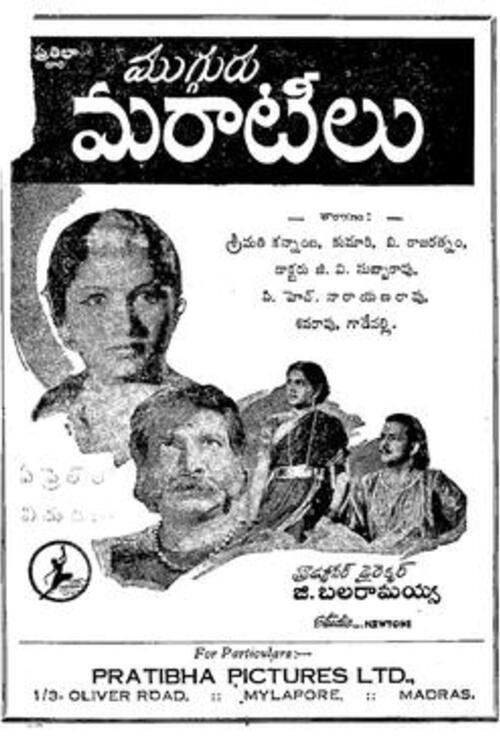
After King Siddhoji's wife instigates him against his three nephews named Somoji, Subandhi and Firoji, a series of unfortunate events occur.

Surdas, a blind poet, embarks on a spiritual journey. He transforms into a revered saint, dedicating his life to crafting devotional poetry for Lord Krishna.

Taj Mahal tells the epic love story of Prince Khurram (later Emperor Shah Jehan) and Arjumandbano (who becomes Mumtaz Mahal Begum). Their destined romance unfolds amidst political intrigue, military campaigns, and courtly life in the Mughal Empire. After Mumtaz Mahal's tragic death, a heartbroken Shah Jehan commissions the construction of the magnificent Taj Mahal as an eternal monument to their love.
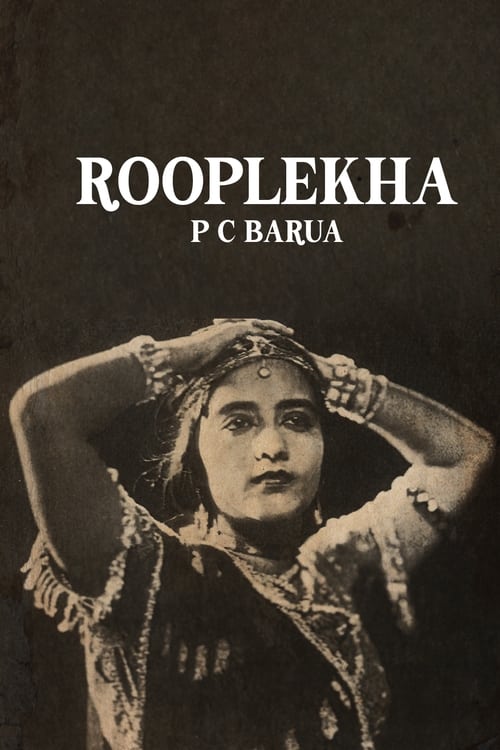
For the first time in Indian cinema, flashback was used for storytelling.
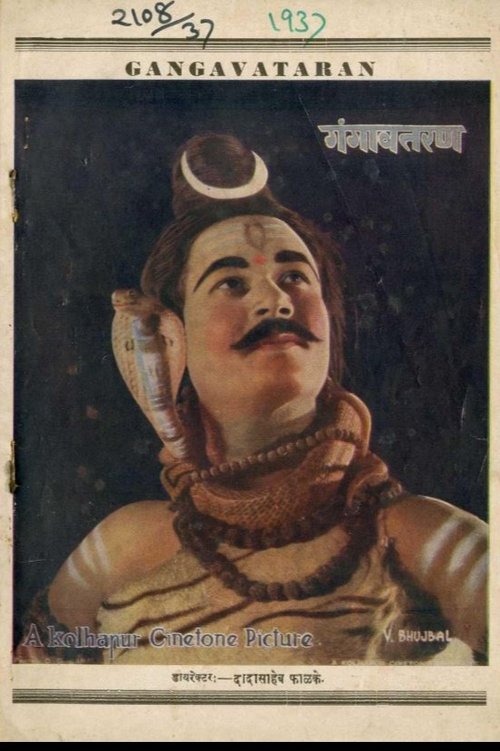
This is a Puranic tale, which, by all accounts, was a grand mythological spectacle full of miracles and fantasy scenes with special effects. Chitnis played the god Shanker, and Suresh played the sage Narada.
1947 Movie in Telugu language
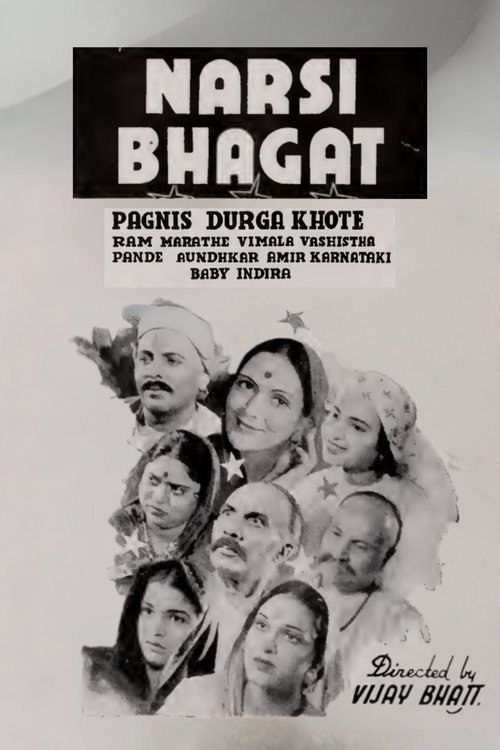
1940 Hindi film
Seminal silent historical film, the story features King Munja, ruler of Aranti, famed warrior and patron of the arts. Munja (Sandow) falls into the hands of his arch enemy Tailap, who received assistance from Bhillam (Altekar), king of Dharavati. Tailap orders that Munja be put to death but is held back by Tailap's powerful sister Minalvati (Fatma Begum), a widow who first wants to break Munja's spirit. Instead, she and Munja fall in love.
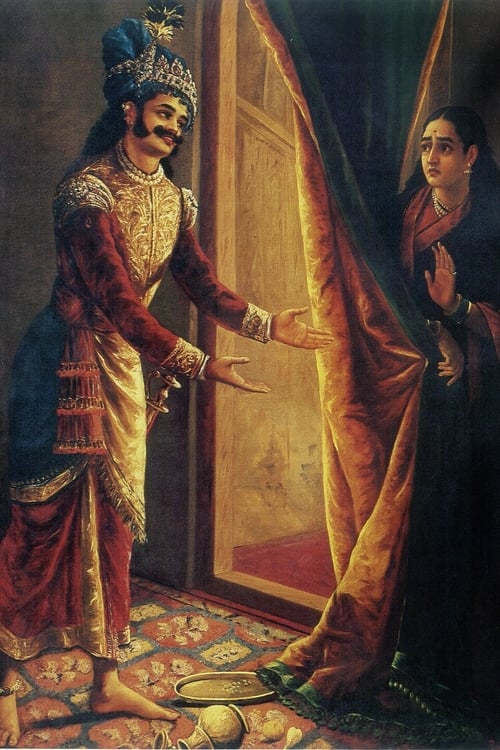
This film is a story from the Mahabharatam where Draupadi, the wife of the Pandavas, resists the advances of Keechaka, a lustful general in the court of King Virata. The confrontation leads to Keechaka's death, highlighting Draupadi's resilience during the Pandavas' exile.
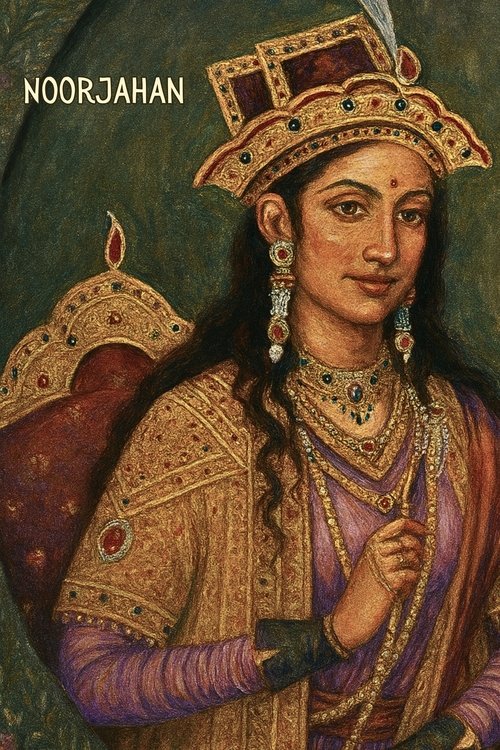
This silent historical drama chronicles the life of Mehr-un-Nissa, who rises from humble beginnings to become the powerful and influential Empress Noor Jahan, wife of Mughal Emperor Jehangir. The film explores her intelligence, beauty, and significant role in shaping the Mughal Empire.
Quasi-historical adventure movie based on the exploits of the 17th C. Maratha emperor Shivaji (Bhosle). A large part of the film is shot in a cave where where Shivaji meets the Subedar of Kalyan (Bhave). The film's dramatic highlight occurs when, inspecting stolen Mughal wealth, Shivaji suddenly confronts a fair maiden (Sultana) emerging from one of the crates full of treasure.
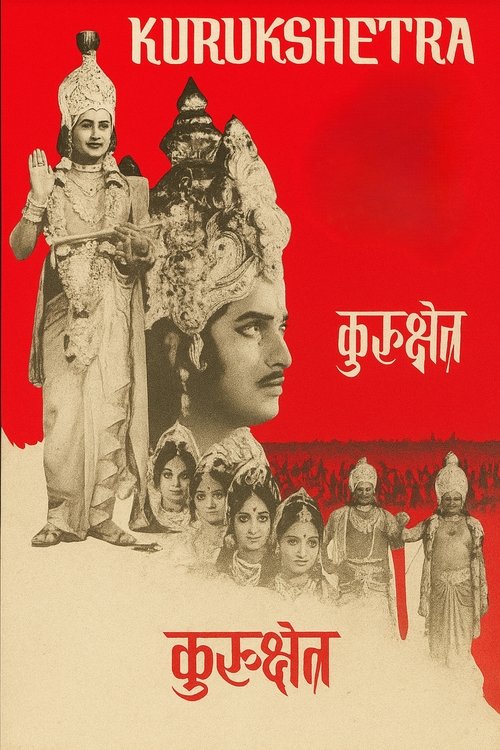
A combination of the epic story of the Mahabharata with contemporary social issues. It starts with a focus on a new social order, featuring three social workers, including Suvarnarekha, dedicated to eliminating idleness. The main narrative then unfolds by incorporating well-known mythological events like the Draupadi Swayamvar and the Sabha (Court) incident, progressing toward the Kurukshetra war. Throughout the film, these epic sequences are mixed with modern "social sequences" and philosophical lessons from the Bhagavad Gita in an attempt to address and provide solutions for national problems.

Dakshayagna is a pivotal tale in Hindu mythology. It recounts the grand sacrifice ritual organized by Daksha, where his daughter Sati, wife of Lord Shiva, tragically immolates herself due to her father's insult to her husband. Enraged by this, Shiva destroys the sacrifice, leading to the creation of the Shakti Pithas. This event also sets the stage for the reincarnation of Sati as Parvati, who later marries Shiva. The story is central to understanding the complexities of Hindu deities and their interactions.

This is the Ramayana story of Seeta (Sriranjani) who retires to the forest and gives birth to twin boys, Lava (Bhimarao) and Kusa (M. Rao). They later take on the might of Rama (Subba Rao) unaware that he is their father.
1947 Indian Kannada-language film
Drawn from the Vishnu Purana, this legend tells of Prahlad, the son of the demon tyrant Hiranyakshapu. Prahlad disobeys his father by worshipping the latter's hated enemy, Vishnu. He undergoes tortures, including being burnt in oil, trampled beneath an elephant and poisoning, until, finally, Vishnu appears from a pillar in his Narasimha guise to overwhelm the demon.
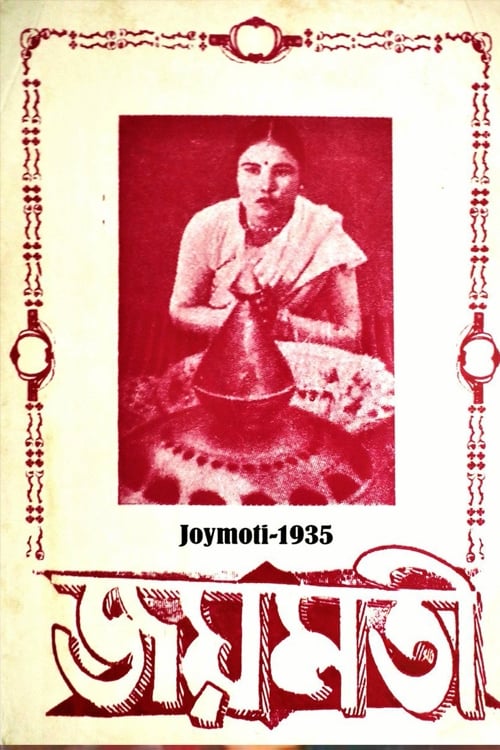
In the late 17th century, a boy-king ruled the Ahom dynasty of Assam. But the executive power over the whole administration was vested on the Prime Minister. Owing to the presence of a large body of princes, each of whom was a positive material for insurrection, no king could sit on the throne safely. The Prime Minister, therefore, instituted search for the suitors to capture and kill them, or let off after mutilating thereby banning them for succession. The principal target of massacre was Godapani, a man of personal - vigor and energy. But Godapani became aware of The Prime Minister's design and fled to the Naga hills. Unable to trace Godapani, the army led by, one Gathi Hazarika, came upon his wife Joymoti. Gathi inflicted tortures on her to elicit the much sought-after information. She stuck to plea of ignorance, and replied to the increasing tortures by silence and patience. She breathed her last in the midst of torture.