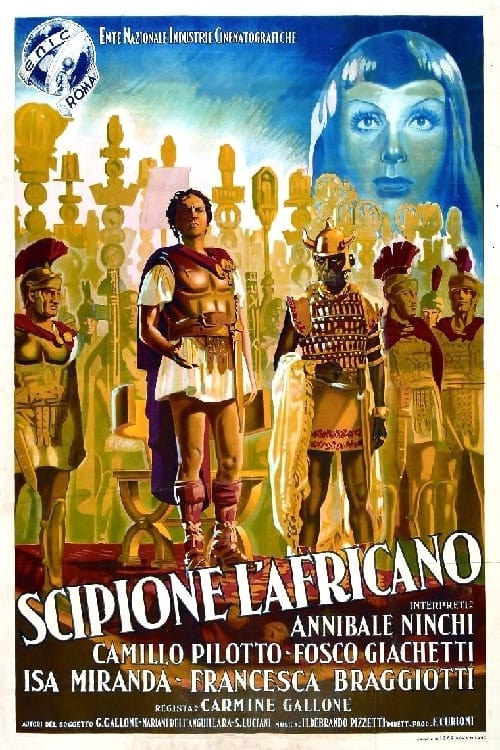
A story of the Second Punic Wars, beginning with Scipio's futile pleas to the Roman Senate to build an army to battle Hannibal, that climaxes with the battle of Zama.
Scipio Africanus: The Defeat of Hannibal
5.4 1937
100 Matches Found
A story of the Second Punic Wars, beginning with Scipio's futile pleas to the Roman Senate to build an army to battle Hannibal, that climaxes with the battle of Zama.
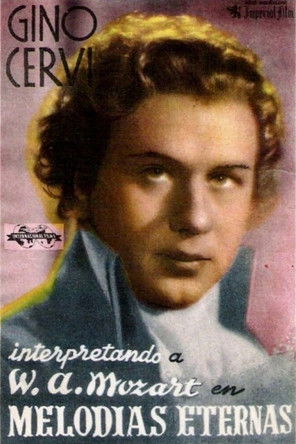
The life of Wolfgang Amadeus Mozart
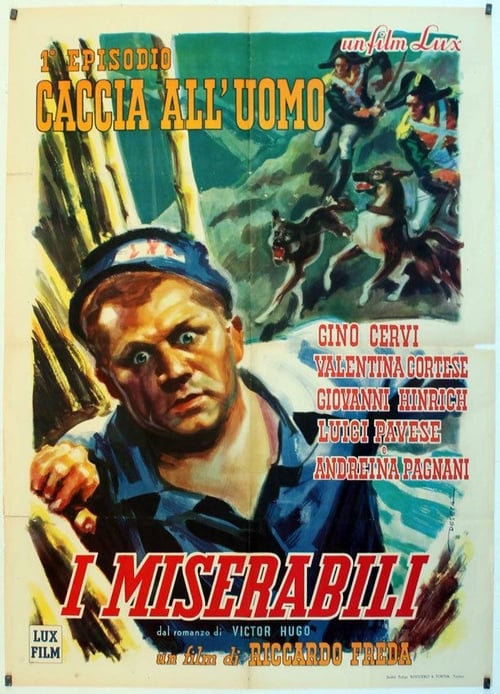
In 19th century France, Jean Valjean, a man imprisoned for stealing bread, must flee a relentless policeman named Javert. The pursuit consumes both men's lives, and soon Valjean finds himself in the midst of the student revolutions in France.
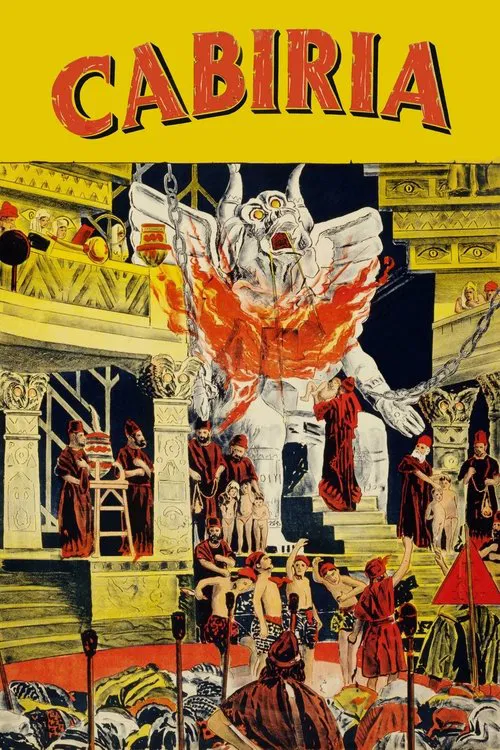
Young Cabiria is kidnapped by pirates and sold as a slave in Carthage. Just as she's to be sacrificed to Moloch, Cabiria is rescued by Fulvius Axilla, a good-hearted Roman spy, and his powerful slave, Maciste. The trio are broken up as Cabiria is entrusted to a woman of noble birth. With Cabiria's fate unknown, Maciste punished for his heroism, and Fulvius sent away to fight for Rome, is there any hope of our heroes reuniting?
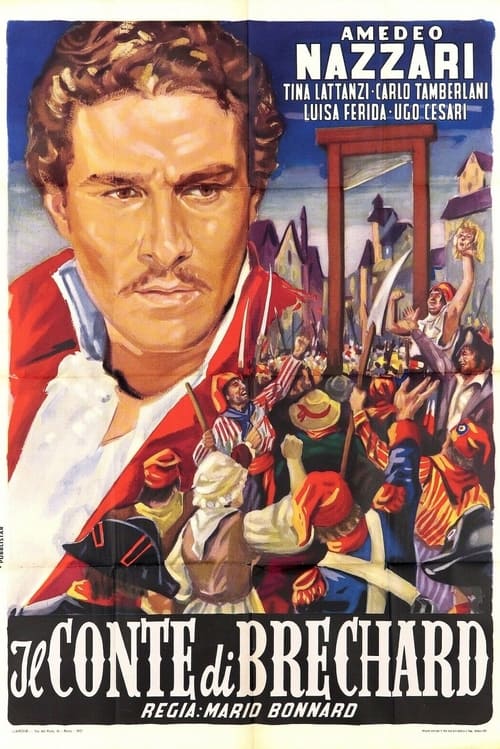
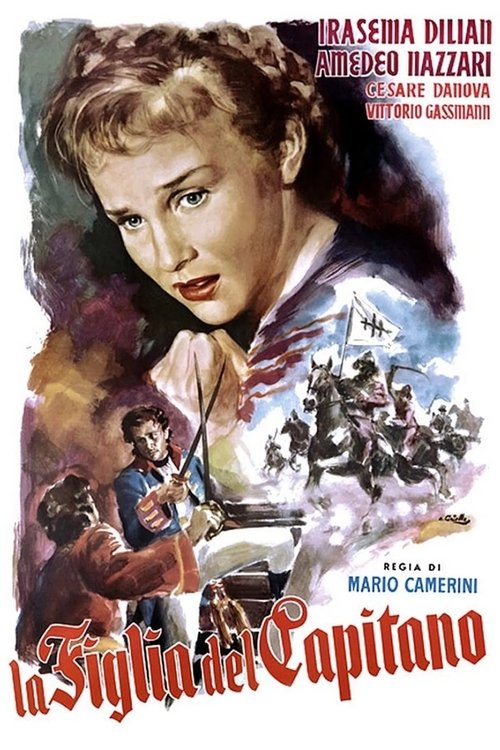
A peasant leader under the enlightened despotism of Empress Catherine the Great, and a love story.
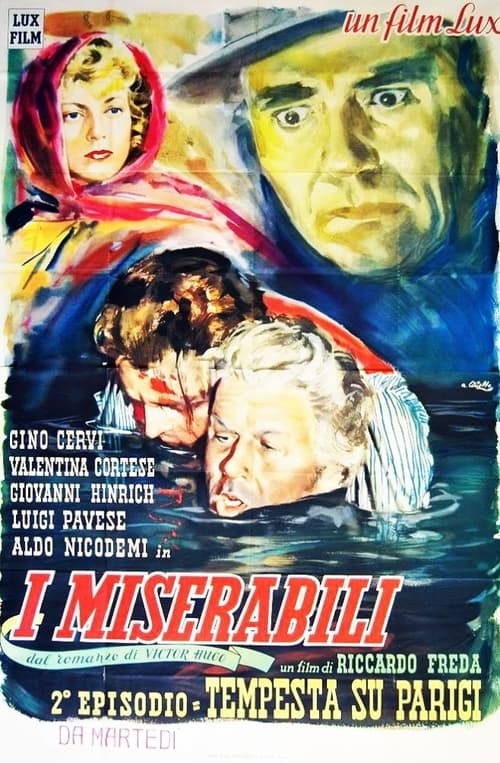
The story of Jean Valjean, still pursued by Javert, continues with a love developing between Cosette and radical student Marius, a blackmailing attempt by suspicious innkeeper Thenardier, and a climax on the barricades of Paris.
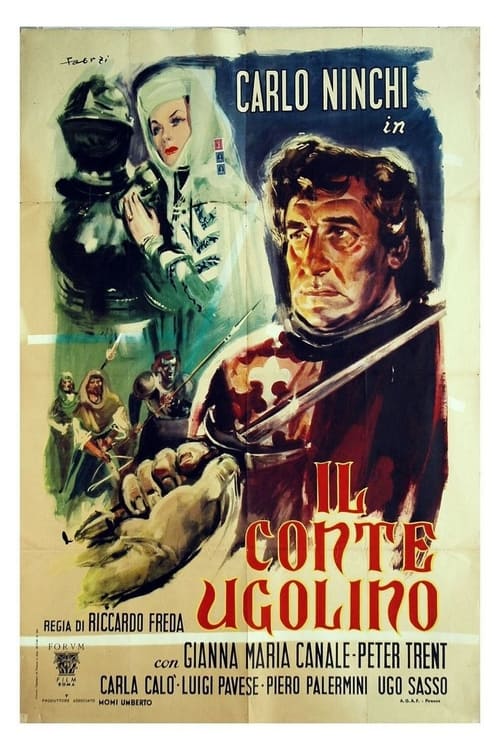

During the Spanish occupation of Naples, the people led by Tommaso Aniello - known as "Masaniello" - plot against the Viceroy. The Viceroy's son, under another name, has a son from Masaniello's sister, but his father has already planned a marriage for him with a Spanish patrician against his wishes.
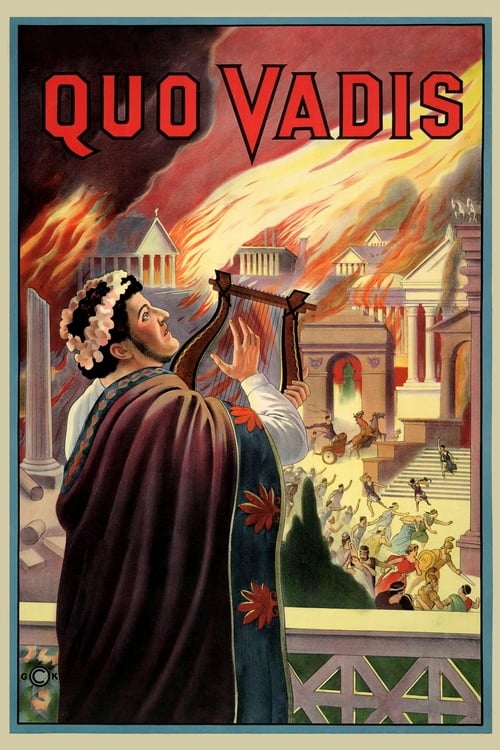
During the latter years of the reign of the tyrannical Roman emperor Nero, Marcus Vinicius, one of Nero's officers, falls in love with a young Christian named Lygia, attempting to enslave her. Lygia's protector, the noble and burly Ursus, works to save her from Vinicius' clutches. Pursuing Lygia, Vinicius finds himself at a catacomb prayer meeting led by the apostle Peter and finds his conscience stirring-- just as Nero orders Rome burned. A landmark in epic film, Enrico Guazzoni’s grand-scale masterpiece laid the foundations for what colossal Italian spectacles would become. The film had tremendous influence on Giovanni Pastrone’s Cabiria (1914) and D.W. Griffith’s Intolerance (1916).

The life of Saint Benedict, the founder of Western Monasticism.
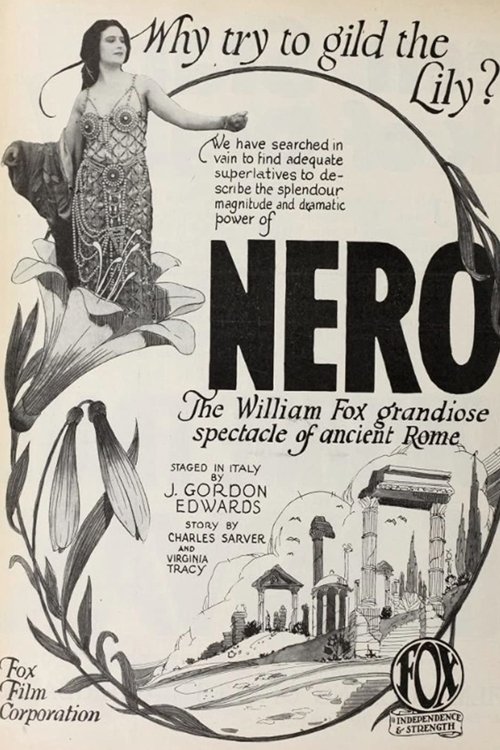
Biography portraying the life of the Roman Emperor Nero.
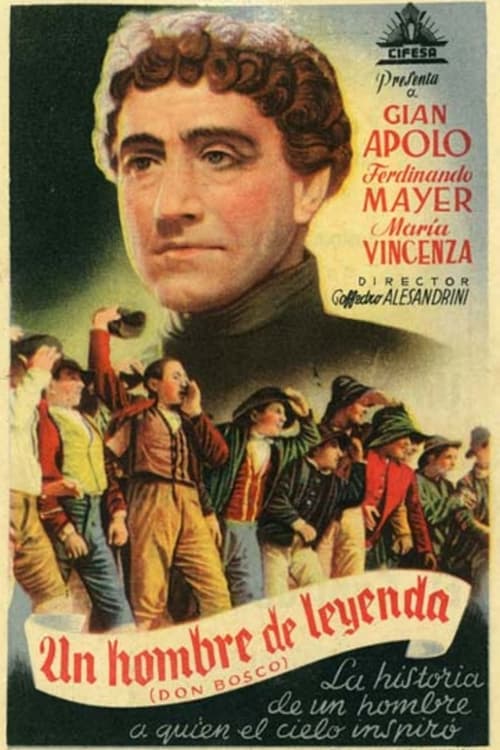
Follows the life of Catholic Priest John Bosco (1815–1888).
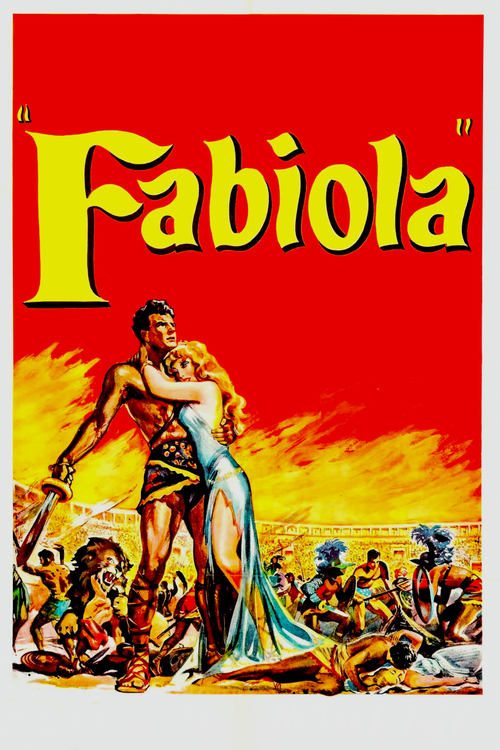
In ancient Rome a love story blossoms between Fabiola, daughter of a senator, and Rhual, a Gallic gladiator. After Fabiola's father is killed, the Romans blame the Christians and the persecution begins. Rhual confesses to being a Christian, is accused of the murder and sentenced to fight to the death in the arena.
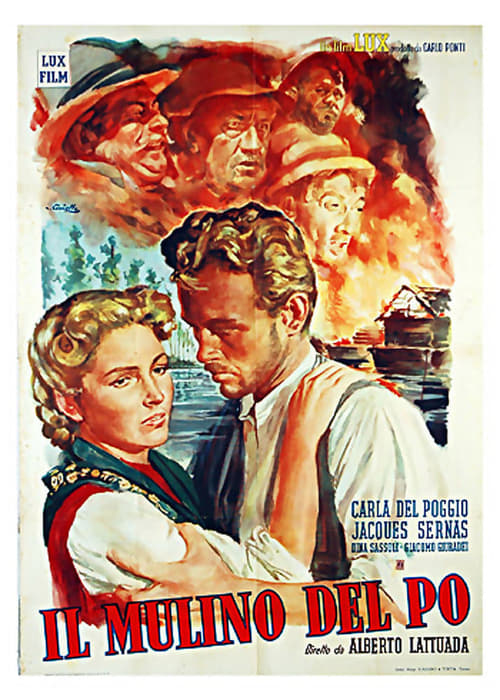
In the Po Valley during the 19th century, a rich girl engaged to a well-to-do farmer ends up penniless and is forced to work for her fiancé’s relatives. Peasant unrest, carried to extremes by both workers and landowners, leads to violence and tragedy.
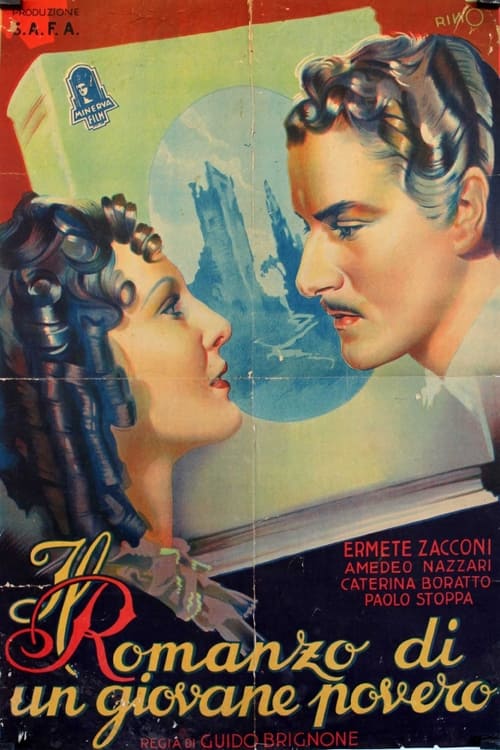

1875. After completing her studies in boarding school, the young Duchess Anna Castellani, returns home and meets by chance a friend of her father, a count much older than herself.

The film takes place at the end of the 19th century. The Cardinal Guglielmo Massaia has spent 20 years in Ethiopia to convert people to the Catholic Church. He comes back to Italy and he tries to get the help of the government of Piedmont. The Count Cavour, although he appreciates the Cardinal's deeds in Africa, cannot grant his Cabinet's support to the Cardinal's plans. The missionary man, trusting the Divine Providence, goes back to Africa by himself. The Cardinal, who is known among the people as Abuna Messias, becomes a friend of king Menelik. The support of the king is fundamental to spread his word and accomplish his mission. The Head of the Coptic Church, Abuna Attanasio, does whatever he can to prevent Massaia from reaching his goals and to get him exiled from Ethiopia. Menelik refuses to help Abuna Attanasio, who decides to address the Emperor, thus igniting a war between the Emperor and his subject Menelik. In order to end the war, the Cardinal decides to leave Africa.
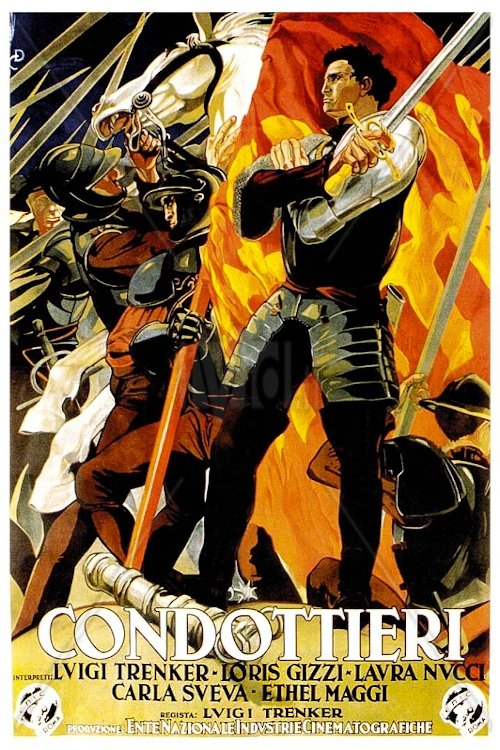
Returned from exile where he accompanied his mother Caterina Sforza, Giovanni de 'Medici (1498-1526), becomes, under the name of Giovanni delle Bande Nere, captain of fortune at the service of the idea of a united Italy.
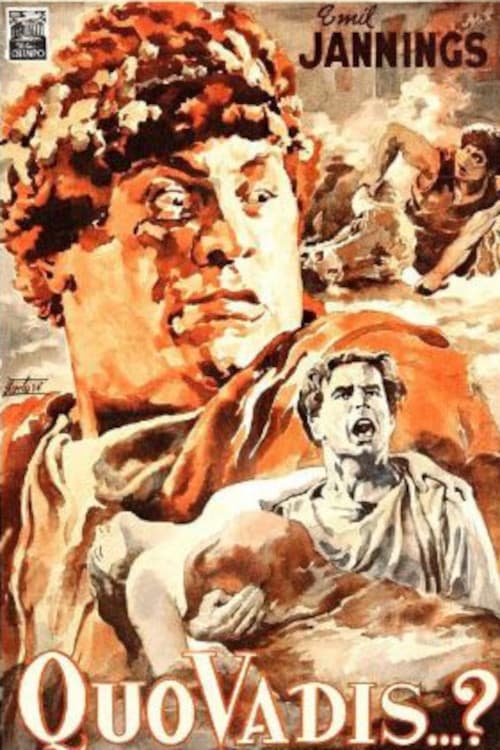
"The Roman Banquet, the golden glories, the unrivaled luxuries, the wine, the dance, the song, the beautiful women, the sumptuous splendors that taxed a barbaric world for a night of feasting and revel-- Re-created for your entertainment in the most colossal drama produced", reads an ad in the Daily Argus of New York. Unione Cinematografica Italiana's lavish production of the oft-told tale stars Emil Jannings as Nero.
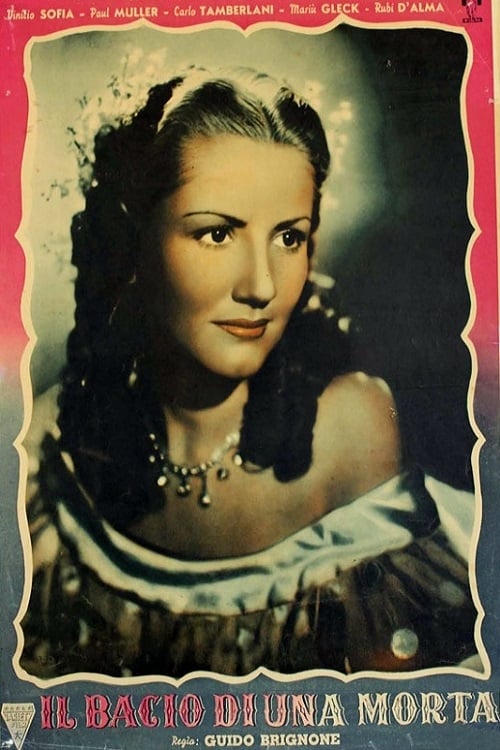
Italy, 1848. Clara, daughter of a rich Milan trader, is in love with Enrico, a political dissident, but she is forced to marry Count Severi.
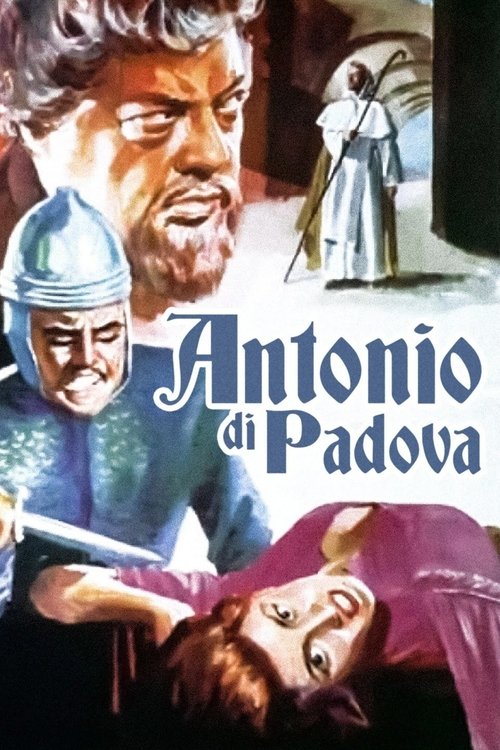
Biography of the famous saint of Portuguese origin recalled from the readings of a young boy who one day goes to church with his mother to pray for the return of his father, who is missing in action.
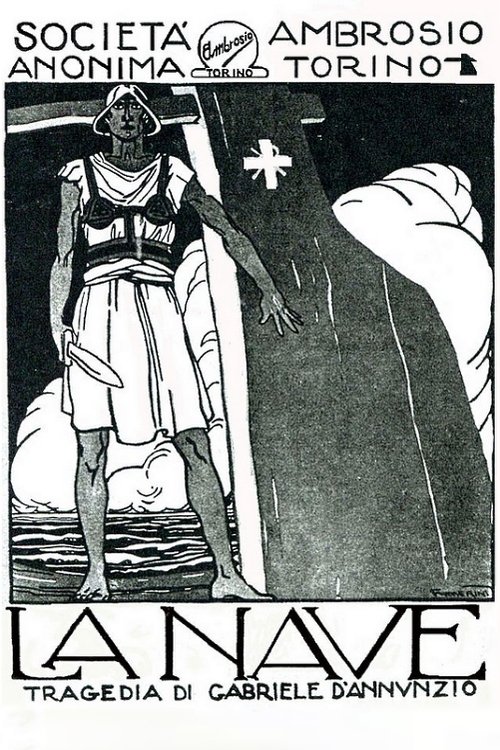
The newly-settled city of Venice in the Sixth Century AD: A wandering people struggle to establish Christian Theocracy. Basiliola Faledro, an exotic dancer, wicked and cunning, arrives from faraway lands seeking to avenge her pagan lineage; Her father and brothers blinded and humilated by frenzied zealots. Her primary targets are the brothers Gràtico, both newly-elected to positions of power: One, Marco, an arbiter and tribune, the other, Sergio, a bishop. The title refers to a bold pronouncement made by Deaconess Ema Gràtico to her subjects the Venetians, a seafaring and desperate tribe-- That their native homeland is aboard a ship.
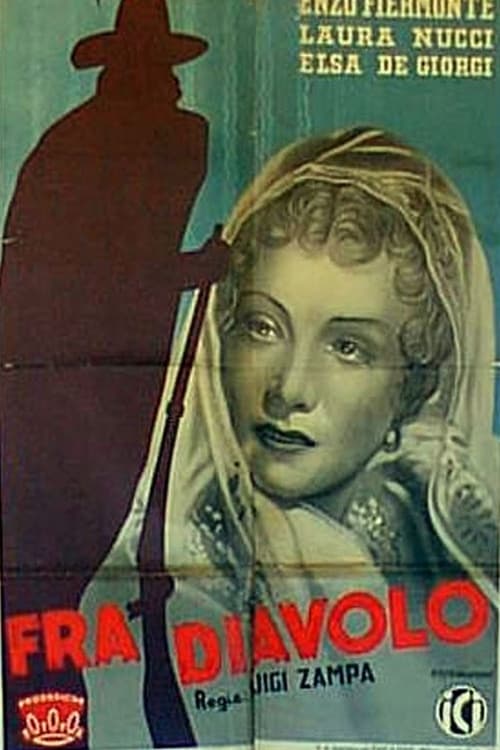
The leader of a band of mountain bandits defending Naples against the French plays a dual role as a police official. Our romantic hero pivots as well between two women, the sister of a royalist and a lady spy.
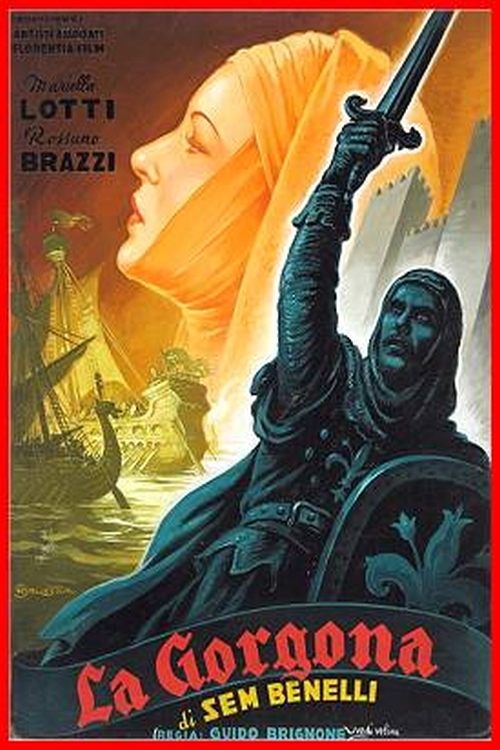
1017 AD. The Republic of Pisa is organizing a fleet to drive out the Saracens who are infesting the Mediterranean. While the forces are away "The Gorgon," the young daughter of a Pisan nobleman who has been heroically killed, comes to be solemnly invested as the figurehead virgin who will maintain a lantern to celebrate the men's victorious return. In charge of the home guard is an ambitious young Florentine who feels deprived of the forthcoming honour and glory, and who seeks revenge by violating the sacred person of the virgin. He gains access to her well guarded quarters, but when the Gorgon falls helplessly in love with him, his desire for vengeance falls away. His plot exposed, he commits suicide rather than invoke the wrath of the Pisans. The Gorgon too takes her life by throwing herself from a high tower. Meanwhile, the victorious Pisan vessels return.
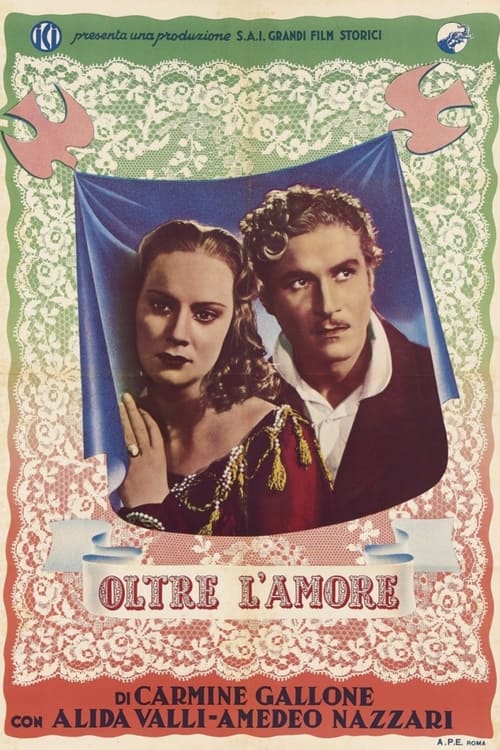
Set in the Papal States in the first half of the 19th century, it tells the story of the Roman noblewoman Vanina Vanini and her secret love for the Carbonaro Pietro Mirilli. The latter, given his commitments in the underground struggle, decides to abandon his young lover, who is nevertheless willing to marry him. Left alone, Vanina is unable to escape her despair and tries in every way to reunite with her companion, even going so far as to denounce the Carbonari to the Cardinal of Romagna, naming them all except Pietro and revealing the hiding place where they meet. Pietro, learning of Vanina's betrayal, casts her out. Only then does Vanina realize the gravity of her actions and decides to join the Carbonari, even participating in combat operations, during one of which she is wounded. This brings the two young people closer together forever.
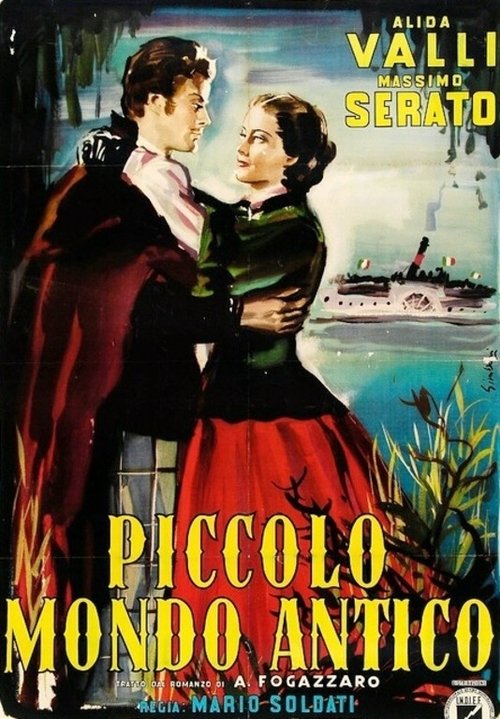
Franco, a young man of noble descent, marries Luisa, daughter of a humble clerk, against his grandmother's will.
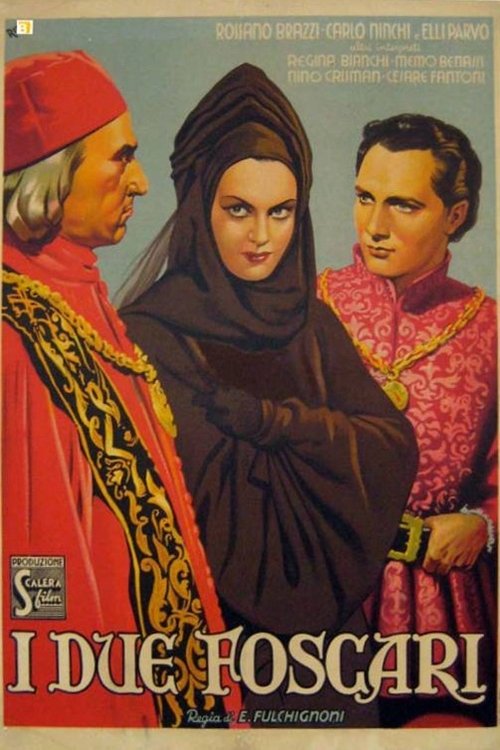

The story is the harried attempt of a Sicilian partisan, as part of the risorgimento, to reach Garibaldi's headquarters in Northern Italy, and to petition the revered revolutionary to rescue part of his besieged land. Along the way, the peasant hero encounters many colorful Italians, differing in class and age, and holding political opinions of every type. There is a key train scene, and the film ends on the battlefield, Italian unification a success, despite brutal losses.
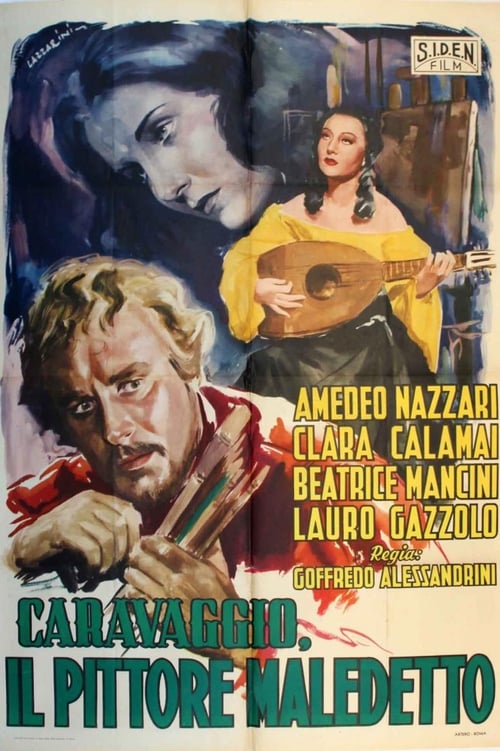
Caravaggio, il pittore maledetto is a 1941 Italian historical drama film directed by Goffredo Alessandrini and starring Amedeo Nazzari, Clara Calamai and Lamberto Picasso. Nazzari portrays the painter Caravaggio as a wayward genius. It was one of his favourite screen roles.
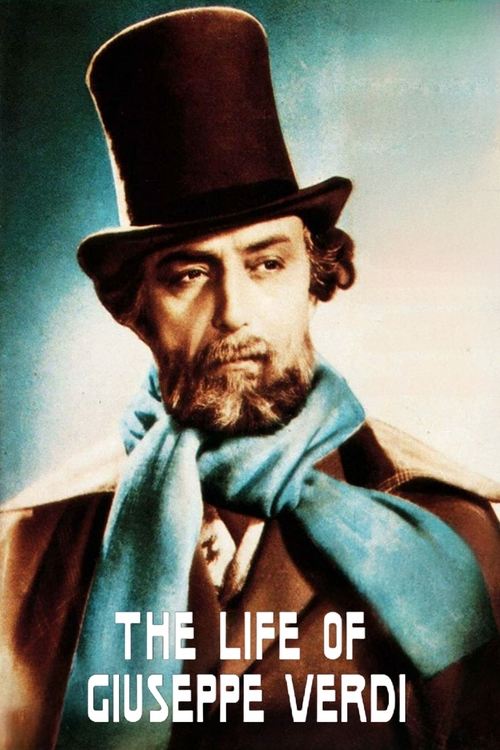
The great Italian opera composer recalls his eventful life on his deathbed: his childhood in Busseto, his studies in Milan, his first opera "Oberto, conte di San Bonifacio", the death of his wife and his children killed by smallpox.
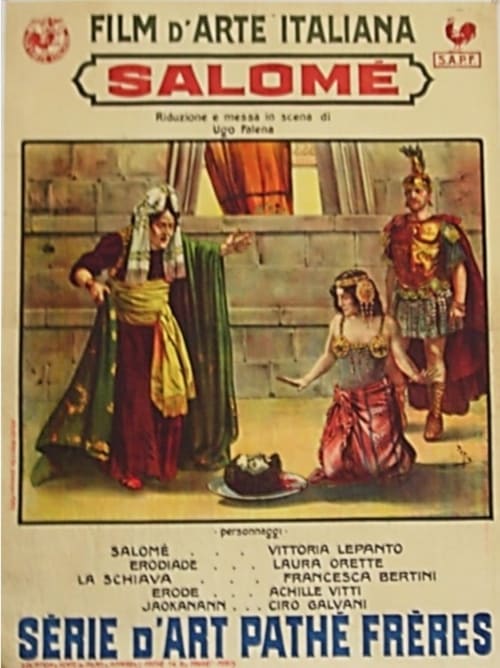
Based on Oscar Wilde's version of the story, what is noteworthy is the sheer luxury of the production, an attempt to capture the wild and weird Aubrey Beardsley illustrations that transfigure the work. The sets are elaborate, with stonework and palm trees and draperies. There seem to be dozens of dress extras, courtiers at Salome's dance and soldiers.
This story first takes you to Misslimeri, a little Sicilian village, and into the home of Don Ruggero, a wealthy landowner. Don Ruggero is an iron-hearted man and strongly prejudiced against the lower classes. His son, Corrado, a young fellow, loves Rosalia, a shepherdess, but Don Ruggero has always refused to allow their marriage and to recognize little Vincenzino, their child, as his grandchild. Finally to destroy all Corrado's hopes, he discharges poor Rosalia from his farm, where she had been employed for many years. Even the sight of her departure with Vincenzino in her arms does not soften him. Rosalia is the very ideal of the Sicilian beauty, and Capt. Altieri, an officer in the service of the Dominators, the Bourbons, admires her immensely, but all his approaches are strongly repulsed by her. Don Ruggero and his son have for a long time conspired to free their motherland from the hands of the Bourbons, and when they receive news of the arrival of Garibaldi.
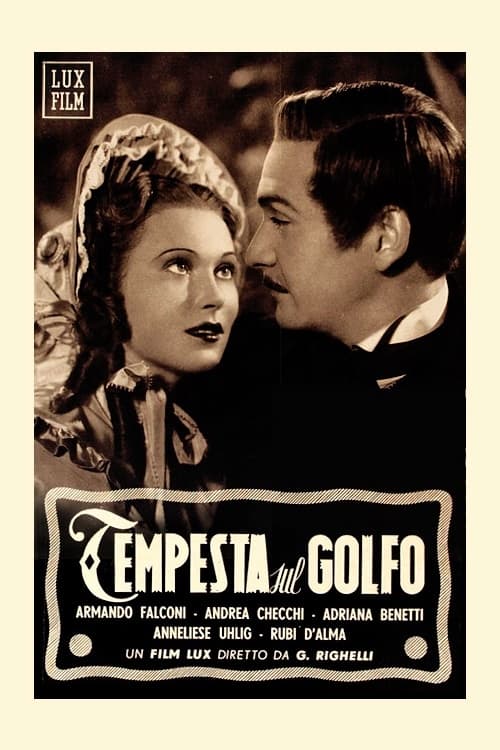
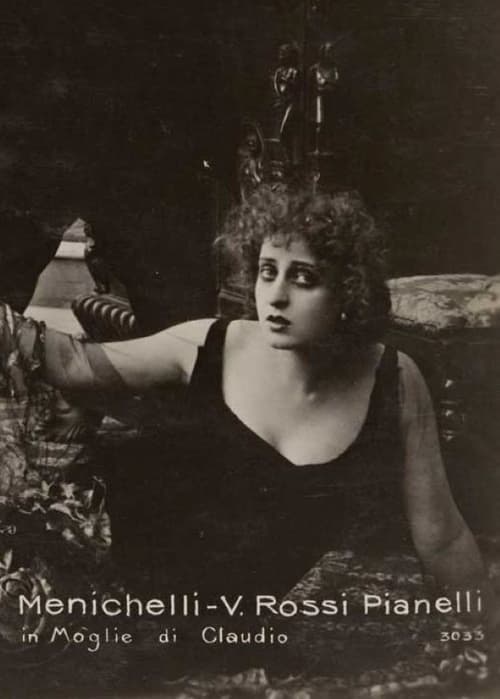
Claudio is married to Cesarina, a frivolous and unfaithful woman. After the death of their only son their marriage is cold. While his wife lives her free life, Claudio is dedicated to the development of sophisticated weapons, elaborating the project of a new cannon; but smitten by the virtuous Jew Rebecca he can not surrender to his feelings because his religion prevents him from getting a divorce.
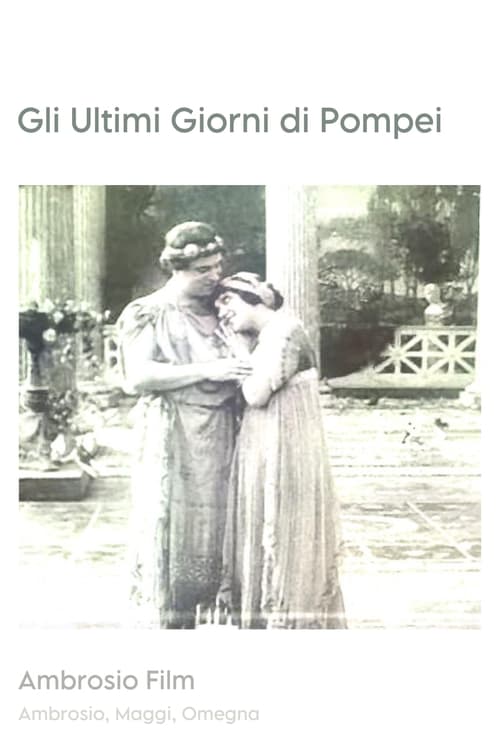
Pompeii 79AD, mere days before the Vesuvian eruption. Glaucus and Jone are in love with each other. Arbaces, the Egyptian High Priest, is determined to conquer Jone. Glaucus purchases Nydia, the blind and long-suffering slave. Nydia falls in love with Glaucus and asks Arbaces for his help. He gives her a potion to make Glaucus fall in love with her-- In fact, a poison which will cause violent insanity.

Florence in 1848. There is a strong political tension in the Grand Duchy of Tuscany. Giovanni, a young Neapolitan composer who has just arrived in the city, accidentally comes into contact with some liberals and is convinced to compose the hymn of the Volunteers.
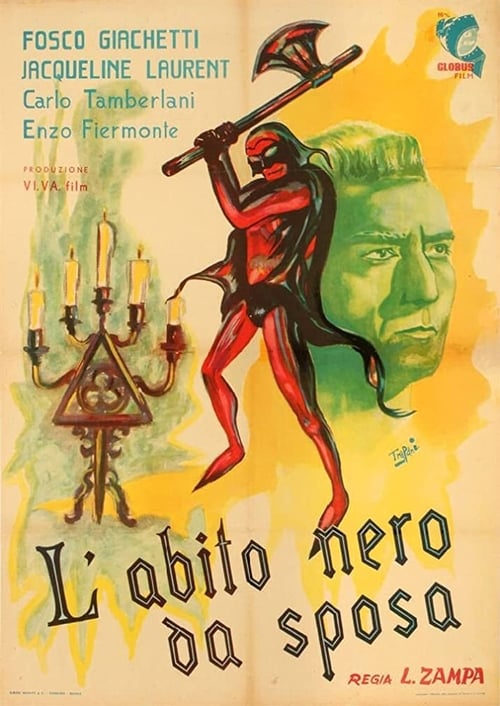
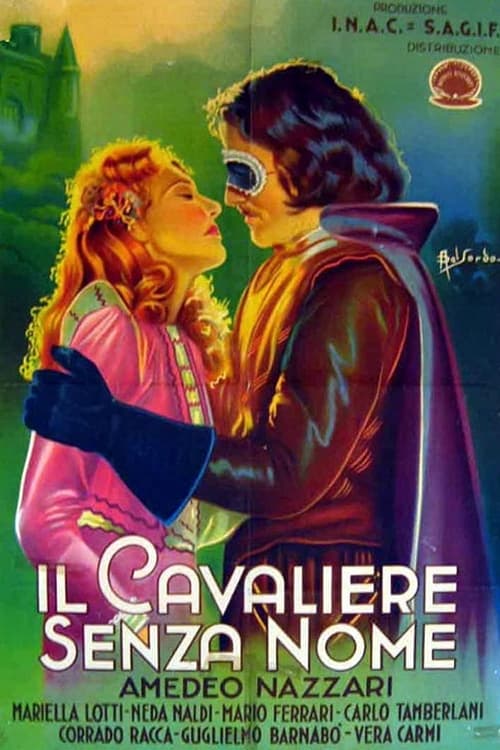
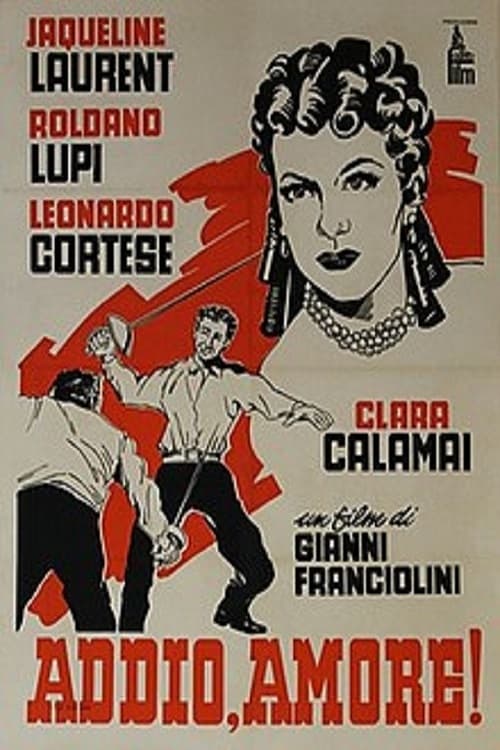
Naples, 1880. Two young sisters from a noble family, after losing their parents, get taken in by a friend of their family.

An Italian blacksmith who emigrated is wounded during the war on the French front, losing his memory. Hospitalized in a German hospital, he recovers it three years later and returns home from Tunisia, happy for the reclamation of the Pontine Marshes and the inauguration of the city of Littoria.
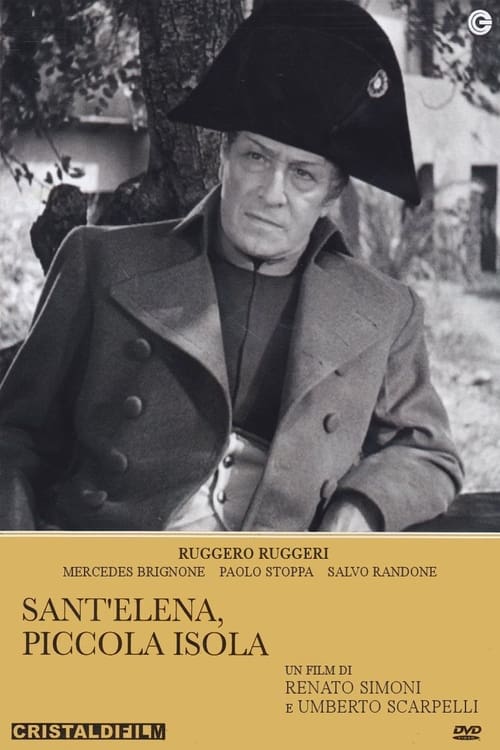
The last days of Napoleon on the island of Saint Helena.
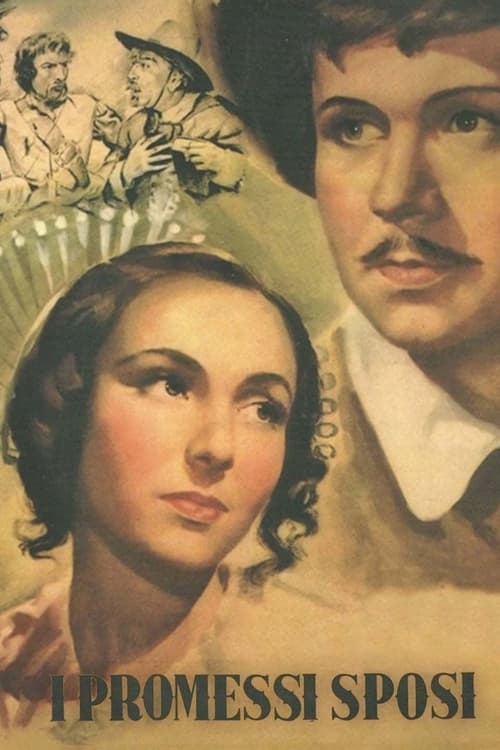
Renzo and Lucia's love story is jeopardized by Don Rodrigo, a wicked nobleman, who is interested in Lucia. When she refuses his attentions he has her kidnapped and brought to a convent whose prioress is a nun as wicked as he is. The two youths will have to go through a lot of misfortunes before being reunited and being able to marry.
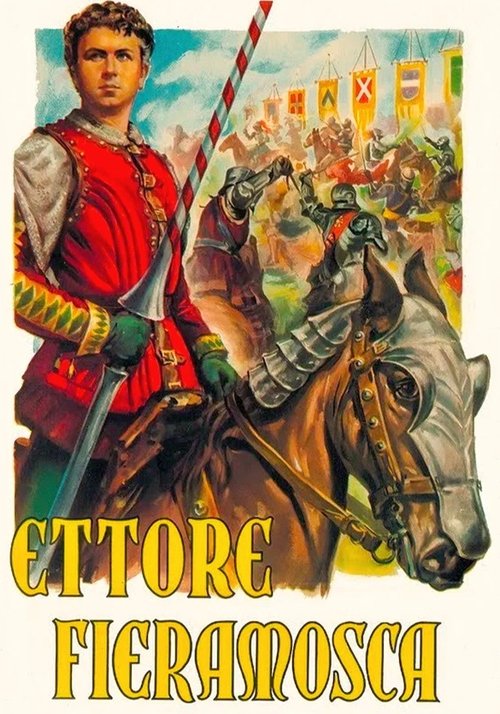
ETTORE FIERAMOSCA was based on a widely-read literary action epic by Massimo D'Azeglio, published in 1833. Translated to the screen in 1938 by the most important director of the Italian fascist period, Alessandro Blasetti, it was intended to boost current patriotic fervor and pride in the Italian nation, and it contributed to a revival of Italian nationalism.
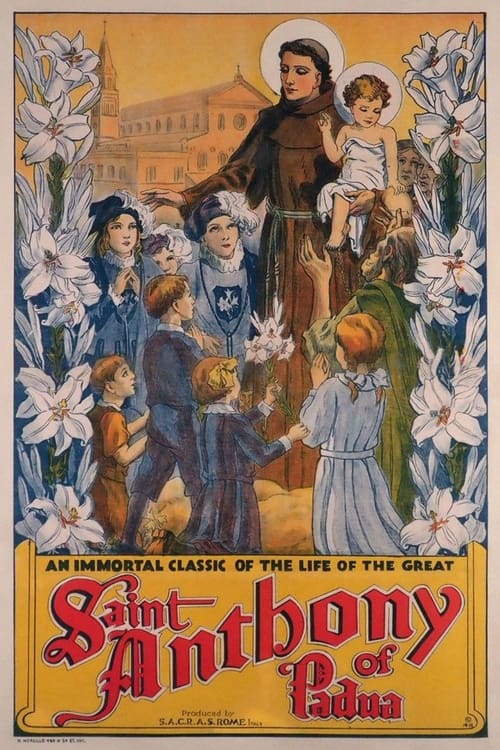
Born Fernando de Bulhões, he was a precocious Portuguese youth, concerned with the suffering of the poor. Grown into a contemplative young man he renounces the world to join first the Augustinian Order and then the Franciscans order (where he takes the name Anthony) in his dedicated service to the faith.

In "Agrippina" (1910), Guazzoni recreates the particular and troublesome relationship between Agrippina, the second wife of the Emperor Claudius, and her son Nero.
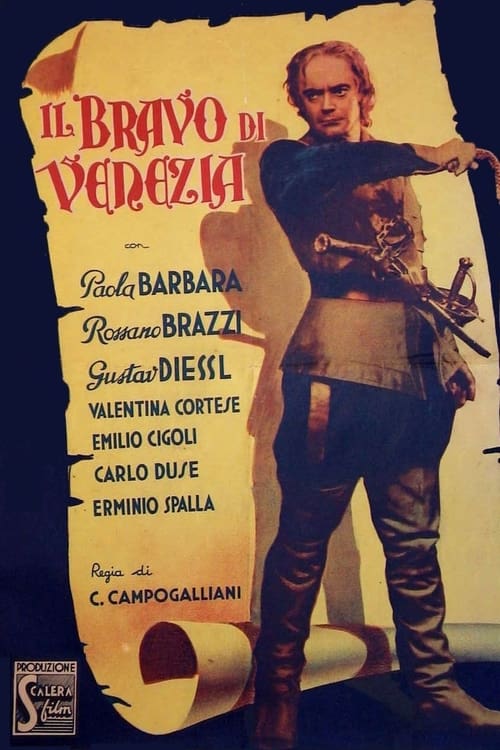
Marco Fuser, an outlaw. returns to Venice after many years. His son who works in the studio of a celebrated painter is unaware of his father's history. Arrested by the Doge's men, Marco agrees to become a bravo in the service of the city's ruler and kill his enemies. He enjoys some success at this, until he finds he has been tasked with killing his son.
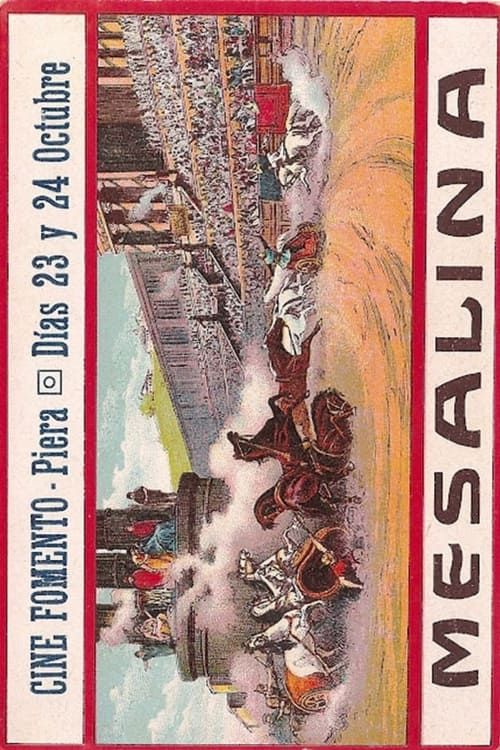
In ancient Rome, tyrannical Emperor Caligula is assassinated through the machinations of Messalina. She then makes a conquest of Marcus, who forces the Senate to name her husband, Claudius, as emperor. Messalina's wicked ways continue when she falls in love with Ennio, a slave. Ennio is also loved by Egyptian princess Mirit, but he loves neither of them, preferring the company of Ela, a Greek slave.
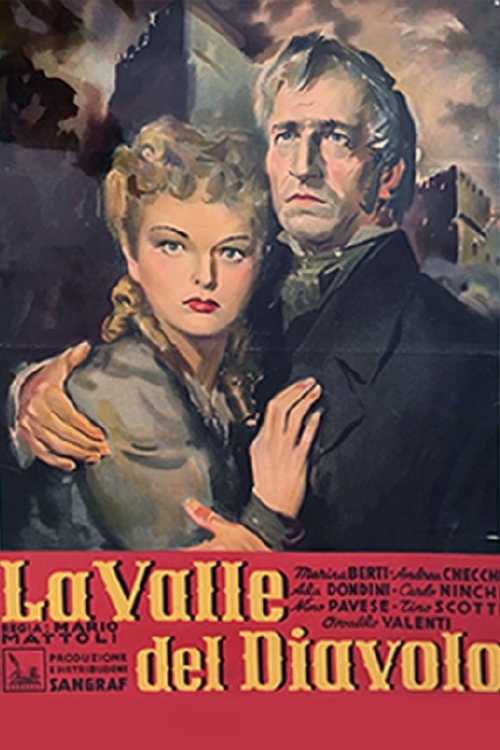
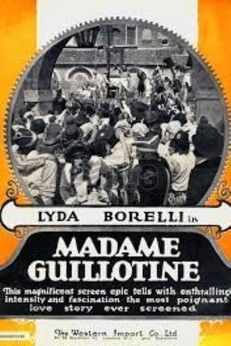
19th century Sardou period melodrama turned into a vehicle for diva star Lyda Borelli: an aristocratic French lady leaves her unfaithful husband and becomes involved with a member of Robespierre's revolutionary regime.
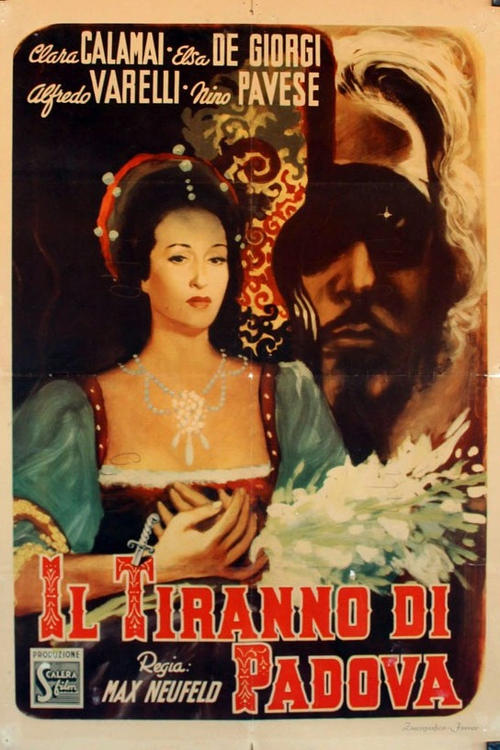
Padua, 1540. Angelo is married to Caterina but has an affair with Tisbe, an actress who travels with Rodolfo, presented as her brother but actually her lover and also Caterina's first and true love. Tisbe is also searching for the daughter of the woman who saved her mother from capital punishment and to whom she had given a crucifix. Caterina, victim of a plot hatched by Angelo and Tisbe, is saved by her at the last minute, as she recognizes her as the daughter of the woman who saved her mother from capital punishment.
Two siblings lose their parents amidst turmoil in revolutionary France and are adopted by a peasant family. Once grown up, the older brother enlists in the Napoleonic Wars.
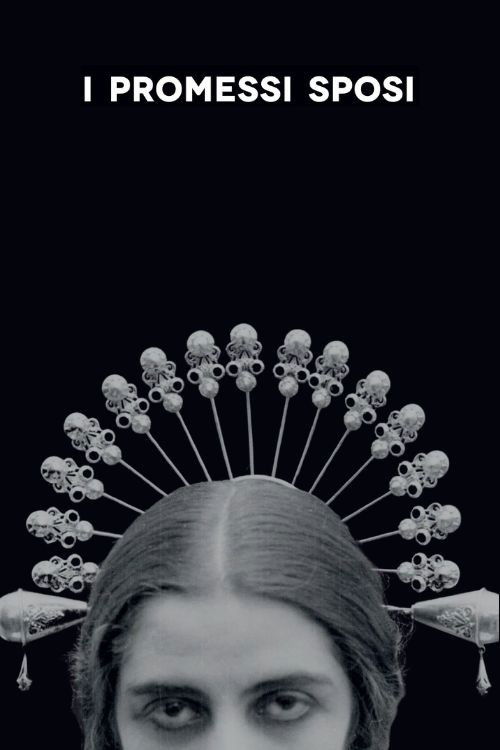
Based on the famous historical novel by Alessandro Manzoni, and set between 1628 and 1630 in Lombardy, Northern Italy, during the Spanish domination, the film displays the marriage between two young textile workers, Renzo and Lucia. The 1922 version is one of the most ambitious and spectacular films in all Italian silent cinema, with remarkable mass scenes and some images that sparked controversy.
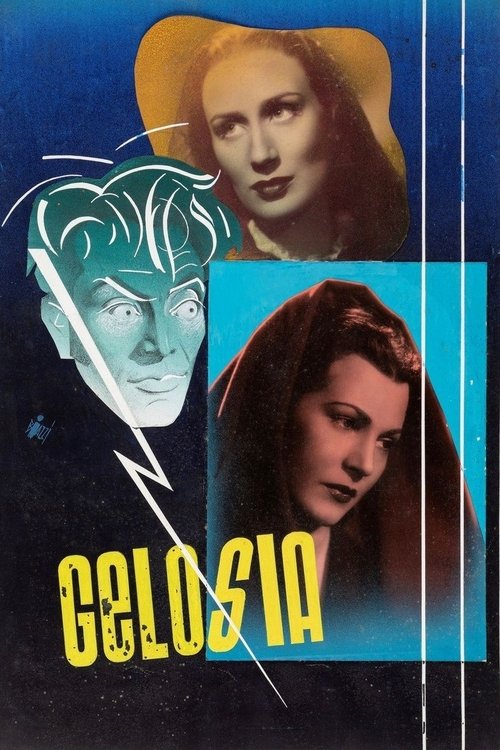
A film based on the book Il marchese di Roccaverdina by Luigi Capuana about a marquis who is in love with his servant Agrippina but is unable to marry her because of her status. The marquis commands his trusted subject to marry her in his stead as long as he vows not to have sex with her.
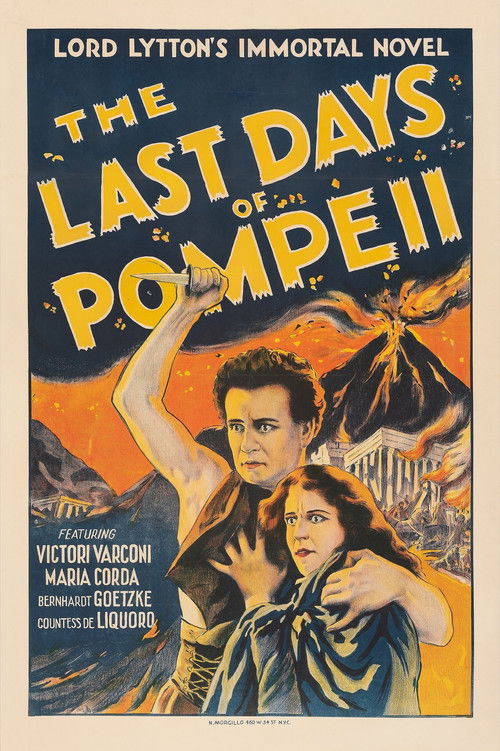
Carmine Gallone and Amleto Palermi’s The Last Days of Pompeii 1926 stages in sumptuous colour tinting the epic fall of the ancient city buried by Mount Vesuvius’ eruption. Adapted from Edward Bulwer-Lytton’s love story, the film was innovative in its special effects and an early major box-office hit. A beautiful tinted restoration print was prepared using photochemical processes by Centro Sperimentale di Cinematografia-Cineteca Nazionale in the mid-1990s and the premiere screening of the restoration print was held in the amphitheatre in Pompeii, followed by a screening at the major restoration festival ‘Il Cinema Ritrovato’ in Bologna in 1998.
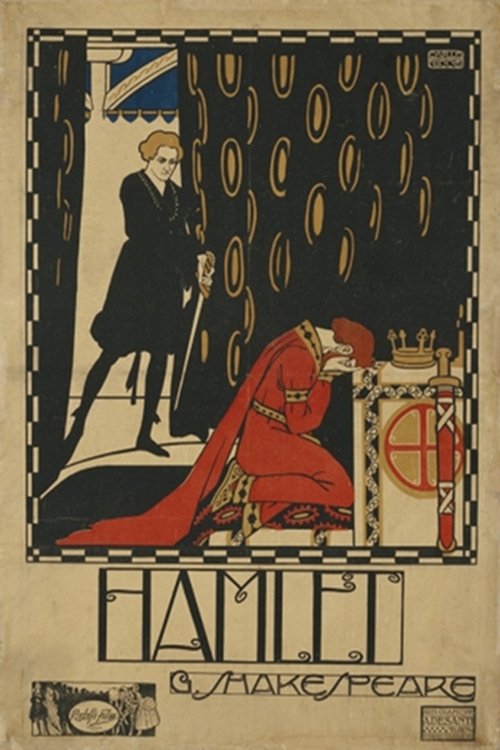
The short film tells the story of Hamlet, who was forced to flee from the treachery of the usurper of the throne who had killed all the relatives of the young. But he will now return to the castle to avenge his father ...