112 Matches Found

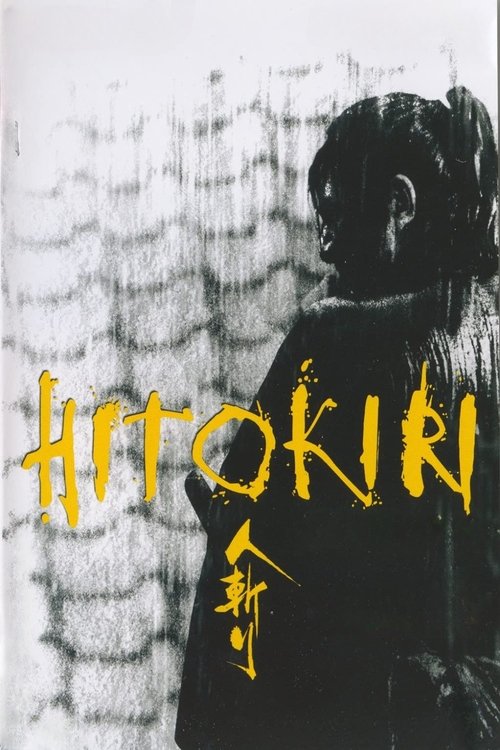
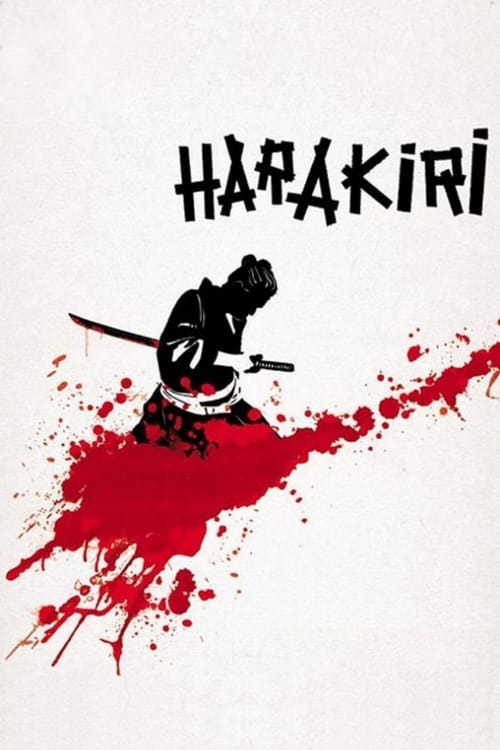
Harakiri

Down-on-his-luck veteran Tsugumo Hanshirō enters the courtyard of the prosperous House of Iyi. Unemployed, and with no family, he hopes to find a place to commit seppuku—and a worthy second to deliver the coup de grâce in his suicide ritual. The senior counselor for the Iyi clan questions the ronin’s resolve and integrity, suspecting Hanshirō of seeking charity rather than an honorable end. What follows is a pair of interlocking stories which lay bare the difference between honor and respect, and promises to examine the legendary foundations of the Samurai code.

Harakiri

8.4 1962
Japan's Longest Day

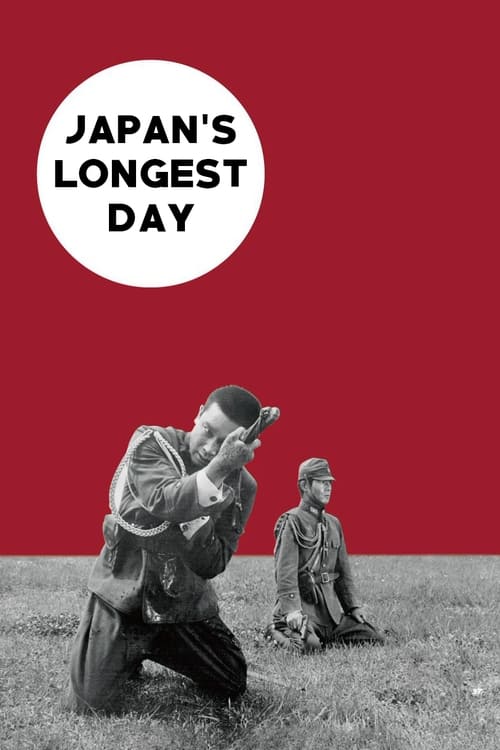
Following the detonation of the atomic bombs on Hiroshima and Nagasaki, the Japanese military and the government clash over the demand from the Allies for unconditional surrender. Minister of the Army Anami leads the military officers who propose to fight on, even to the death of every Japanese citizen. Emperor Hirohito, however, joins with his ministers in asking the unthinkable, the peaceful surrender of Japan. When the military plots a coup to overthrow the Emperor's civilian government, Anami must face the choice between his desires and loyalty to his Emperor.

Japan's Longest Day

7.2 1967
Samurai Banners

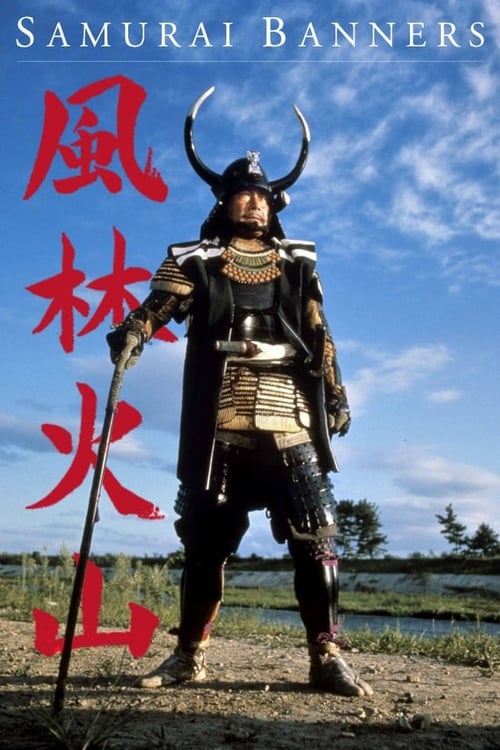
Kansuke Yamamoto is a samurai who dreams of a country united, peaceful from sea to sea. He enters the service of Takeda, the lord of Kai domain. He convinces Takeda to kill the lord of neighboring Suwa and take his wife as a concubine. He then convinces the widow, Princess Yu, to accept this arrangement and to bear Takeda a son. He pledges them his life. He then spends years using treachery, poetic sensibility, military and political strategy to expand Takeda's realm, advance the claim of Yu's son as the heir, and prepare for an ultimate battle with the forces of Echigo. Has Kansuke overreached? Are his dreams, blinded by love, too big?

Samurai Banners

7.4 1969
Shinsengumi: Assassins of Honor

Near the end of the nineteenth century, as the balance of power shifts from Shogunate towards the Emperor, Japan restlessly awaits the dawning of a new age. But not all are content...The Shinsengumi, a small army of samurai, farmers and peasants, band together to do battle against the tide of history. Their leader, Isami Kondo is a man who rises from farmer to fighter to head the fierce Shinsengumi brigade. Using a stern hand and a heart of gold, he rallies his men in defense of the tottering Shogunate. But bloodshed and treachery lurk around every corner.

Shinsengumi: Assassins of Honor

6.8 1969
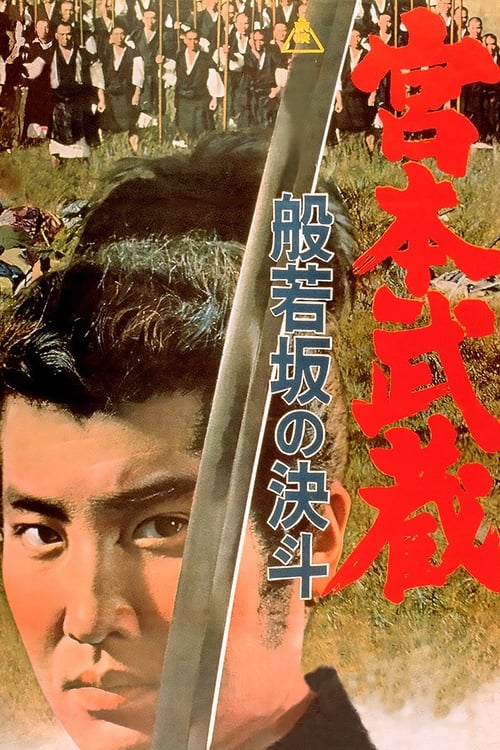
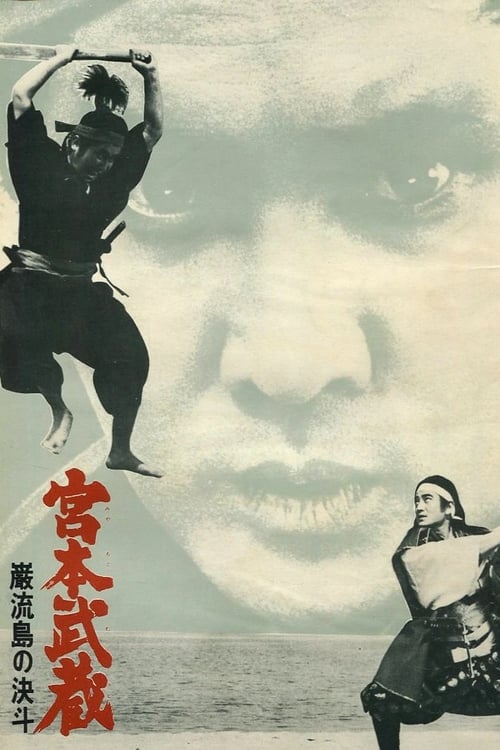
Miyamoto Musashi V: Musashi vs Kojiro

The fifth and final installment with the build up of the epic battle between Sasaki Kojiro and Miyamoto Musashi. With all the familiar characters making appearances: Otsu (Musashi's great love), Akemi, Matahachi (his former fellow soldier), old lady Osugi (still doggedly trying to defeat Musashi), and even the return of Priest Takuan (the man responsible for his journey towards enlightenment). But most of all, the boastful, long-haired and long-sworded Sasaki Kojiro.

Miyamoto Musashi V: Musashi vs Kojiro

7.3 1965
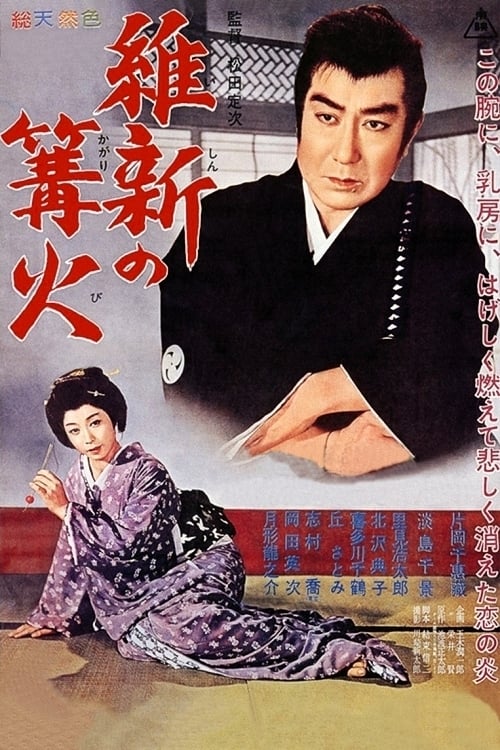
Restoration Fire

Megastar Kataoka Chiezo is Vice-commander Hijikata Toshizo of the Shinsengumi in this realistic tale of Japan’s inner battles that led to the downfall of the Tokugawa shogunate. Excellent performances and extremely good swordplay highlight this glimpse into the heart and soul of Japanese history. Although known as “Razor Blade” Hijikata, the vice-commander is a man of deep conviction with a little-known sense of humanity. Starting after the famed Ikedaya Incident, in which they saved Kyoto from Choshu’s plot to burn the city to ashes, they work hard to change the public’s view of them as merciless killers to their true mission of protecting the shogun. This is an extraordinary tale of blood and guts! From the pen of award winning author Shotaro Ikenami (Bandit Vs. Samurai, Hunter in the Dark, Misumi's The Last Samurai)

Restoration Fire

7.0 1961
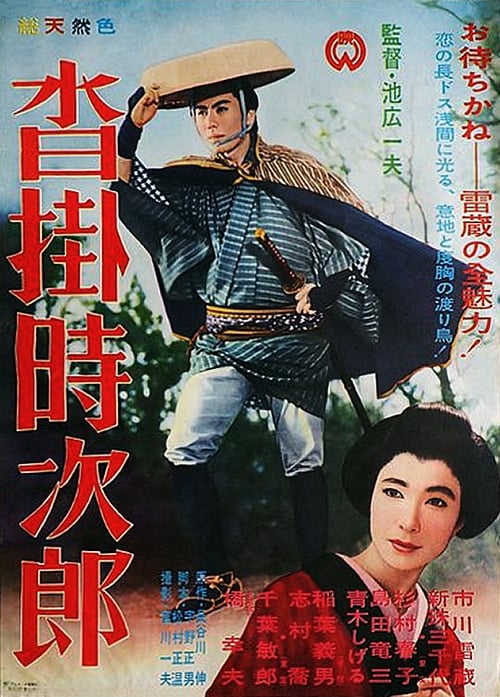
The Gambler's Code

One of Japan's most popular stories is the tale of Kutsukake Tokijiro, a traveling gambler who finds that he must take care of the wife and child of a yakuza he had been forced by the code of the gamblers to fight man to man. In a brilliant performance from super-star Ichikawa Raizo, with strong support from two of the greats from Toho, Shimura Takashi (7 Samurai) and Aratama Michiyo (Sword of Doom) the heartfelt story reaches new heights. Tokijiro, having learned the true nature of the boss to whom he was obligated for having spent a night and eaten at the gang's headquarters takes up arms against them in a running battle fought across the back roads of the entire nation. Another powerful rendition of this superb story, it is not to be missed!

The Gambler's Code

6.5 1961
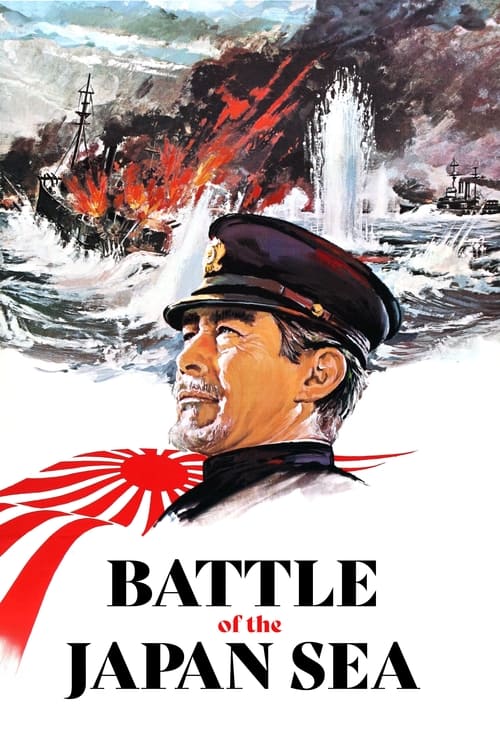
Battle of the Japan Sea

Japan and Russia clash in what comes to be known as the Russo-Japanese War. An attempt by the Japanese fleet and army to take Port Arthur fails, and a Russian fleet bears down on the Sea of Japan. Admiral Heihachiro Togo sends his fleet to confront the Russians, with results which stun both nations. Meanwhile, Major Genjiro Akashi makes secret negotiations with the Bolshevik revolutionaries in Russia, negotiations that have repercussions far beyond the conflict at hand.

Battle of the Japan Sea

6.0 1969
Miyamoto Musashi

In this first episode, we are introduced to Takezo, what Musashi used to be before he became the man of legend. His beginning are not exactly auspicious. He sides with the Toyotomi at Sekigahara, and as a result finds himself on the losing side of the historic battle. He and his friend Matahachi manage to escape the slaughter although the latter is wounded in his leg. They stumble across the young Akemi who makes her living with her mother Oko by robbing corpses of their armor and anything else they can sell. Oko takes it into her head to seduce Matahachi, which she does first by skillfully sucking the gangrene from his blood, and then just by sucking.

Miyamoto Musashi

7.3 1961
The Hoodlum Priest

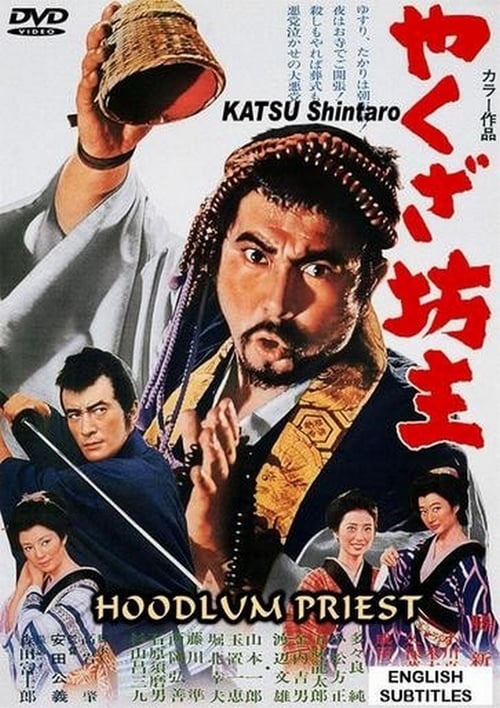
The first film in the 2 part series about Ryuzen, a renegade martial-arts priest who, in addition to breaking all the commandments against sex and gambling, opens his own gambling den in direct defiance of the local yakuza boss. Exciting action and a twisty plot this movie breaks new barriers in Japanese cinema. Katsu Shintaro is superb in one of his better non-Zato Ichi roles as he fights off the advances of a love-lorn woman and risks his life to defeat the powerful gambling boss who has a stranglehold on the town.

The Hoodlum Priest

6.5 1967
The Notorious Concubines

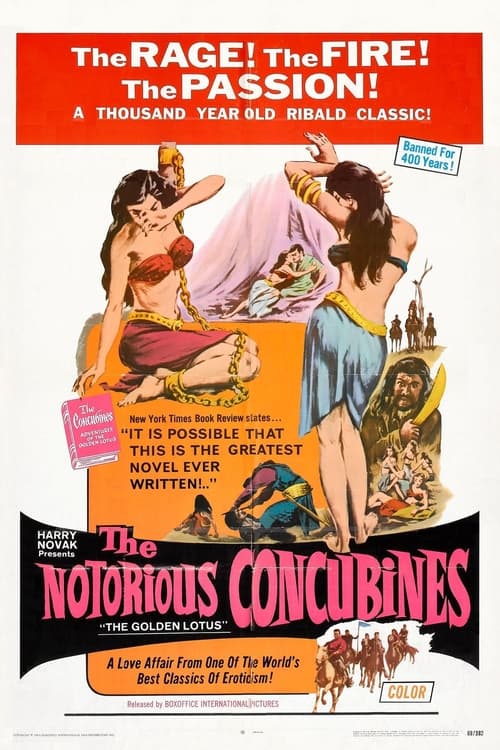
Based on the Chinese classic "Jin Ping Mei". Original Japanese cut directed by Koji Wakamatsu and produced by Shochiku. Set in Song-dynasty China, Wu Song rises to fame and becomes a guard captain. He is captivated by his brother’s wife, Pan Jinlian, whose beauty also ensnares the wealthy libertine Ximen Qing. To possess her, Ximen Qing has Wu Song’s brother murdered. When the corrupt authorities refuse justice, Wu Song is imprisoned, escapes with the help of the Liangshan bandits, and joins their ranks. Ximen Qing descends further into decadence, but Wu Song eventually returns, leading an attack on the town.

The Notorious Concubines

3.0 1968
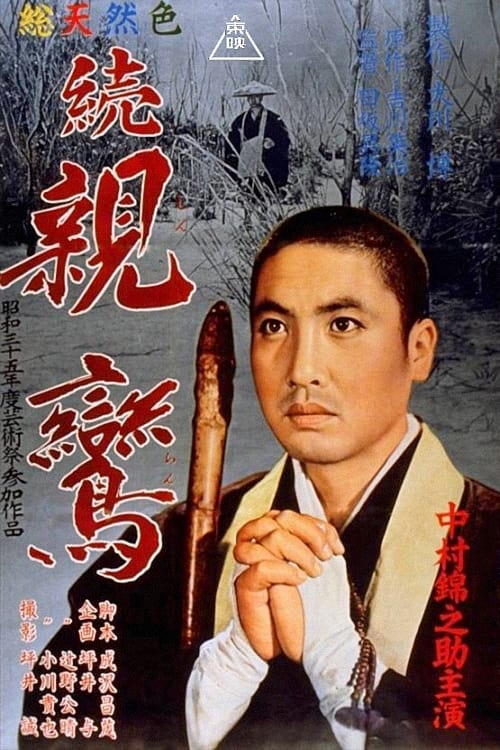
Shinran, Part II

Continuation of the biographical film about the monk Shinran, based on the novel by Eiji Yoshikawa. Shinran, born of the fading aristocratic class, was placed in a monastary on Mount Hiei when still a child. He did not come down for twenty years, when his wanderings begin as he spreads his ideas for achieving enlightenment through the Pure Land sutra. Because his teachings contradict the powerful Tendai sect, he comes to grief with the government, his followers persecuted, himself exiled to far coastal Echigo where he married & began raising a family but soonafter was wandering & teaching again. He lived to be ninety.

Shinran, Part II

0.0 1960
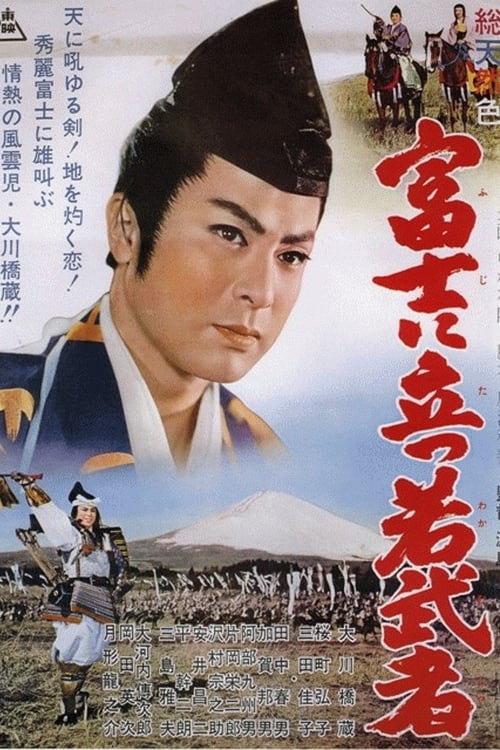
A Young Warrior on Mount Fuji

The epic battles between the Heike and Genji (Taira and Minamoto clans) take centerstage as the defeated leader of the Genji, Minamoto Yoritomo resolves to end his clan's exile and avenge the brutal loss in December, 1159 as they had fought under the white banner of the Emperor, while the Taira fought under their red flags in a battle to the death. The fight only took one day, with the Genji suffering utter defeat which led to their exile. His father, Yoshitomo, took responsibility for the loss and rather than live in humiliation, he decides to commit suicide with all his sons following him. However, the bravest warrior among them, Yoritomo stands tall and declares that he will not kill himself, but rather will fight to restore the clan.

A Young Warrior on Mount Fuji

4.3 1961
The Life of a Chivalrous Man in Suruga: Broken Swords

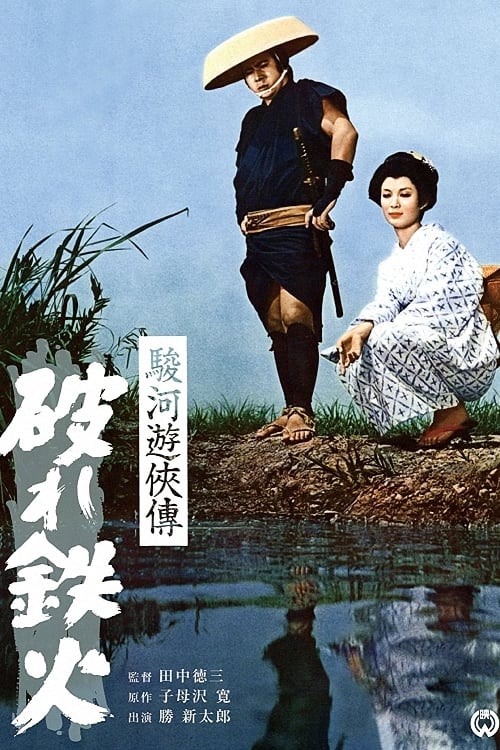
The second film in the "Suruga yukyoden" series, in which Shintaro Katsu plays Jirocho Shimizu. The film features Omasa, Komasa, Ocho, who will become Jirocho's wife, as well as other members of his future family. There is a particularly great swordfight near the end where Katsu and cronies attack the rival villainous yakuza clan to rescue their ailing, elderly boss. The action choreography, cinematography and editing of this sequence is quite brilliant, treading a difficult tightrope act between genuinely goofy antics and exhilirating, bloody violence.

The Life of a Chivalrous Man in Suruga: Broken Swords

0.0 1964
The Shogun’s Guard: Valor in Turbulence

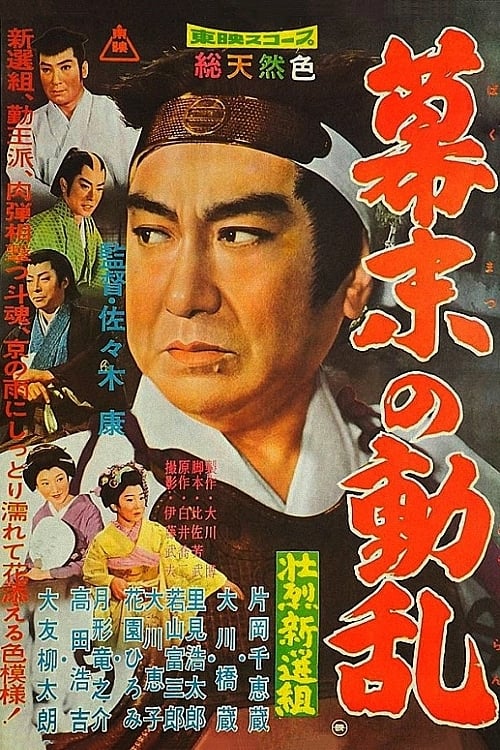
The stormy tale of the Shinsengumi is told from its birth by master filmmaker Sasaki Yasushi, with an all-star cast based on the original story by Shirai Kyoji. The battles between the royalists and Shogunate supporters come to a fever pitch during the Gion Festival as the exclusionists plot to burn Kyoto and kidnap the Emperor. From its earliest beginnings as a group of ronin brought from Edo to protect the Shogun when he is in Kyoto to see His Imperial Highness, the group had to face difficulties both from within and without. Commander Serizawa Kamo's corrupt practices threaten the group's very existence, as they try to recover from the bad reputation he left them with. Their redemption comes when they learn of Katsura Kogoro plans to gather men at Kyoto's Ikedaya Inn for his attack on the city. Along with Hijikata Toshizo and Okita Soji, Kondo leads the group in an attempt to save Japan from the rebels.

The Shogun’s Guard: Valor in Turbulence

5.2 1960
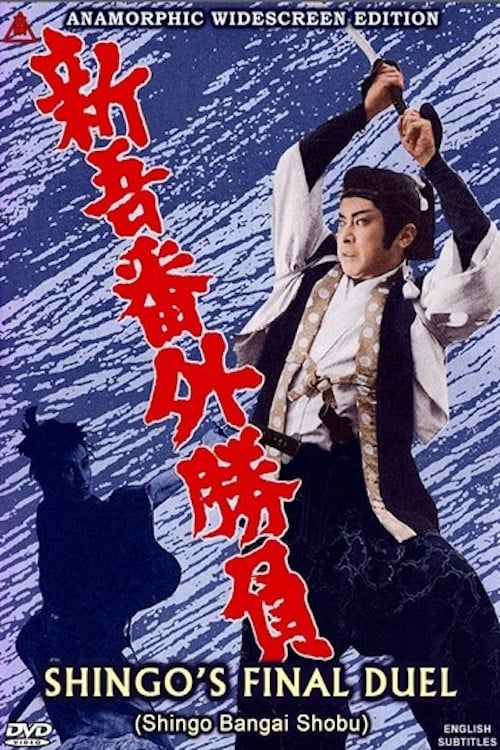
Shingo's Final Duel

After Aoi Shingo, the illegitimate son of Shogun Yoshimune has gained prominence as the finest swordsman in the land, he tries to lead a peaceful life with his mother far away from the seat of government in Edo. Not wanting to inconvenience his father anymore his plan is to stay away from the city and enjoy life like a normal man. Unfortunately for him, his past comes back to haunt him in the person of his mortal enemy, the one swordsman that is skillful enough to defeat him. This is the most perilous moment of Shingo's life as he must face his deadliest foe in a battle to the death!

Shingo's Final Duel

0.0 1964
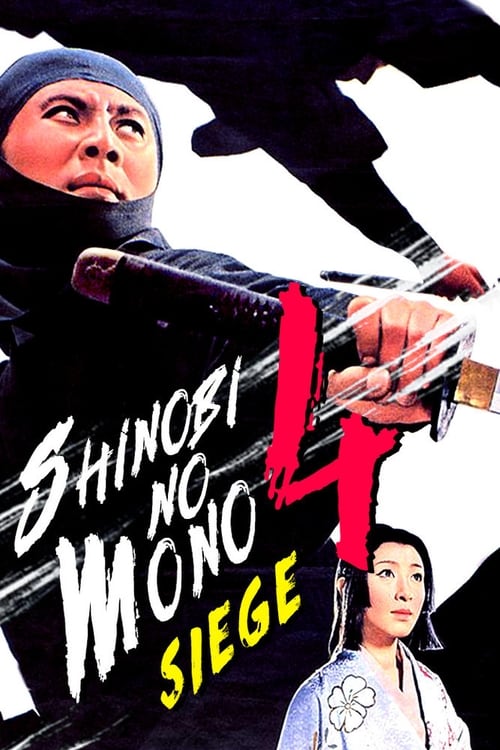
Shinobi no Mono 4: Siege

[Period covered: 1614-1615] Tokugawa Ieyasu is now the ruler of all Japan. But one last loose thread must be tied up before his domination is complete -- the destruction of the Toyotomi clan, now beseiged in Osaka castle. Ieyasu's ninja are the only ones who can penetrate the fortress, but unfortunately for Ieyasu, Kirigakure Saizo and the other Toyotomi ninja can just as easily get out. As armies of samurai maneuver for battle, the fate of the nation will be decided by a desperate struggle in the dark!

Shinobi no Mono 4: Siege

6.0 1964
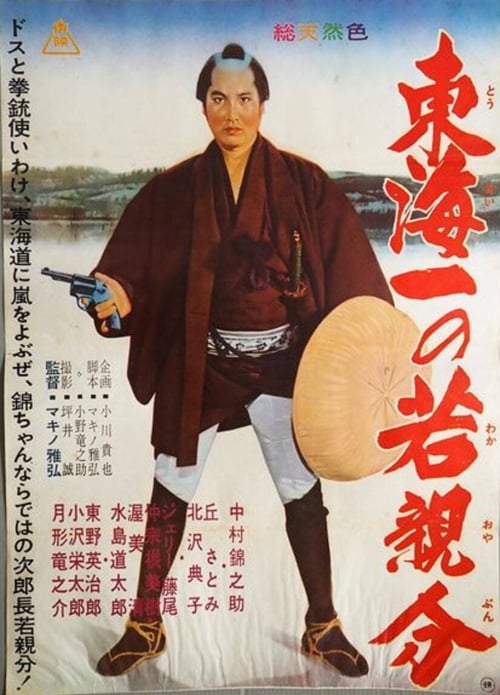
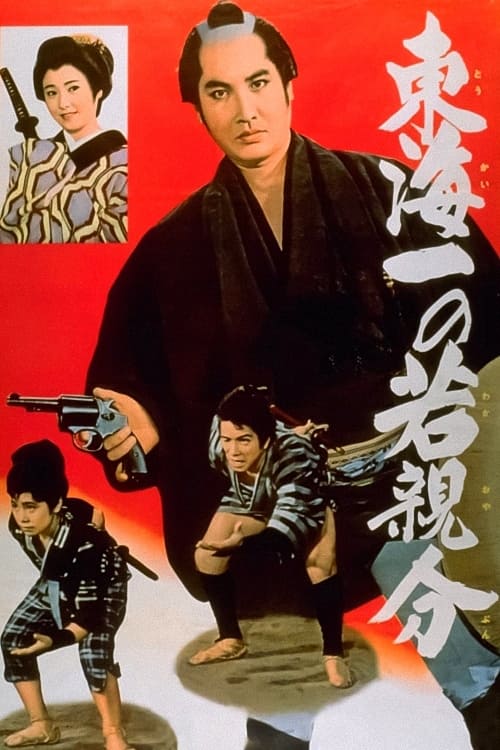
Jirocho’s Days of Youth: The Youngest Boss in the Tokai Region

He was married to his lover's butterfly and started a new residence. But good things do not last. In his uncle, Uzaemon in Kawashima, Yoshiji Akaji, Yoshimoto's lender, and Kanehira Akagi, the older brother of the former loan of Mishima, played a challenge. It is said to open the ladies' room to the settlement of Wada island. Although Jiro headed to Shigetsugu for arbitration, he was forced to surrender. In such a case, Jiro became chased by Kinpei and others.

Jirocho’s Days of Youth: The Youngest Boss in the Tokai Region

0.0 1961