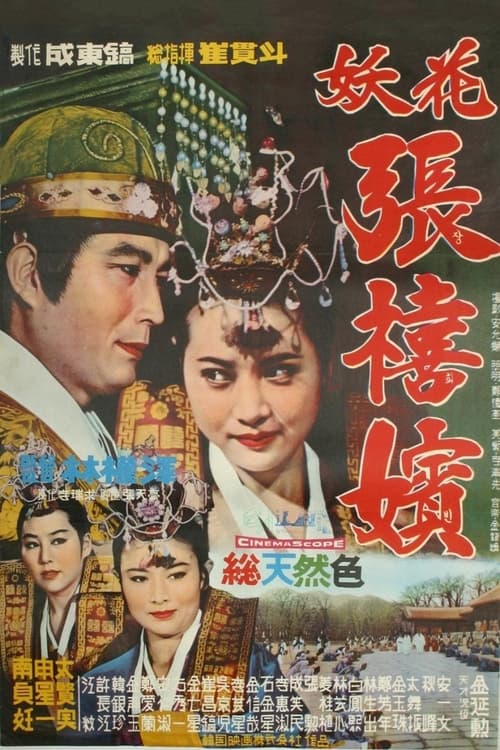
King Sukjong assigns Jang Ok-nan, a court lady, as a concubine overnight. Jang plots to drive the current Queen into exile.
Femme Fatale, Jang Hee Bin
9.0 1968
44 Matches Found
King Sukjong assigns Jang Ok-nan, a court lady, as a concubine overnight. Jang plots to drive the current Queen into exile.
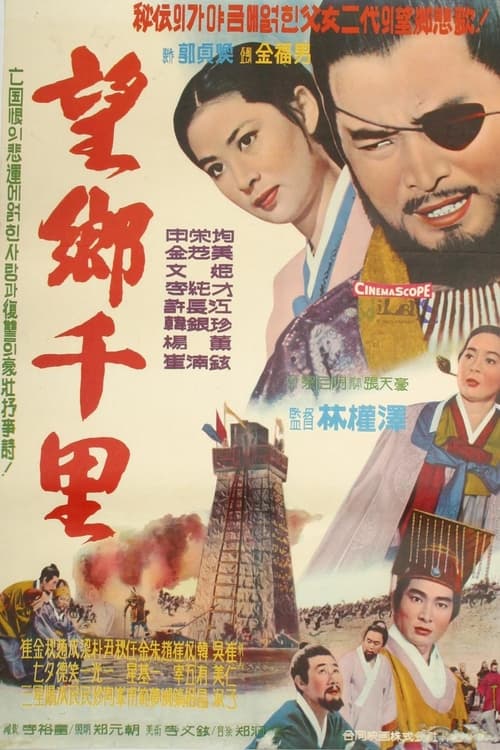
His own father had hated Crown Prince Sado. The king finally orders to kill him by locking him up in a rice-chest. After his death, his wife Hong goes with her son to her parents' house to live there. Some high officials in the court constantly try to harm Sado's son because they don't want him to become king. But Hong's wisdom saved her son, who grows up to become the 22nd king of the Joseon Dynasty (1392-1910).
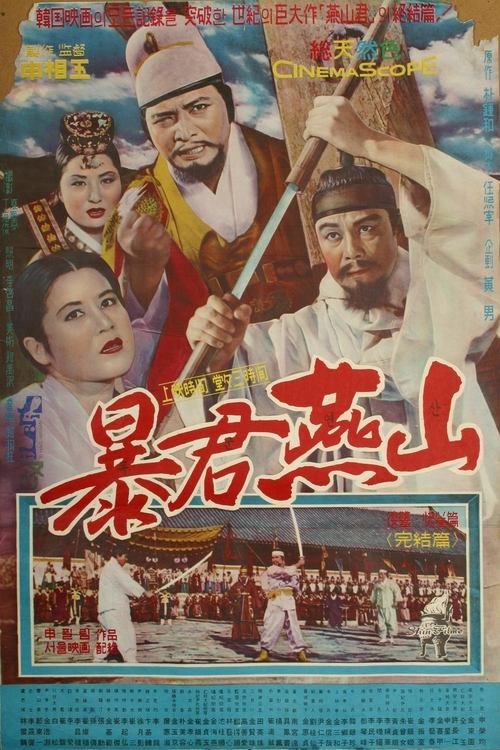
Prince Yeonsan-gun turns into a tyrant out of grief for his mother's death. He orders beheadings of all the officials who displease him or who advised the previous king to depose the queen. He becomes crueler by the day. But in 10th year of his reign, he is kicked out of the throne and dies a tragic death.
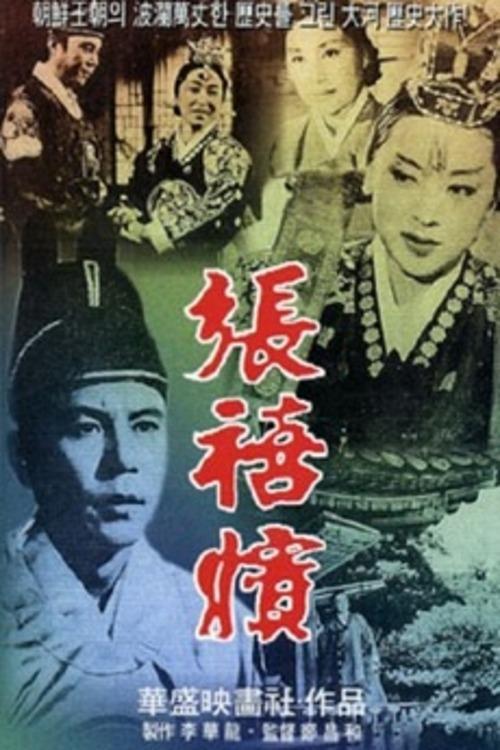
King Sukjong exalts a greedy concubine to the status of Bin, which is next to that of the Queen. The new Bin, who is now called Jang Hui-bin, drives out the Queen through a coup and takes her place. But thanks to loyal court officials, the King finds out what has been going on. He demotes Jang to Bin again and reinstates his Queen. Jang, now vindictive, conspires with her mother to kill the queen and reclaim her place. But the conspiracy is brought to light, and Jang is executed.

Queen Yun reigned with King Sunjong since she was just 13 years old. She hid the royal seals needed to complete an agreement between Korea and Japan which would lead to Korea's annexation. However, her patriotic display wins her many enemies.

After losing his best friend in a fierce battle against Baekje in the first year of Queen Jindeok's reign, Hwarang Won-hyo questions life and death and becomes a monk. Despite being courted by countless women, from Queen Jindeok to Princess Yoseok, Sammo, and Asaga, Won-hyo resists all temptations. Until one day, when he is moved by Princess Yoseok's desperate prayers, he wanders the streets, feeling guilty for his disloyal behavior.
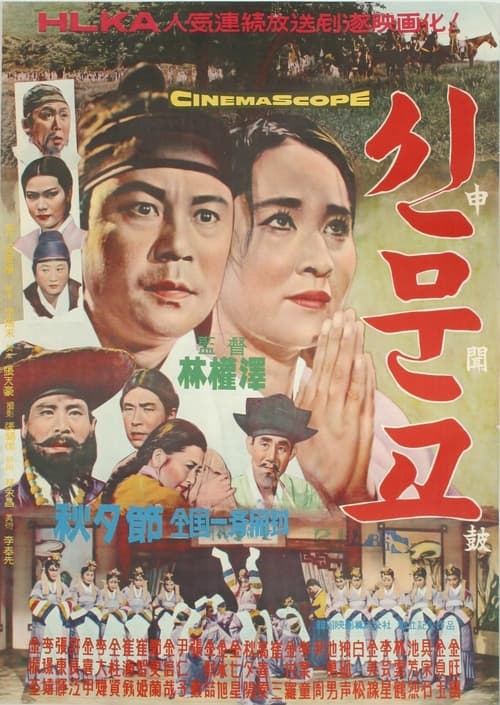
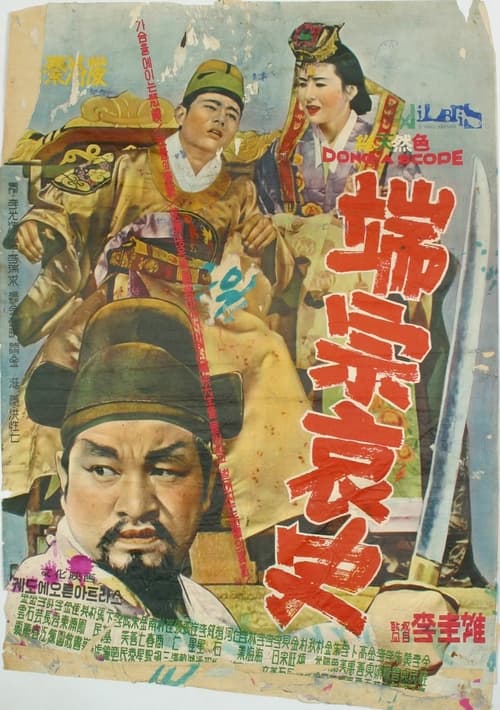
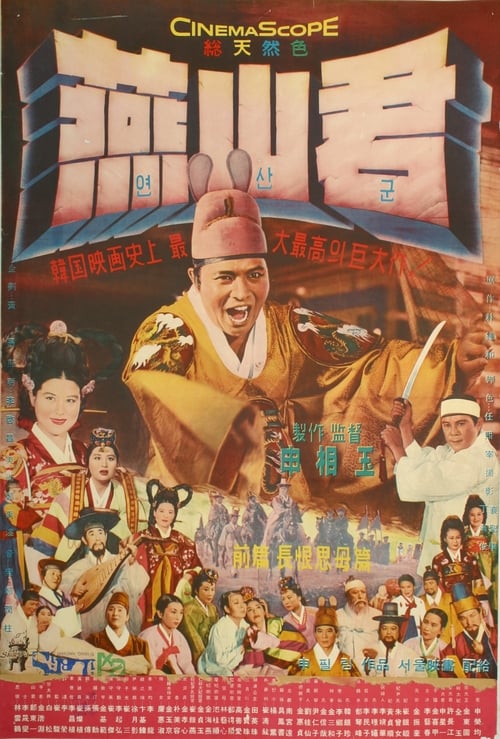
A historical drama about Prince Yeon-san of Joseon as a prince trying to restore the status of his mother, the deposed and executed Queen Yun.
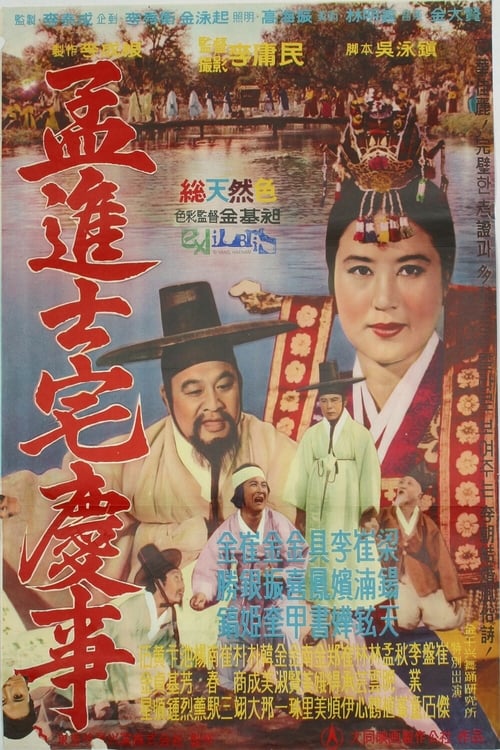
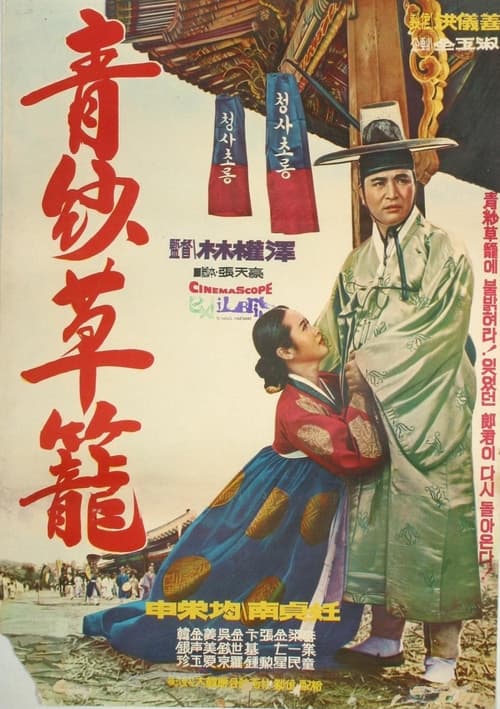
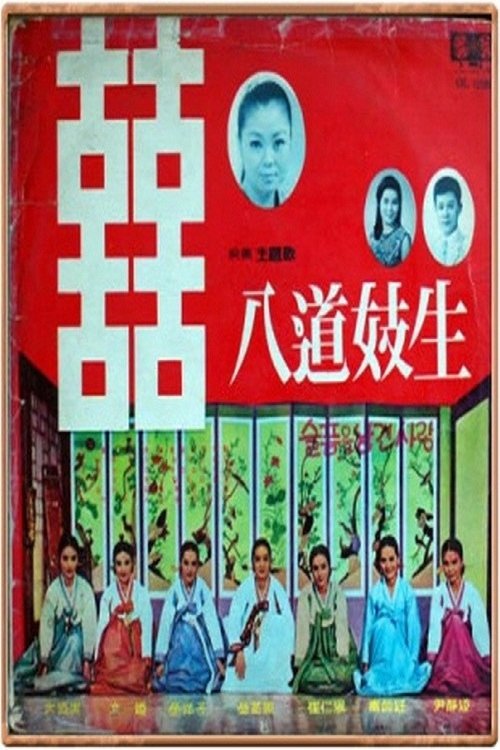
Jinsa Maeng's daughter is contracted to marry a nobleman's son, however, Jinsa Maeng is upset when he hears about a rumor that the fiance of his daughter is lame. Finally, he decides to take on the idea of arranging his maid to take his daughter's place in the wedding.


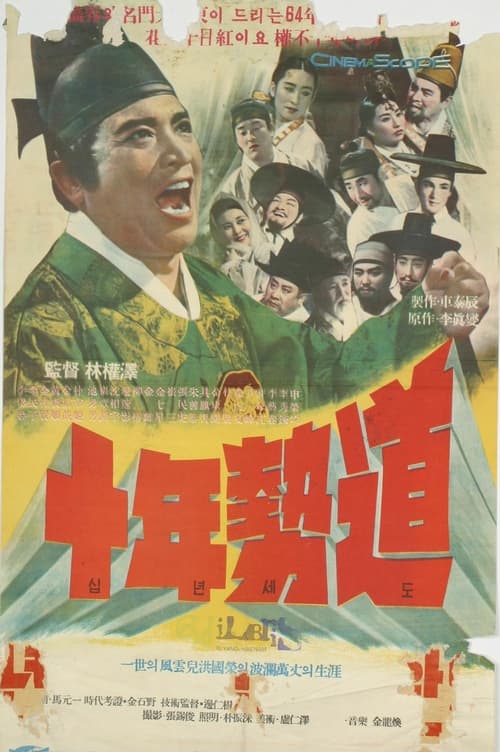
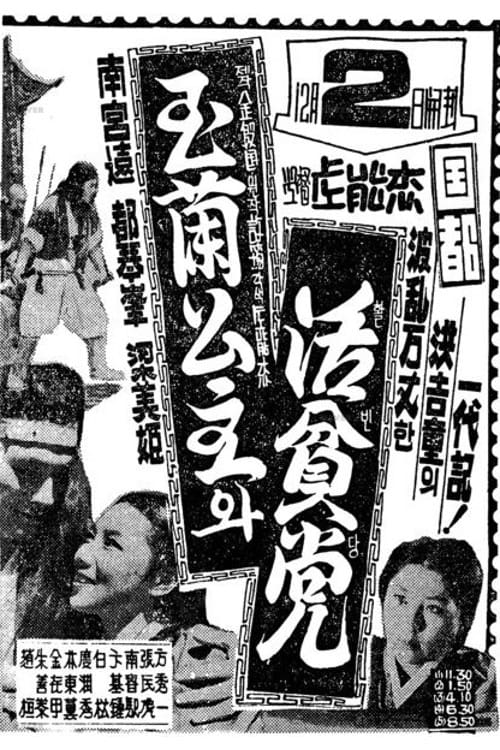
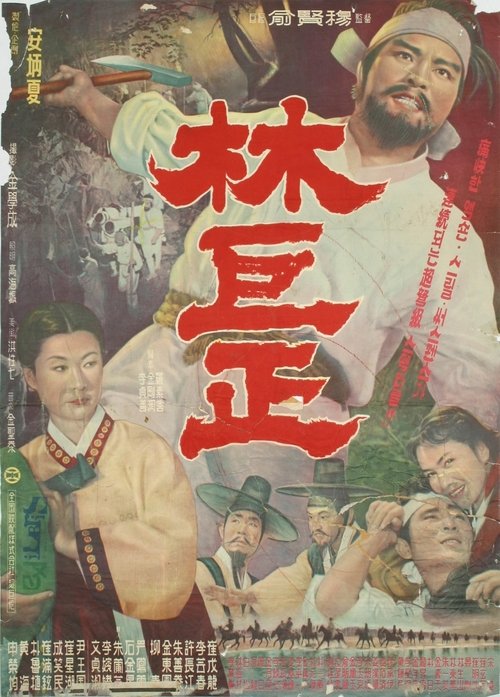
During the reign of King Yeongjo in the Joseon Dynasty (1302-1910), the villainous retainer party led by Jang Ji-hang gains power after cutting the head off a royalist Hong seong-won. His son Hong Guk-yeong passes a state exam and tries to assist the king in ruling well, but he is also put to death by Jang's false incrimination. But he is called a faithful politician in history.
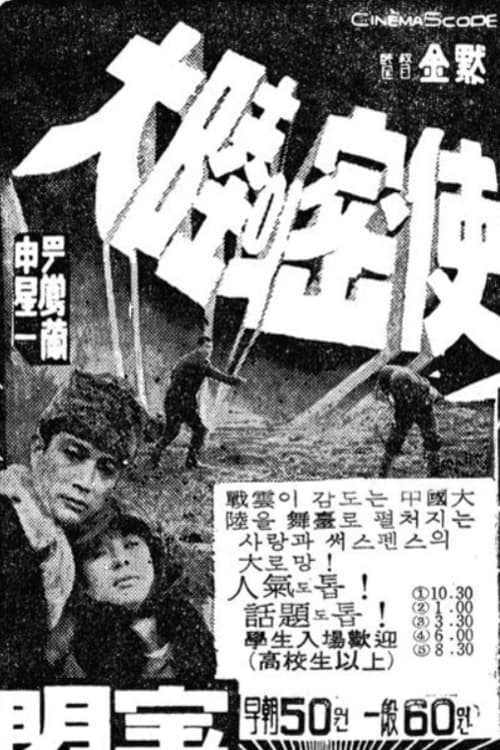
During the Chinese-Japanese War (1937-1945) a nightclub dancer is given a dangerous mission by her dying brother. According to her brother's will, she goes on a journey with encoded papers of the Independence Army operations. She soon becomes a most wanted criminal by the Japanese Army and must cross the continent on her own.
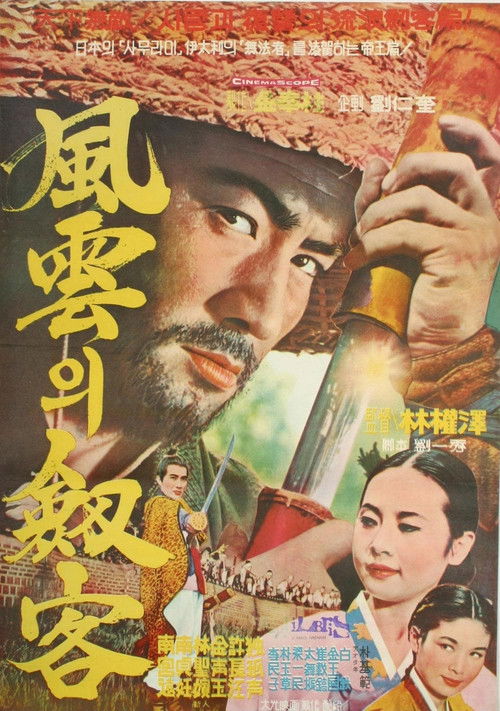
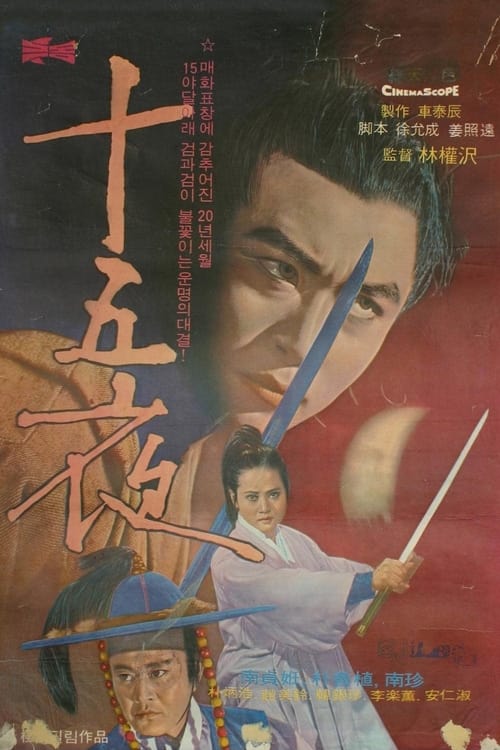
During the Joseon dynasty, the adviser Choi manages to place his natural son on the throne. His ambitions are upset by the appearance of Young-mun, a man whose parents he had killed.
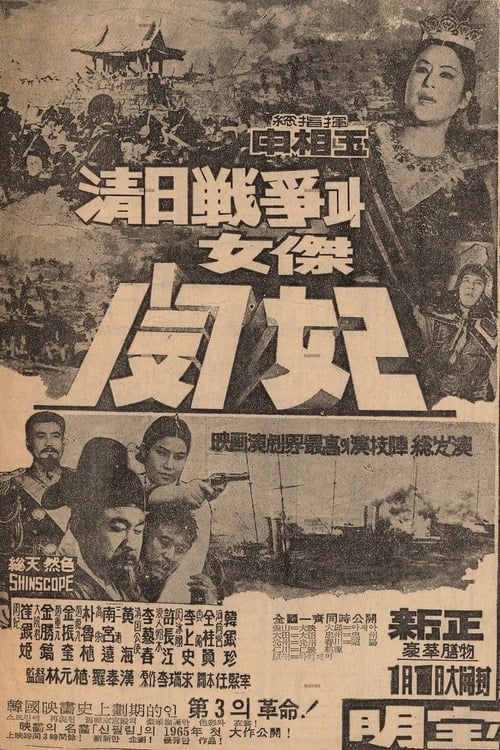
Queen Min makes regent Prince Daewon withdraw from ruling with the help of the Min Seung-ho Party.
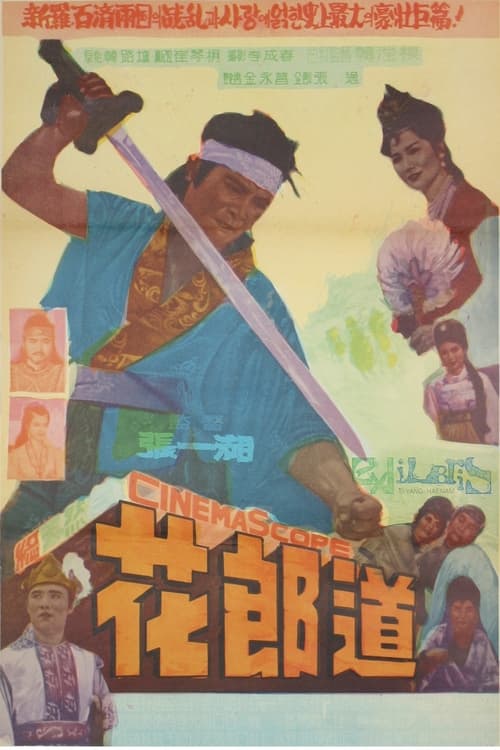
His parents captured by the Baekje armies, prince Eo-jin infiltrates the enemy castle alone to seek revenge. His plot is ruined when he falls in love with a princess there and is forced to choose between betraying his parents and nation or the woman he loves.
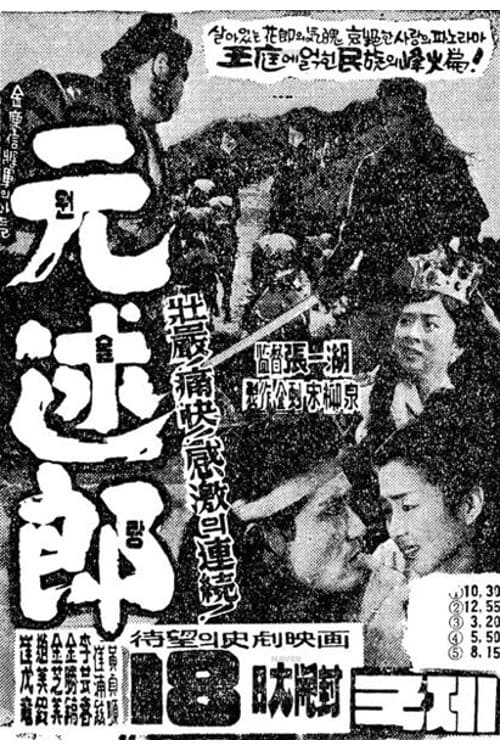
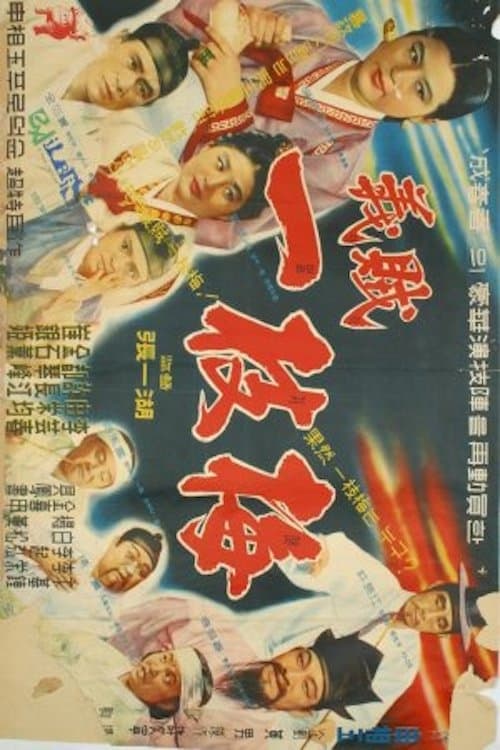
Iljimae's parents were killed due to a conspiracy when he was young. Many years later he became a chivalrous robber, robbing corrupt officials and helping the poor. He eventually manages in taking revenge for his parents' deaths. But the police start to chase him, and he hides himself at a gisaeng's house. The gisaeng was his ex-fiancee. She also lost her parents to a conspiracy. She begs Iljimae to stay with her, but he leaves to do what he has to.
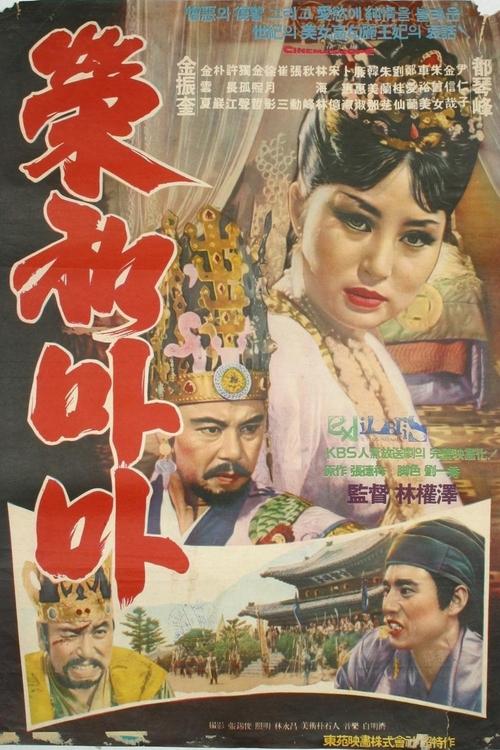
At the close of the reign of Sin the Great in Goguryeo (B.C.37-A.D.668), royalist Uso is executed by a false incrimination made by a treacherous retainer Yangsin and his sister Jangssi. His daughter becomes a royal concubine of King Nammu, and called Her Majesty Yeonghwa. She revenges herself on the party of Yangsin. After the king passes away, she makes his brother Yeonu accede to the throne and has the whole country under her thumb. But she has no child. When the king begets a son from another woman, she dies of jealousy at last.
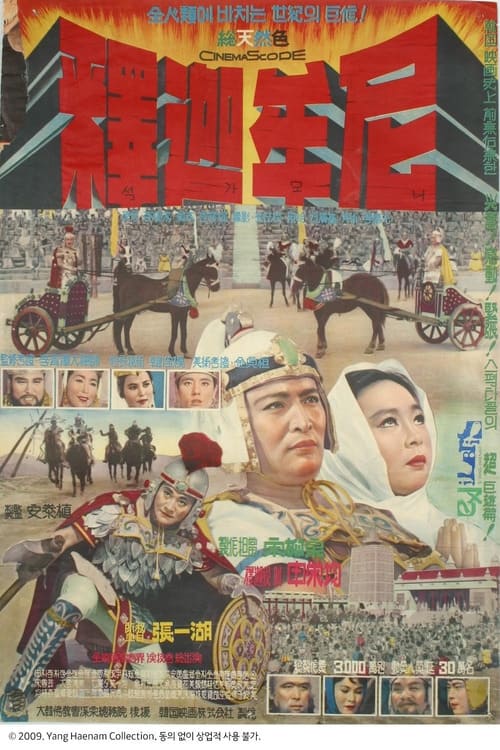
A prince in India learns that his birth was responsible for his mother's death. He makes up his mind to relieve the suffering of his people and begins studying to become a Buddhist priest
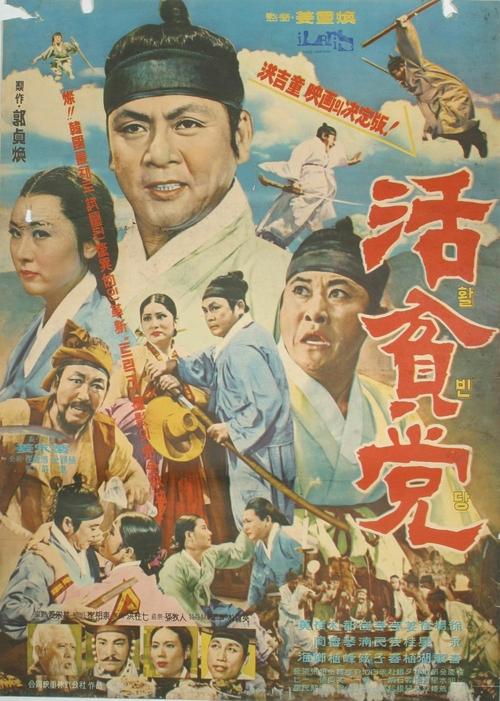

A royal delegation faces death when it returns with a document from the King of China with the royal signature spelled wrong. The leader of the delegation is sent back to China to correct the mistake before he and his associates are executed
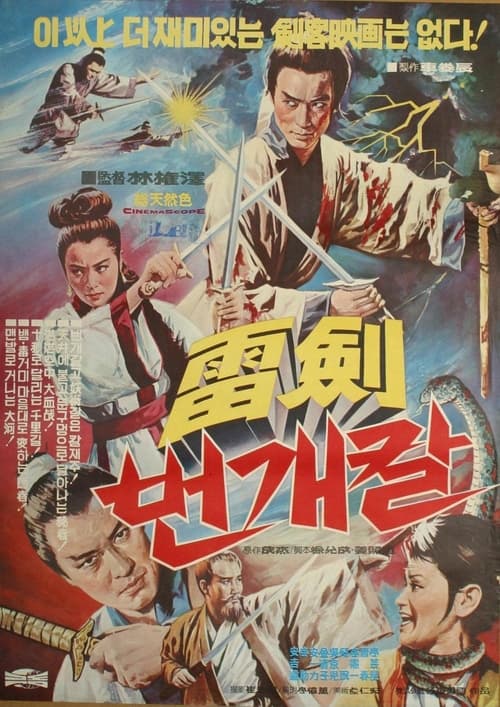
A group of swordsmen takes on a hard-fight battle to possess a precious sword named Loegeom. Ahn Gil-won, one of the swordsmen, heads to enemy camp by himself, looking for the sword. He manages to swipe out the gang of enemy, finds his sword and heads on his way with his lover.

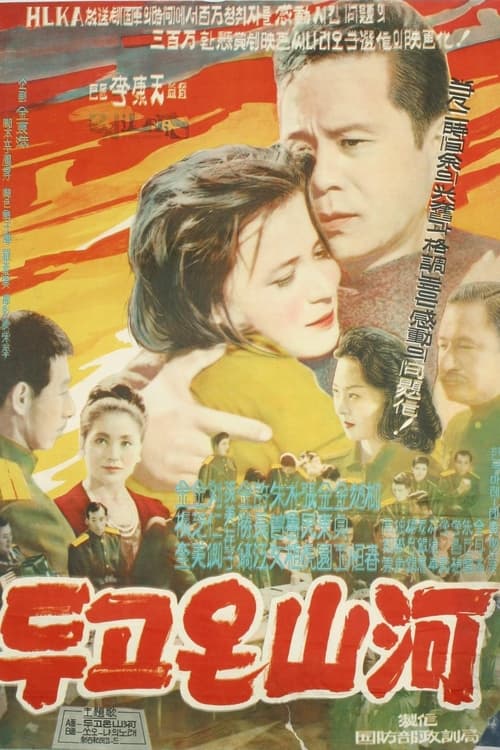
Before the Korean War (1950-1953), a daughter of a Russian soldier stationed at Heungnam falls in love with a young Korean anti-Communist. Their love story shows how cruel the Russian soldiers were and how badly many North Koreans craved for freedom.
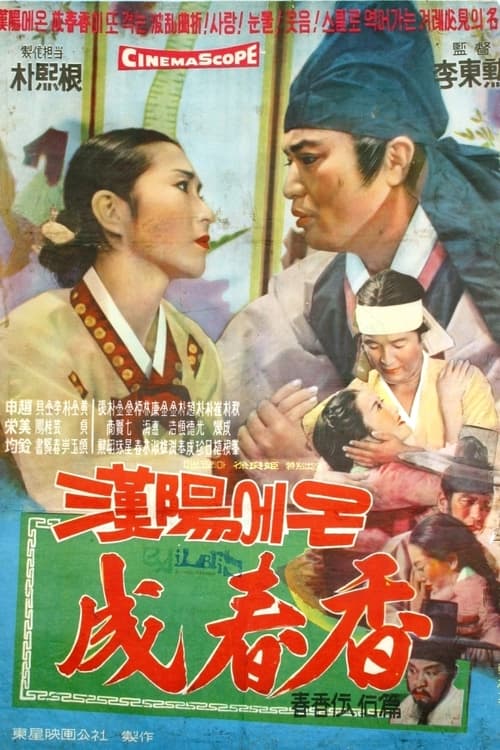
After Seonjo passes away, Prince Gwanghae ascends to the throne. But he indulges himself in dissolute orgies, neglecting his duties as the king. Queen Dowager Inmok begs him to behave like a king. But Prince Gwanghae torments her, arguing that she's playing a regent. Queen Dowager cannot help but enduring the king's outrageousness.
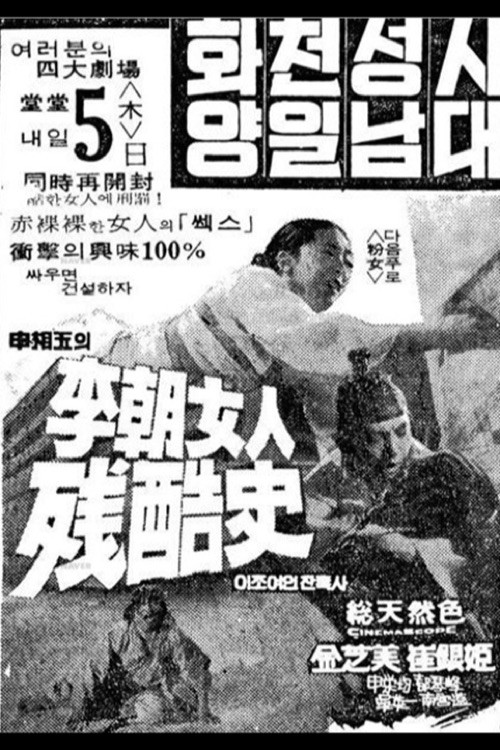
Four short stories examing the lives of women in the last 18th and 19th century Story 1: 'Wives Should Be Submissive'--A father tries to marry his daughter into a wealthy family. Story 2: 'A Daughter-In-Law Is No Better Than A Stranger'--A woman thinks that her daughter-in-law has turned her son against her so she tries to kill the younger woman. Story 3: '7 Grounds For Divorce'--A wife begins an affair with her servant because of her husband's impotency Story 4: 'Prohibit Sex In Court'--A concubine's life is at risk when it is revealed that her infant child is not the king's.
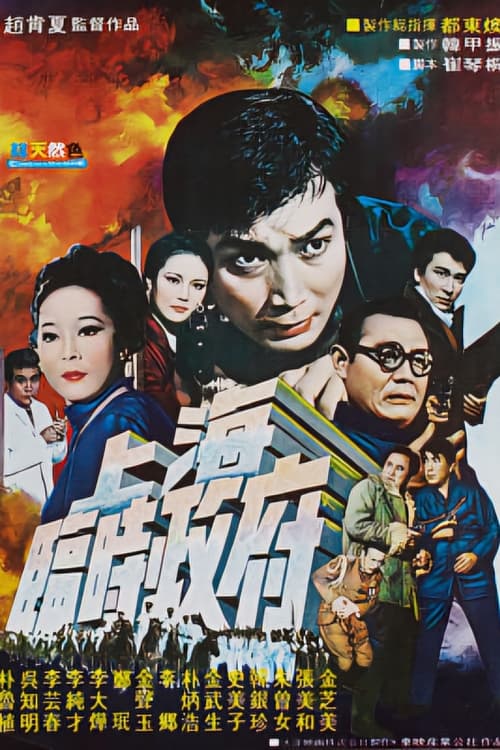
The story deals with the life of Kim Gu, who dedicated his life for the good of his country and people.
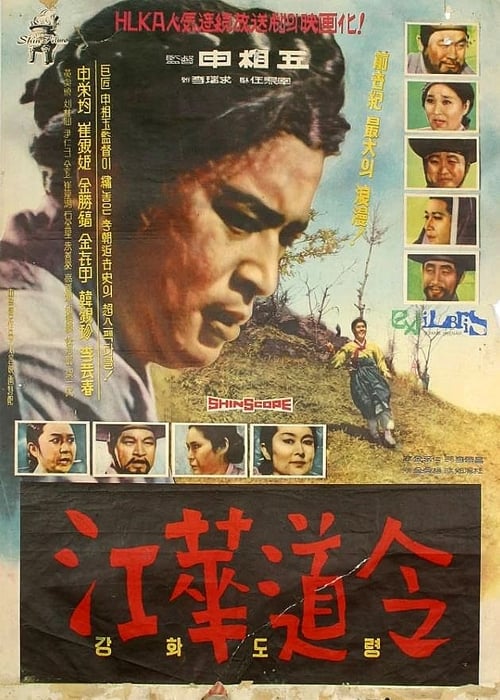
When King Heon-kong falls ill, a power struggle erupts over who will inherit the throne. Tired of all the infighting, the ministers arrange for a branch of the king's family, which had lost all its wealth and was living on remote Ganghwa Island, to inherit. But the heir to the throne is reluctant to leave his island home.
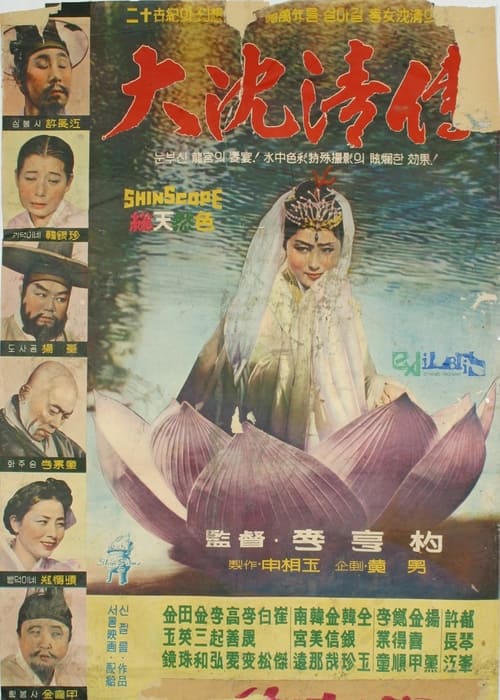
Based on the traditional story of a girl who makes her blind father see by donating 300 bags of rice to Bongwon Temple.
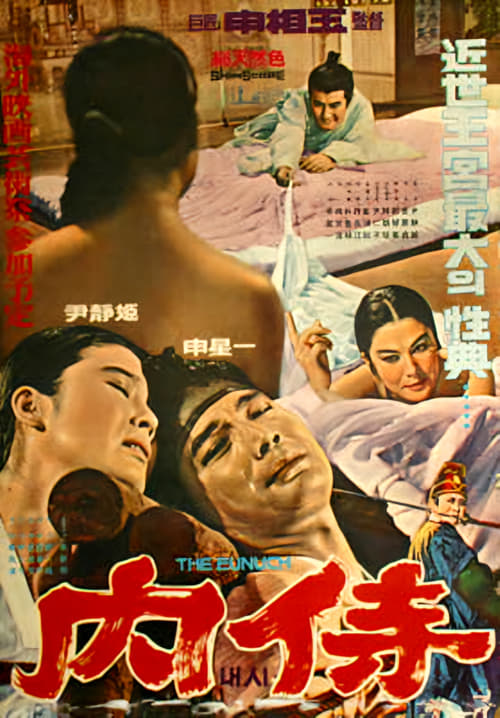
A nobleman sends his daughter to the king as a concubine in order to gain personal power and favors from the monarch. Her lover follows her into the palace disguised as a eunuch. They continue to meet in secret until discovered and sentenced to death.

When King Cheol-jang dies, the throne passes to his son King Ko-jang but, because he is considered to be too inexperienced, his ambitious uncle rules as regent. The rightful king's wife, the politically brilliant Queen Min, refuses to accept this situation and brings about the uncle's exile in order to secure the throne.
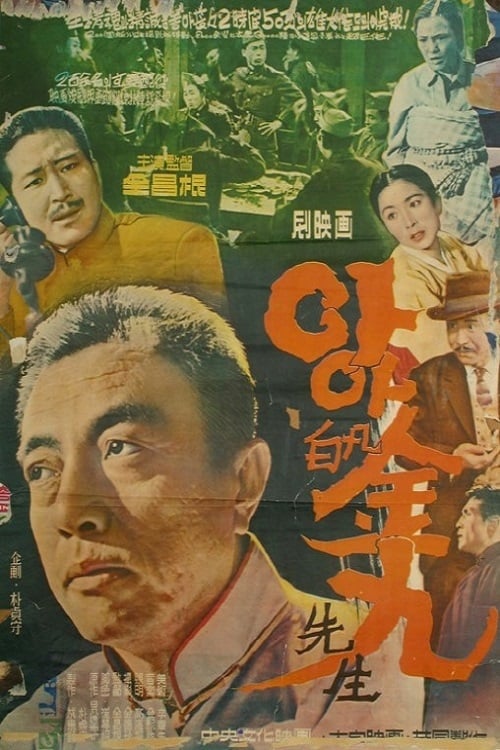
Kim Chang-su, who participated in the Donghak Movement, escapes to Manchuria after being chased by the Japanese army, finally making his way home. Angered by the assassination of Empress Myeong-seong, he murders a Japanese lieutenant and is sent to jail. He escapes from prison turns his focus on the democratic movement by teaching civilians and organizing Sinminheo (a democratic organization), even changing his name to 'Kim Gu.' After he is imprisoned again, he gets out on parole and goes to China, where he participates in establishing a provisional government from which he can direct the anti-Japanese struggle. Kim Gu goes on to play a part in Yun Bong-gil's deeds in Shanghai, the events at Hongkou Park, the encounter with Jiang Jish, and the establishment of the Korean National Army, and leads the struggle for Korea's independence with warm fraternal love and clear national spirit. When Korea is liberated in August 15, 1945, he returns back to his native land.