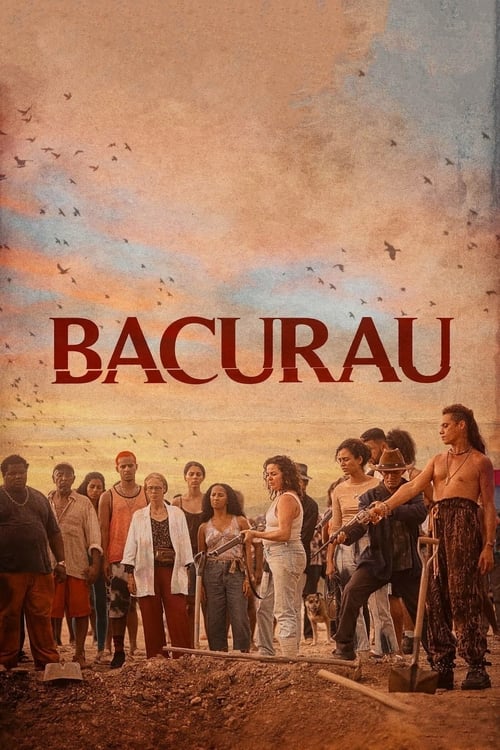
Bacurau, a small town in the Brazilian sertão, mourns the loss of its matriarch, Carmelita, who lived to be 94. Days later, its inhabitants notice that their community has vanished from most maps.
Bacurau
7.7 2019
162 Matches Found
Bacurau, a small town in the Brazilian sertão, mourns the loss of its matriarch, Carmelita, who lived to be 94. Days later, its inhabitants notice that their community has vanished from most maps.
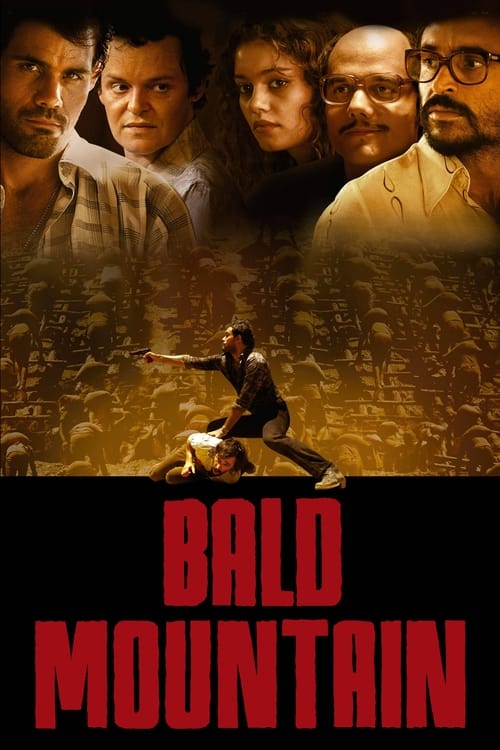
In 1980, best friends Juliano and Joaquin join the gold rush at Serra Pelada, Bald Mountain, a mountain town near the mighty Amazon river. As the town grows in numbers, it also sees an explosion in violent crime and pollution. Soon the friends' dreams of hitting the jack pot are shattered. Winner of the 2014 Cinema Brazil Grand Prize.

A new incarnation of Cangaceiro bandits, led by Coirana, has risen in the badlands. A blind landowner hires Antônio to wipe out his old nemesis. Yet after besting Coirana and accompanying the dying man to his mountain hideout, Antônio is moved by the plight of the Cangaceiro’s followers. The troubled hitman turns revolutionary, his gun and machete aimed towards his former masters.
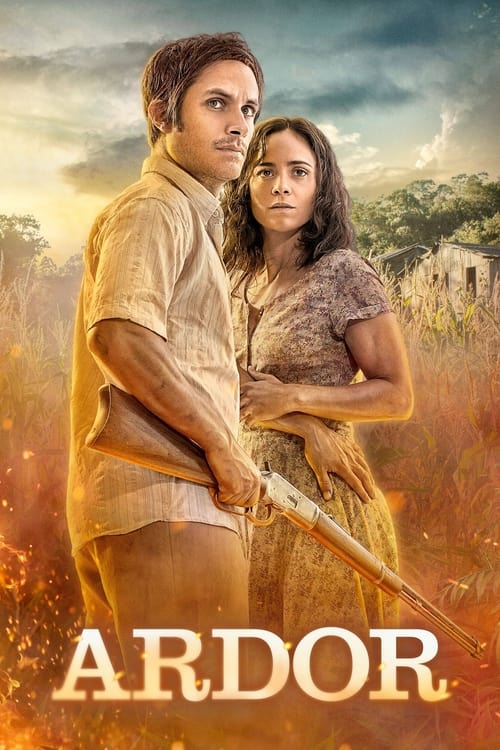
Kaí is a mysterious shaman who emerges from the Rio Paraná to help a poor farmer and his daughter, who are threatened by a band of cold-blooded mercenaries hired to force them to sell their land.
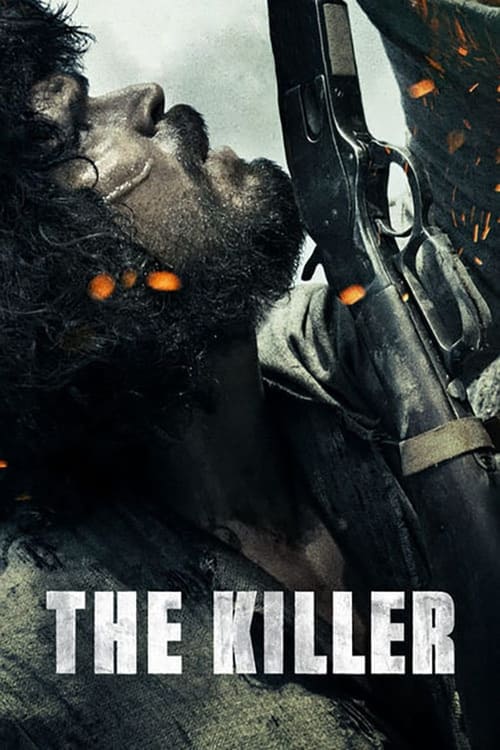
In lawless badlands, reclusive Cabeleira sets out to discover the fate of his gunman father and grows to be a feared assassin himself.
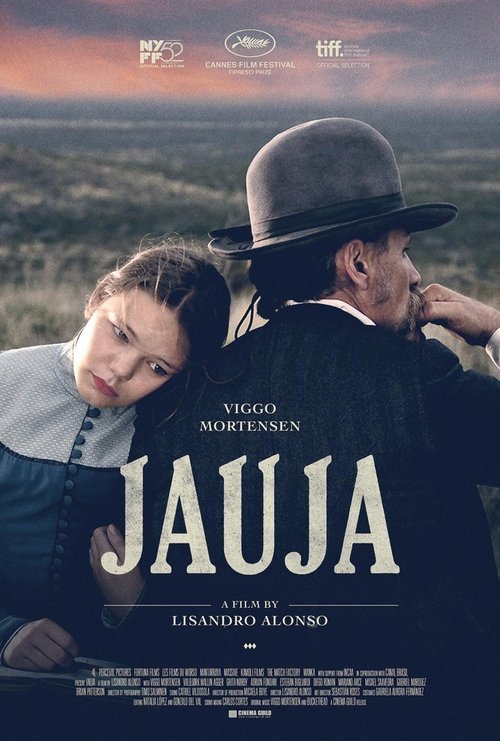
A father and daughter journey from Denmark to an unknown desert that exists in a realm beyond the confines of civilization.
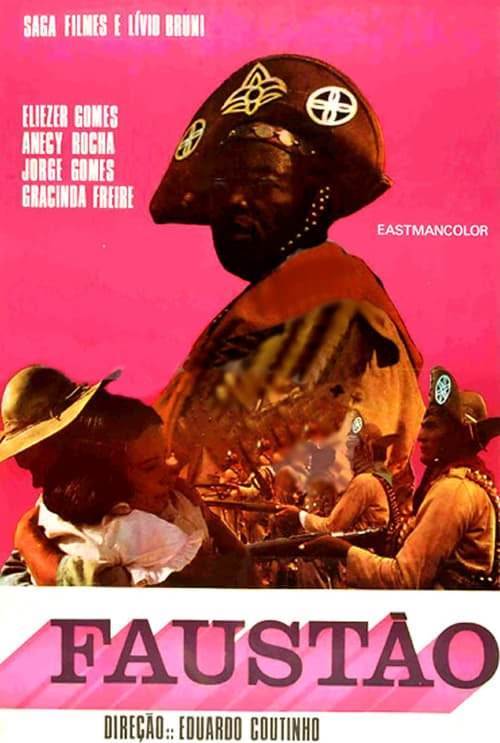
A gang of bandits led by Faustão intervene in a fight between two members of rival families, the Pereiras and the Araújos. Henrique Pereira, son of Colonel Pereira, is wounded in an ambush. Faustão rescues him and demands the father to pay a ransom in exchange for the life of his son. The bandit makes it clear to Henrique that he is not a prisoner and that he is only obeying the law of the backlands. Lucena, a henchman working for the Araújos, finds Faustão and offers twice the amount being asked to the colonel in order to take Henrique as a prisoner, but the bandit refuses the offer. Colonel Henrique pays the ransom, but the son refuses to return home, even being aware of the feud between his family and the Araújos. The young man chooses to join the gang.
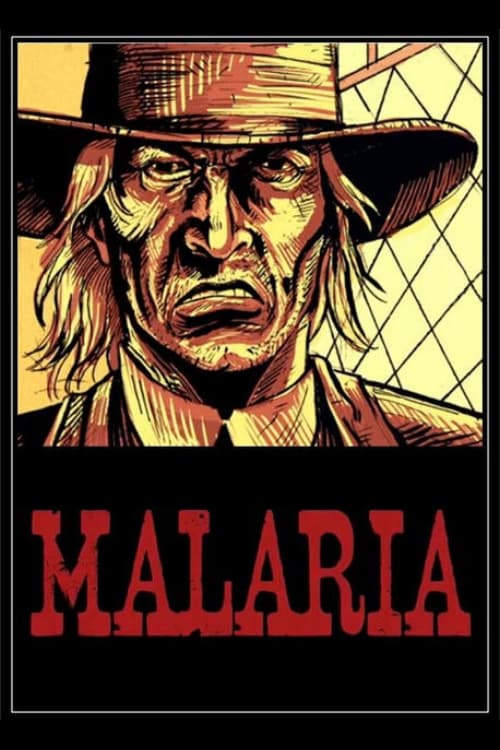
A young mercenary is hired to kill Death.

Wanted for killing his boss, Manuel flees with his wife Rosa to the sertão, the barren landscape of Northern Brazil. Thrust into a primordial violent region, Manuel and Rosa come under the influence and control of a series of frightening figures.

An existential western about the pain of a family and the silence of a country.

In the backlands of Goiás, Brazil, brutish men who cannot deal with their weaknesses are constantly abandoned by the women they love. Sad and bitter, these men turn violently against each other.
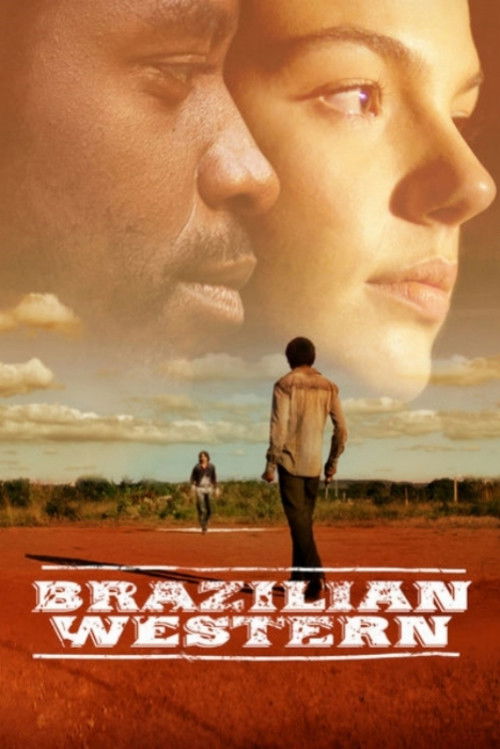
When João goes to Brazil in search of a better life, he meets punk music enthusiast Maria and falls in love with her. But his involvement in the local drug trade makes him the target of a vicious drug lord.
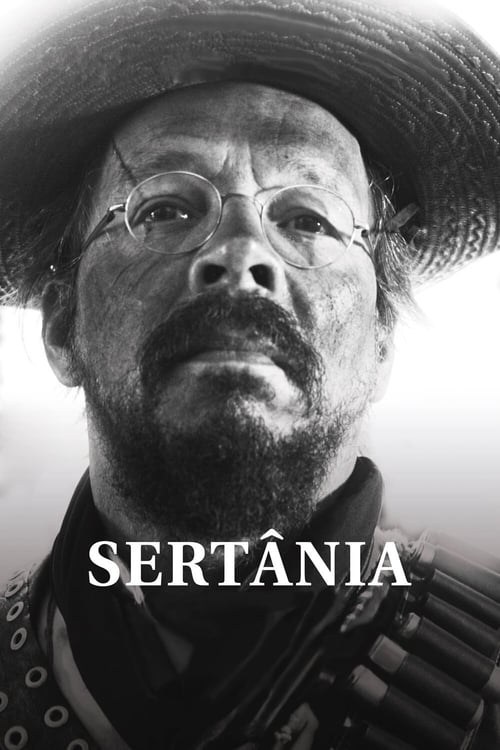
When bandits take the town of Sertânia, Antão gets shot, arrested, and left to die. Bleeding out, Antão's delirious mind begins to recall the events that led up to the incident through a sequence of increasingly unreliable fever dreams.

Recorded at Auditório Ibirapuera in Sao Paulo , on 24 and 25 June 2006 , the album features the biggest hits singer-songwriter Lenine's career such as "Paciência" (Patience), "Jack Soul Brasileiro" (Since I am Brazilian), "Na Pressão" (On The Pressure), "A Rede" (The Net), "Hoje Eu Quero Sair Só" (I Want Go Out Alone, Today) and "A Medida da Paixão" (The Measure of Passion), plus new songs like "Tudo Por Acaso" (All By Chance). The album features special participations from musicians such as the Chilean Victor Astorga (the first English horn soloist with the Brazilian Symphony Orchestra), Cameroonian bassist and singer Richard Bona, Mexican singer Julieta Venegas, harpist Cristina Braga, the rapper Gog, and drummer Iggor Cavalera (ex-member of Sepultura). The DVD includes bonus material, plus making-of scenes, reviews, testimonials about the project, the guests and also footage of the 2006 World Cup, since the performance was recorded concurrently with it.
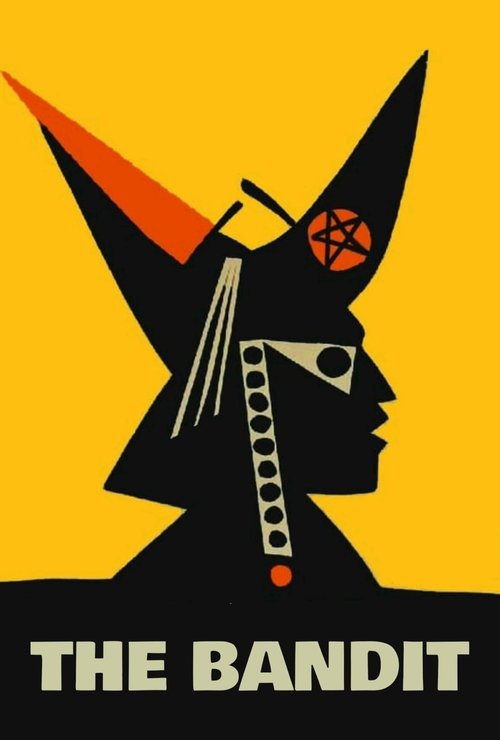
In the time of the "cangaceiros" in the badlands of the Northeast of Brazil, the cruel Captain Galdino Ferreira and his band abduct the schoolteacher Olívia, expecting to receive a ransom for her. However, one of his men, Teodoro, falls in love and flees with her through the arid backcountry chased by the brigands.
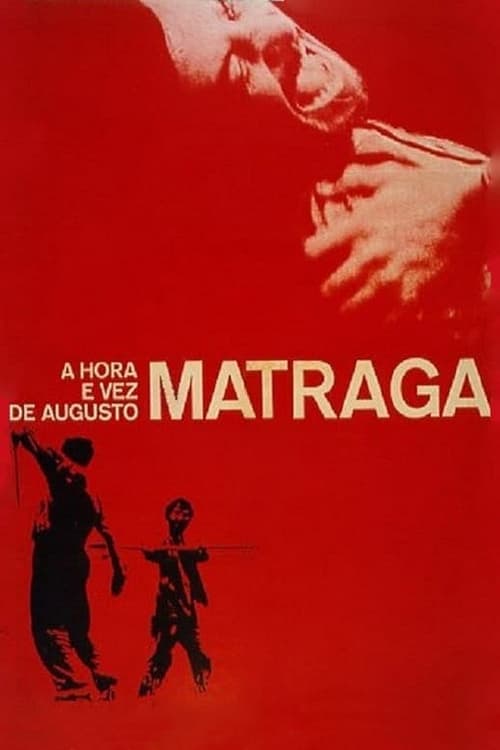
Augusto Matraga is a violent agressive farmer who, after being betrayed by his wife and trapped by several enemies, is bitten up and left for dead, being rescued by a couple of humble small farmers who nurse him for a long time until he is well again. Influenced by the couple, Matraga starts a long penitent life while waiting for his hour and chance to payback, starting a fight between his violent nature, his hidden desire of vengeance and the mysticism and goodness which is also part of him.
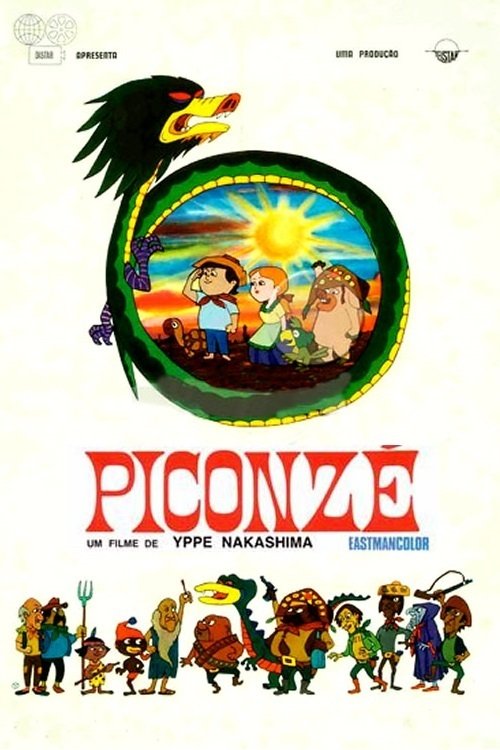
In the small village known as Vila do Vale Verde live three great friends: the young Piconzé, the parrot Papo, and the pig Chicão. The three lead a peaceful and quiet life in the small community where they live, but one day, everything changes: Bigodão, a famous bandit from the region, attacks the town and kidnaps Maria, Piconzé's girlfriend, forcing the three friends to embark on an adventure full of dangers and excitement to rescue the girl and defeat Bigodão.
After robbing and massacring a village, the head of a gang of bandits, Captain Jagunço, kidnaps Flô, Mayor Cisso's wife and tortures her.


Based on Guimarães Rosa's (classic Brazilian author) short story, the movie tells the story of Augusto Matraga, a bankrupt and violent farmer who lives above the Law in Minas Gerais' hinterland. During a difficult time, he finds himself in the middle of a trap that nearly kills him. Born again, Matraga resorts to faith and hard work in the pursuit of redemption. Years later, he arrives at the village reigned by the hinterland's ruler and his thugs. This new friendship will challenge his destiny. Inside Matraga, the Saint and the Warrior will duel until his time comes.
Western book writer, Eugenio is going through a difficult phase. He is famous for the novels starring the Jesus Kid, but his sales have been going from bad to worse for some time. The light at the end of the tunnel seems to be a film director's invitation: he wants Eugenio to write a film script. However, to write this script, Eugênio must spend three months isolated in a luxury hotel, without being able to go out or have contact with the world he knows. Based on this premise, Mutarelli builds a scathing critique of the publishing market and the film market — where he has been circulating for years. Bringing to Eugênio much of his own personality, the author shows how the commercial part of culture can be perverse to those who work in it.
After killing a troublemaker, Cristino flees to a town in the Northeast and is forced to join Lampião's gang, where he becomes his right-hand man, under the name Corisco, the Blond Devil. He falls in love with Dadá, a farmer's daughter, and takes her with him by force. Gradually, she learns to love him, and they live together for 13 years in the cangaço. Corisco escapes the Angico massacre but is captured by Lieutenant Zé Rufino's volante after beheading the family of Lampião's informant. Dadá and Corisco, on the way to hand them over to the authorities, reminisce about the adventurous adventures of their lives.
A man seeks revenge after his sister get raped by an unknown foreign, identified only by scar and a missing finger. But his payback journey is a long way and bears its surprises.
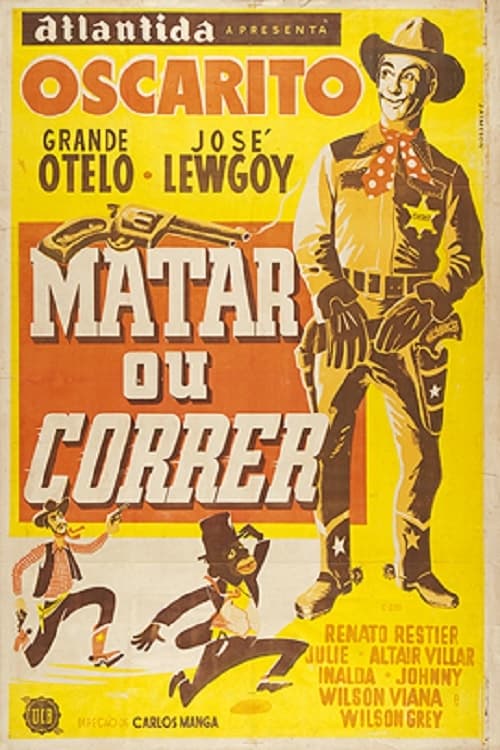
"High Noon" spoof. Kid Bolha and Ciscocada, two clumsy swindlers, arrive at a violent Old West town called Citydown where, by mistake, one of them is appointed Sheriff. They're intent on facing the dreaded Jesse Gordon, a gunman who kills for pleasure.
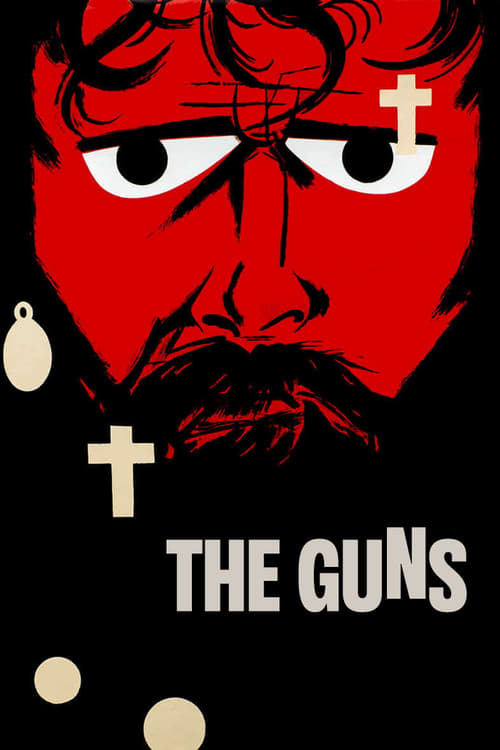
A group of armed soldiers is sent to the Northeast of Brazil in an attempt to stop a famine-struck population from invading and stealing a food deposit in the dry backlands. While the alienation and insanity of people driven to hallucination by their latent hunger is conducted by the predictions of a religious figure, a truck driver observes the situation and remains torn between his friendship with the soldiers and his revolt against the lack of government action in fighting the misery that lingers over the region.
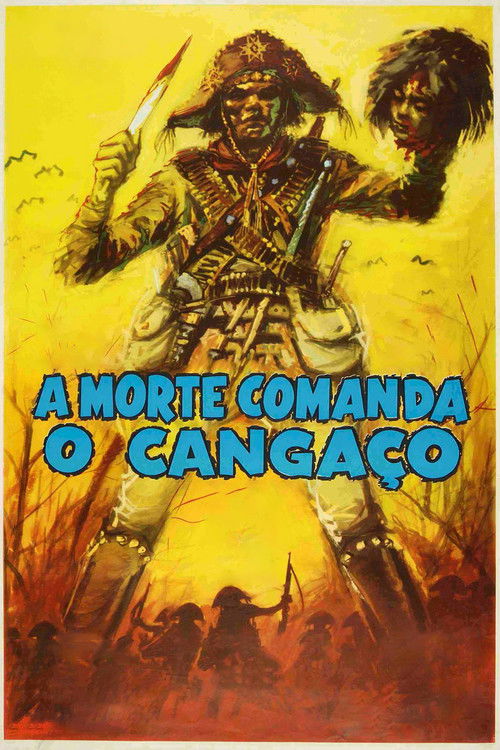
A man's farm is attacked and his mother gets killed. Looking for revenge, he goes about chasing the men who killed her.
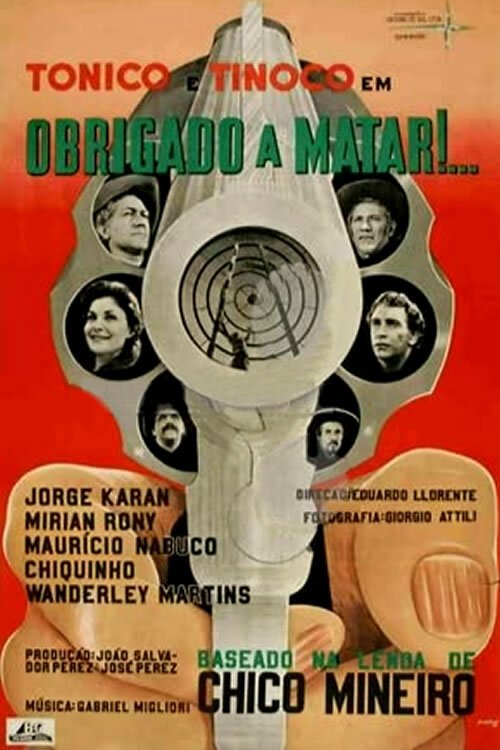
A lone stranger, travelling alongside a cattle drive, passes his knowledge down to his long-lost brother.


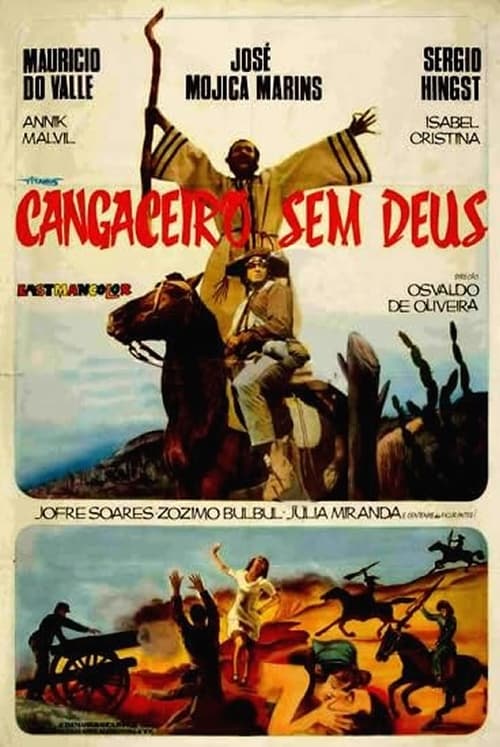
After the proclamation of the Republic, a group of fanatics in the sertão dreamed of and fought for the restoration of the Monarchy. At that bloody time, Fabiano, a quiet boy, becomes a cangaceiro and is attacked by the police. Although wounded, he manages to take refuge on a farm where he is hidden in by Lúcia, the farmer's daughter, with whom he falls in love.

Amador is a retired and ostracized gunman. Alone and bitter, he collects newspaper clippings of his old crimes in an album. After several humiliations, he will react with violence to the world’s hostility that surrounds him while also trying to get back to action.
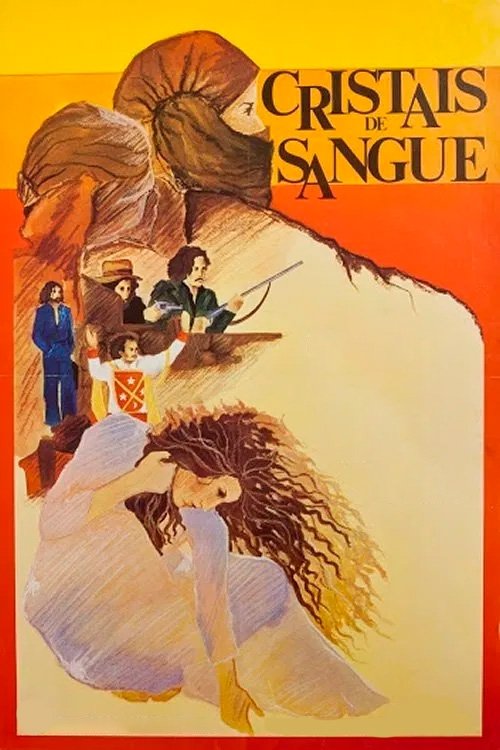
Rui arrives in a small town looking for his father, a prospector. Before that, he gets involved with Maria, who is facing problems in the family. Maria's stepfather is the head of a gang and will go to any lengths to prevent Rui from finding his father.

In an arid and poor region of Brazil, bikers search for a miracle to make it rain and save the land, risking their lives.
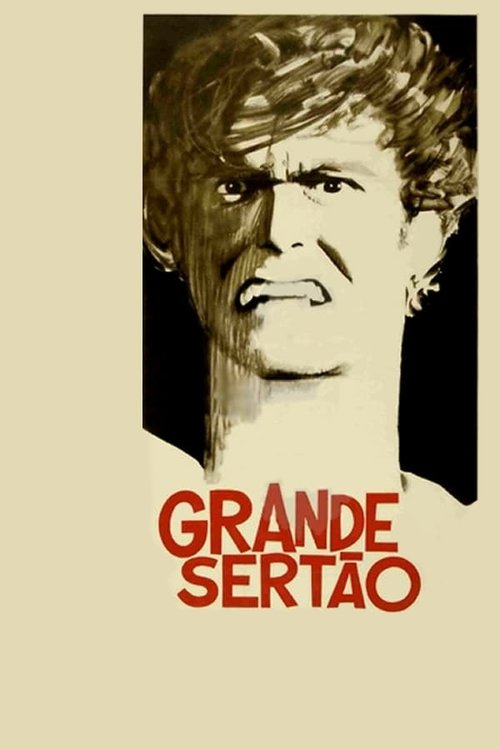
Cowboy Riobaldo is attracted to same sex Diadorim, not knowing that "he" is a girl dressed in man's clothes. After Diadorim's father is killed, she swears revenge, being joined by Riobaldo in this mission.

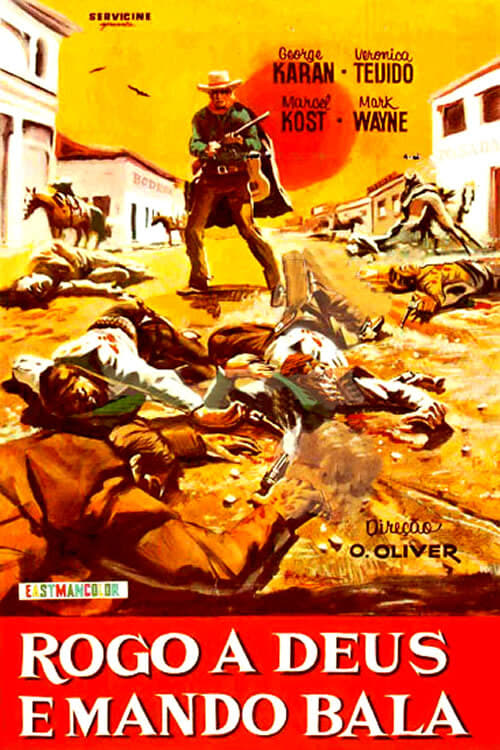
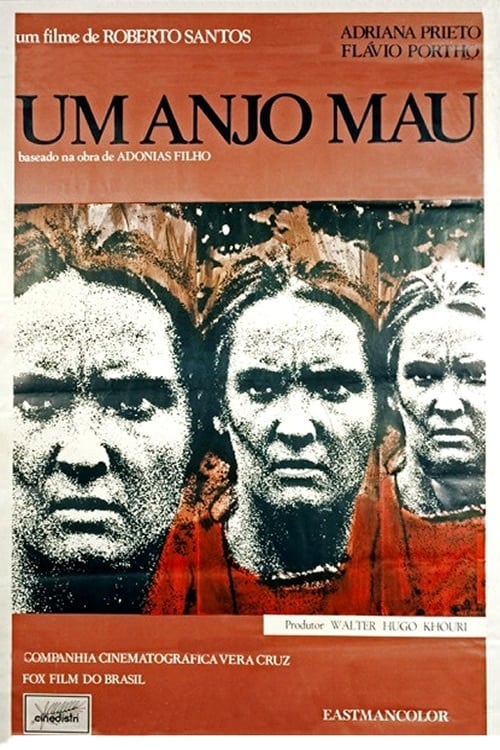
A poor and beautiful young woman living in the backwoods of the State of Minas Gerais, Brazil is protected by a peasant.
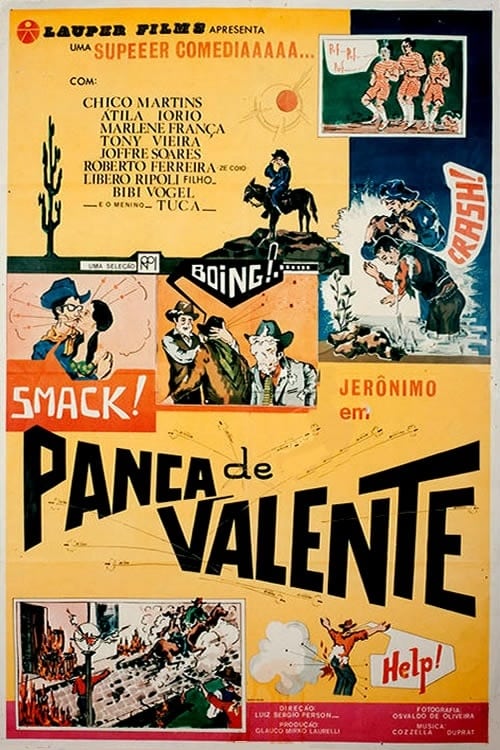
Western spoof. Depicts the conflict between the leader of a gang of country bandits and his former protégé, now a police officer.
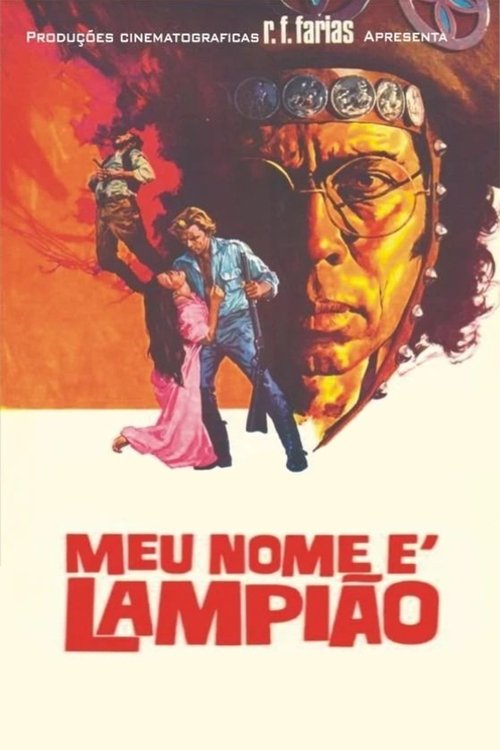
Lampião's gang raids a farm just as the wedding of Antônio Saraiva and the Baroness's goddaughter is being prepared. In the shootout, Lampião's brother, Ezequiel, is killed, and in revenge, Lampião burns the Baroness alive and orders the bride to be beaten. Upon arriving at the farm, Antônio discovers everything and vows to follow the gang's footsteps to hell. The cangaceiros continue their atrocities, robbing, killing, and looting, until a priest places a curse on Lampião. The curse transforms into the avenging figure of Antônio, who acquires supernatural powers. He meets Lampião during Maria Bonita's birthday party, and a life-or-death duel ensues.
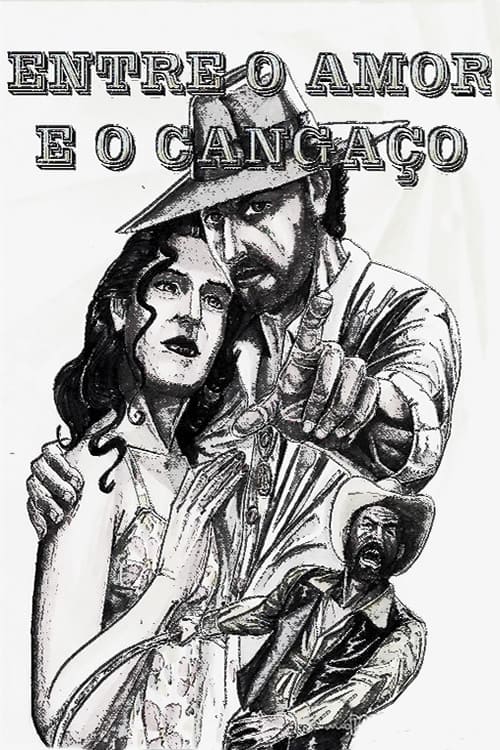
Joviano is about to get married, but he has to give up his marriage to avenge the death of his father, murdered by Colonel Eufrásio. The colonel wanted to force Joviano's father to sell his lands, and started a bloody battle moved by refusal. Now he has to decide between his fiancée's love and revenge for his father.

Dione is a mysterious young man living with a family in a rural and remote place in the southern Brazilian plains. The quietness of the region is disturbed when a rich landowner tries to buy the small property where Dione and the family live.
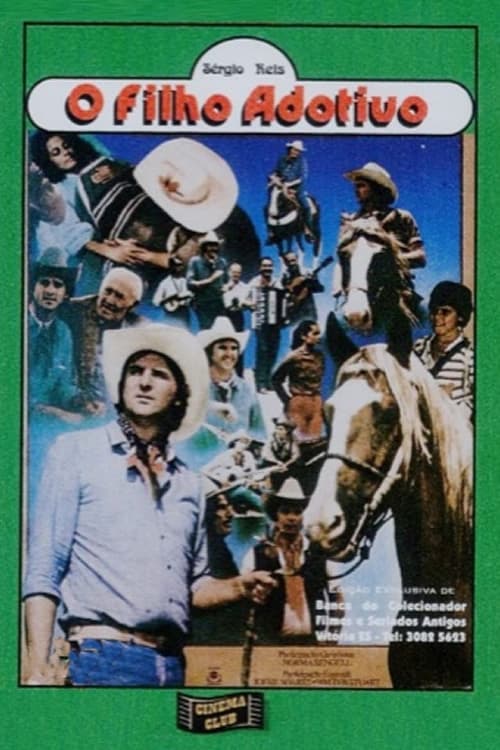
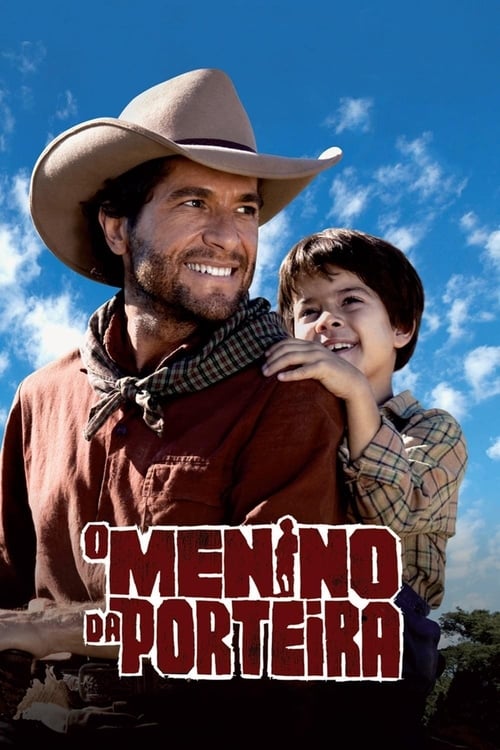
Diogo, a cowboy, meets Rodrigo, a boy who dreams of becoming a cattle herder, when he drives a large herd of cattle to the Ouro Fino farm. They become friends and witness the injustices that occur in the region due to the greed of Major Batista, the owner of the property where they take the cattle.

Simple and popular hillbilly Jeca is forced to get involved in politics, when the leaders of the region, competing to be elected mayor of the town, try to get his support.
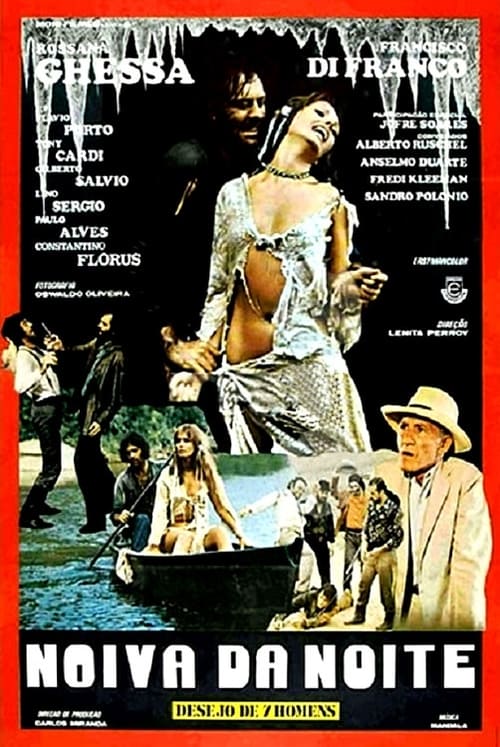
As revenge against the big landowner who killed his brother, a convict escapes and rapts the man's daughter.
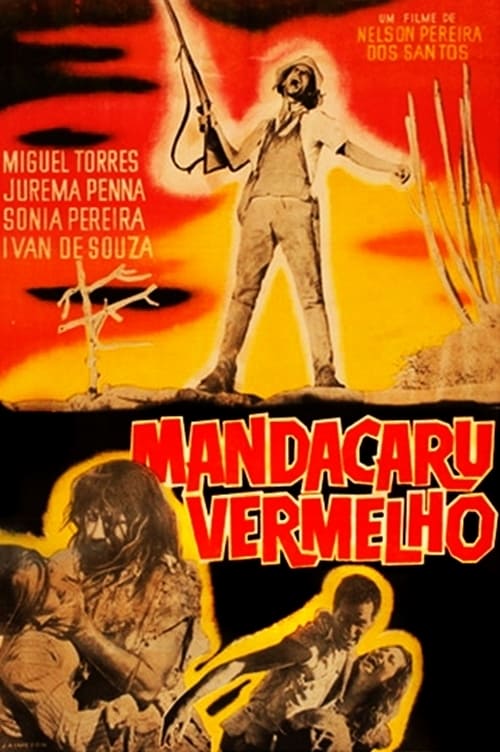
Despite being promised to another man, a young orphaned woman falls in love with man working at the farm she lives in , and together they escape. According tradition in Northeast Brazil, her aunt goes after them, in order to kill them for revenge.

The Gunslinger Nobody refuses to suck a bull's cock in Colonel Bajon's zoophilia movie, and a musical hunt begins.

The homosexual cowboy duo Rocky and Hudson become involved in two plots. In the first, they need to fight a dangerous scientist, and in the second, they go in search of the Sacred Totem.
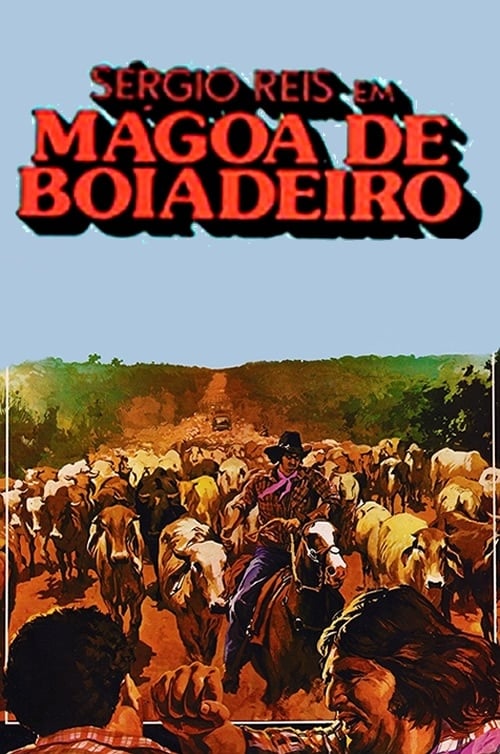
In a country town in the state of Minas Gerais, Brazil, Januária is going to marry the shy and naive Amorim. But in her heart she wants to escape with her dream hero, the cowboy Roy Pereira, and start a new life in Texas.

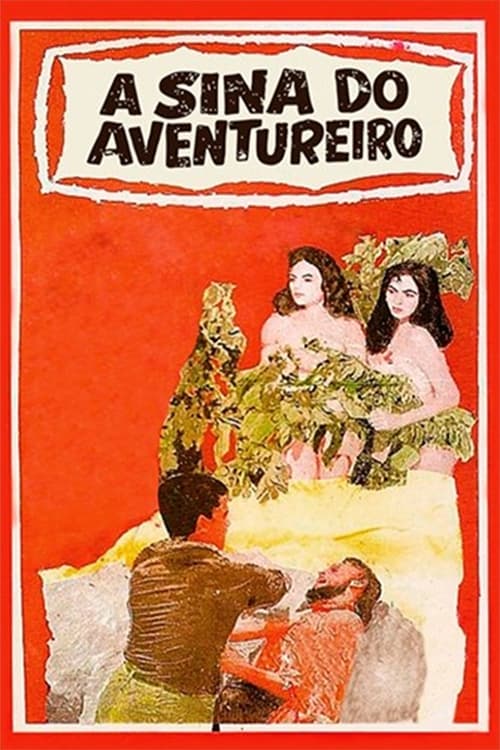
After being shot fleeing from a gunfight, the bandit Jaime falls to a riverbank, where is rescued by two beautiful young women. He becomes involved romantically with Dorothy, daughter of a farmer, and for her sake, surrenders to the police. Upon leaving the prison, Jaime has to face Xavier, a bloodthirsty villain who plans on taking revenge on Dorothy's father.
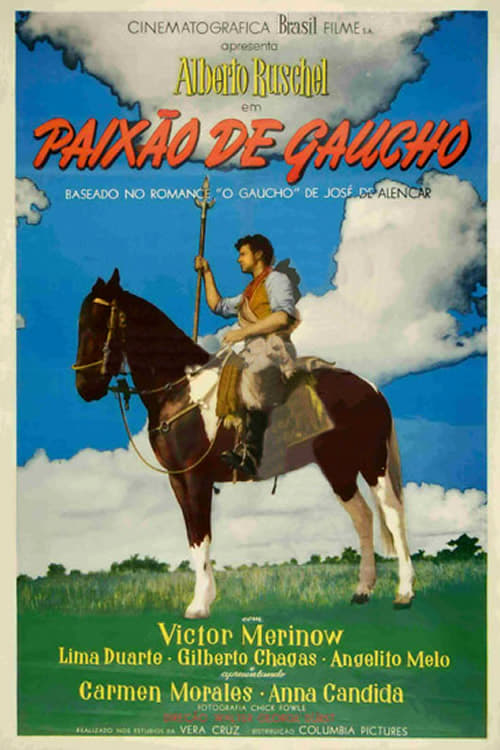
In 1836 Brazil, a hawker arrives in a small village in the State of Rio Grande do Sul to avenge the death of a friend. He becomes friends with an outgoing knight, but they start loving the same woman. Besides, Farrapos War begins, and they take different positions in the conflict, leading to rivalry.
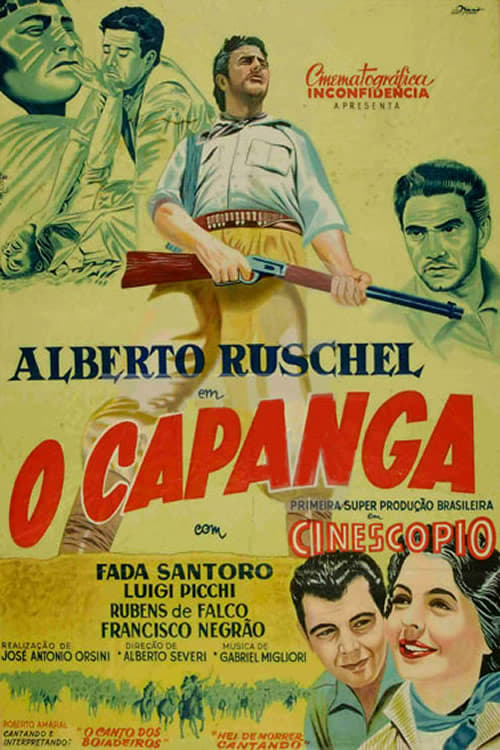

As a child he was kidnapped by gypsies that raised him, without he ever knowing his parents. As a young man Tonho leaves the gypsies and go live by himself, meeting in his way a beautiful woman, who lost her brother, and a dangerous gang of violent criminals.
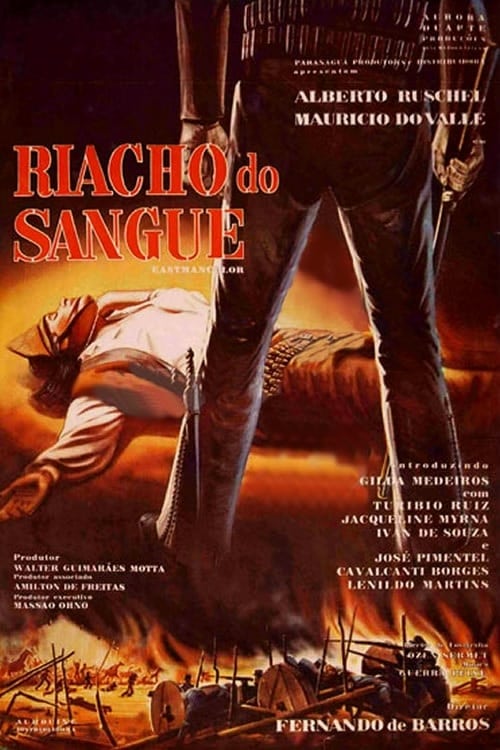
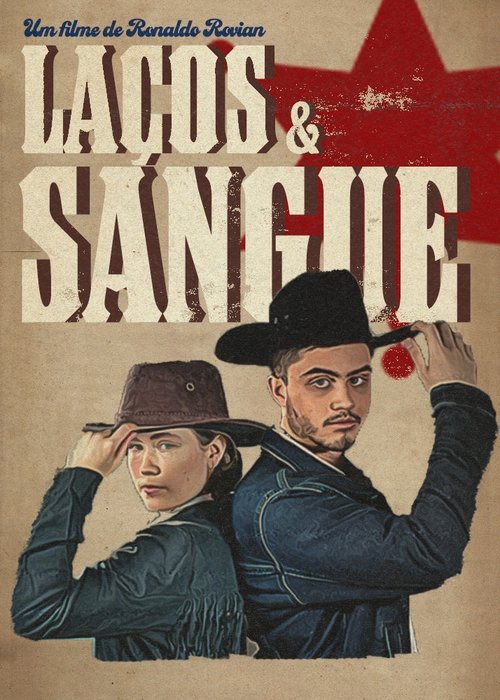


João Amorim is a quiet country man, he lives with his wife and daughter in their country house. He could barely imagine what was about to happen.
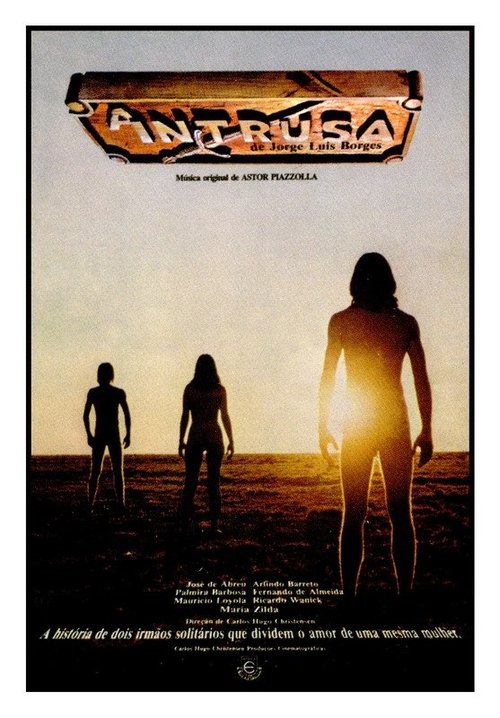
The parallel lives of two brothers of the "Pampas" of the Brazilian area, which much share everything they have. A woman, "the intruder", will change everything.