1,226 Matches Found

Kashmir 1947

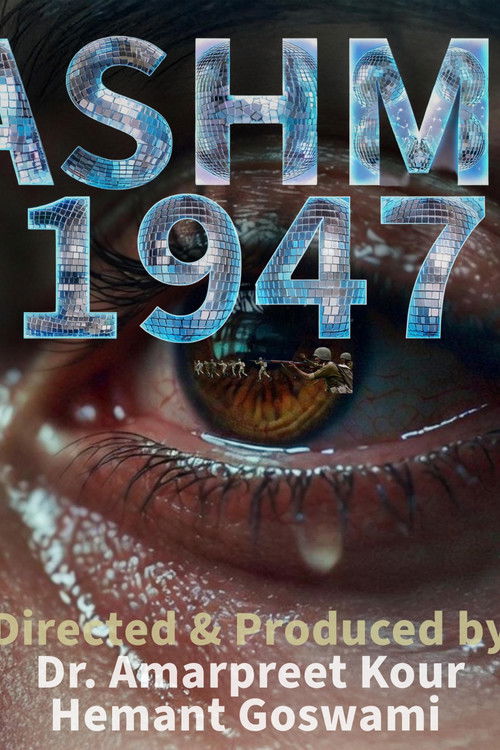
Kashmir 1947 vividly recounts the tumultuous events of 1947–48, drawing on firsthand testimonies, military perspectives, seldom-seen archives, and a captivating narrative. The documentary weaves together music, songs, and potent narration, presenting history in a way that resonates with modern viewers, even those of a younger generation. "Kashmir 1947" is a documentary that educates, resonates, and stirs the soul. The film transforms history, crafting a compelling narrative that resonates with contemporary audiences.

Kashmir 1947

0.0 2026
Gyani Maiya

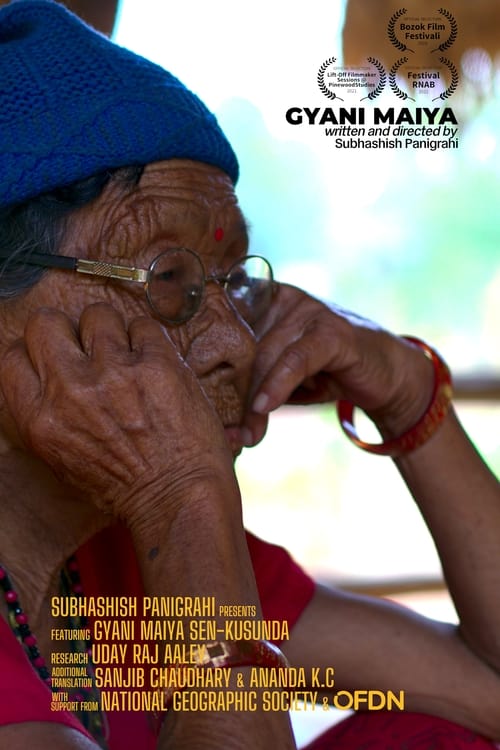
“We left our language and started speaking others’. The girls have got married and have left for the villages. Boys are getting married in villages. It should be taught to children”. — Gyani Maiya Sen-Kusunda The Gi Mihaq (also known as Kusunda) was a semi-nomadic hunter and gatherer community that settled in villages around the mid-western Nepalese district of Dang. They have long lost their native language Mihaq (Kusunda), to acculturation and other barriers to active use. The community also lost their 83-year-old elder Gyani Maiya Sen-Kusunda in 2020, the most and the only known fluent Kusunda speaker then. Filmed in Kulmor in the Dang District in 2018, this openly-licensed documentary is a memoir of Sen-Kusunda in her own words and a biography of her people who were forced to leave their language and cultural identity. Kusunda is being revived by Kamala Sen Khatri, Sen-Kusunda’s younger sister, and Uday Raj Aaley, a local researcher who is the key interviewer for this film.

Gyani Maiya

10.0 2019
The Travelling Song

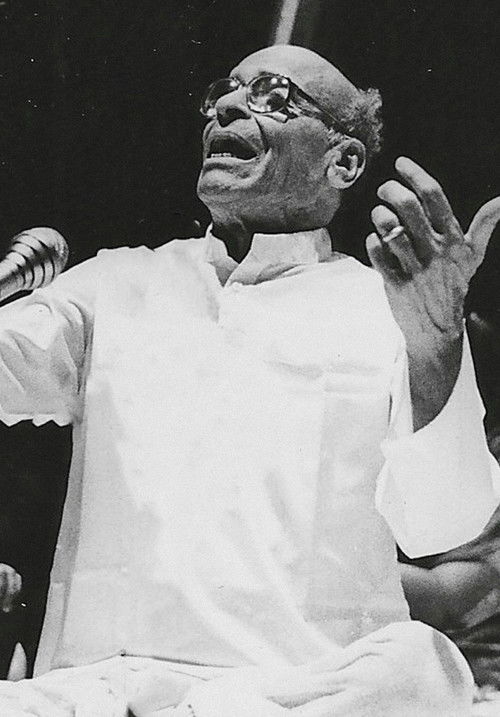
'Rasayatra' presents the life and music of Mallikarjum Bheemarayappa Mansur (1910-92). Visualising the music of the maestro the film explores Mansur's love and passion for music. Using his interviews the film takes us on a journey through his life, starting from his love for music as a child to his greatest achievements. Exploring Indian classical music the film also enters the realm of the poetic meaning of the lyrics and Mansur interpretations of those. Filled with personal anecdotes it talks about his personal life and how his music never got affected by it. The film is a tribute to the music and to the man.

The Travelling Song

0.0 1994
One Way

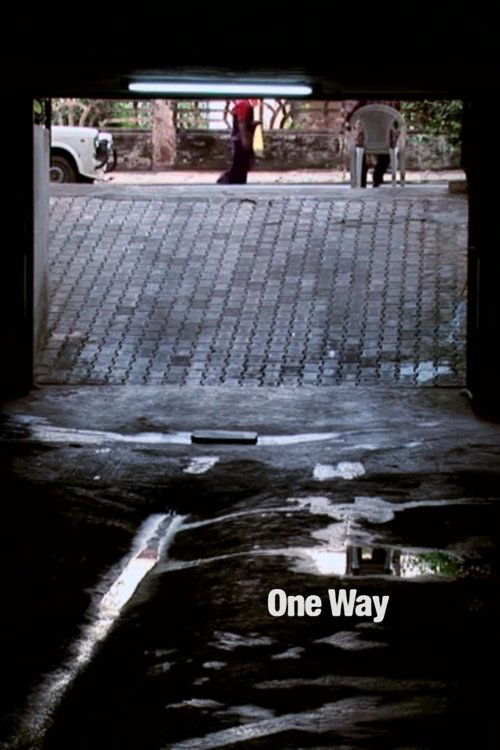
Contemporary economic conditions in Nepal are examined with documentary images, interviews, and narration. There has been, for many years, a labour migration from across Nepal to India ’s cities. This short film is set in the underground parking lot of an apartment building in Bangalore, in South India. One Way follows the livelihood of a security guard named Shyam Bahadur, who lives with the rest of his family in the electric switching room of an apartment block, to whom he provides service for the sake of survival. The narrative of the journey he made 35 years ago, from the mountains of Nepal to the southern plateau of Bangalore, punctuates his day-to-day life in and out of the basement. As his personal story unfolds, the hills of Nepal are being rocked by “the people’s war,” yet another historical disturbances that has forced Nepalis to emigrate for work.

One Way

0.0 2007
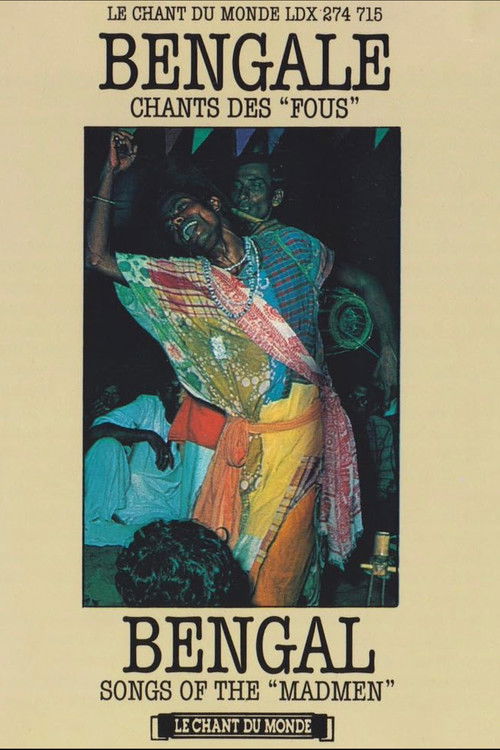
Songs of the madmen

The Bauls of West Bengal are nomad musicians who practice a traditional form of concert challenged by the increasing modernization of India. The term "Fous" here refers to those inspired and wandering musicians of Bengal known as Baül. The word Baül is derived from the Sanskrit word "vatul," which means "mad" in the sense that it commonly connotes a more or less frenetic behavior in French. The Baül are peculiar individuals, particularly in their mannerisms, customs, and practices. Although they may belong to either the Hindu or Muslim religion, the Baül refuse to be guided by any social or religious conventions. Freedom of spirit is their only guide. They thus move against the tide of habits, preconceived notions, and general theories. "Le chant des fous" (The Song of the Mad) is a film made by Georges Luneau.

Songs of the madmen

0.0 1979
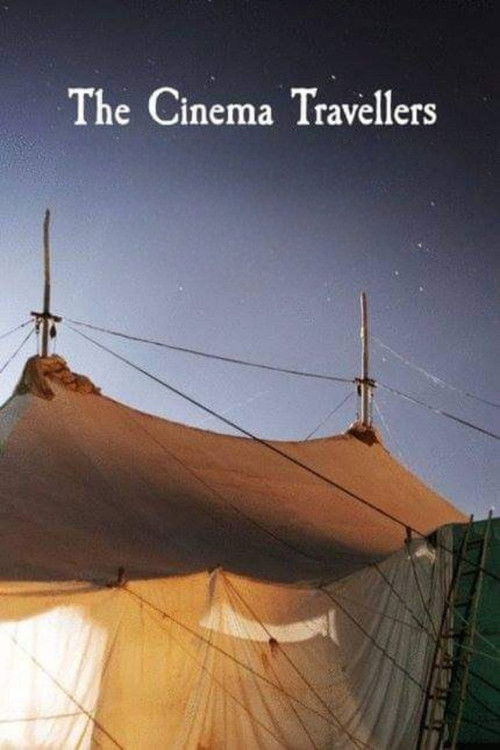
The Cinema Travellers

Showmen riding cinema lorries have brought the wonder of the movies to faraway villages in India once every year. Seven decades on, as their cinema projectors crumble and film reels become scarce, their patrons are lured by slick digital technology. A benevolent showman, a shrewd exhibitor and a maverick projector mechanic bear a beautiful burden - to keep the last traveling cinemas of the world running. A critically acclaimed, poignant documentary that celebrates India’s travelling picture shows and laments their demise, filled with exquisite visuals and marvellous eccentrics.

The Cinema Travellers

0.0 2016
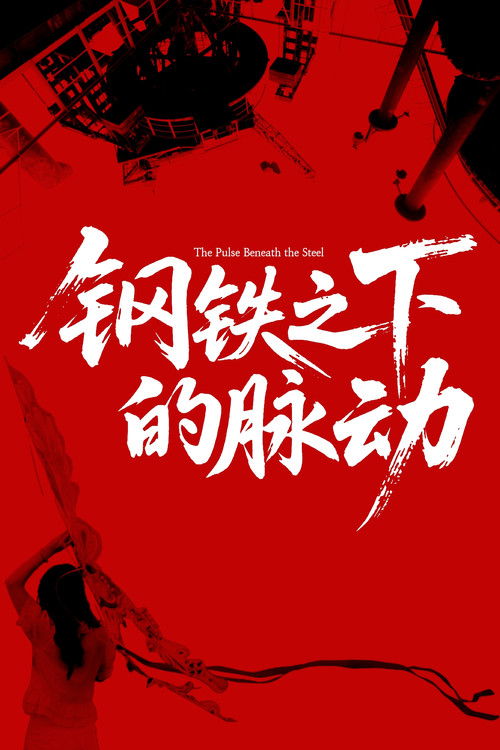
The Pulse Beneath the Steel

Once the beating heart of Beijing’s steel industry, Shougang was a leviathan forged from iron and fire. Its blast furnaces once echoed with labour and ambition, embodying the raw force of China’s industrial might. Today, these same structures are repurposed into spaces of digital innovation and Olympic legacy, marking one of the most ambitious urban transformations in modern China. This documentary traces the metamorphosis of Shougang Park through three poetic chapters: its industrial past, the deliberate reinvention of its architecture, and its re-emergence as a tech-driven ecosystem. Through immersive visuals and the voices of those who once toiled within its furnaces and those now forging its future, The Pulse Beneath the Steel is more than a portrait of place. It is a meditation on memory and transformation at the heart of a city that bridges heritage and modernity.

The Pulse Beneath the Steel

0.0 2025
India is Ours

Though times have changed, Ram still uses old ways of farming due to a drought in the village. His brother, Bala, goes to Bombay to earn his living. Mahadev, a Zamindar in the village, eyes Usha, the lover of Bala. Due to the drought, the crops fail in the village, and Shikh Sahib, a social worker, comes to help the farmers, and shows them new ways of farming. Ramu goes to Bombay to take a loan for cooperative farming and asks Bala to turn back to the village, but he refuses. [The film is a socio-economic study of post-independence India, blending documentary elements with narrative storytelling. The film is often described as a "simple story woven into the documentary design" and features actors like Prithviraj Kapoor and Dev Anand.]

India is Ours

0.0 1950