An in-depth documentary on the reclusive Taiwanese artist Huang Hua-Cheng and his avant-garde legacy. Commissioned by the Taipei Fine Arts Museum for the retrospective exhibition: “An Open Ending: Huang Hua-Cheng” (2020).
1,032 Matches Found
An in-depth documentary on the reclusive Taiwanese artist Huang Hua-Cheng and his avant-garde legacy. Commissioned by the Taipei Fine Arts Museum for the retrospective exhibition: “An Open Ending: Huang Hua-Cheng” (2020).
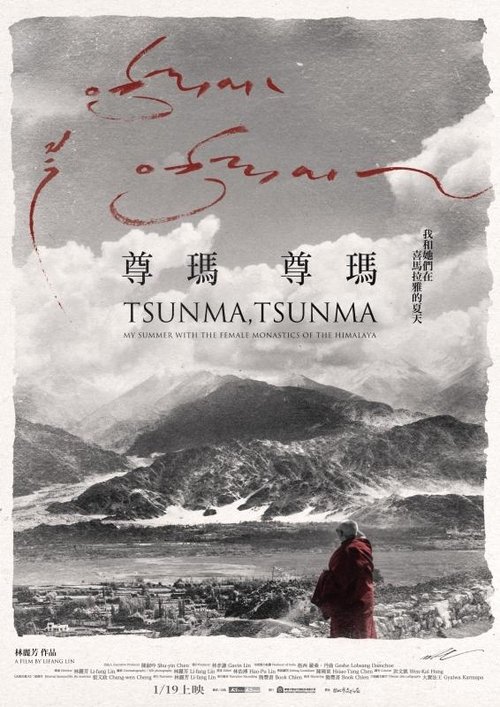
Tsunma, an honorific term connoting “noble, delicate, and pure”, refers to the Tibetan Buddhist Nuns of the Himalayan Region who have been largely dismissed or forgotten by the traditions they follow and the societies they’ve served. Taiwanese photographer Lin Li-Fang undertook a solo journey up 4,270 meters into the Himalayan Plateau and lived for an entire summer with some of these nuns and recorded life in the unforgiving environment dubbed “The Roof of the World”. There, Li-fang captured a life devoted to hope and faith and a people possessing a unique kind of tolerance, humility, and perseverance. This is a story of the Nuns of the Himalayas, of seeing one’s life through theirs, that is, a life lived in faith and with the spark of a summer eternal.
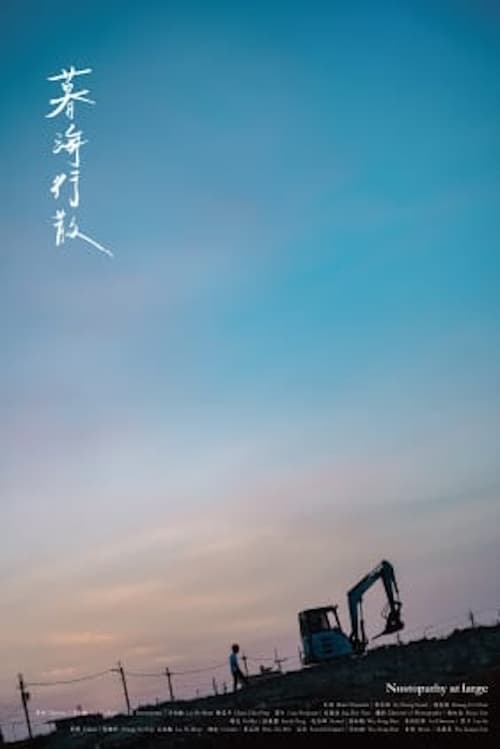
For 45 years, Jen-Shiu Hsu has used photography and writing to explore the intricate universe of nature. He has tirelessly shared his discoveries with the world, exposing both its beauty and the destruction caused by human civilization. But in 2019, after undergoing surgery for the first time in his life, he became acutely aware of time. Suddenly, his lifelong rhythm of exploration faced an unavoidable limit. His final, unfinished expedition—will it be the closing chapter of his journey, or the start of something new? This documentary observes a man who has always sought the core of nature, now faced with the reality of his own mortality. As he embarks on one last great adventure, the film also captures how the filmmaking team, through their own journeys, begins to question their relationship with nature and their understanding of life itself.
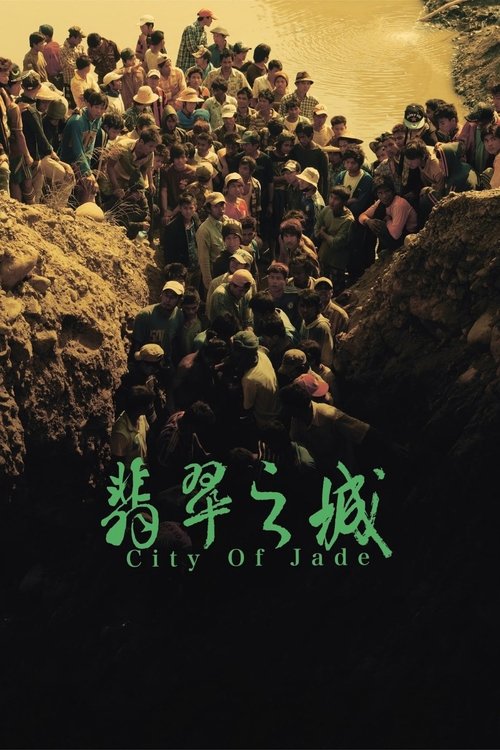
Midi Z visits his oncle who works as a jade miner.
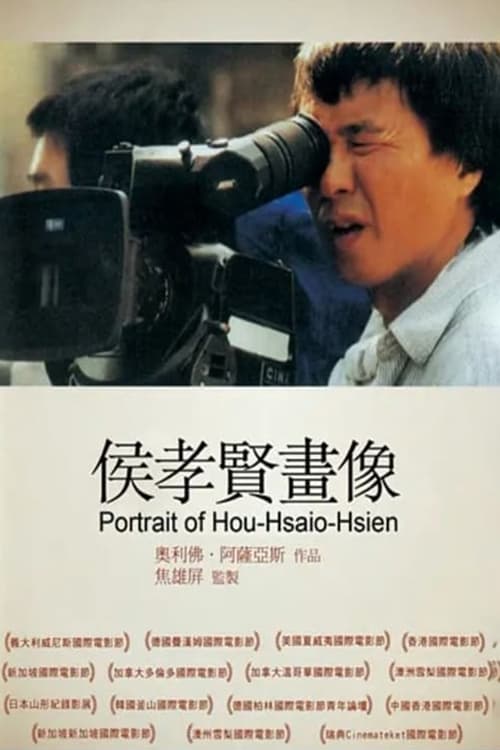
Entry on Taiwanese new-wave filmmaker Hou Hsiao-Hsien for French television's "Cinéma, de notre temps" series, directed by Olivier Assayas.
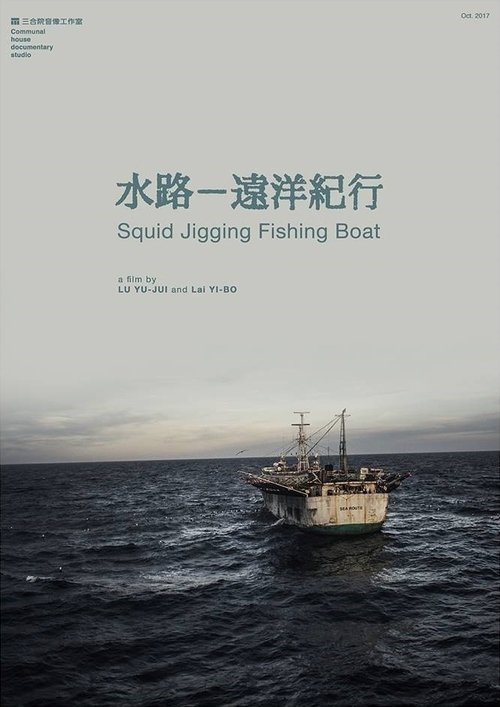
Every December to January, almost a hundred squid fishing boats from Ch'ien-chen Fishing Harbor in Kaohsiung will sail from East 120 to West 60 to work at Falkland Islands in the South West Atlantic. The sailing takes 35-40 days and crew members named it "waterway." January 1st, 2015, a 65 meter long, 11 meter wide fishing boat began its journey to Falkland island. This is a documentary about 60 crew members from south-east Asia to work far away from Taiwan.
Since June 2023, another civil war between the government and the rebel forces has been raging on in Myanmar. Midi, the director who has been away for years, comes back to the port, where he waited for six months to obtain his first passport. His anxiety and people's suffering not only remain but even increase. Homeland has always stayed in his heart, but he can never return to it.
Tsai interrupted his pre-production for The River to make this pioneering documentary for Taiwan's nascent AIDS-awareness campaign. Ignoring instructions to 'play down the gay angle', he centres the film on his own very candid conversations with two HIV+ young men. Sadly the identities of the interviewees have to be concealed, and so the freewheeling camerawork focuses most often on Tsai himself; but the sense of rapport between the director and his 'new friends' is palpable and very moving, even to Western viewers already only too familiar with these issues.
A documentary took more than 30 years to pursue a migrating bird, black-faced spoonbill.
The black kite, generally referred to as “the eagle” in Taiwan, used to be very widespread and so common that it is the main character in a well-known Taiwanese children’s game. However, it has now become so rare that very few people ever get to see it. SHEN Zhen-zhong, better known as “Mr. Kite” who vowed to safeguard this endangered bird, is determined that he spent the best 20 years of his life traveling throughout Taiwan to find out why the black kite is disappearing. From 1992 to 2015, the film documentary maker LIANG Chieh-te followed Mr. Kite’s journey. Through his camera lenses, the story of how, one person can cross the species barrier and totally devote himself to a cause with no regrets because of love.
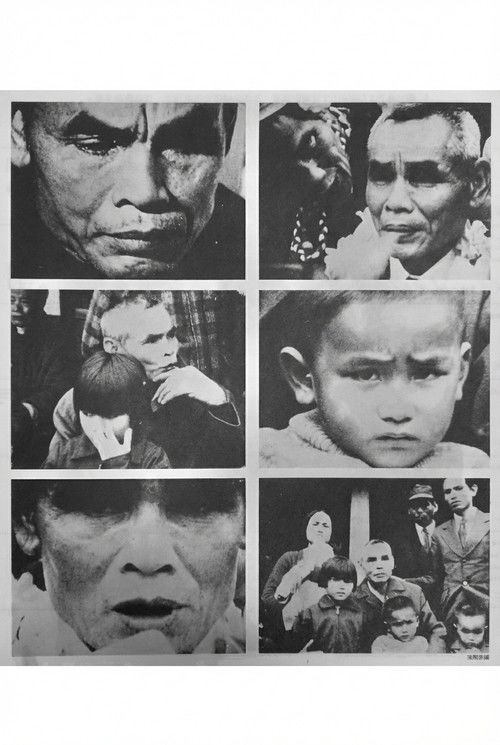
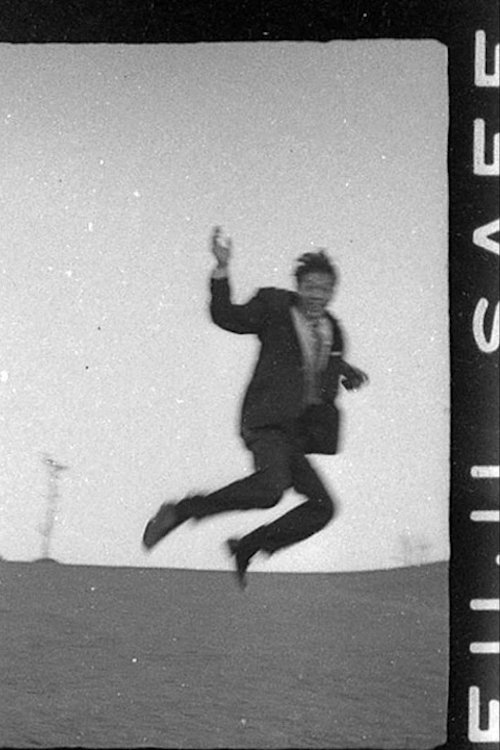
Archive / Lee Guang-Hui is a 30-minute compilation film assembled from footage independently preserved by Chang Chao-Tang between 1975 and 1979 during his work as a television cameraman. Documenting the final years of Lee Guang-Hui—an Indigenous Taiwanese former Japanese soldier who lived in isolation in Indonesia for nearly three decades after World War II—the film traces his return to Taiwan, brief media exposure, and death. Neither a conventional documentary nor a completed historical account, the work functions as an unfinished archive, juxtaposing official rituals, media spectacle, and moments of silence to expose the erasure of subjectivity and the unresolved fractures of postwar history.
Caring for an autistic adult can be seen as an act of faith. It is unpredictable. A regular interaction can lead to a violent lashing-out. However, due to its lack of exposition and its pure form of observation, the film captures something even more profound: life as a collection of failure, pain, and tragedy as felt by its protagonist, Chen Hung-tung, a father who cares with extraordinary patience for his autistic son Li-fu.
Documentary about making of "Three Tears in Borneo".
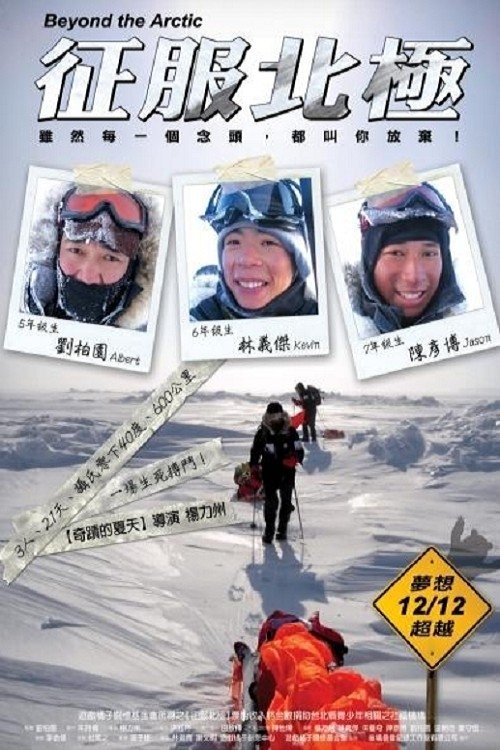
A team of an entrepreneur, an athlete and a student from Taiwan arrived in the Arctic Circle. Through their participation in the 2008 Polar Challenge – a 600 km race to the Magnetic North Pole, they’ve realized their dreams. They experienced hypothermia and attack from polar bears en route.
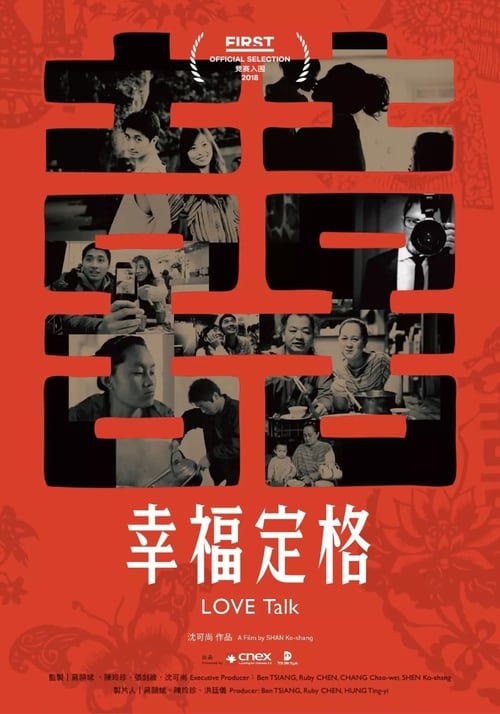
Seven years. Eight married couples. They are open and honest, reflecting on why they married each other in the first place, why they have lost the passion, and why they are tired of the other person's problems with the mother-in-law; they talk about sex, having children, and the fact that they can't stand each other any longer...
In Taiwan, pigeon racing is not only a sport but also a national obsession where more than 30,000 Taiwanese pigeon racers devote their lives to chasing a dream of fame amd fortune. It's a sport awash with rumor of race fixing, mafia and even kidnappings. Professional pigeon racer Tsai Fong Chi has what it takes to make it big in the next pigeon games. His family is depending on him and much is at stake. With little success since his last big winning streak, his cash reserves have dwindled and he needs to win and win big. Can Tsai's favorite pigeon make it to the final races and bring home the grand prize?
A third-generation heir of a family-run shrimp business returns to his hometown to take over the family business and arrange his marriage as per his father's wishes. His childhood friend, a filmmaker, documents their journey as they explore what he truly wants in life. This is a story about the leisurely daily life of two young men in a fishing village.
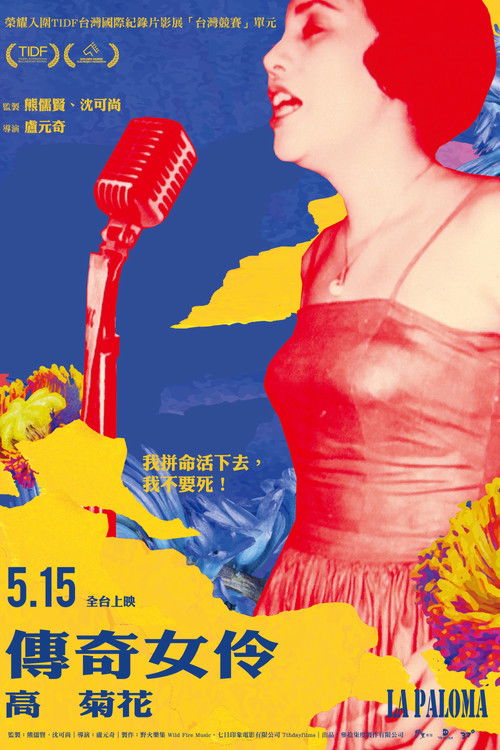
Known as ‘Pa Nana’, a celebrated Latin singer in 1950s–60s Taiwan, Kao Chu-hua supported her family through nightclub performances after her father’s execution during the White Terror. Drawing on family testimonies and newly declassified archives, the film reconstructs her life under state surveillance, revealing survival beneath authoritarian rule and enforced silence.
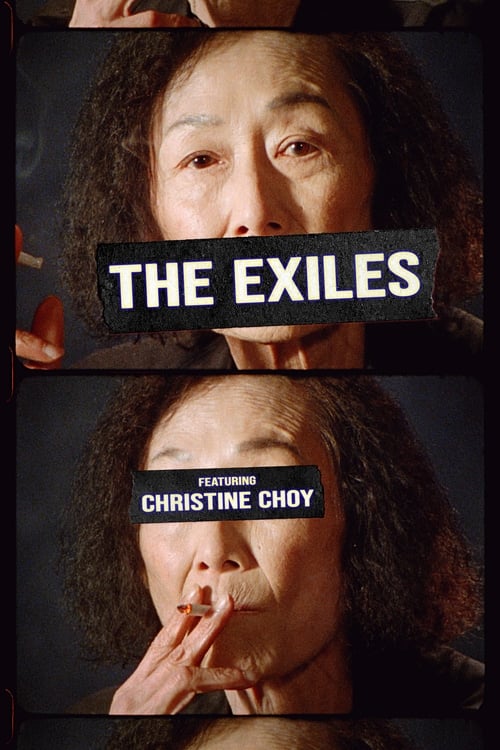
Brash and opinionated, Christine Choy is a documentarian, cinematographer, professor, and quintessential New Yorker whose films and teaching have influenced a generation of artists. In 1989 she started to film the leaders of the Tiananmen Square pro-democracy protests who escaped to political exile following the June 4 massacre. Though Choy never finished that project, she now travels with the old footage to Taiwan, Maryland, and Paris in order to share it with the dissidents who have never been able to return home.
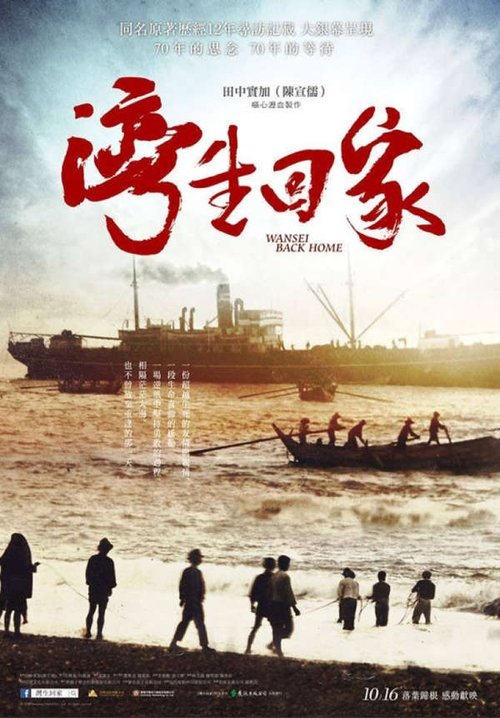
'Wansei' refers to those Japanese who were born in Taiwan during the colonial period. After WWII, they were repatriated to Japan. It took the director 12 years to conduct the interviews and five years to shoot. It tells the stories of not only Wansei themselves but their friendships, family ties and bravery when facing the harsh adversity.
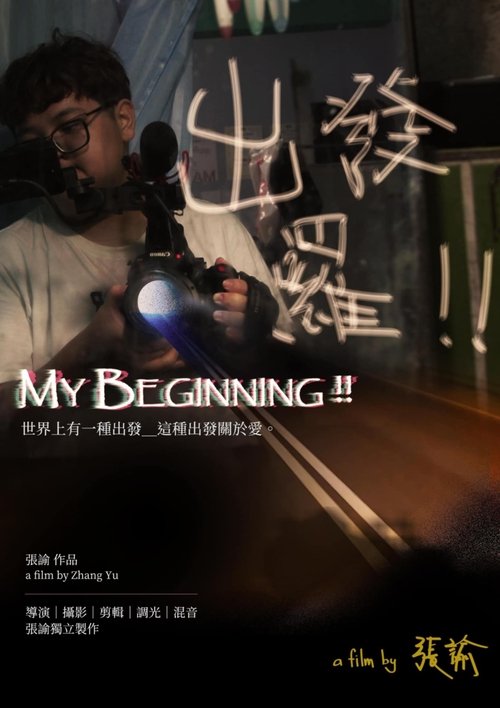
This film is like a person standing naked in the middle of a square, covered in wounds, holding up a sign that says “Free Hug.” Many people come to embrace him, and he embraces many in return. Yet this does not mean that those who embrace him are unscarred—it is only that they are clothed. — Director Zhang Yu
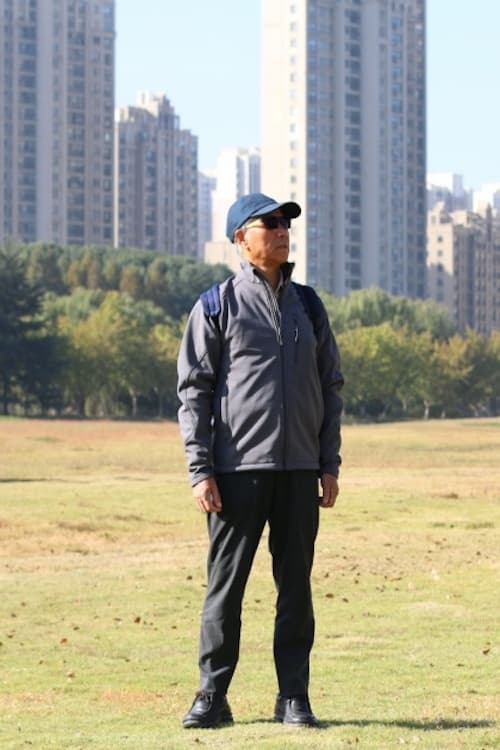
Mr. Lin is a happily retired man who spends his time keeping company with his toddling grandson, walking his dog, and playing golf with his in-laws. Recently, he has been obsessed with houses with river views. In Lin's city of demolitions and reconstructions, money-making investors buy and sell houses at unaffordable prices. Above the skyline of Taipei, will the boundaries between daydreams and reality ever blur?
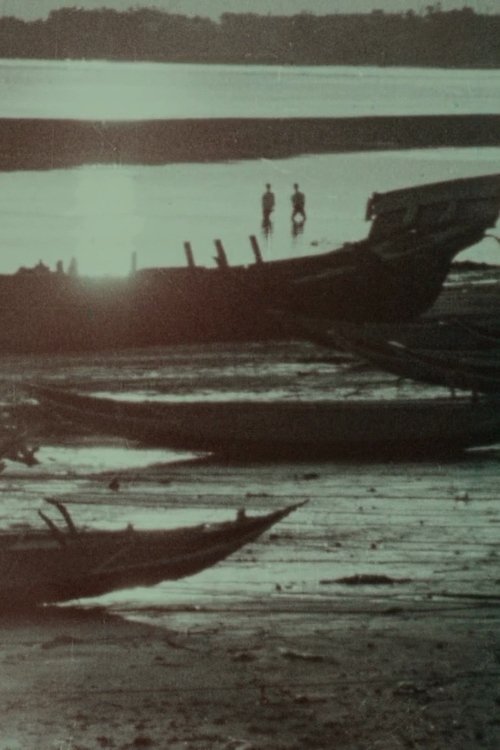
A train rolled into Tamsui, a charming harbour town full of historical and cultural complexity. European-style architecture tells its colonial past, while Fujianese immigrants' influence stays present in local people's everyday life. Celebrated photographer and cinematographer CHANG Chao-tang captured Tamsui in the 1970s on film, creating a nostalgic yet melancholic concerto played by missionaries, fishermen, and tourists.
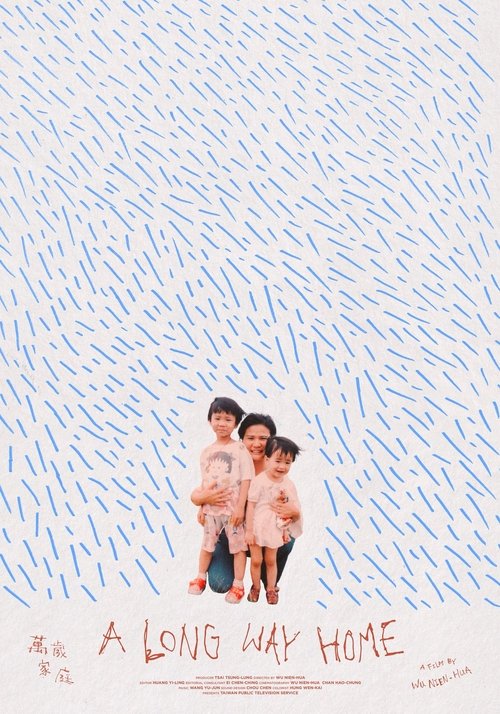
After her birth, Nien-hua never met her father and was raised solely by her mother. She lived with her mother and older sister in a community building named “Viva Family.” To outsiders, her mother seemed to excessively pamper her children, but in reality, she used various forms of violence to discipline them. At the age of 23, Nien-hua receives a strange message on Facebook from her father, who had never been present in her life. He talks about their brief marriage in a way Nien-hua has never heard before. This regret of never having met her father leads Nien-hua to decide to meet him. As the director seeks to unravel this repressed event, she discovers that each person remembers it in a vastly different way. In the search for truth, everyone reveals their own secrets and inadvertently confirms a recurring dream.
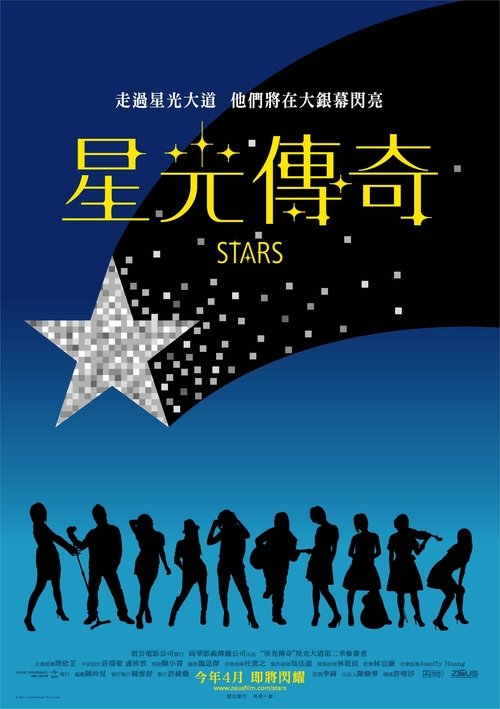
A TV program "One Million Star" was firstly aired in 2007. It claimed to be the biggest singing contest in Taiwanese TV history and promised the first-place winner a record contract and one million NT dollars (about 30,000 USD). The show caused an unanticipated sensation. Through this film, we will see how Taiwanese young people hang on to their dreams in a seemingly hopeless and desperate society.
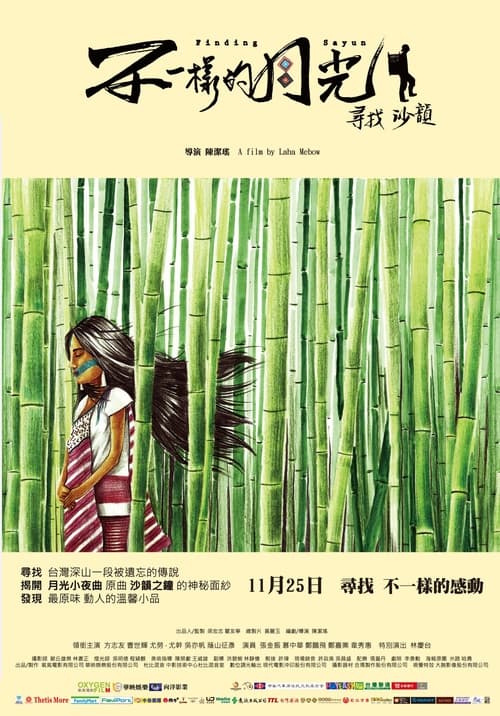
For her debut feature Finding Sayun (不一樣的月光), Atayal director Chen Chieh-yao (陳潔瑤) returns to her home village to unearth the legend of Sayun (sometimes spelled Sayion), an Atayal girl who fell to her death in a turbulent stream while carrying a Japanese teacher’s belongings at the end of World War II. The movie begins when the tale of Sayun draws a television crew to the Atayal hamlet of Tyohemg (金岳) in Nanao Township (南澳), Yilan County. Yukan (Tsao Shih-hui, 曹世輝), a high-school boy and a young hunter, does not understand the crew members’ interest in the story. But his grandfather’s (Chang Chin-chen, 張金振) memories of Sayun, whom he went to school with, revives his interest in the old tribal village, which the villagers had been forced to desert 50 years prior.
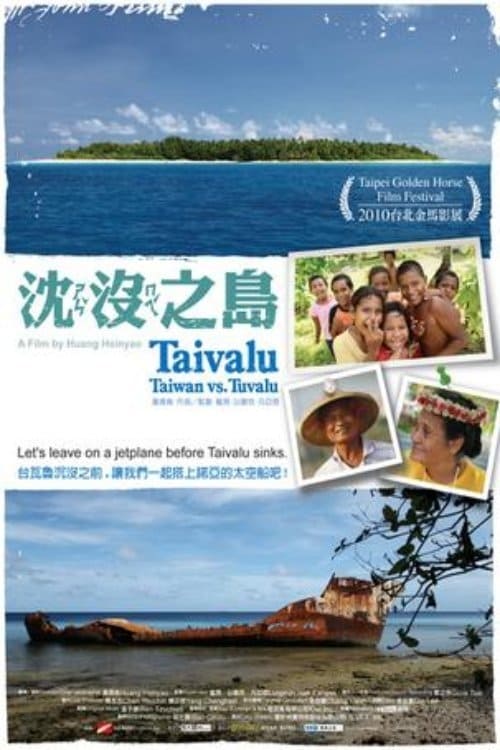
Tuvalu, This defenseless nation of 26 square kilometers will be the first island nation to be submerged by the oceans once the sea level rises due to global warming. The director Huang Hsin-yao left his hometown after the 88 flooding disaster in Taiwan in search of this disappearing island called Tuvalu. While aboard this swaying ship in the Pacific, various fantastic spectacles of Taiwan emerge in the mind of the director… Once out at sea barbecuing, he found under the sea…
Umei and Haluwey embarked on an artistic journey much later in life, exploring the realms of art, acting, and ethnic song-singing. Now, they have even started to write songs. This is a chronicle of two mothers pursuing their dreams. By taking a series of courses, they come to embrace their inner beauty, struggles, and self worth. Through songwriting and creative expression, Umei and Haluwey take a profound introspection of their lives, telling their stories as daughters-in-law, wives, mothers, and daughters.
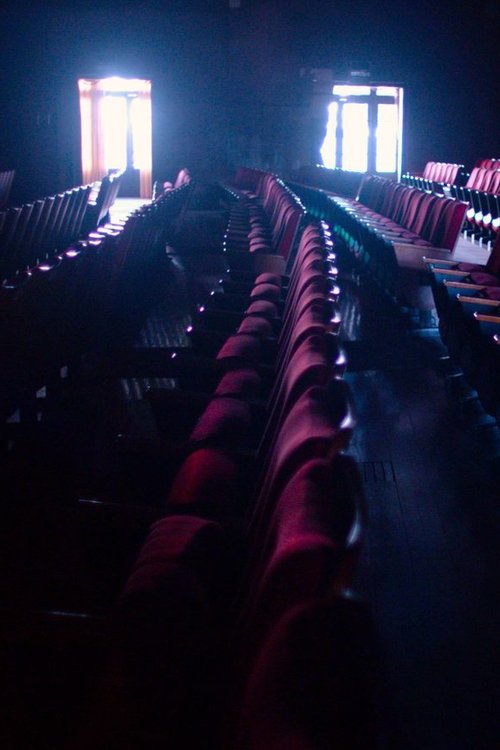
"The very first Taipei Golden Horse Film Festival was held here at Zhongshan Hall. During my university days, I volunteered as a ticket seller in order to watch films for free. Many years later, I received the top award at the Taipei Film Festival in an award ceremony held here as well. I have also run a coffeehouse here and often held small screenings of classic films during that time. Last year, I shot my film, Your Face, inside Guangfu Auditorium. The film was composed of thirteen big close-ups. Each of those thirteen faces was filled with the passage of time. Now, I am given a chance to film Zhongshan Hall again. I switched off all the lights and allowed the warm winter sun to shine on her face."
Puppeteer Chen Hsi-huang establishes his own troupe and moves out from under the shadow of his father, the legendary Li Tien-lu.
A documentary about Nogami Teruyo, who for nearly half a century stood by Akira Kurosawa as a screenwriting collaborator, a script supervisor, and a companion.
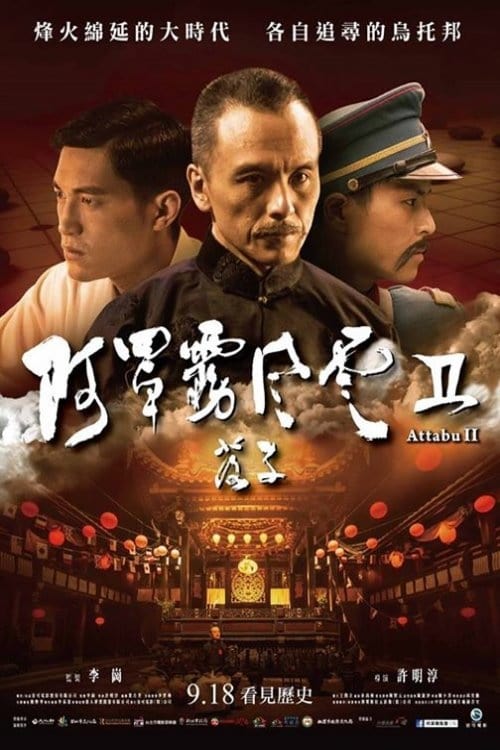
The film documents the rise and fall of the Wufeng Lin family in Wufeng, Taiwan over the turbulent years of Taiwan under the administrations of the Qing dynasty, Japan, and Republic of China.
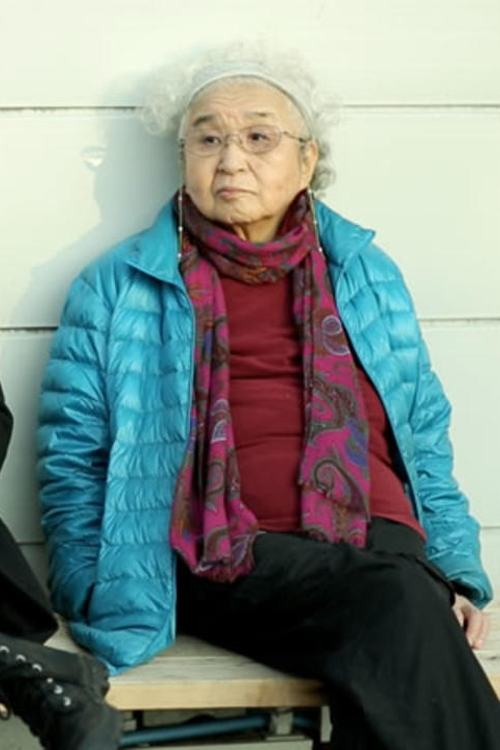
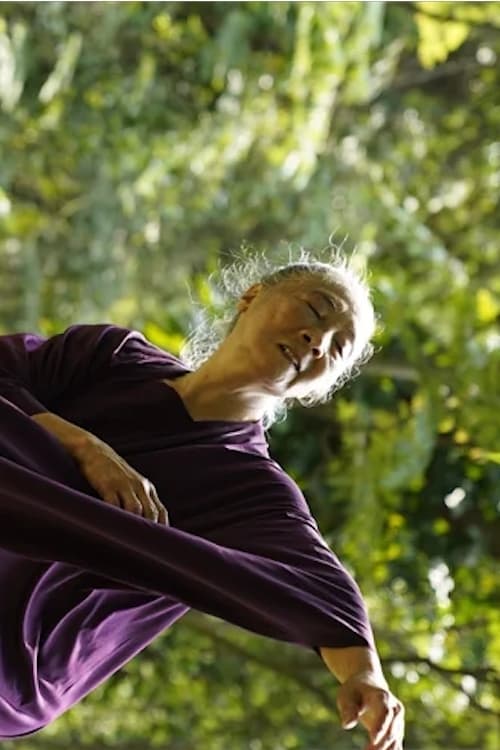
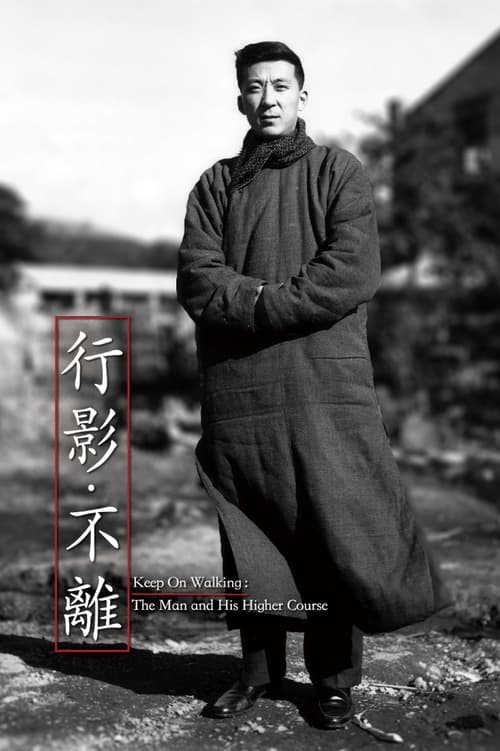
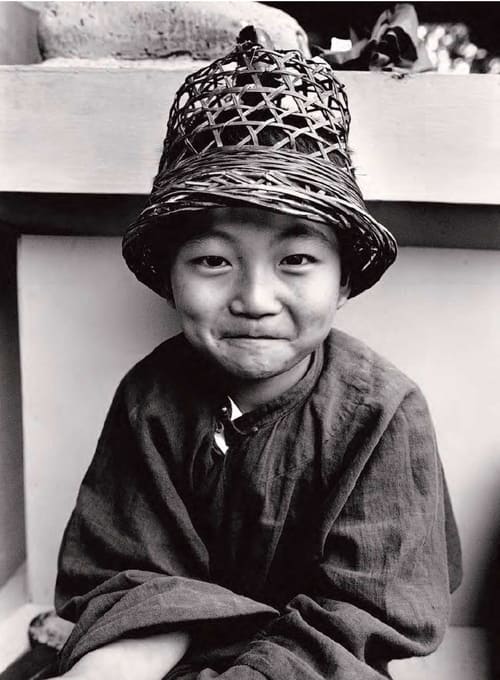
Dance educator LIN Ssu-tuan is the first professional nude model in Taiwan in the 1950s and the 1960s, the muse for painters and sculptors in the art world, and the face for photographers’ salons around the world; in the end, she reversed the dynamics of the subject vs. the object and went on to perform her first solo modern dance in 1975, turning herself from the state of passiveness to an active educator of the art of dance. LIN is over 80 years old, but she still fervently pursues her ideals and passions with her body; her path of life is indeed a book of female art history that communicates with the society in Taiwan.
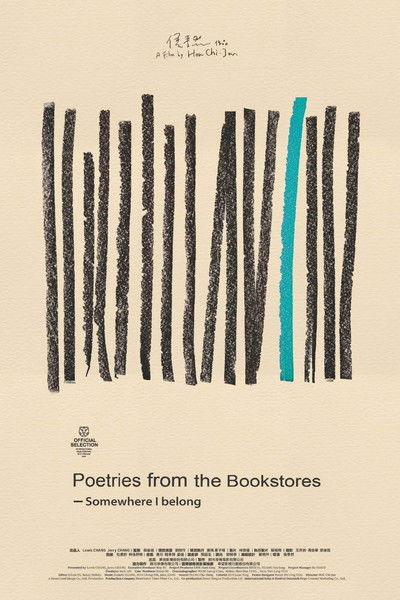
Each bookstore forms its own poetic landscape: gentle hands restoring old books, a bookstore owner guiding customers on herbal hikes, an eco-activist protecting mountains through reading, and a woman from a fishing community preserving local memories. Director Hou Chi-jan captures these intimate narratives through lyrical imagery, portraying 15 independent Taiwanese bookstores and preserving fading stories and quiet cultural resilience.
On the outskirts of Taipei, there is a leprosy sanatorium built by the Japanese occupiers in 1930 to seclude thousands of patients and maintain sanitary conditions on the land. For the last two decades, Taiwanese authorities have decided to turn the sanatorium into a museum to commemorate the history of leprosy medicine. However, the sanatorium has slowly been destroyed due to constant construction that has overwhelmed the remaining aged patients. To cope with this struggle, they protest and build landscape models with their gnarled hands representing their accurate memories and experiences. They continue to fight against the authorities’ efforts to erase the history of segregation and discrimination and have not given up.
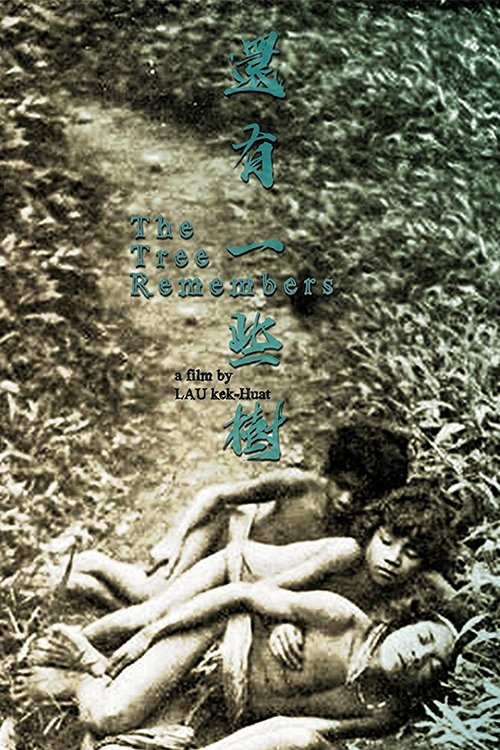
"What the axe forgets, the trees remember." The Tree Remembers presents the current situation in Malaysia where the racial policy is still practiced and the victims are forced to remain silent. This film re-examines the origin of racism in Malaysia and the taboo of racial riot in 1969.
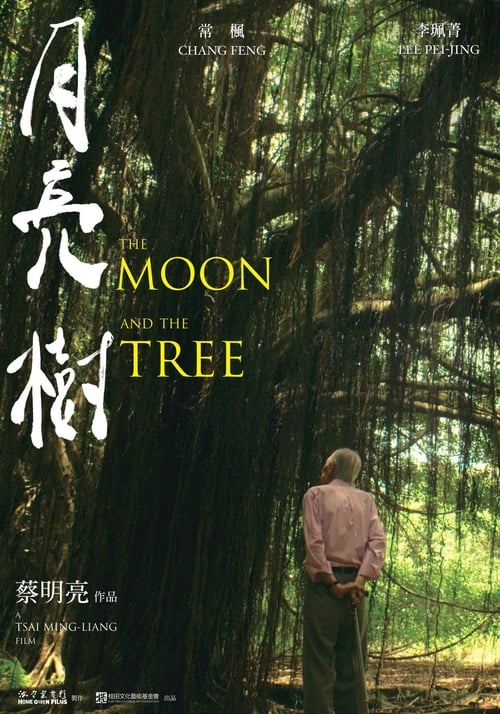
Follows the lives of two big stars in Taiwan. Since a failed spine surgery 40 years ago, Lee Pei-jing, known as the “Moon singer”, has been confined to a wheelchair. Actor Chang Feng is reaching one hundred years old. Tsai describes Chang as a tree, which looks ever more beautiful as it grows old.
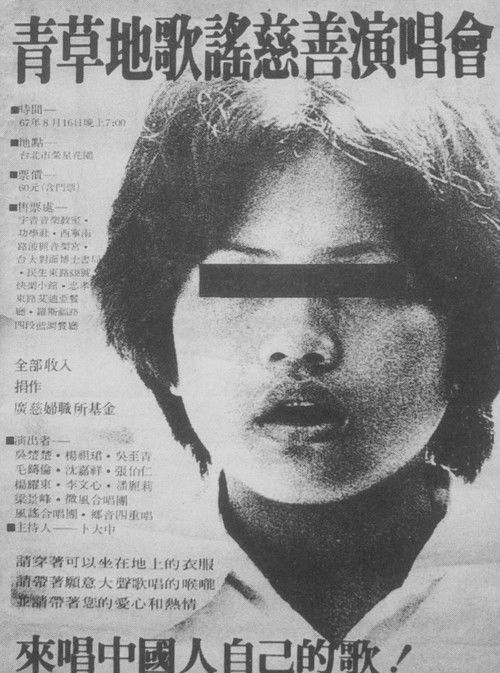
Documenting Taiwan’s first large-scale postwar outdoor concert, this film revisits the 1978 Grass Field Charity Concert, an unprecedented gathering of over 4,000 people. Organized by singer and television host Yang Tsu-Chun (楊祖珺) during the height of the island’s folk song movement, the event foregrounded music’s relationship with everyday life rather than overt political messaging. Yet its significance was inseparable from the era’s tensions: Yang’s self-titled album had recently been banned for the perceived “left-wing” social consciousness of her lyrics, and despite the concert’s stated charitable intent, its scale and popular appeal drew the scrutiny of Kuomintang (KMT) intelligence agencies. Framed against late-1970s Taiwan, the film documents how music, public space, and cultural expression intersected under authoritarian surveillance, marking a pivotal moment in the history of popular music and collective gathering.
In Taiwan, director Lee Hsing's films have become a reflection of society and a collective memory of many. His dedication to film not only launched the careers of many movie stars and crew, but was also the foundation of the prestigious Golden Horse Awards. This documentary offers Lee Hsing's personal perspective on family, films, fate and beliefs, giving us a glimpse of the glory and rebirth of Taiwanese cinema.
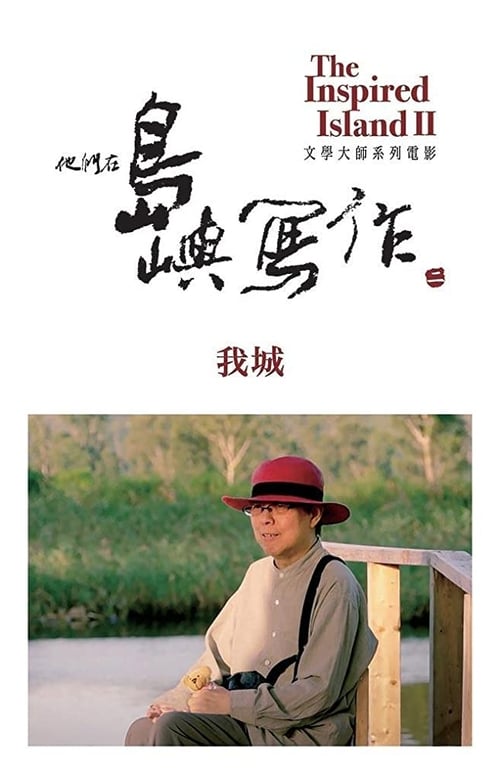
Poet and author Xi Xi is one of Hong Kong's most treasured writers. Though also acclaimed in Taiwan and mainland China for seminal works like the essay Shops, her writings are firmly rooted in the spirit of Hong Kong. Leave it to Fruit Chan, another staunchly grassroots auteur, to make a documentary on Xi Xi's career. Chan sought out renowned critics and writers to discuss Xi Xi's works, starting with 1979's My City. He also juxtaposes photos of a changing Hong Kong with readings of her writings, and even playfully inserts characters from her stories into the film.
A documentary about Taiwan from aerial perspect
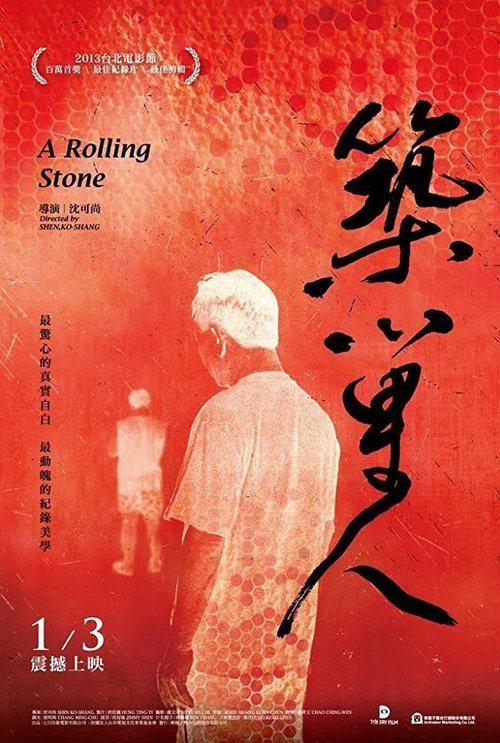
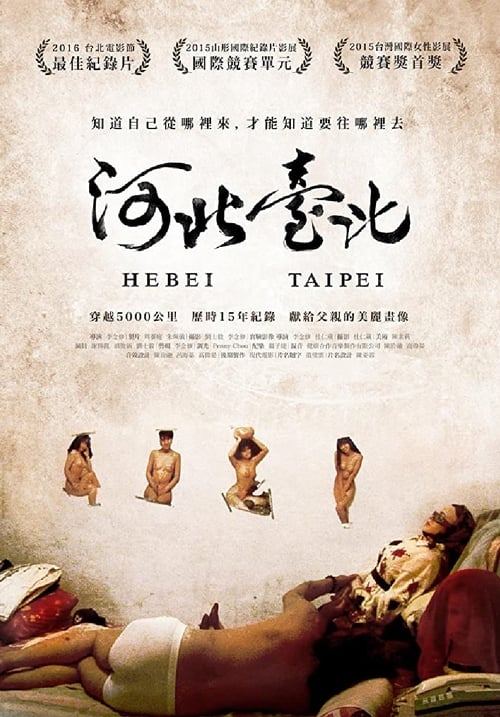
Li, a former soldier who's family broke apart during wartime, was born in Hebei Province in China. He joined the army since youth, never about any political beliefs, but to survive by fighting for those who fed him. The war brought him to Taipei Taiwan, a place where he spent six decades to fit in. Li never had a chance to return to his hometown Hebei, but has revisited it countless times in his dreams. whenever he dreams of it, he sees blood flowing all over the place. At the age of sixty, he decided to separate from his wife and children and lived alone for 20 years. He missed all those years wasted in wartime when he was young, at the same time, he had no idea how his eventful life would come to an end...
Once praised as “good helpers,” four migrant women from Indonesia and Vietnam face dismissal after pregnancy and struggle to raise children in a foreign land. As both workers and mothers, their pursuit of happiness is filled with hardship and separation.
Something is wrong with the “soil”, rendering farmers unable to make money. Enthusiastic middle-aged farmer A-Ren switches to the tech industry, aiming to revive the soil by turning garbage into compost, with his family reluctantly supporting his dream. Meanwhile, An-he, who is nearing retirement, leads his family to cultivate the land using organic farming methods. Farming becomes not only a way of life but also an attitude towards life. As the cycles of nature unfold between the tug-of-war of ideals versus reality, two farmers — one old, one young; one calm, one energetic — will intersect amid the changing seasons of life.
A film director interviews Burmese refugees about their experiences encountering oppression and cruelty in their homeland, and reads aloud poetry about the destruction of Hiroshima by atomic bomb.
Early collaboration between Chang Chan-tang and Christopher Doyle documenting the friendship of their inner circle in Taiwan during the early 80s.
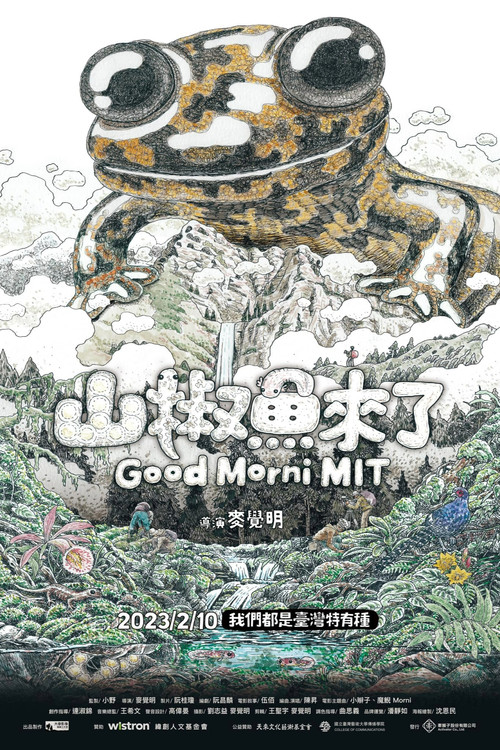
An ecological film that took 17 years to film directed by Ma Jue-ming, producer of "MIT Taiwan Chronicle," documents the research and investigation of Taiwan's endemic mountain salamander species.
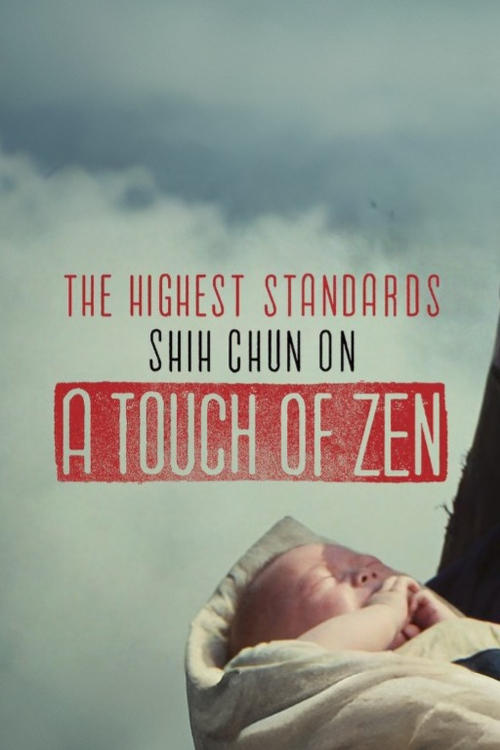
In this short documentary, actor Shih Chun addresses his longtime collaboration with director King Hu and his performance as Gu Sheng-zhai in A Touch of Zen.
Shot by Chang Chao-Tang and cinematographer Christopher Doyle, The Boat Burning Festival captures the ceremony worshipping Wangye(王爺), the local god of plague, held every three years in Sucuo Village(蘇厝) in Tainan(台南), Taiwan. Chang timed the work to "Ommadawn", a Celtic-inspired progressive rock album by Mike Oldfield. Defying genre conventions and deviating stylistically from television or ethnographic documentary, the film testifies to the tense and complex coexistence of traditional rites, local folklore, and discourses about modernisation and identity in 1970s Taiwan.
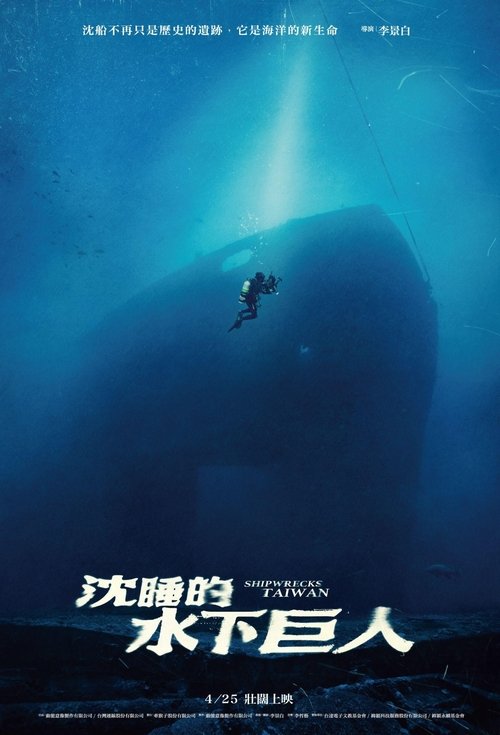
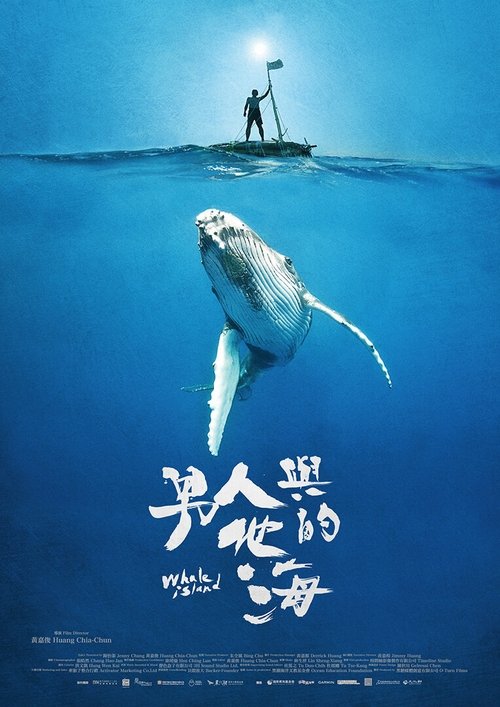
Taiwan is an island country. Although it is surrounded by the sea, its people fear the sea since the politics, the history and the religious beliefs held on this island make people turn their backs to the sea. Oceanic literature author Liao Hung-chi and underwater photographer Ray Chin lead the audience out to the sea and into the water. They prompt us to understand the sea and to think about the possibility that the ocean might become our lives and the future of our country.
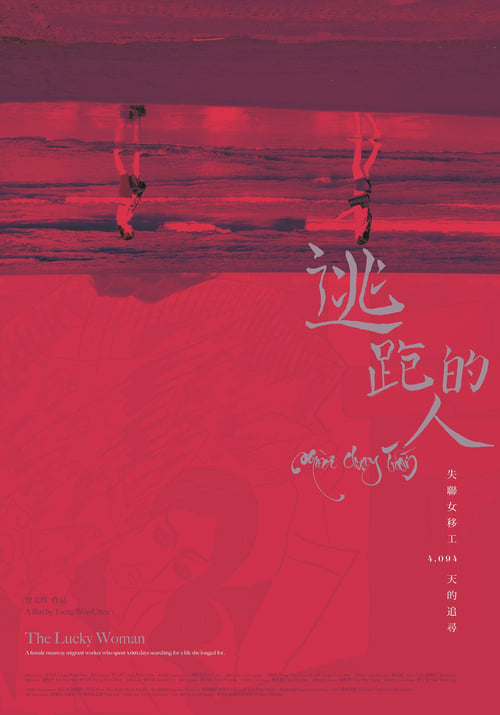
This film follows the lives of undocumented Vietnamese workers in Taiwan doing odd jobs to survive, after having been forced to flee their employers due to harsh working conditions and lack of medical care. How will living this way for more than a decade shape their lives?
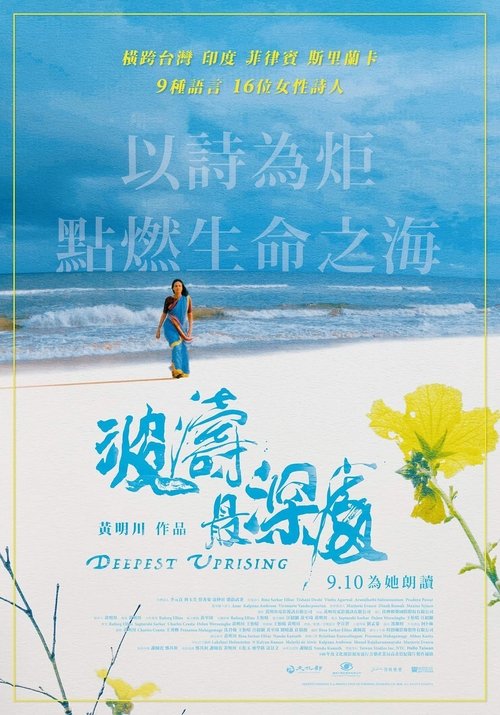
Huang Ming-chuan interviews female poets from Taiwan, India, Sri Lanka and the Philippines, inviting them to speak about feminism, their social context and the role of poetry today.
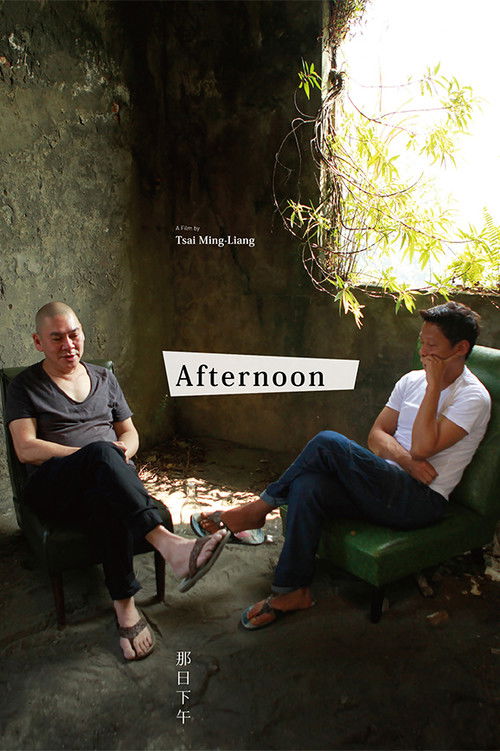
Lush jungle and a building in ruins are the ideal stage for a film-confession that defies storytelling and goes beyond conversation on cinema. Tsai Ming-Liang and his actor Lee Kang-sheng confess and put on stage a pièce in which attention and slowness are in tune with the rhythm of memory. The unveiling of Tsai Ming-liang’s filmmaking: from Stray Dogs to the most intimate notes of the director-actor relationship.
Veteran filmmaker Mary Stephen digs into her own family past to uncover the long-hidden origins of her Western surname, revealing a story of culture shock, colonialism, and contested remembrance.