Nandita Kumar is a new-media artist who works at the intersection art, science, technology, and community to creates interactive installations. She explores the elemental process through which human beings construct meaning from their experiences, by creating sensory narratives through the usage of sound, video / animation, and performance, smartphone apps, customized motherboards, solar / microwave sensors. Her interest lies in propelling the human race towards a sustainable development, which not only focuses on environmental protection but also on social development. Her process envisions a desirable future state for human societies in which living conditions and resource-use continue to meet human needs without undermining the "integrity, stability and beauty" of natural biotic systems.
1,226 Matches Found
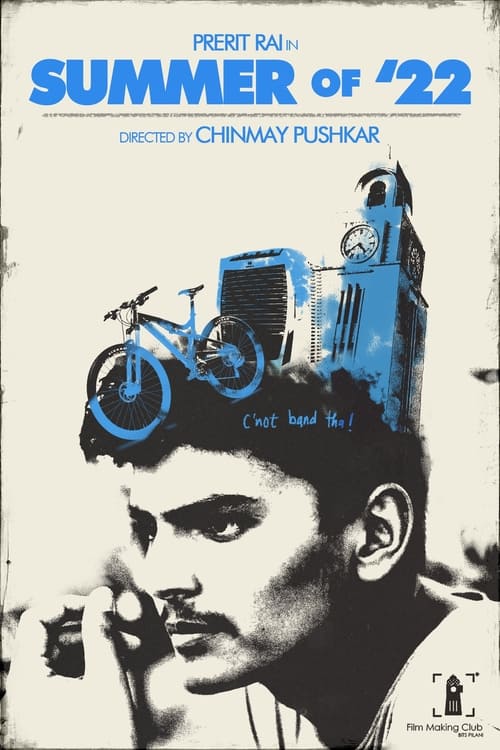
See how a fresher copes with life in BITS Pilani while facing extreme heat, frequent power and water cuts in this cruel summer in the desert.
Summer of '22
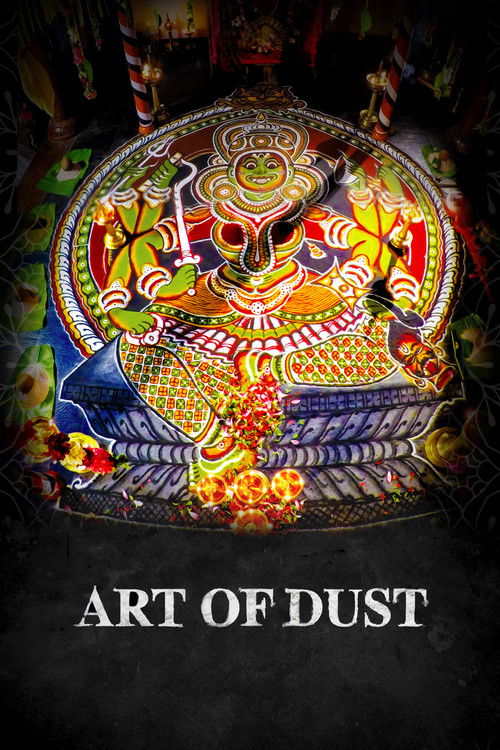
About the ancient folk art of Kalamezhuthum Pattum Ritual of Kerala, India, featuring veteran Kalamezhuthu artist Kallat Manikandan. Kalamezhuthu is the art of drawing images of deities with five natural colour powders.
Art of Dust: Kalamezhuthum Pattum
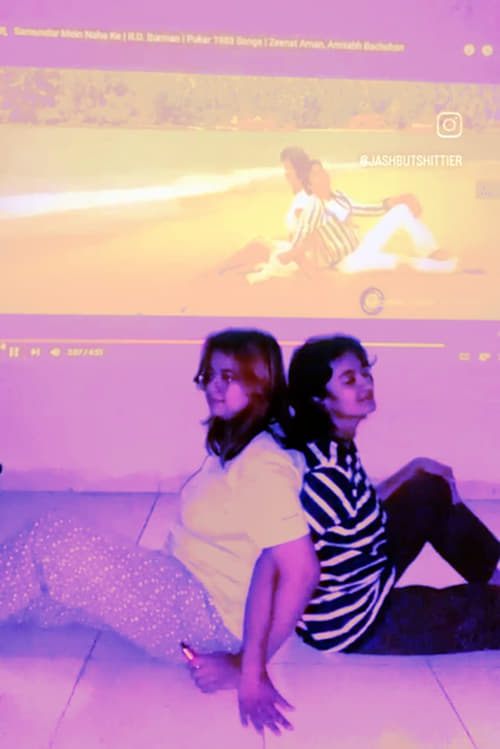
Flatmates recreate a cinematic rendition of Amitabh Bachchan's 'Samundar Mein Naha Ke'
Samundar Mein Naha Ke: a 101 production
Bunch of people doing work and having fun
Come up sit on this Branch
An Election Diary is a revealing glimpse into the 2019 electoral campaign of the Bharatiya Janata Party (BJP) in the suburban constituency of Phulpur in Northern India. Blending street interviews, YouTube video clips and recordings of cadre meetings, the film explores BJP's multi-pronged efforts not just in social media outreach, but also in getting people to voting booths on election day. The persona of Narendra Modi, of the BJP, becomes the hook throughout the campaign, side-lining even the party's local candidate. Infrastructural issues plaguing the constituency are deflected with appeals to India's glowing international image and dissolved in a cult of personality. Avijit Mukul Kishore's film, in contrast, is resolutely local. With dispassionate curiosity, it documents the mechanics of a cog in what is called 'India's Greatest Election Machine'.
An Election Diary
Through a collection of incomplete fictions, this film portrays Delhi, India, in times of lockdown and unrest. Priya Sen constructs a kaleidoscope of resilient voices that keep the language of hatred at bay and absorb the city’s grief and euphoria.
No Stranger at All
Shubha Das Mollick’s documentary traces the experience of the Jewish community in Kolkata.
Dwelling In Travelling
The life and achievements of HIV-positive bodybuilder K. Pradipkumar, who won the Mr Manipur title in 2007 and several other laurels in other competitions at national levels.
Mr. India
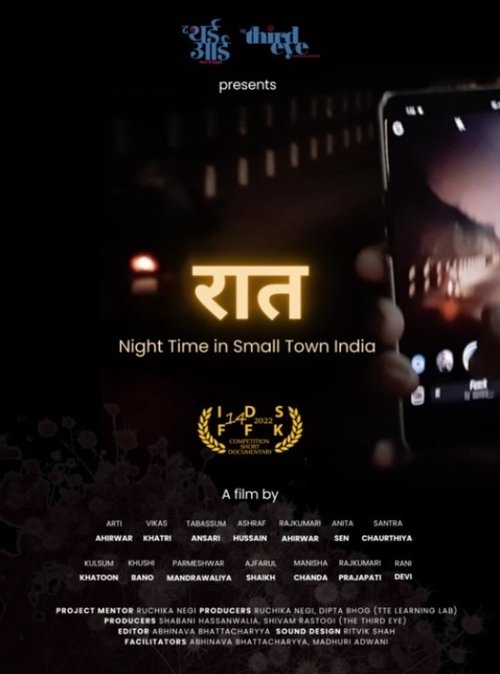
What is that you can see at night? What is allowed, what is not? What do you become a witness to?
Raat: Night Time in Small Town India
Aamakaar tells the story of preservation. This film depicts the struggles of a small fisihing village in North Kerala that is fighting the assault on its estuary by sand mining. The villagers are also engaged in the conservation of Olive Ridley turtles that have come to their beach to nest. They make a connection between a species fast becoming extinct and the fate of a community that could face displacement.
Aamakaar
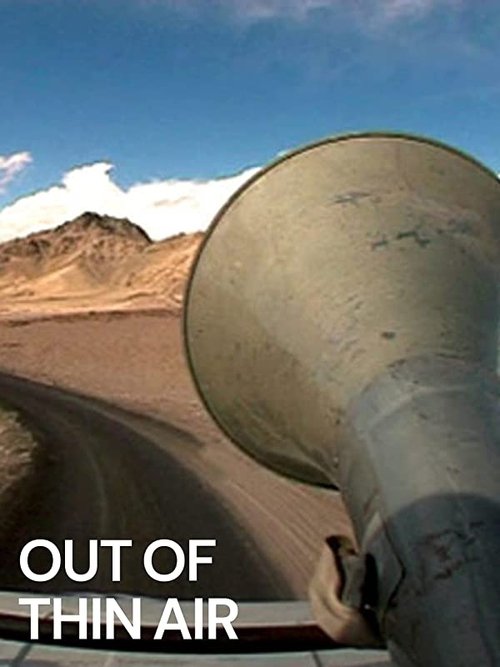
The Ladakh Vision Group is shooting a new film: Las-Del (Karmic Connection). The film director is a Buddhist monk while local housewives, policemen and taxi drivers play heroes and villains.
Out of Thin Air
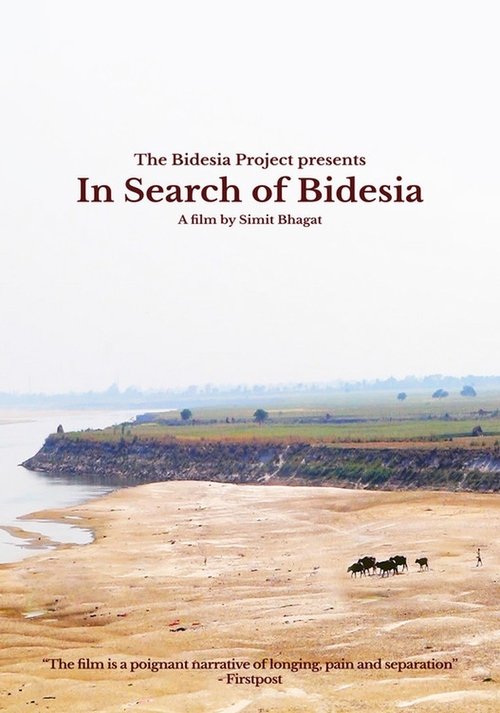
In Search of Bidesia is a musical documentary on Bhojpuri folk music that connects the history of indentured labour migration from the states of Uttar Pradesh and Bihar to the last living musicians in these states, who are now struggling to ensure these songs of love and longing do not slip into oblivion.
In Search of Bidesia
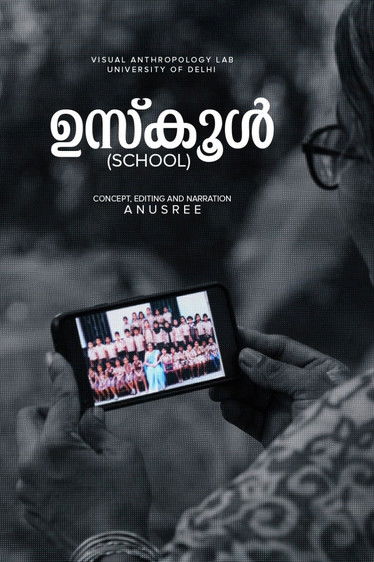
The film captures the lived experiences of female primary school teachers in GLPS Mundur, Palakkad district of Kerala during the covid- 19 pandemic. The challenges of online learning , their coping mechanisms and state's role have been highlighted.
School
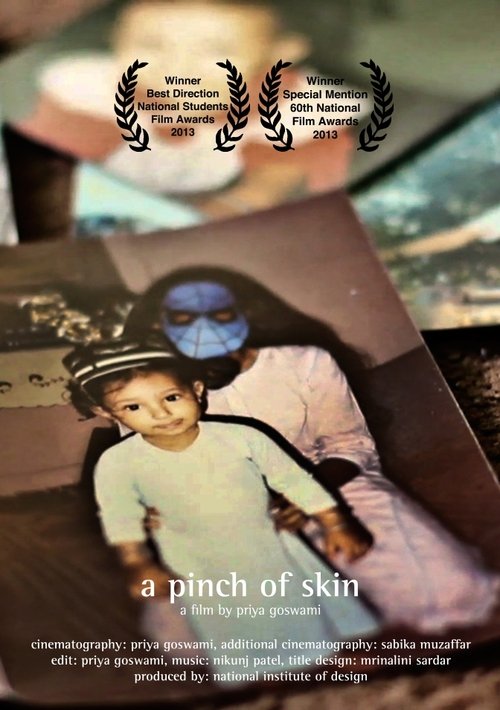
Practice of khatna among Dawoodi Bohra community in India.
A Pinch of skin
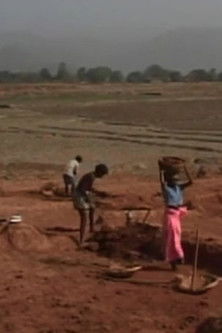
In many ways the heart of indigenous India, mineral-rich Jharkhand is and has been at the core of India's industrial development after independence. There, the indigenous Adivasi people have borne the brunt of what is arguably India's most fundamental developmental conflict, which has pushed them to the verge of extinction as an agricultural people.
Running Out of Time
A film on medicinal plants, indigenous people and traditional medicines. India is one of the richest bio-diversity hotspots in the world, supporting over 45,000 species of plants both agricultural and medicinal.The film explores and brings out the essence of the interdependence and the way of living of tribal communities that have since time immemorial depended on the forest for all their needs, including healing. It looks into the philosophy of traditional medicinal practices and discusses what further steps and measures are required to conserve and protect the medicinal heritage that is ours.
Kalpavriksha
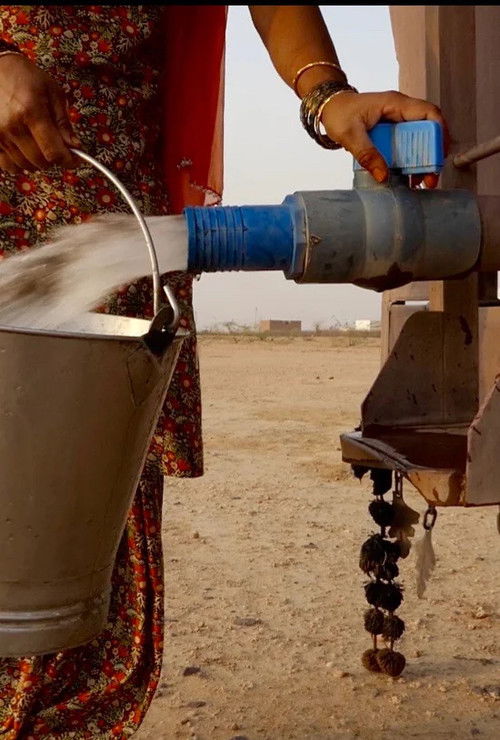
Against the bleached sky of Rajasthan, we encounter the women of a small Muslim village as they engage in their work. Here, water binds their daily labour rituals: they collect and carry water in massive urns, they clean plates and clothes with it, water their animals, and even maintain their homes with it (we see them churn mud to smear across their floors). A record of the ongoing cycles of women’s labour (“we make food, we eat, we sleep, we wake up…”), their sense of humour and resilience, and the ways the community co-operate to deal with scarcity.
Paani: Of Women And Water
This short documentary examines the unique history of the Armenian community in Calcutta, India and highlights the remarkable identity of the Diaspora in this historic city. It documents the early Armenian merchants who settled in the city as a result of the ancient Great Silk Road, the current state of the Armenian Church & School, the passion that Indian-Armenians have for the sport of Rugby, new trends of migration from Yerevan and the future of the Armenian Community in Calcutta.
My Armenian Neighborhood
In Nagaland stones are deemed to be reminders of what they have seen. This documentary traces modern manifestations of recorded memory and how the past lingers on.
Scratches on Stone
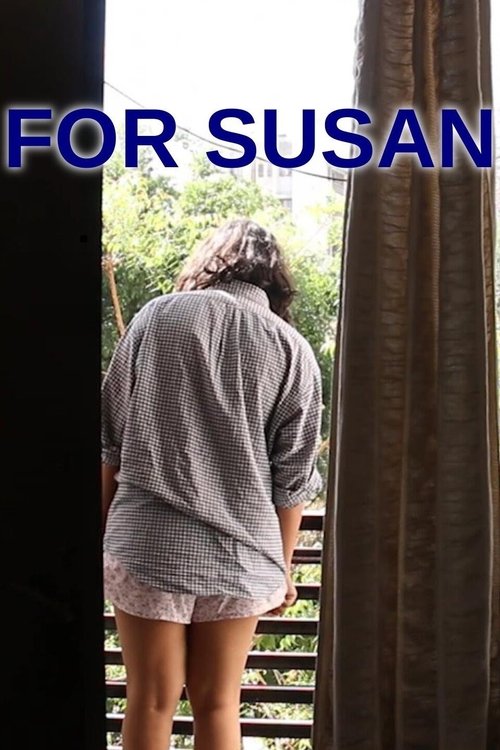
For Susan explores the idea of dignity. Inspired by the director’s grandmother’s notebooks, it finds pleasure in activities hidden or forgotten.
For Susan
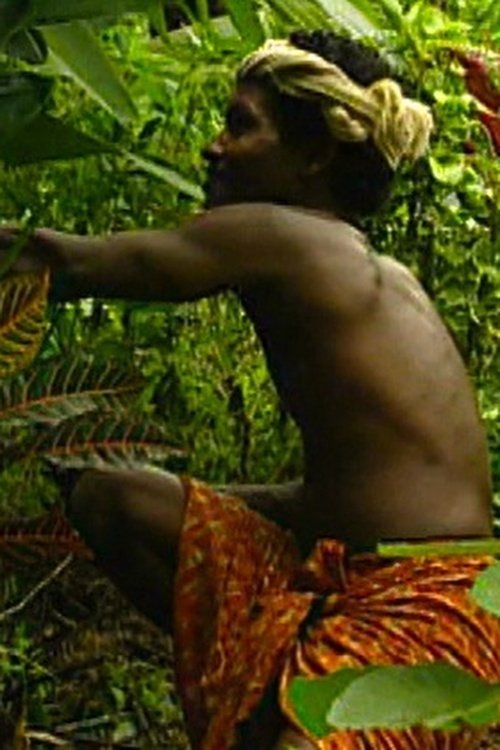
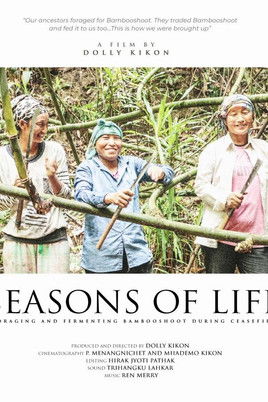
Fermented bamboo-shoot is a delicacy as well as an everyday staple for many communities across Northeast India. It is an integral part of the food culture and links the region to its Southeast Asian and East Asian neighbours. Seasons of Life follows three people as they labour to forage and ferment tender bamboos-shoot, cherished across several Himalayan households in South Asia.
Seasons of Life
On 16 December 2007, a powerful IED blast at Pourabi in the countryside of the Northeastern Indian state of Manipur claimed seven lives, injuring more than 30 people. Among them was artist Maikel Meetei whose leg was blown away, leaving him dependent on a prosthetic limb for life. Overcoming his personal tragedy, Maikel resolved to use his paintbrush and canvas to embark on a quest for peace both within and without in the conflict-ridden state.
Beyond Blast
The Kesar Saga is an ancient Tibetan epic narrated in the entire Tibetan belt extending to Mongolia, Central Asia and China. In its Ladakhi version, Kesar Saga, has come down through the centuries orally, with story-teller reciting the epic during the long cold winter nights. The story revolves around the exploits of a superhuman hero, ‘Kesar’ and his efforts to establish peace and order in the world. The film rediscovers many story-tellers and reproduces the melodious renderings.
The Kesar Saga
The odyssey of a rain escapade.
Caught in the Rain
The vibrant and rich cultural life of the Rabha Tribe of North East India with emphasis on their dying language and sage.
Rabhas of North East India- A Cultural Study
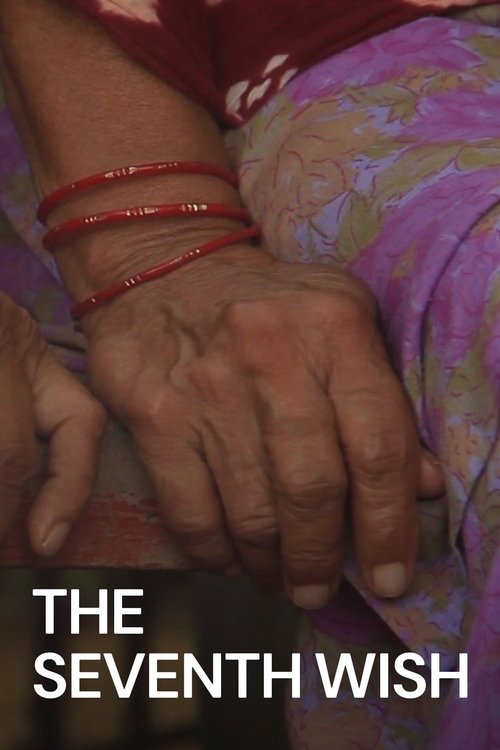
Rekhti poetry was written from the early 18th to late 19th century Islamic cities of Lucknow and Delhi. It explicitly talked about the desires of women. Were those desires real? The Seventh Wish looks at the denounced Rekhti poetry through its survivors – Jinns and desires.
The Seventh Wish
An Anthropological documentary is on the Mara tribes of Mizoram.
Across The Hill
This film is about the documentation of temples and other archaeological remains, monuments and antiquities found from Tripura. This film covered all the important places of archaeology and monuments of Tripura.
Archaeology and Monuments of Tripura
The Veil of mystery covering the caves of Meghalays is lifted to reveal a fascinating world of sculpted wonders.
Heart of Darkness
Ahoms have shaped the history and identity of the Assamese community and also the geography of it state, Assam. The Bailungs who are the last of the Ahoms have preserved the age-old Ahom tradition and kept the legacy alive.
His Majesty, The Ahoms
This film is a study on the relationship between the tribal and the bamboo as a relationship from birth to death. It investigates further into the flowering of bamboo in Manipur and Mizoram which has got environmental, economic and political dimensions.
And the Bamboo Blooms
The film presents fascinating life of the people of Manipur both in the valley and hill areas and their colourful festivals and dances.
Manipur
The film is an intimate portrait of Merayk, an 80 years old Lepcha shaman or Padim. Merayk lives with his family in Dzongu, a Lepcha reserve in North Sikkim. He performs healing rituals for individuals as well as rituals for the well-being of the household, the clan and his village community. Cameraman Dawa Lepcha followed Meyrak and recorded his daily life and rituals between 2003 and 2007.
Ritual Journeys
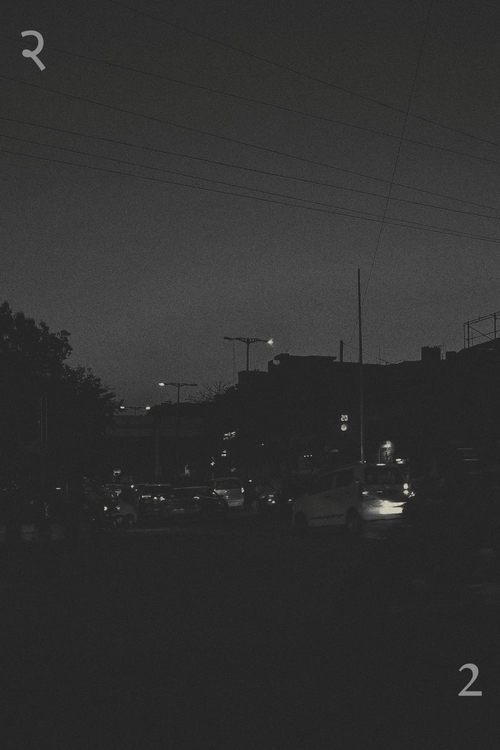
Two people look for answers to only 2 of their questions in the capital of India.
2 (दो)
A filmmaker's quest to resolve an internal dilemma surrounding the split-up of chores around the house, through conversations with his mother.
For Mother
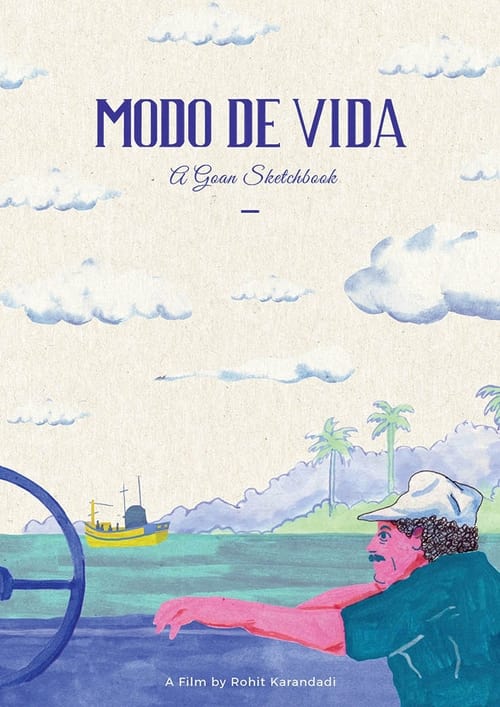
A quaint Goan life hides beneath its touristy facade. A Goa of sleepy balcaos, pushy fish-mongers and of pilot bikes flitting on boiling afternoons; of the blend of traditions and a penchant for slow life. The animated sketchbook film explores this erstwhile Portuguese colony.
Modo De Vida - A Goan Sketchbook
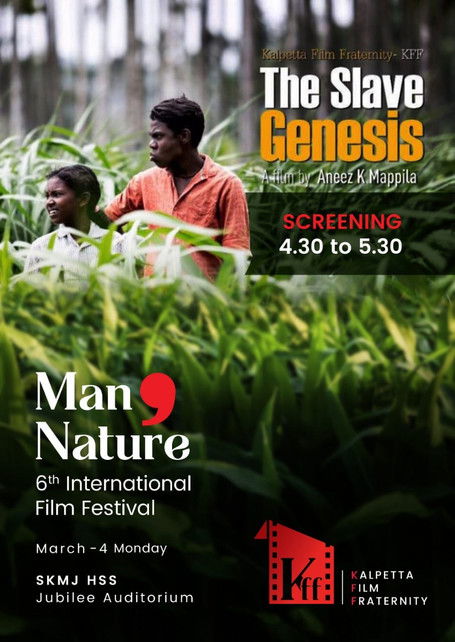
The Slave Genesis features the lives of the people within the Paniyar community. Let him be just and deal kindly with my people, for the dead are not powerless. Dead, did I say? There is no death, only a change of worlds.
The Slave Genesis
Three women from Nizamuddin basti, Delhi, take a decision that sets them on a journey to find themselves- they join a gym.
Veil Done
Through a series of cinematic tableau vivant Pik-Nik documents the annual theatrical spectacle of picnic culture of East Indian winters, providing new visions of the complex shifting environmental, social and political realities of present-day India.
Pik-Nik
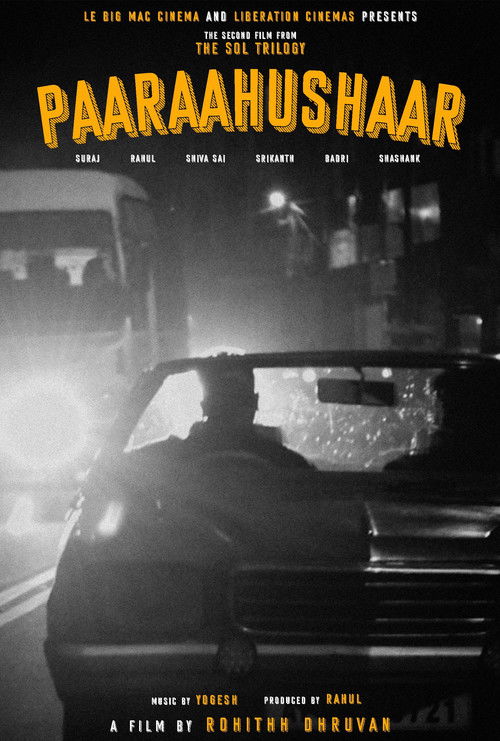
It was the end of 9 beautiful days
Paaraahushaar
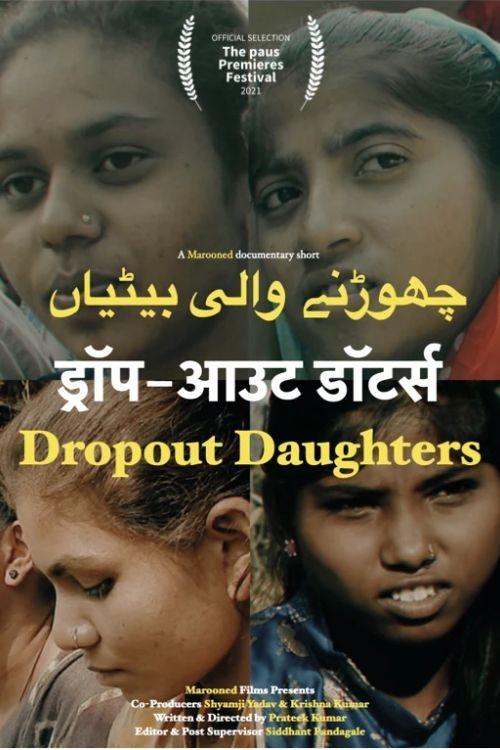
Following the consequences of nationwide lockdowns amid the Covid19 pandemic, the film chronicles stories of girls out of school in a small village in India.
Dropout Daughters
An ancient omen foretold that famine would strike Mizoram after the bamboo flowered, and sure enough, the portent proved to be true. A few years later, in 1966, Laldenga led the Mizo National Front (MNF) in an armed struggle for independence, attacking Indian military stations. The Indian Air Force immediately bombed the state in retaliation and for the next twenty years, the region suffered as rebels went underground, villagers were displaced, and army forces were dispatched in excessive numbers. The film covers the history up to the peace accord in 1986, the return of the rebels, and the transfer to peace, recording valuable testimony from the leaders of the MNF rebels (current politicians in power), former insurgents, former Assam Rifles (paramilitary forces), and Christian peace negotiators who lived through the turbulence of the times.
MNF: The Mizo Uprising
In Delhi to study film, "I" listens for the breath of its residents on the streets, in the markets, outside the mosques, and at the tourist sites. Dissolving into these her own thoughts and feelings in the process, she makes the city resonate for us.
I Am Yet to See Delhi
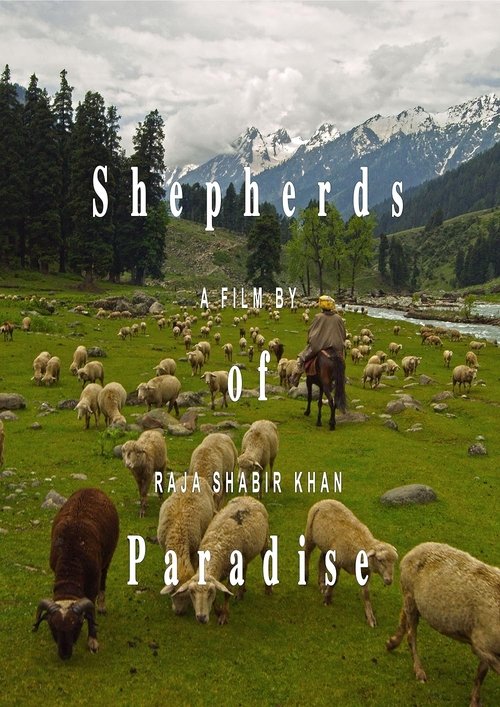
Seventy five year old Gafoor comes from a long line of shepherds, known as Bakerwals in Kashmir. The nomadic lifestyle is all that he has ever known. His life is very challenging. He has to rebuild his house on the mountains in Kashmir every year because of the damage from hostile weather. Gafoor and his family has to travel from the plains of Jammu to the mountains of Kashmir in summer, covering a distance of almost 300 Kms on foot, and reverse the trip in winter, to graze the herd of 200 animals which include sheep, goats, a cow and a few ponies . He has the huge responsibility of taking the entire caravan safely to Kashmir and then back to Jammu. The journey as always is difficult because of the steep terrain and unpredictable weather. It will take them 27 days to reach Kashmir.
Shepherds of Paradise
The Frontier Gandhi is a Black and White documentation of the life and works of Khan Abdul Ghaffar Khan. From his childhood days in the undivided Punjab province to the establishment of Khudai Khidmatgar movement (the Servants of God), he lived a truly inspiring life and made notable contribution to the Indian independence struggle. His uncompromising integrity and total commitment to the path of non-violence and a belief in a united India is resonated through the biopic.
The Frontier Gandhi
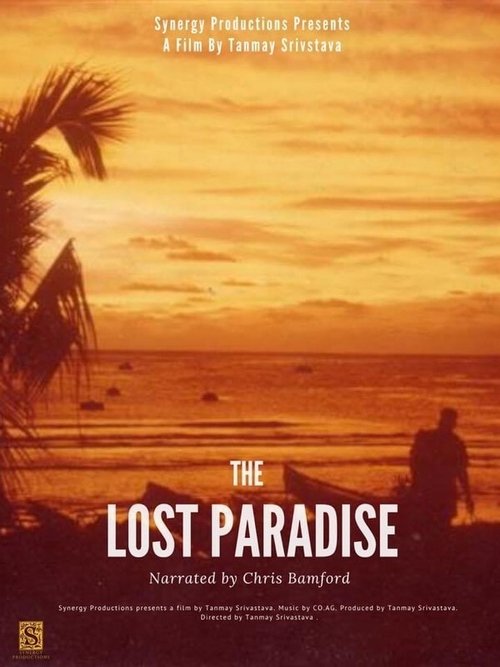
The Lost Paradise is a short documentary that tells about a rare rags to riches to rags story of a tiny Pacific nation of Nauru. It tells how Nauru, through phosphate mining, became the world's richest nation per capita and how corruption, exploitation of environmental resources, poor decisions, and a musical made it one of the poorest countries in the world.
The Lost Paradise
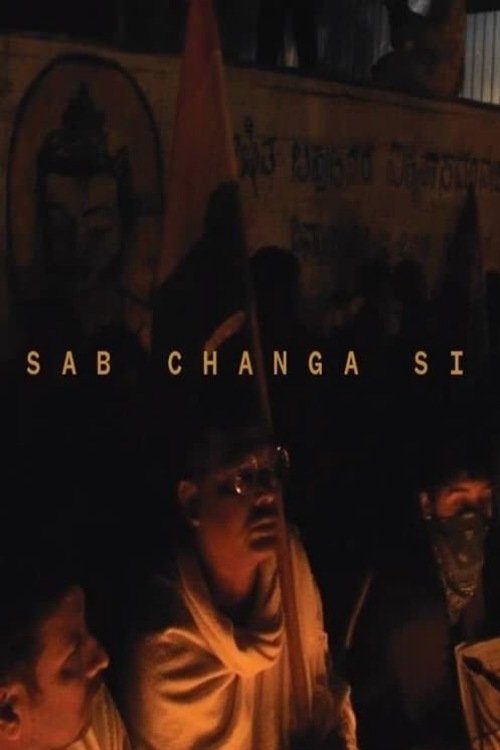
Set in the backdrop of the nationwide 2019–2020 student protests against the Citizenship Amendment Act in India—filmed in the city of Bangalore—Sab changa si is an intimate documentary on friendships, language, love, youth, resistance, and identity of class, caste, religion, and gender. In this film, the political is personal.
All Was Good
Lookalikes are as much part of Indian popular cinema’s romance with stardom as the super celebrities they – sometimes more and sometimes less – resemble. The Juniors, as they’re popularly referred to, live a paradoxical existence all of their own: if one meets Kishore Bhanushali on the streets, it's like time is out of joint, for he looks like Golden Age-icon Dev Anand – in the 1960s! It’s fitting that Bhanushali is also a stand-up comedian, as the Juniors are in equal parts paeans to and parodies of the original stars. The Juniors even have their own films, which are often satirical revisions of beloved classics.
Urf
A documentary on the struggle of Tamil writer Sundara Ramaswamy to evolve modern literature in a society stuck with caste identities, traditional hypocrisy and language chauvinism.
Nee Yar (Who are You)
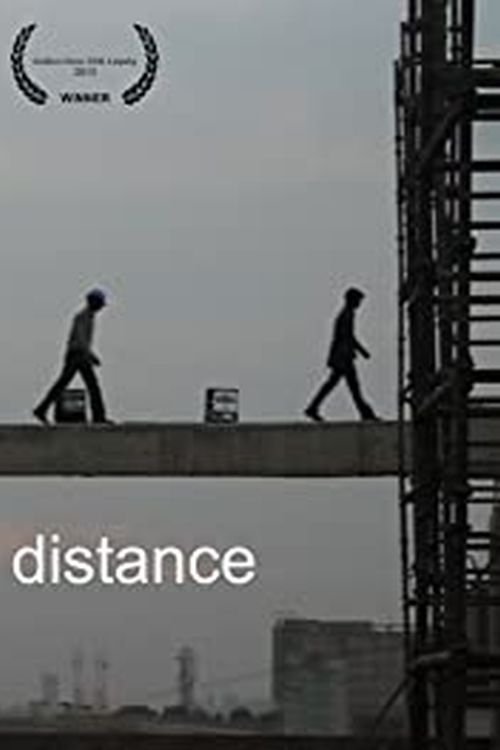
Distance is a short film about a far away village set amidst a growing metropolis where workers narrate stories of love and longing.
Distance
Aruna Vasudev, Founder of Netpac, Cinemaya & Cinefan Film festival has touched the lives of many in the world of Cinema. This documentary traces her roots from her humble origins in an undivided British India, to corridors of cinematic universe. It brings together her journey as a film critic, cinema activist and an impresario, weaving a tapestry that connects the dots that make the large canvas that we know as Asian Cinema Renaissance. This film explores her dynamism painted through a narrative unfolding lives of critics, filmmakers, curators and programmers – who are hidden maestros that largely make the cinephilia culture and by large remain unsung in histories of Cinema.
Aruna Vasudev – Mother of Asian Cinema
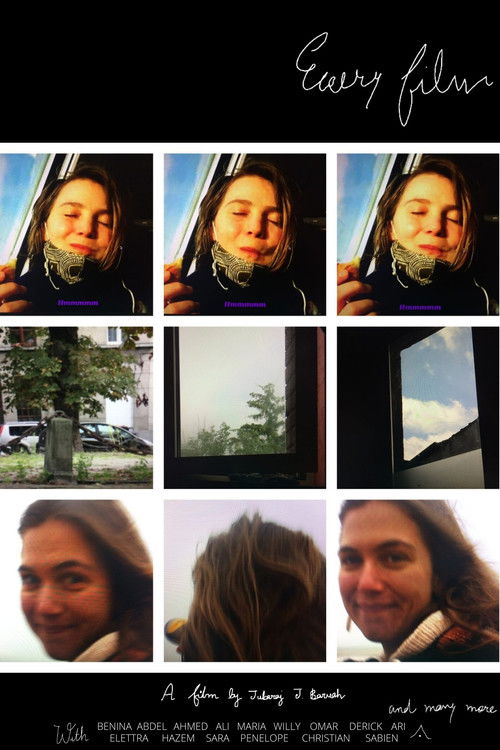
A diaristic work told in episodes, ‘Every Film’ traces the various homes the filmmaker comes across or concocts - both tangible and intangible in his two years as a student in Ghent, Belgium. In that brief duration of time which coincided with the global pandemic, he had to move between three completely different housing setups - a subletting situation, the cheapest AirBnB in town and eventually a student house. As much as the film is an intimate glimpse of the filmmaker`s encounters with various people, places and memories while away from home, it also becomes a fleeting document of the various quirks of cohabitation in Belgium when looked at from an outsider’s point of view.
Every Film
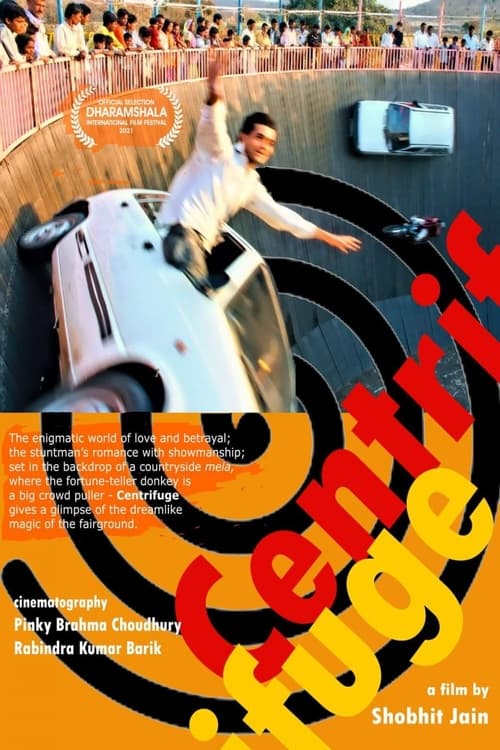
In the dreamlike world of a rural Indian mela (fairground), enigmatic tales of love and betrayal unfold. A fortunetelling donkey pulls in the crowds, while a stuntman is caught in a romance with showmanship…
Centrifuge
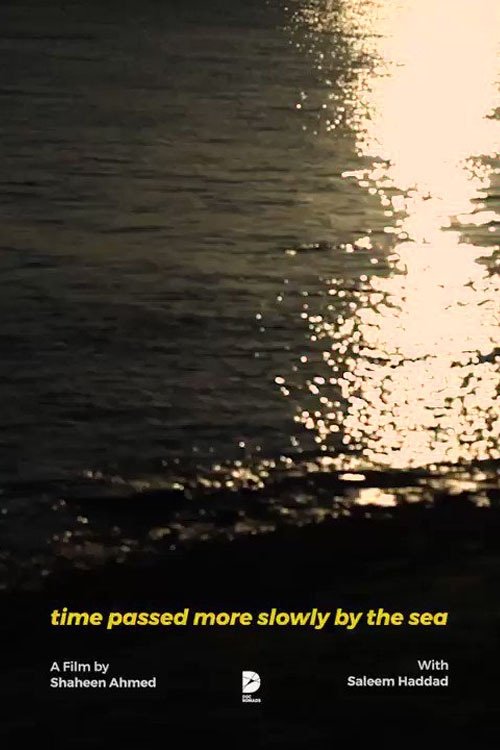
From his home in Lisbon, Lebanese-Palestinian writer Saleem Haddad reflects on memory, his family and the strangeness of the sea. He chases his grandmother’s fast-fading recollections of Palestine, where she lived many decades ago, and thinks about writing the homeland from a distance.
Time Passed More Slowly By The Sea
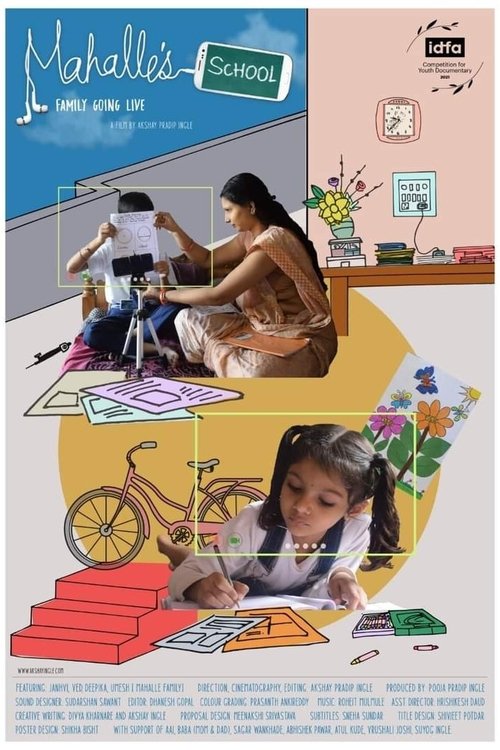
The children of the Mahalle family make up just two of the 320 million students across India who have had to transition to e-learning because of the Covid pandemic. Both are excited when their new online school opens, due to the extra time and freedom they have. But problems arise with the learning platforms, and the family must unite in response.
Mahalle's School - Family Going Live
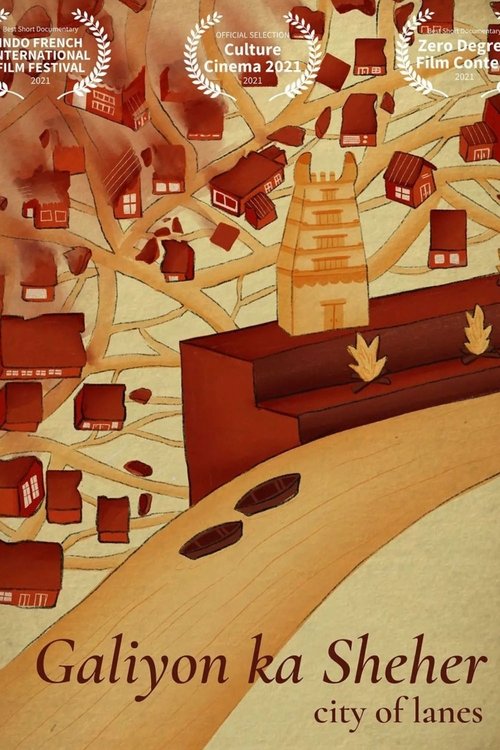
Multiple residents of the ancient city express their grievances with respect to the imminent destruction of their ancestral homes.
City of Lanes
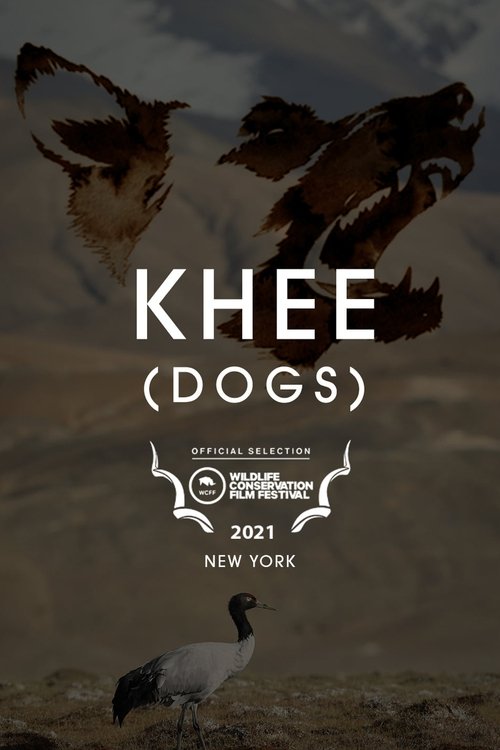
In the Himalayan region of Ladakh—a land of high passes, cold deserts, monasteries and Buddhist prayer flags—an alarming number of stray dogs are constantly on the prowl, upsetting the ecology, hunting endangered wildlife, and even attacking humans.
Dogs
Tells the stories of people who fled their families and sought sanctuary at Sangini, a shelter for lesbian, bi and trans-identified people in Delhi. Fleeing family imposed restrictions, violence and pressure to get married – a young woman, a trans man, and a lesbian couple recount their stories of flight and resilience, their struggle to assert their civil rights and independence, and their hopes for the future.
Sangini
This film is an ode to the spirit of the '\', a term coined by Charles Baudelaire, a passionate spectator of life, finding happiness in the ephemerality that unfolds before the eyes. A 'stroller' who saunters around observing society, being always present in the moment.