
French writer Jean-Claude Carrière (1931-2021) traces the life and work of Spanish painter Francisco de Goya (1746-1828).
Goya, Carrière & the Ghost of Buñuel
7.5 2022
8,771 Matches Found
French writer Jean-Claude Carrière (1931-2021) traces the life and work of Spanish painter Francisco de Goya (1746-1828).
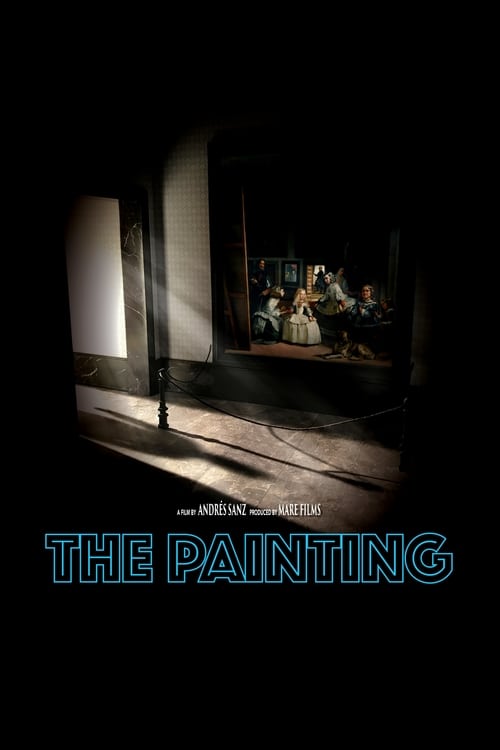
For three and a half centuries, from the same day that Diego Velázquez (1599-1660) applied his last brushstroke to the canvas, the enigma of “Las meninas, o La familia de Felipe IV” (1656) has not been deciphered. The secret story of a painting unveiled as if it was the resolution of a perfect crime.

In 1970, the iconoclast Jess Franco directs a version of Dracula with Christopher Lee and Klaus Kinski. Making the most of the occasion, Pere Portabella, icon of avantgarde cinema, directs a parallel and totally converse movie during the same shoot. This short film compares both versions.

The personal stories lived by the Uncle, the Father and the Son, respectively, form a tragic experience that is drawn along a line in time. This line is comparable to a crease in the pages of the family album, but also to a crack in the walls of the paternal house. It resembles the open wound created when drilling into a mountain, but also a scar in the collective imaginary of a society, where the idea of salvation finds its tragic destiny in the political struggle. What is at the end of that line? Will old war songs be enough to circumvent that destiny?
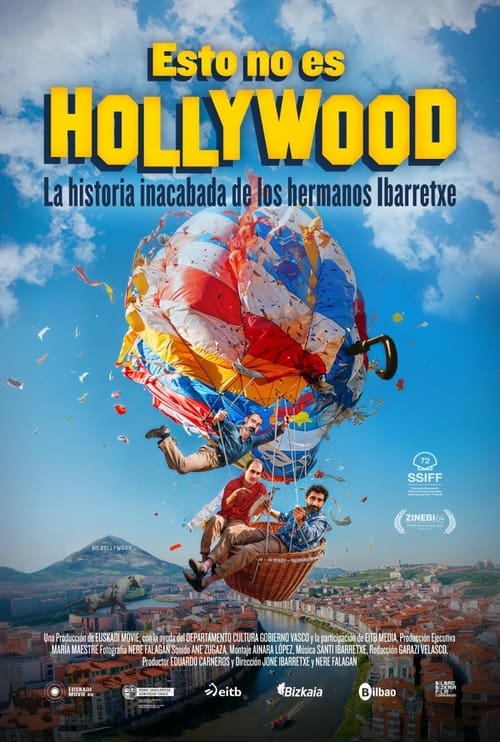
When her father and uncles die, Jone (Josemi's daughter) decides to make a documentary about the Ibarretxe Brothers. Pioneers in the Basque audiovisual sector, creative, cheeky and always up to something, they were devoted to cinema made in Euskadi long before it was a reality. Analysing their films and talking to people who accompanied them (Stephen Fry, Echanove, Ramon Barea, Santiago Segura, José Luis Rebordinos), Jone gradually comes to realise that their cinema is nothing more than a faithful reflection of their own selves.
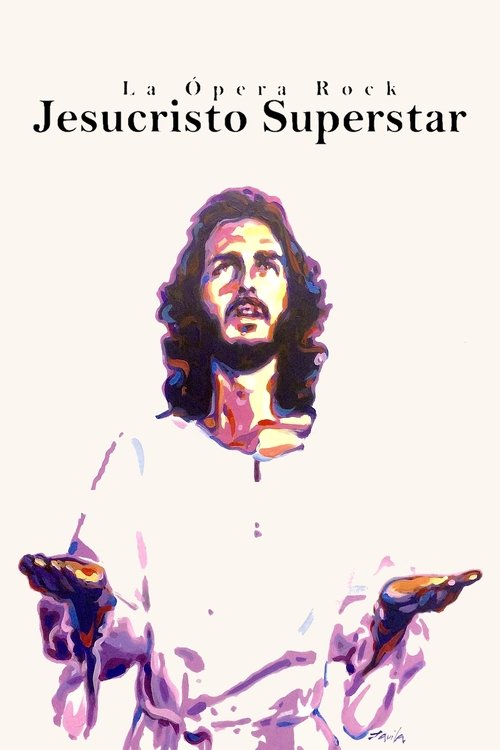
On November 6, 1975, a few days before the death of dictator Francisco Franco, the Spanish version of the rock opera Jesus Christ Superstar, originally written by Tim Rice and composed by Andrew Lloyd Webber, premiers in Madrid, starring and produced by singer Camilo Sesto, a controversial work that became a mass phenomenon.
Documentary that describes and analyzes the characteristics, themes and central concerns of Roman Polanski's cinema.

In Spain, on May 11, 1896, at the Price circus, the first moving images ever shown in the country are projected. From that event, the Spanish actor Antonio Resines intends to compile a series of anecdotes to shape the amazing history of Spanish cinema, holding several conversations with prominent figures of the Spanish film industry.
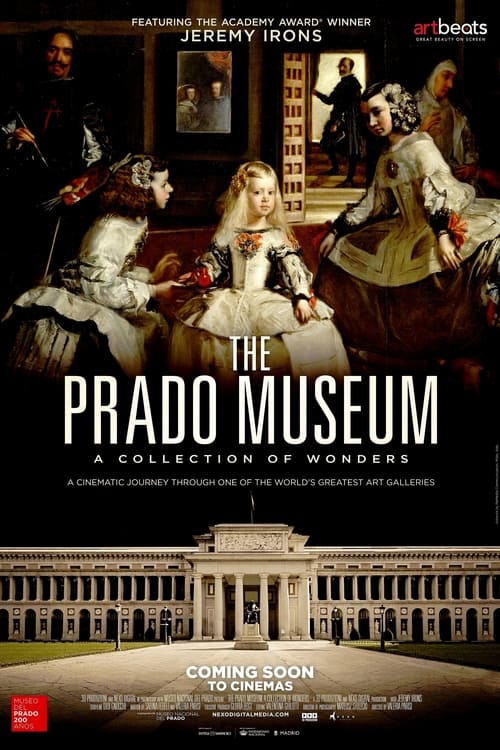
Actor Jeremy Irons embarks on an epic journey through the halls of the Prado Museum in Madrid, Spain, two hundred years after its inauguration, along corridors where thousands of masterpieces of all time tell the lives of rulers and common people, and tales about times of war and madness and times of peace and happiness; because, as Goya said, imagination, the mother of the arts, produces impossible monsters, but also unspeakable wonders.
A delicate portrait of the longing for security amid the COVID-19 pandemic.
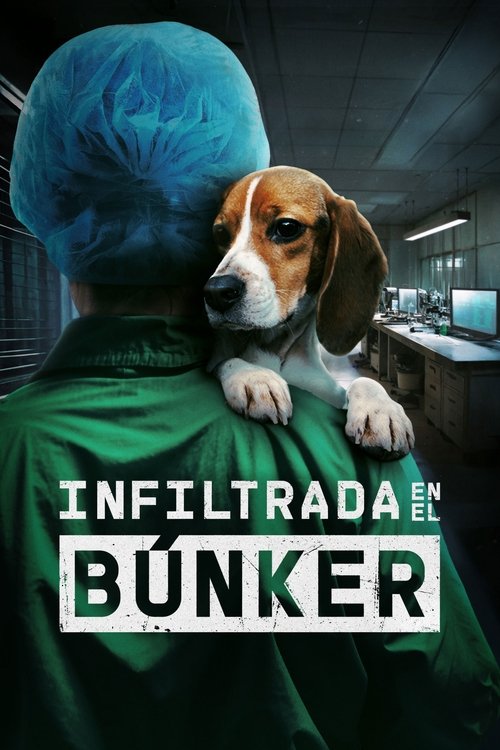
Bringing to light real images recorded during the greatest undercover operation in an animal experimentation laboratory in the world, Carlota Saorsa, now a protected witness, sacrifices everything and puts her life on the line to show the world the harsh reality she experienced for 18 months inside what she calls "The Bunker."
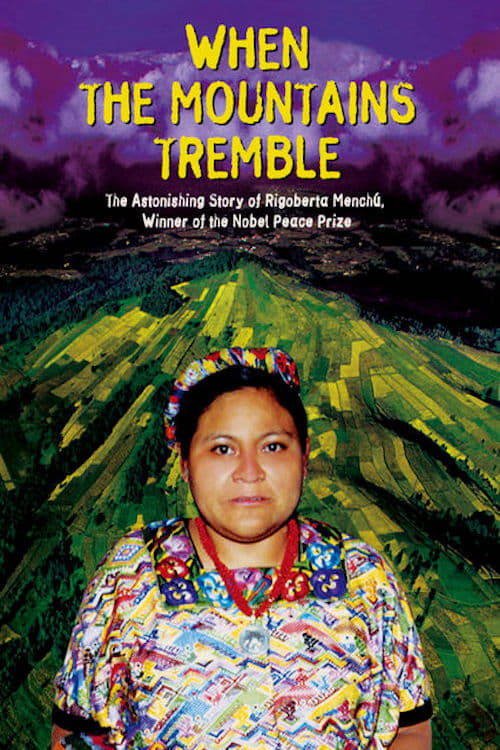
A documentary on the war between the Guatemalan military and the Mayan population, with first hand accounts by Nobel Peace Prize winner Rigoberta Menchú.

An analysis of the impact on the United States Latino community of immigration policies promoted by President Donald Trump.
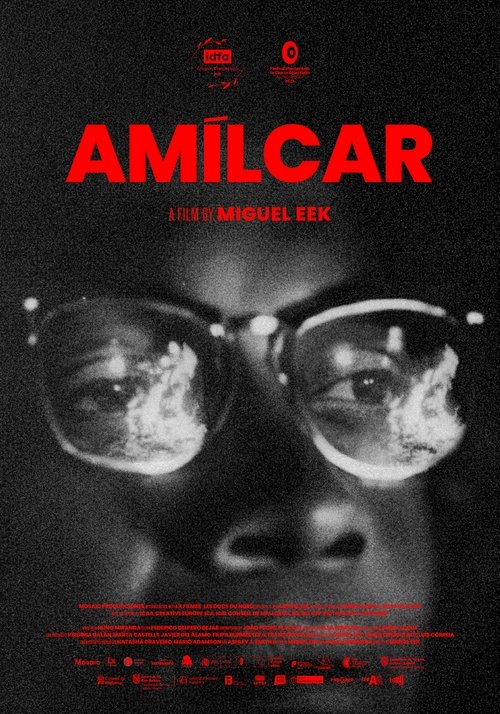
Poet, agricultural engineer and revolutionary Amílcar Cabral was born in Guinea-Bissau to Cape Verdean parents. After studying in Portugal, he emerged as the charismatic leader of the anti-colonial struggle against Portuguese rule. With his utopian ideas, he sparked a cultural and an armed uprising that went on to inspire other African liberation movements.
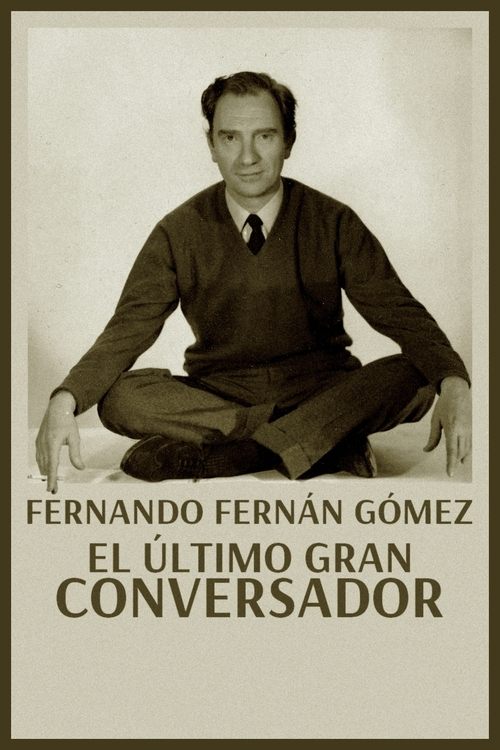
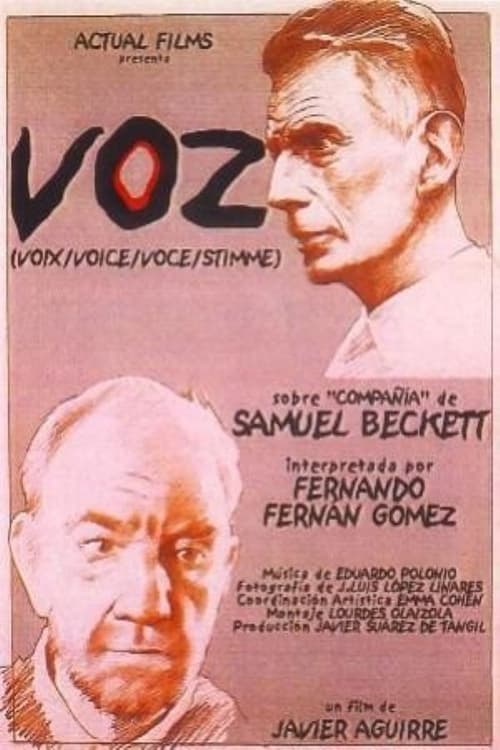
Fernando Fernán Gómez (1921-2007), actor, writer, playwright and film director, was for decades one of the most important figures in Spanish culture. His close friends and relatives reveal another facet in which he stood out above all: that of being an excellent conversationalist, capable of hypnotizing and seducing those who listened to him.
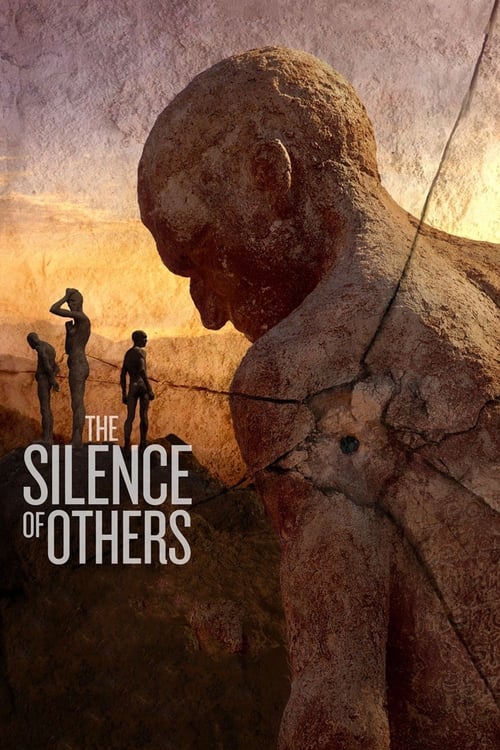
The story of the tortuous struggle against the silence of the victims of the dictatorship imposed by General Franco after the victory of the rebel side in the Spanish Civil War (1936-1975). In a democratic country, but still ideologically divided, the survivors seek justice as they organize the so-called “Argentinian lawsuit” and denounce the legally sanctioned pact of oblivion that intends to hide the crimes they were subjects of.
A documentary view of the Basque ball-game in which a small hard leather ball is hit against a wall. The film gives an impression of the game itself and of those who play it, not only the star performers (and the myths that surround them), but also those who just play in the streets and alleyways. The film sees the game it its cultural context and conveys the emotions and stories that are peculiar to the Basque country.
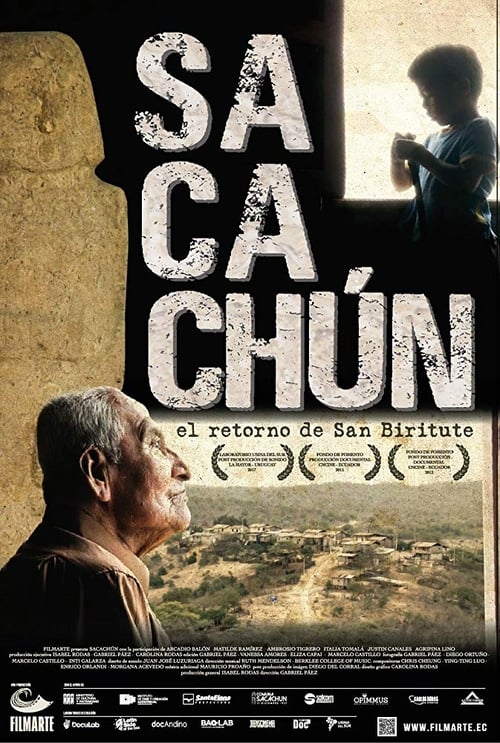
A documentary about faith through an essay on aging and the fear of death. A story about a group of elders in a ghost town and their lifetime struggle for the respect of their culture and their different ways of understanding faith, where the need of water is the main element that supports their demands and ancient culture is presented as an heritage for new generations to come, that if their home town survives after they are gone. A film that portrays youthfulness as hope, while the main characters reminds us all that nothing is more powerful than our own will and that there is no such thing as a lost cause.
J.A. Bayona portraits in "9 days in Haiti" the daily life of the Caribbean country and how it struggles against poverty, with the help of children of school IDP camp Corail-Cesselesse.
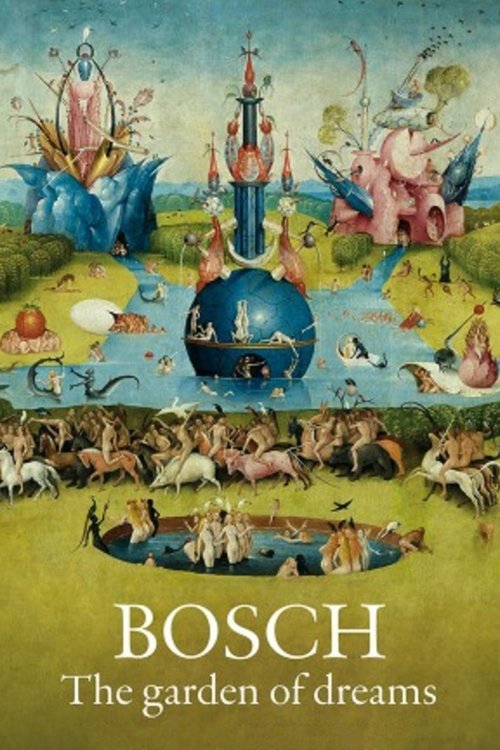
2016 marks the 500th anniversary of the death of Hieronymus Bosch. It is almost the only information about the artist of The Garden of Earthly Delights that we can put a precise date to. Bosch, the garden of dreams is a film about his most important painting and one of the most iconic paintings in the world: The Garden of Earthly Delights.
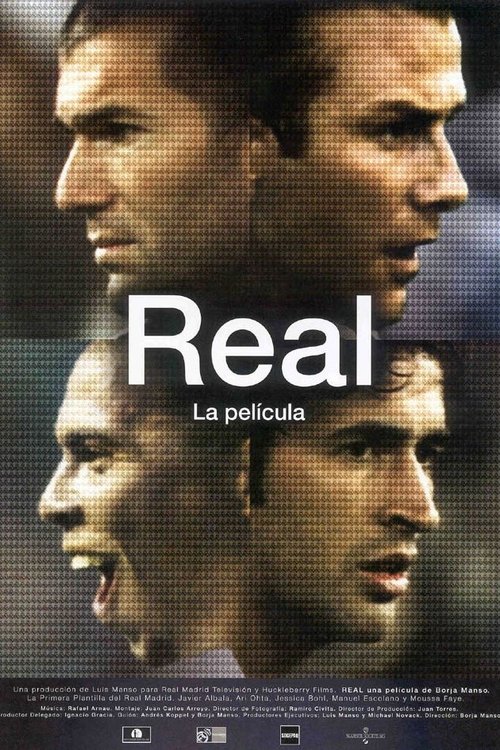
Five story strands -- some real, some fictionalized -- comprise this officially sanctioned film of Real Madrid, the second richest soccer club in the world.
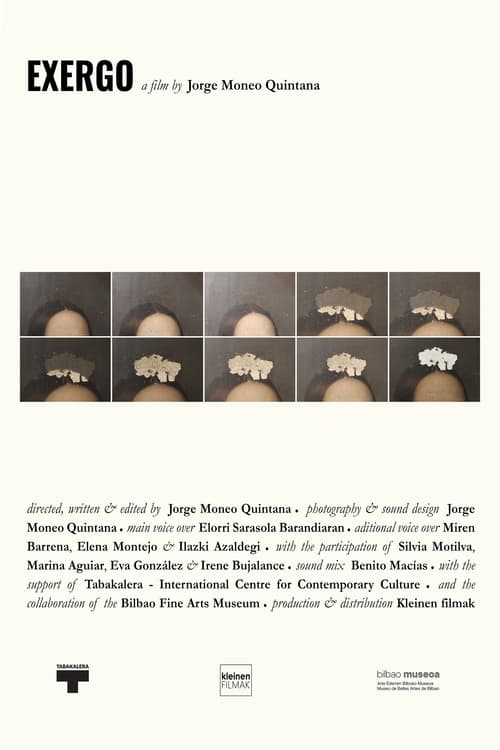
Departing from peripheral details of some paintings of the Bilbao Fine Arts Museum, a female narrator unravels several stories related to the economic, social and psychological conditions of past and current artists.
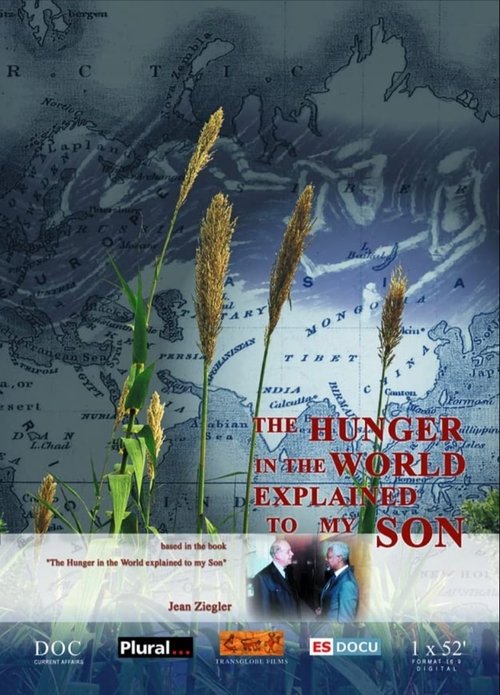
Every five seconds a child under the age of ten dies of hunger. Every four minutes a person loses their sight due to a lack of vitamin A. According to the United Nations, 963 million people - almost one in six inhabitants of our planet - are seriously malnourished. At present, the right to food is surely, of all human rights, the one that is violated with the most impunity. Jean Ziegler argues that hunger is caused by human injustice and assures that today the world could produce enough food to feed the world's population. Among the main causes of this disaster, Ziegler points to stock market speculation, which forces cereal prices to rise, and the appearance of biofuels as a new source of energy. Burning food to keep millions of cars on the roads is a crime against humanity. Hunger is no inescapable destiny. A starving child is killed. The current world order of globalized financial capitalism is not only deadly, it is also absurd. Whoever speculates on staple foods kills children.
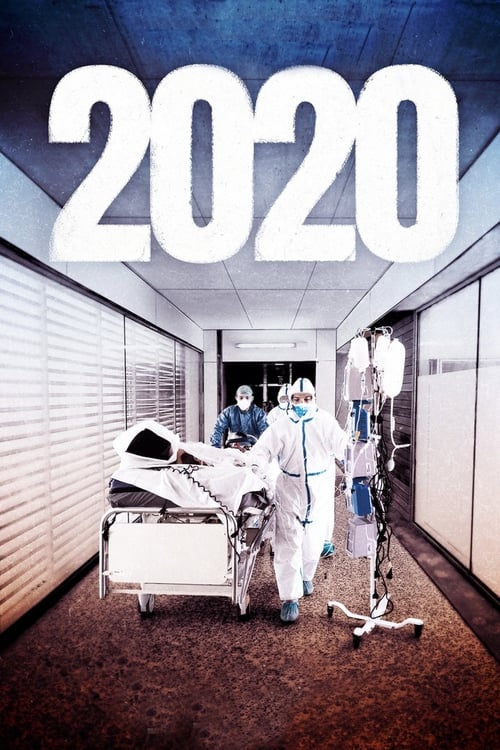
Madrid was one of the hardest-hit regions in the world by the pandemic of Covid-19. When the state of alarm was declared in March 2020, awarded filmmaker Hernán Zin grab his camera and went out to portray it from all fronts: hospitals, ambulances, nursing homes, funeral homes, fire department, police and army operations.He got exclusive access to places and situations that few filmmakers in the world had due to the effort of the politicians to keep the press out of the hospitals and nursing homes.

"Mudanza" (Removal) came to be made after the curator Hans Ulrich Obrist was asked for involvement in a project in the Huerta de San Vicente, the home and museum of the García-Lorca family in Granada. The film records the removal of furniture and objects from the building, leaving visitors able to move freely amongst its empty spaces and a silence charged with feeling and resonance and the take from the experience whatever they demand from it - thus making poet Federico García Lorca's emotive and historic absence even more powerful, evident and heartfelt.

In 1971, John Lennon and Yoko Ono embark on a search for a girl named Kyoko. On April 23rd, they are arrested by the police at a hotel in Palma de Mallorca, Spain.
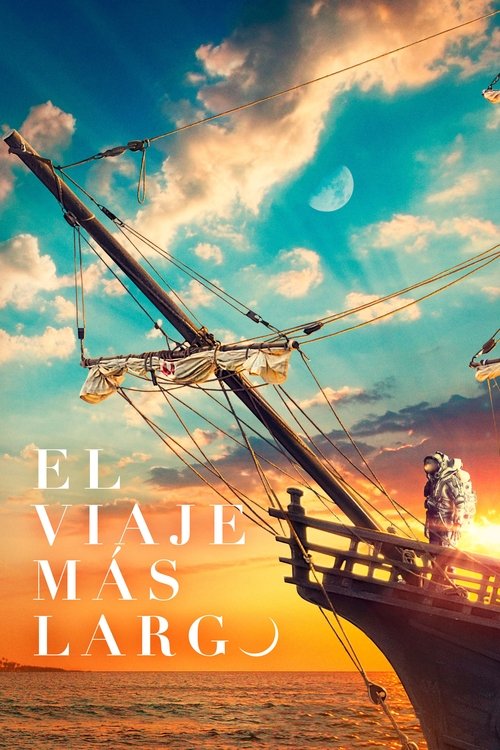
Spain, 1519. Ferdinand Magellan, Portuguese navigator in the service of King Charles I, undertakes, at the command of five ships, a commercial expedition to the Moluccas. The story of the first circumnavigation of the world, completed by Juan Sebastián Elcano in 1522.
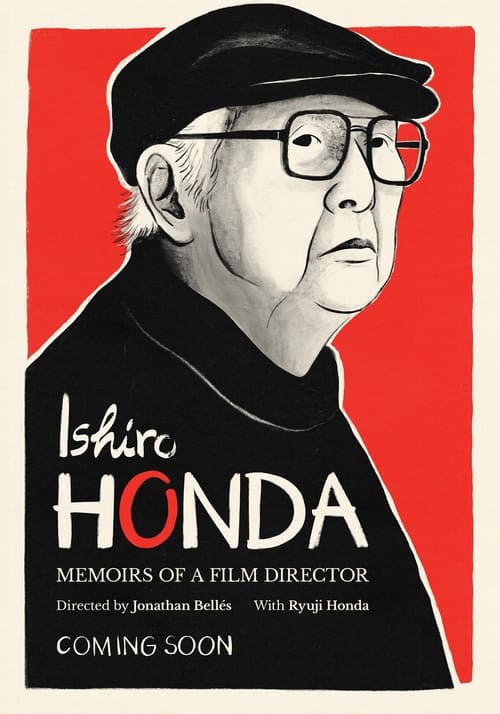
A documentary film that delves into the life and cinematic career of one of Japan's most prolific directors: Ishiro Honda. The film will spotlight Honda's filmography from both a historical and personal perspective, exploring his contributions to the Japanese film industry and his firsthand experiences of war, from which he barely survived. It will also delve into his profound feelings regarding the atomic bomb, a subject that became an obsession for him and was frequently reflected in his films. The documentary will analyze Honda's body of work through interviews with individuals who had the privilege of collaborating with him, as well as experts on Honda's films from both Japan and the Western world. Furthermore, the film will uncover Honda's friendship and professional relationship with director Akira Kurosawa.
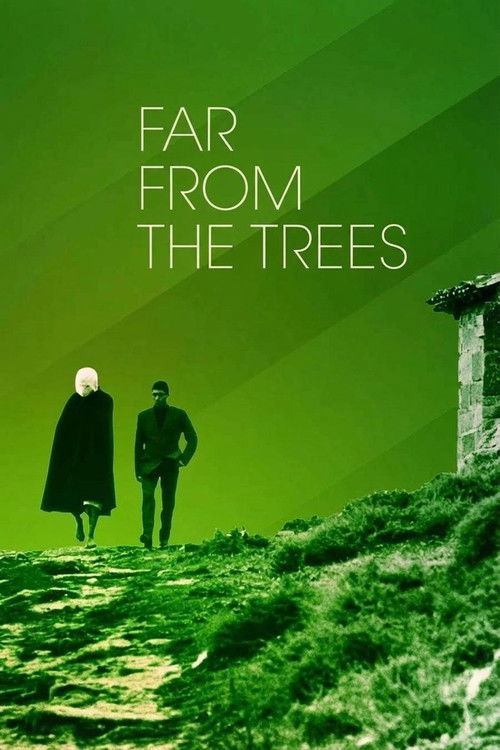
An unprejudiced portrait of Spanish folklore and a crude analysis in black and white of its intimate relationship with atavism and superstition, with violence and pain, with blood and death; a story of terror, a journey to the most sinister and ancestral Spain; the one that lived far from the most visited tourist destinations, from the economic miracle and unstoppable progress, relentlessly promoted by the Franco regime during the sixties.
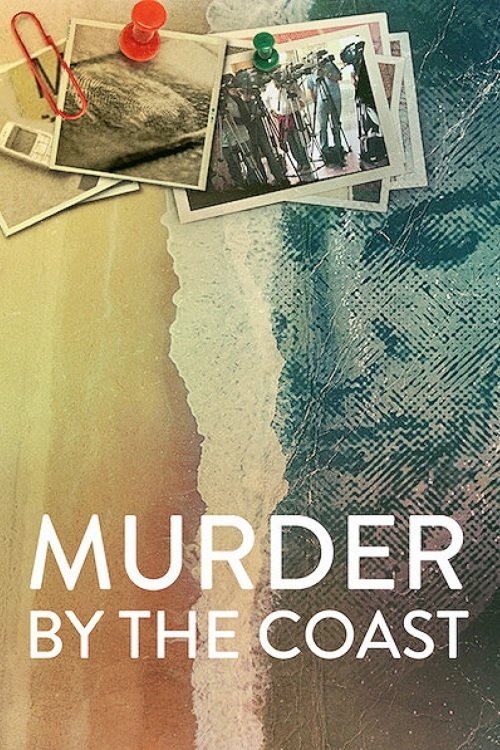
In 1999, teen Rocío Wanninkhof is murdered. Her mother's ex-partner, Dolores Vázquez, is suspected. Did she do it? A second victim reveals the truth.
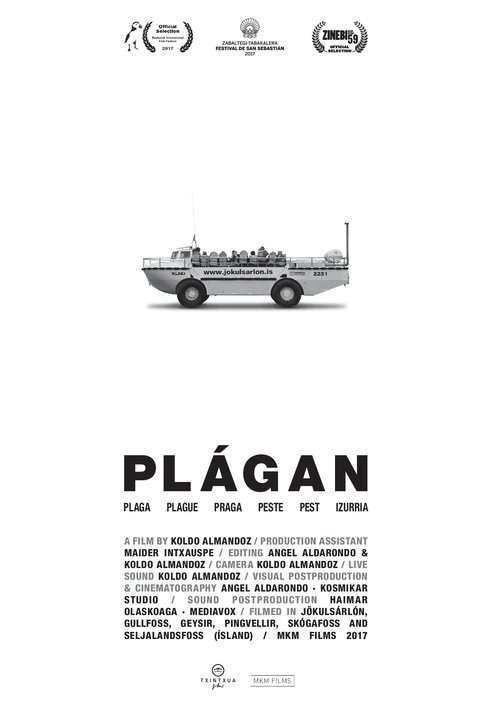
Plague: From the Latin word “plaga” meaning 'blow', 'wound'. Meaning: Massive, sudden appearance of living beings of the same species that cause serious damage to animal or plant populations. Abundance of something harmful.
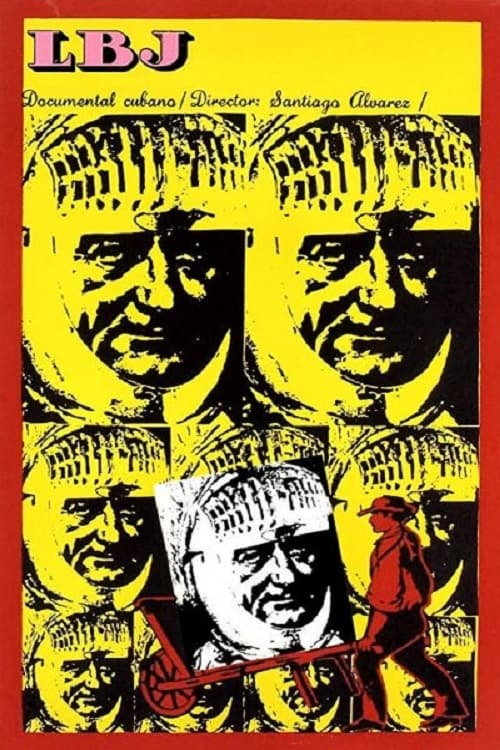
This is a montage of different images from the JFK, Martin Luther King and Bobby Kennedy triumphs and assassinations, all three events being observed by Lyndon Johnson as the dark figure who is plotting the anti-black rights movement.

The film is part of the feature film "Hay motivo", made up of 32 short films directed by Spanish directors and actors against the policies of the Partido Popular just before the 2004 elections. In Portabella's participation, physics professor Pedro Arrojo addresses the urgent need for a new water culture.
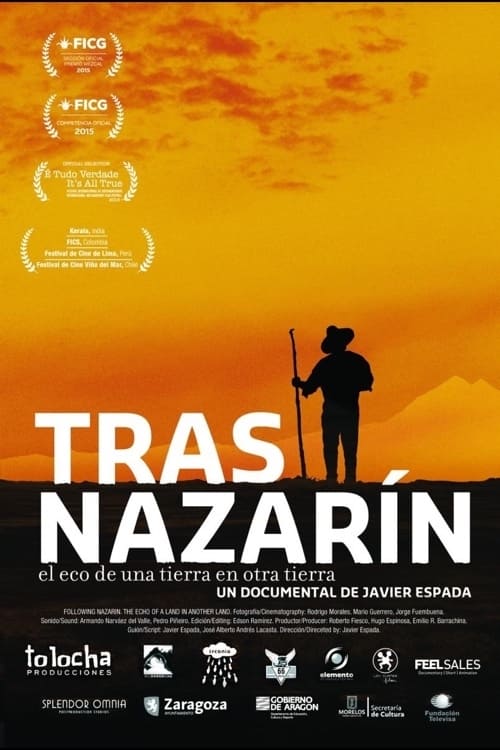
"Nazarín is a Quixote of the priesthood " "Among the films I have made in Mexico, Nazarin is one that I prefer." "As inexplicable as the accidents that set it off, our imagination is a crucial privilege."
More than a genre, salsa was a cultural movement that arose in a time of need for strengthening the Latino culture and spread across the world with such force that, 50 years later, is still moving the feet of dancers in the most inhospitable corners world. At the heart of the movement is the figure of Johnny Pacheco, know as one of the great musical legacies responsible for salsa music.
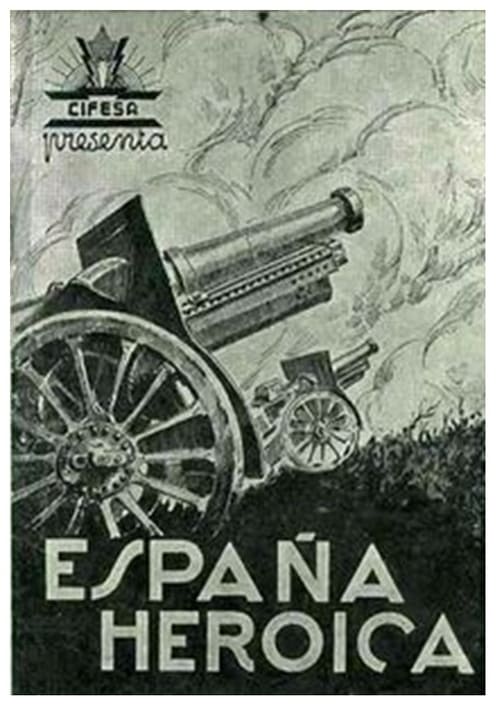
Documentary produced by Falange and edited in Berlin, in response to the international success of the Republican production "Spain 1936" (Le Chanois, 1937).
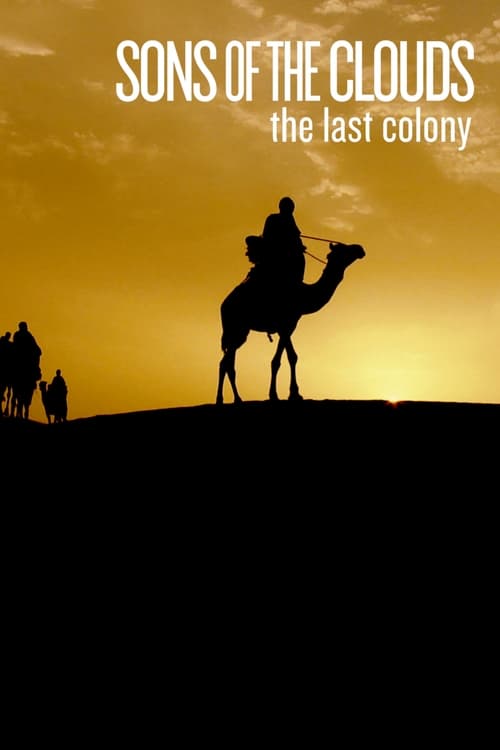
The political upheaval in North Africa is responsibility of the Western powers —especially of the United States and France— due to the exercise of a foreign policy based on practical and economic interests instead of ethical and theoretical principles, essential for their international politic strategies, which have generated a great instability that causes chaos and violence, as occurs in Western Sahara, the last African colony according to the UN, a region on the brink of war.
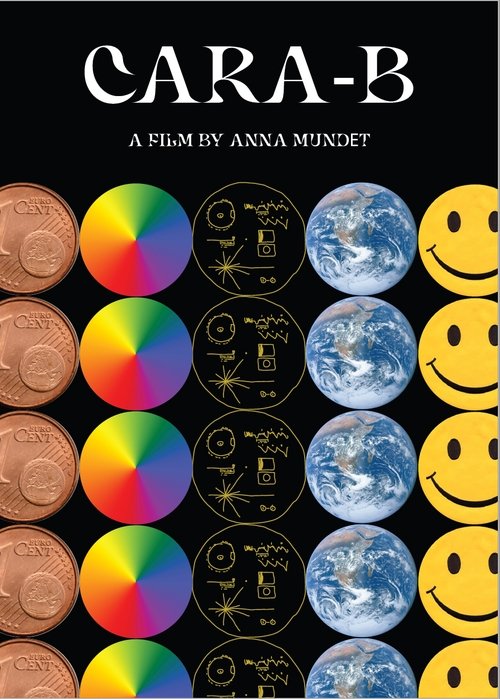
A desktop documentary that focuses on the Golden Record that NASA sent into space in the late 1970s. The piece reflects on issues such as the power of scientific discourse to produce revisions of the world, the evolution of the concept of the archive and the resignification of borders in the rhetoric of space colonialism.
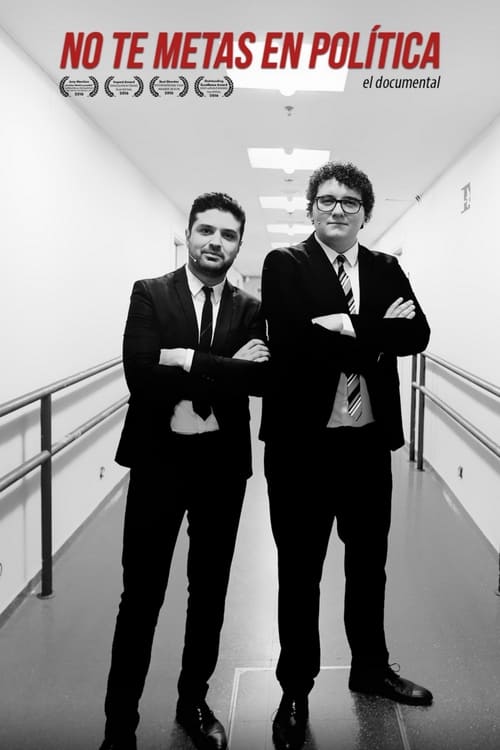
Comedians Facu Díaz and Miguel Maldonado, along with filmmaker Nacho Vigalondo as host, tell the brief story of “No te metas en política,” a Spanish late-night talk show that was broadcast online between 2016 and 2019.
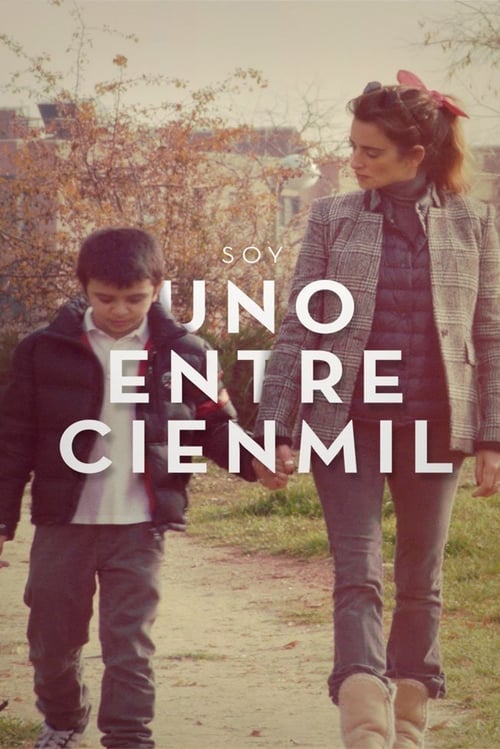
Childhood leukemia, which accounts for 30% of childhood cancer, affects the lives of three in every 100,000 children. Of those affected, 20% do not survive, and these statistics have remained unchanged for over 20 years. But there's a way we can improve this outcome: through research.
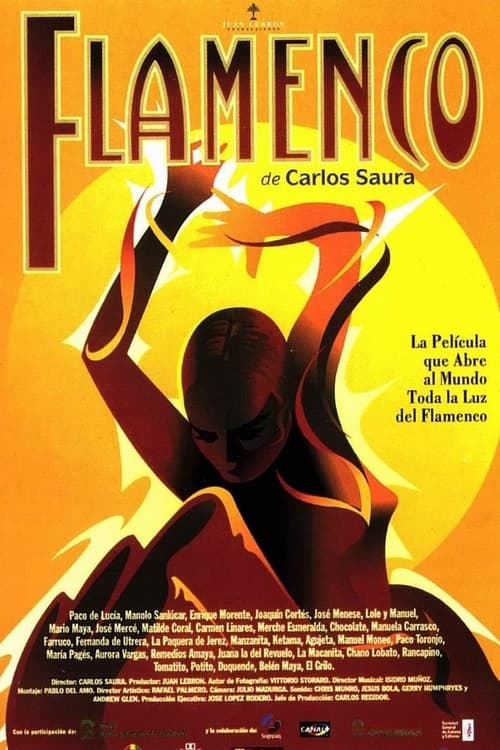
The film presents thirteen rhythms of flamenco, each with song, guitar, and dance: the up-tempo bularías, a brooding farruca, an anguished martinete, and a satiric fandango de huelva. There are tangos, a taranta, alegrías, siguiriyas, soleás, a guajira of patrician women, a petenera about a sentence to death, villancicos, and a final rumba.
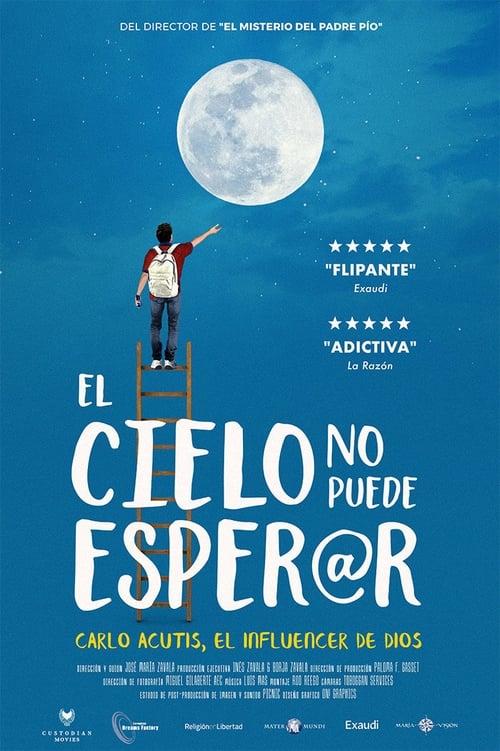
The moving story of Carlo Acutis, a young British-Italian amateur computer programmer who died in 2006, aged 15, as a result of leukemia. However, even though he is no longer here, to this day Carlo continues to be a great symbol of strength among young people. The documentary brings together a series of reports from people who entrusted themselves to the intercession of the boy, beatified by the Catholic Church in 2020, and had their lives transformed.
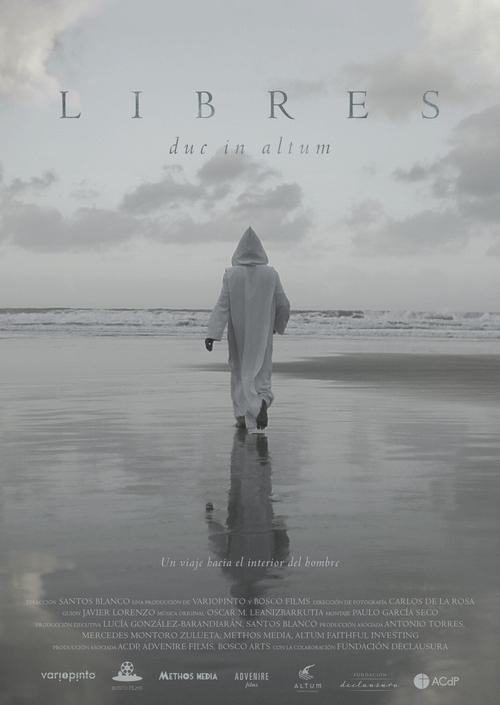
For centuries, many men and women have left everything to dedicate their lives to contemplation. LIBRES, is a journey into the interior of man. We have obtained permission to enter and speak with people who rarely speak, in places that remain closed to the world: monasteries. What leads a person to divest himself of the world he knows, to withdraw from it for the rest of his life? How does such a person think? LIBRES approaches great questions of the existence of man, with a single objective: to listen to them.
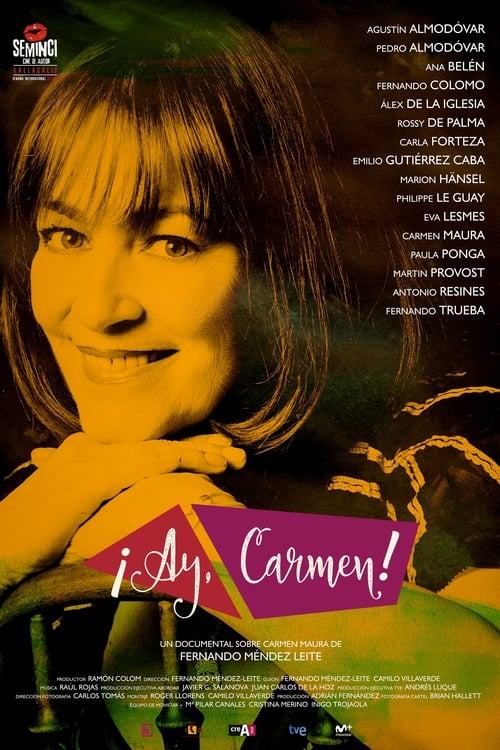
The personal and professional story, told in first person, of Spanish actress Carmen Maura, director Pedro Almodóvar's first muse and a brilliant artist in her own right.
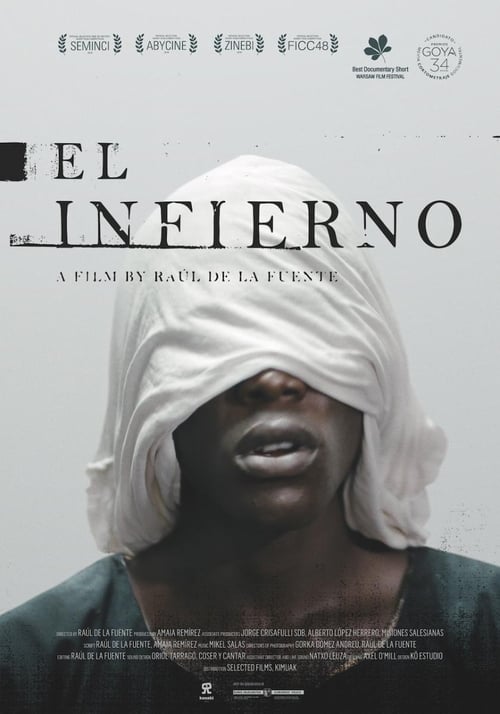
Chennu committed his first crime when he was 15 years old: being a street kid. And he entered hell: Pademba Road. The adult prison in Freetown. In hell, Mr. Sillah is in charge, and there is no hope. Chennu got out after four years. Now he wants to go back.
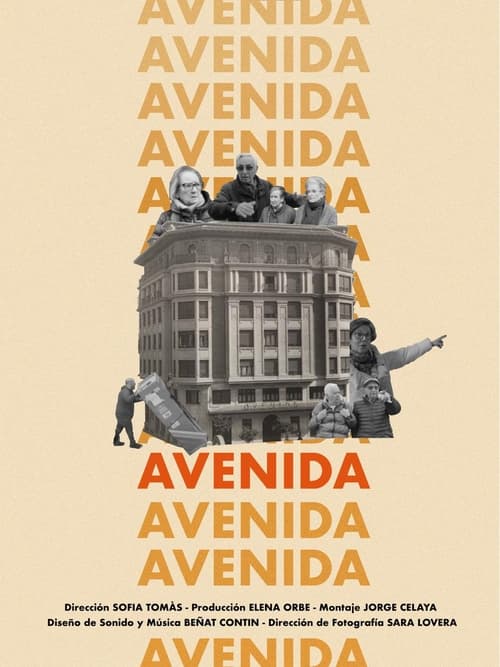
A place with stairs, but that leads to walls. A place with lots of space, but no one fights for it. And a place with lots of owners, but so empty that no one wants to enter.

The documentary makes a tour through the streets of Bilbao, showing the daily life of the people and their customs. The images reflect the recovery of Bilbao's Old Quarter after the floods that took place in August 1983. The documentary shows, on the one hand, the floods that took place at the end of August 1983 and, on the other hand, events such as Santa Águeda Day, the market in Plaza Nueva, Christmas, the Athletic de Bilbao's Gabarra in the Nervión the year in which the Biscayan team won the League and the Semana Grande.
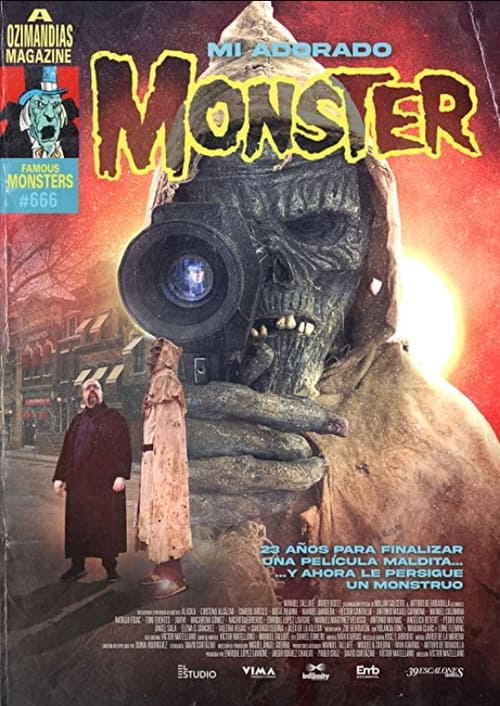
With humor, prolific director Víctor Matellano tells the story of one of the most iconic and problematic cult films of Spain's "fantaterror": Los resucitados by Arturo de Bobadilla. A story of ambition, frustration and the everlasting will of the most passionate cinephiles.
In every profession there is someone who changes the rules of the game. In music, that person is Bruce Swedien. In the early eighties in Los Angeles, Bruce embarked on a project that revolutionized the music industry forever. For the first time, those involved in that project tell the unknown story behind the work that Bruce did and how his talent ended up being an essential piece in the history of popular culture. Sonic Fantasy introduces you to the man behind the best music you've ever heard.
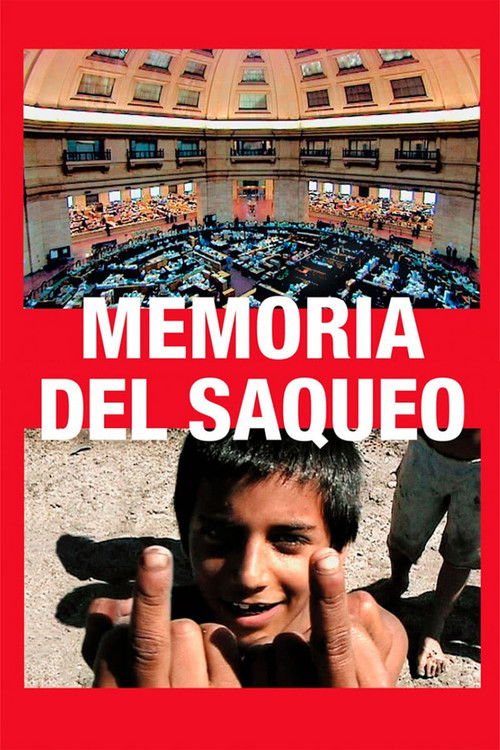
After the fall of the military dictatorship in 1983, successive democratic governments launched a series of reforms purporting to turn Argentina into the world's most liberal and prosperous economy. Less than twenty years later, the Argentinians have lost literally everything: major national companies have been sold well below value to foreign corporations; the proceeds of privatizations have been diverted into the pockets of corrupt officials; revised labour laws have taken away all rights from employees; in a country that is traditionally an important exporter of foodstuffs, malnutrition is widespread; millions of people are unemployed and sinking into poverty; and their savings have disappeared in a final banking collapse. The film highlights numerous political, financial, social and judicial aspects that mark out Argentina's road to ruin.