5,421 Matches Found

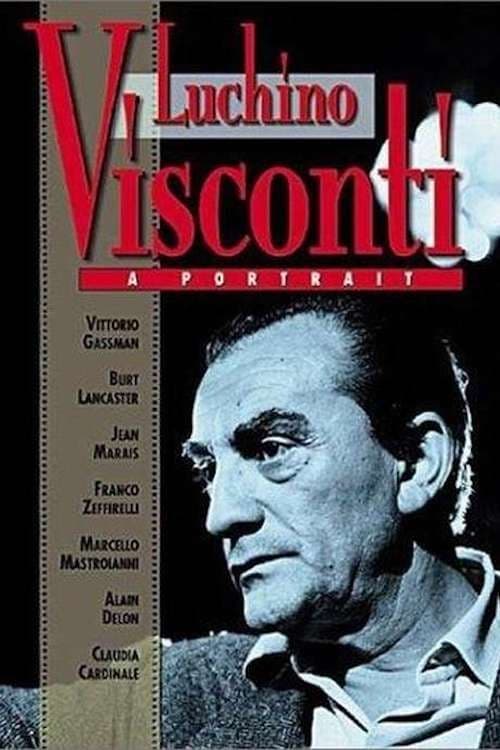
Luchino Visconti

A chronological look at the creative life of Luchino Visconti (1906-1976). It examines his theatricality, role in the neorealist movement, use of melodrama, and relation to decadence. It touches on the impact of a fabulously wealthy childhood, his writing for "Cinema," his politics, his work with Renoir, his appreciation of Thomas Mann, and his deep knowledge of literature and the arts. Visconti moves constantly between film and the theater, staging plays provocatively, working with Maria Callas at La Scala, and shooting films in theaters. Clips from his films and interviews with actors, crew members, and critics provide details for this portrait of creativity.

Luchino Visconti

6.2 2002
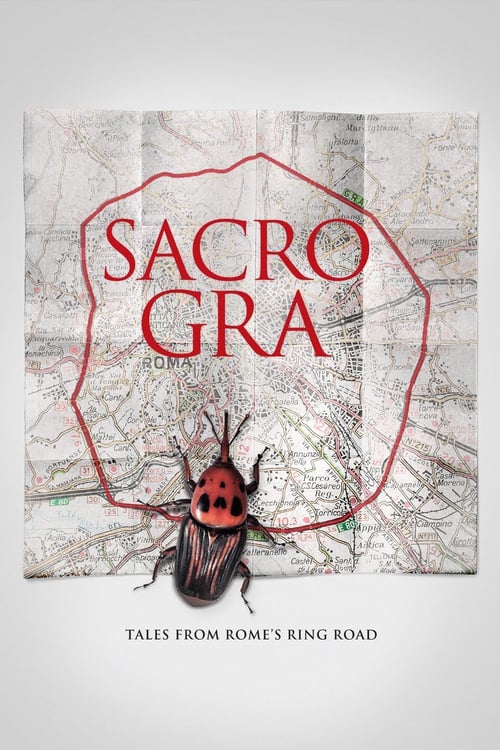
Sacro GRA

After the India of Varanasi’s boatmen, the American desert of the dropouts, and the Mexico of the killers of drugtrade, Gianfranco Rosi has decided to tell the tale of a part of his own country, roaming and filming for over two years in a minivan on Rome’s giant ring road—the Grande Raccordo Anulare, or GRA—to discover the invisible worlds and possible futures harbored in this area of constant turmoil. Elusive characters and fleeting apparitions emerge from the background of the winding zone: a nobleman from the Piemonte region and his college student daughter sharing a one-room efficiency in a modern apartment building along the GRA.

Sacro GRA

6.0 2013
Black Block

Genoa 2001: As the G8 Summit drew to a close and the press and politicians departed, 300 riot police stormed the Diaz School looking for members of the infamous Black Block. They found instead young activists, mostly students, teenagers and journalists from around Europe preparing to bunk down in the school gym. Undeterred, they unleashed a calculated frenzy of violence, beating young and old, male and female indiscriminately. Those seriously injured were rushed to the hospital in ambulances, though soon after they were forced to join those who had been arrested and driven to a detention centre and subjected to further abuse and degradation.

Black Block

8.1 2011
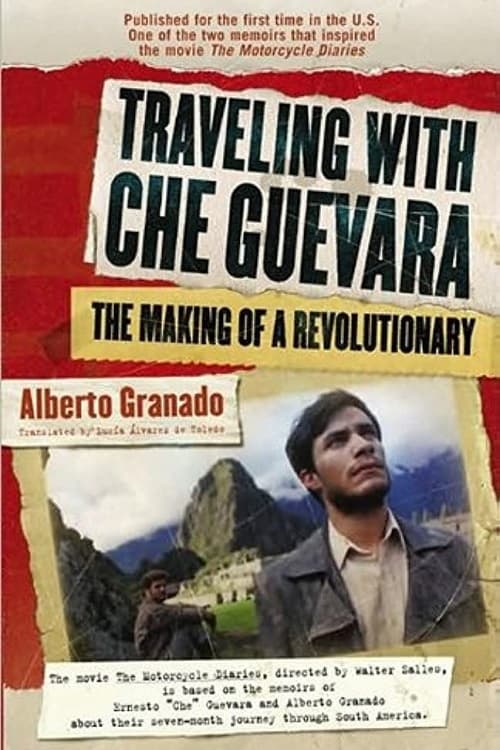
Traveling with Che Guevara

In 1952, Ernesto Guevara, then a medical student aged 23, and his friend Alberto Granado, a biologist of 29, began a long journey through the South American continent. During their tour, which began with an old motorcycle to continue after hitchhiking, they witnessed the harsh living conditions of the population of the countries they travelled. Guevara, soon to be known as Che, recorded his impressions in a diary. In 2002, the Brazilian director Walter Salles began shooting a film about that odyssey, "The Motorcycle Diaries". This documentary follows the making of that movie in detail, incorporating interviews with various participants.

Traveling with Che Guevara

5.8 2004
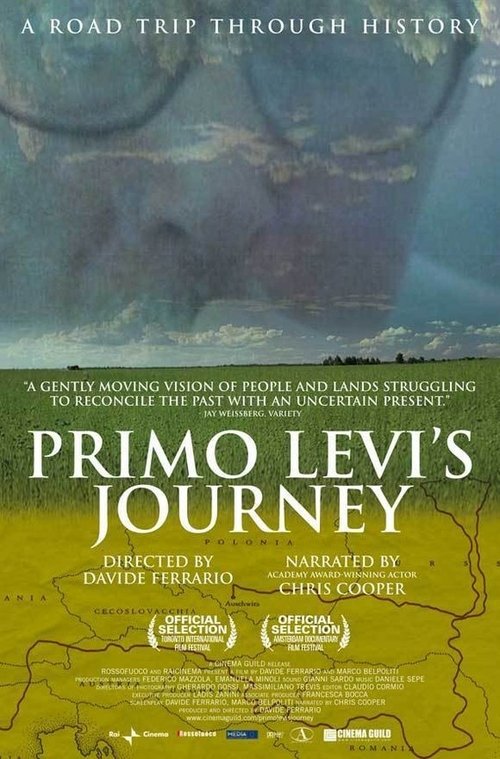
Primo Levi's Journey

In February, 1945, Primo Levi (1919-1987) and other Auschwitz survivors set off for home. The journey took more then eight months. Sixty years later, a film crew retraces Levi's steps. Levi's words, mainly from "The Truce" (1963), tell us what he experienced. In turn, we see Poland's hollow post-war factories, nationalism in the Ukraine, Soviet-style Communism in Belarus, the abandoned town of Prypiat (Chernobyl), poverty and emigration from Moldavia, Italian factories in Romania, and on across Hungary and Slovakia to Munich where Levi's rage found no listeners. Then home to Turin. An aged Mario Rigoni Stern remembers his friend. What has changed? Some issues of the war remain unsettled.

Primo Levi's Journey

5.9 2006