Ga-Tau Chang
0.0 2020
1,032 Matches Found
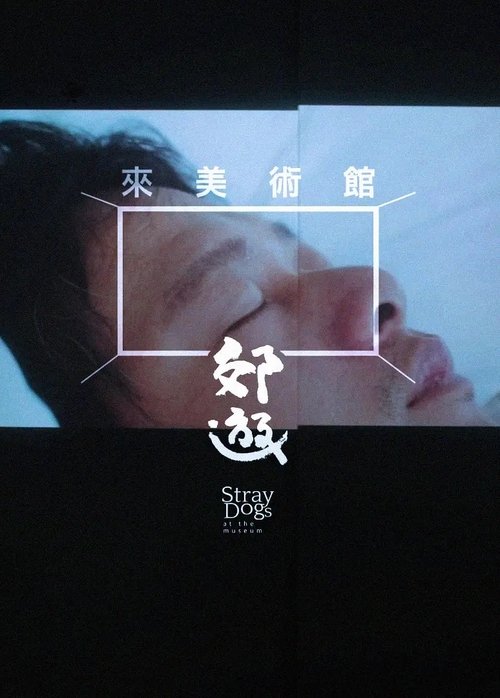
A dying forest flared up and the flavor of damp ruin, settled in on the tongue: Tsai Ming Liang created an entirely novel artwork with his tenth feature film 'Stray Dogs' at the Museum MoNTUE. Moving images eclipsed, in slivers and swathes, by immovable shadows of deadwood. Waking, sleep and everything in between proved indistinguishable. This documentary recreates elements of existential banality (on view) and guides focus inward. It establishes a firm, if converse, analog between cinema and consciousness: an interplay of movie (and its constituent elements of light, shadow and audience) mirrored in consciousness (and its building blocks of waking, sleep and dream) if you will.
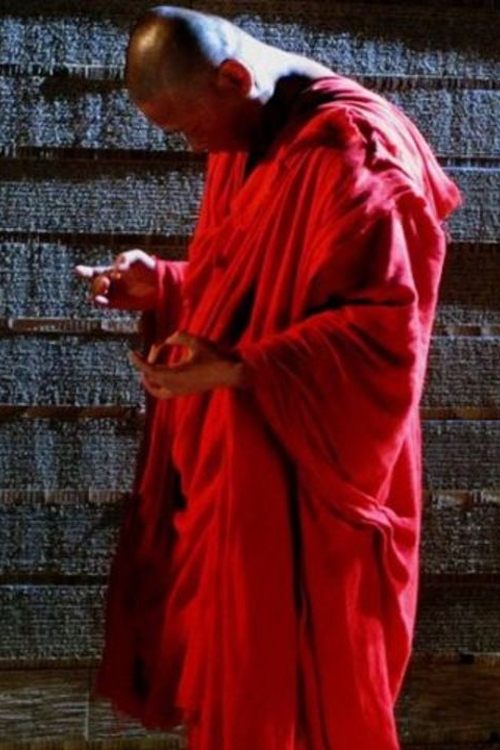
In 2012, Taiwanese architects Michael Lin and Liao Wei-li invited Tsai Ming-Liang to create moving visuals for their exhibit at the Venise Architecture Biennale. Using the space at their preview exhibition in Taiwan, Tsai Ming-Liang made two short films, "Sleepwalk" and "Diamond Sutra", using the "Walker" concept. "Diamond Sutra" was later selected to be the opening short film for the Venise Film Festival. Tsai-Ming Liang said that gazing at the steam rising from a rice cooker reminded him of his mother's face as she laid dying, exhaling her final breath.
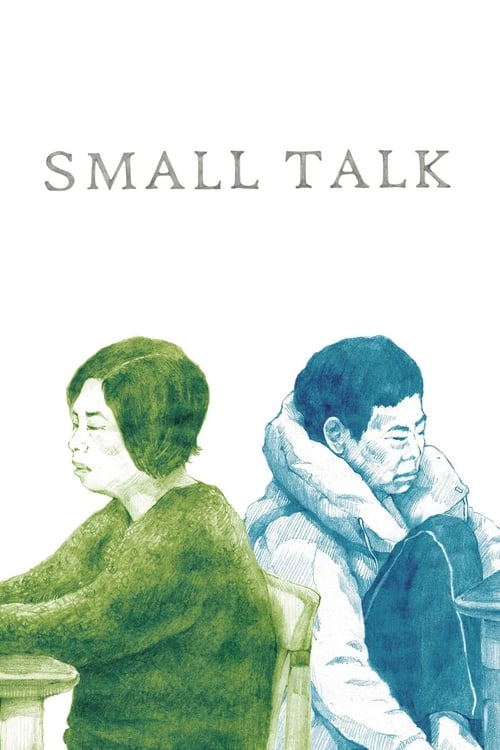
In the table that symbolizes the value of traditional women, a woman who wants to break free from her family must face her daughter.
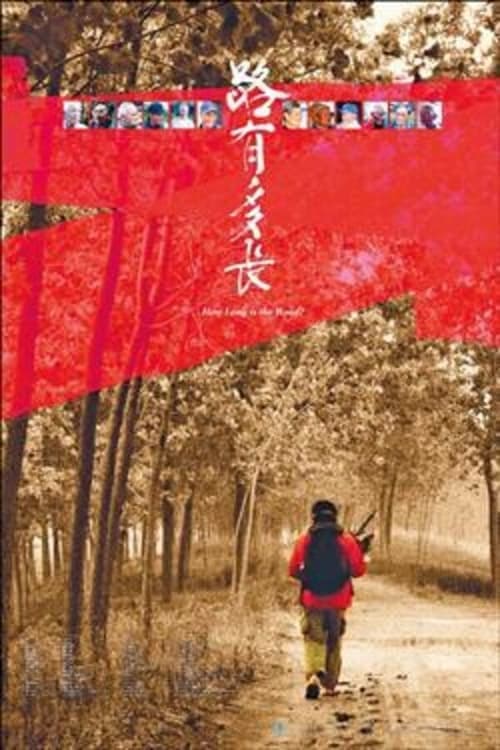
Director Tang Shiang-chu first read about the Taiwanese veterans twenty years ago in the Ren-Jian Magazine, realizing that there were other people suffering the same fate as his father which a war took them away from their homes; and it wasn't after the cross-strait opened up forty years later that the remaining soldier were giving a chance to return home.
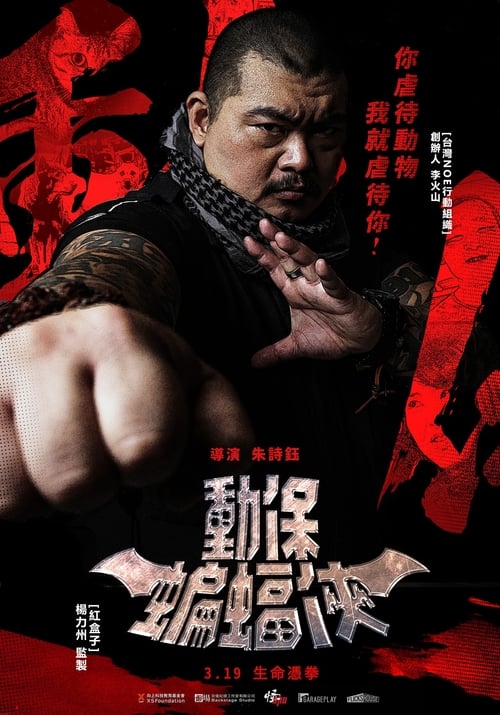
The fierce and domineering Lee Volcano specializes in animal rescue and has lynched animal cruelty offenders. Some activists hate his style, but some supporters believe he has done justice to the ineffective animal protection laws.

Meet four Taiwanese women, the actual "leftover ladies" fighting to stay breathing in a somewhat stifling society. Since 2012, their friend in common, Chou Tung-yen, has been "stalking" them, capturing on film moments of these women's daily lives.
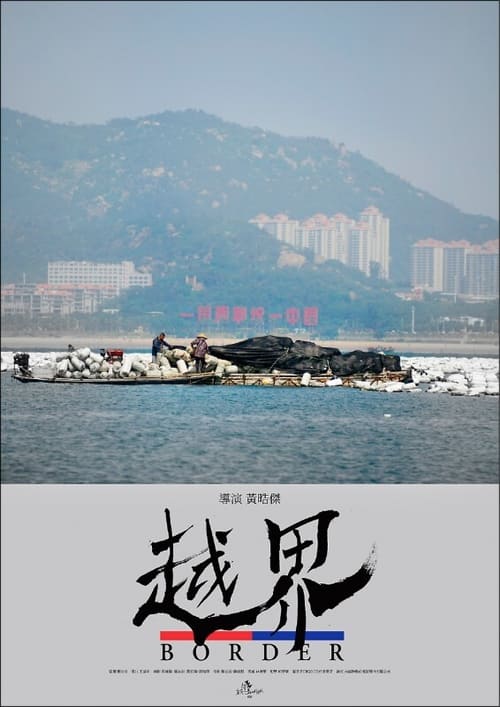
In the middle of the strait between Kinmen and Xiamen, China, there are patches of sea filled with floating styrofoam and endless sand pilfering across the border. Huge business opportunities, and even greater land reclamations have scarred the beauty of the original rural landscapes for the sake of “ The Chinese Dream"—a dream that places economic achievements above all else.
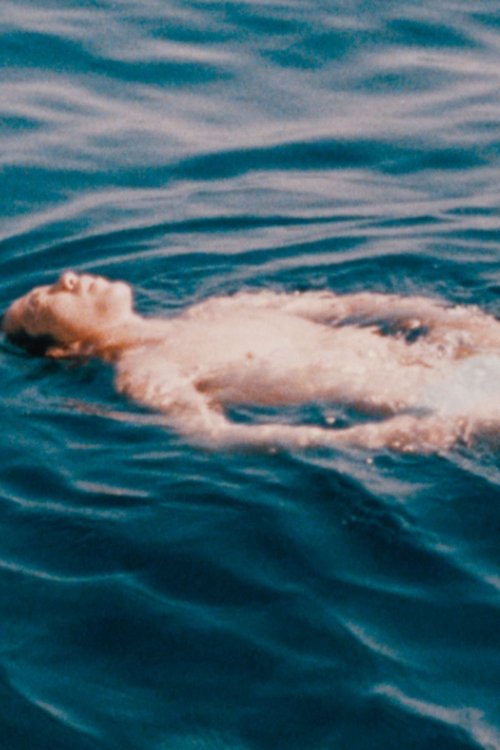
Liuqiu, a tiny island on the outskirt of the Taiwan Strait, which means ‘floating ball’. Surrounded by more floating balls—’hotels-on-the-sea’ where Chinese fishermen stay. The film depict fate, humanity and destiny of these floating balls.
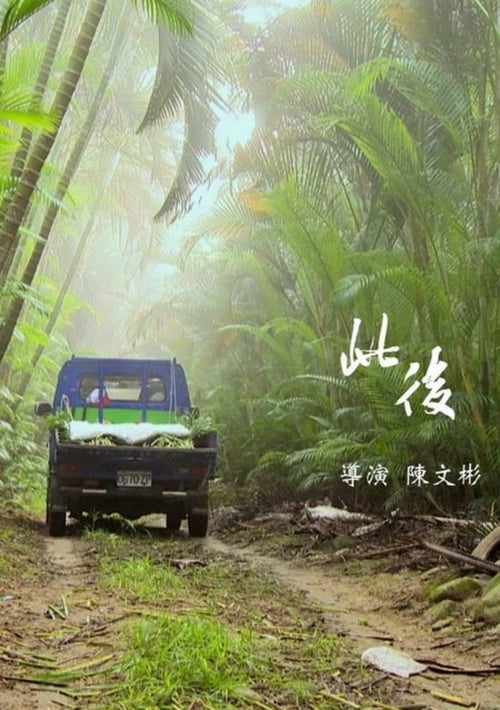
It has been eight years since Typhoon Morakot, the deadliest typhoon to impact Taiwan in recorded history, swept through Siaolin Village. It left 462 inhabitants dead, including Mr WENG Jui-chi's beloved family. Like the other 46 survivors, WENG struggled to face the recurrent nightmare after losing his family, tackling the regret and guilt of being left alone.
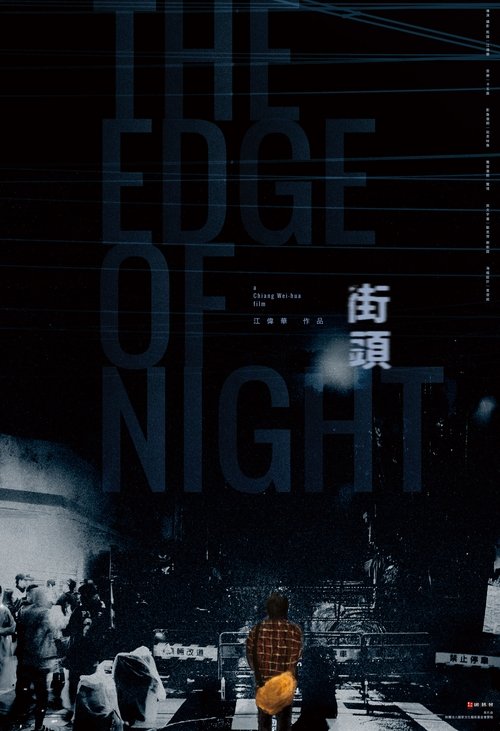
Five years after participating in a failed government protest in 2009, Sheng-han and his friends storm the Executive Yuan as members of the Sunflower Student Movement. Through failures and choices, these young activists on the cusp of adulthood seek to affirm their self-identity.
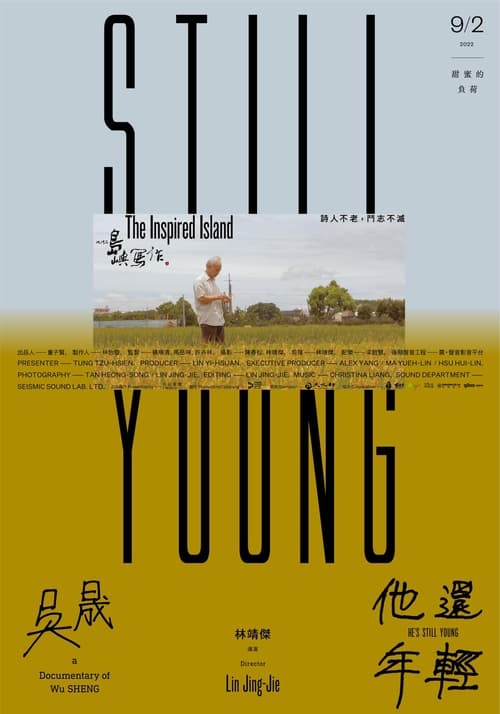
A documentary about a Taiwanese poet Wu Sheng.


Drawing on the first-person accounts of former postal worker and political prisoner Hsu Chin-Yu and her peers, this documentary confronts the grim fate of some who dared to oppose the authoritarian regime of 1950s Taiwan.
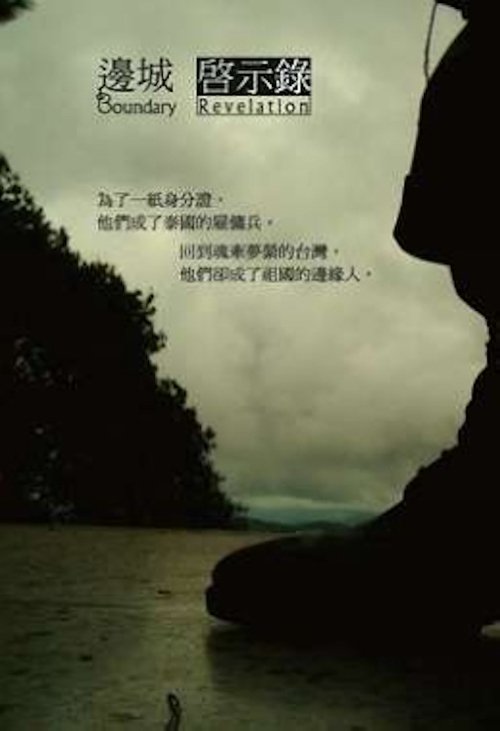
In 1949, the Kuomintang retreated to Taiwan. But some went into hiding, waiting in the jungles of northern Burma and Thailand for orders from Taiwan. President Chiang Kai-Shek told them to keep hiding out in the jungle and to wait until the time was ripe to “retake mainland China” from the communists. They ended up waiting for fifty years and became a lost army.
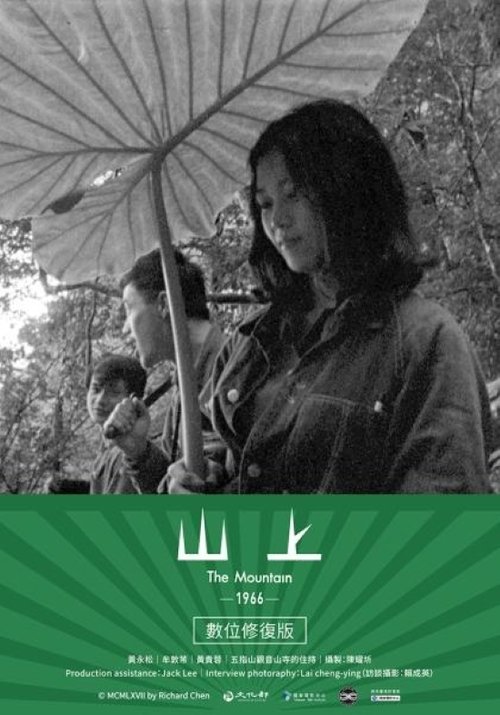
The director follows three art college students HUANG Yong-song, MOU Tun-fei, and HUANG Gui-rong as they enjoy an excursion into the mountains. As the song ‘California Dreamin’ plays, the three talk about their artistic ideals, how only KMT party members were eligible for scholarships, and their view on the Vietnam War.
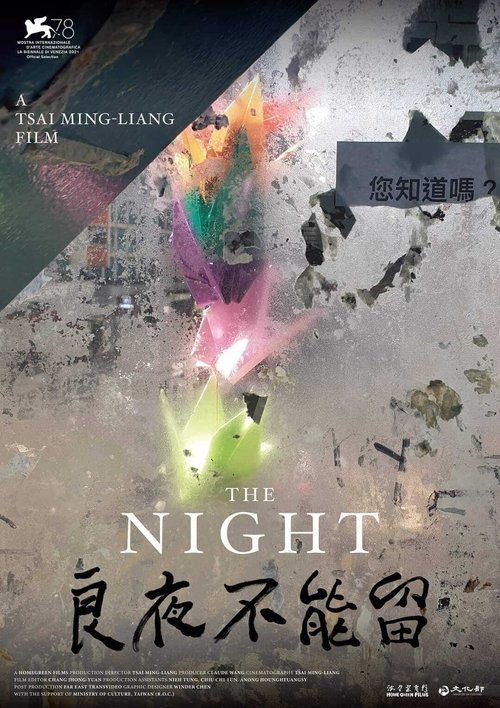
In 2019, the night in Hong Kong was still in fascinating beauty and the landscape of everyday life was gradually changing. Travelling the streets, Tsai Ming-liang documented the city's rhythm and ambience, along with an overpass.

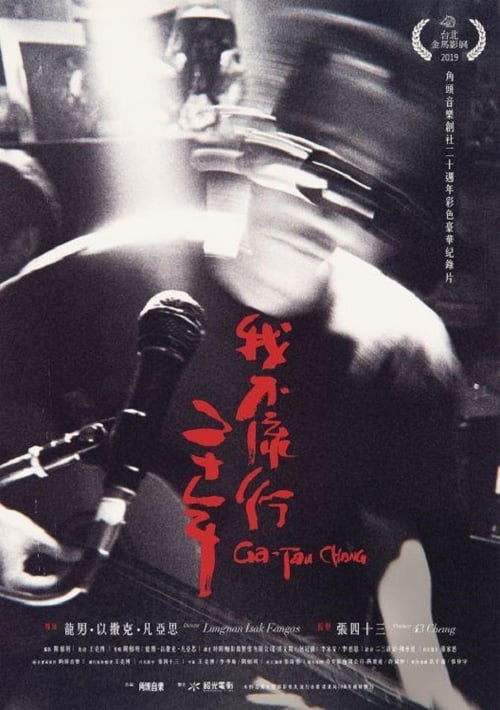
After four decades, a group of veteran singers gather together again. The songs they wrote when they were young had once changed the fate of the island. However, time took away their youth and changed the island's soul. Not only a new national identity has formed but so many new music genres have emerged since then. Can the innocent songs they sang back in the old days still be related to the new era?
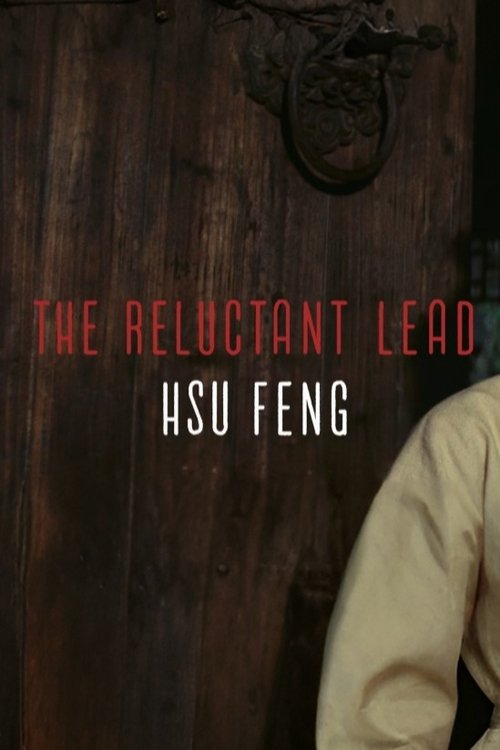
In this short documentary, actress Hsu Feng discusses her iconic role as Yang Hui-zhen in King Hu's A Touch of Zen.

During his period working in Taiwan, Christopher Doyle made this experimental short film documenting the families of friends around him. This film received an Honorable Mention at the 4th Golden Harvest Awards (1981).

Twenty years ago, LIN Sheng-hsiang was a successful athlete who enjoyed glamor and glory. Once a child abandoned by the education system due to his unimpressive academic performance, LIN has redeemed himself in the modern pentathlon, an obscure sport in Taiwan. Now a coach, LIN tries his best to serve disadvantaged children who have a similar background to his own. This year, he meets CHEN You-hsuan, a talented young girl from a remote village in eastern Taiwan. LIN devotes himself and all the resources he can find to train You-hsuan. If he manages to help You-hsuan qualify for the Olympic Games, he will have realized his dream of bringing Taiwan’s modern pentathlon team onto the international stage. But everything, including time, funding, the system, and the wayward adolescent, all seems to be going against his wishes. But LIN never expected that this would be just the beginning of the cruelest and toughest challenge he has ever faced.
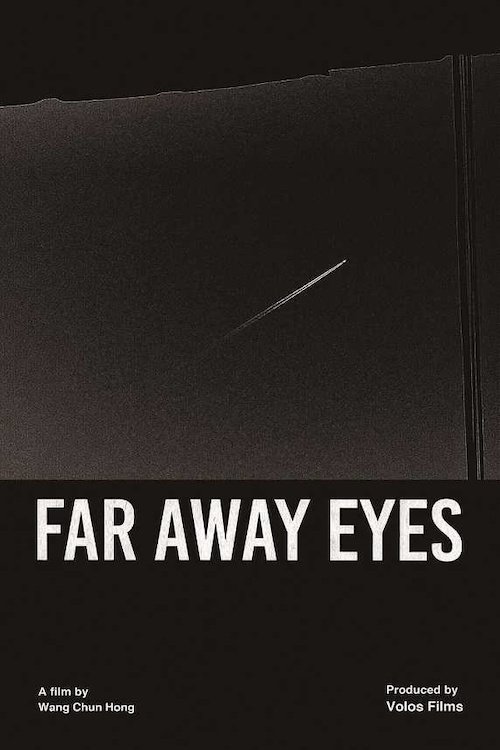
A young photographer wanders through the city as Taiwan is preparing for the presidential election. Constantly questioning his talent as an artist, he suffers from the uncertainty facing his future as he is about to turn 30 - a watershed age in one's life according to traditional Taiwanese culture. His accidental encounter with an ex-girlfriend propels him to reconsider his past, present and future in the river of time.
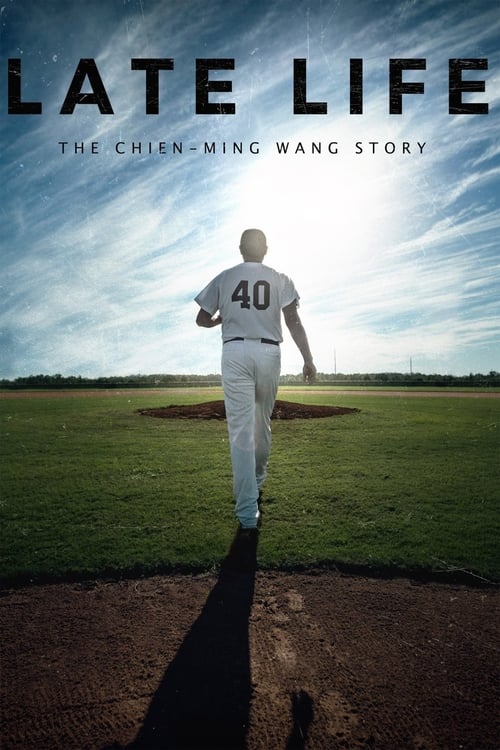
The first and only Taiwanese player for the New York Yankees, Chien-Ming Wang held many titles: American League Wins Leader, World Series Champion, Olympian, Time 100 Most Influential, and The Pride of Taiwan. He had it all - until a 2008 injury forever altered the course of his career. Late Life: The Chien-Ming Wang Story - named after the late sinking action on his signature pitch - follows the rise and fall of the international icon as he fights his way back into the Major Leagues through endless rehab programs and lengthy stints away from home, carrying the weight of the world on his battered shoulder. A poignant and intimate account of Wang’s steadfast quest, Late Life tells the story of a man who is unwilling to give up and unable to let go.
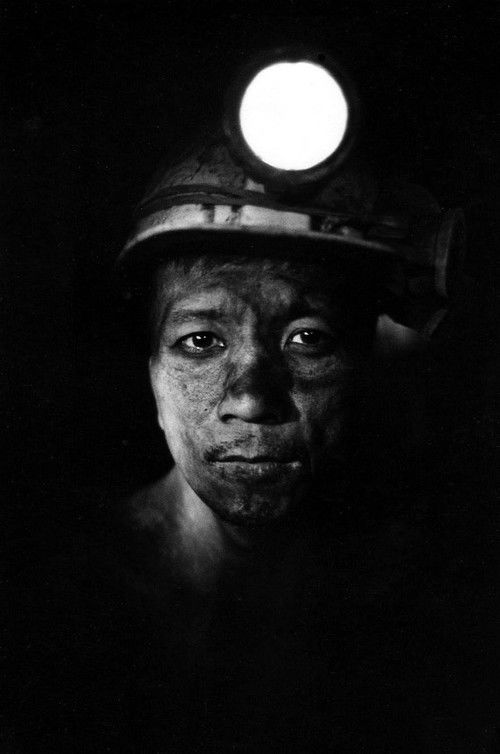
“Journey into the Mine” (礦之旅) is a 1981 documentary directed by Chang Chao-Tang (張照堂). Part of the “Journey Through Images” series (映象之旅), it documents the Ruìsān Coal Mine (瑞三煤礦) in Houtong, Ruifang (瑞芳侯硐). Using a portable ENG camera, the crew descended 600 meters underground to record miners working amid heat, coal dust, and gas hazards. Rejecting elite-centered television perspectives, the film foregrounds the resilience of working-class laborers. Its essayistic voice-over is paired with ECM jazz and blues, creating a distinctive tone. In 1982, it won the Golden Bell Award (金鐘獎) for Best Educational and Cultural Program. A rebroadcast added footage of the Neihu Futian Coal Mine disaster (內湖福田煤礦災變), producing a stark dialogue between policy narrative and industrial tragedy. Its footage was later used in Hou Hsiao-hsien’s 1986 film Dust in the Wind”(戀戀風塵).
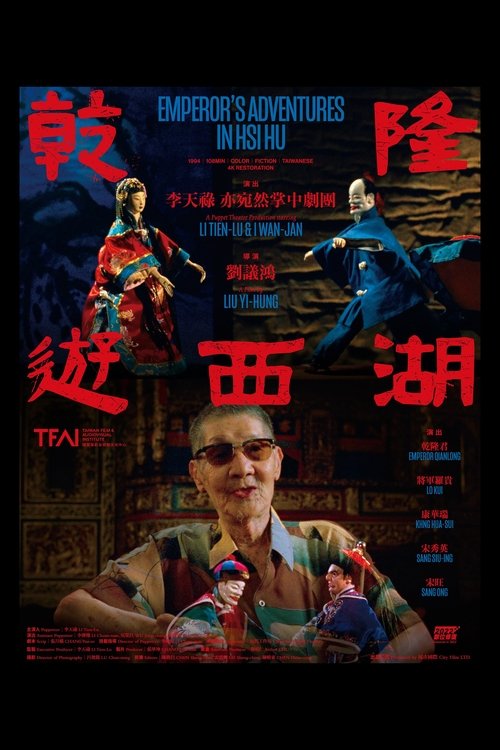
The story of frivolous and lecherous emperor Qianlong's search for a morally upstanding person is told in a fashion that smartly fuses the puppet proscenium with the conventions of cinematic language. While everything is obviously arranged on a stage, the camera moves freely around in this environment, getting close to the puppets or setting them up in deep focus shots. The result is deeply enchanting, with the puppets soon feeling like living creatures of a very special kind, whose presence and company one cheerfully enjoys.
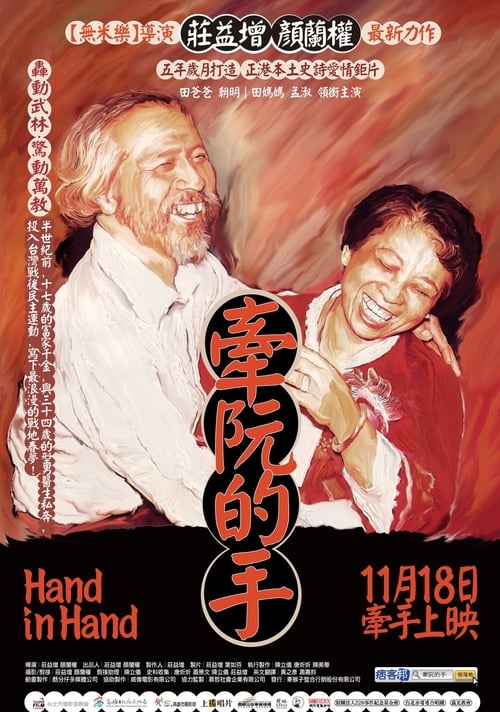
This documentary focuses on the love story between Dr. Tian and Mrs. Tian. And how fought for democratization of Taiwan.
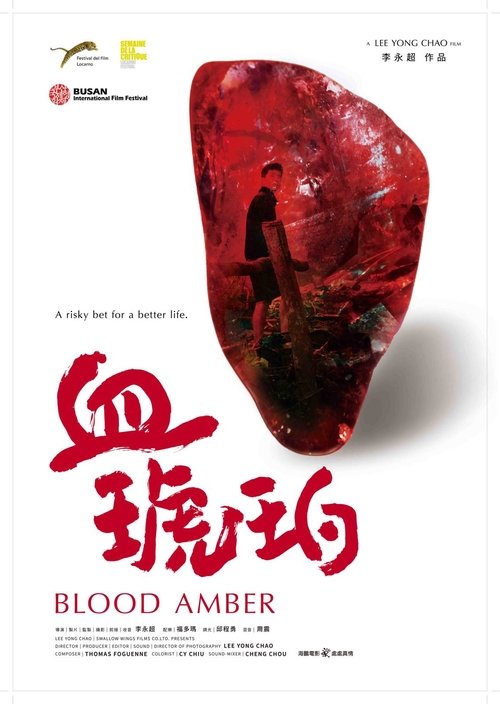
Somewhere in Myanmar is a forest rich in amber and controlled by the Kachin Independence Army (KIA). Most of its inhabitants work in a mine, digging the earth night and days in the hope of finding the precious ore that will get them out of poverty. But on top of the excruciating hardship of the work, they also have to fear an attack from the army.


French-made documentary, "Métro Lumière", which actually does help provide some of the context for Hsiao-hsien's approach to the film. It includes excerpts from Ozu's films, in particular, "Equinox Flower", to show the parallels with this film, the obvious basis for some of the scenes and situation set-ups.
Taiwan has 20 million inhabitants, and 12,5 million motorbikes. My 747 is the directors personal story, about his motorbike and their life together over the last eight years.
The Pangcah people living in the urban area used to compete and win the dragon boat race every year, but only as hired agents in a festival event of the Han Taiwanese. In 1995, a team of Pangcah contestants decided to compete in the race under the names of their community and homeland, 'C'roh of Yuli, Hualien', striving for glory to honour their true origin.
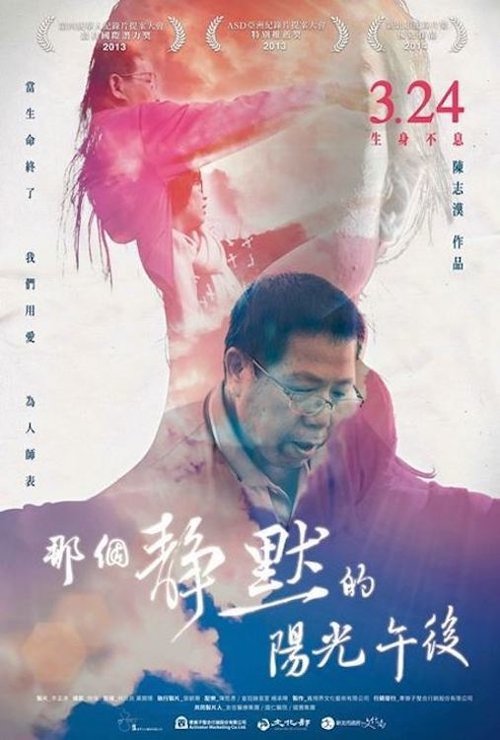
Lin Huizong often drives north to see his wife, Xu Yu'e, at the Medical College of Fuzhou University. Xu Yu'e is a "dissection teacher", that is, a deceased person who donated his body to be used as anatomy class teaching materials. In Asia, which attaches great importance to the burial of the deceased's body, doing so often requires facing the reluctance of relatives. And what changes will this dedication bring to the family, teachers and students of the medical school? What does "alive" mean? When the end of life is not physical destruction, but the impact left on future generations, how will people decide the color of their lives?

Farewell 1999 is a documentary that could move you to tears. Acclaimed director Wu Tai Ren takes viewers on a private and emotional journey contemplating the consequences of life and death, as she searches in her life for traces left by her late mother, who passed away four years ago. Wu captures her mournful self on film with a precise control over the narrative, trying to hold on to the memory of a loved one, while bidding farewell to the haunting sadness of death. Personal yet universal, the feelings conveyed in Farewell 1999 tug at the heartstrings as well as showcase Wu's talent that won her multiple international awards.
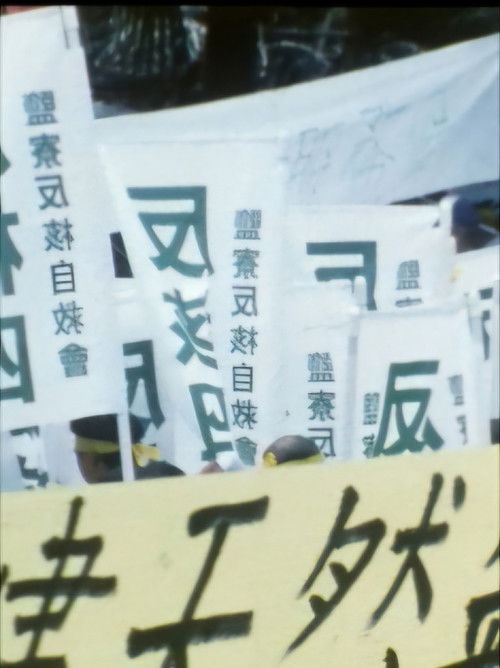
Since the early 1990s, there had been a deep concern in Taiwan about the Lungmen Nuclear Power Plant (aka the Fourth Nuclear Power Plant). In 1994, a local referendum at Gongliao, where the nuclear power plant was to be built, was held and 96% of voters voted against its construction. Chung Mong-hong combined images from the resistance with that of Taiwan's local festivities and religious ceremonies. Juxtaposed in an experimental style and accompanied by Christian chants, these images appear fragmented but reference each other, before transitioning to a more social realist style. The work depicts the shifting urban landscape of Taipei, capturing the collective memories of the locals, demonstrating Chung’s unique and astute observation of the society.
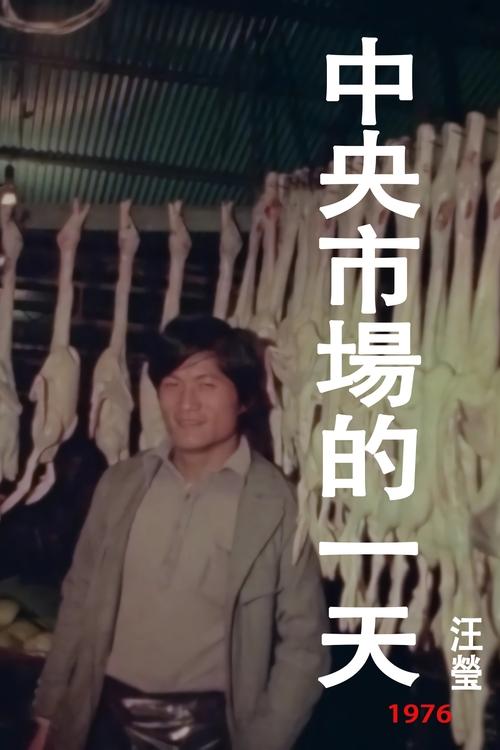
When Taipei is still quiet and asleep, trucks after trucks emerge in the dark with fresh fruits and vegetables, seafood and meat. Intermediate wholesalers' auction chants rise and fall; the Central Market is getting ready to feed the city's population. The film offers a glimpse into the lively hustle and bustle of the Market in the 1970s, but was likely banned from broadcast due to its perceived display of the unhygienic conditions.
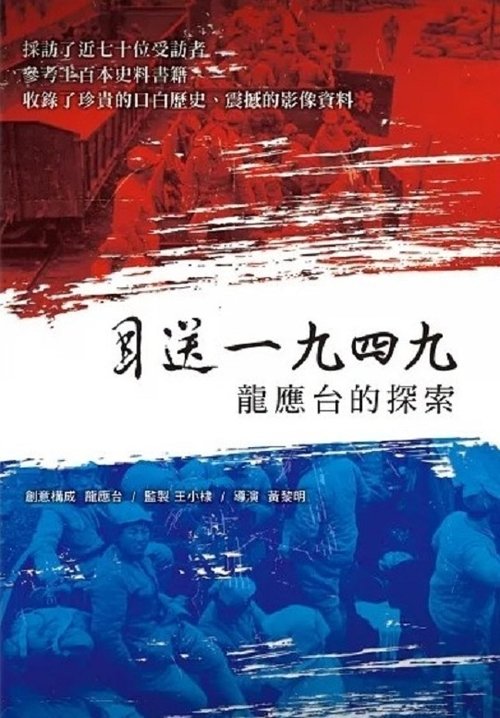
Taiwanese writer and social critic Long Yingtai spent the last decade undertaking an ambitious project to record the untold stories of the Chinese Civil War that culminated in the Kuomintang's 1949 retreat to Taiwan. Based on her research as well as first-hand experiences collected through interviews, Long wrote the book "Big River Big Sea 1949," and, with the help of producer Wang Shau-di and director Huang Li-ming, also created this companion documentary. The film chronicles her yearlong journey visiting war survivors scattered throughout Taiwan, Hong Kong, and various places in mainland China, preserving a generation's precious memories in the form of a vivid oral history.
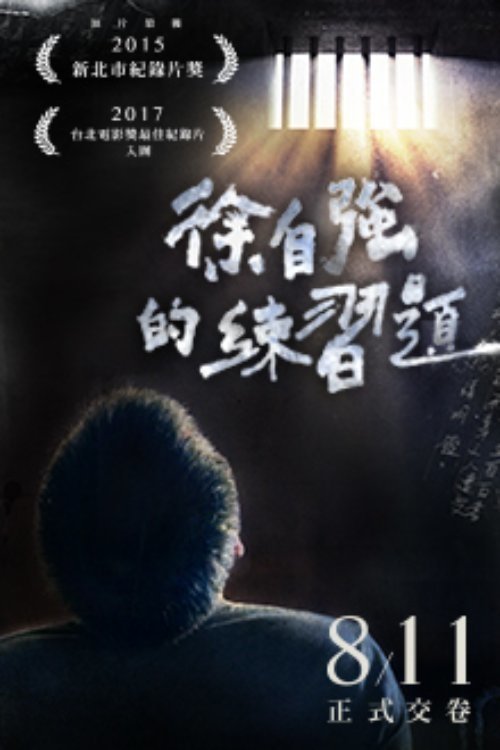
HSU Tzu-chiang was pronounced guilty and sentenced to death in a 1995 kidnap and murder case despite the lack of forensic evidence. After a 16-year effort by NGOs, HSU was released with a life sentence in 2016. Now he continues to fight to prove his innocence. Director Chi has been documenting Hsu's story since 2012. The journey brought Chi face-to-face with the shortcomings of human society and inspired his investigation into why the judicial system failed HSU.
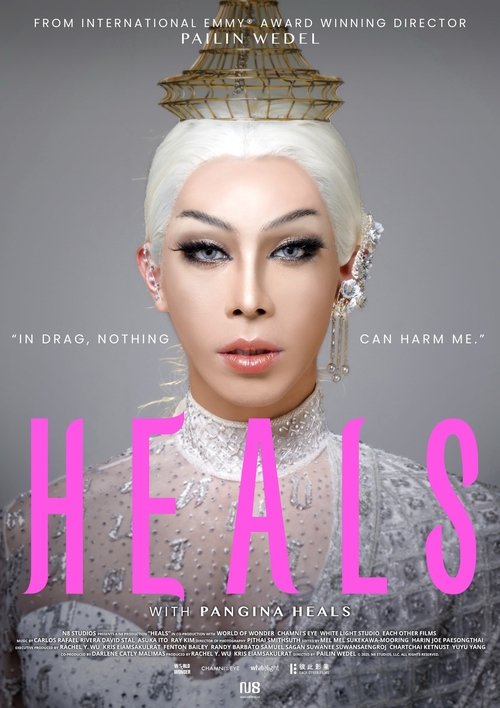
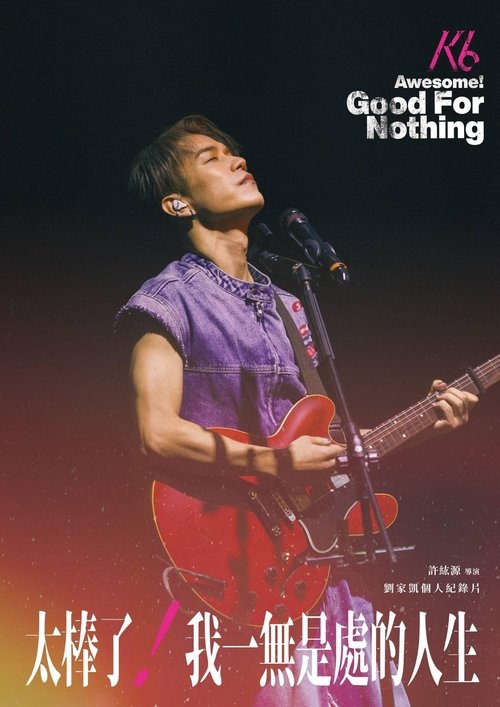
Heals traces the rise of Pangina Heals, from a childhood shaped by intergenerational trauma and a conflicted relationship with his alcoholic mother to becoming Asia's first drag queen with a Vegas residency.
Five Taiwanese teenagers, faced with sweeping and untested educational reforms in 1996, revealed their dreams in the CommonWealth Magazine documentary "A Generation Freed." Their lives were then revisited in 2006 in the film "A Generation Freed - 10 Years Later" to see how the more liberal education system had affected them. Now, another decade later, we find out in "A Journey of 35" if indeed they were able to chase their dreams and if their horizons have grown brighter with adulthood or become more cynical.
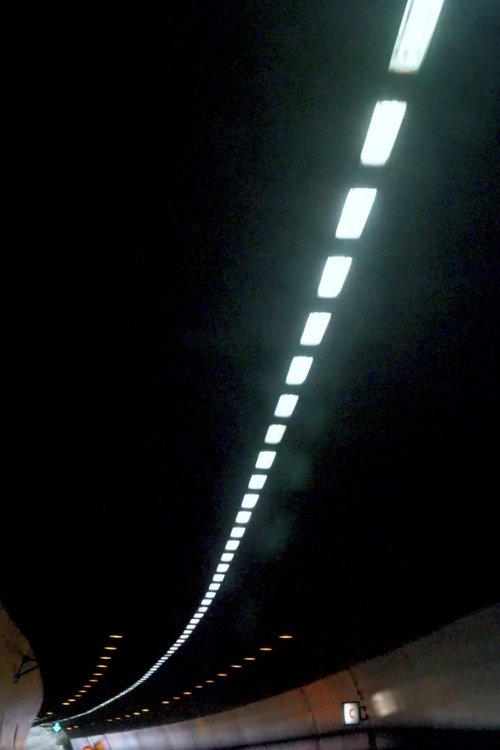
Directed by artist and filmmaker Tiffany Sia, The Sojourn (2023) imagines a restless landscape film in Taiwan. Visiting scenic locations shot by King Hu, the short experiments with the road movie genre and its intersection with the martial arts epic. Sia meets actor Shih Chun, who played the protagonist in Hu’s Dragon Inn, Touch of Zen and other wuxia films, as he guides the quest to re-encounter the iconic landscapes where Dragon Inn was shot. He advises on the perfect conditions of mist and weather. Yet, in the journey through the mountains of Hehuanshan, the sublime landscape of King Hu remains ever elusive. She later visits the elementary school of Indigenous filmmaker and principal Pilin Yapu of the Atayal tribe. Absent of conventional subtitles, the essay film employs text burned into the center of the frame as a mode of translation, sometimes refusing total disclosure. – tiffanysia.com/glossary/the-sojourn
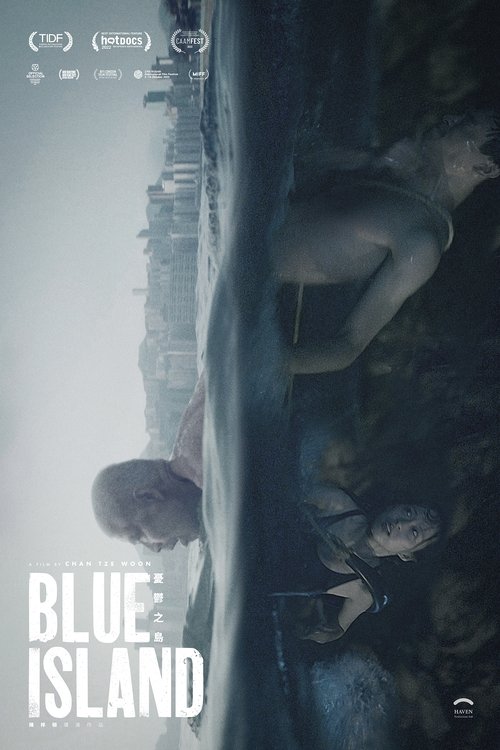
Although the Chinese government promised that Hong Kong would retain separate status until 2047, in recent years the Chinese state has consolidated its power over the metropolis. Large-scale protests by the populace have been brutally suppressed. This mix of documentary, fiction, and visions of the future reveals the current state of desolate depression among the people of Hong Kong. “A desperate attempt to capture the final moments of a sinking island”, as maker Chan Tze-woon himself puts it.

In 2009, a DNA test report that "does not rule out the possibility" turned Chen Longqi from a witness to a defendant. After he was found guilty, he began to flee, fearing that he would not be able to clear his grievances in prison. Fortunately, four years and thirty days later, he met a judge who was willing to investigate again, and finally changed the verdict to not guilty. But from guilty to innocent, what he saw in front of him was the ruin of his career, heavy debts, the mental panic of long-term escape and hiding, and many people who wanted his help and were also suffering from unjust cases...
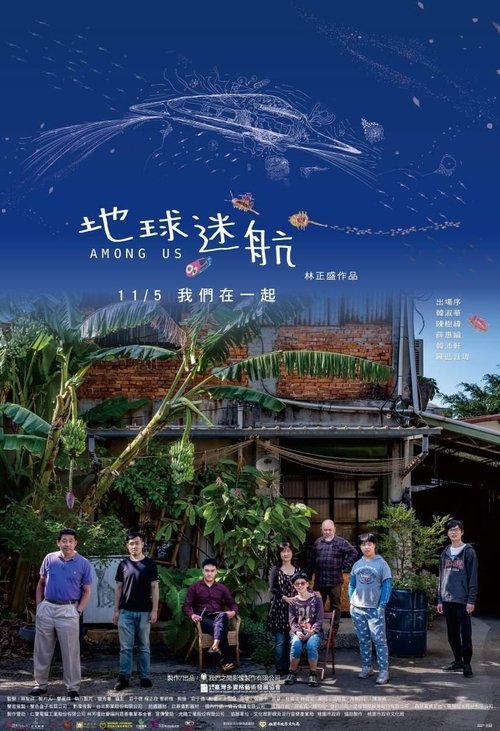
In 2010, director Lin Cheng-sheng made Twinkle Twinkle Little Star, a documentary about autistic children and their teacher Han Shu-hua, who taught her young charges to express themselves through art. In this moving follow-up, Lin once again follows Han, who has since founded a shelter institute where autistic children can nurture their talents in painting and music. Because of their inability to effectively communicate their emotions and thoughts, people with autism can often be treated like outsiders. To inspire empathy for them, Lin made this moving documentary that embraces the diversity that these talented individuals and their stirring works of art bring to our lives.

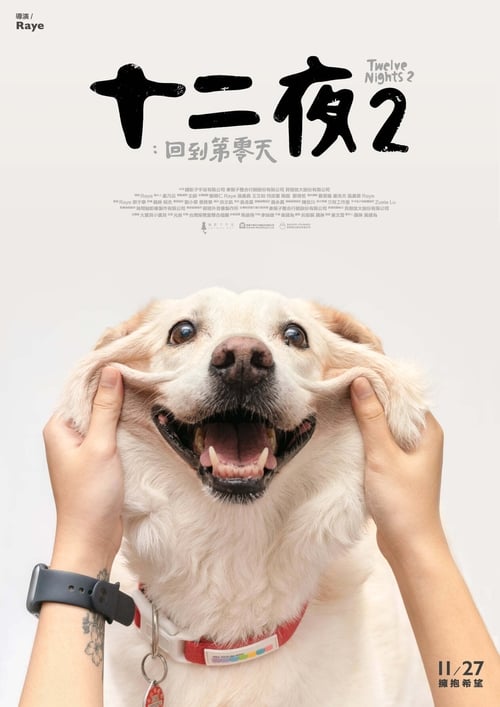
In 1996, Dr Wen's son, committed suicide in their home in Iowa City. Devastated, Dr Wen moved to Miami and years later would treat a young boy from Peru with cancer named Sebastian. Sebastian's optimism inspires Dr. Wen as we follow this inspiring story of youth and compassion.
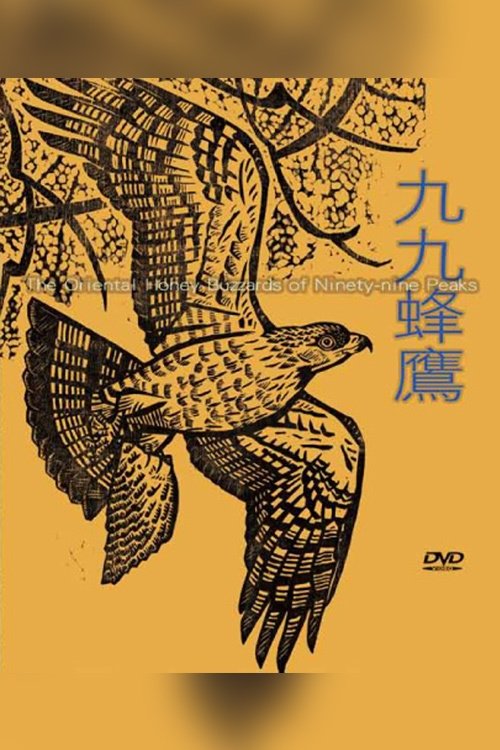
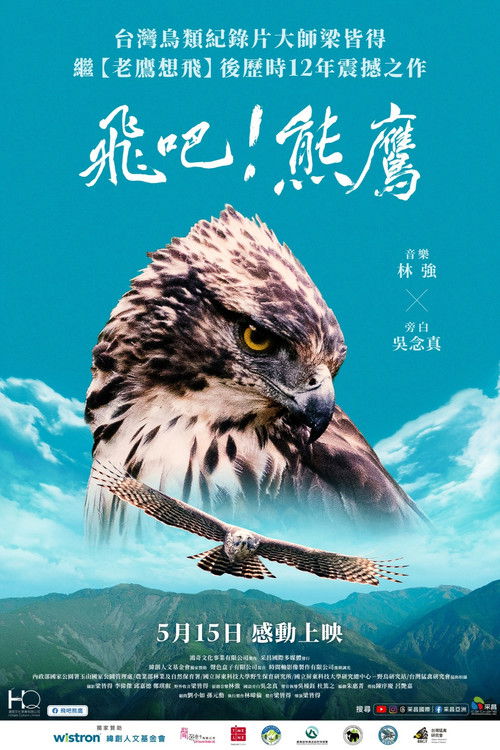
Oriental Honey Buzzard (Pernis ptilorhynchus) is one of the raptors in Taiwan that specifically builds their nests in “ferns”. While other buzzards migrate between cold northern continent and warm southern islands, they prefer to propagate in Taiwan. Ninety-nine Peaks is their major habitat. With different feather colors, this species can only be distinguished from other birds by their long narrow beak and sharp claws. However, it is certain that all oriental honey buzzards love to eat pupa of bees. The Oriental Honey Buzzard of Ninety-nine Peaks is a documentary produced by Raptor Research Group of Taiwan and published by Forestry Bureau, Council of Agriculture Executive Yuan in 2011. This film not only was nominated in the 34th Montana International Wildlife Film Festival but also won the first –run film in the National Ecological Film Festival and the Best Animal Behavior Award at the 2011 Japanese Wildlife Film Festival.
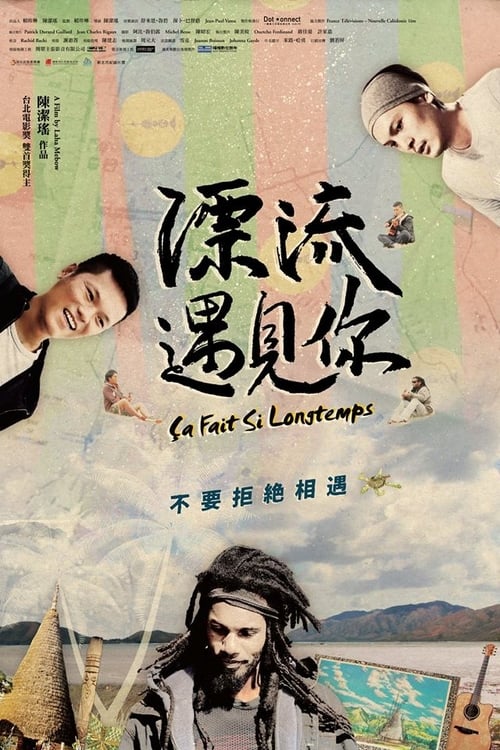
Is it possible that a group of people share our culture and fate, but are drifting in another part of the ocean? Taiwanese aboriginal musicians, Suming and Baobu, are invited to New Caledonia for a month of musical exchange. They lived with local Kanak musicians, playing music and sometimes composing together. In the end, they all found that the secret to innovation and globalization is to re-discover one’s own cultural roots.
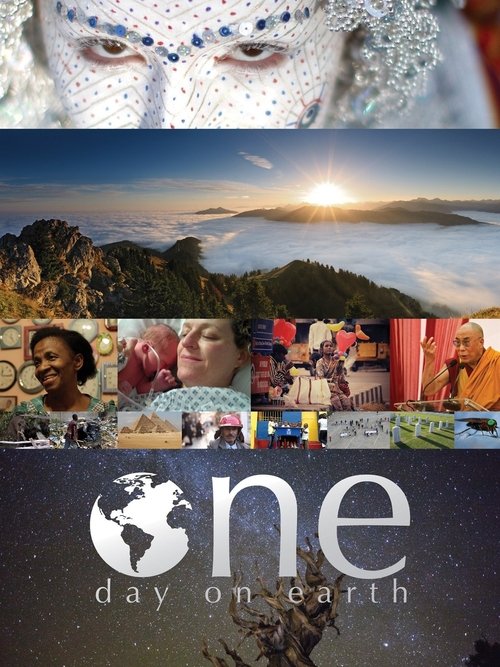
Recording a 24-hour period throughout every country in the world, we explore a greater diversity of perspectives than ever seen before on screen. We follow characters and events that evolve throughout the day, interspersed with expansive global montages that explore the progression of life from birth, to death, to birth again. In the end, despite unprecedented challenges and tragedies throughout the world, we are reminded that every day we are alive there is hope and a choice to see a better future together. Founded in 2008, it set out to explore our planet's identity and challenges in an attempt to answer the question: Who are we?
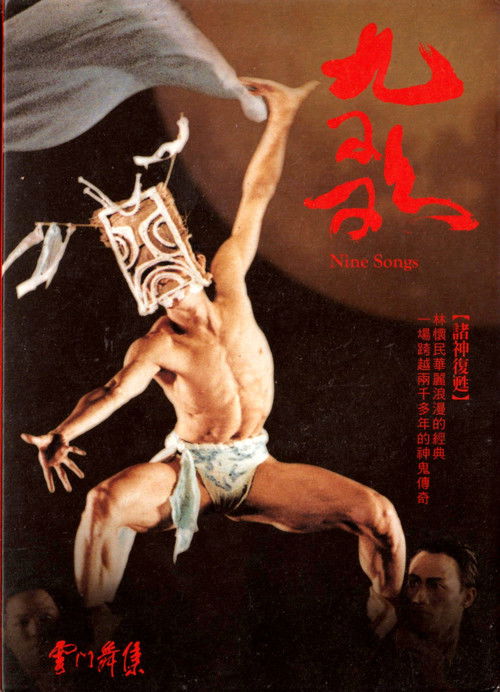
This dance film presents Nine Songs as reimagined by Lin Hwai-min and performed by Cloud Gate Dance Theatre of Taiwan, directed for screen by Chang Chao-Tang. Drawing on ancient ritual poetry, the work evokes prayers to heaven and earth, spirits and ancestors, as well as love and mourning. Masked gods and human figures move together in a ceremonial structure, staging a timeless vision of human experience. Premiered in 1993, Nine Songs became one of Cloud Gate’s most important works. A studio fire in 2008 nearly caused the piece to be lost, but a surviving ceremonial mask remained as a trace of its legacy. This film records the production before the fire, preserving its original form. Moving across layered time and space, the choreography creates a powerful, immersive atmosphere. Through moments of wonder, grief, and ecstasy, the work unfolds toward a state of clarity and quiet transcendence.

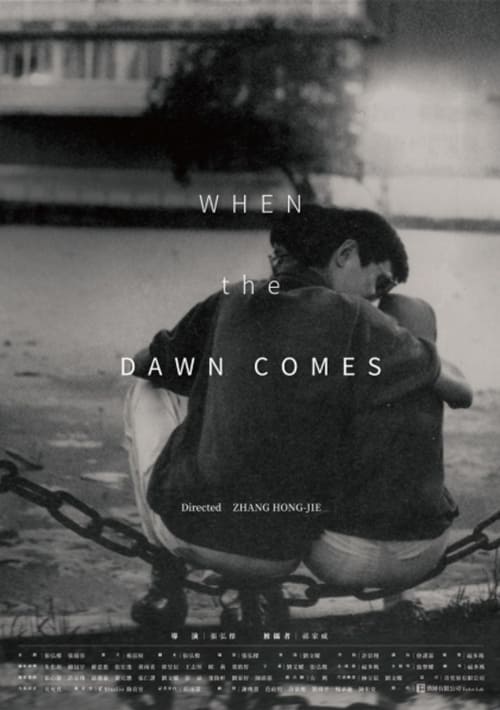
Chi Chia-wei used to give away condoms during the 80s while dressing as Snow White, Jesus or the mummy. His activism received attention from the media and suffered discrimination from the general public. As a volunteer striving to make more people understand AIDS, he organized a press conference at which he came out, becoming the first person in Taiwan to do it. In 2017, a constitutional ruling made him a hero in the gay community. A 30-year struggle seemed to reach its final destination or a new starting point
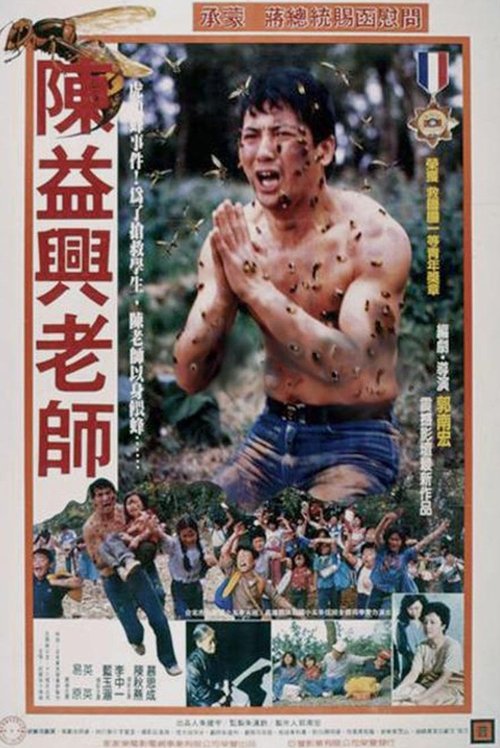
A teacher Chen Yixing, with a group of elementary school students outdoors, was attacked by hornets. In order to save the emergency, Teacher Chen took off his coat, covered the hive, and screamed for everyone to run, and finally martyred.

A Chip Odyssey features interviews with over 80 key figures who witnessed and shaped the development of the semiconductor industry — from the first generation of engineers and female factory workers, to policymakers and technology veterans, and today’s young engineers facing new crossroads. This feature-length documentary chronicles how Taiwan built its semiconductor industry from scratch and transformed it into a global technological force, capturing a vital and transformative chapter in the island’s modern history.