111 Matches Found

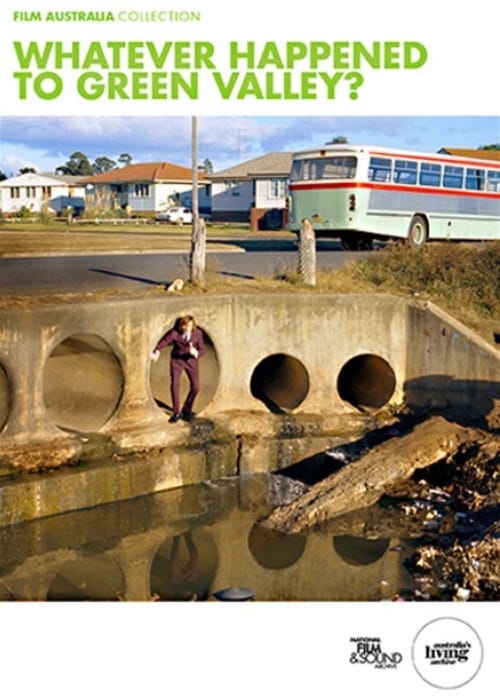
Whatever Happened To Green Valley?

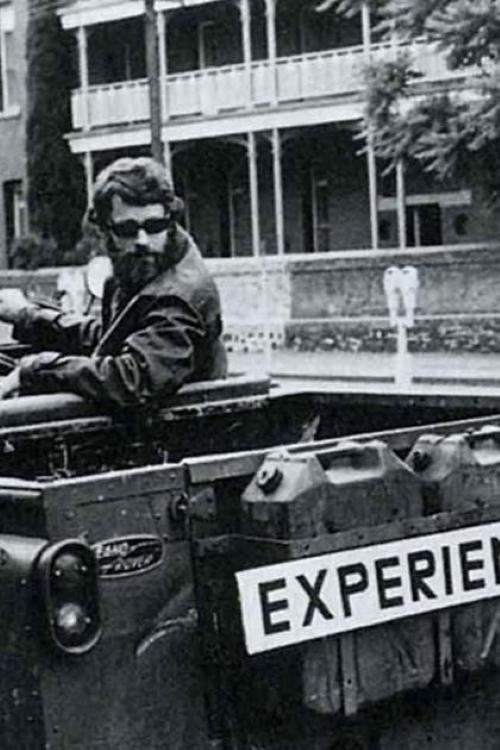
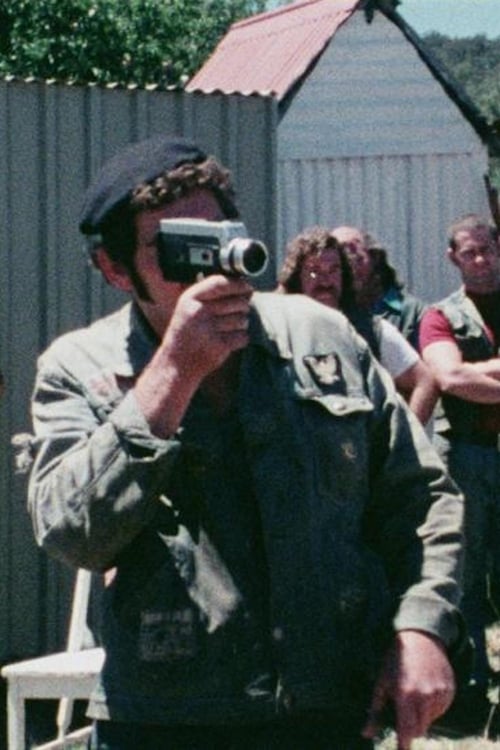
Green Valley was a housing commission estate in western Sydney, much maligned by the media of the day. The residents were hurt by the criticism but lacked access to the media to respond. Supplied with equipment by Film Australia, they used this film to present a different image of themselves and their daily lives. In so doing, they answered the question of "Whatever happened to Green Valley?" The core of this film is the work of half a dozen residents, co-ordinated by acclaimed filmmaker Peter Weir in one of his earliest film projects. Weir also acts as the moderator at a public forum that is included in the film.

Whatever Happened To Green Valley?

5.0 1974
Smashing Kids

Children growing up in poverty is the subject of Smashing Kids, 1975. John Pilger meets the Hopwoods, of Liverpool, where hunger has become a way of life during father Harry’s unemployment as his family of five survive on £1 a day. The wallpaper in their council house is torn and there are no clothes in the couple’s wardrobe and no sheets on their bed. The family have never had a holiday and Harry tells Pilger: “It would be easier to serve time than to put up with this.”

Smashing Kids

0.0 1975
Lalai Dreamtime

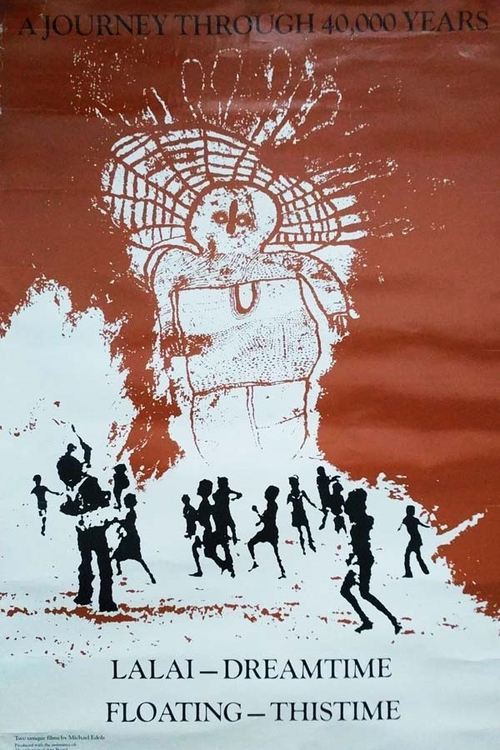
Lalai Dreamtime takes the viewer into pre-settled Australia to show a myth from the spiritual tradition of the people. It is the story of Namarali, as presented by Sam Woolagoodja to his son Stanley and his granddaughter Kerry. Namarali is the law-giving 'Wandjina' of the Worora people who, along with him, have many other such Wandjinas. The 'Wandjinas' are ancient creators whose presence is real in the painted imprints of cave walls and in the shape of specific land formations. The film shows the importance of the Dreamtime in the Aboriginal culture.

Lalai Dreamtime

5.0 1972
Independence for Fiji

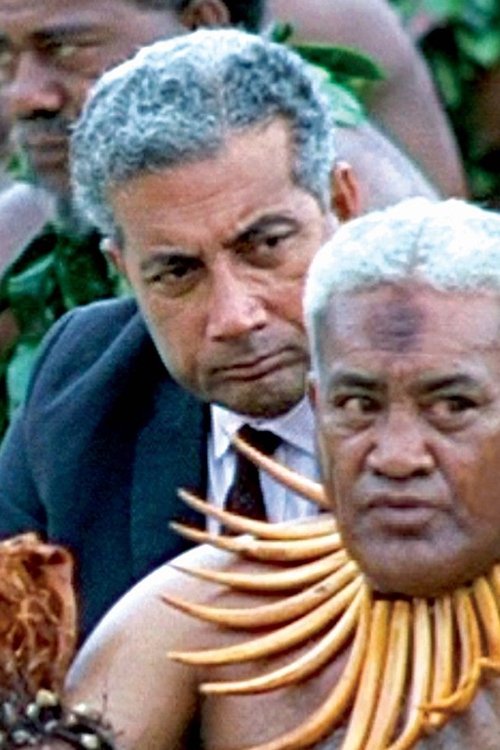
After 96 years under British rule, in 1970 Fijian independence was restored. In the centre of celebratory events was HRH the Prince of Wales. This film provides a record of the official ceremony on 10 October that saw the handover of the constitutional instruments. It includes the reading of a message from Her Majesty the Queen by the Prince of Wales and the official speech by the Prime Minister Ratu Sir Kamises Mara in which he talks about the determination to build a strong, united Fiji, rich in its diversity. The film also depicts ceremonies and performances from the various cultural groups that comprise the people of Fiji. Finally, we follow Prince Charles to the places he tours which include the old capital, Levuka, as well as Taveuni, Savusavu, Nadi, Tavua, Labasa and Lautoka.
Independence for Fiji

0.0 1970
Mr Nixon's Secret Legacy

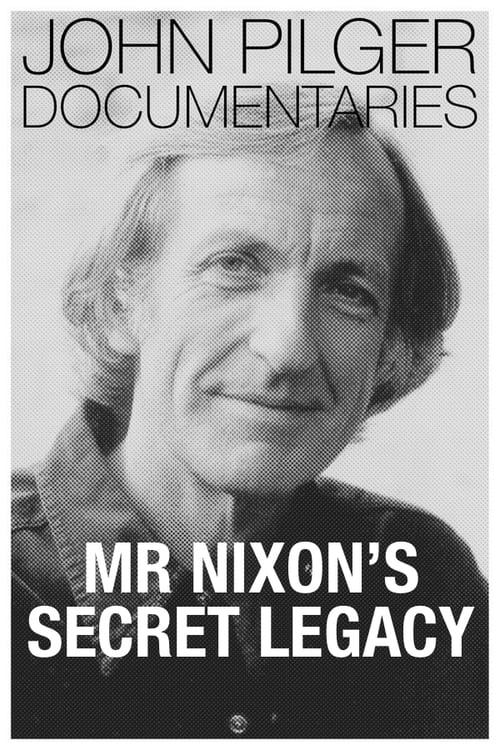
American defence policy under Gerald Ford, successor to a disgraced president, is the subject of Mr Nixon’s Secret Legacy. John Pilger says that military thinkers in Washington are for the first time “thinking the unthinkable” and Strategic Arms Limitation Talks with the Soviet Union announced by Ford and Henry Kissinger are “no more than a sham”. Before resigning over Watergate, President Richard Nixon had given Pentagon generals a flexible strategy that would blur the distinction between conventional and nuclear warfare.
Mr Nixon's Secret Legacy

0.0 1975
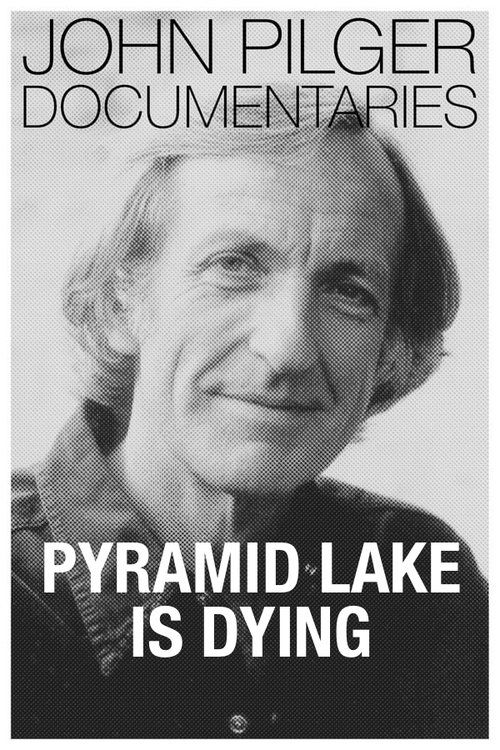
Pyramid Lake Is Dying

The second of John Pilger’s three 1976 documentaries made in the United States. In Pyramid Lake Is Dying, he reports on the demise in the culture of native Americans and the stealing of their resources. Pyramid Lake, in Nevada, home to the Paiute peoples and once described as “one of the few remaining unspoiled natural wonders in the American West”, is drying up and its fisheries and wildlife disappearing due to changes to the local ecology made by white settlers. In addition to their natural resources, the Paiute peoples' culture and lifestyle are also under threat.

Pyramid Lake Is Dying

0.0 1976
Good-bye Old Man

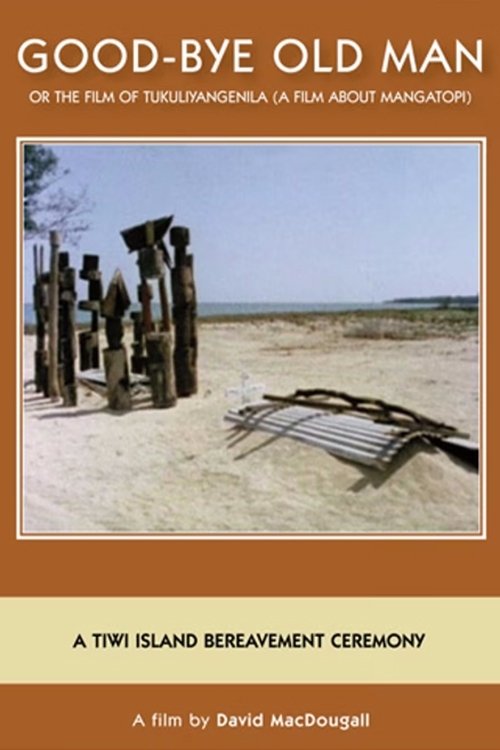
At the request of a dying Tiwi man and his family on Melville Island, this film was made of the pukumani (bereavement) ceremony to follow his death. The film observes the family through the long period of preparation for the ceremony, following age-old traditions. Dancing and face-painting are rehearsed, to the family’s satisfaction, and because “things should be right for this film”. For the two days of ceremony, the community moves to Carslake Beach where a smoking ritual is held to protect the participants from spirits. The cemetery poles are erected, traditional dances are performed along with personal dances by family members. Facial and body decoration is elaborate and spectacular. After saying a final farewell to the old man, the community and the family leave the Beach and return to the village where routine life resumes.

Good-bye Old Man

0.0 1977
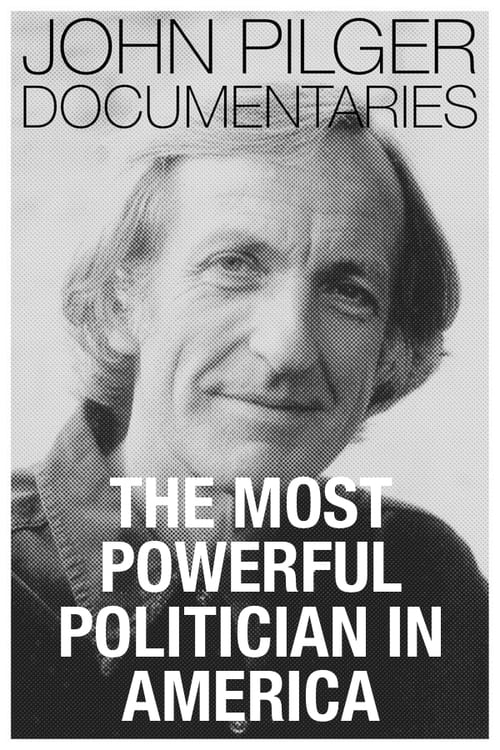
The Most Powerful Politician in America

Alabama governor George Wallace made his name as a segregationist remembered for standing “in the schoolhouse door” of the University of Alabama in 1963 in an attempt to stop the enrolment of black students. John Pilger subsequently interviewed Wallace on the campaign trail during two general elections.During the second, in 1972, Wallace was shot in an assassination attempt, leaving him paralysed and in a wheelchair. In The Most Powerful Politician in America, made in 1974, Pilger looks at the likelihood that a reinvented Wallace will run for the White House two years later, manipulating contemporary American passions and exploiting his influence in the powerful “Dixie” states controlled by the Democratic Party.

The Most Powerful Politician in America

0.0 1974