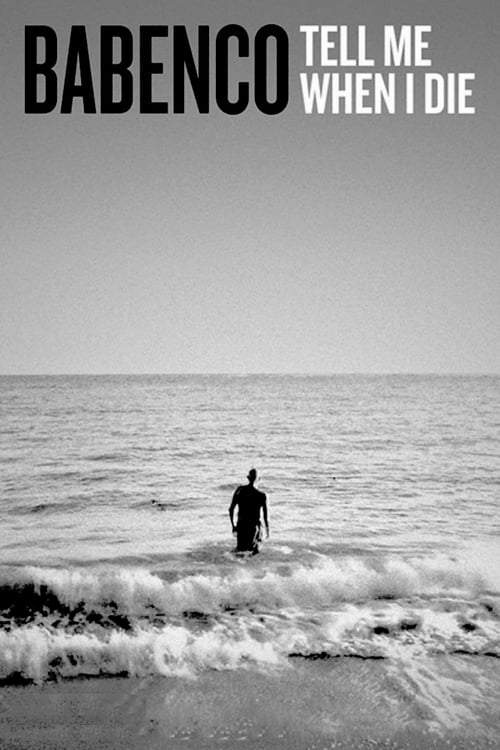
Besieged by cancer and nearing the end, the genius Argentine-Brazilian filmmaker Héctor Babenco (1946-2016) asks Bárbara Paz, his wife, for one last wish: to be the protagonist of his own death.
Babenco: Tell Me When I Die
7.1 2020
401 Matches Found
Besieged by cancer and nearing the end, the genius Argentine-Brazilian filmmaker Héctor Babenco (1946-2016) asks Bárbara Paz, his wife, for one last wish: to be the protagonist of his own death.
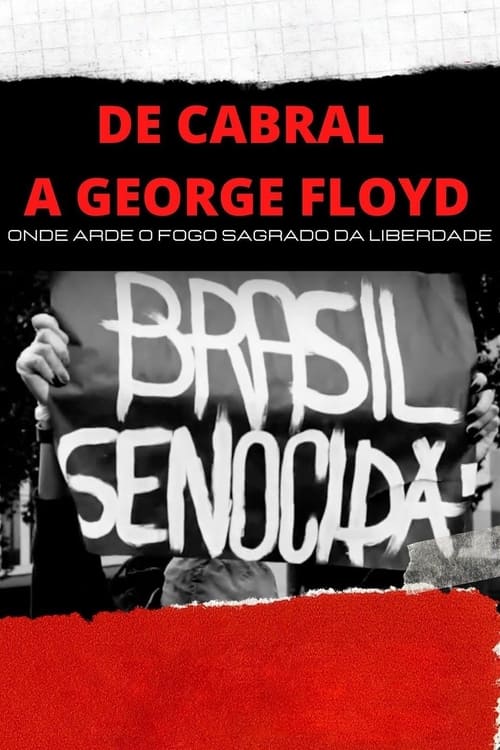
Through clippings, the film draws a narrative line between the construction of racism in Brazil and the United States, having as base the European invasion of the continent, police violence, the genocide of the black people, the massacre of indigenous peoples, religious violence, the criminalization of funk music, structural racism in art and education, the importance of quota policy and the need urgent historical repair as a commitment by the Brazilian state to the black people.
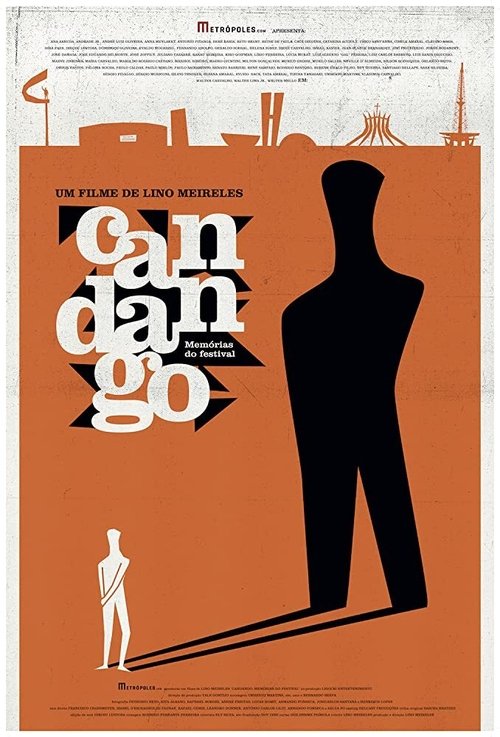
In 1965, a year after the military coup in Brazil, an oasis of freedom opened in the country's capital. The Brasília Film Festival: a landmark of cultural and political resistance. Its story is that of Brazilian cinema itself.

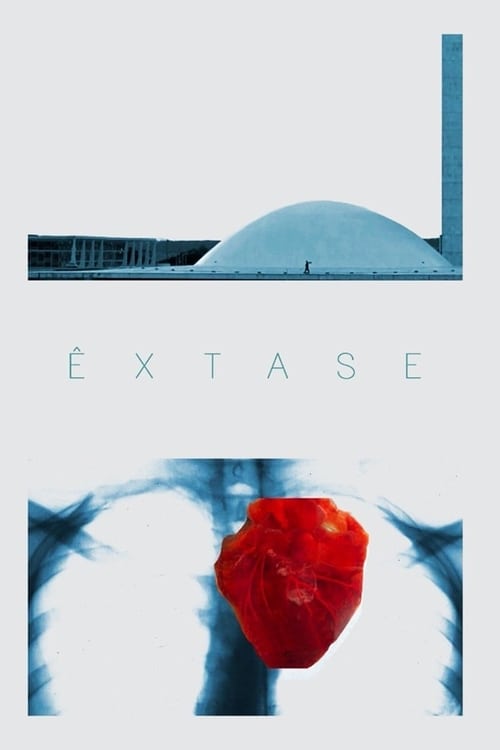
Racked with anxiety in the chaotic political landscape of 1990s Brazil, Clara finds solace in starving herself, experiencing both rapture and torture. In this elliptical non-fiction film, anorexia becomes a way for Clara to challenge womanhood and find a place in an uncertain, surreal, and brutal world.
La Planta's team travels to Uruguay, the first country in Latin America to legalize cannabis, to meet characters who, through their experiences, tell us the trajectory of this plant.
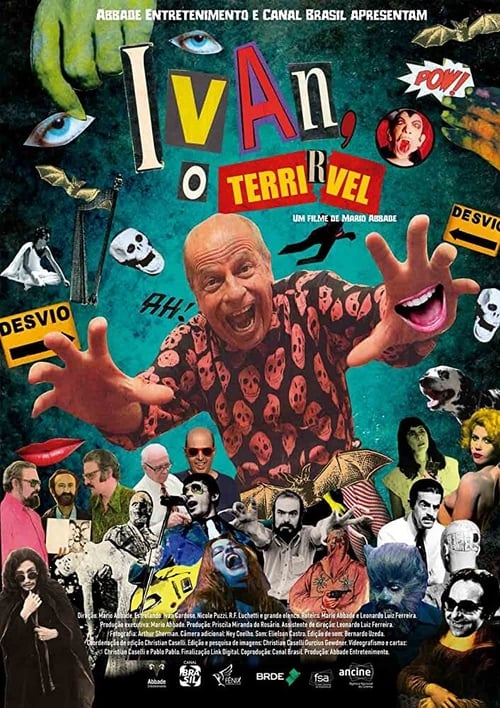
Ivan Cardoso is the inventor of the terrir, a subgenre that mixes comedy, Brazilian chanchadas and classic American horror. This film promotes a rescue of his work by mixing archival material, animations and fictional reconstructions.
.living matter
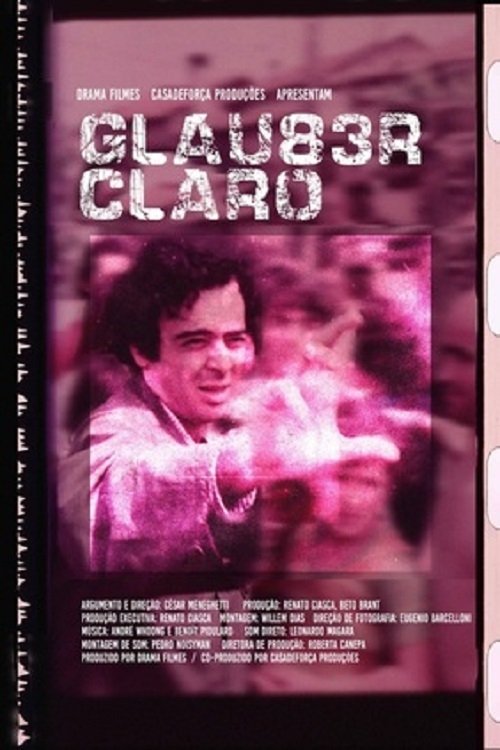
A deep dive into Glauber Rocha's years exiled in Italy in the 70s. Through a collection of interviews and archives, the movie shows the making of his film Claro (1975) and his relation with European auteurs in their filmic and political views.

The changes in Brazilian money bills and how these changes affected the economy and society.
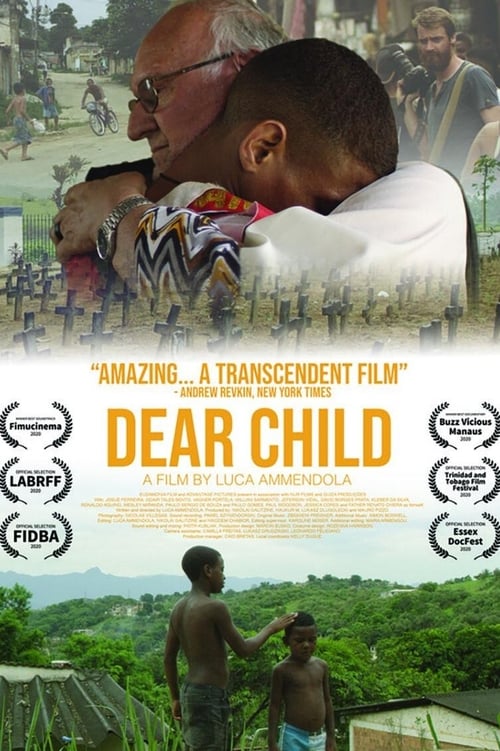
A documentary which follows the lives of children recovering from their involvement with the drug war in Brazil. Set in a rehabilitation centre on the edge of the jungle, Dear Child follows a group of kids who have been rescued from the drug war, as they learn to become children again and not soldiers or drug addicts.
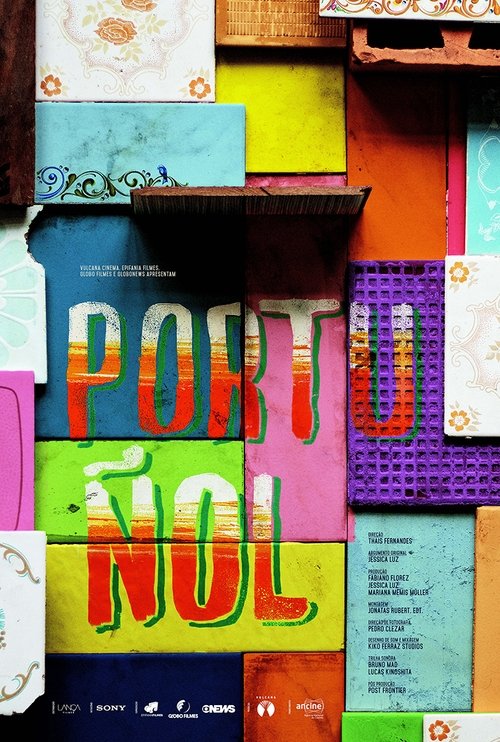
The language that is born from the intersection of cultures, is a pretext to speak of the genesis of Latin America. A road movie that does not seek an answer on the way, but rather to break all possible certainties of what it means to exist at the edges of cultural definitions.
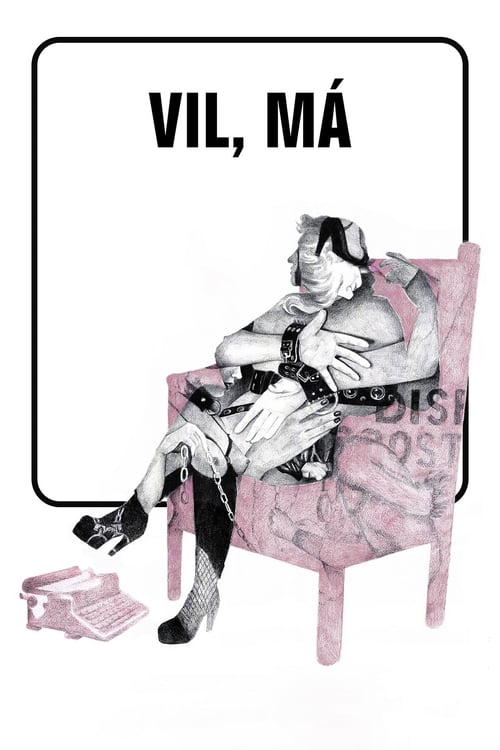
In a salmon-coloured drawing room, a writer of sadomasochist literature now in her seventies narrates her turbulent, sexually explicit life story, once as her pseudonym and once as herself. What makes up a true biography, the real or the imaginary?

Mixing archival footage and interviews with the band and its crew, this film celebrates the 40-year history of legendary rockers Paralamas do Sucesso.

The documentary shows how the Brazilian men's basketball team in the 1980s revolutionized the game with the newly incorporated three-point shot.


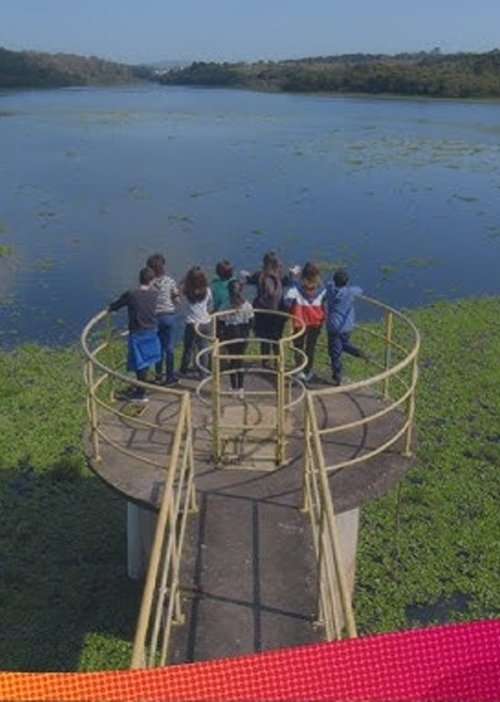
Genuine connections between children and nature can revolutionize our future. But is this discovery still possible in the world's major urban centers? The new chapter of "The Beginning of Life" reveals the transformative power of this concept.

"Nossa História" was the ninth tour of the Brazilian duo Sandy & Junior, held between July and November 2019. The tour marks the reunion of the duo twelve years after their last shows in 2007. The show, recorded in São Paulo, was first released exclusively for Globoplay, and later made available on DVD.

Through Marcelo Perdido's search in the process of researching his album called Brasa, musicians, singers and composers reflect and sing the chapel in silent black and white. When the music stops, what we hear is the cry of the world.
Memories of the Brazilian slavery past overflow into ethereal landscapes and harrowing noises. Through a visual poetic essay, an intimate and sensory journey reflects on the silencing and invisibility of black people in diaspora.

Passionate about the magic of cinema and historically imposed on a place of invisibility, prejudices and stereotypes, how can women challenge, break with oppression, look after precious archives, play remarkable characters, produce and direct successful films? The documentary illuminates the trajectories of dreams, challenges and victories of talented Brazilian women in our audiovisual sector.

The special features 22 real testimonials from people like Mandela, Martin Luther King and Marielle Franco, who fought racism and freedom in favor of justice.
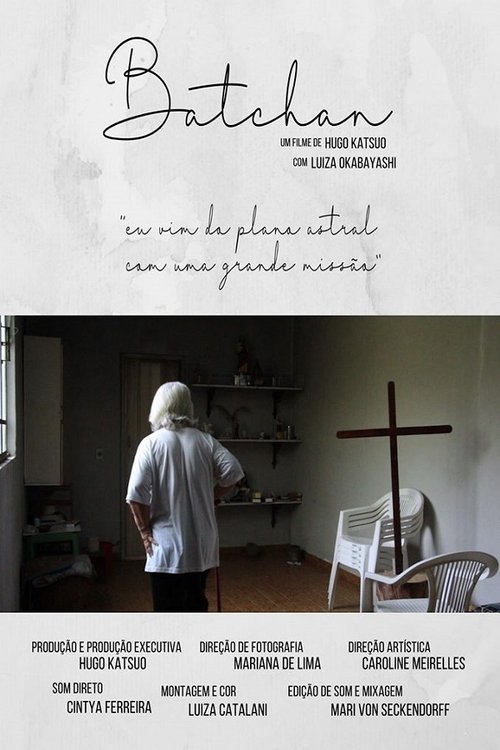
Teachings of an Issei. Advice, spirituality and challenges.

Between scenes from his concert in São Paulo's oft-inaccessible Theatro Municipal, rapper and activist Emicida celebrates the rich legacy of Black Brazilian culture.

Groups of young people from the outskirts of Fortaleza gather for a dance competition: the Swingueira. Inspired by the Bahia pagoda, teams form and, with a lot of swing and determination, seek to emerge victorious in the championships.

Exploring the secrets of China to reveal the beauty of its hidden kingdoms, with unique access to locations across the country.
Stela, a young Brazilian actress, decides to make a work on the letters exchanged between Latin American plastic artists in the 70s and 80s. She travels to Cuba, Mexico, Argentina and Chile looking for her works and testimonies about the reality they lived during the dictatorships that most of these countries faced at the time. In the midst of the investigation, Stela discovers the existence of Ana, a young Brazilian artist who was part of this world, but disappeared. Ana went from southern Brazil, from a small town in the interior to Buenos Aires. Obsessed by the character, Stela decides to find her and find out what happened to her.
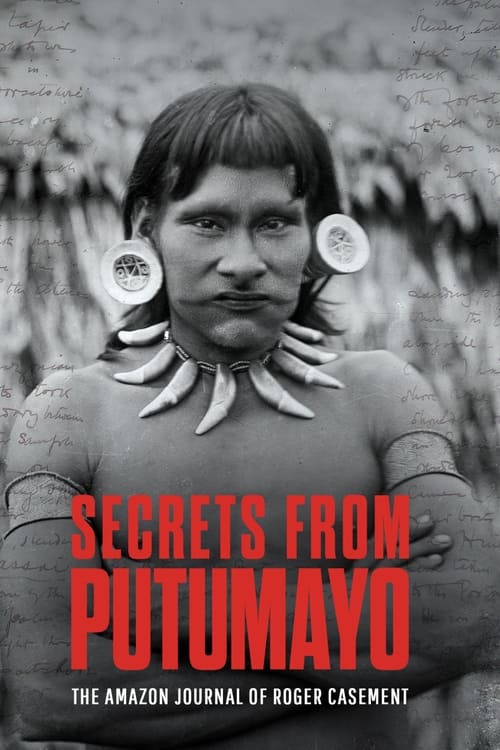
Documentary about the man who is currently considered the father of violation of human rights inquests, Roger Casement (1864-1916). The actions during the time he spent in Africa, Brazil and in his native Ireland still echo in our days.
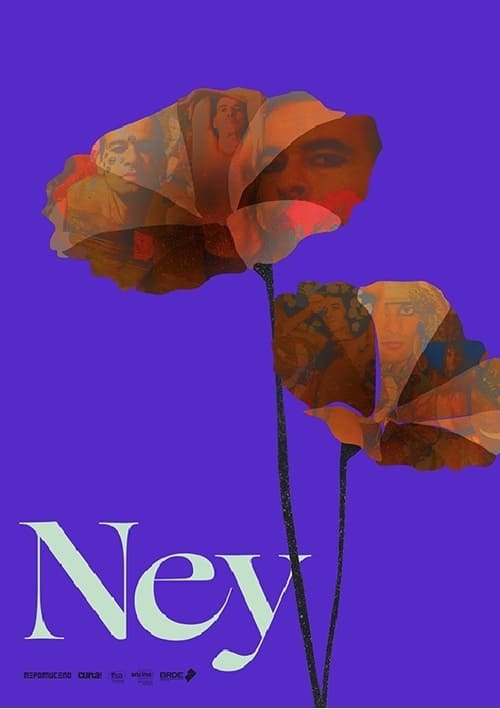
The impact of Ney Matogrosso's performances on his audience and the reverberation of that impact on Brazilian culture, from the second half of the 20th century to the present. An audiovisual anthology, all composed of archival images. The best way to get to know Ney is to be with him on stage.

The documentary O Samba é Primo do Jazz will show the musical trajectory of Alcione Dias Nazareth, the great Brazilian interpreter, from her musical references, her insertion in the world of music and her relationship with family and friends. The biopic brings us closer to a relaxed, fun and matriarchal Alcione with her life and artistic work.
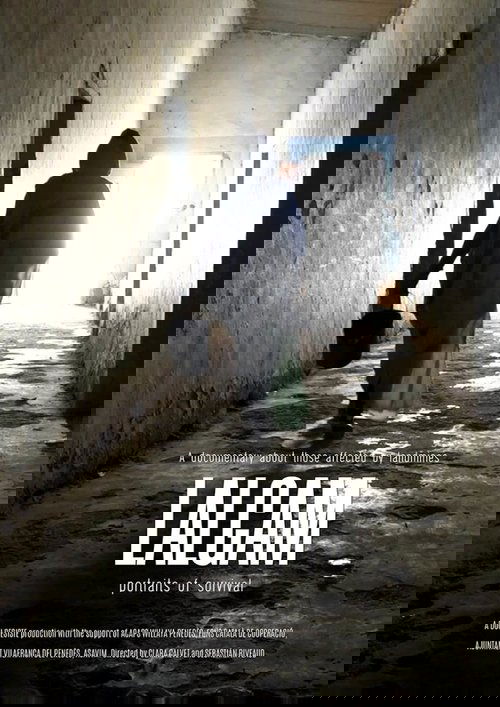
Documentary that denounces the damages caused by the use of land mines in Western Sahara and shows the lives of those affected.
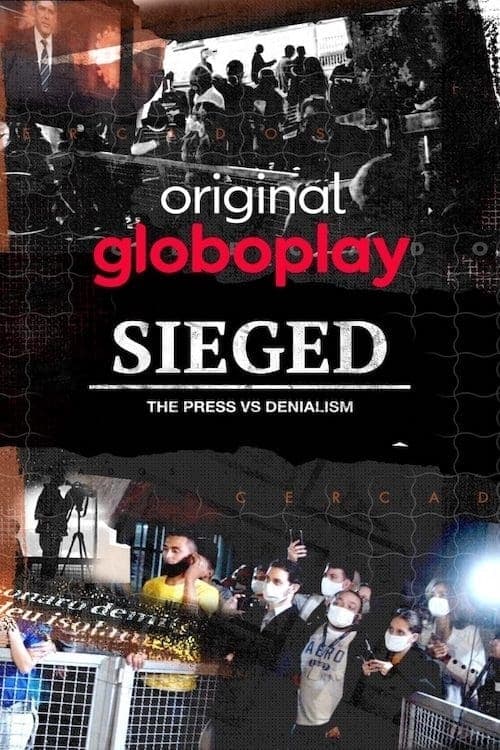
Behind the scenes of news coverage during the pandemic. Follow the work of the professional press in a fight against denialism.
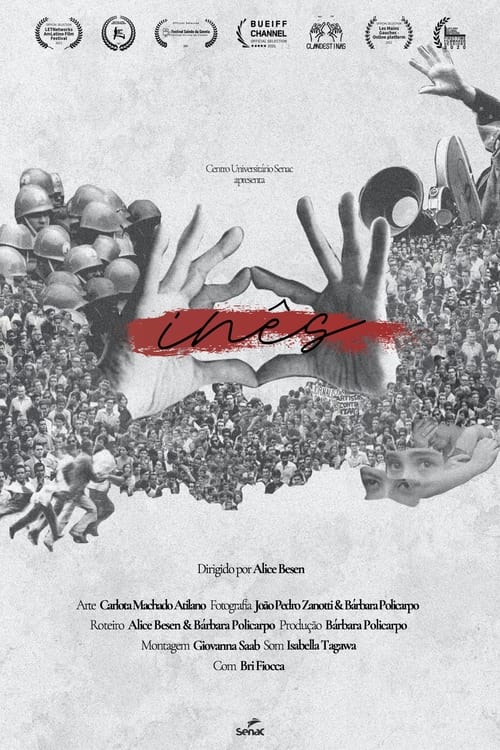
Triggered by congressman Jair Bolsonaro’s homage to the torturer Carlos Alberto Brilhante Ustra, during president Dilma Rousseff’s impeachment hearing in 2016, Inês, a 70 year-old actress, starts a fragmented narrative of her own history, transforming the memories of her youth as an artist and guerrilla fighter during the military dictatorship into performances. Using as a starting point her participation in Teatro Oficina's 1967 production of the play "King of The Candle", by Oswald de Andrade, Inês creates a manifesto in defense of art's political strength, intertwined with memories of lost love and resistance.
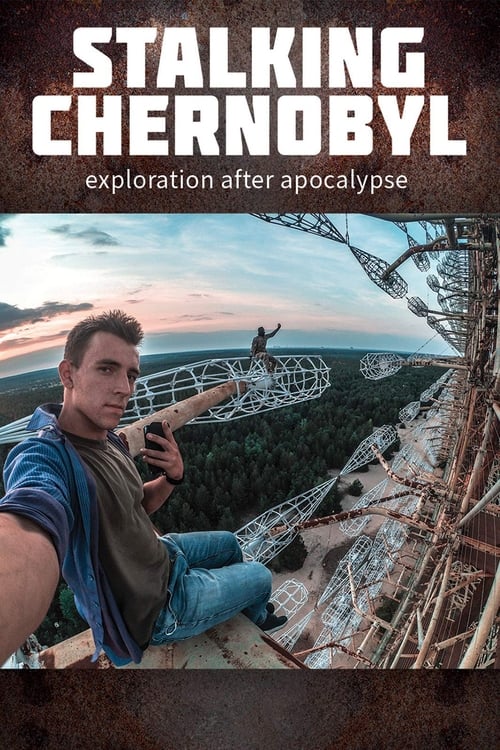
Film examines the underground culture of the Chornobyl Exclusion Zone. Three decades after the world's most infamous nuclear disaster, wildlife has returned in the absence of human settlements. Meanwhile, illegal hiking adventurers known as "stalkers," extreme sports aficionados, artists, and tour companies have begun to explore anew the ghostly, post-apocalyptic landscape.
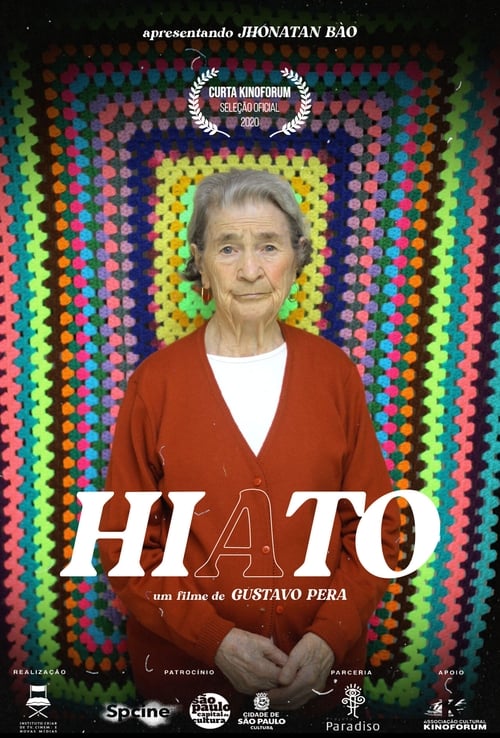
A resident of a ghetto’s neighborhood of São Paulo amid the Covid-19 pandemic, Gustavo has severe anxiety attacks. When he receives a call from a friend who lives in the same street, he reflects different stories of neighborhood residents in parallel with his family's daily life during social isolation.

An audiovisual "Self-portrait", the author's attempt to explore his own mind and reflect how he experiences his particular world.

Through artistic manifestations, a group of LGBTQIA+ people performs public stagings that raise debates on issues of gender, social inequality and prejudice in the streets of downtown São Paulo. Messing with the popular imagination and providing debates, the artists explain their daily struggles to anyone who is interested in acquiring a new perspective on the most subtle layers of intolerance.

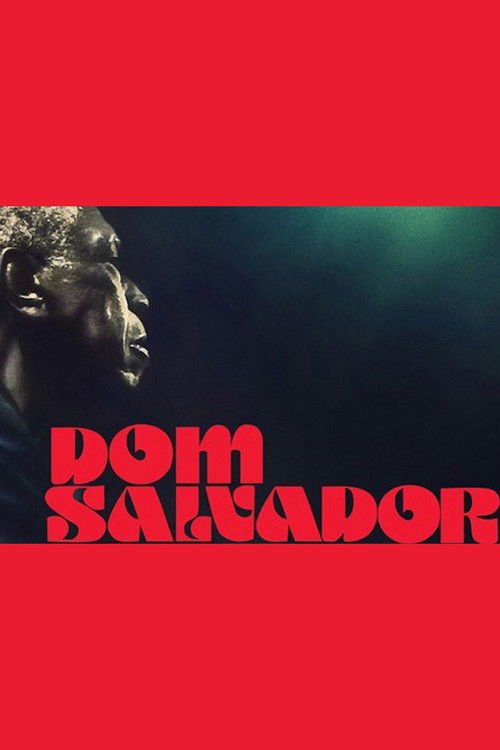
Dom Salvador & Abolição is a documentary about jazz pianist and composer Dom Salvador, who have been playing for 42 years at The River Café in Brooklyn. One of the architects of Bossa Nova in Brazil and a busy studio session musician and arranger, during the 60’s, Salvador played with the country's best. The man who is credited to be the pioneer of many musical styles, a name in more than a thousand records and the leader of the seminal band Abolition. After recording only one album, Salvador abandons a promising and successful journey with the band to pursue his passion for jazz, moving to New York in the early 70’s.
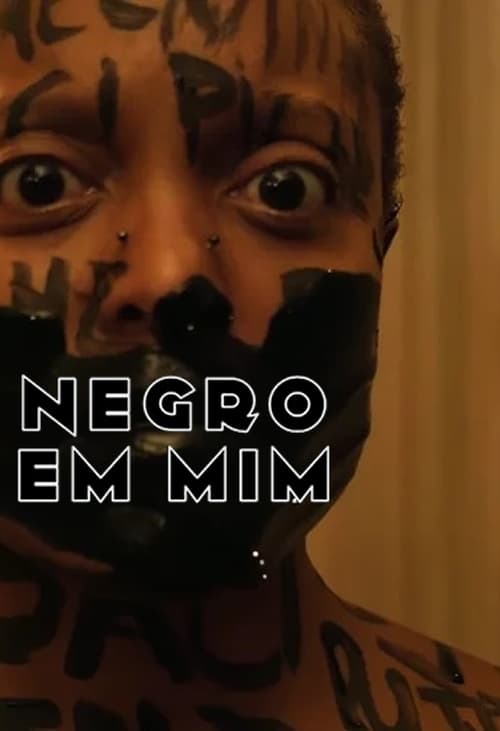
"Negro em Mim" is an investigative documentary with black artists and thinkers in Brazil today. A portrait of a plural Brazil from the racial discussion promoted by a trip to 6 Brazilian cities. What do the Arts have to say about Black Brazil?
In the 70s, a dam and a hydroelectric plant were built in Sobradinho. The government at the time, which was commanded by the military regime, thought that that small town, in the northeast hinterland, would be ideal for the construction, because there would be no resistance from the locals. So, 73.000 people were displaced - it is one of the biggest forced migrations in the history of Brazil. Four cities and dozens of villages submerged. Mrs. Pequenita was the only inhabitant to ever return; there, she lives in a ghost town. She receives the visit of three social agents, who own old videos and photos of the region.
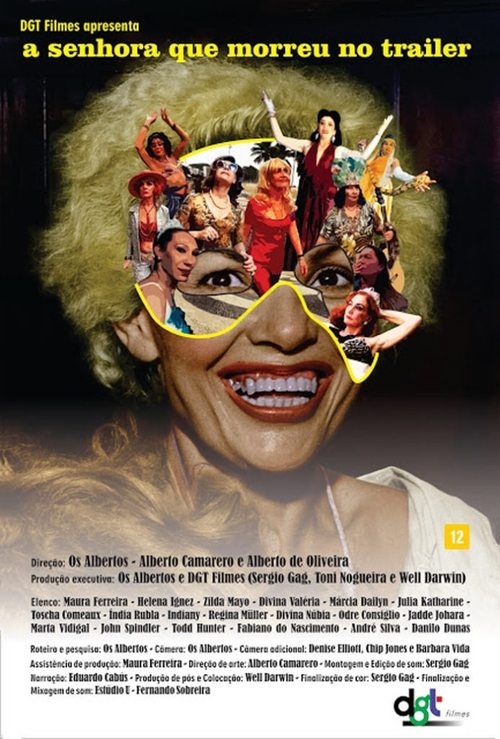
After being born Georgina in the outback of Bahia, she became known as Diva Rios in São Paulo’s Boca do Lixo and Rio de Janeiro’s Lapa, as well as Suzy King in the nights of Copacabana, but died as Jacuí Japurá on the border of the United States and Mexico. Four names for just one woman: fascinating, moody and very creative. Singer, songwriter, actress, ballet, folk, burlesque and exotic dancer, snake charmer and fakir were only some of the artistic endeavors she tackled during her life. Found dead on the trailer where she lived in August of 1985, in California, she left behind stories without conclusion, lost remainings of her troubled trajectory and a trail of mystery. Three decades later, two historians gather fragments of her tale with the goal of piecing together the complex puzzle that was her life. Actresses, singers, musicians and performers join them to rescue the poetic aspects of her unique personality. A question resounds throughout the entire movie: Suzy King, who are you?

Occupation Inc. exposes European businessmen and politicians involved in the economic exploitation of Western Sahara, the last colony in Africa and one of the most militarized, violent, and censored territories in the world.

Apiyemiyekî? addresses the genocide of the Waimiri-Atroari people in 1970s, when during the Brazilian dictatorship indigenous lands in the mid-west were invaded for the construction of the national road BR-174 and the installation of a mining company. Illustrations about the period, created by the indigenous population, including children, reveal a traumatic history, referring us to the present day.
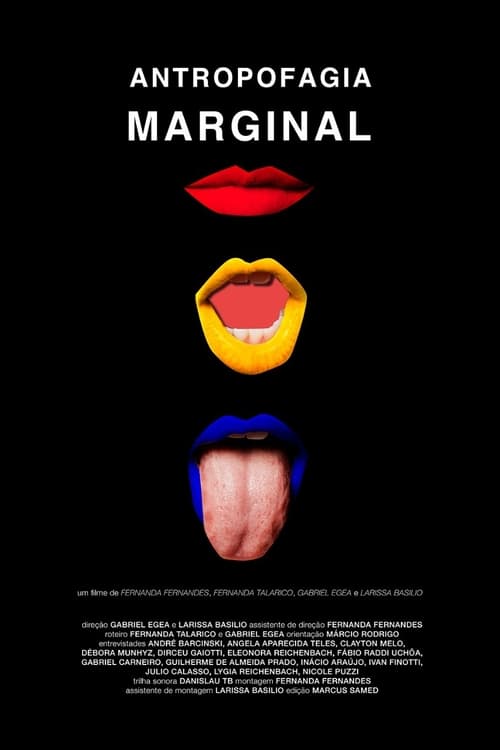
Through a historical-affective reconstruction of the Boca do Lixo region, in São Paulo, the documentary aims to investigate what was the cultural, social and geographic impact that the cinema made there had for the city and for the country during the from the 1960s to the 1980s.
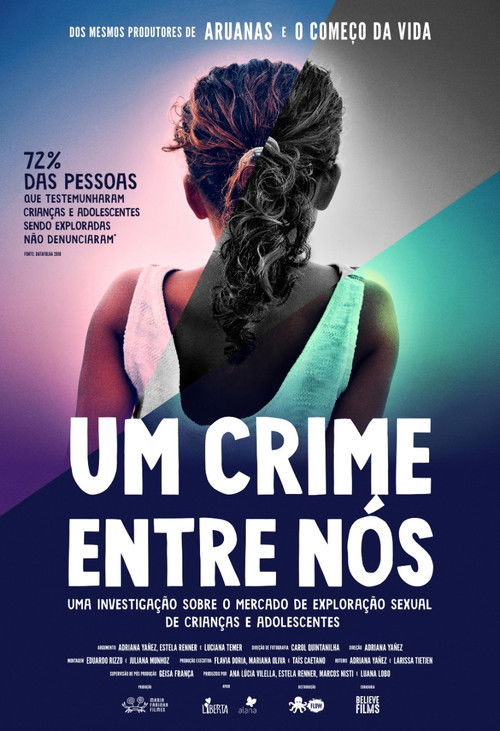

In 1979, while Brazil was going through the troubled moment of the Amnesty Law, Glauber Rocha directed the program Abertura for TV Tupi, in which he interrogated a contradictory and boiling Brazil head-on, full of utopias but always under the weight of secular wounds.

"Todas as Melodias" is a sensible journey throught the life and works of one of Brazilian music's biggest artists, Luiz Melodia. Featuring archive footage that goes back to the 1970s, the film presents the musician's cronology from his youth in the neighborhood of Estácio, Rio de Janeiro to his estabilished success.
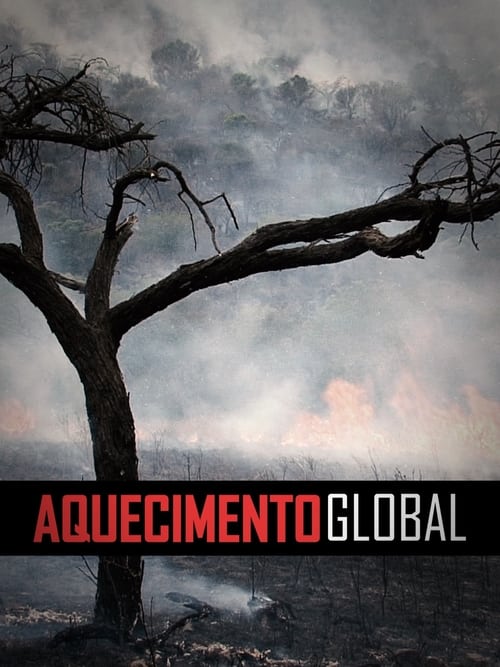
How far does your participation in global warming go? What is the real X-ray of the ongoing climate changes, and how can we—if at all—reverse the path we are all on? You’ll find these answers in “Global Warming”, a work featuring sixteen Brazilian experts discussing, detailing, and contextualizing climate change and its effects worldwide, especially in Brazil.

How to exist in a sexist and listening structure? Gabriela, Celma and Klicia, three deaf women with different realities, share their struggles and trajectories in the deaf feminist movement.

Murilo Peres and Pedro Barros get a once-in-a-lifetime pass to roll on the fabled curves of some undisputed masterpieces of modern architecture. Oscar Niemeyer remains one of the most important architects in modern history. The Brazilian visionary, who died in 2012 aged 104, elevated modern architecture beyond the realms of function and created buildings that are works of art and express the highest attributes of humanity. His work with reinforced concrete in particular created new architectural forms and possibilities, eschewing the tyranny of angles to create waves and swooping arches of such soaring beauty that they represent nothing less than physical poetry.
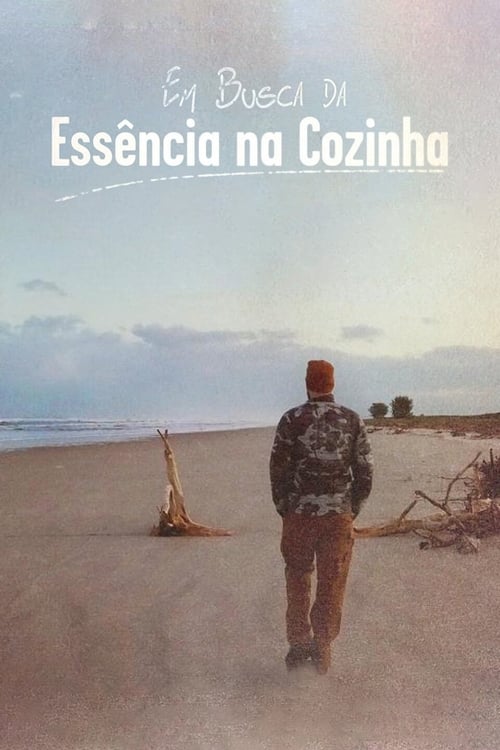
Chef André Mifano goes out in search of characters who keep alive old techniques of obtaining products such as pork in the can, seine fishing, fish brine and brown sugar. This knowledge that passes from generation to generation inspires Mifano to reflect on what is essential in his kitchen.

Short film by Jorge Furtado, for the "Programa Convida", from IMS, dedicated to creation during quarantine.

A portrait of five people who were important to the filmmaker when he was a child. Apart from a few childhood photos, he himself remains out of the picture. He visits a teacher who used to take care of him, and a gay childhood friend. Their combined stories—about exclusion and terror, but also love—paint a portrait of a small, somewhat oppressive community and a boy who lost his sense of security within it, despite the help he was offered. In his wistful look at the past, Barreto transcends his personal experiences; anyone can identify with his bittersweet journey.

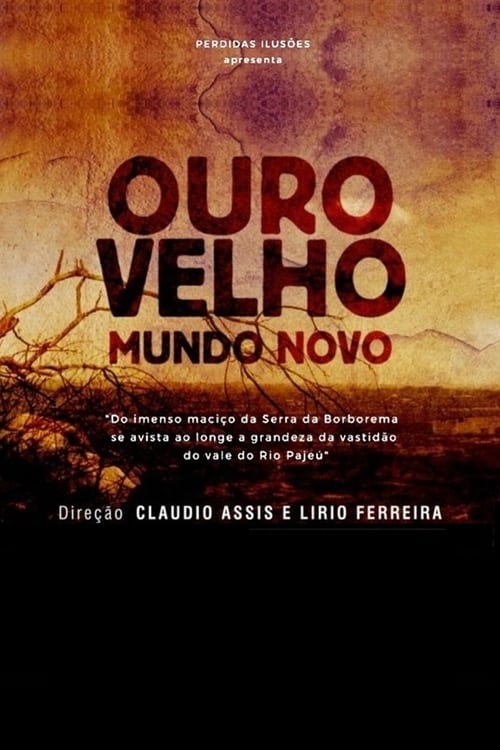
Filmmakers Cláudio Assis and Lírio Ferreira go on a journey through the frontier between the states of Pernambuco and Paraíba, Brazil, to show the importance poetry holds in local culture.