171 Matches Found

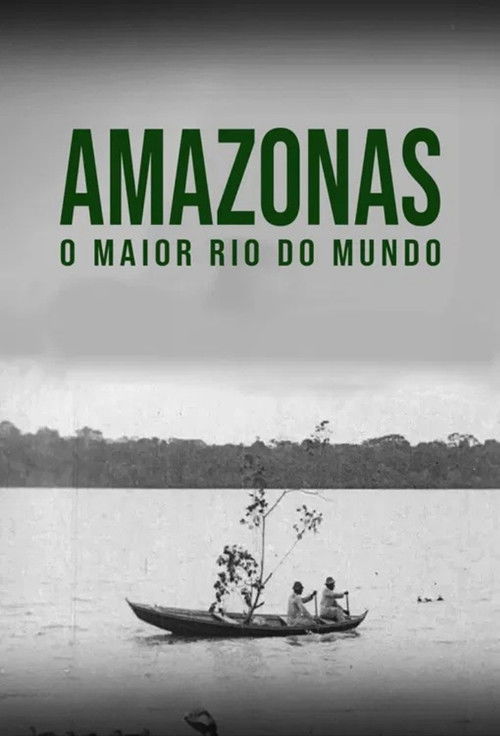
Amazon: Longest River in the World

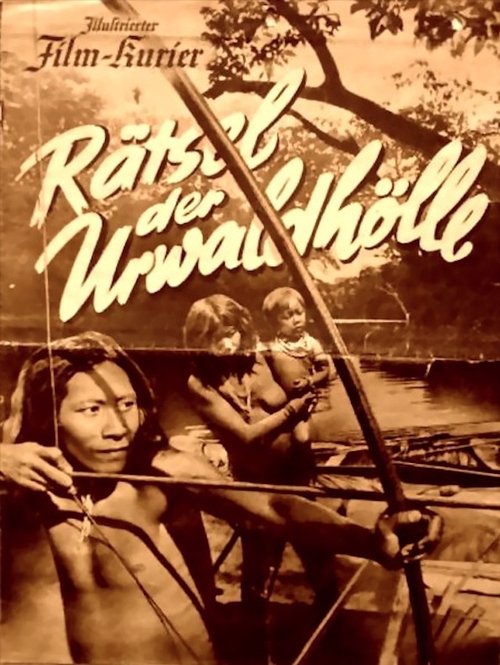
Documentary by Portuguese Silvino Santos, about the Amazon, its flora, fauna, its inhabitants and among other wonderful images from the beginning of the 20th century with alternating close-up shots of caimans, jaguars and tropical flora with footage of Indigenous rituals--including some of the earliest known moving images of the Indigenous Witoto people--and longer sequences showcasing the region’s extractive industries: rubber, the Brazil nut, timber, fishing, even the egret feathers that were a staple of women’s fashion at the time.

Amazon: Longest River in the World

0.0 1918
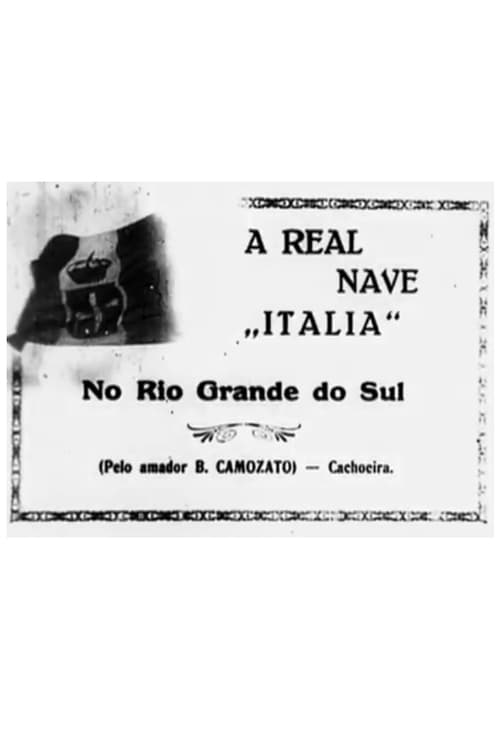
A Real Nave Itália no Rio Grande do Sul

Photograph of King Vittorio Emanuele III. The ship Italia, formerly König Albert, under the command of Count Carlos Grenet and with the Italian ambassador Giovanni Giuriati, entering the port of Rio Grande, on May 2: events and groups of Italian reservists for their reception; popular and authorities, representatives of societies and the cities of Cachoeiro and Pelotas, music band, including a representative of the fascism of Caxias, present at the reception.

A Real Nave Itália no Rio Grande do Sul

0.0 1924
Italian Wings Over the Skies of Brazil

On an expedition through Latin America, Italian General Italo Balbo made the Atlantic crossing with his seaplane squadron, which left Boloma, entered Brazilian territory via Natal and now ended its journey in the capital Rio de Janeiro. Arrival of the fascist squadron at Enseada de Botafogo. People, many in boats, applaud the descent of the seaplanes. A group of officers searches the soldiers in profile. Italo Balbo, Ambassador Vittorio Cerrutti and Royal Consul Onorevole Mammalella watch the parade of troops. A group of officers with Col. Magdalena, "the intrepid hero of several aerial feats". At the Catete Palace, Balbo and Cerrutti are received by the President of the Provisional Government, Getúlio Vargas, and his ministers. The Italian delegation leaves the Catete Palace.

Italian Wings Over the Skies of Brazil

7.0 1931
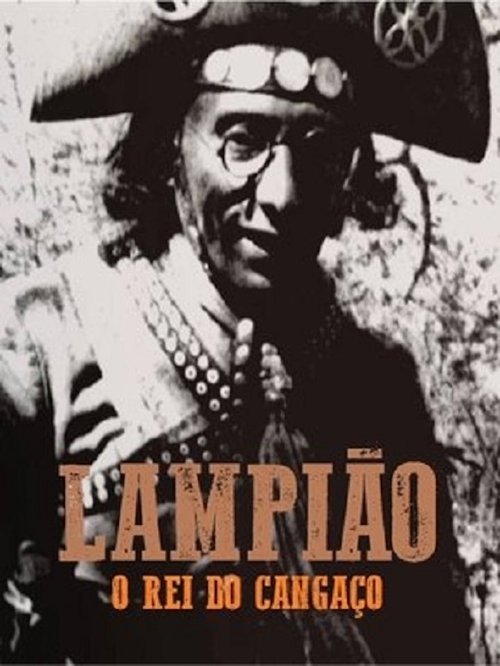
Lampião, o Rei do Cangaço

Scenes from the daily life of Virgulino Ferreira da Silva—the cangaceiro leader Lampião—and his group, captured by cinematographer Benjamin Abrahão. Their survival strategies in the sertão landscape, their gestures, habits, clothing, and diet are illustrated. Proud of their status, the group's main members are shown displaying their weapons and combat skills in the caatinga. Maria Bonita and Lampião appear in moments of tension and relaxation, highlighting the harmony of the band and, above all, the rigors of life as a cangaceiro. (Cinemateca Brasileira)

Lampião, o Rei do Cangaço

8.8 1937
Alma e Corpo de uma Raça

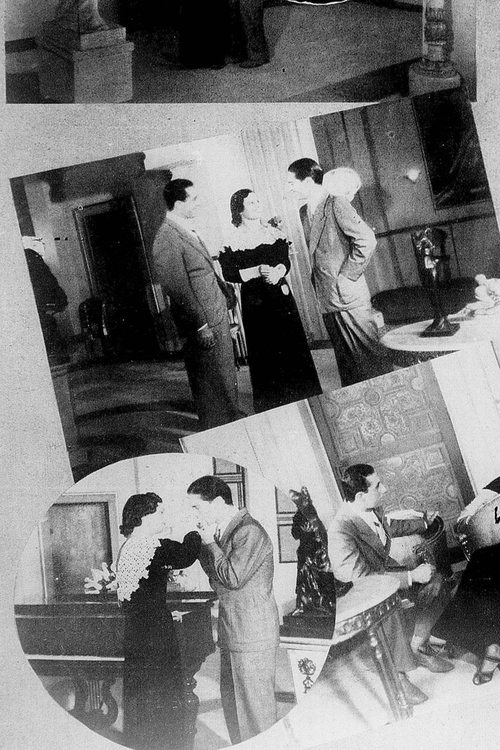
Luizinho is a young man passionate about Flamengo, fortunate enough to have his education paid for by the club, and plays in the team's lower divisions. A pupil of Rubens, the two compete for a spot on the professional team. Until Rubens introduces his friend to the woman he's in love with, Maria Helena. The problem is that she was Luizinho's childhood sweetheart, and the encounter rekindles their passion. A conflict begins between the two players that will be decided on the field.

Alma e Corpo de uma Raça

0.0 1938
President Antonio Carlos in the Inauguration of a Dam

General hillside takes. The president of Minas Gerais, Antonio Carlos, is greeted by men. Authority speaks and the president of Minas Gerais cuts the inaugural ribbon. Antonio Carlos and his delegation visit the complex's facilities, pass through a dam, artificial canal, waterfall and floodgates. Cars from the delegation arrive at the scene and authorities greet each other. People applaud the entourage that, with guests, passes through different points of the dam.

President Antonio Carlos in the Inauguration of a Dam

0.0 1930
Chuá-Chuá e Casinha Pequenina

The popular song Chuá Chuá, illustrated with scenes of rural life. Girl observes in window. A fountain drains water. A flower. The cattle grazing. River waters. Man seen from window of wattle and daub house. Girl hangs cage with bird. Man walks towards the gate. Ducks in river drink water. The popular song A Casinha Pequenina, illustrated with scenes from rural life. Hut surrounded by banana trees and a coconut tree. Children walk hand in hand, sit on the riverbank. Birds in cages. Again the little house and the vegetation that surrounds it, especially the coconut tree.

Chuá-Chuá e Casinha Pequenina

0.0 1945
Castro Alves

Biographical data about Castro Alves: the different cities where he lived, the love misadventures, the school institutions where he studied and his poetry. Countryside landscapes illustrate the narrated trajectory. Negra caresses a child in a performance by Castro Alves with her nanny Leopoldina. Men work in pestles, weed. Views of the cities of Cachoeira and Salvador. In the capital, highlights include the Church, Feira de Meninos, the Solar da Boa Vista. Views of the city of Recife. The Recife Faculty of Law. A herm of the poet. The Santa Isabel Theatre. Return to Salvador and the São João Theater.

Castro Alves

0.0 1948
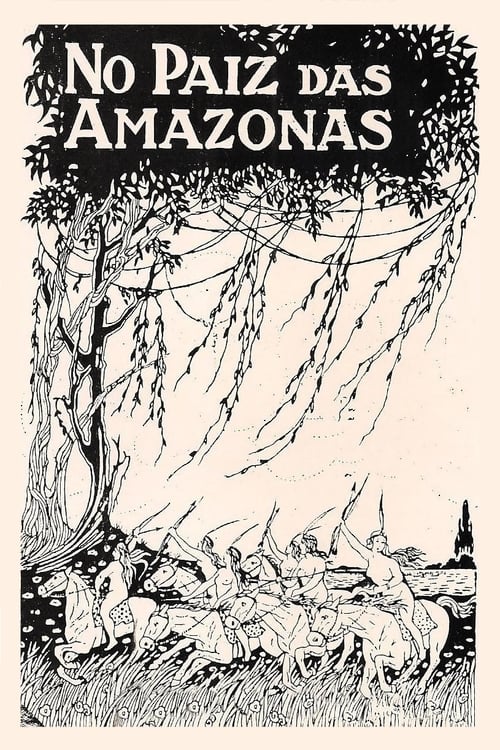
In the Land of the Amazons

"No País das Amazonas" begins showing the indigenous people of Amazonas. Then, it presents the economical activities showing each step in the production line of the incipient local industries, inclusive with the exit of workers from a factory in the end of the working period. The documentary shows also the boats on the river, the fishing of manatee ("peixe-boi") and preparation of the flesh with salt, the rubber trees, the extraction and each step of the preparation until the rubber mattress is ready to be exported, the Brazilian chestnuts, guaraná and smoke and the insects.

In the Land of the Amazons

5.5 1922
Study of the Major Endemics – Brazilian Regional Aspects

The Oswaldo Cruz Institute, in Rio de Janeiro, serves as a major research center in the field of public health. Aerial shots depict vast green areas and rural regions with small farms, reservoirs, and riverside lands. The work of health agents is shown at a small remote outpost, along with the facility’s infrastructure and tools used to study endemic diseases. The film also records various landscapes, such as dirt roads cutting through the caatinga, as well as rapids and waterfalls.

Study of the Major Endemics – Brazilian Regional Aspects

0.0 1939