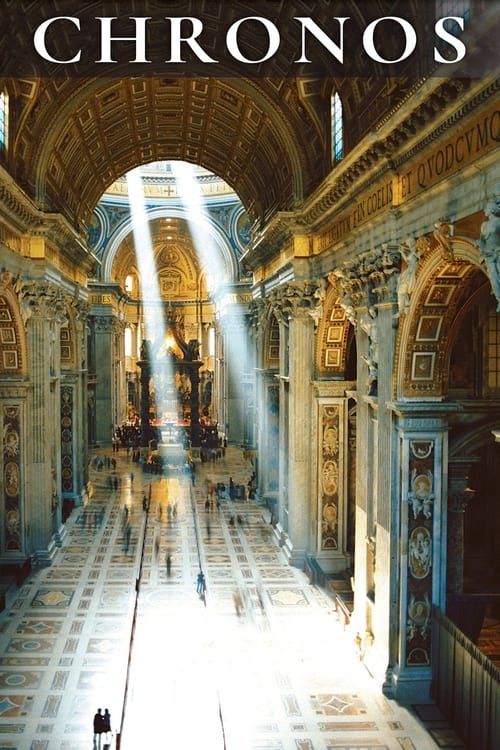
Carefully picked scenes of nature and civilization are viewed at high speed using time-lapse cinematography in an effort to demonstrate the history of various regions.
Chronos
7.5 1985
359 Matches Found
Carefully picked scenes of nature and civilization are viewed at high speed using time-lapse cinematography in an effort to demonstrate the history of various regions.

Documentary about the career of director David Cronenberg, with clips from his films and interviews with friends, colleagues, film critics and Cronenberg himself.
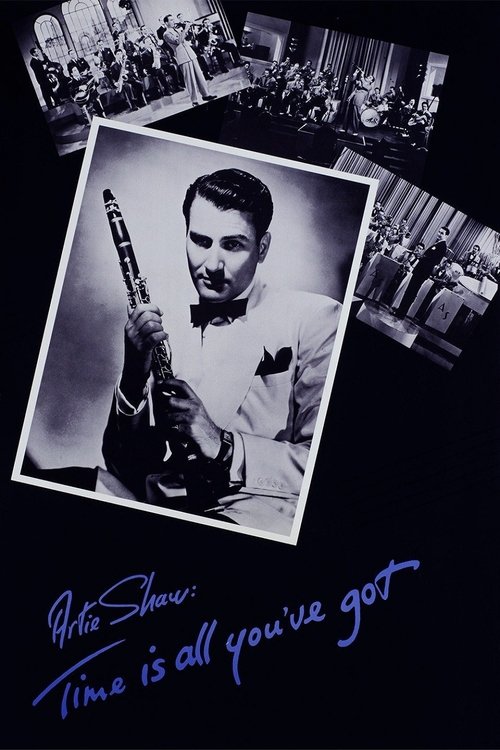
This in-depth examination of the life and career of clarinetist and bandleader Artie Shaw cuts between archival footage, location shots, and an interview with Shaw himself. Berman illustrates the tumultuous, complicated, and remarkable legacy of a man who brought numerous innovations to jazz and swing music during the big-band era.

This historical drama tells the story of Qin Shihuang, who unified China's vast territory and declared himself emperor in 221 B.C. During his reign, he introduced sweeping reforms, built a vast network of roads and connected the Great Wall of China. From the grandiose inner sanctum of Emperor Qin's royal palace, to fierce battles with feudal kings, this film re-creates the glory and the terror of the Qin Dynasty, including footage of Qin's life-sized terra cotta army, constructed 2,200 years ago for his tomb.

Documentary about women in the film industry. Numerous notable actresses and female directors share their thoughts.
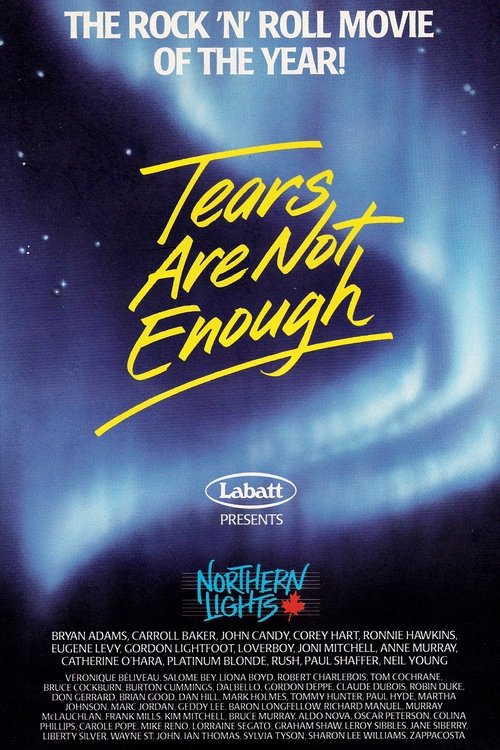
On 10 February 1985, fifty-three of Canada's top performers gathered together to record the song Tears Are Not Enough in an effort to generate aid to famine victims in Africa. This is a behind-the-scenes look at that historic session, filled with moments of excitement, pathos, humor and magic.

For 200 years, the United States Congress has been one of the country's most important and least understood institutions. In this elegant, thoughtful and often touching portrait, Ken Burns explores the history and promise of this unique American institution. Using historical photographs and newsreels, evocative live footage and interviews with David Broder, Alistair Cooke, Cokie Roberts, Charles McDowell and others, the award-winning film chronicles the personalities, events and issues that have animated the first 200 years of Congress and, in turn, our country.
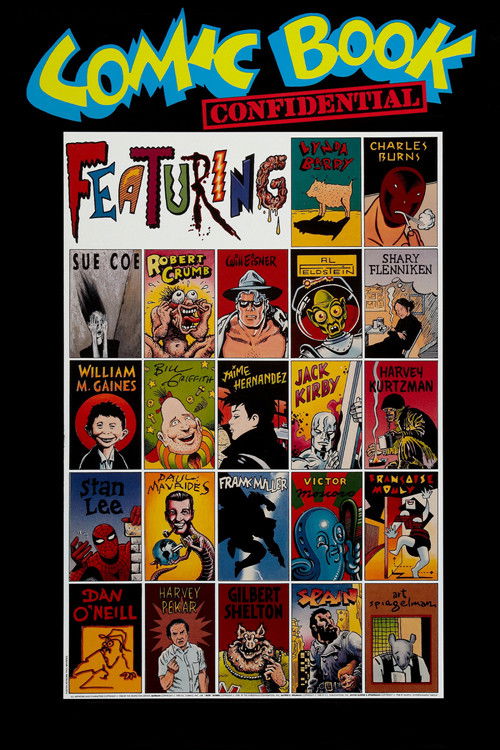
A survey of the artistic history of the comic book medium and some of the major talents associated with it.
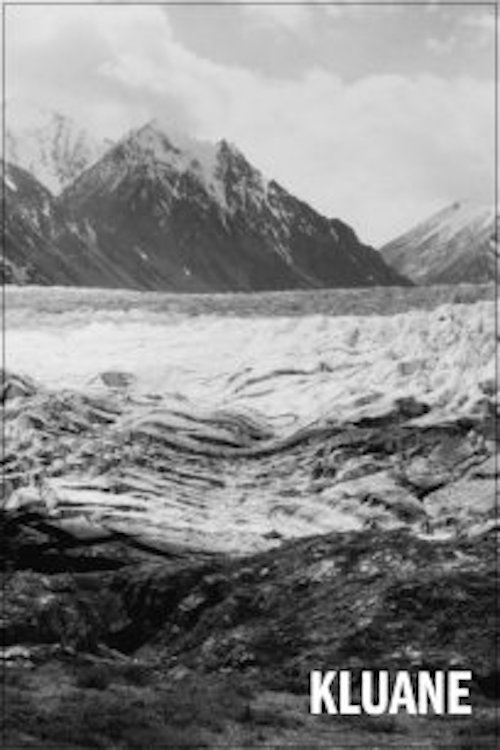
Kluane National Park is situated in the Yukon area of northern Canada and is a research paradise for glaciologists, geologists and other scientists. Mountaineers come to scale the impressive heights. Animals are free to roam, protected by stringent legislation. This film reveals many facets of this beautiful park, which has been declared a protected zone by UNESCO.
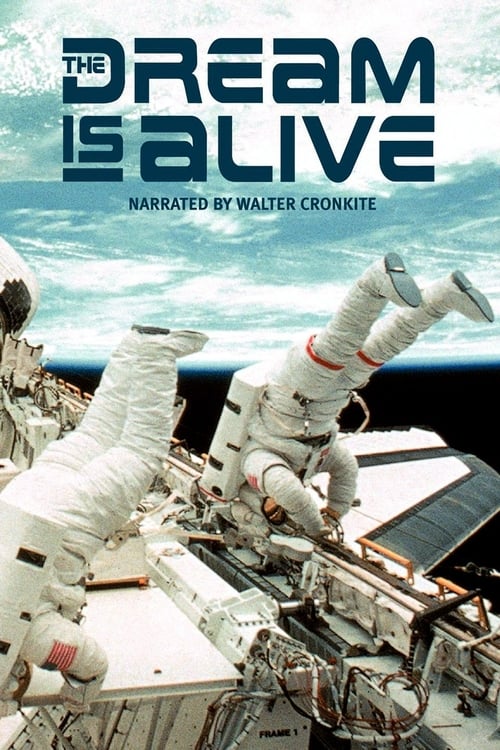
The Dream Is Alive takes you into space alongside the astronauts on the space shuttle. Share with them the delights of zero gravity while working, eating and sleeping in orbit around the Earth. Float as never before over the towering Andes, the boot of Italy, Egypt and the Nile. Witness firsthand a tension-filled satellite capture and repair and the historic first spacewalk by an American woman.

Thomas Hart Benton's paintings were energetic and uncompromising. Today his works are in museums, but Benton hung them in saloons for ordinary people to appreciate.
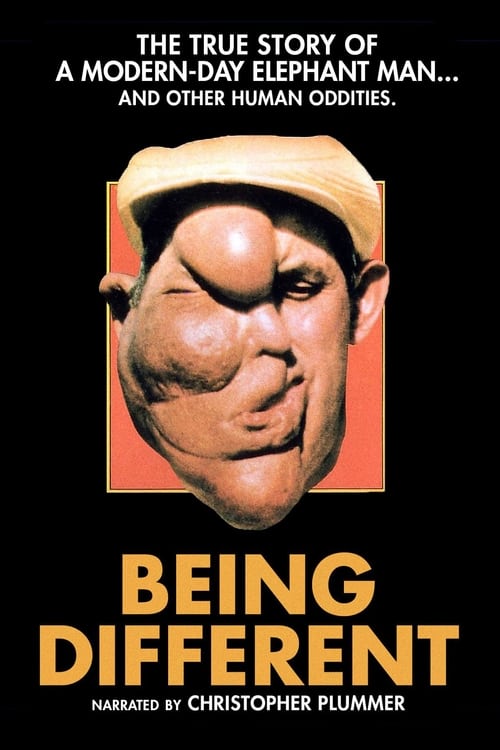
A tribute to the spirit and humanity of people who are physically different from the average: very tall and very large men and women, a bearded woman and her long-time husband, Siamese twins joined at the midsection, and several little people including actor Billy Barty. We meet some at Gibsonton, Florida, where carnival folk winter. They talk about their lives and accomplishments. The camera also goes on the road to visit a grandfather with a distinctive face, a legless mechanic from Kentucky on a second honeymoon in LA, a marathon runner and motivational speaker who has no feet, a karate student with partial limbs, and an armless, down-to-earth mom in Texas.

Actor Gary Coleman appears in this instructional video designed to show children how to be safe and stay safe. Included are tips on accident prevention, how to stay safe when home alone, and other procedures that have been developed by the National Safety Council and the American Red Cross.

Peter Watkins' global look at the impact of military use of nuclear technology and people's perception of it, as well as a meditation on the inherent bias of the media, and documentaries themselves.
This documentary records the journey undertaken by Jacques Cousteau, his 24-member team, and an NFB film crew to explore the Grand Banks of Newfoundland, one of the world's richest fishing areas. They discover shipwrecks, film icebergs and observe beluga whales, humpback whales and harp seals. The film also includes a fascinating sequence showing Calypso divers freeing a calf whale entrapped in a fishing net.
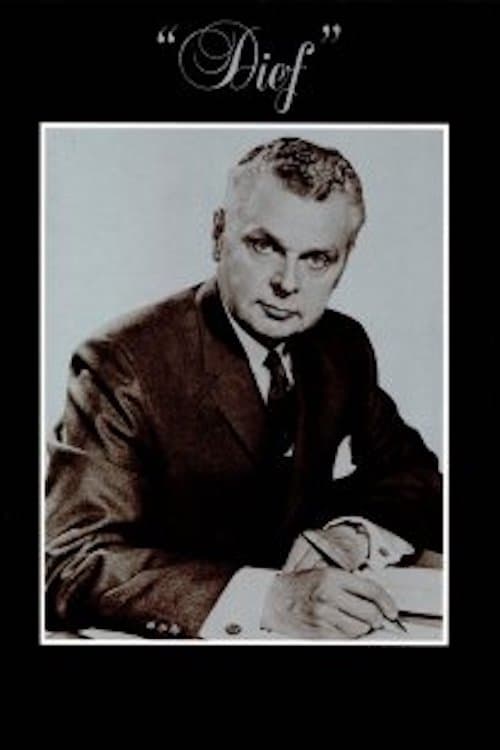
This documentary short is a portrait of Leader of the Progressive Conservative Party and 13th prime minister of Canada, John George Diefenbaker (1895-1979). Diefenbaker's political career spanned 6 decades. When he died in 1979, his state funeral and final train trip west became more a celebration of life than a victory for death.
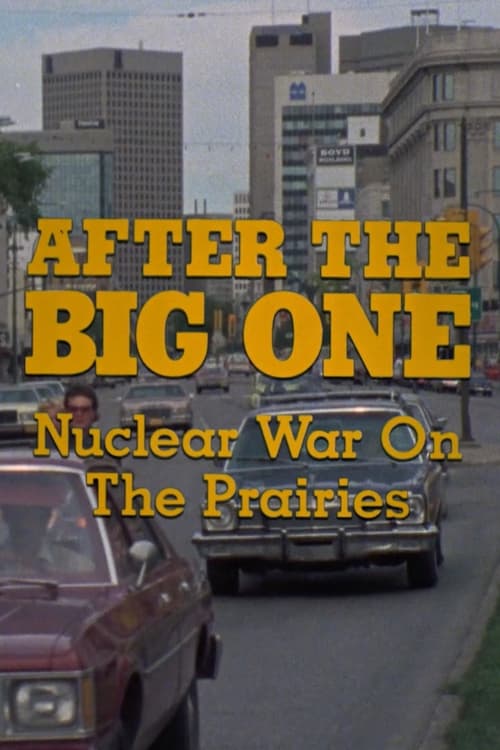
This film deals straightforwardly with the consequences of a nuclear attack for the Canadian Prairies. The Prairies are singled out because of their proximity to huge stockpiles of intercontinental ballistic missiles located in North Dakota. Scenes include a visit to a missile base and to an emergency government bunker in Manitoba. A doctor, a farmer and a civil defence coordinator provide different perspectives on nuclear war. Although the film focuses on one region, it provides a model for people everywhere who would like to know more about their own situation but don't know what questions to ask.
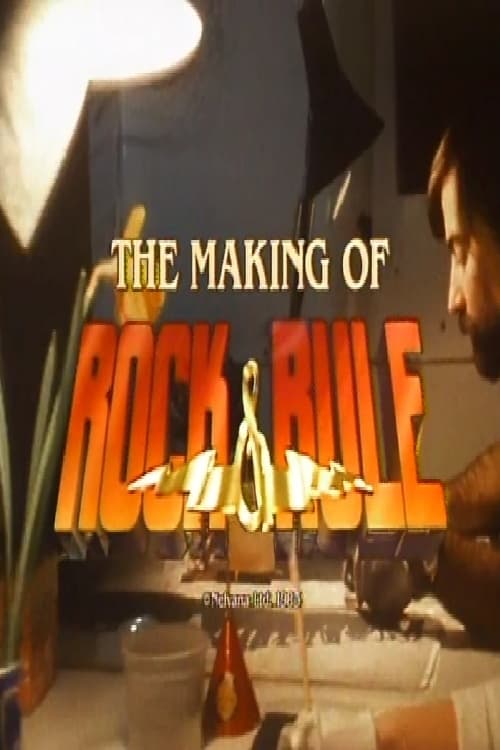
Documentary on the making of the cult classic Nelvana animated film, "Rock & Rule." Featuring interviews with Lou Reed, Debbie Harry, Chris Stein, Iggy Pop, Maurice White, and Director Clive Smith.
A vibrant kaleidoscopic tribute to the guitar that meshes dance, mime, visual art, and virtuoso performances to create a spectacular yet intimate celebration of the instrument. For one exciting week the city of Toronto plays host to the International Guitar Festival. The streets echo with the sounds of the instrument as the great masters from every tradition gather to play for each other -- John Williams from England, Leo Brouwer from Cuba (classical), Turibio Santos from Brazil (folk), Vladimir Mikulka from Czechoslovakia (avant-garde), Rik Emmett and Kim Mitchell from Canada, Steve Morse from the USA (rock).
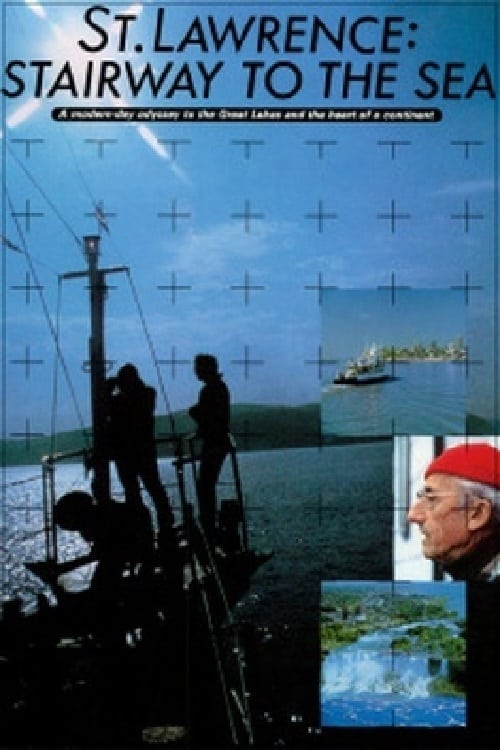
In this spectacular feature-length documentary, oceanographer Jacques Cousteau and an NFB crew sail up the St. Lawrence River to the Great Lakes on board the specially equipped vessel, the Calypso. They explore the countryside from their helicopter and plumb the depths of the waters in their diving saucer. They encounter shipwrecks, the Manicouagan power dam, Niagara Falls, the locks of the St. Lawrence Seaway and an underwater chase with caribou.
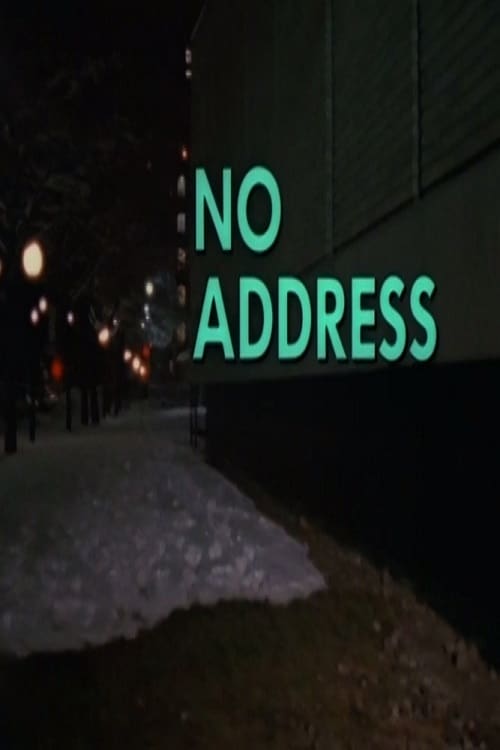
Far from home and cut off from family and friends, Montreal’s Indigenous homeless population is the focus of No Address. Dreams of a better life in the big city can be met with harsh realities, as the individuals in this documentary recount. Often trying to flee circumstances created by colonialism and the effects of assimilation, the First Nations and Inuit people in this work share frank stories about their lives and the paths that took them to the streets of Montreal. Alanis Obomsawin presents an honest, stark portrayal of endemic homelessness while giving voice to those so often overlooked or made invisible on the streets of every city in Canada.
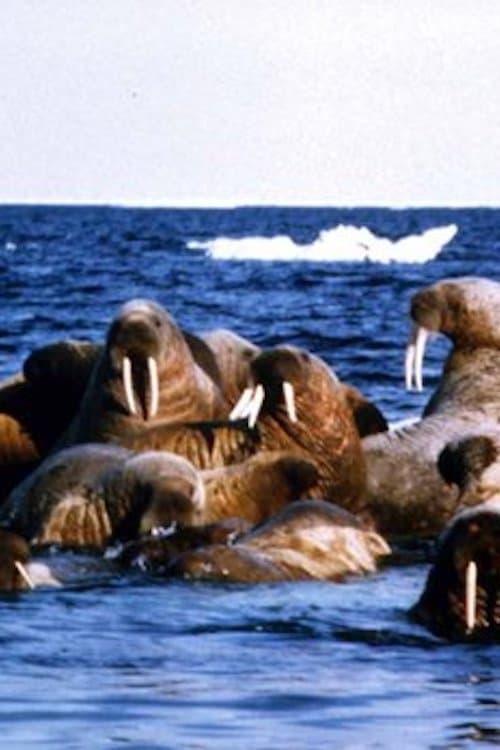
This feature documentary highlights the nature of Arctic sea ice, and its crucial importance to life in the Far North. Underwater photography presents rare views of some of the most spectacular wildlife, with micro- and macro-photography enhancing the world within the individual ice crystals. Footage from Inuit hunting camps at the floe’s edge illuminate the relationship between the Arctic people and their intricate ecosystem.
This feature documentary is an inquiry into Canada's economic troubles of the 1970 and '80s. The film summarizes the facts at hand, including some pre-NAFTA speculation about economic dependency on the United States. At roughly thirty percent, the Canada of a few decades ago was more foreign-owned than any other country in the world. Still, however, a great and stubborn national pride in our cultural and social idiosyncrasies persists, resulting in the confidence to look elsewhere besides the United States for economic alliances and models. This episode is the fifth and last part of the series Reckoning: The Political Economy of Canada.
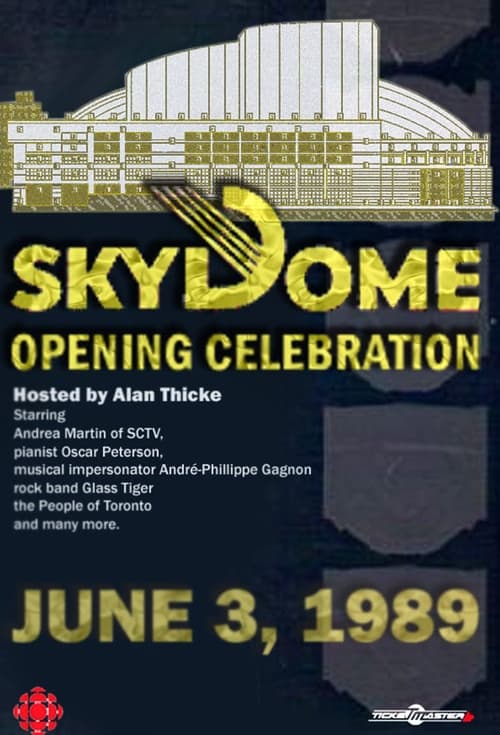
The Opening of SkyDome: A Celebration - Andrea Martin and Alan Thicke co-hosted the 90-minute event on June 3, 1989, complete with songs written specifically for the celebration with over 5,000 performers which was broadcast nationwide on the CBC,
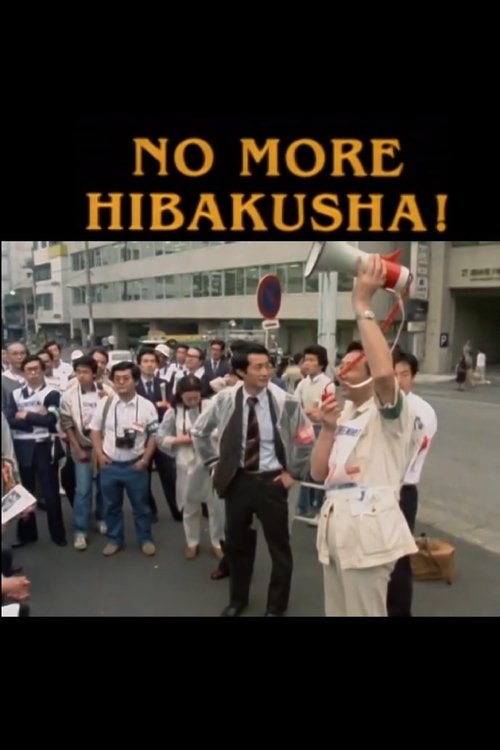
Survivors of the 1945 bombings of Hiroshima and Nagasaki travel to New York for a UN conference on disarming nuclear weapons.
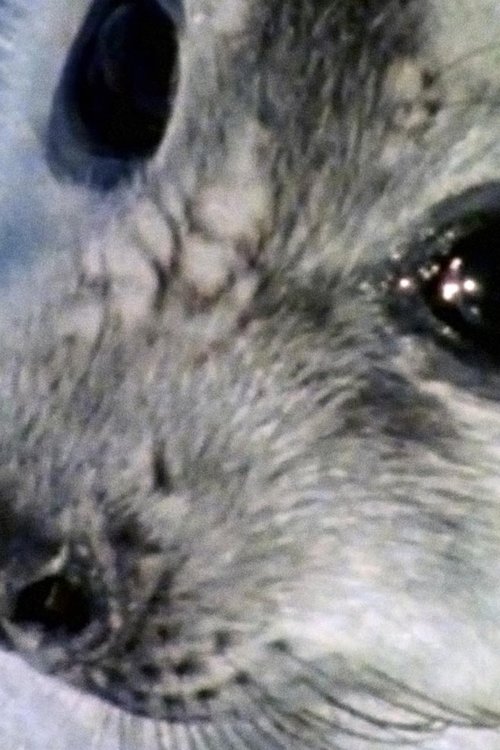
This documentary film focuses on the animal life that survives in this harsh arctic climates at the edge of the ice - from the simple algae to narwhals, polar bears, sea birds, seals, whales and walruses.
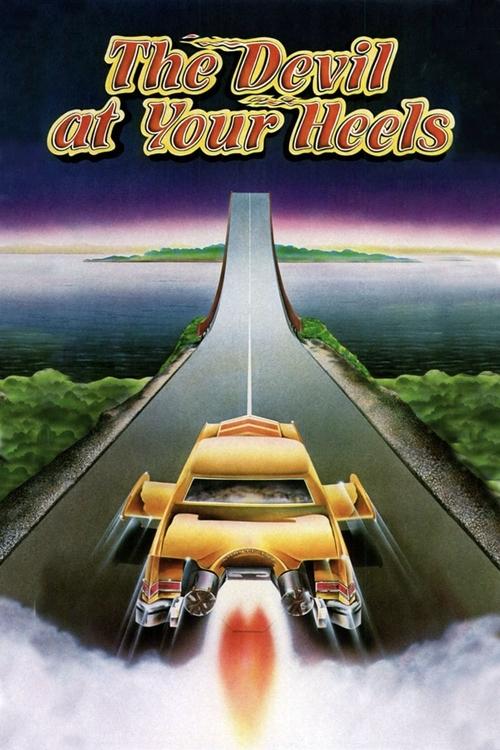
Devil at Your Heels, traces the trials of stuntman Ken Carter who attempts a death-defying aerial jump in a car. Not content with a normal jump, Ken Carter attempts a jump from Canada to the USA. This feature-length documentary shines a light on the intense preparation that led to Carter’s first attempt to jump a car across a mile-wide stretch of the St. Lawrence River – a 5-year period during which the dare-devil raised a million dollars, erected a 10-storey take-off ramp and built a rocket-powered car. Winner of the Canadian Screen Award for Best Feature Length Documentary at the 4th Genie Awards in 1983.
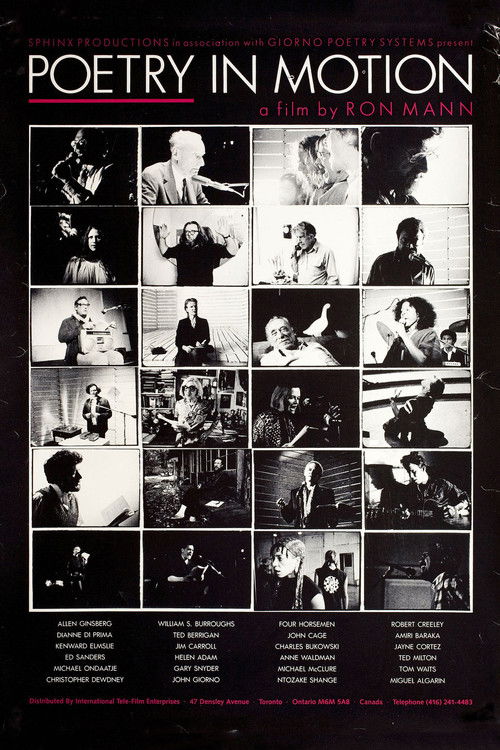
More than 20 contemporary North American poets recite, sing, and perform their work. Early in the film, Charles Bukowski talks about the energy of poets and of a poem. These poets are the children of Walt Whitman and of Charles Olson, incantatory and oratorical, radical, sometimes incorporating contemporary political imagery. Black Mountain poets, the Beats, minimalists like John Cage, the wordless Four Horsemen, Tom Waits, and others capture aspects of poets as troubadours.
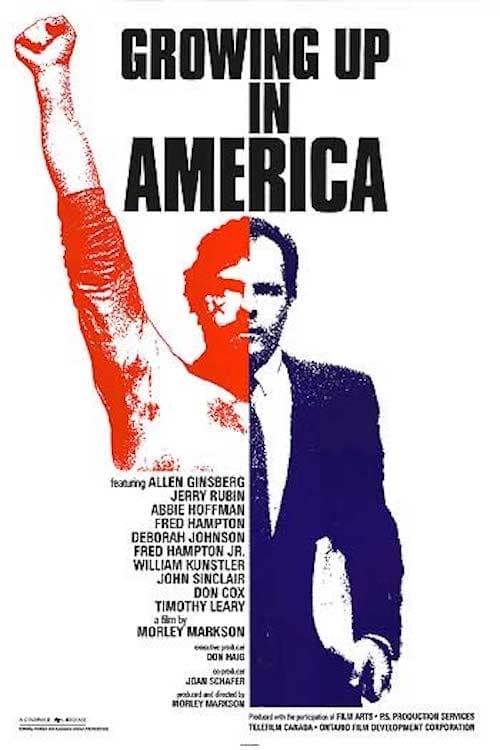
Filmmaker Morley Markson shows Abbie Hoffman, Jerry Rubin, Allen Ginsberg, Timothy Leary, and other '60s rebels, then and now in a follow up to his 1971 film "Breathing Together: Revolution of the Electric Family."
The Movie Movie shows how the camera, editing techniques, make-up and sound can be used in film and video to deliberately manipulate our perceptions and emotions. Drama, action and slapstick humour are combined in a simple, family-oriented plot. There is no dialogue, but there is an explanatory song. Behind-the-scenes vignettes highlight the message that in a movie everything is not quite as it seems.
Canadian author, humorist and storyteller W.O. Mitchell talks about his career as a writer and performer. Known for his witty radio and television appearances, Mitchell shows a more serious side as he reveals his personal views on writing and on the meaning of life and death.
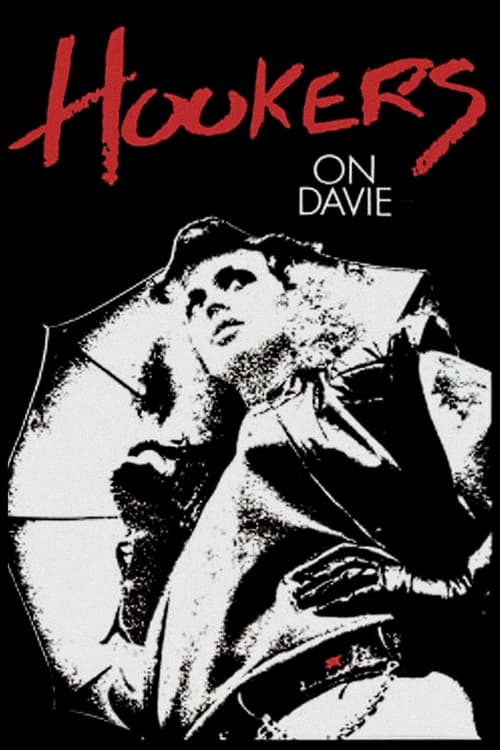
Filmmakers Holly Dale and Janis Cole explore the culture of Davie Street, located in the underbelly of Vancouver, where dozens of prostitutes work and live every day. Surprisingly, they find that the sex trade there is stable and largely non-violent, and that the women who work on Davie Street meet daily to discuss safety and health issues and don't use pimps. The film also includes candid interviews with the prostitutes and footage of negotiations with potential clients.
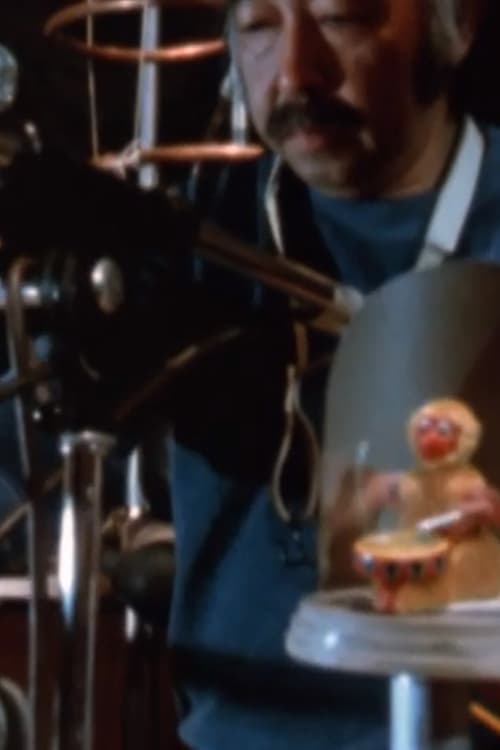
A film featuring architect, sculptor, and musician Nobuo Kubota in a sound-sculpture performance. From within a cage-like structure filled with traditional musical instruments and sound-making devices fashioned from ordinary objects and toys, Kubota creates an aural/visual montage of musical notes and noises. Praised by music educators as a valuable tool for teaching creativity in sound exploration and musical innovation, the film reveals the infinite percussion possibilities of simple objects and presents a portrait of a versatile performer whose imagination has led him far beyond the confines of conventional music. Directed by Jonny Silver - 1982 | 20 min
An anthology of sequences from the best films that the National Film Board of Canada produced since its beginnings. Divided by themes and presented by a trio of actors-signers (including Carle's wife Chloé Sainte-Marie) who sings the same song in between the movie excerpts. This movie celebrated the anniversary of the National Film Board in 1985.
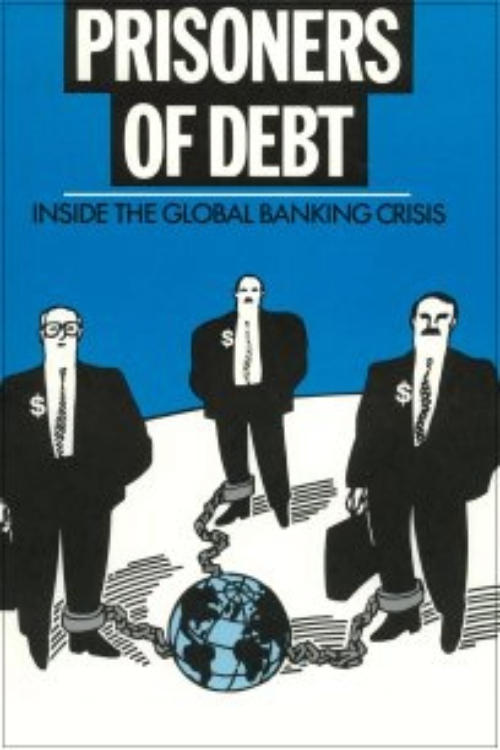
This feature documentary reveals how Bank of Montreal chairman William Mulholland dealt with his debt-laden customers Dome Petroleum and Mexico during the global debt crisis of '82. Interviews with bankers and financial experts demystify the causes of debt crisis, confirm the fragility of the international banking system and outline the problems to be solved if the system is to survive.
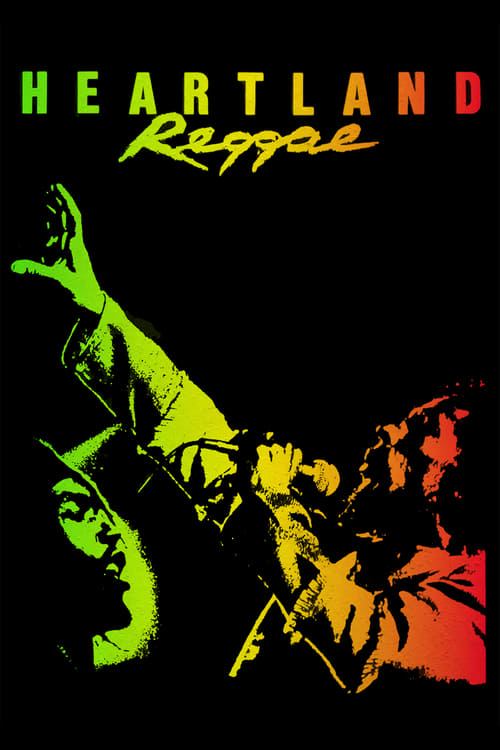
Reggae documentary of the One Love Peace Concert held in Kingston, Jamaica in 1978. In addition to the music, this film features the return to Jamaica of Bob Marley after a 16-month hiatus following an attempt on his life.

This feature documentary studies one of the city’s most visible yet most anonymous character: the taxi driver. Filmed by day and night, the film offers an entertaining and sometimes comical look at the drivers, fleet operators and dispatchers who are expected to deliver passengers, parcels… and even babies.
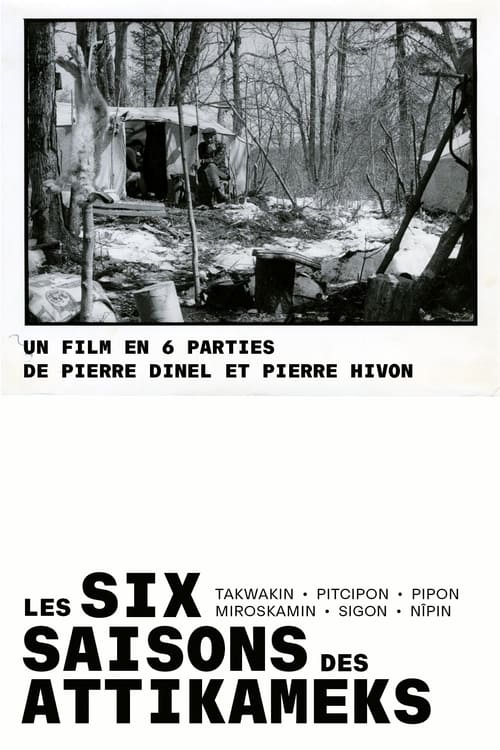
IMAX documentary about the Suncoast Seabird Sanctuary, FL, USA Made for exhibition at the Expo '85, Tsukuba, Japan.
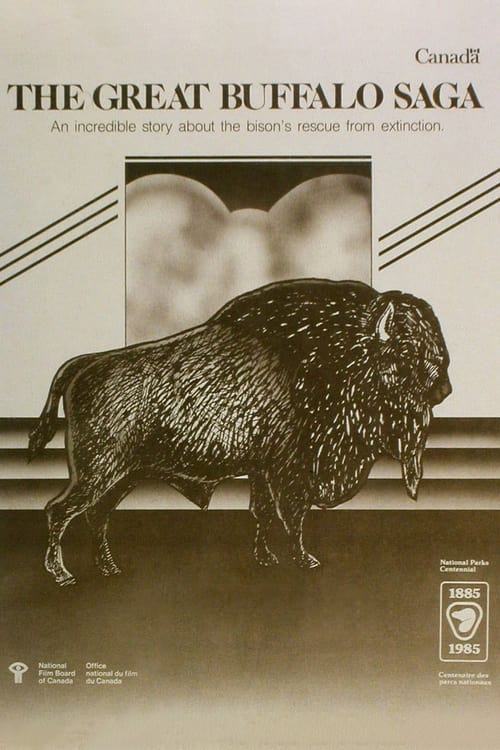
By the late 1800s the free-ranging buffalo of the western plains of North America were almost extinct. This documentary is the story of the buffalo's revival. Live action, eye-witness accounts and archival photos document our fascination with this ancient and legendary animal.
Features clips from 21 documentary and animation film classics, interviews with NFB filmmakers past and present, and incisive commentary from film critics and historians on the role and influence of the NFB during its first half century of existence.
In this short documentary, five black women talk about their lives in rural and urban Canada between the 1920s and 1950s. What emerges is a unique history of Canada’s black people and the legacy of their community elders. Produced by the NFB’s iconic Studio D.
This film illustrates the struggles of Canadian prairies women to achieve a more just and humane society within the farm movement and at large. During the early 1900s, women on the prairies looked for ways to overcome their isolation. Out of the resulting farm women's organizations grew a group of women possessing remarkable intellectual abilities, social and cultural awareness, and advanced worldviews.
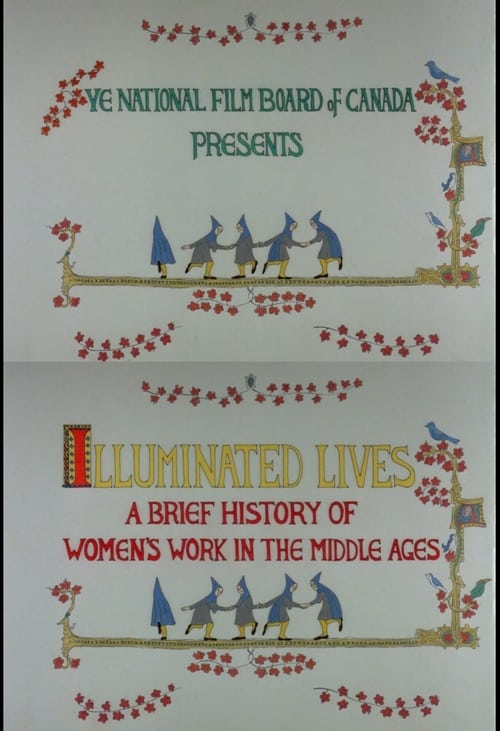
This animated short challenges enduring myths, spawned by fairy tales and romances, about women in medieval society. It explores the differences and similarities between that distant period and our own, and shows what medieval women’s lives were really like.

A documentary film about a group of hunters who gather annually to hunt moose near Maniwaki, Quebec.
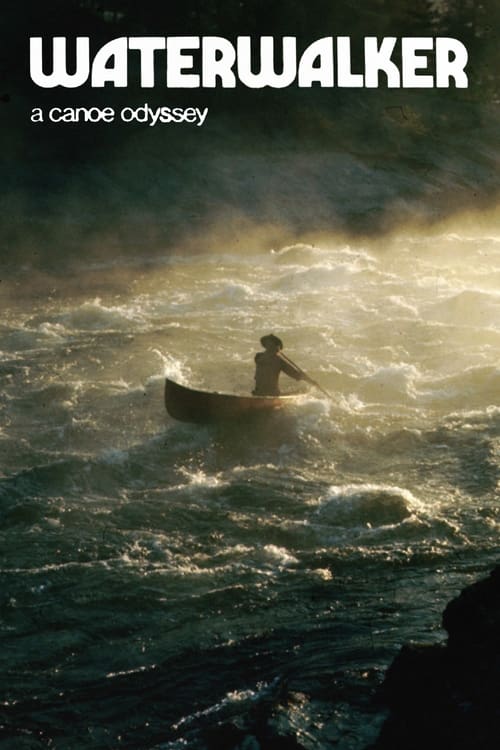
Naturalist Bill Mason on his journey by canoe into the Ontario wilderness. The filmmaker and artist begins on Lake Superior, then explores winding and sometimes tortuous river waters to the meadowlands of the river's source. Along the way, Mason paints scenes that capture his attention and muses about his love of the canoe, his artwork and his own sense of the land. Mason also uses the film as a commentary on the link between God and nature and the vast array of beautiful canvases God created for him to paint. Features breathtaking visuals and exciting whitewater footage, with a musical score by Bruce Cockburn.
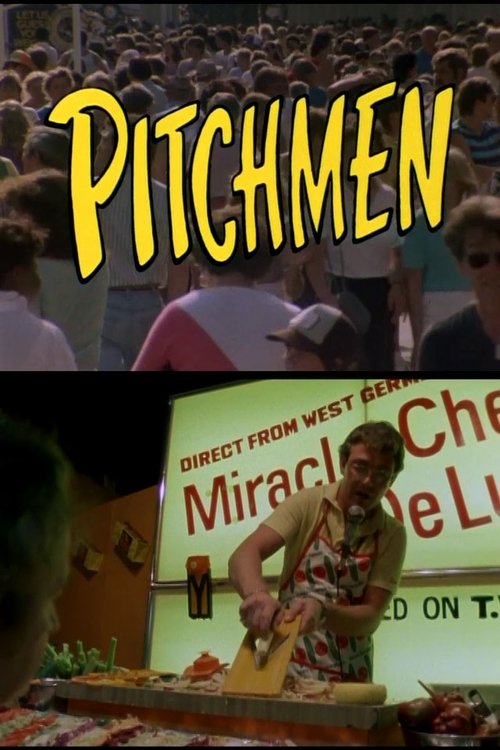
If you've ever bought a wonder wallet, a food slicer, a canapé maker, a patty stacker, a miracle brush or a super knife, you may know that the CNE, the Calgary Stampede, and virtually every home show, car show, craft show, fall fair and ploughing match in Canada has at least one thing in common. At hallway intersections and bleacher exits work the second cousins of the carnival barker, the crowd pleasers and teasers, jugglers of people, product and pitch: the point-of-sales professionals known as pitchmen. This documentary looks at the psychology of the impulse sale and provides a view of the world of commerce, salesmanship and advertising at the grass-roots level. The men and women featured in the film have mastered the fine art of selling everything you never needed. Shot at fairs and on the set of a late-night TV commercial, the film shows the hard work behind the hustle.
Berri and Ste-Catherine, at 8:30 a.m. on June 19, traffic was paralyzed by 8 individuals, who appeared from who knows where. The hidden cameras see everything. This film won the Special Jury Prize at the 1st Montreal International Art Film Festival.
A Life is about a man who lives by facing death.

A series of very brief clips celebrates the 50th anniversary of the National Film Board of Canada.

This short film portrays the NFB's itinerant projectionists during the '40s and early '50s who travelled throughout Canada, bringing films and discussions to rural communities. The film uses a mix of dramatic re-enactments with archival footage and interviews with veterans of the movie circuit to shed light on an important period in Canadian film history.
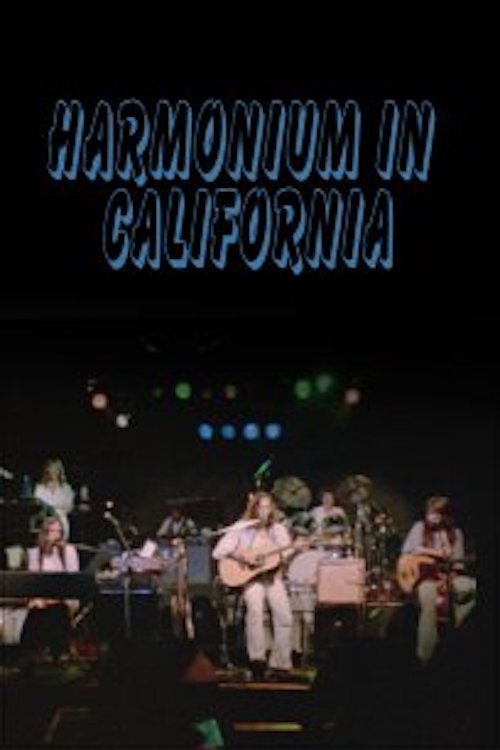
Through concerts and interviews, folk-progressive group Harmonium takes Quebec culture to California. This documentary full of colour and sound, filmed in California in 1978, recounts the ups and downs of the journey of the Quebec musical group Harmonium, who came to feel the pulse of Americans and see if culture, their culture, can succeed in crossing borders.
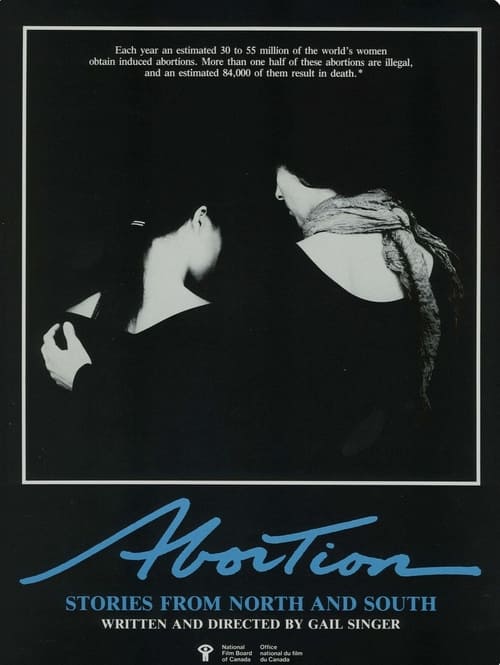
Women have always sought ways to terminate unwanted pregnancies, despite powerful patriarchal structures and systems working against them. This film provides a historical overview of how church, state and the medical establishment have determined policies concerning abortion. From this cross-cultural survey--filmed in Ireland, Japan, Thailand, Peru, Colombia, and Canada--emerges one reality: only a small percentage of the world's women has access to safe, legal operations.
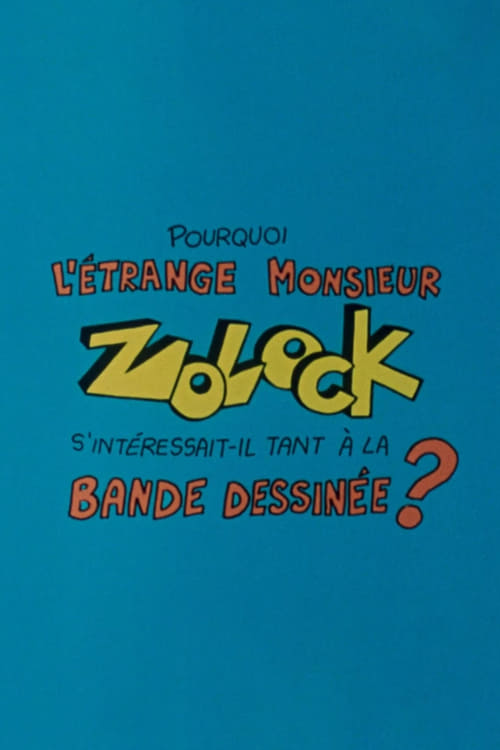
"Why is the strange Mr. Zolock so interested in comics?" is a Canadian docufiction film, released in 1983. A documentary about comic books and graphic novels, the film features interviews with comics illustrators wrapped by a fictional frame story in which Monsieur Zolock (Jean-Louis Millette), an evil supervillain, hires private investigator Dieudonné (Michel Rivard) to investigate the cultural influence of comics as part of his plot to take over the world. The film won the Genie Award for Best Feature Length Documentary at the 5th Genie Awards in 1984.
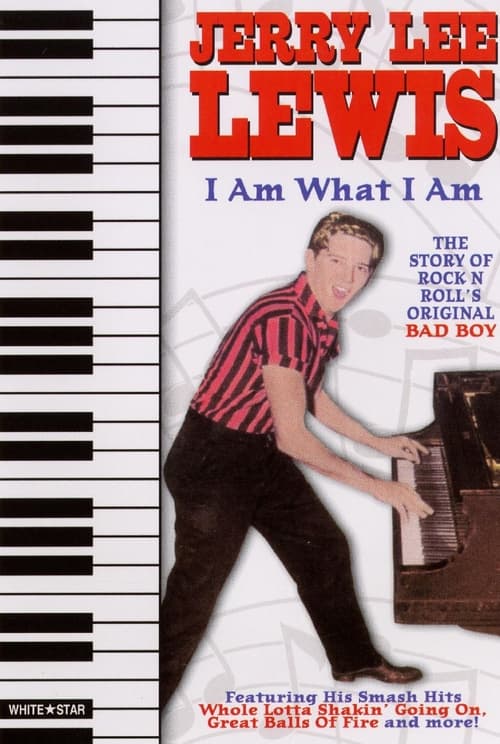
This unique rockumentary features classic performances and Jerry Lee's biggest hits.
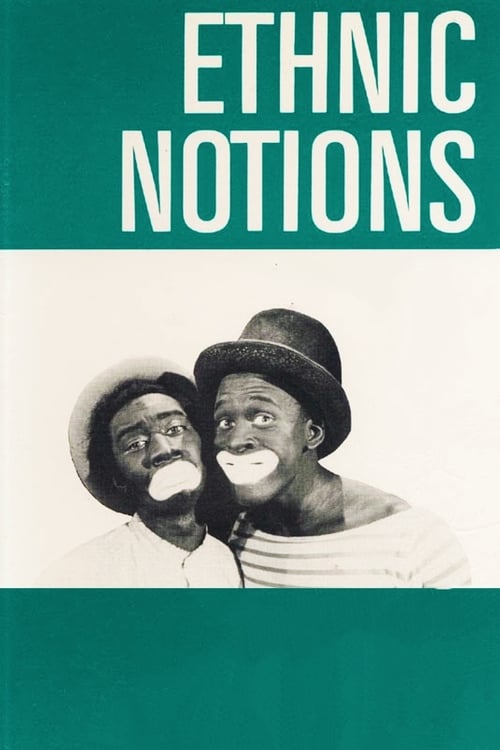
This documentary traces the deep-rooted stereotypes which have fueled anti-black prejudice.
Focuses on the performance of various elite athletes during the PanAmerican Games held in San Juan, Puerto Rico in 1979. Athletes showcased in the documentary include USA team swimmer of Puerto Rican origin Jesse Vassallo; legendary Cuban track and field athlete Alberto Juantorena; Mexican diver Carlos Girón; American diver Greg Louganis; and the Puerto Rico national basketball team, among others. At the end of the film, the athletes expressed their hopes of being "a step away" from the 1980 Olympics Games; however, these hopes were shattered by the political crisis and the eventual USA-led boycott to the Olympic Games held in Moscow in 1980.
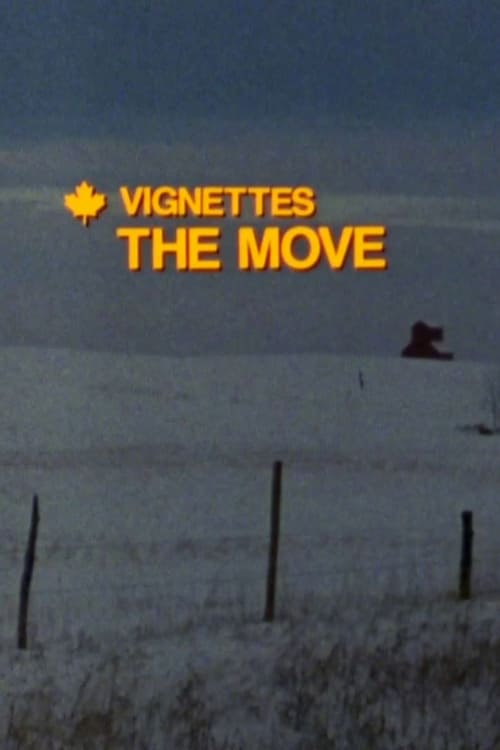
In this short documentary from the Canada Vignettes series, a Saskatchewan grain elevator is moved across the snow-covered prairie to a new home after nearly a half-century of use. The film follows the lifting and transporting of the 9-storey, 200-ton structure, and examines the feelings of the people as they witness the final passing of their town's one and only grain elevator.