53 Matches Found

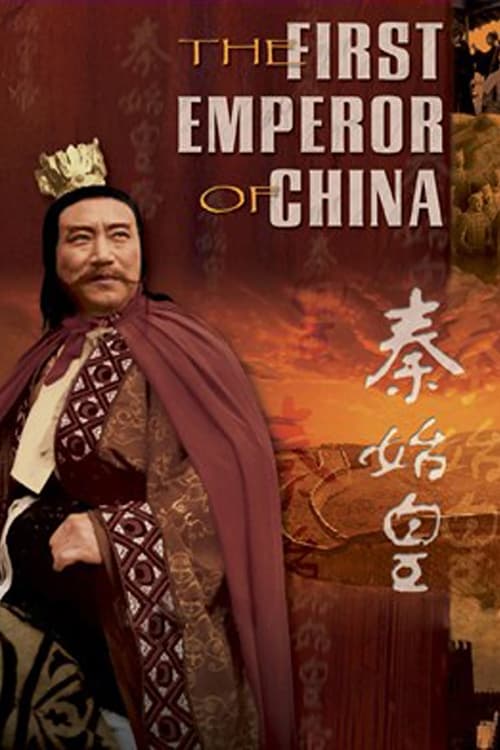
The First Emperor of China

This historical drama tells the story of Qin Shihuang, who unified China's vast territory and declared himself emperor in 221 B.C. During his reign, he introduced sweeping reforms, built a vast network of roads and connected the Great Wall of China. From the grandiose inner sanctum of Emperor Qin's royal palace, to fierce battles with feudal kings, this film re-creates the glory and the terror of the Qin Dynasty, including footage of Qin's life-sized terra cotta army, constructed 2,200 years ago for his tomb.

The First Emperor of China

4.3 1989
The Peony Pavilion

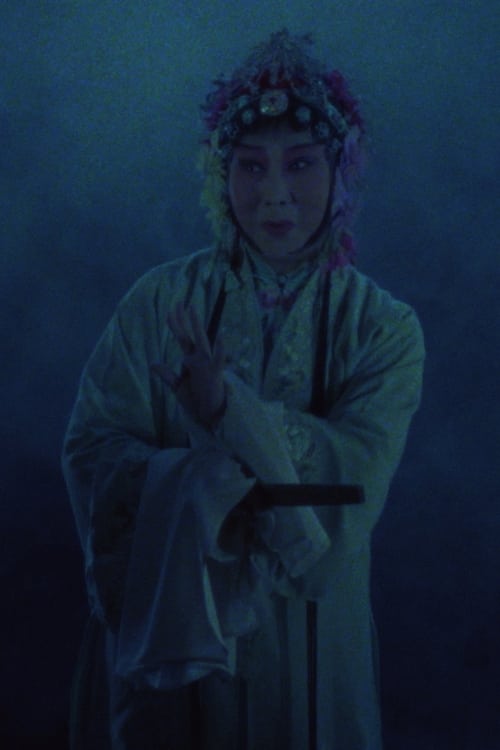
A young aristocrat is seduced by a young man who appeared to her in a dream one spring afternoon. Captive of this impossible love, the young girl is dying of melancholy. But the constancy of her love is stronger than death; she wins the pity of the judge of the underworld, manages to find her lover and come back to life. The opera "The Peony Pavilion" was composed in 1598 by the poet Tang Xianzu (1550-1617), one of the greatest playwrights of the Ming period. Of all the forms of Chinese opera that have followed one another since the 12th century, the kunqu is the one that best preserves the image of a classical art highly appreciated in educated circles for its musical, literary and gestural refinement.

The Peony Pavilion

0.0 1988
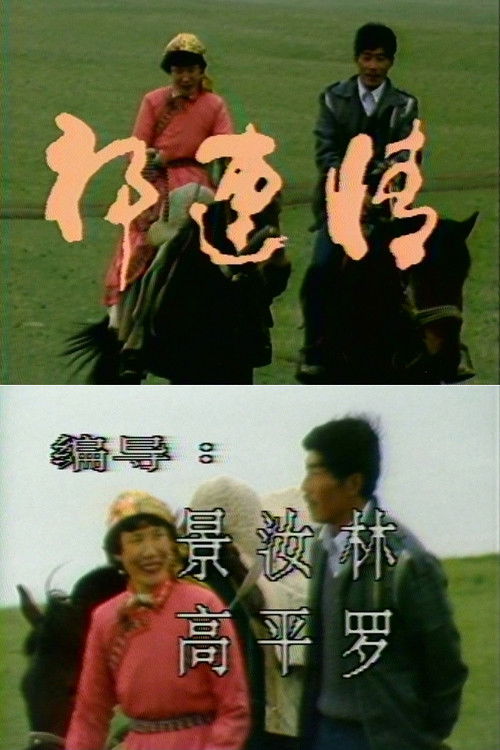
Depending on Heaven

The film is in two parts and focuses on the Mongols living in the Inner Mongolia Autonomous Region of China. Part One (28 minutes) follows the life of a nomadic Mongol family on their yearly journey following their herds across north China. Part Two (28 minutes) gives a more contemporary view of the Mongols trying to reclaim the desert in a more sedentary lifestyle currently encouraged by the Chinese government. The second section highlights disturbing environmental issues regarding the destruction of these northern grasslands.

Depending on Heaven

0.0 1988
The Carnivals of Life — An Introduction to the Festivals of the Yiche People

This early Chinese ethnographic film documents festivals of the Yiche people of the Hani ethnic group -- their folklore and cultural phenomena, such as reproductive worship dance; their collective socializing on festival nights and marriage customs; and the "haruzhe," which has both characteristics of blood sacrifice and prayer, a ritual to offering for a good harvest. The directorial debut of documentarian Hao Yuejun, the film uses the language of documentary but with a specifically ethnographic focus on history and customs, and is recognized as an important historical work in its own right for 'restarting' ethnographic filmmaking after the end of the Cultural Revolution; in fact, this particular method of had never been used in China before.

The Carnivals of Life — An Introduction to the Festivals of the Yiche People

5.0 1986