In the first of a new series of Define Beauty, Berlin-based directer Matt Lambert—known for his often-NSFW work exploring sex and intimacy—gets under the skin of our infatuation with sweat. Read more on NOWNESS
His Sweat
3.6 2016
13,143 Matches Found
In the first of a new series of Define Beauty, Berlin-based directer Matt Lambert—known for his often-NSFW work exploring sex and intimacy—gets under the skin of our infatuation with sweat. Read more on NOWNESS
Ten Minutes Older is a 2002 film project consisting of two compilation feature films entitled The Trumpet and The Cello. The project was conceived by the producer Nicolas McClintock as a reflection on the theme of time at the turn of the Millennium. Fifteen celebrated film-makers were invited to create their own vision of what time means in ten minutes of film.
Paris is a monstrously inhuman cityscape, in which cars, buses, crowds, and unceasing noise combine to smother any decent and delicate human activity. People and flowers attempt to survive in a city that seems ready to explode from an over-heated mixture of traffic and noise.
A sex education film dedicated to all forms of human sexuality.

With exclusive behind-the-scenes access into Herzog’s everyday life, rare archive material and in-depth interviews with celebrated collaborators – including Christian Bale, Nicole Kidman, and Robert Pattinson, we are given an exciting glimpse into the work and personal life of the iconic artist.
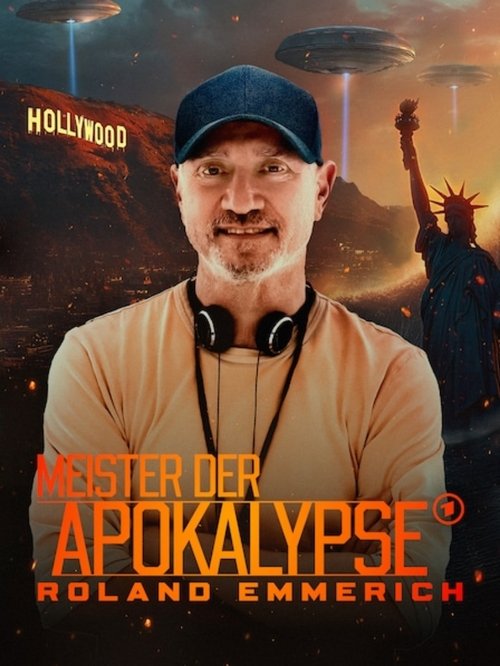
A documentary about Roland Emmerich, the most commercially successful German director in Hollywood, released on the occasion of his 70th birthday. It offers rare insights into his professional career and private life, covering his rise as a blockbuster filmmaker, his personal relationships, family background, and life in the US and Europe. The film also looks back at his early work, including his 1984 directorial debut The Noah’s Ark Principle, and reflects on themes such as dreams, identity, politics, and the rules of the film industry.
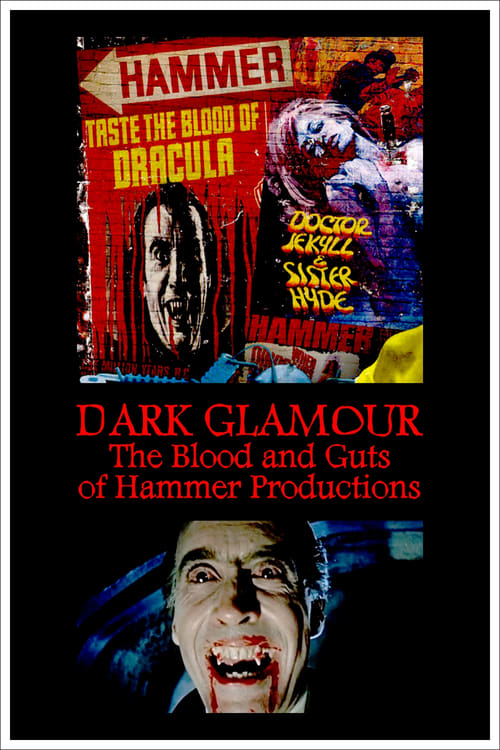
The greatness, fall and renaissance of Hammer, the flagship company of British popular cinema, mainly from 1955 to 1968. Tortured women and sadistic monsters populated oppressive scenarios in provocative productions that shocked censorship and disgusted critics but fascinated the public. Movies in which horror was shown in offensive colors: dreadful stories, told without prejudices, that offered fear, blood, sex and stunning performances.
Ekchart Schmidt examines the machinery behind the dream factory; the Hollywood myth is unmasked. How does the studio industry work? What role does marketing and the hype surrounding the stars play?
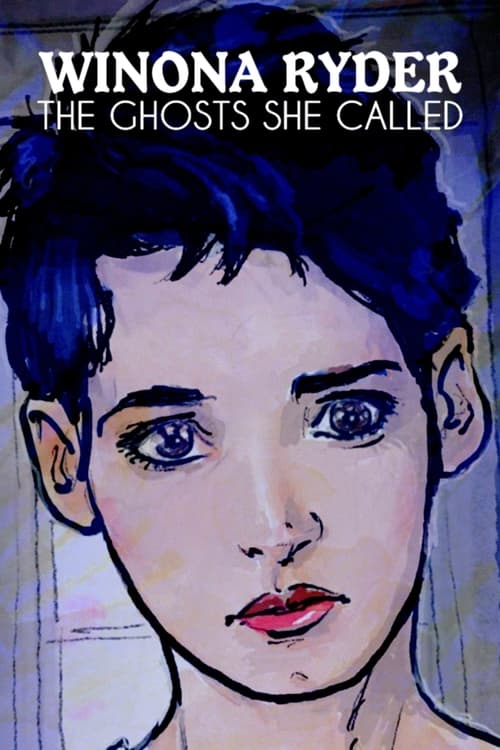
A portrait of the actress Winona Ryder, the great muse of nineties cinema, who, although she has had an atypical and somewhat erratic career, has always offered performances as sensitive as they are honest.
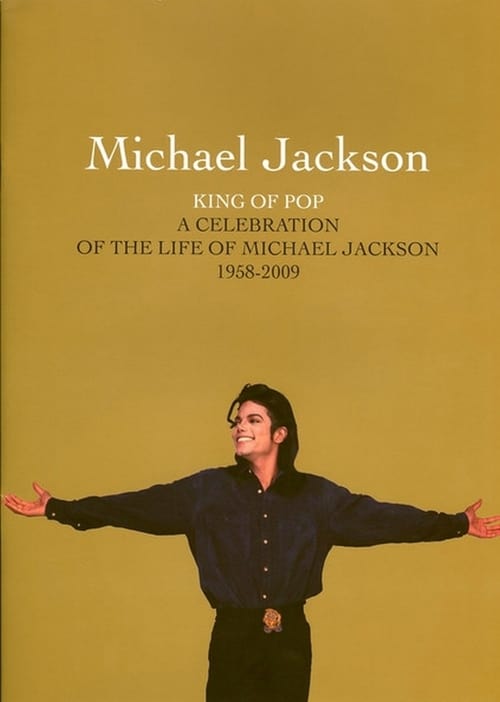
A live telecast of the public memorial service for the king of pop, Michael Jackson.
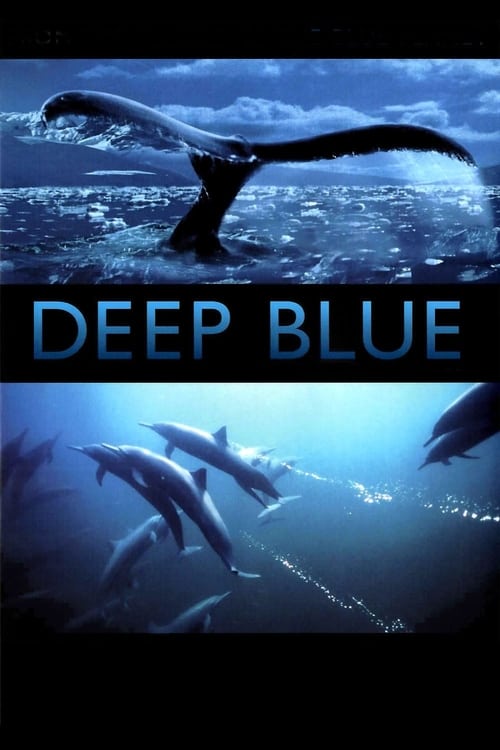
Deep Blue is a major documentary feature film shot by the BBC Natural History Unit. An epic cinematic rollercoaster ride for all ages, Deep Blue uses amazing footage to tell us the story of our oceans and the life they support.
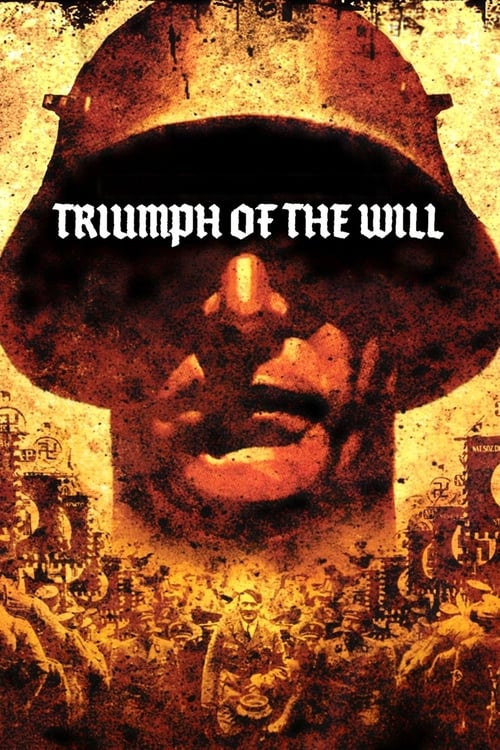
A showcase of German chancellor and Nazi Party leader Adolf Hitler at the 1934 Nuremberg Rally.
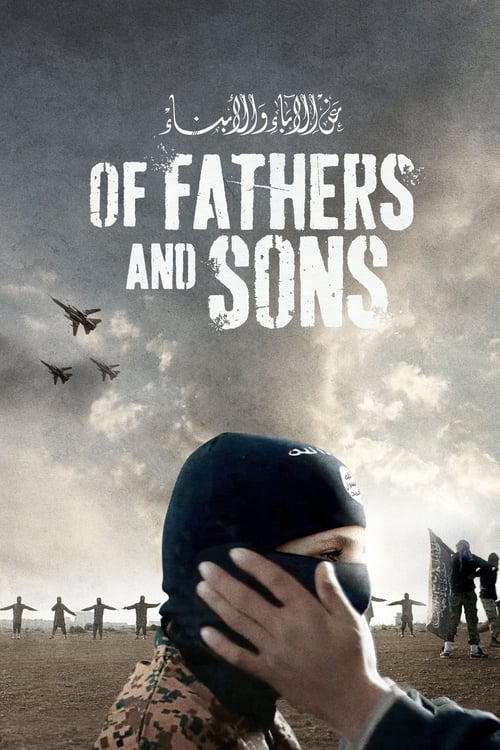
Talal Derki returns to his homeland where he gains the trust of a radical Islamist family, sharing their daily life for over two years. His camera focuses on Osama and his younger brother Ayman, providing an extremely rare insight into what it means to grow up in an Islamic Caliphate.
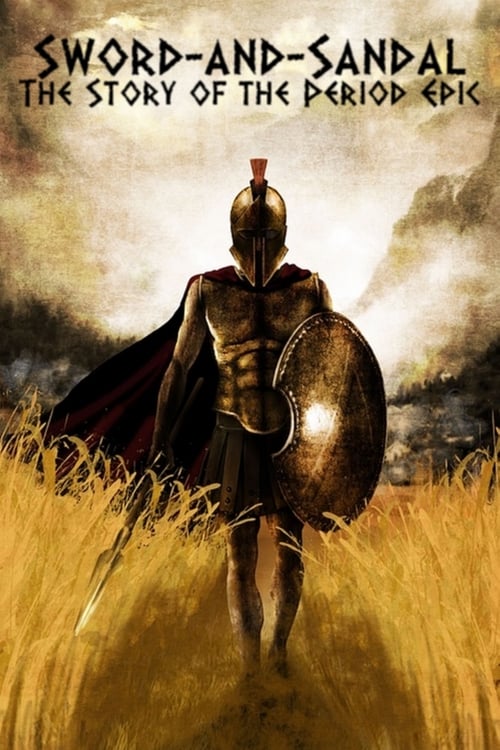
The history of the peplum genre, known as sword-and-sandal cinema, set in Antiquity, from the silent film era to the present day.
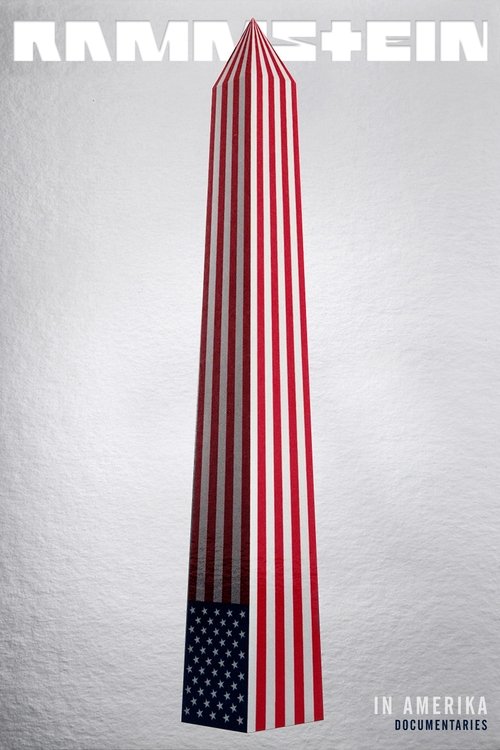
The concert film celebrates the band’s legendary show in New York’s Madison Square Garden – Rammstein’s return to the US after a ten-year absence. In HD and 5.1 surround sound. For the documentary, Rammstein provided extensive, previously unreleased footage and photos from the band archive. In numerous interviews from various periods in the band’s history, the band members speak about their experiences across the Atlantic.
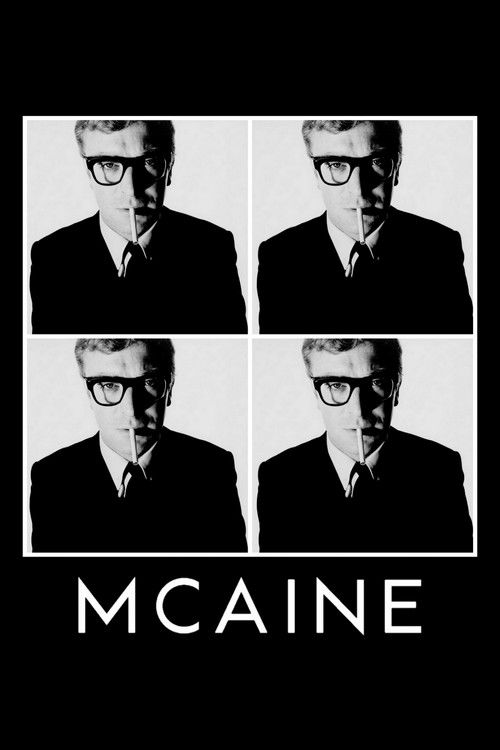
Legendary British actor Michael Caine, who began his brilliant career on stage during the 1950s, talks about his private life, his work in film and the books he has written.
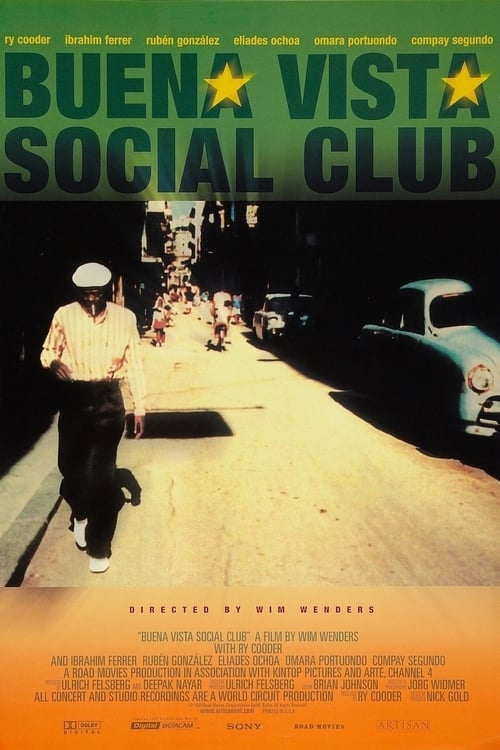
In this fascinating Oscar-nominated documentary, American guitarist Ry Cooder brings together a group of legendary Cuban folk musicians (some in their 90s) to record a Grammy-winning CD in their native city of Havana. The result is a spectacular compilation of concert footage from the group's gigs in Amsterdam and New York City's famed Carnegie Hall, with director Wim Wenders capturing not only the music -- but also the musicians' life stories.
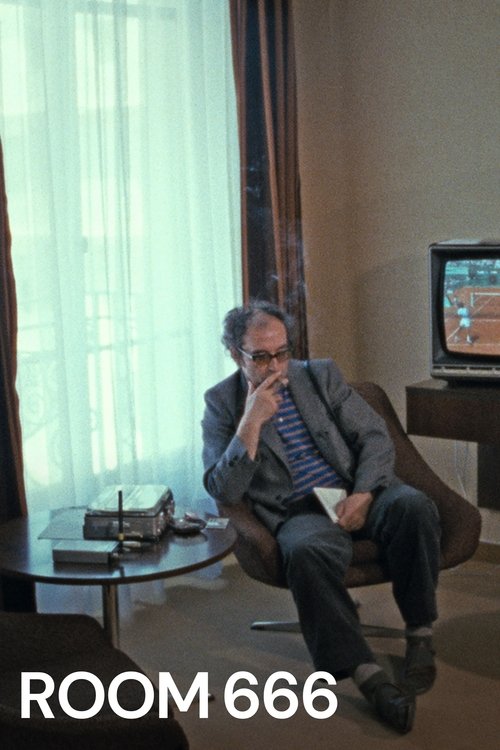
During the 1982 Cannes Film Festival, Wim Wenders asked a number of global film directors to, one at a time, go into a hotel room, turn on the camera, and answer a simple question: "What is the future of cinema?"
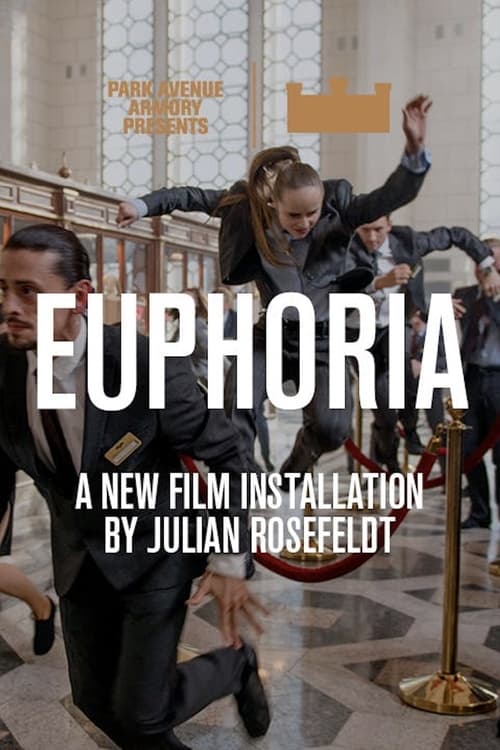
Artist and filmmaker Julian Rosefeldt creates elaborately staged films that investigate the power of language and the conventions of cinema as an allegory for societal and individual behaviors. With the multi-channel film installation Euphoria he continues this examination by exploring capitalism, colonialism, and the influential effects of unlimited economic growth in society.
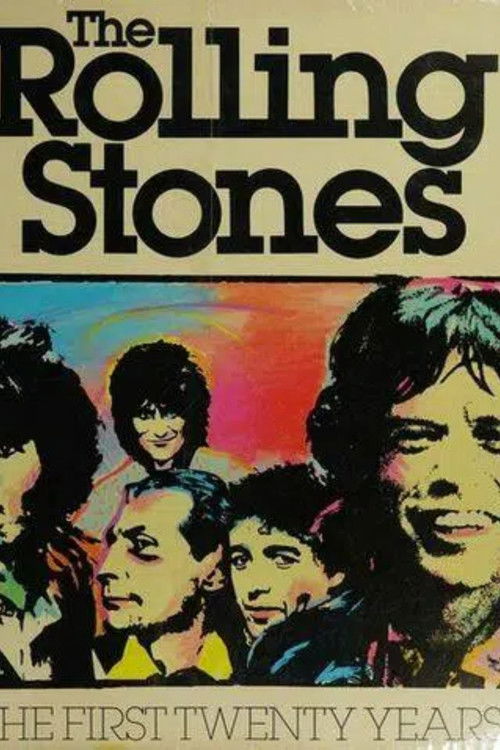
Documentary about the first 20 years of the Rolling Stones with interviews and a lot of rare archive footages all over the world, pictures, TV and live songs 1962-1982 ("Satisfaction", "Jumpin' Jack Flash", "Time Is On My Side" and many more). Hosted by punk star Nina Hagen. Interviews of Mick Jagger, his brother Chris, his father Joe, Keith Richards, Bill Wyman, Ron Wood, Ian Stewart, Bianca Jagger, Paul McCartney, Marianne Faithfull, Rod Stewart, Wendy O'Williams (from the Plasmatics), Diana Ross and Bill Graham (manager).
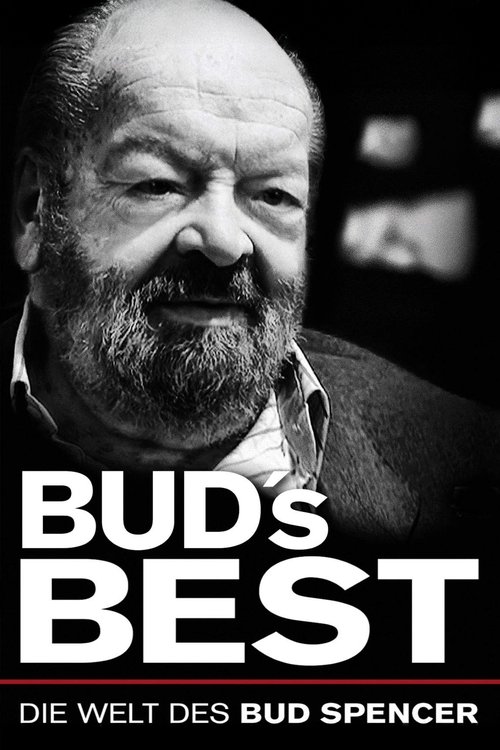
Documentary is a look back at the varied life of the Olympic competitor, inventor and actor Bud Spencer, who became particularly famous in Germany for his "Hau drauf" comedies with film partner Terrence Hill. Through numerous interviews with family members, fans and connoisseurs, the film also provides a very private insight into the life of the man who, by his own admission, actually has nothing in common with the fictional character "Bud Spencer", and attempts to fathom the cult that still surrounds him today.
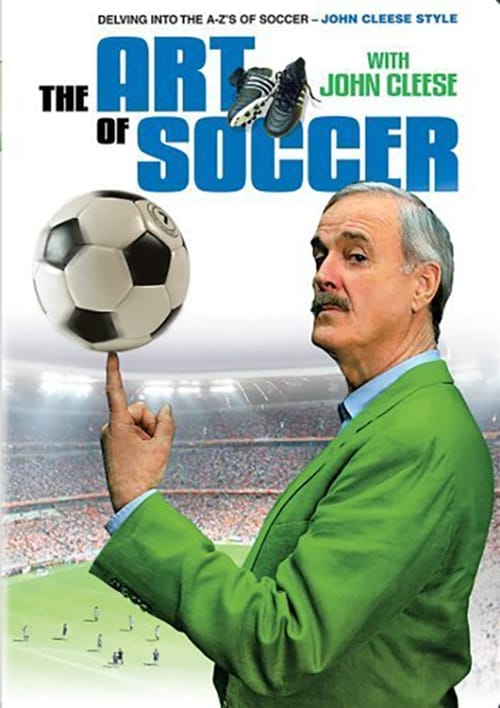
Funnyman John Cleese leads viewers through an exhaustive -- and hilarious -- tour of the world of soccer, complete with the sport's most memorable goals, kicks, saves, goofs and penalties. Also included are reflections on soccer's impact on culture, including the Monty Python sketch "Philosophy Football," and interviews with celebrities Dave Stewart, Dennis Hopper and Henry Kissinger, as well as soccer icons Pelé, Mia Hamm and Thierry Henry.
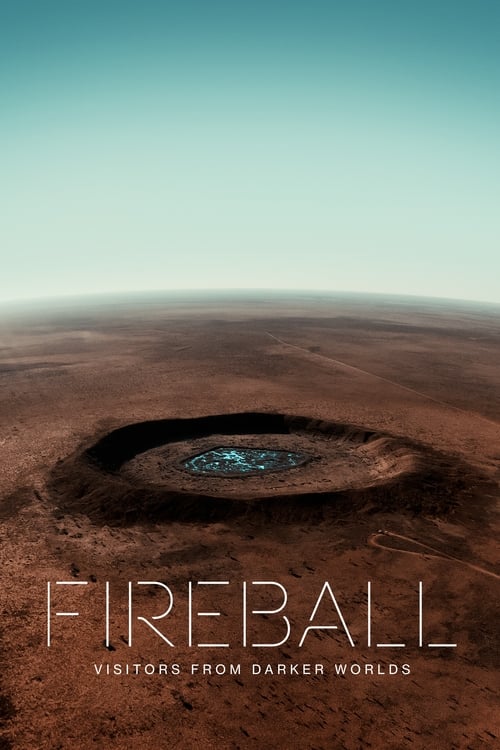
This remarkable journey across our planet and universe explores how meteorites, shooting stars, and deep impacts have awoken our wonder about other realms—and make us rethink our destinies.
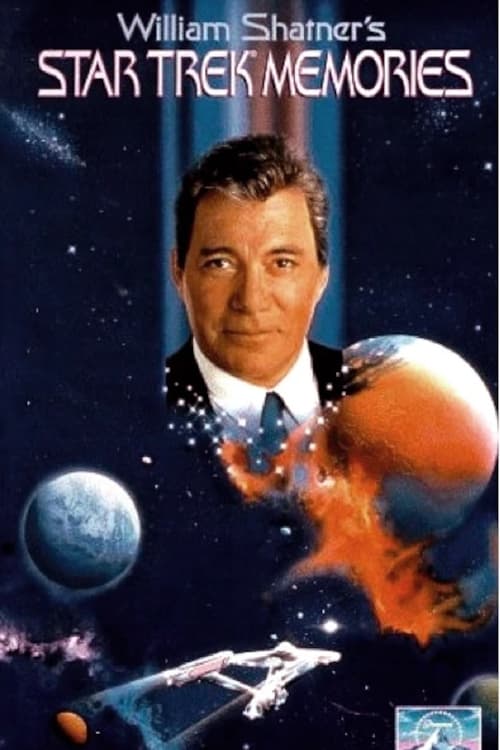
Cast members of the television and movie series "Star Trek" reminisce about the making of the series and the films, and give their opinions on why the series has been so successful.

German director Wim Wenders tries to explore the Tokyo that was depicted in the films of Yasujiro Ozu and finds a very different city.

Film noir, which enjoyed particular success in the 1930s and 1940s, is probably the most profound genre of classic Hollywood cinema. Eckhart Schmidt tries to show the background and developments and speaks, among others, with directors such as Richard Fleischer and Robert Wise as well as with "femme fatale" actresses. Filmmakers of the following generations explain how the style and themes of noir continue to shape cinema today.
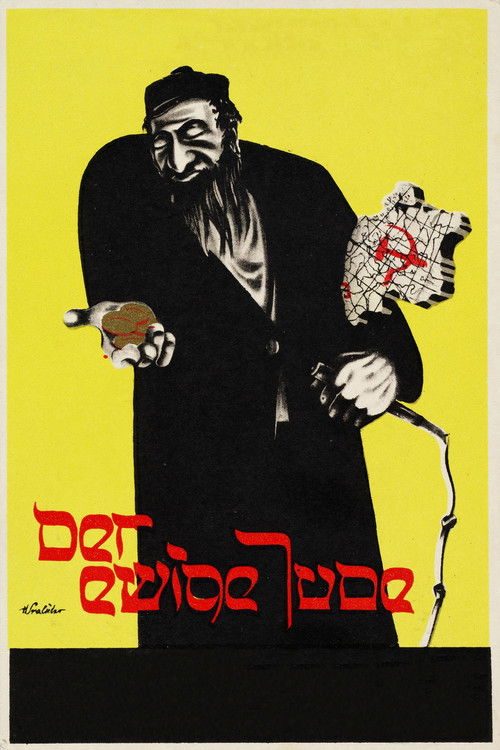
A Nazi propaganda film made to promote anti-Semitism among the German people. Newly-shot footage of Jewish neighborhoods in recently-conquered Poland is combined with preexisting film clips and stills to defame the religion and advance Hitler's slurs that its adherents were plotting to undermine European civilization.
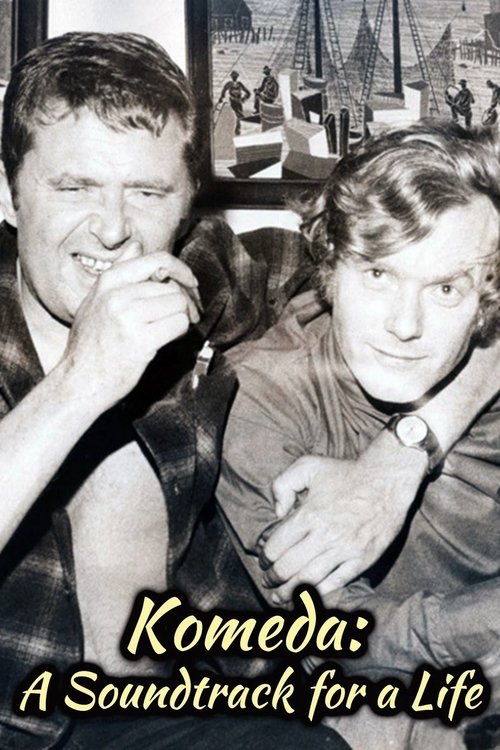
Krzysztof Komeda was a jazz pianist and film composer. With compositions like the lullaby for Rosemary's Baby (1968) by Roman Polanski, Komeda succeeded in writing his own chapter in the history of soundtracks. This documentary follows the life story of the composer by the means of his melodic sounds. It is a reflection on his soundtracks, which changed the common film scores forever. It is a contemporary document about the attitude to life in a time of social, political and cultural change after war, about work and exodus of Polish artists in the 50s and 60s. A story about how film music is created and how it affects people. Directors who worked with Komeda and who are also friends talk about him: Roman Polanski, Jerzy Skolimowski, Henning Carlsen and Andrzej Wajda. His wife, Zofia Komeda, and his sister, Irena Orlowska, recollect him.
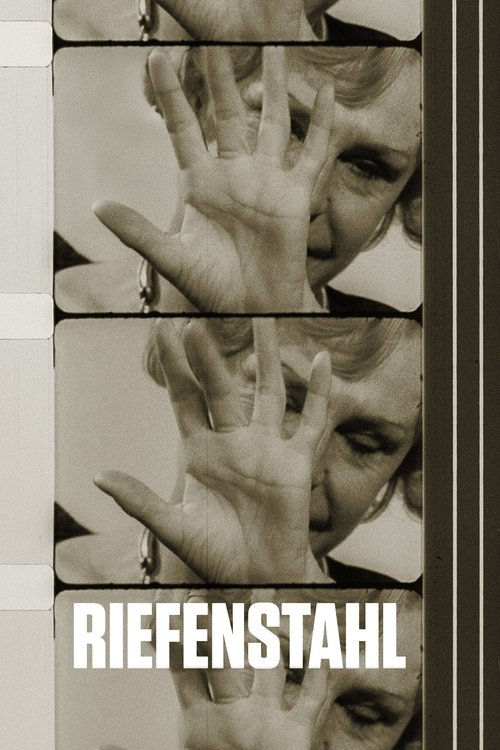
Explores Leni Riefenstahl's artistic legacy and her complex ties to the Nazi regime, juxtaposing her self-portrayal with evidence suggesting awareness of the regime's atrocities.

Shortly after the Gulf War, oil fires were raging all through Kuwait. In the week before this sea of fire would be extinguished, Werner Herzog filmed this apocalyptic landscape with its murky skies, scorched earth and capricious flames.
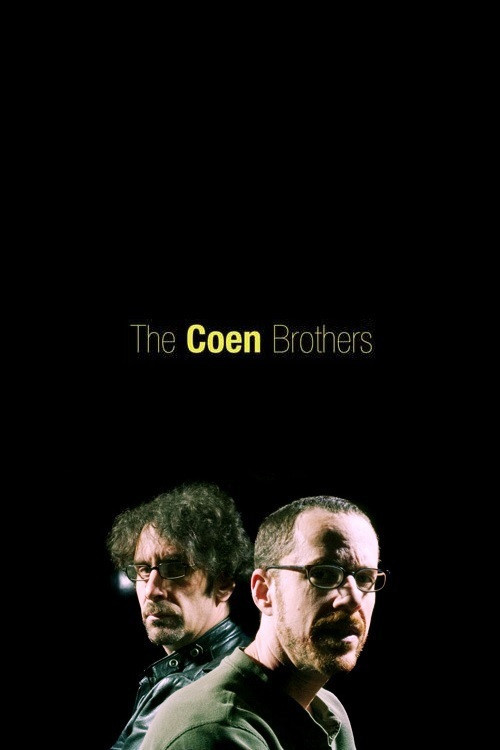
During the promotional campaign for "O Brother, Where Art Thou?" in 1999, BBC broadcast a documentary about the Coen brothers, mainly concerning their past. The documentary consists of featured interviews with many of the actors that they have worked with, along with family, friends and crew members.
A personal essay about the United States viewed through the life and work of the late American film and stage actor Henry Fonda.
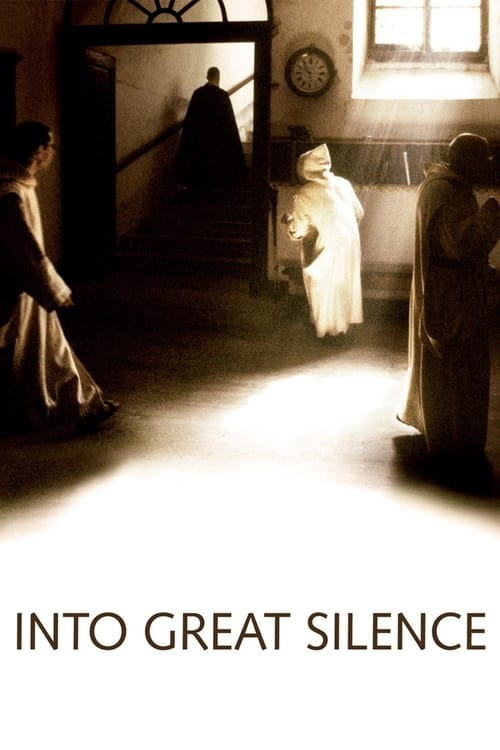
An intimate portrayal of the everyday lives of Carthusian monks of the Grande Chartreuse, high in the French Alps (Chartreuse Mountains). The idea for the film was proposed to the monks in 1984, but the Carthusians said they wanted time to think about it. The Carthusians finally contacted Gröning 16 years later to say they were now willing to permit Gröning to shoot the movie, if he was still interested.
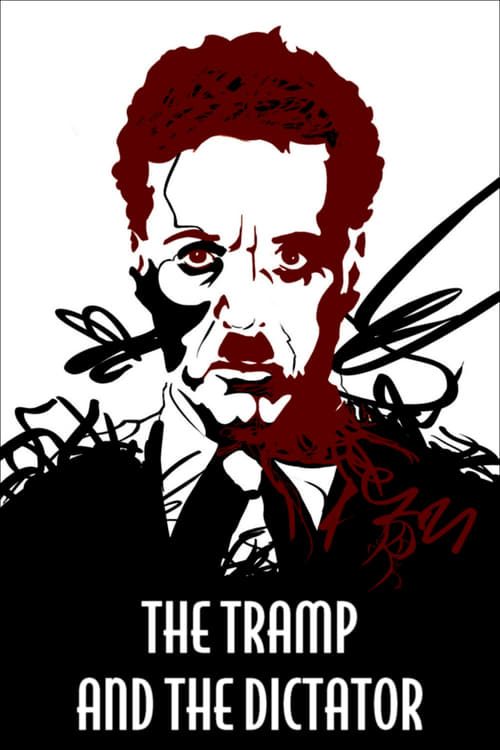
A look at the parallel lives of Charlie Chaplin and Adolf Hitler and how they crossed with the creation of the film “The Great Dictator,” released in 1940.

The lives of Stan Laurel (1890-1965) and Oliver Hardy (1892-1957), on the screen and behind the curtain. The joy and the sadness, the success and the failure. The story of one of the best comic duos of all time: a lesson on how to make people laugh.
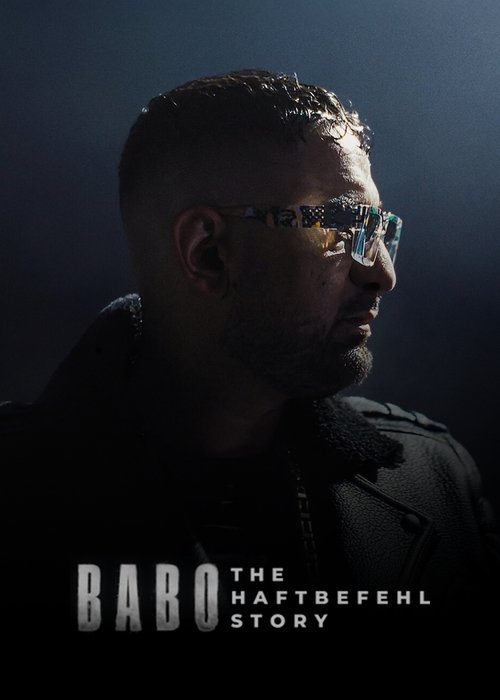
Personal interviews with Haftbefehl and those closest to him reveal the story behind the German rap icon as he takes a brutally honest look at his life.
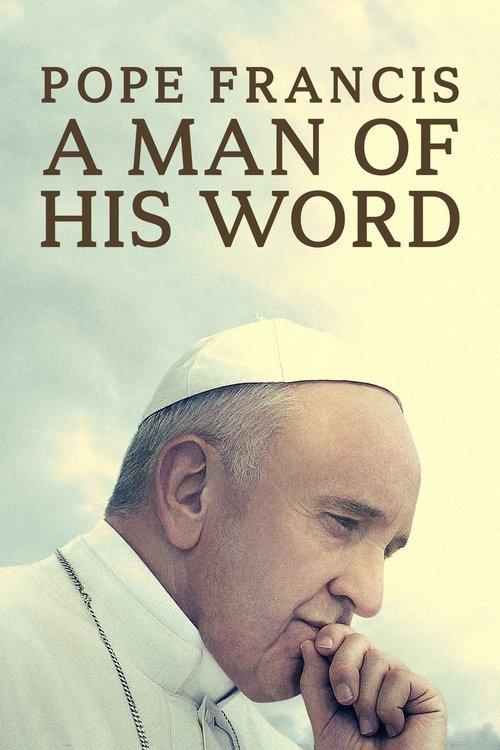
Pope Francis responds to questions from around the world, discussing topics including ecology, immigration, consumerism and social justice.
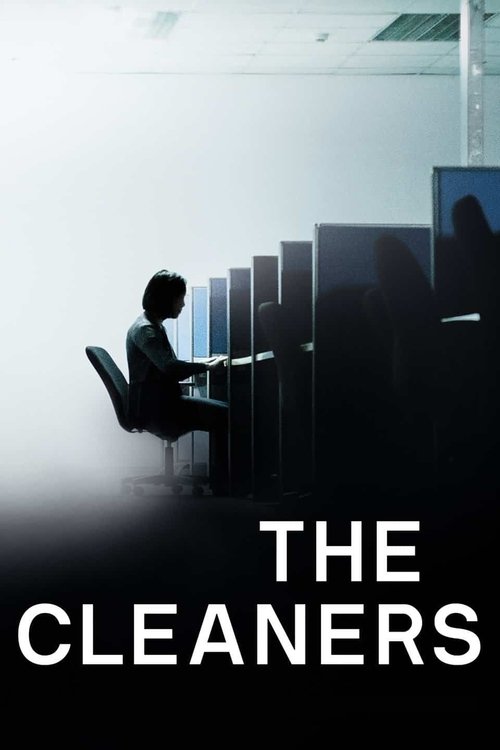
A deep dive into the hidden industry of digital cleaning, which rids the Internet of unwanted violence, porn and political content.
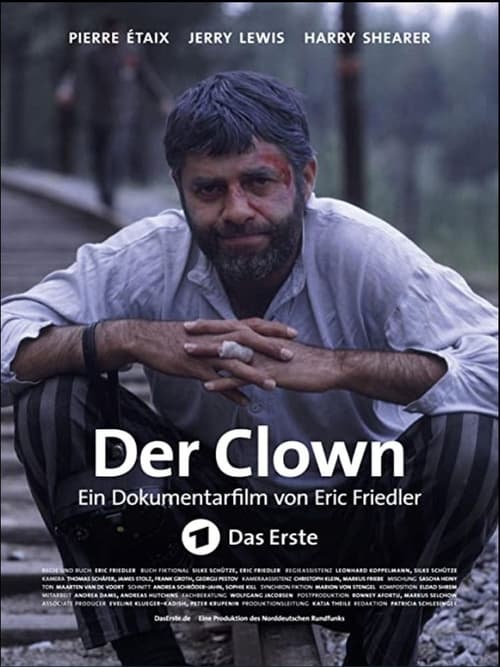
A documentary about Jerry Lewis' never-released movie "The Day the Clown Cried".

In late eighties, in Ceausescu's Romania, a black market VHS bootlegger and a courageous female translator brought the magic of Western films to the Romanian people and sowed the seeds of a revolution.
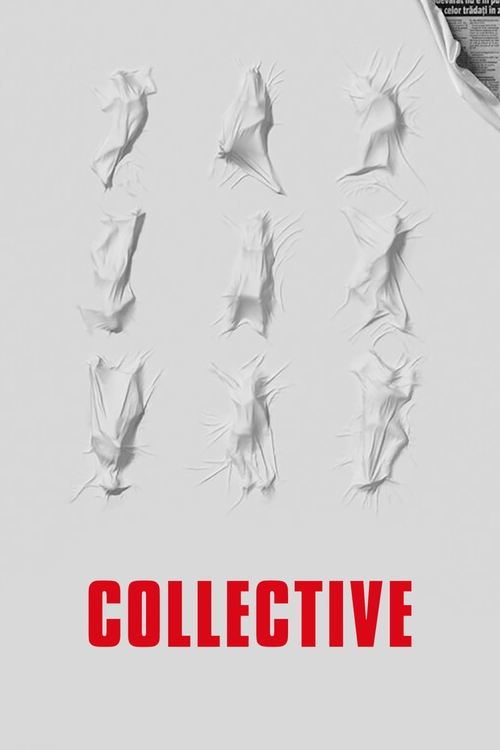
In the aftermath of a tragic fire in a Romanian club, burn victims begin dying in hospitals from wounds that were not life threatening. A team of investigative journalists move into action uncovering the mass corruption of the health system and of the state institutions. Collective follows journalists, whistle blowers, and authorities alike. An immersive and uncompromising look into a dysfunctional system, exposing corruption, propaganda, and manipulation that nowadays affect not only Romania, but societies around the world.
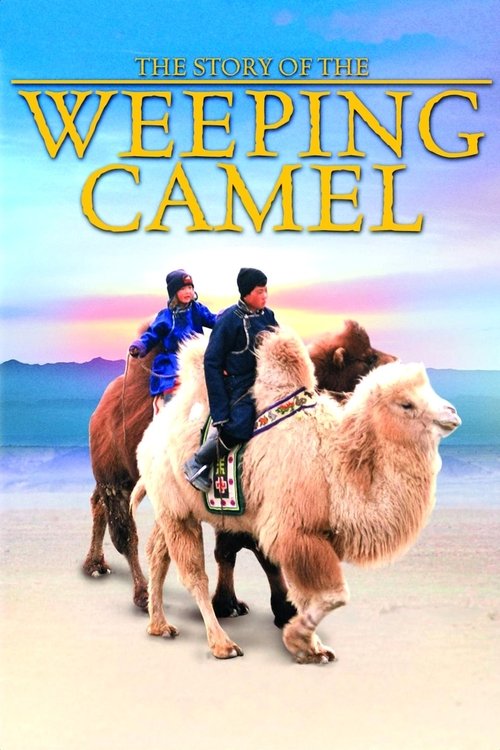
When a Mongolian nomadic family's newest camel colt is rejected by its mother, a musician is needed for a ritual to change her mind.
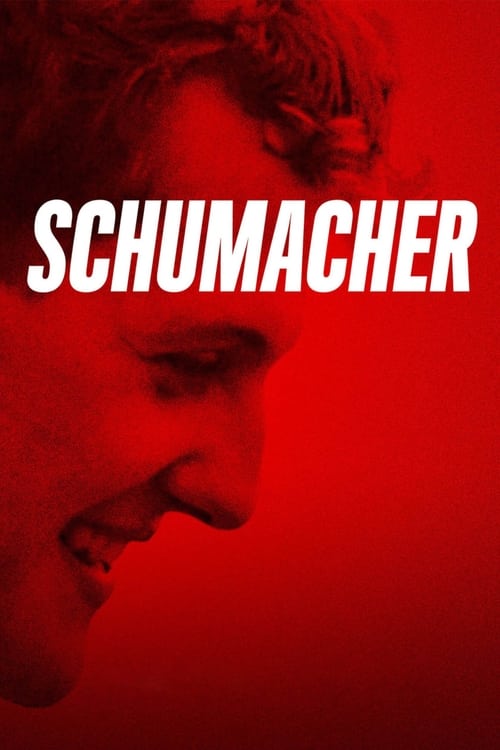
Through exclusive interviews and archival footage, this documentary traces an intimate portrait of seven-time Formula 1 champion Michael Schumacher.

Pan lives two lives. During the day he is the son of a traditional Hong Kong family. But at night he transforms into the unapologetic drag queen Pansze Diva entertaining the underground of the city. Ultimately looking for acceptance by their parents, what does a death in the family change?
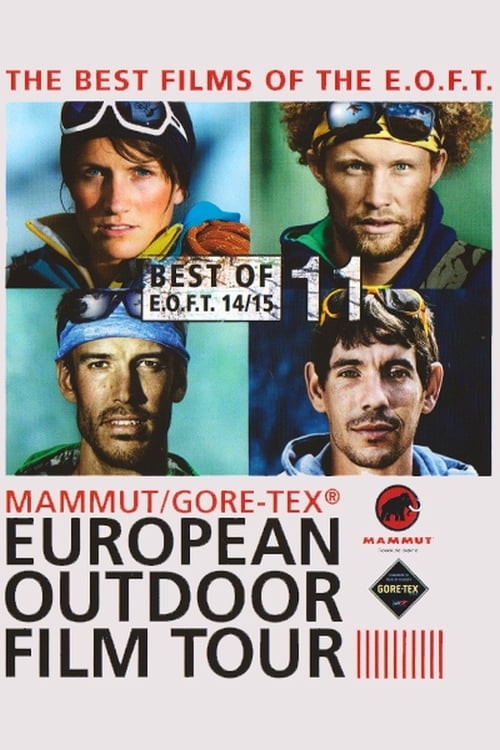
The best films of the European Outdoor Film Tour 14/15
Documentary about Hollywood.
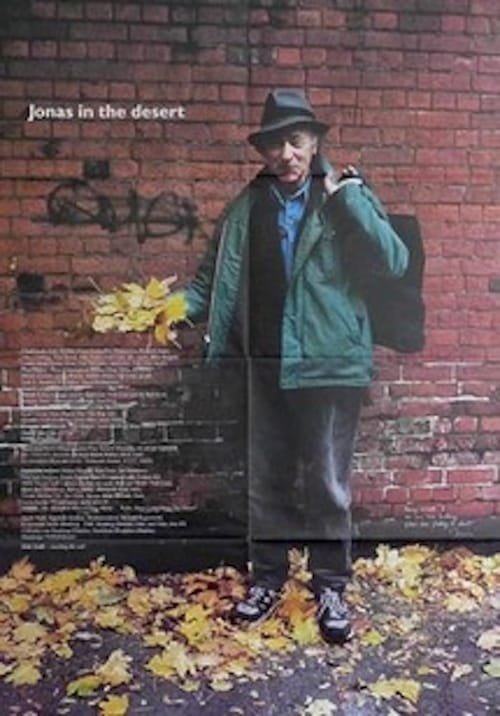
Not a documentary in the strictest sense of the word. Rather, it is a journey through the world of the artist Jonas Mekas - one of the exponents of independent U.S. movies; founder and director of the New York Anthology Film Archive.

Twenty-five films from twenty-five European countries by twenty-five European directors.
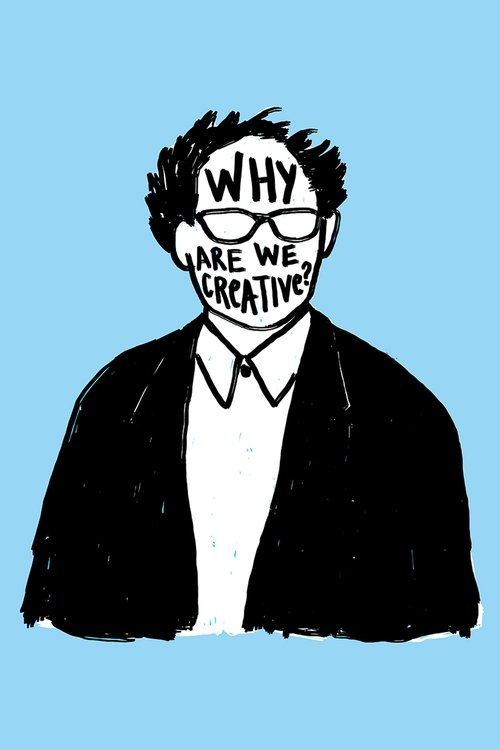
A 30 years odyssey: the world's most intriguing artists and thinkers from the fields of visual art, music, filmmaking, acting, literature, philosophy, politics, business and science, are asked the same question: "Why are you creative?"
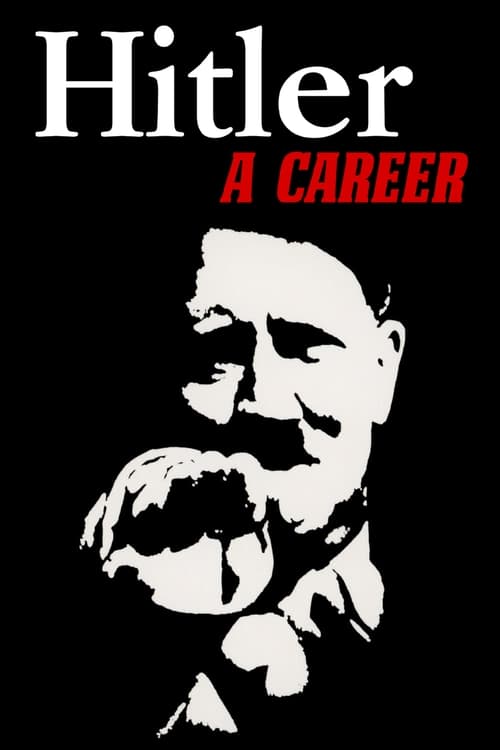
A keen chronicle of the unlikely rise to power of Adolf Hitler (1889-1945) and a dissection of the Third Reich (1933-1945), but also an analysis of mass psychology and how the desperate crowd can be deceived and shepherded to the slaughterhouse.
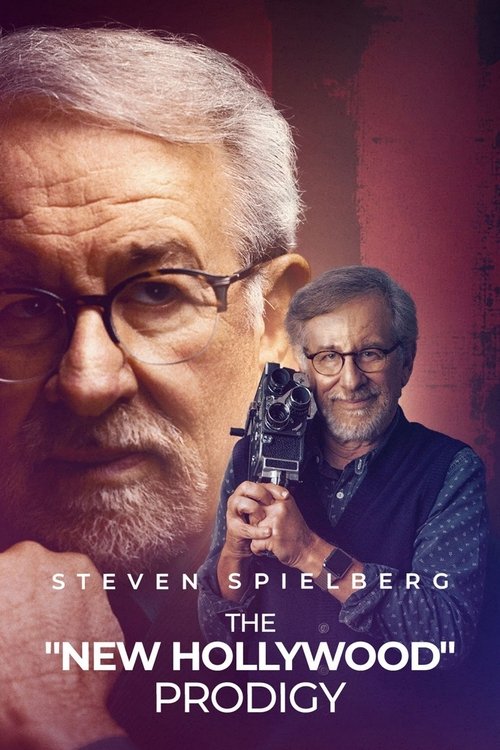
A new light on American filmmaker Steven Spielberg, Hollywood’s greatest director, offering a unique perspective on his work and digging into his personal influences.

A very surreal video shot behind the scenes during the production of Blue Velvet in Wilmington, North Carolina in 1985 by Peter Braatz.
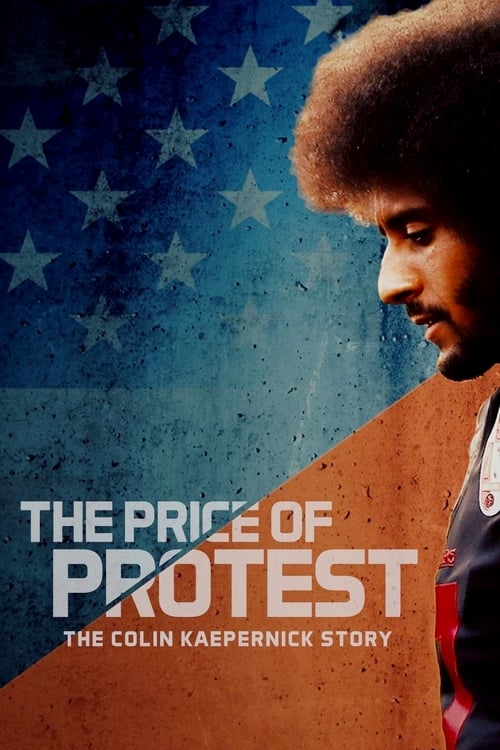
United States, September 1st, 2016. American football player Colin Kaepernick kneels during the national anthem, protesting police brutality against black people. Part of the population regards the gesture as an unacceptable affront to the flag. Later, he loses his place on his team. Today, however, he is considered by many as a true hero.
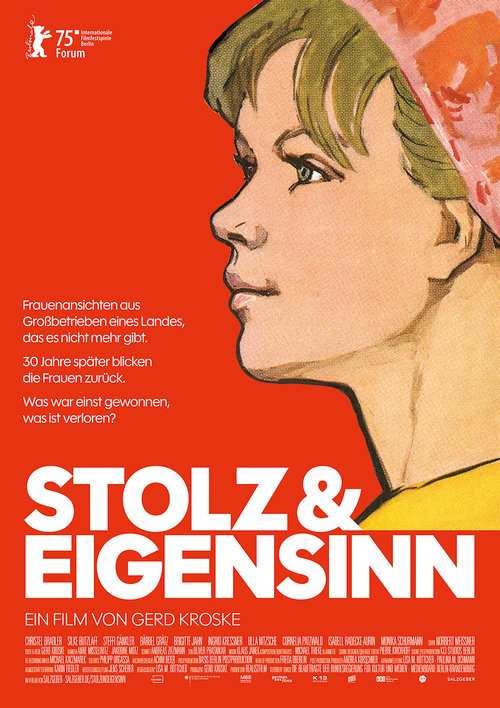
The viewpoints of women from a country that no longer exists preserved on low-band U-matic tape. GDR-FRG. Courageous, self-confident and emancipated: female industry workers talk about gaining autonomy.
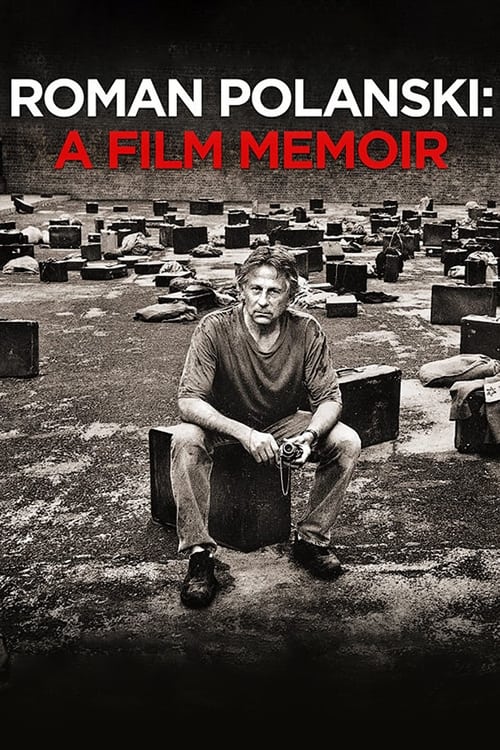
An interview with film director Roman Polanski conducted during his period of house arrest, discussing his life and work.
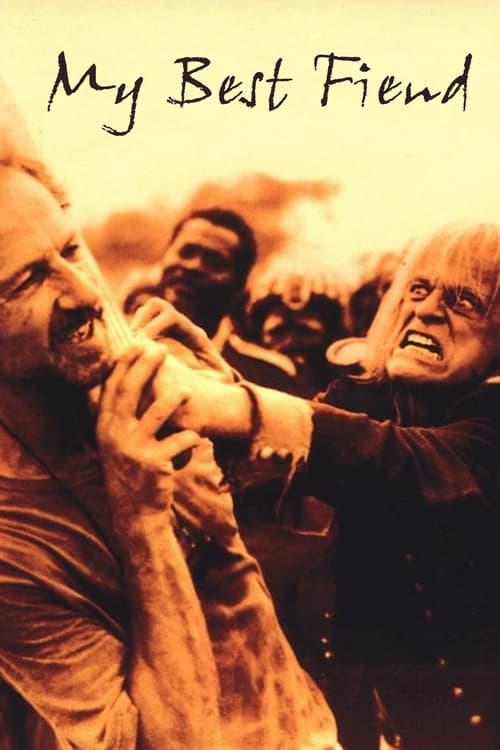
A film that describes the love-hate relationship between Werner Herzog and Klaus Kinski, the deep trust between the director and the actor, and their independently and simultaneously hatched plans to murder one another.
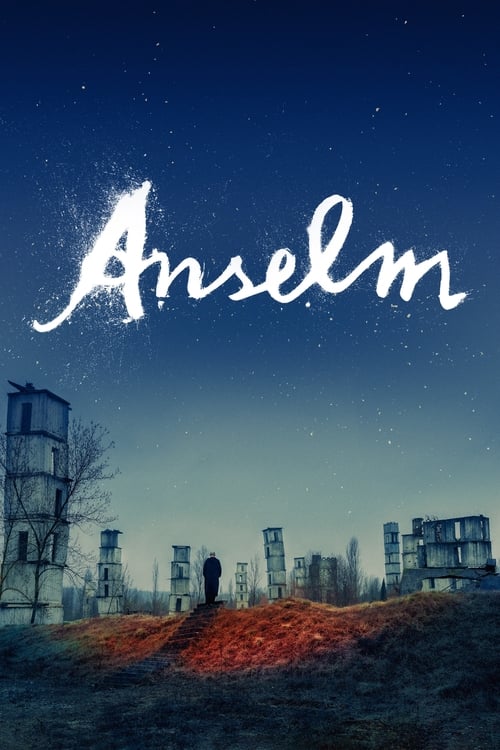
This unique cinematic experience dives deep into an artist’s work and reveals his life path, inspiration, and creative process. It explores his fascination with myth and history. Past and present are interwoven to diffuse the line between film and painting, allowing the audience to be completely immersed in the remarkable world of one of the greatest contemporary artists, Anselm Kiefer. Wim Wenders shot this unique portrait over the course of two years in stunning 3D.
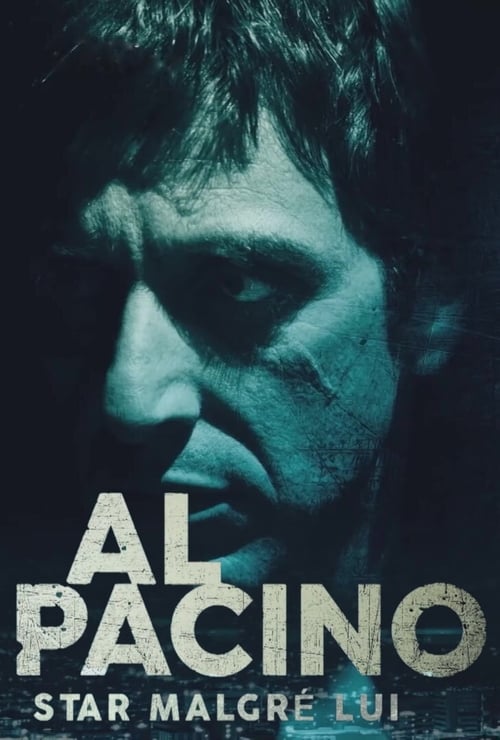
Al Pacino is a mystery. He is fire and ice at the same time. His attraction is animalistic, his looks frightening. From the ghetto of the Bronx in New York he has made it onto the big stage – from Broadway to Hollywood. As Michael Corleone in "The Godfather" he celebrated his big breakthrough at the beginning of the 70s – against much resistance, because apart from director Francis Coppola himself nobody wants him for the role. His realistic acting became the measure of all things overnight.