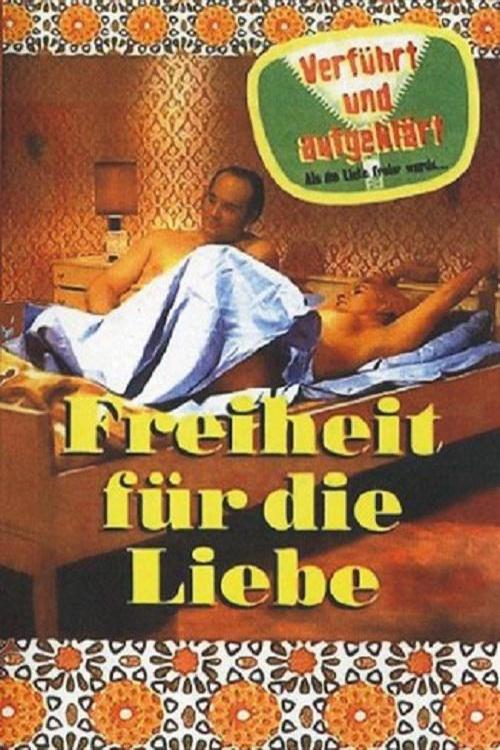
A sex education film dedicated to all forms of human sexuality.
Freedom to Love
5.0 1969
417 Matches Found
A sex education film dedicated to all forms of human sexuality.

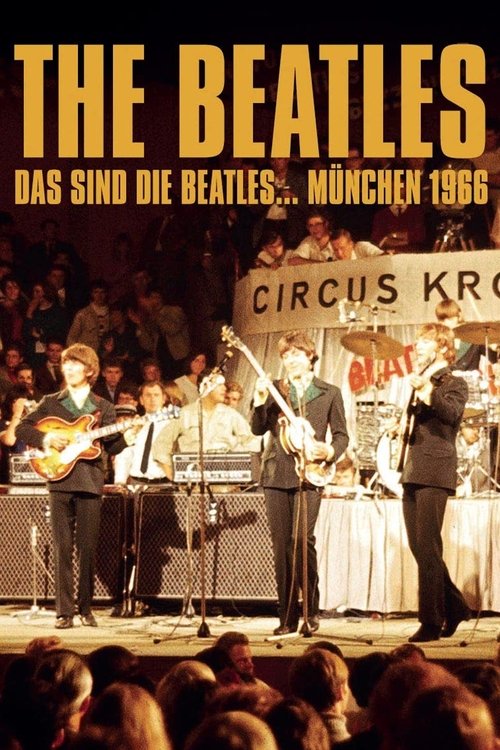
This German Television Special captured not only the Beatles (performing at the Circus-Krone-Bau) but a few songs from opening acts Cliff Bennett and the Rebel Rousers, the Rattles and Peter and Gordon.
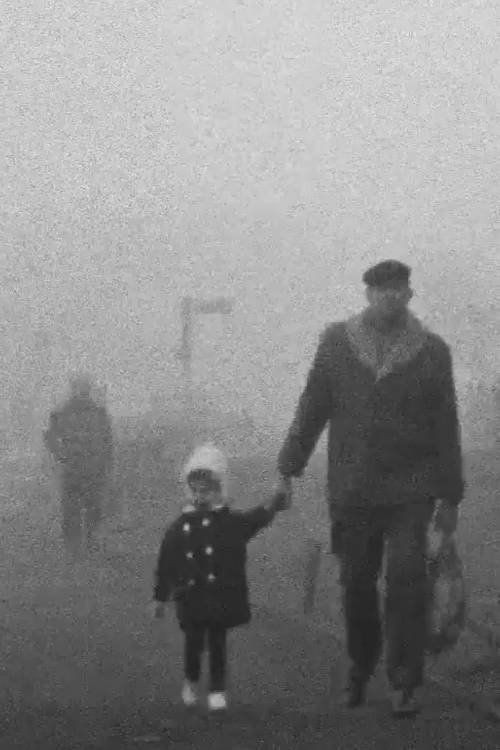
This dialogue-free short is edited to music and the rhythms of change in a small town in the Ruhr region, shot a few years after the first mining pits were closed in the area. Nestler takes his audience on a journey through mining pits, coal heaps, cold stores, and to workingmen settlements and pubs of Mülheim.
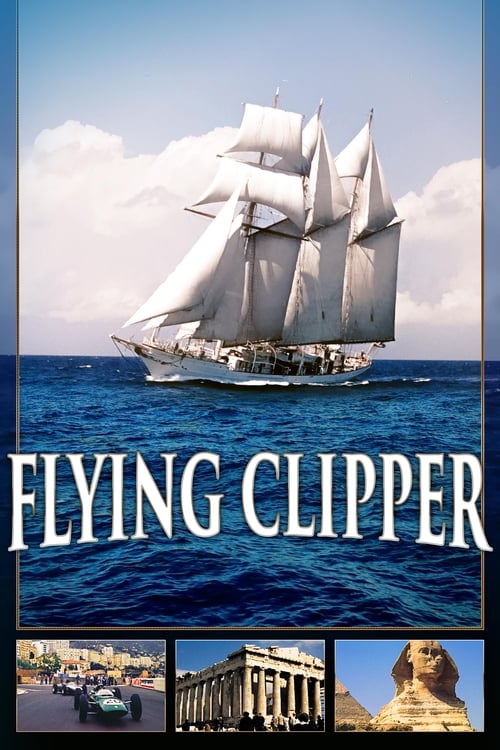
A 1962 West German documentary film directed by Hermann Leitner and Rudolf Nussgruber.
The documentary play reconstructs the backstory of the so-called “Röhm Putsch”, during which a few hundred people got killed, depicts the intrigues between the Reichswehr (German army) and the SA, and draws an image of the character of Röhm who, prior to Hitler’s accession to power, was his friend but later got pushed more and more into the background and eventually was disposed of. Röhm, captain during the 1st World War, organisational talent, daredevil, and one of the ‘discoverers’ of the corporal Hitler, was the central figure in the secret power struggles in the just established Hitler state. He demanded a ’second revolution’ and wanted to unite the million-man army of the SA and the Reichswehr under his leadership…
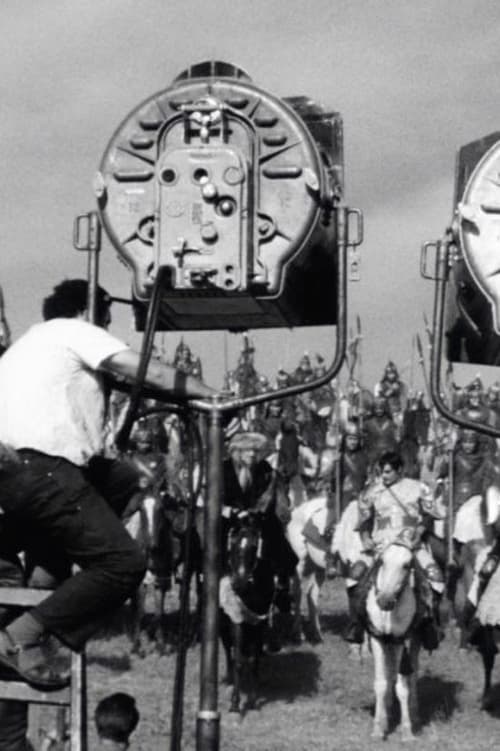
Short documentary on the making of Henry Levin's Genghis Khan, which filmed on location in Yugoslavia. The final film's epic battle scenes are contrasted with the mundane reality of life on a film set.
Documentary about the making of Marcel Carne's 1945 film Children of Paradise (France), interviewing the director, the actors and production designer, as well as other French directors.
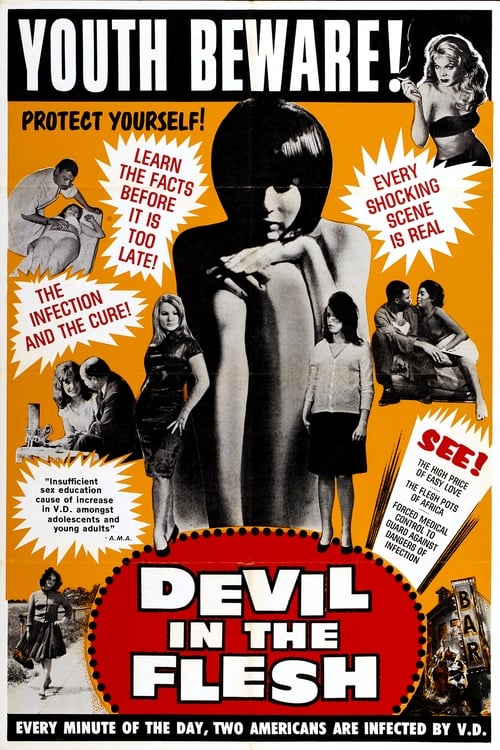
A group of physicians sets out on an international expedition to study the causes and spread of sexually transmitted diseases. Through encounters across Europe and Africa, the film examines how modern lifestyles, social change, and human behavior intersect with public health. Presented as a semi-documentary drama, it delivers a stark warning about a global medical and moral challenge.
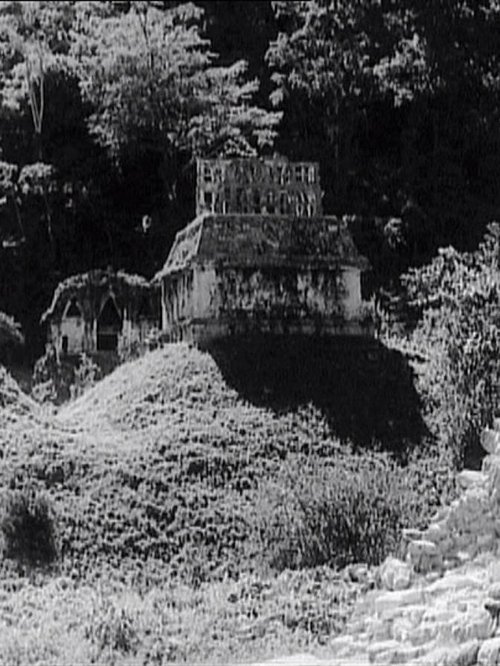
Poetic documentary about the vanished culture of the Maya.
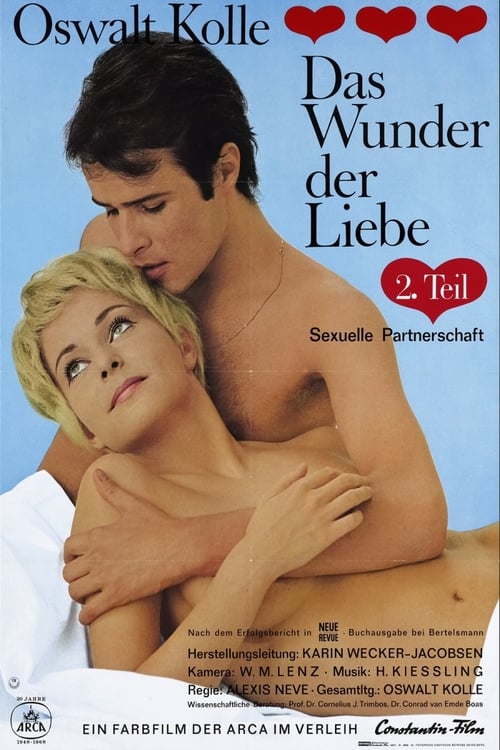
This is a continuation of the sex education films by Oswald Kolle. This time the sexual partnership is discussed.
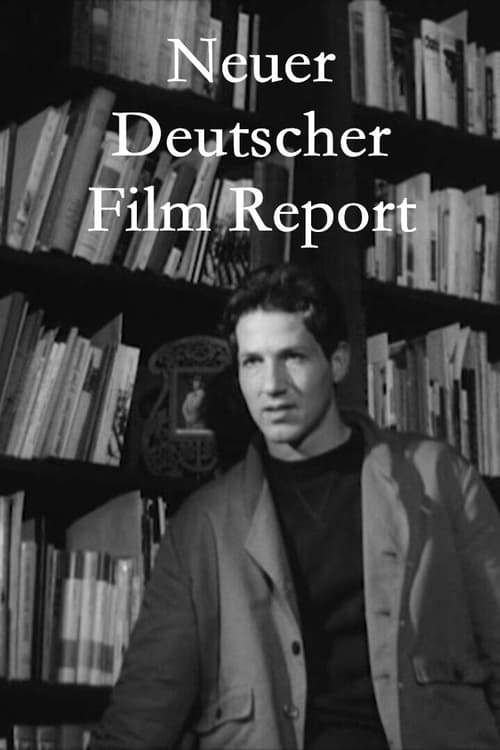
Interview film with the protagonists of the New German Cinema in 1966.
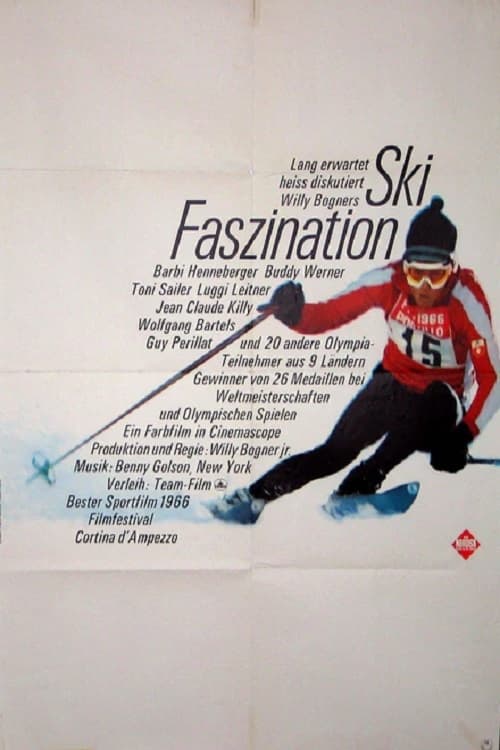
With his first film "Skifascination", Willy Bogner junior composed something unprecedented: a ski symphony of ski races, sketches and ski ballet. The world had never seen such an aesthetic combination of choreographed ski turns, brightly colored ski suits and emotional music in 1966! Shot in Ultrascope in the mountains around St. Moritz, the idea, script, production and camera shots were all the work of Willy Bogner. The spectacular images opened up completely new perspectives on skiing, which at the time was primarily seen as a high-speed sport. Willy added a romantic touch to skiing by combining it with beauty, harmony and fun. He didn't even need a continuous plot - snow, mountains and dancing on two boards were all he needed as the main characters!
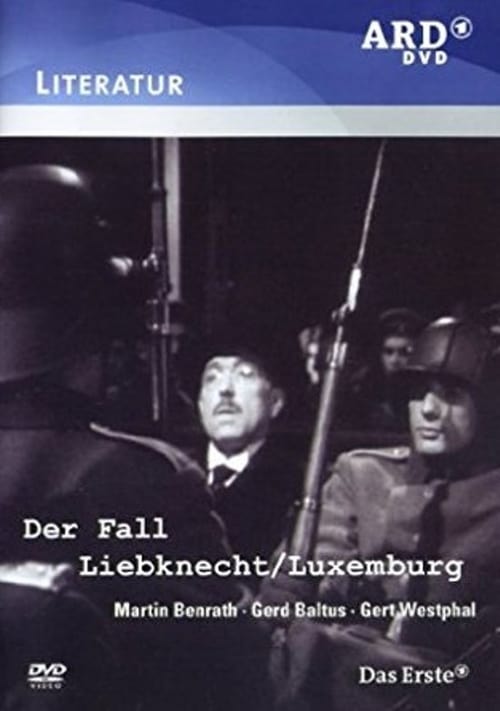
Reconstruction of the murder of Karl Liebknecht and Rosa Luxemburg and the following farcical military court procedures.
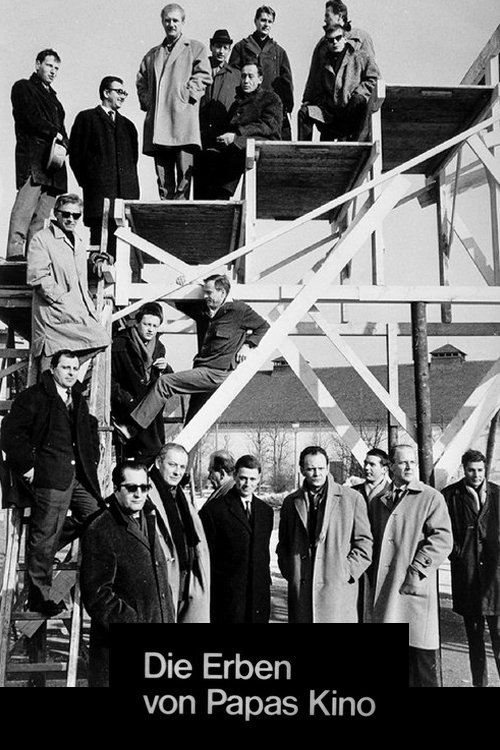
Documentary by Wilhelm Roth about the state of affairs of the Young German Cinema.
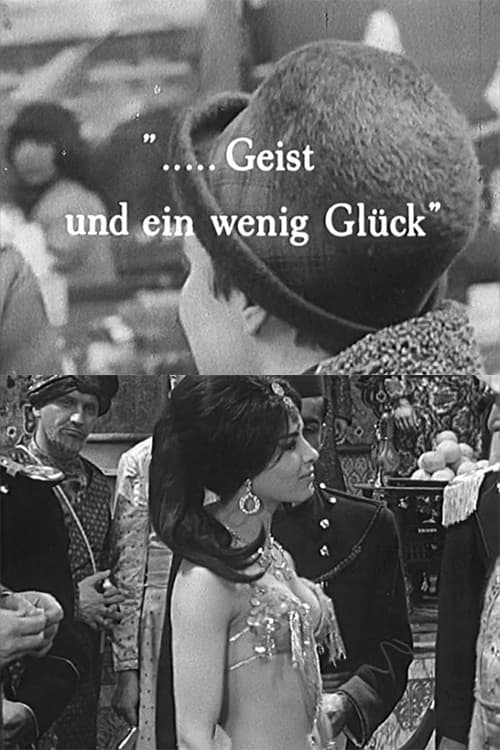
Documentary about the current state of German cinema. Produced for German television.
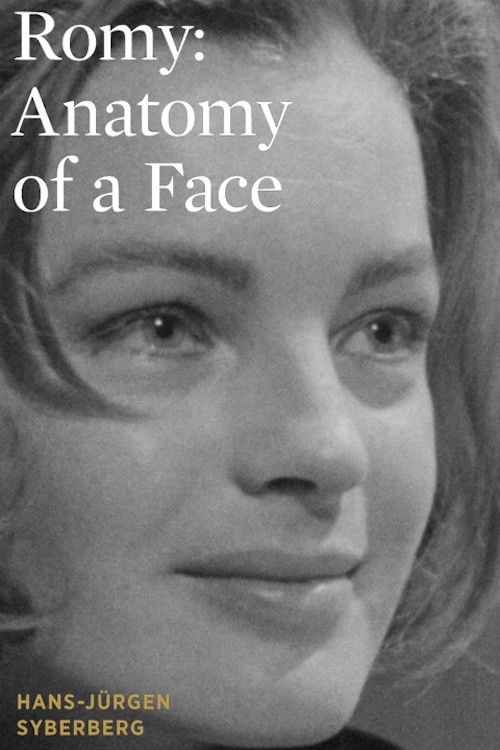
Documentary about young actress Romy Schneider, capturing just the right moment between her first career as a young actress in mainstream "Unterhaltungskino" ("entertainment cinema") and her second one as acknowledged European arthouse actress.
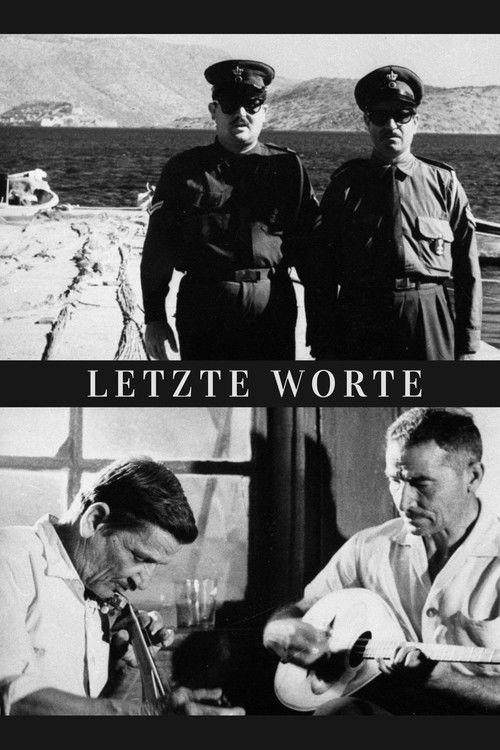
Early short by Werner Herzog shot while being on location in Greece shooting "Lebenszeichen".
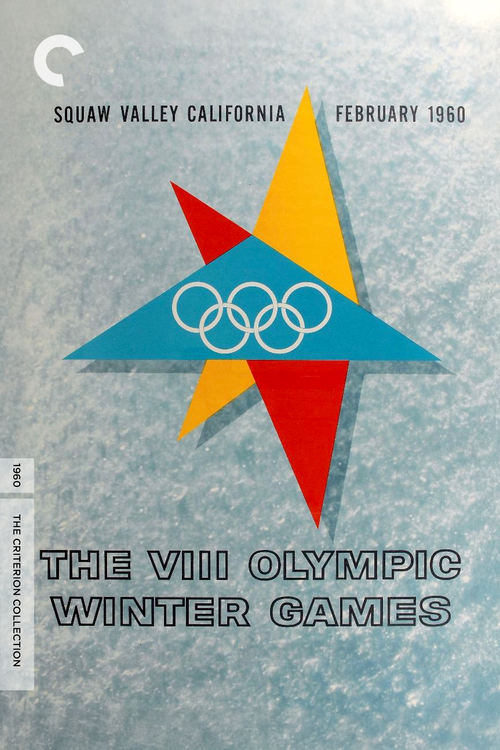
A documentary covering the 1960 Winter Olympic Games in Squaw Valley, California.
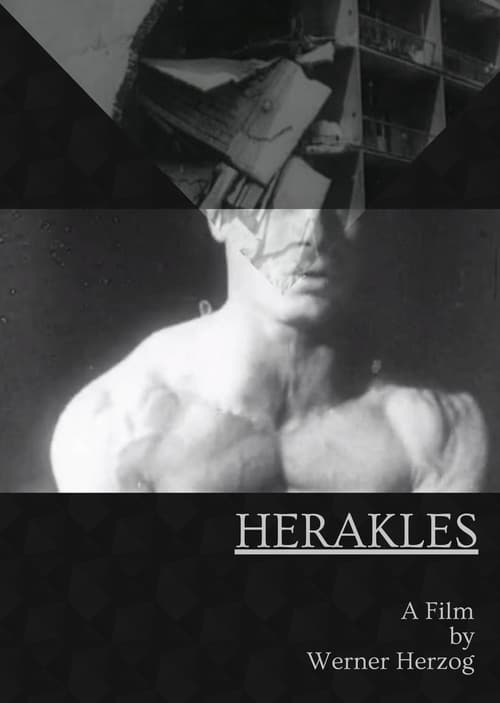
Basically, 'Herakles' is an omnium-gatherum of film clips depicting images of machismo. Some of those images are explicitly macho: we see various body-builders flexing their biceps and triceps. Other images seen here are not macho in the literal sense, but are indirectly related to testosterone or cojones on some level: we see military aircraft making bombing raids, and footage of car crashes.
Documentary about the film academy in Prague and the Czech Film in 1965.
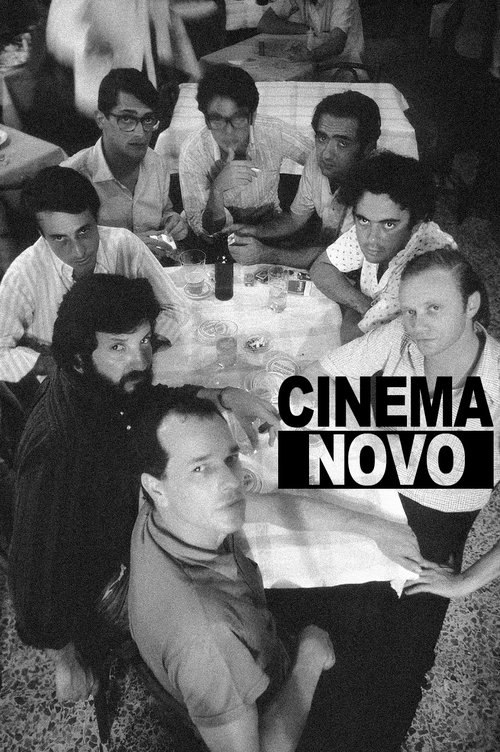
Originally produced for German TV, Improvised and Purposeful is a firsthand look at the "Cinema Novo" movement (otherwise known as the 'Brazilian New Wave'). Director Joaquim Pedro de Andrade focuses on six Cinema Novo filmmakers working in Rio in 1967.
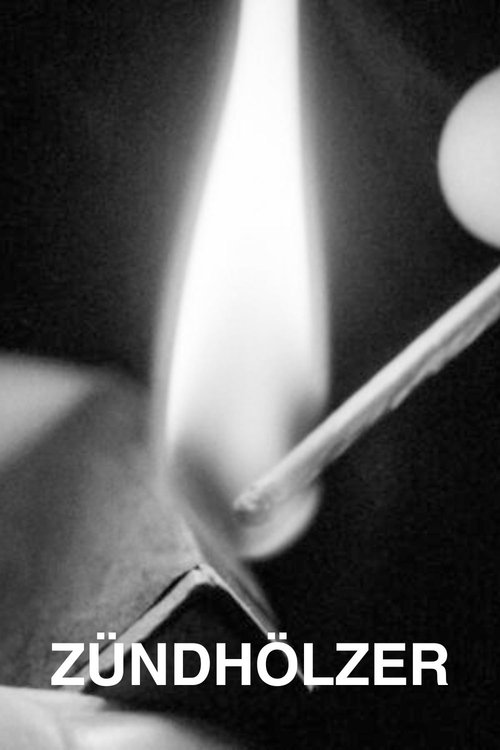
Short artistic documentary film showing a match factory
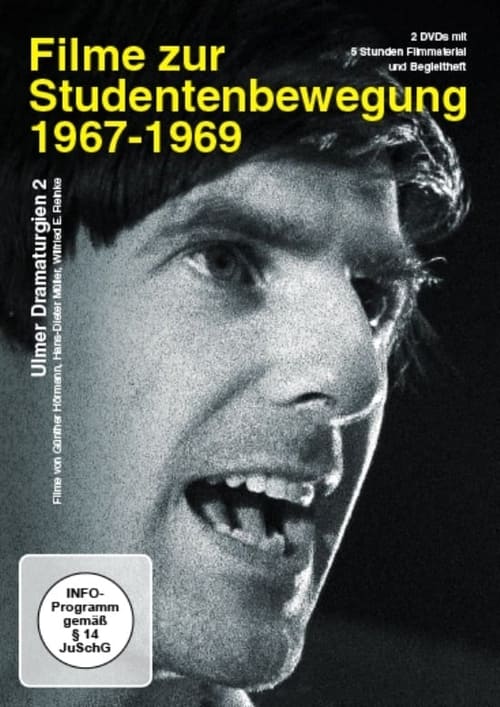
The film consists of four parts: Part 1 shows the founding of a new working group of the "Critical University" at the FU Berlin. Participants are students, workers, pupils, assistants and a university lecturer. The working group is founded to study the problems of educational advertising. Part 2 shows the campaign "Expropriate Springer"; the university administration of the FU Berlin refuses the rooms. The Springer Hearing takes place after all. Part 3 describes the Vietnam Congress, shows Dutschke's speech and a first approach to a counter-demonstration against the students. Part 4 answers Wolfgang Lefevre's questions about the next goals of the SDS.
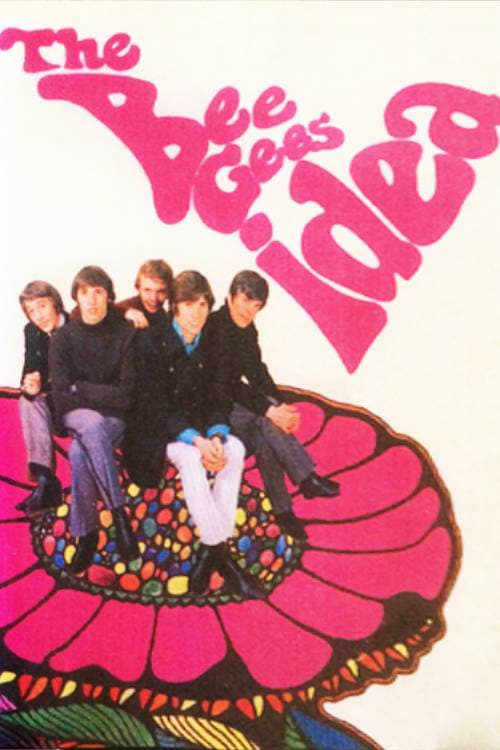
The Bee Gees preform in this special created for German TV. Also featured are Julie Driscoll, Brian Auger, and the Trinity, and Lil Lindfors.
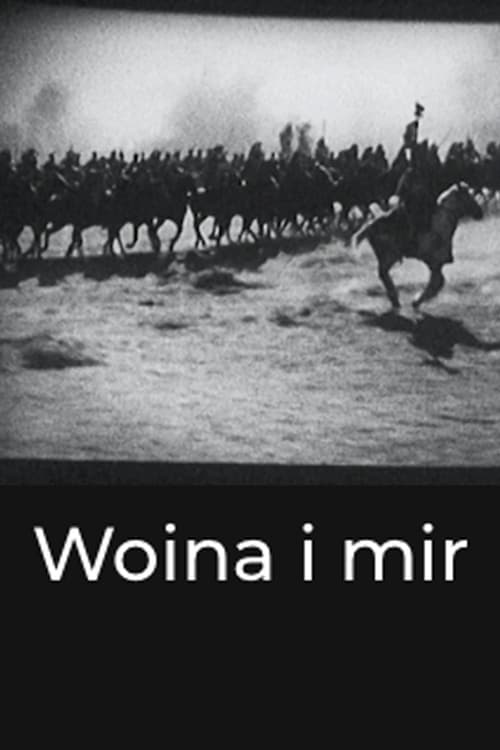
A behind-the-scenes look at the filming of "War and Peace," from conceptual sketches and costume design to cameras rolling.
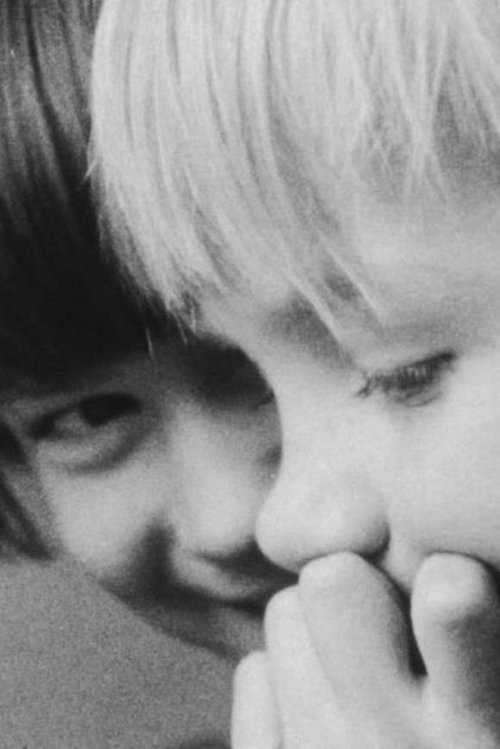
Documentary showing the daily routine of Sander’s seven year old son, Silvo.
Car racing, speed, the spectators’ fascination, the signs of an era made of machines and competition. But “victory” is not the real meaning of it.
Essentially an extensive travelogue through Greece and its islands, this 103-minute documentary was written, directed, and shot over a two-year period by Wolfgang Mueller-Sehn. Aside from a tour of the scenic and historical wonders of the country, Mueller-Sehn spends a lot of time in Athens examining its famous attractions like the Acropolis. Perhaps over-long at its current running time, this docu introduction to Greece would certainly be ideal for anyone planning a first visit to the country.
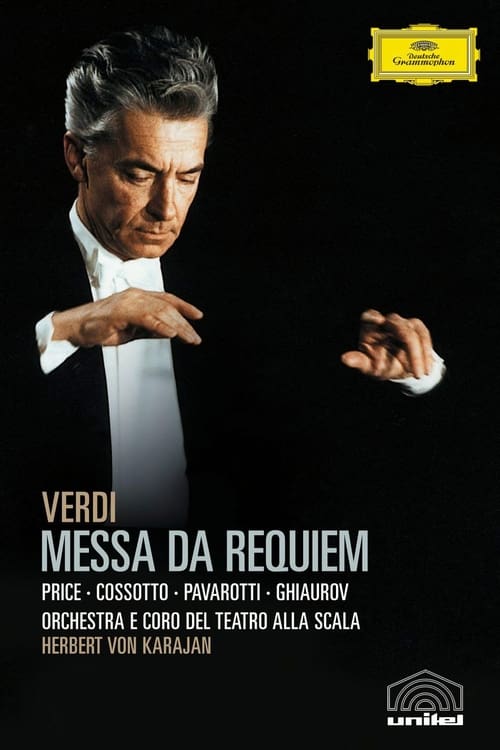
Herbert von Karajan conducts La Scala Orchestra and Chorus with soloists Leontyne Price, Fiorenza Cossotto, Luciano Pavarotti, and Nicolai Ghiaurov.
HARLEM, USA: in the aftermath of Martin Luther King’s murder, German filmmaker Klaus Wildenhahn turned his 16mm camera on the New Lafayette Theatre as its players rehearsed scenes, ran public workshops and conducted exercises in uptown Manhattan. New Lafayette (or NLT) had been founded by actor-director Robert Macbeth the previous year, with the aim of producing theater for black people, by black people, to reflect the experiences and vernacular of the Harlem community. Within the Black Arts Movement, NLT would become a significant institution: it published the journal Black Theatre, and employed a host of talents – including the Black Panthers’ Minister of Culture, Ed Bullins, and the great pianist Junior Mance, both of whom appear in Wildenhahn’s film as resident collaborators.
Carefully chronicling in great detail the early years of Hitler's political life until his fall as the leader of Germany, this archive-footage documentary offers a sharply critical insight into the stealthy rise of the Nazi party and how it's racist vision of the world slowly took hold in a disillusioned Germany.
A documentary looking at the utilization of the spectrum of electromagnetic waves for such purposes as space travel and electronics.
A documentary about the Atlantic Ocean, which tells of the coastal inhabitants' struggle with the sea, the secrets of the deep, and the benefits of the ocean.
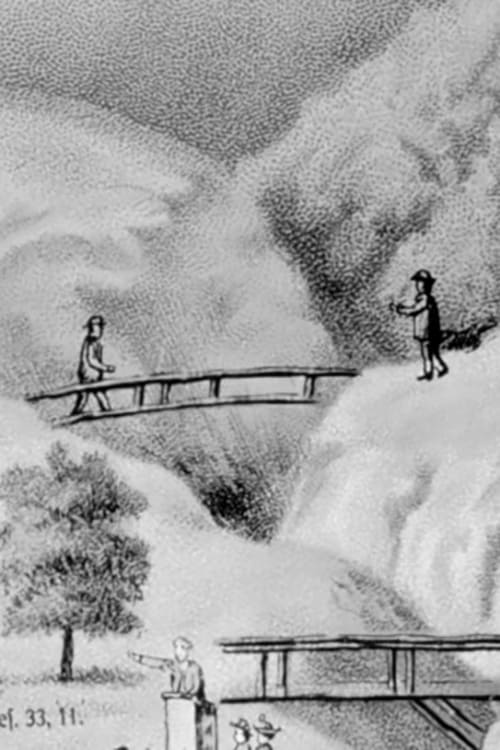
This short piece for the television station Sender Freies Berlin (SFB) is highly relevant to Farocki's later work. Zwei Wege is a cheeky description of a picture; Farocki shows us an image, a religious allegory showing the 'right' and the 'wrong' path for a Christian. The one path leads to heaven, the other to hell. Farocki uses the camera in effect to dissect the picture; he shows close-ups of the paintings various motifs, which he underscores with rhymes. This method of breaking down an image with the camera reminds us of similar sequences in his essay films, namely Wie man sieht and Bilder der Welt und Inschrift des Krieges.
Another short was 3 American LPs, which was the first film I did with Peter Handke. It was a film about American music, about three pieces of three LPs. There was a song by Van Morrison, another by Harvey Mandel, and one of Credence Clearwater Revival. It was mainly the music and some shots out of a car, landscapes out of the car window. And it had a little bit of commentary – dialogue between Peter and me about American music and about how American rock music was about emotion and images instead of sounds. That is to say, about a kind of phenomenon, that it was in a way a kind of film music, but without a moving picture. It was a 12-minute film and it was never shown. – Wim Wenders
In his experimental short film "Brutalität in Stein" (Brutality in Stone), Alexander Kluge demonstrates how Nazi architecture used dimensions of inhuman and super-human scale to bolster the regime's politics of the same kind. Shots of huge neo-classical architectural structures from the Nazi period are confronted with equally anti-human national-socialist language as a voice-over.
Palermo, pearl of the Mediterranean, is one of the most popular holiday resorts for European and American tourists. What they do not see, however, are the narrow lanes in the city centre, where thousands upon thousands crowd together in damp and dark holes. The fate of the children is especially moving. Only half of the children in Palermo go to school. Their life is nothing but work and misery. But when they grow up, unemployment awaits them.
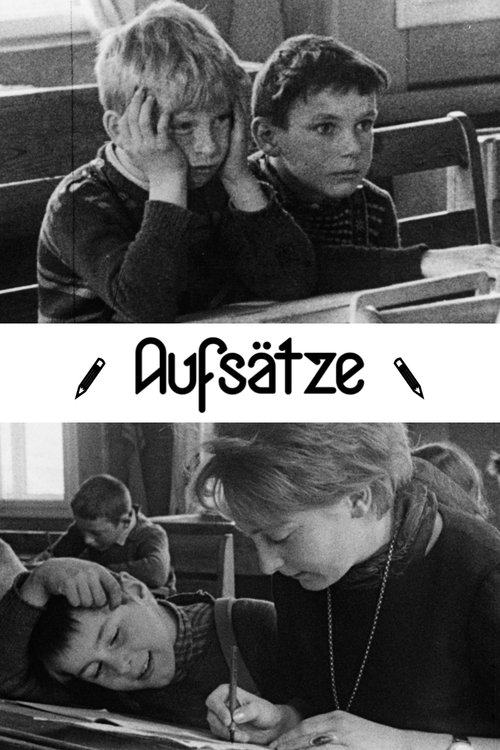
A cheerful take on the lives of school children in a Swiss rural environment. Young pupils recite short essays they have written on subjects such as the long walk to school, the distribution of milk during breaks, and a brawl in the courtyard.
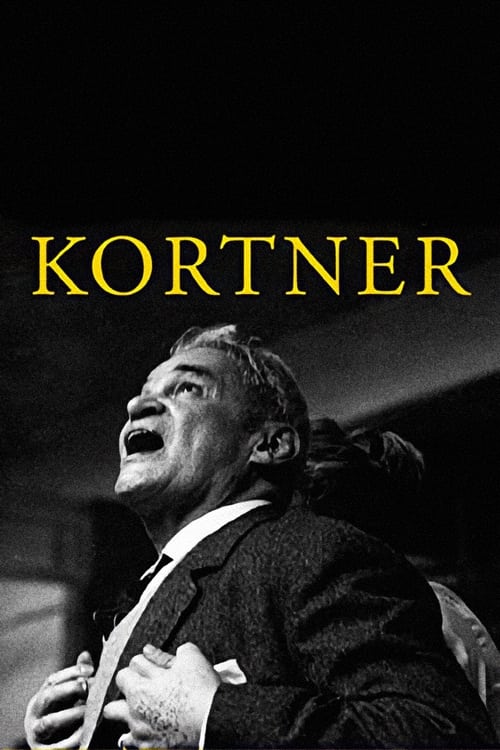
This documentation of a Kortner stage rehearsal shows in detail and fascinatingly how Kortner developed psychological tensions with meticulous precision in linguistic expression and gestural construction.
Educational film devoted mainly to understanding sexual behavior that deviates from the norm and circumstantially attempts to de-taboo human sexuality. The manuscript of the film, which uses a wealth of interviews, statements, charts and reportage elements, was written by the director of the Institute for Educational Psychology at the PH in West Berlin.
A short, impressionistic documentary about the extremely precise process behind the creation of an autoclave (a reaction container) for a nuclear power plant. Otherworldly electroacoustic soundtrack by Oskar Sala.
Early documentary by Edgar Reitz.
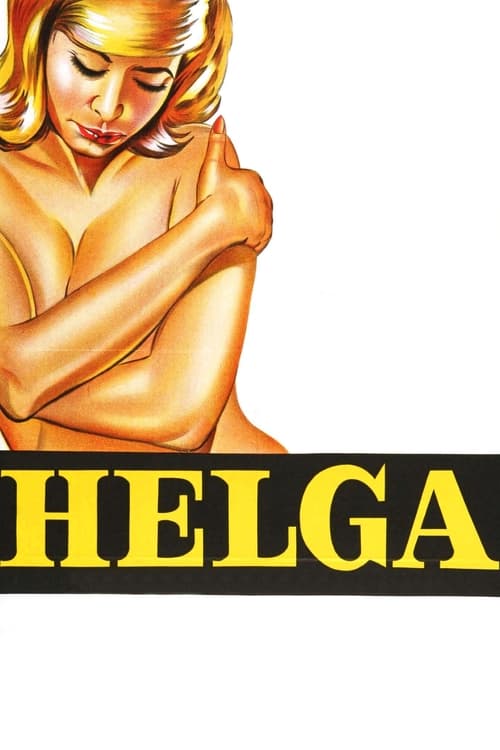
Helga is a documentary film that deals with the physical aspects of human anatomy and reproduction. From the earliest stages of pregnancy, to birth, the camera follows Helga through all, until she has her baby. This semi-documentary-styled film relies heavily on medical and educational information. The actual birth is filmed in remarkable close-up sequences.
This animated short shows the development of boys up to and during puberty. It depicts the typical external changes that occur with the onset of sexual maturity, the structure and function of the sexual organs, sperm formation and pollination.
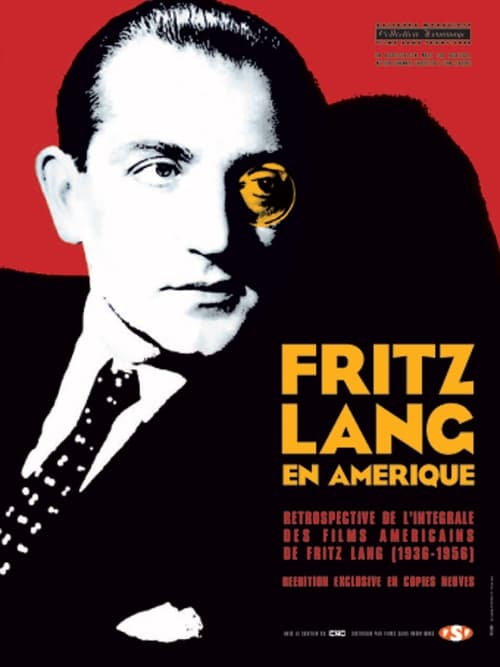
Interview with Fritz Lang on the roof of Villa Malaparte on Capri during the filming of the fictitious film "Odysseus" and the filming of "Contempt" by Jean-Luc Godard, in which Fritz Lang plays the role of an old film director. During the interview, excerpts from the Lang films "The Nibelungen", "The Tired Death" and "M" are shown.
Short film about Hitler's rise to power in 1933
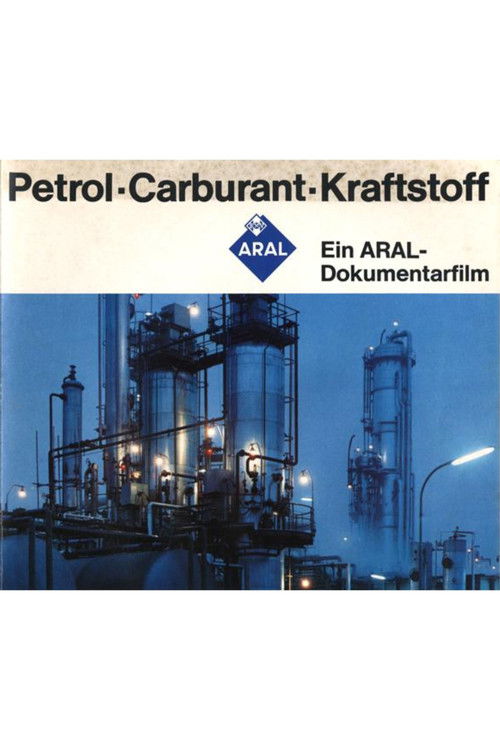
An audiovisual experiment that shows how oil is refined into gasoline and ultimately powers cars and other vehicles, accompanied by classical music and experimental synthesizer sounds. Filmed in the Libyan desert, the film traces the path and development of the gasoline, from the extraction of oil as it is drilled in the Libyan desert to the pump at the gas station, making road construction machines dance and convertibles roar through the Spessart forests. This film also drew Herbert von Karajan and Leo Kirch's attention to Hugo Niebeling, in which the director has road bulldozers "dance" to the music of Vivaldi.
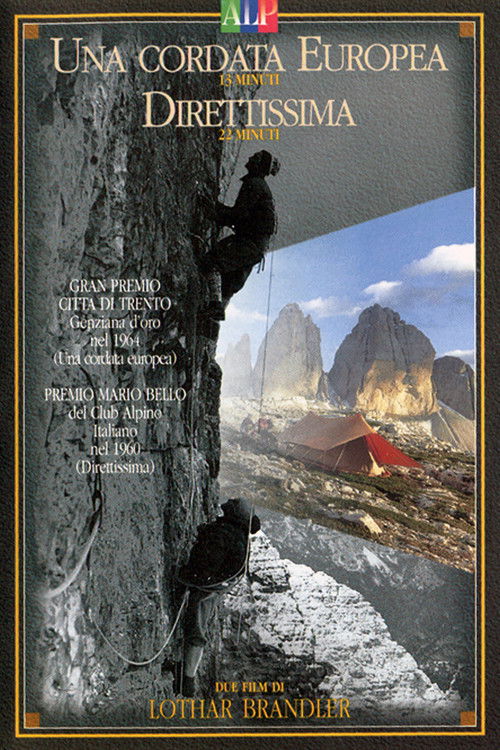
Three famous climbers, the Frenchman Pierre Mazeaud, the German Winfried Ender and the Italian Roberto Sorgato, meet up at the bottom of the Tre Cime di Lavaredo and decide to join together in a single roped party, climbing the 'Direttissima' on the north face of the Cima Grande di Lavaredo. The beautiful film illustrates with precise sequences the climb of the route, that was opened in 1958 by the filmmaker himself, Lother Brandler. The film wants to highlight the idea of frienship, cooperation, fraternity and peace showing three men from historically-confronted nationalities roped and working together as a single team. The film won the Grand Prix at the Trento Film Festival in 1964.
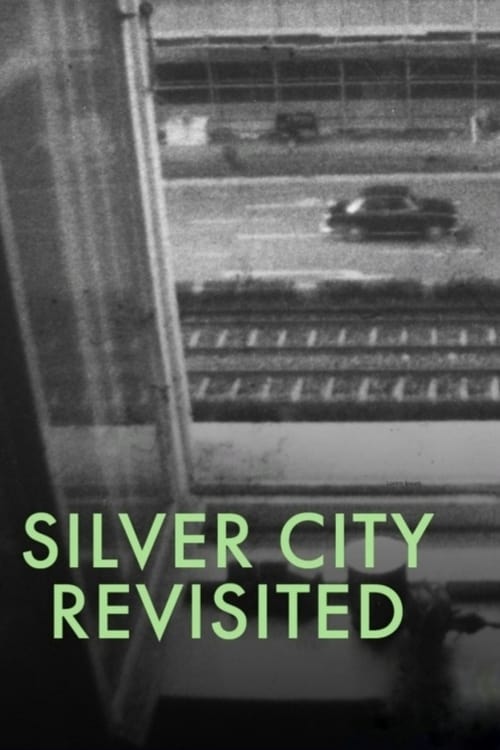
A series of ten shots, three minutes in length, of various locales in Munich.
How the graduate student Gudrun Ensslin became a radical and violent woman. After the department store fire in Frankfurt, November 1968, in which Gudrun Ensslin and Andreas Baader was involved the violence and their actions escalated. Soon they were joined by Ulrike Meinhof, Together the three created the urban guerrilla of West Germany, the Baader-Meinhof Gang a.k.a. die RAF - die Rote Armee Fraktion. An episode out of Panorama, NDR.
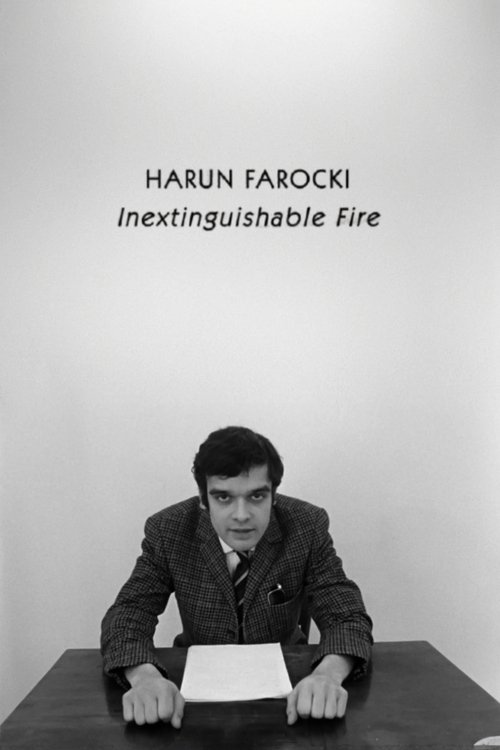
An austere treatise on the military-industrial complex that produces napalm.
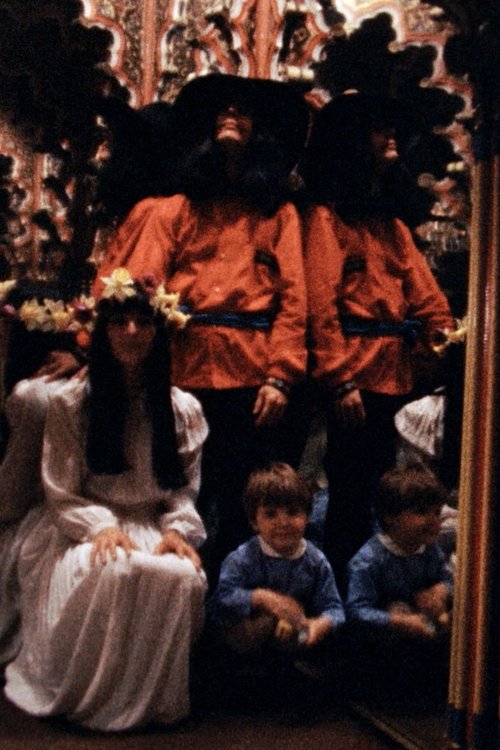
The poet Urban Gwerder and his artist friends used to produce multimedia shows called Poëtenz (Poetence). Soon, FMM’s portrait film Chicorée became the focus and principal activity of these soirées. This ironic, poetic picture of Gwerder’s family life in black-and-white, with colour sequences that conjure up the poet’s flights into a dream world, culminates in an outdoors action-writing sequence and a leap into the clouds. Gwerder dreams he is Salvador Dalì, Alfred Jarry, the Beatles and Frank Zappa. He makes fun of conventional forms of protest, and FMM faithfully catches every inspiration and crazy notion: a kitchen appliance becomes a larger-than-life monster, the head of the neighbour, a socialist bookseller, turns red – hand-coloured on the negative –, the family eats spaghetti and dreams of suckling pig; the young son looks for his fairy-tale parents in a labyrinth of mirrors… Chicorée is a silent film with live music played by Celly Pastorini as the film was projected.
A documentary about the events at the German Film and Television Academy Berlin (dffb) in November 1968, which led to the termination of the training contracts of 18 students. While Director Heinz Rathsack dictates to his secretary Helene Schwarz the letter lifting the ban from the premises against 18 students, the students plan a general assembly inside the dffb despite the ban.

A interview with Fritz Lang where he talks about his career in Germany and troubles with the Nazis.