538 Matches Found

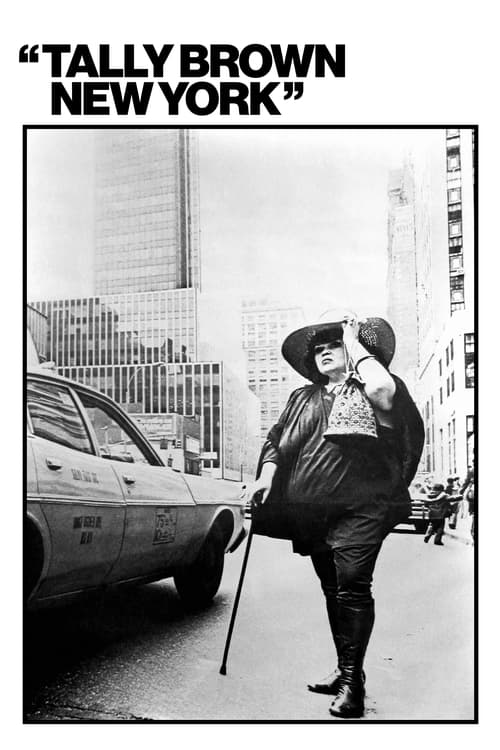
Tally Brown, New York

Tally Brown, New York is a 1979 documentary film directed, written and produced by Rosa von Praunheim. The film is about the singing and acting career of Tally Brown, a classically trained opera and blues singer who was a star of underground films in New York City and a denizen of its underworld in the late 1960s. In this documentary, Praunheim relies on extensive interviews with Brown, as she recounts her collaboration with Andy Warhol, Taylor Mead and others, as well as her friendships with Holly Woodlawn, and Divine. Brown opens the film with a cover of David Bowie’s “Heroes” and concludes with “Rock ’n’ Roll Suicide.” The film captures not only Tally Brown’s career but also a particular New York milieu in the 1970s.

Tally Brown, New York

6.7 1979
Generale - Anatomie der Marneschlacht

The movie depicts the events from July until September of 1914 which led to the defeat of the German troops at the Marne. While Sebastian Haffner explains and comments on operations and decisions on the basis of situation maps, key scenes are depicted by actors. A main focus is thereby placed by Haffner onto the controversial mission of lieutenant-colonel Richard Hentsch who is said to have, during a war patrol to the various army high commands, contributed to the abortion of the operations significantly.

Generale - Anatomie der Marneschlacht

6.0 1977
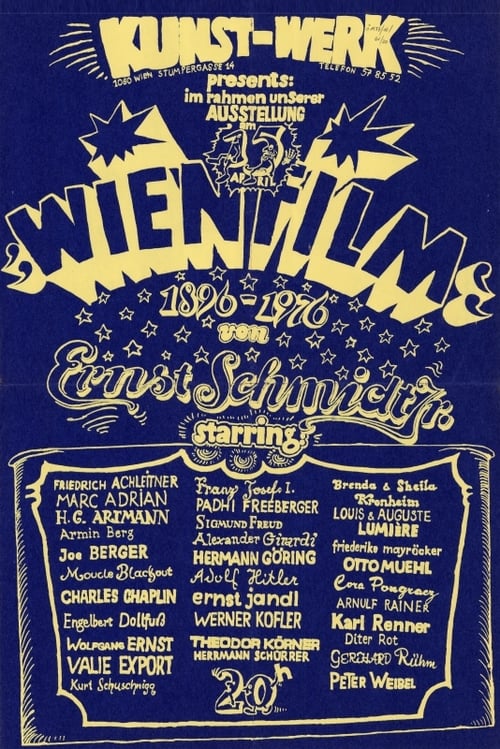
ViennaFilm 1896-1976

This film is a kind of anthology about Vienna, from the invention of film to the present day. The aim is to break down the usual clichéd "image of Vienna" such as that found in the traditional "Vienna Film" by juxtaposing documentary footage, newly shot material and subjective sequences created by various artists. Individual, self-contained sections of the film gain new meaning within the context of historical material. Familiar sites appear estranged when edited together with historical scenes. Other scenes appear like a persiflage or satirical. The film does not incorporate any commentary whatsoever. It is a collage of diverse materials aimed at conveying a distanced image of Vienna to the viewer

ViennaFilm 1896-1976

0.0 1977
Little Godard

The production of a film requires recording equipment and financial resources, if nothing else. Hellmuth Costard places these basic prerequisites at the centre of his film: using a Super 8 camera system he developed, he films himself as he tries to raise funding for his film project. This creates an unconventional experimental setup, which reveals how the economics, politics, technology, and aesthetics of filmmaking relate to each other – with the ‘great’ Godard being called up as a kind of chief witness.

Little Godard

0.0 1978
End of the Commune?

A documentary about Fassbinder and the early years of the legendary Antiteater, the group he was a member/leader of. You can here see and hear some of the actors he was going to use in his movies for the next years. The movie shows rehearsals for his play "The Coffeehouse," which also became a television movie, and you can watch unique footage from the 19th Film Festival in Berlin (1969) where "Love is Colder Than Death" was shown. As told in this documentary, his first feature movie was given a cold shoulder by many of the journalists and visitors at the festival. You can in "End of the Commune" watch Fassbinder and actor Ulli Lommel walk out on stage after the opening of "Love is Colder Than Death,” while a man in the audience is shouting "Out with the director!” In this documentary, Fassbinder also talks a lot about his father, who was a respectable doctor.

End of the Commune?

0.0 1970
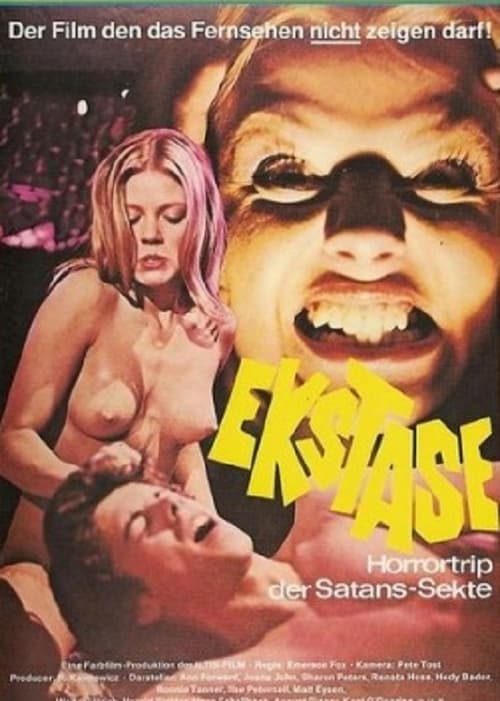
Ekstase - Der Prozeß gegen die Satansmädchen

Mondo Cane and the Schoolgirl Report series stand as obvious influences on this occasionally amusing but generally rather tedious exploitation film that alternates between documentary, fake documentary and docudrama. The theme is Satanism and the linking thread is a recreation of what is supposedly the real-life case of a murder and attempted murder of two Munich teenage men by a quartet of girls who had been dabbling in devil worship. During the ensuing trial, the lawyer resorts to dilatory tactics while the hearing is frequently interrupted by the girls breaking into incantation, temper tantrums or shivery fits ostensibly bearing on demonic possession. When the subject of the Manson killings is brought up, the most obnoxious of the defendants breaks in indignantly, claiming that Sharon Tate’s “execution” was justified as she posed dangers to the Satanic community.

Ekstase - Der Prozeß gegen die Satansmädchen

3.3 1979
Under the Protection of the State

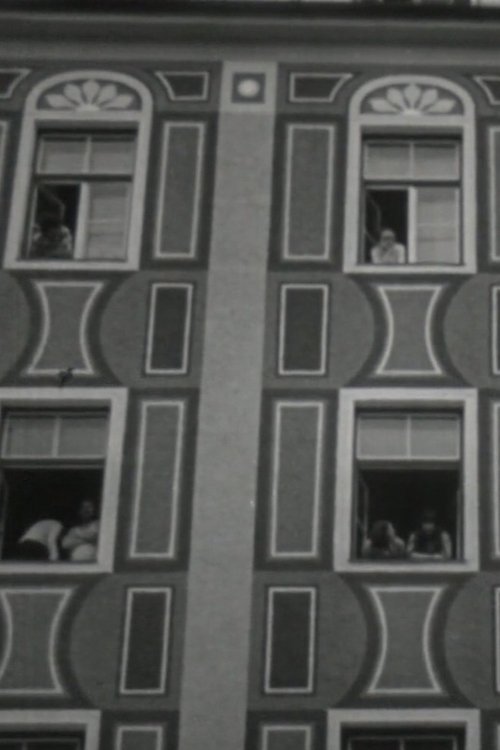
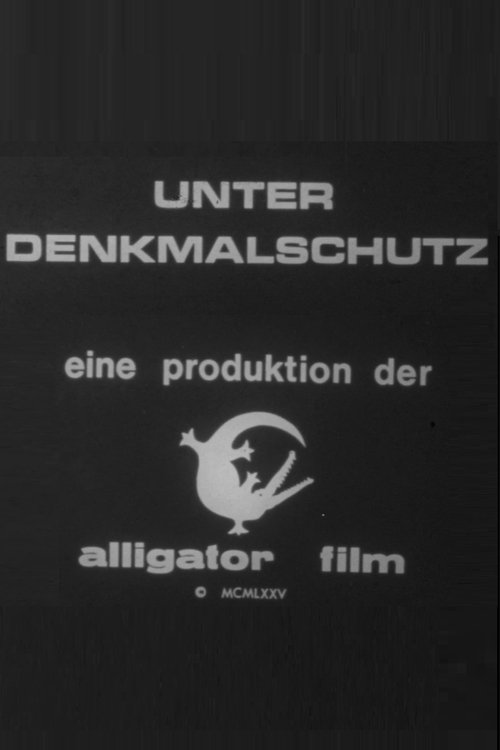
The film was shot in an old, decrepit building where dozens of guest-workers' families live. The owner, a local influential politician, has avoided paying for the maintenance of the building under the legal standards by using his connections to proclaim the building a national cultural heritage. However, the rent he has been charging was as if the building were an object that offered standard comfort. The only German tenant takes the crew around and speaks of his battle against the landlord’s manipulation.

Under the Protection of the State

0.0 1975
The Long Vacation of Lotte H. Eisner

Historian, author, and movie critic Lotte H. Eisner is the subject of this documentary. She recalls her early childhood in Germany and her association with such legendary directors as F.W. Murnau and Fritz Lang. Leaving Germany for Paris in 1933, her anticipation of WW II saw her relocating to the South of France. Eisner gives her considerable and insightful opinions on classic German Expressionist Films, as several of her admirers drop by during the interview conducted by director Sohrab Shadid-Saless.

The Long Vacation of Lotte H. Eisner

0.0 1979
Small Freedom

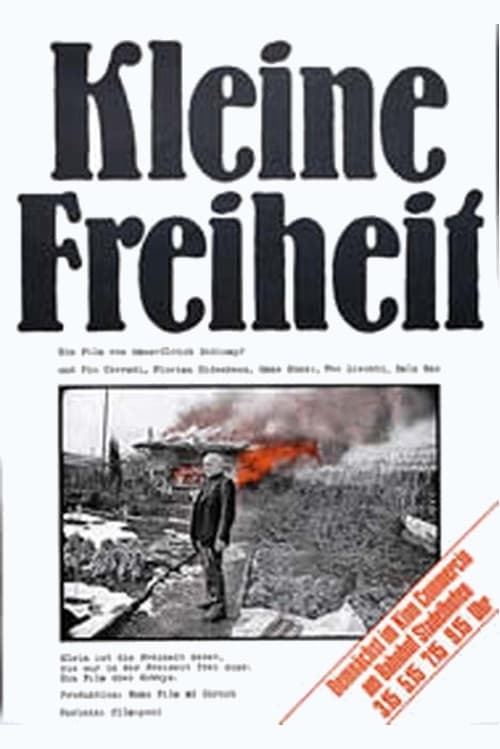
The allotment gardens on the outskirts of the city of Zurich provide hundreds of unpropertied men and women with a home which they are unable to find in the impersonal rented blocks in which they live. The gardens represent their hobby, their freedom and their living space, which exists side by side with hard work. They cannot however own these "homes" and the film shows the chronicle of the events which took place in 1976 - 77 when construction of the Zurich wholesale market hall destroyed 150 gardens and made many people "homeless". This portrait of a group is complemented by the stories of three individuals.

Small Freedom

0.0 1978
Home

Young people living in a children’s home in Mecklenburg talk about their unstable home situations and domestic violence. Many of them have alcoholic parents and some are in danger of going down the same path. They speak openly about the past and their hopes for a better life. The documentary follows the young men and women within the group and in search of personal space. A party to start the summer holidays marks not only the end of the school year – it also means that an entire class will be taking leave of the home forever.

Home

0.0 1978