209 Matches Found

La ruta de don Quijote

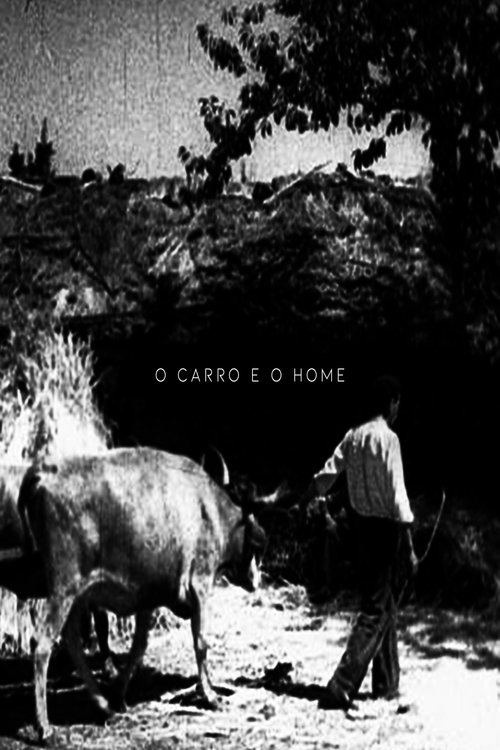
A poetic journey through the paths and places of old Castile that were traveled and visited by the melancholic knight Don Quixote of La Mancha and his judicious squire Sancho Panza, the immortal characters of Miguel de Cervantes, which offers a candid depiction of rural life in Spain in the early 1930s and illustrates the first sentence of the first article of the Spanish Constitution of 1931, which proclaims that Spain is a democratic republic of workers of all kind.

La ruta de don Quijote

5.2 1934
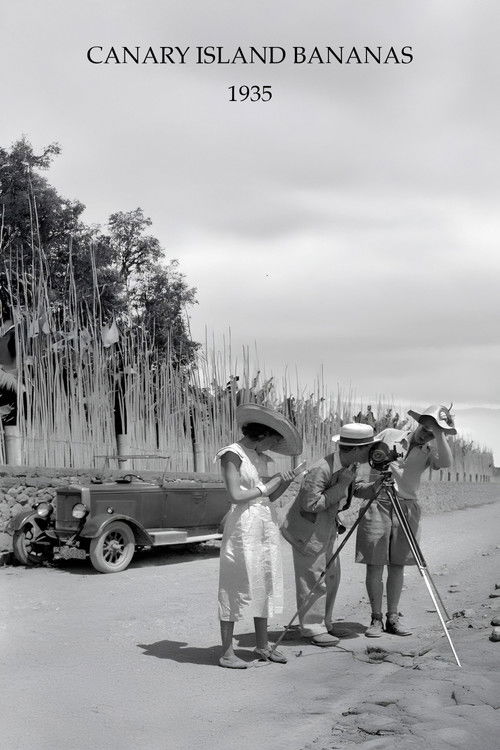
Canary Island Bananas

A short documentary made by Richard Leacock at the age of fourteen on his father’s banana plantation in the Canary Islands. Inspired by Soviet industrial films such as Turksib, the film traces the planting, harvesting, and preparation of bananas for shipment, using fluid pans and tilts to organize labor into a continuous visual sequence. Often cited as Leacock’s earliest completed film, it attracted the attention of Robert Flaherty and foreshadowed Leacock’s later observational documentary style.

Canary Island Bananas

0.0 1935
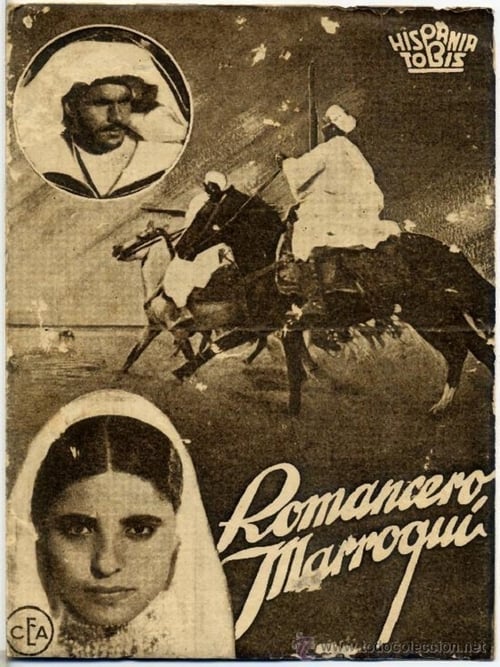
Romancero marroquí

The young farmer Aalami leaves his family to find work elsewhere. He gets to know the country and its people, customs and traditions at Küste in North Africa: Market life in Tetuan, the art of craftsmanship, the life of the Moors, dances and festivities in honour of the caliph, white mosques, the call of the muezzin of the minaret and the music of the shepherd flutes. Aalami also follows Franco's call and flies from Morocco to Spain to fight at Bürgerkrieg. In the end Aalami comes back to his wife and children.

Romancero marroquí

0.0 1939
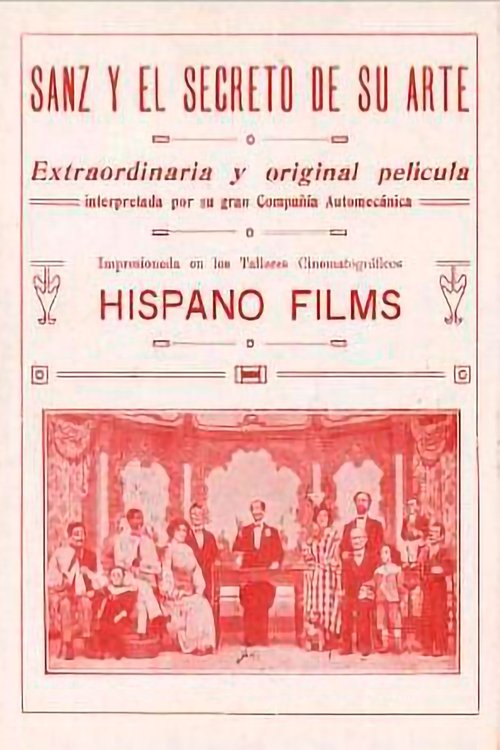
Sanz and the Secret of His Art

Francisco Sanz Baldoví (Anna, 1872-Valencia, 1939), better known as “Paco Sanz” or “ventriloquist Sanz”, was one of the most popular artists in Spain in the first half of the 20th century. In 1918, the Spanish ventriloquist filmed this fascinating documentary (entitled “Sanz and the Secret of His Art”), with the help of filmmaker Maximiliano Thous and his two artisan mechanics, in order to show the extraordinary complexity of the mechanism of his dolls and his ability to handle them on stage.

Sanz and the Secret of His Art

6.8 1918
The Dangers of the Fly

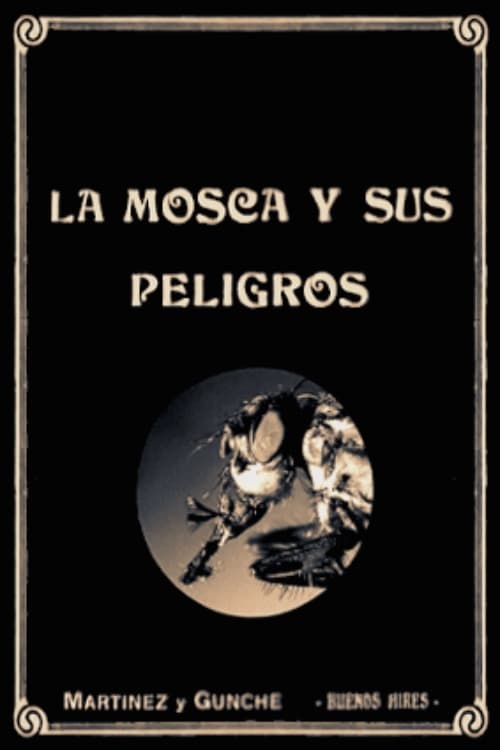
The Dangers of the Fly is an educational film made by Ernesto Gunche and Eduardo Martínez de la Pera, also responsible for Gaucho Nobility (1915), the biggest blockbuster of Argentinean silent cinema. De la Pera was a talented photographer, always willing to try new gadgets and techniques. This film experiments with microphotography in the style of Jean Comandon's films for Pathé and it is part of a series which included a film about mosquitoes and paludism and another one about cancer, which are considered lost. Flies were a popular subject of silent films and there are more than a dozen titles featuring them in the teens and early twenties.

The Dangers of the Fly

5.4 1920