In seven different parts, Godard, Ivens, Klein, Lelouch, Marker, Resnais, and Varda show their sympathy for the North-Vietnamese army during the Vietnam War.
Far from Vietnam
7.0 1967
447 Matches Found
In seven different parts, Godard, Ivens, Klein, Lelouch, Marker, Resnais, and Varda show their sympathy for the North-Vietnamese army during the Vietnam War.
A brilliant documentary about the growth of Israel into the Jewish homeland. Seventy-three years of struggle for religious freedom is vividly recorded using rare archive film footage and photographs of historic events in the development of 20th century Israel. Beginning with the Dreyfus Affair in 1894, the film covers Theodor Herzl, founder of modern Zionism; the earliest immigration and settlements; the formation of kibbutzim; the Balfour Declaration; the rise of European anti-Semitism; the British occupation of Palestine; Arab confrontations; the United Nations resolution; the "Exodus" incident, and the Six Day War.
Paris, summer 1960. Anthropologist and filmmaker Jean Rouch and sociologist and film critic Edgar Morin wander through the crowded streets asking passersby how they cope with life's misfortunes.
A documentary, originally produced in 1966 for the French TV series "Pour le plaisir," about Robert Bresson's film "Au Hasard Balthazar," featuring interviews and discussions with Bresson, Jean-Luc Godard, Louis Malle, Marguerite Duras and others.
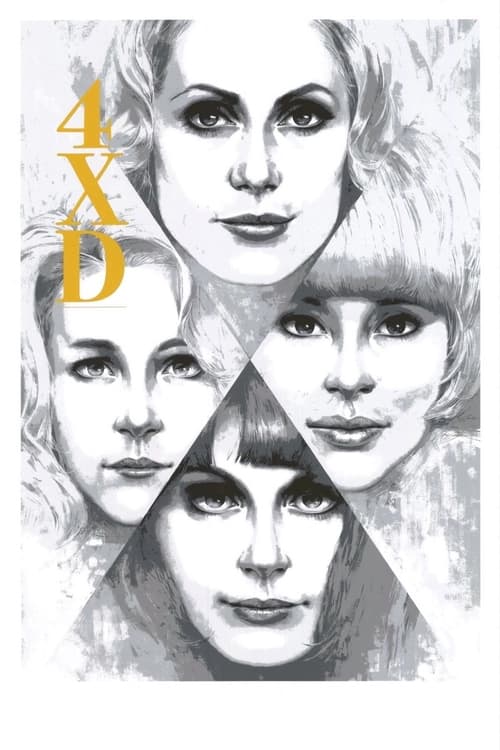
In 1964, on the request of UniFrance, writer and director Philippe Labro filmed four young actresses – Mireille Darc, Marie Dubois, Catherine Deneuve, and Françoise Dorléac – in order to promote these young talents around the world. He took a free approach to the project, trying to capture the personality of each one, while also providing a vision of Paris as the quintessential backdrop of French cinema.
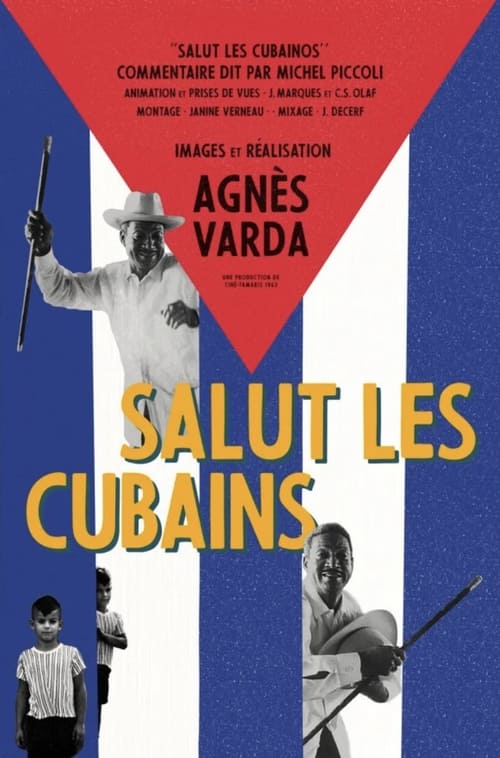
A photo montage of Cubans filmed by Agnès Varda during her visit to Cuba in 1963, four years after Fidel Castro came to power. This black & white documentary explores their socialist culture and society while making use of 1500 pictures (out of 4000!) the filmmaker took while on the island.
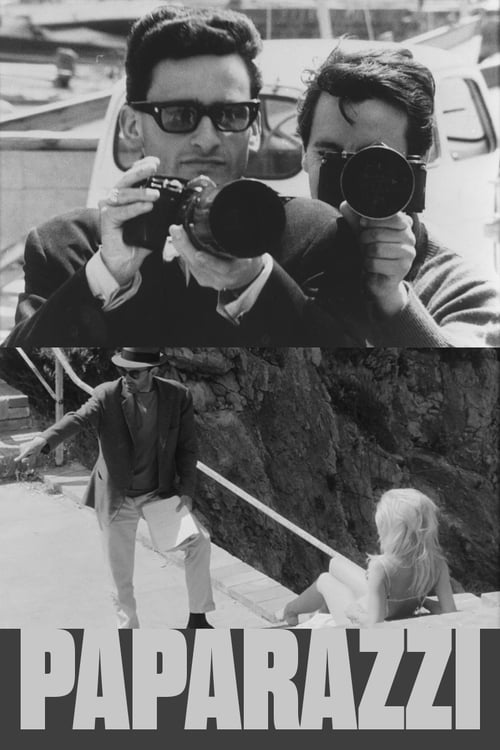
Paparazzi explores the relationship between Brigitte Bardot and groups of invasive photographers attempting to photograph her while she works on the set of Jean-Luc Godard's film Le Mépris (Contempt). Through video footage of Bardot, interviews with the paparazzi, and still photos of Bardot from magazine covers and elsewhere, director Rozier investigates some of the ramifications of international movie stardom, specifically the loss of privacy to the paparazzi. The film explains the shooting of the film on the island of Capri, and the photographers' valiant, even foolishly dangerous, attempts to get a photograph of Bardot.
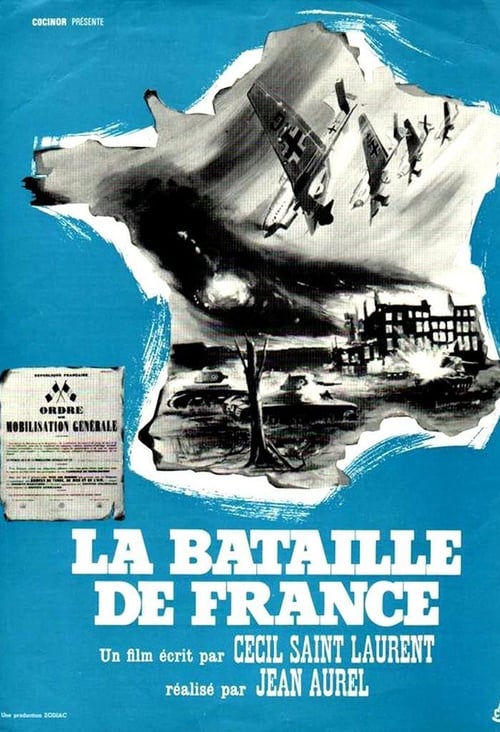
A montage of newscasts tracing the events of the "damned war" and the German invasion of 1940.
A documentary about Dracula and vampirism.
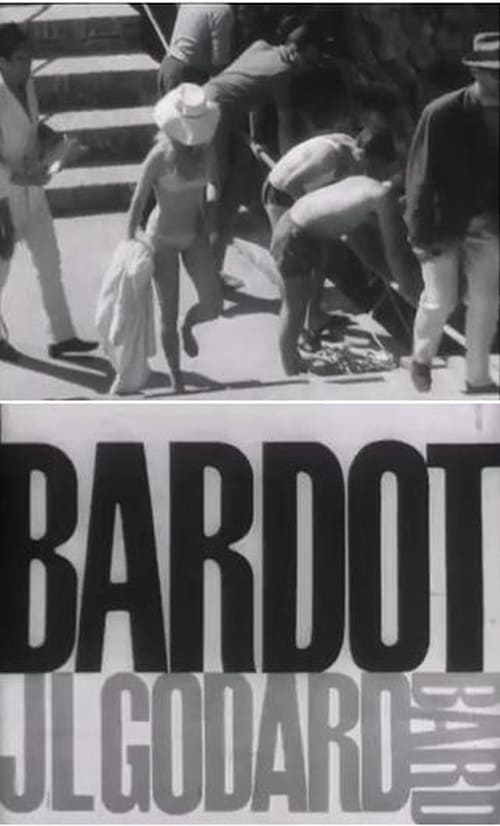
A documentary short following director Jean-Luc Godard on the set of Contempt.
An hour-long discussion between Fritz Lang and Jean-Luc Godard in which they discuss a variety of art forms, the role of the cinema, their collaboration together, and much more. (Filmed in 1964 but released for TV in 1967.)
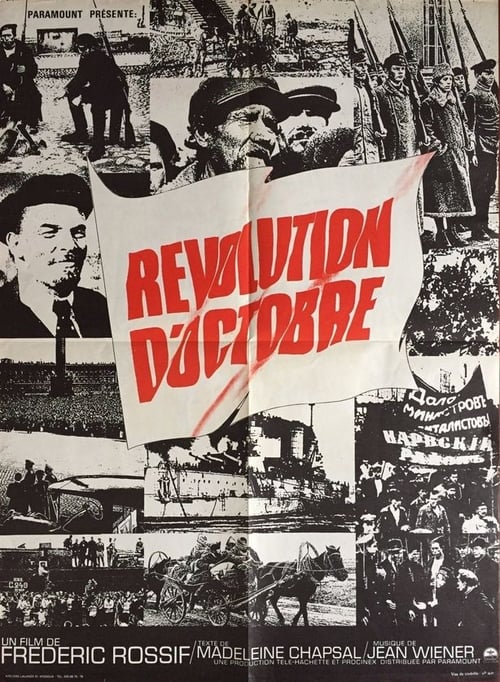
French director Frederic Rossif presents this historical documentary that coincided with the 50th anniversary of the Russian Revolution. Stock footage from both World Wars are included with 30 minutes of new scenes filmed especially for the project. The historical timeline is traced from the time Czar Nicholas II is crowned. The emergence of Lenin, his death in 1924, and the later contributions of Trotsky and Stalin give the viewer a sense of death, betrayal, and ideological devotion to the communist agenda. Rossif effectively uses scenes from the landmark 1929 film The Man With A Movie Camera by celebrated director Dziga Vertov. Rossif researched the film archives from several countries in his meticulous gathering of materials for this timely historical feature.
Documentary about Jean-Luc Godard filming Sympathy for the Devil with The Rolling Stones.
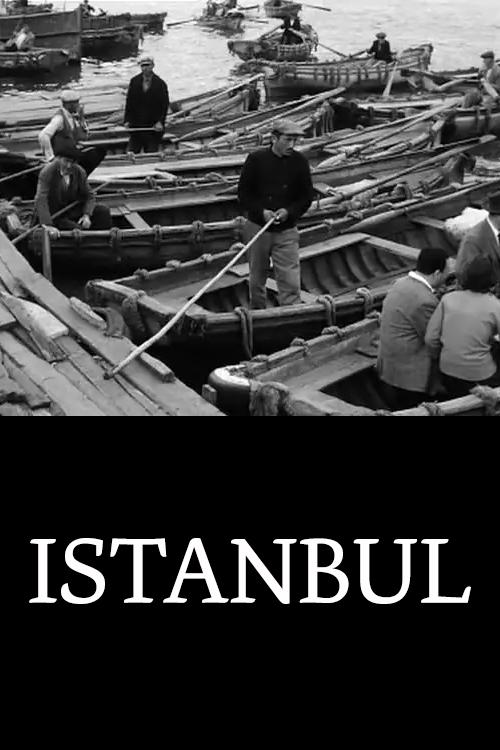
All of Pialat's Turkish films are uniquely interested in the country — especially Istanbul — as it was, not just as it is at the precise moment that Pialat is filming it. History informs these films in a big way, with the voiceover narration (which incorporates excerpts from various authors) introducing tension between the images of the modern-day city and the descriptions of incidents from its long and rich history. Istanbul is probably the most conventional documentary of Pialat's Turkish series, providing a general profile of the titular city, its different neighborhoods, and the different cultures and ways of living that coexist within its sprawling borders. As the other films in the series also suggest, Pialat sees Turkey, and Istanbul in particular, as a junction point between Europe and the East, between the old and the new, between history and modernity.

A film considered almost lost even by Garrel, who recently found his negatives. Shot during the events of the May 68, it was made collectively; the film is a merge of Garrel’s and his partners’ points of view, all of them students and filmmakers that participated in the revolt.
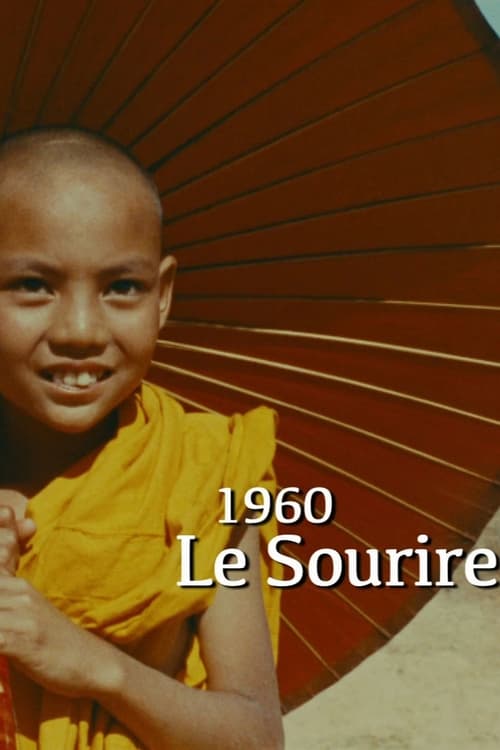
In the year that Cannes Film Festival handed out awards to Federico Fellini for La Dolce Vita, L'Avventura by Michelangelo Antonioni, and Kagi by Kon Ichikawa -- 'Le Sourire' won the Palme d'Or for Best Short Film in 1960. This quiet and intelligent film is a remarkable interpretation of a young monks perspective into a world of meditation, sacred geometry, and coming of age. A tribute to Buddhism, introspection and the wonders of nature...a short but lasting work of art.
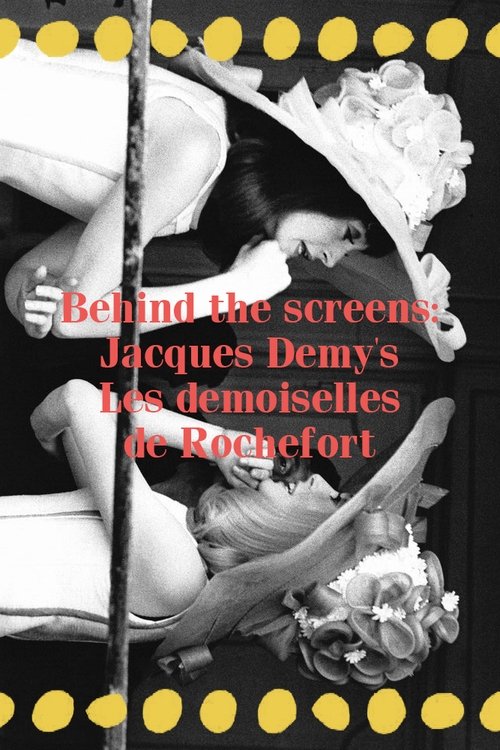
Six-part documentary on the making of Jacques Demy's 'Le demoiselles de Rochefort'
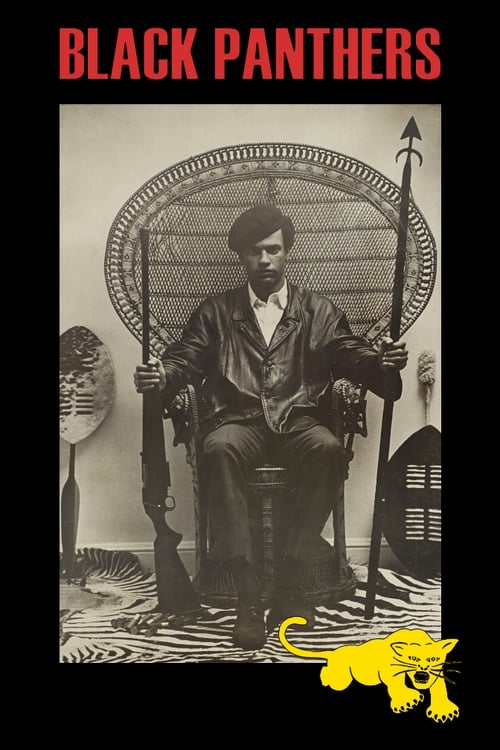
A film shot during the summer of 1968 in Oakland, California around the meetings organised by the Black Panthers Party to free Huey Newton, one of their leaders, and to turn his trial into a political debate. They tried and succeeded in catching America’s attention.

Documentary about filmmaker Jean Grémillon.
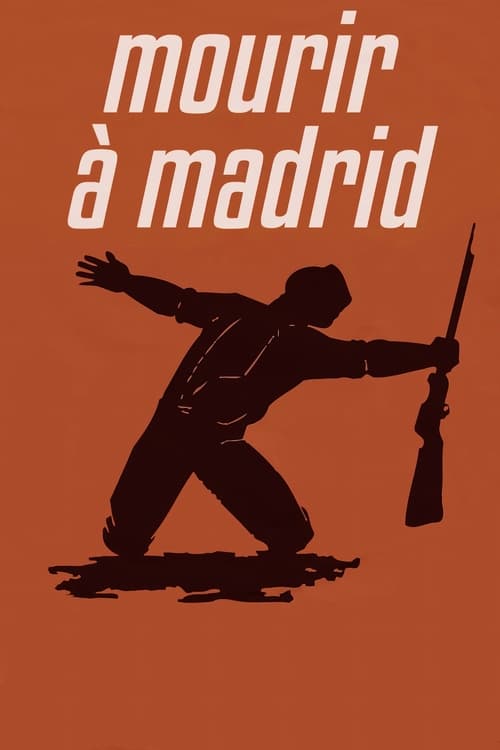
Morir en Madrid brings together several papers on the Spanish Civil War and integrates capturing different points of view, intended to represent the continuity of the suffering of the Spanish during the Franco regime. The death of Federico Garcia Lorca, Guernica, the defense of Madrid, the International Brigades, are some of the items comprised in this document.
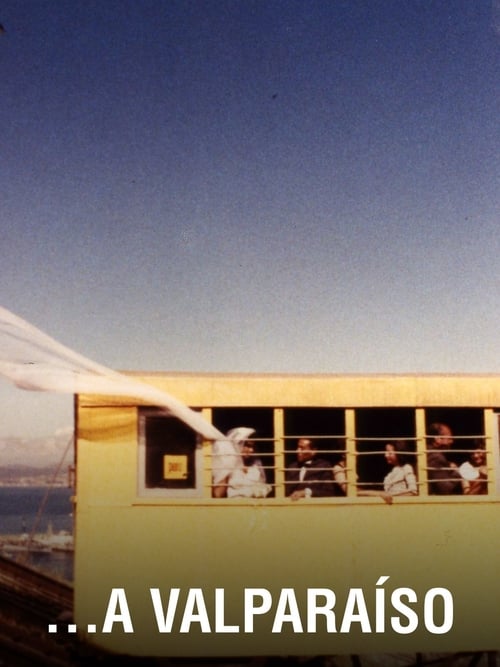
In 1962 Joris Ivens was invited to Chile for teaching and filmmaking. Together with students he made …A Valparaíso, one of his most poetic films. Contrasting the prestigious history of the seaport with the present the film sketches a portrait of the city, built on 42 hills, with its wealth and poverty, its daily life on the streets, the stairs, the rack railways and in the bars. Although the port has lost its importance, the rich past is still present in the impoverished city. The film echoes this ambiguous situation in its dialectical poetic style, interweaving the daily life reality (of 1963) with the history of the city and changing from black and white to colour, finally leaving us with hopeful perspective for the children who are playing on the stairs and hills of this beautiful town.
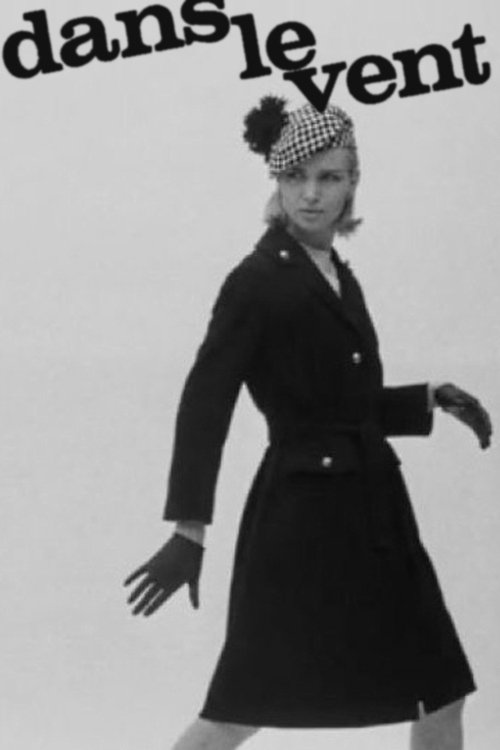
Short subject on how fashion is created-- not by the great couturiers, but on the street.
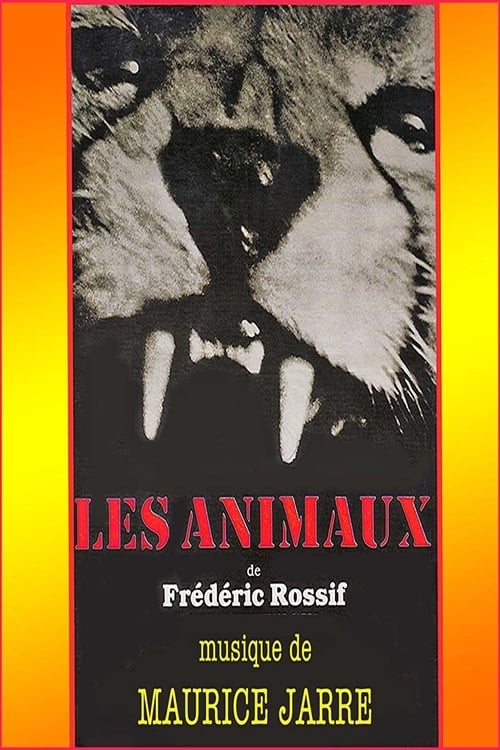
Frédéric Rossif selected animal footage from 300,000 m of film, and structured his film in nine parts, from the creation of the world to the rediscovery of paradise on earth.
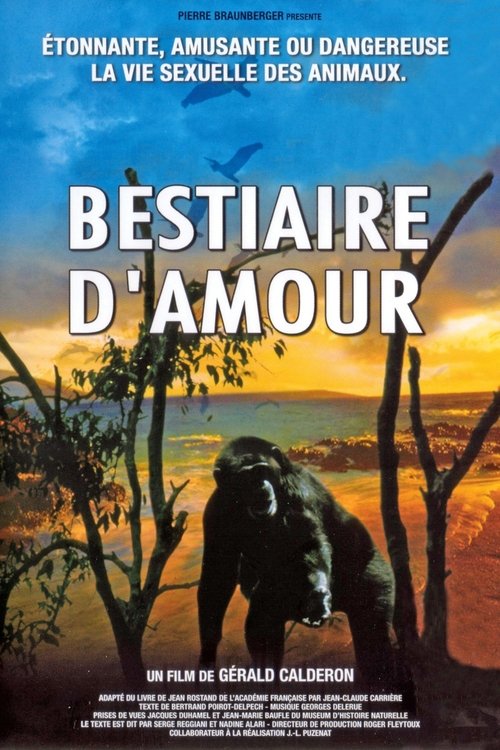
If love is a universal phenomenon, it is never the same: the animal world experiences brutal and rapid unions, or, on the contrary, slow and difficult approaches, followed by sometimes interminable embraces.

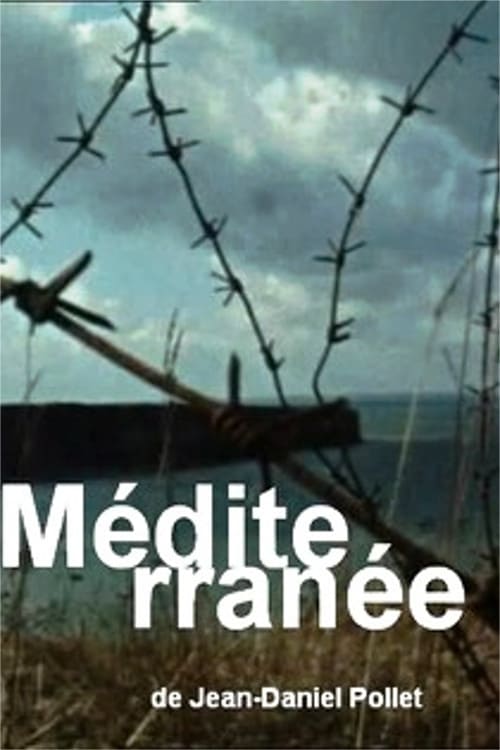
[Here] Pollet made a work that is the very definition of what French critics like to call an ovni or ufo (as in ‘unidentified filmic object’). [It] has been described as being ‘like a comet in the sky of French cinema,’ an ‘unknown masterpiece,’ and an ‘unprecedented’ work that refuses interpretation even as it has provoked reams of critical writing. Its rhythmic collage of images – a girl on a gurney, a fisherman, Greek ruins, a Sicilian garden, a Spanish corrida – is accompanied by an abstract commentary written by Sollers, and only the somber lyricism of Antoine Duhamel’s score holds the film’s elements together. At first viewing, you fear that [it] might fly apart into incoherent fragments. Instead, over the course of its 45 minutes it invents its own rules, and you realize you’re watching something like the filmic channeling of an ancient ritual.

Series of three short 'Pop Films' directed between 1966 - 67 for French television by Philippe Garrel. Includes footage of The Living Theater in rehearsal, interviews with Julian Beck and Judith Malina, Donovan in concert and The Who in the studio recording 'Pictures of Lily'. Re-broadcast on INA in 1984.
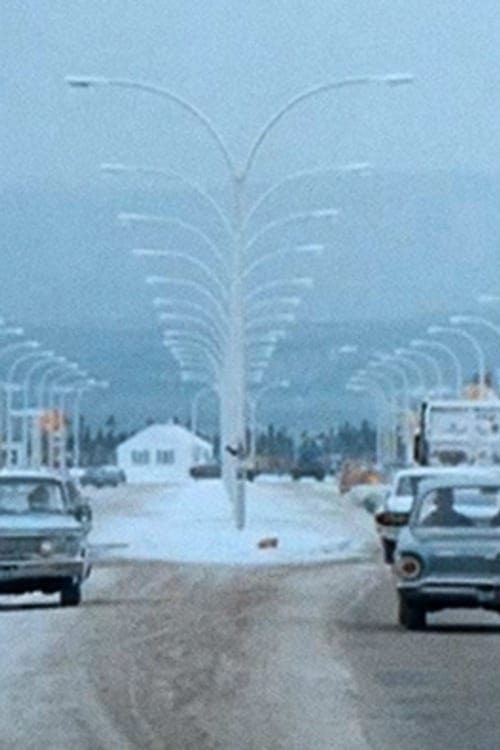
This short documentary film is a fascinating portrait of urban and rural Quebec in the late 1960s, as the province entered modernity. The collective work produced for the Quebec Ministry of Industry and Commerce calls on several major Quebec figures.
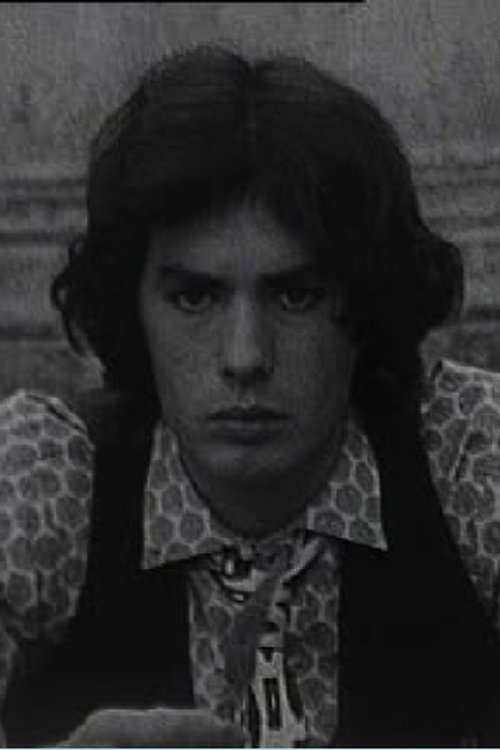
Report on the young people of the yéyé period and pop music. Jerk at the Palladium, Beatles, press clippings, questions about the impact of fashion (long hair and accoutrements) and modernity, youth, change, freedom.
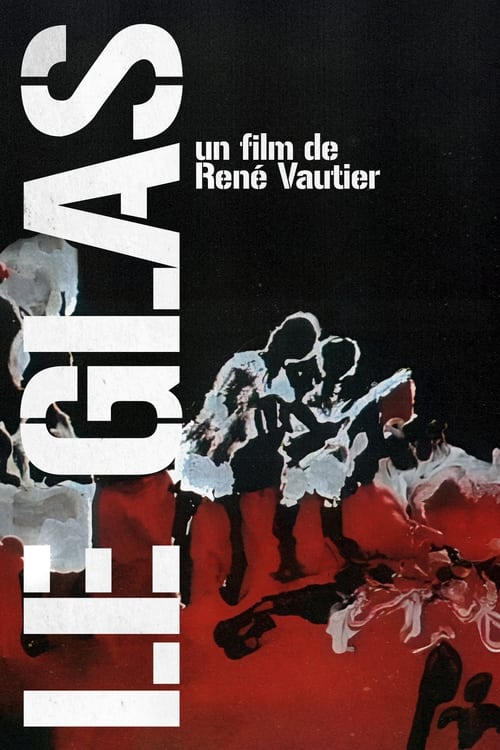
At the beginning of the 1960s, in Salisbury (now Harare), in Southern Rhodesia (now Zimbabwe), the government of Ian Smith hanged three black revolutionaries who had nevertheless been pardoned by the Queen of England. René Vautier, with ZAPU (Zimbabwe African Party for Unity), denounces this killing. Expelled by the Rhodesian police (informed by the French secret services), the filmmaker shoots a film in Algeria in the form of an indictment against colonial savagery. The film was first banned in France, then authorized in 1965.
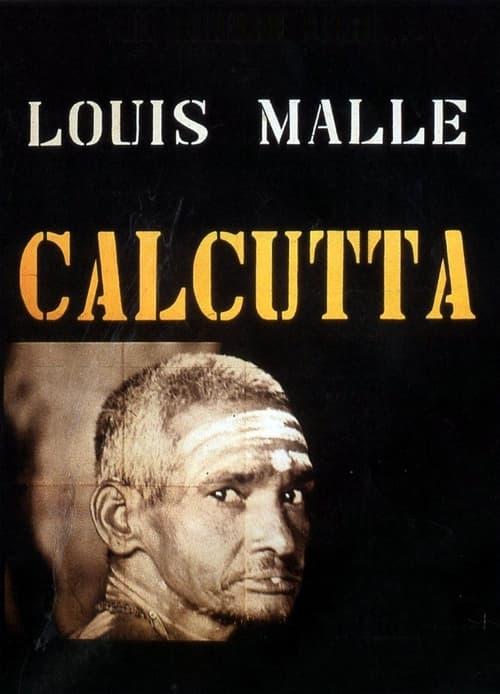
When he was cutting "Phantom India," Louis Malle found that the footage shot in Calcutta was so diverse, intense, and unforgettable that it deserved its own film. The result, released theatrically, is at times shocking—a chaotic portrait of a city engulfed in social and political turmoil.
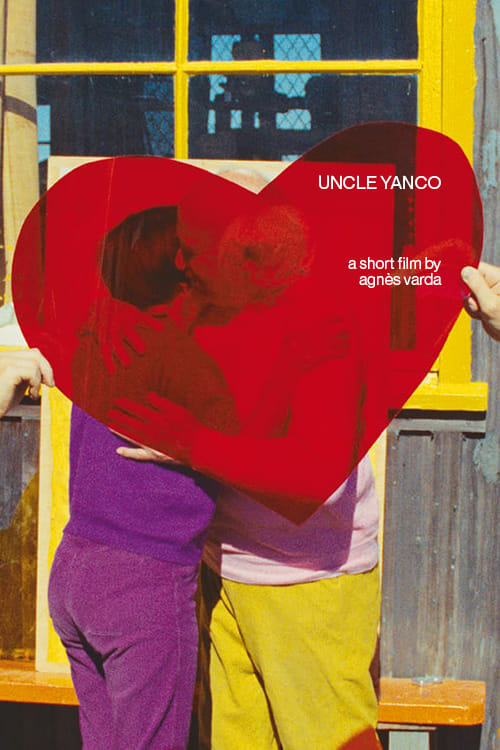
While in San Francisco for the promotion of her last film in October 1967, Agnès Varda, tipped by her friend Tom Luddy, gets to know a relative she had never heard of before, Jean Varda, nicknamed "Yanco". This hitherto unknown uncle lives on a boat in Sausalito, is a painter, has adopted a hippie lifestyle and loves life. The meeting is a very happy one.
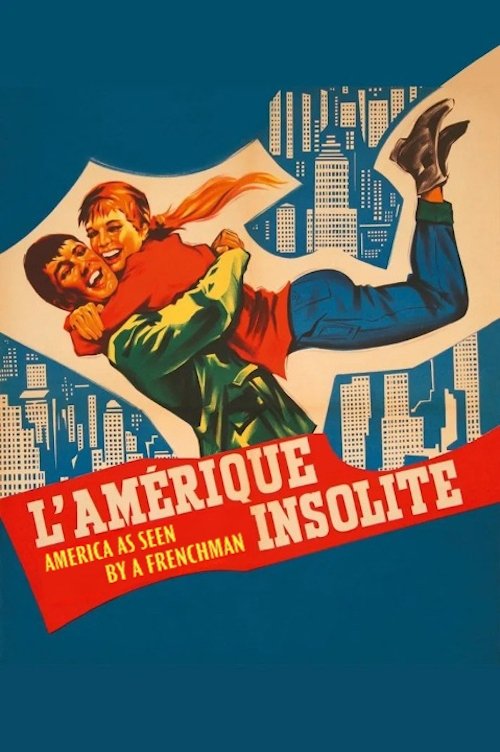
At the end of the 1950s, French documentarian François Reichenbach spent eighteen months traveling the United States, documenting its diverse regions, their inhabitants, and their pastimes. The result is a journey through a multitude of different Americas, filtered through a French sensibility.
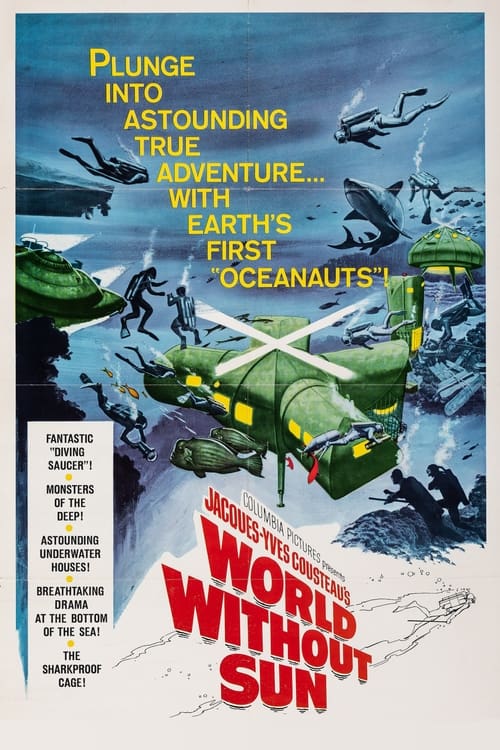
Fascinating underwater documentary filmed with hand-held cameras by frogmen and mostly filmed in deep-water seas from within a special designed batiscaff, by the Cousteau family of sea explorers. Preserved by the Academy Film Archive in 2010.
One Sunday in Canada visits an Italian community in the northwest sector of Montreal, where about half of the city’s 150,000 Italians live.
A sophisticated and beautifully constructed account of landscape change in and around Paris in the early 1960s. The film raises complex issues about the meaning and experience of modern landscapes and the enigmatic characteristics of features such as canals, pylons and deserted factories. Rohmer also explores the role of landscape within different traditions of modern art and design and refers to specific architects, artists and engineers.
Candid interviews of ordinary people on the meaning of happiness, an often amorphous and inarticulable notion that evokes more basic and fundamentally egalitarian ideals of self-betterment, prosperity, tolerance, economic opportunity, and freedom.
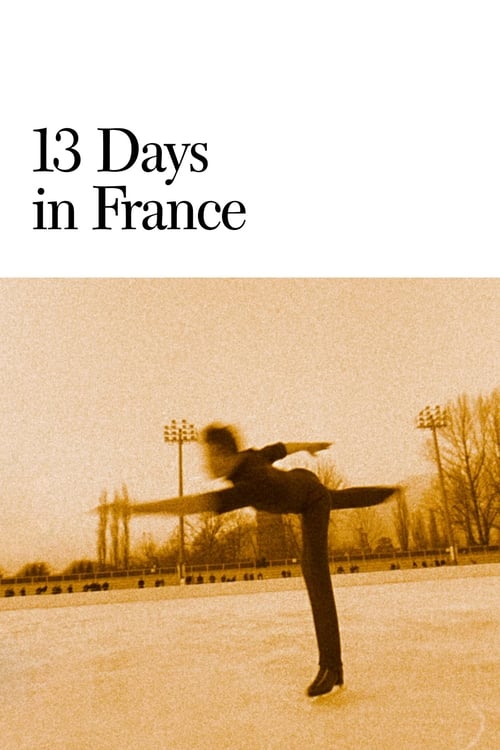
This colorful documentary chronicles the events of the 1968 Winter Olympics in France. The events made international celebrities of skater Peggy Fleming and skier Jean-Claude Killy for their gold-medal performances. The camera accurately catches the speed of bobsleds and downhill racers and ski jumpers as they race for the gold. President Charles DeGaulle is shown observing the action over 13 days, which saw France earn the best performance to date in the winter games.
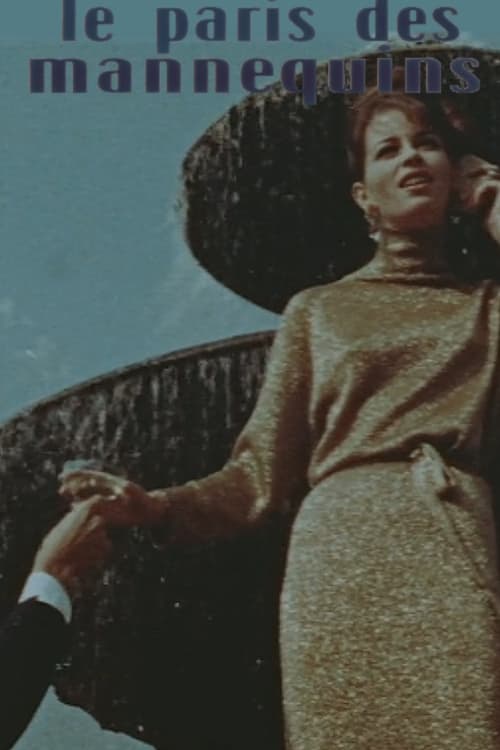
A photoshoot on the roofs and in the streets of Paris, under the astonished eyes of the inhabitants.
Set in Zaire, the film follows an expedition exploring the crater of the Niragongo volcano of the Virunga chain, whose eruptions are known for their violence and their massive lava flows.

Short doc by Maurice Pialat. The first film in the series set at Turkey, Bosphore, is also the only one that was shot in color.
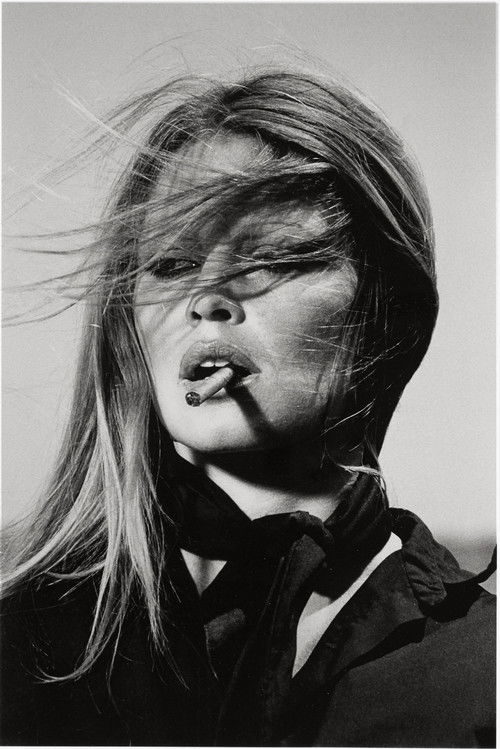
And the image created the myth... Bardot as a brunette, blonde or redhead. Bardot in thigh-high boots, mini-dress or swimsuit, Bardot in London, at La Madrague or on a Harley... In all her states, BB sings with Gainsbourg and Sacha Distel: "Bonnie and Clyde", "Comic strip", "Mister Sun"... Reichenbach's camera sublimates the icon.
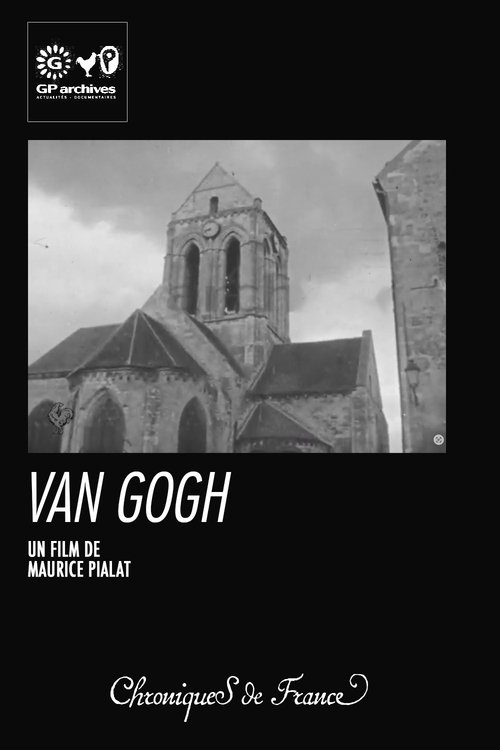
A quick look at Auvers-sur-Oise, the place where Vincent Van Gogh spent the final months of his life and where he and his brother were both buried. Produced as part of the "Chroniques de France" TV series.
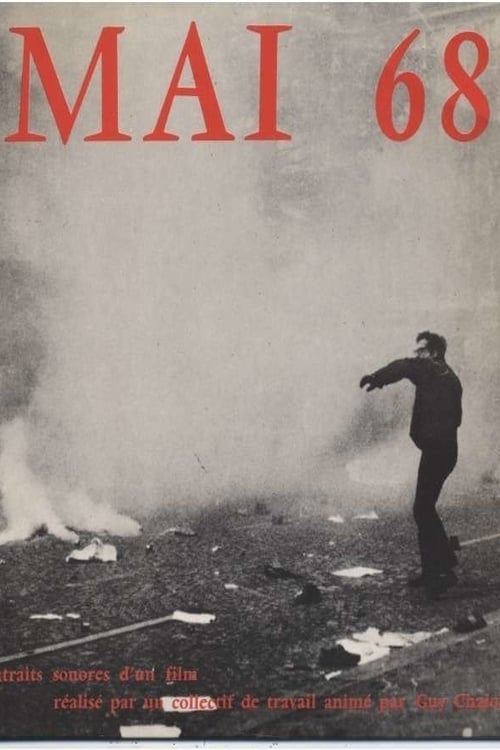
"Society is a carnivorous flower" - About activists in the student revolt in May 1968. Archive footage shows police entering the Sorbonne, street fighting, meetings and demonstrations. Many interviewees testify to police violence and abuses.
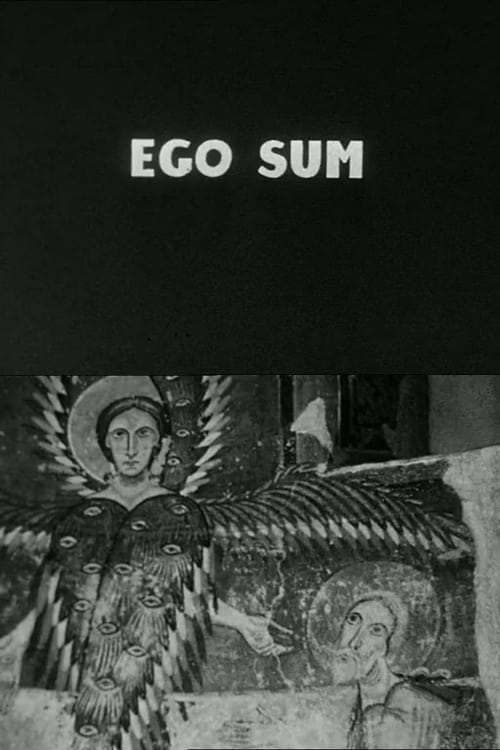
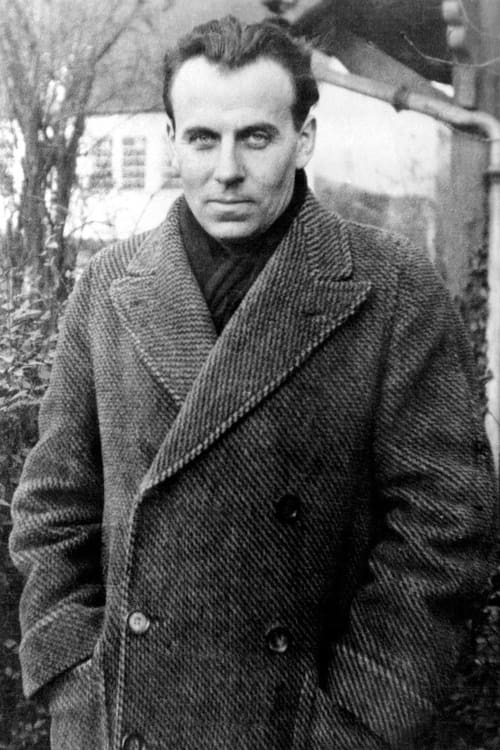
Passers-by, those who knew him in his youth, René Barjavel, witness of his beginnings, his wife, his doctor, writers ... By questioning them Michel Polac tries to better understand the troubled personality of Louis-Ferdinand Céline, Notorious anti-Semite and genius writer.

Features gourmets chowing down on bats, voodoo practitioners, a chap who has a fetish for being covered in bees and a gal who has the Eiffel Tower tattooed on her behind so she can sell the skin at a later date. These choice cuts are interspersed with the usual parade of prostitutes, transvestites and strippers.
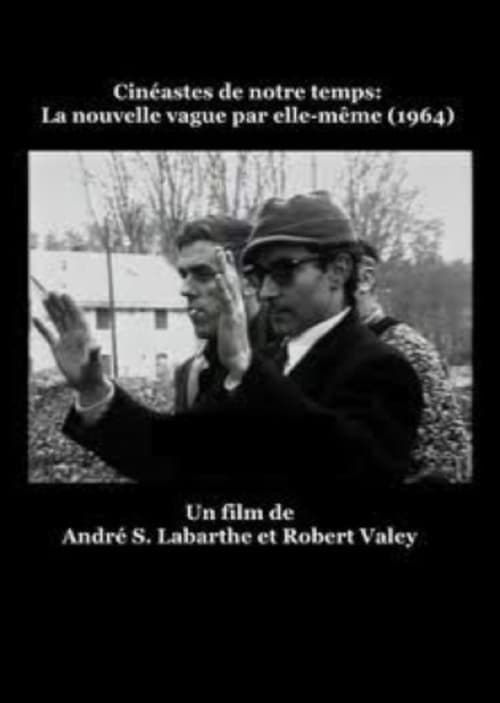
Made for Cinéastes de notre temps series. In 1964, several French New Wave auteurs discuss the success and crisis of the wave. Featuring Claude Chabrol, François Truffaut, Jacques Rivette, Jean-Luc Godard, Jacques Rozier, Jacques Demy, Agnès Varda, Jean Rouch, and many others.
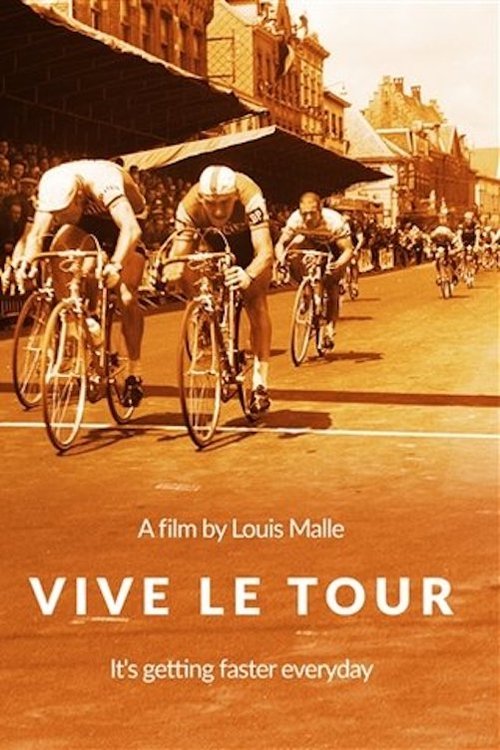
A short documentary about the 1962 Tour-de-France. Topics covered include: crowds of people and motorcycles, drinking raids and feeding, pileups, doping, "the charge," and the mountain stages.
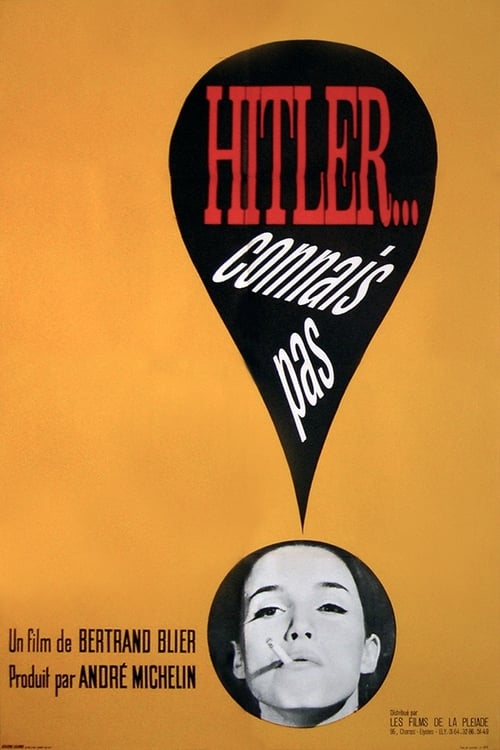
In 1963, 22-year-old Bertrand Blier invited 11 of his peers to come to a film studio and talk about their lives. The record of what was said is a discussion of values that remains relevant and fascinating today. The footage was shot just five years prior to May 1968, and the atmosphere of that time is clearly discernible: these young people may not yet be revolutionaries, but there is clearly a ferment in the air.
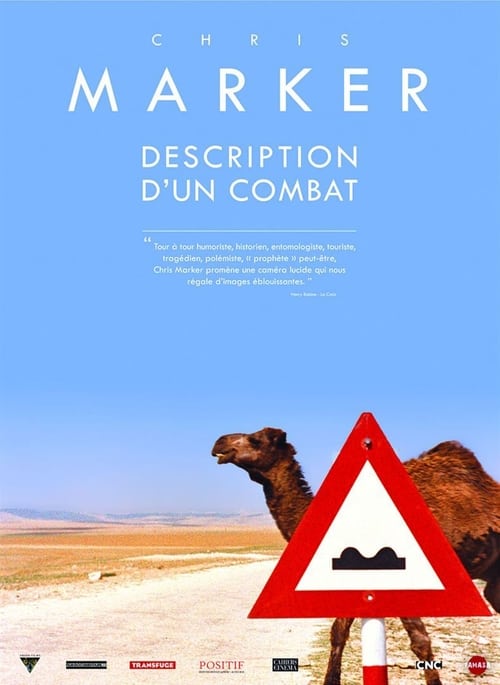
Chris Marker’s documentary portrays Israel twelve years after its founding, blending location and archival footage to explore its diverse communities—from kibbutzim and Arab villages to Orthodox quarters and tourist sites. The “struggle” of the title reflects the nation’s search for identity in a rapidly changing region.
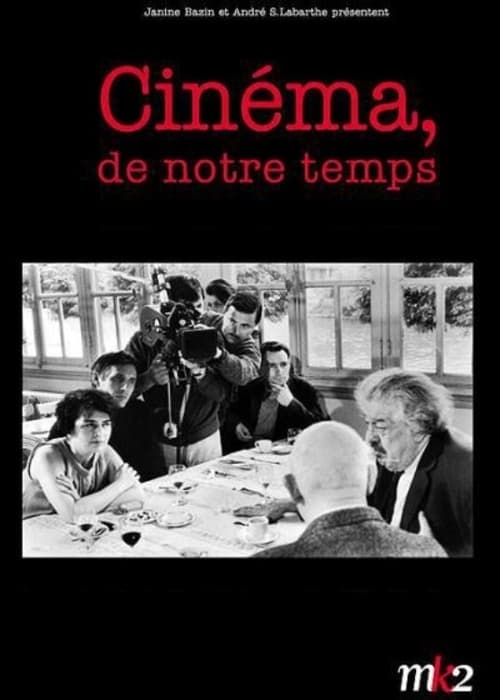
Second in the documentary trilogy from mastermind Jacques Rivette, featuring a conversation between Jean Renoir and Michel Simon, who celebrate their reunion by discussing, among other things, La Chienne (1931) and Boudu Saved from Drowning (1932).
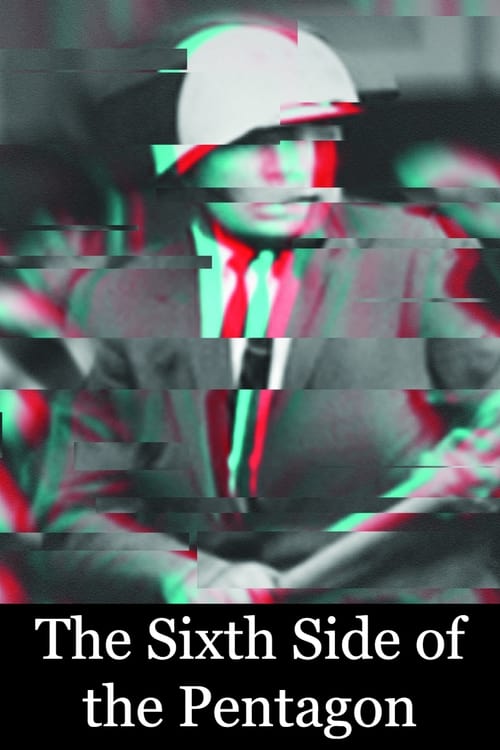
Chris Marker and François Reichenbach document the massive anti–Vietnam War protest held in Washington, D.C., on October 21, 1967, where more than 100,000 demonstrators gathered at the Lincoln Memorial before marching on the Pentagon. Filmed amid the crowd, the short captures the tension, idealism, and growing radicalism of the American peace movement.
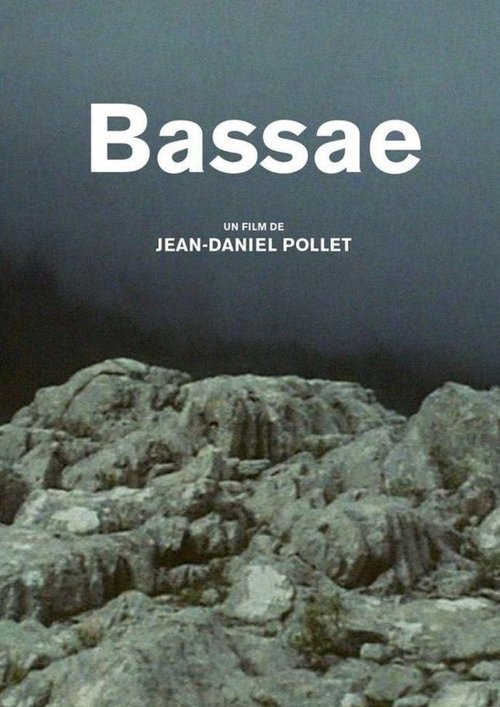
"I was interested by the fact that some old guy, after the Parthenon’s glamour, devoted himself in a much smaller temple, where there was no white marble, no nothing. All Greek temples are dedicated to Apollo etc, and this particular one was not dedicated to anyone and is in a place where there never was a city nearby, in a kind of wasteland, in a ditch. But, just by going up a bit –you are in the centre of Peloponissos- on a clear day, you can see the sea on both your left and right. I went back there, at least six, seven or eight times, as if I wanted to think or find myself. So, at the temple in Bassae, I made a short 10 minute film and I was lucky enough to encounter two days of clouds and mist between the columns."
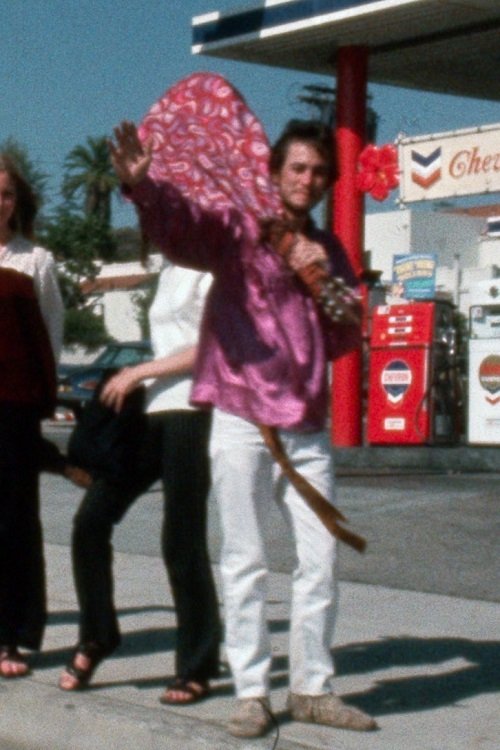
This documentary explores the complexities of Los Angeles. Blending a highly structured montage of shots exploring the city with interviews of students, the writer Henry Miller, and residents from all communities, this evocation of Angelenos' city paints a portrait of a living, constantly evolving entity.
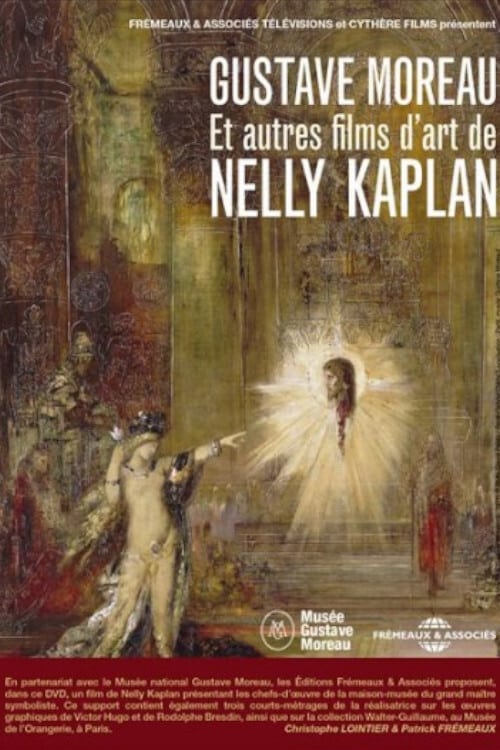
A brilliant analysis of 19th century French Symbolist painter Gustave Moreau, known for his fantastical and mythological subjects, and who remains to these days an influential figure in the birth of modern art.

Images and poems of the celebrated couple Louis Aragon and Elsa Triolet. Elsa’s youth as recalled by Aragon, with commentary by Elsa.
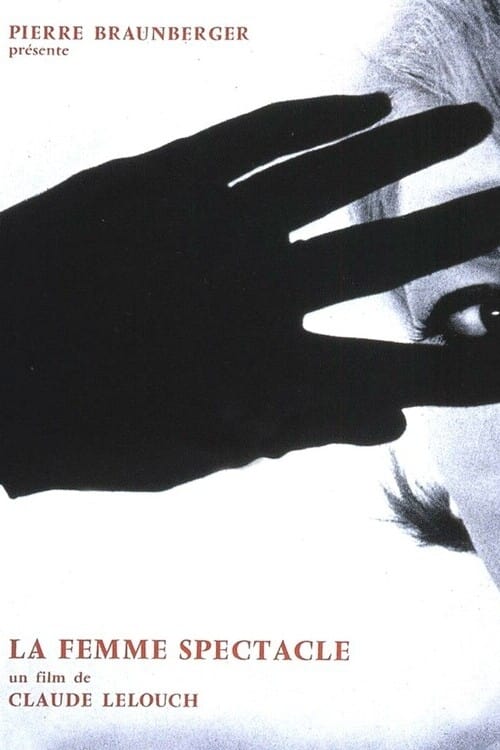
A mondo-movie on the theme of women, with interviews and mock reports: plastic surgery, transvestites, Victoria Nanquin stripper, divorce and jealousy, dance classes, modeling school, nude modeling, prostitution in the woods, Miss Françoise masseuse, Miss Spaghetti contest.
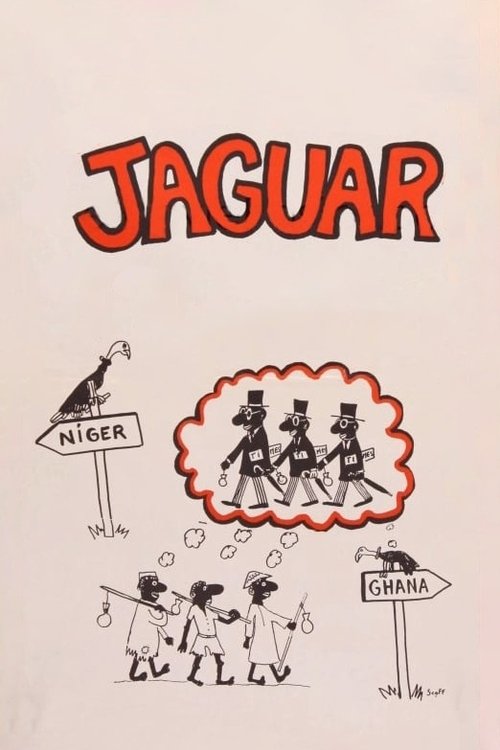
Jaguar, a kind of road movie on foot, tells of the journey of three friends, Damouré, Lam and Illo, on their way to the Gold Coast where they hope to make a fortune in order to return to their village in a few months.