
An intimate chronicle of the shooting of Ran (1985), a film directed by the legendary Japanese filmmaker Akira Kurosawa.
A. K.
6.3 1985
620 Matches Found
An intimate chronicle of the shooting of Ran (1985), a film directed by the legendary Japanese filmmaker Akira Kurosawa.
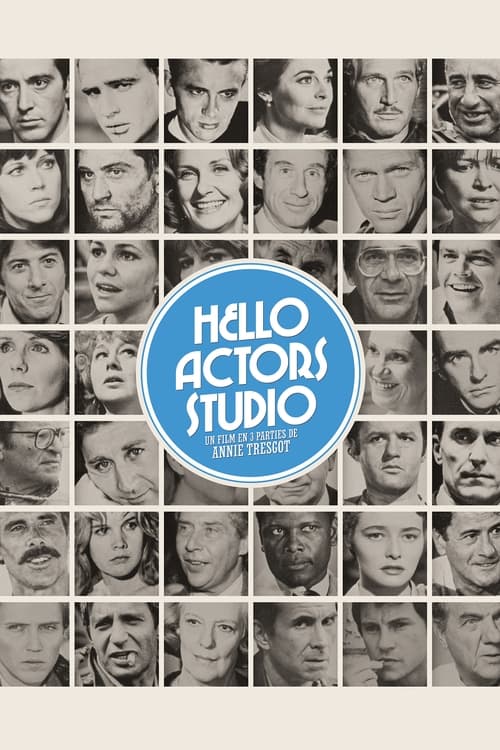
After Lee Strasberg’s death in 1982, the most prestigious talents from the Actors Studio assumed the leadership of this exceptional organization. For the first time ever, filmmakers have been allowed to film their work.
Director Claude Lanzmann spent 11 years on this sprawling documentary about the Holocaust, conducting his own interviews and refusing to use a single frame of archival footage. Dividing Holocaust witnesses into three categories – survivors, bystanders, and perpetrators – Lanzmann presents testimonies from survivors of the Chelmno concentration camp, an Auschwitz escapee, and witnesses of the Warsaw Ghetto Uprising, as well as a chilling report of gas chambers from an SS officer at Treblinka.
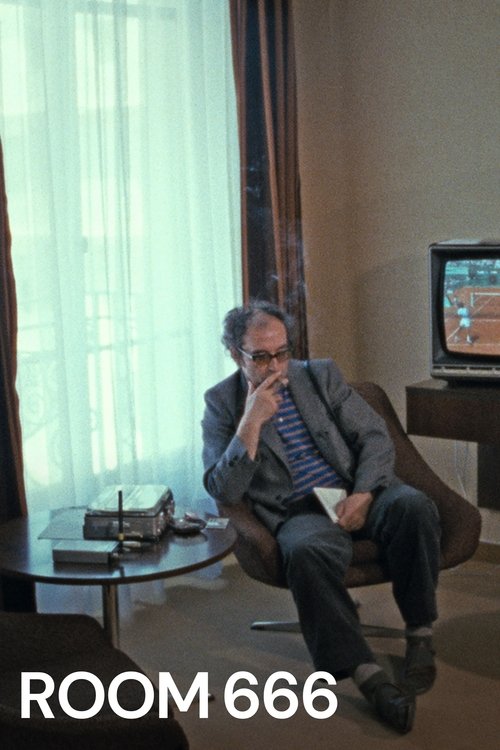
During the 1982 Cannes Film Festival, Wim Wenders asked a number of global film directors to, one at a time, go into a hotel room, turn on the camera, and answer a simple question: "What is the future of cinema?"
A woman goes to Cannes and, lost in its chaos and unable to obtain tickets, ends up watching it on television from her hotel room.
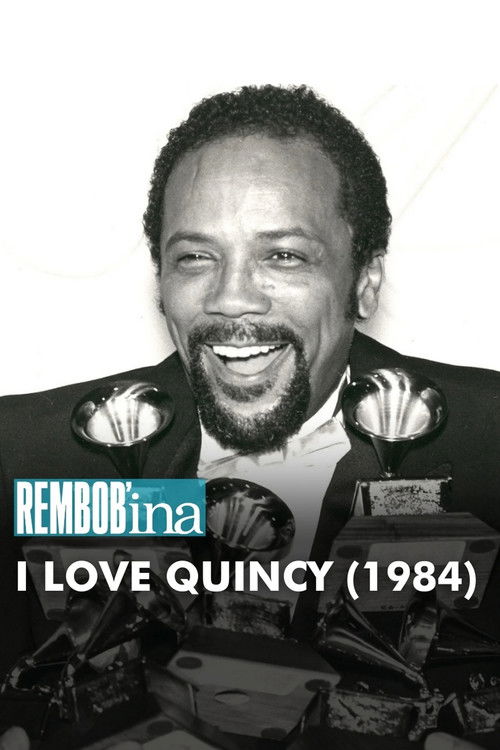
Documentary profile of musician and producer Quincy Jones


The co-founder of the Gamma press agency, Raymond Depardon, created this documentary of press photographers in Paris and their subjects by following the photographers around for one month, in October, 1980. In-between long hours waiting for a celebrity to emerge from a restaurant or a hotel, boredom immediately switches to fast action as the cameras click and roll when the person appears. The reaction to the gaggle of photographers is as varied as the people they often literally chase all around town. While some of the celebrities, such as Jacques Chirac who was mayor of Paris at the time, are perceived as comical caricatures, others are shown simply going about ordinary pursuits - including Catherine Deneuve, Gene Kelly, and Jean-Luc Godard.
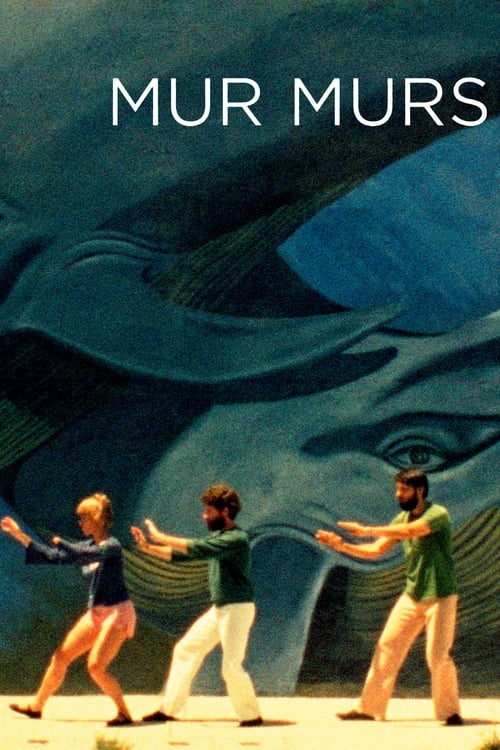
Venturing from Venice Beach to Watts, Varda looks at the murals of LA as backdrop to and mirror of the city’s many cultures. She casts a curious eye on graffiti and photorealism, roller disco & gang violence, evangelical Christians, Hare Krishnas, artists, angels and ordinary Angelenos.
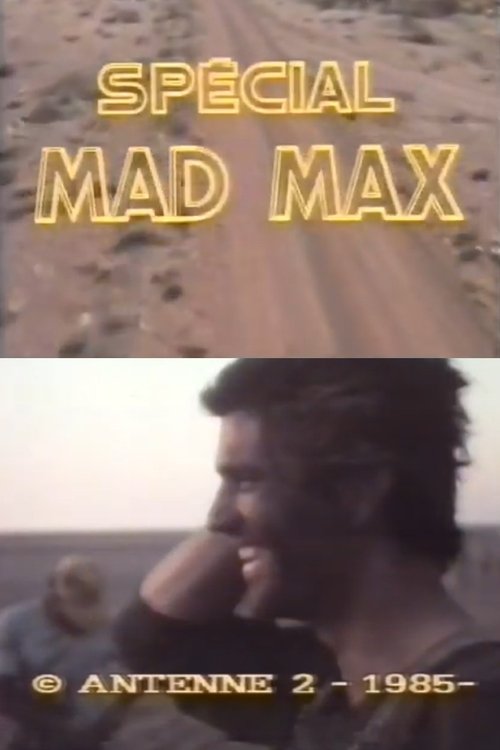
French making of documentary / set visit on Mad Max Beyond Thunderdome.
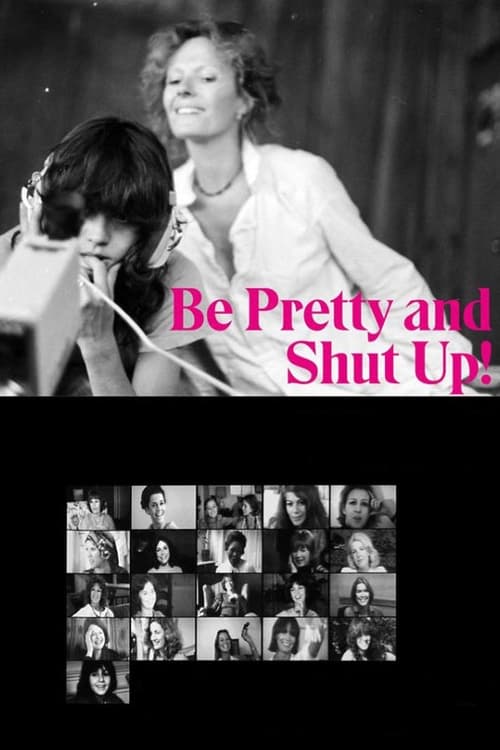
The film is a series of interviews with various well-known film actresses, including Jenny Agutter, Maria Schneider, and Jane Fonda. The title, which is borrowed from a 1958 film with the same name by Marc Allegret, refers to the sense the actresses have of what is expected of them by the film industry.
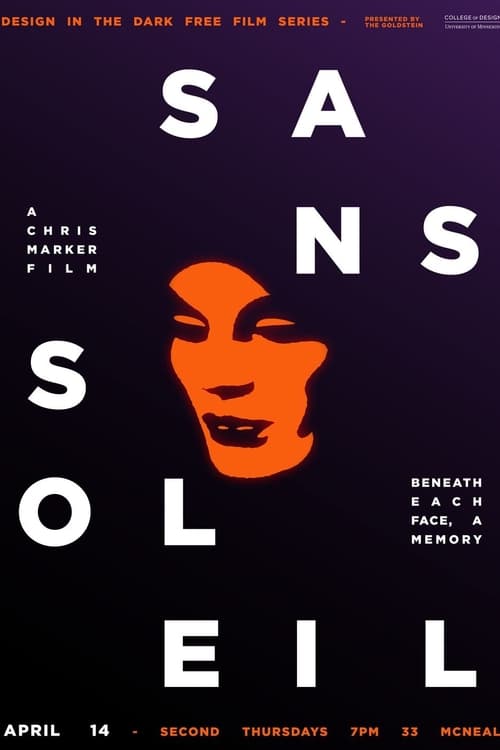
A woman narrates the thoughts of a world traveler, meditations on time and memory expressed in words and images from places as far-flung as Japan, Guinea-Bissau, Iceland, and San Francisco.
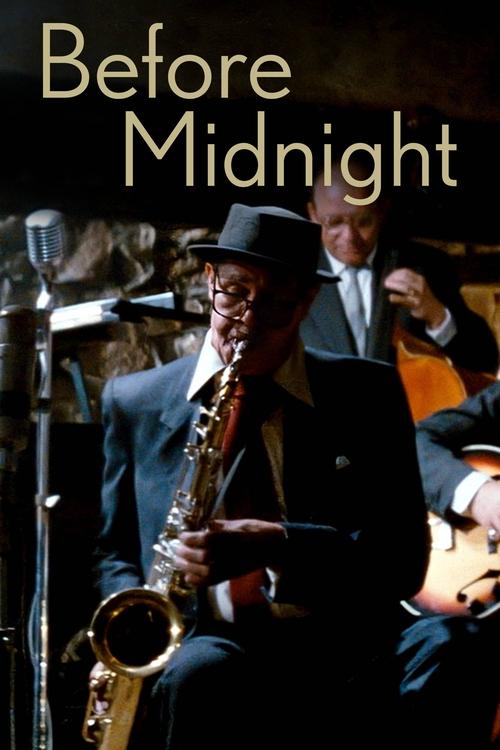
Filmmaker Jean Achache shot extensively on the set of ’Round Midnight. This documentary presents that material for the first time, including footage of director Bertrand Tavernier, production designer Alexandre Trauner, and other members of the cast and crew.
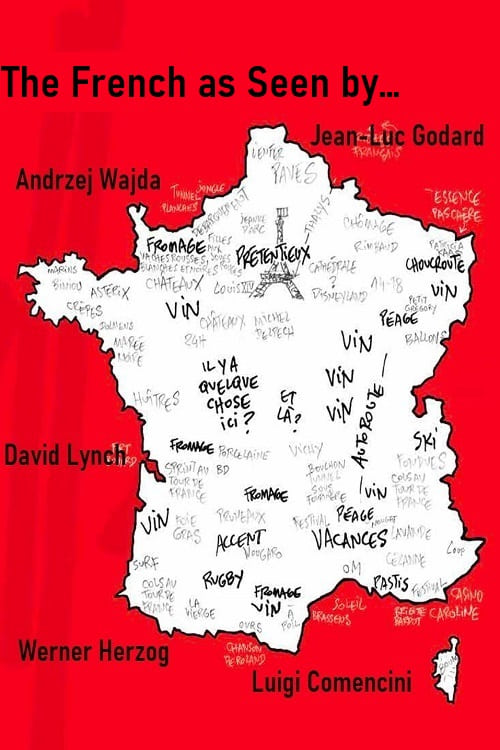
In 1988, Figaro magazine asked a few famous directors to direct a series of short movies to celebrate the 10 years of the revue. The movies have been released for the French revolution bicentenary. Includes: Werner Herzog's Les Gaulois, David Lynch's The Cowboy and the Frenchman, Andrzej Wajda's Proust contre la déchéance, Luigi Comencini's Pèlerinage à Agen, Jean-Luc Godard's Le dernier mot.
Making of ”Quest for Fire“.
Godard constructs a lyrical study of the cinematic and creative process by deconstructing the story of his 1982 film Passion. “I didn’t want to write the script,” he states, “I wanted to see it.” Positioning himself in a video editing suite in front of a white film screen that evokes for him the “famous blank page of Mallarmé,” Godard uses video as a sketchbook with which to reconceive the film. The result is a philosophical, often humorous rumination on the desire and labor that inform the conceptual and image making process of the cinema.
Documentary about the eclectic Japanese composer Ryuichi Sakamoto during the recording sessions for his 1984 album "Illustrated Musical Encyclopedia".
A tribute to the late, great French director Francois Truffaut, this documentary was undoubtedly named after his last movie, Vivement Dimanche!, released in 1983. Included in this overview of Truffaut's contribution to filmmaking are clips from 14 of his movies arranged according to the themes he favored. These include childhood, literature, the cinema itself, romance, marriage, and death.

Trio is a cinematic series of filmed portraits that shows, in a single large, fixed and silent shot of 3 minutes and 20 seconds, three people free to do what they want.
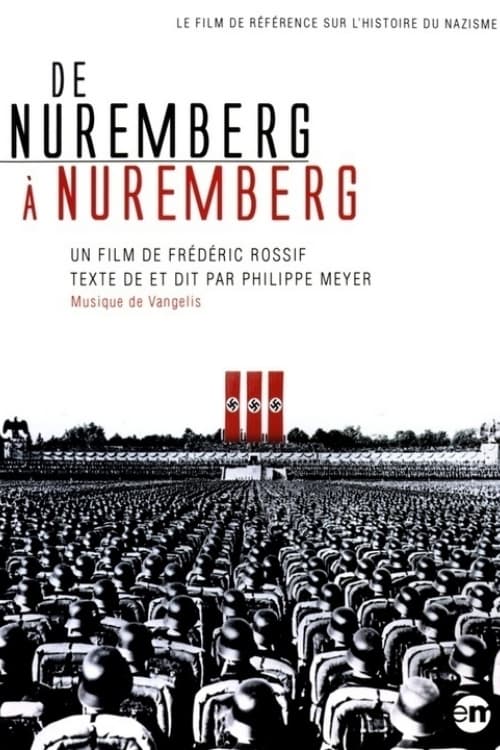
Frédéric Rossif and Philippe Meyer draw the terrible fresco of the Second World War of the rise of Hitler and the Nazi party until his ultimate defeat (1933-1945). While carefully describing the sequence of events, they go back to the genesis of fascism, and the picture they draw from this first half of the twentieth century is both lucid and frightening. A page of history illustrated by a large number of unpublished documents.
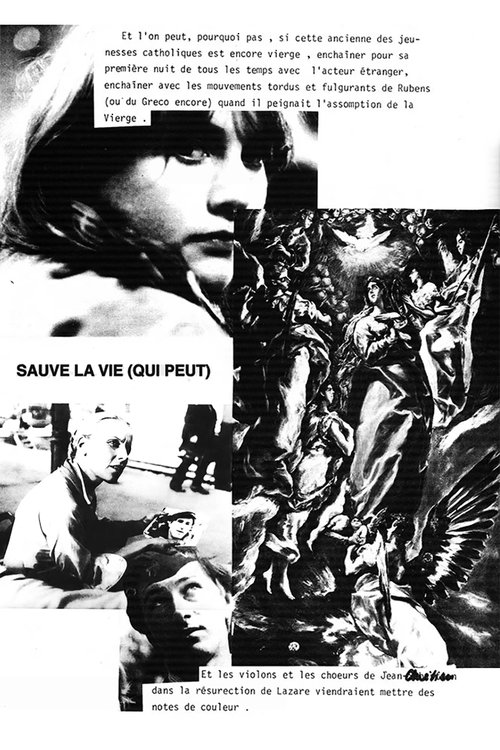
Godard experimental film with montages combining "Sauve qui peut (la vie)" and other films by other filmmakers.
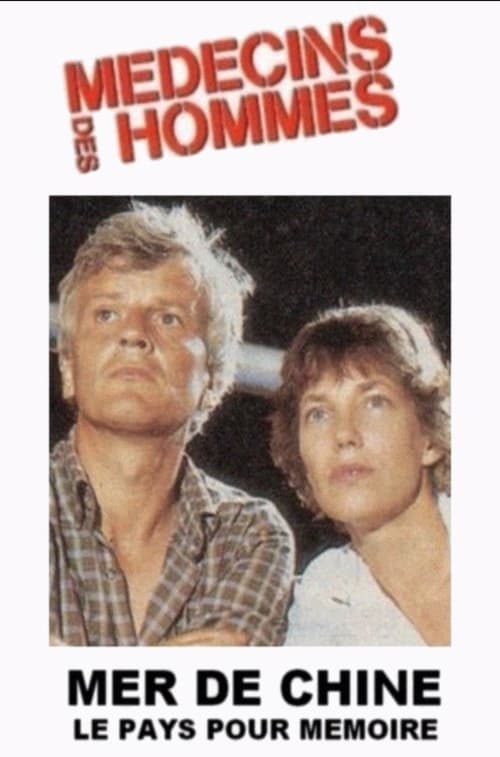
Patrick, who has had diabetes for 25 years and is treated with insulin, is gradually losing his sight. He has agreed to laser treatment as the only alternative to total blindness, a treatment that destroys almost the entire retina, leaving only central vision. For three years, the director followed him in his daily life, walking towards darkness, where he learns day by day to touch, listen, guess, feel, and resist. The camera narrows its field of view over time to "see" as Patrick does.
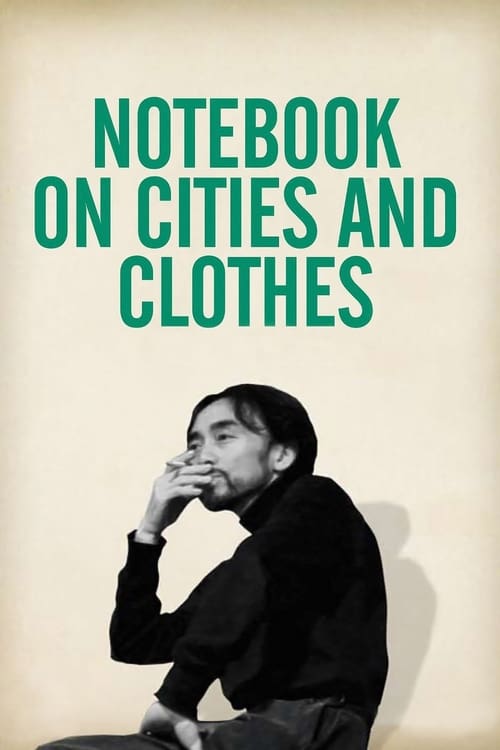
Wim Wenders talks with Japanese fashion designer Yohji Yamamoto about the creative process and ponders the relationship between cities, identity and the cinema in the digital age.
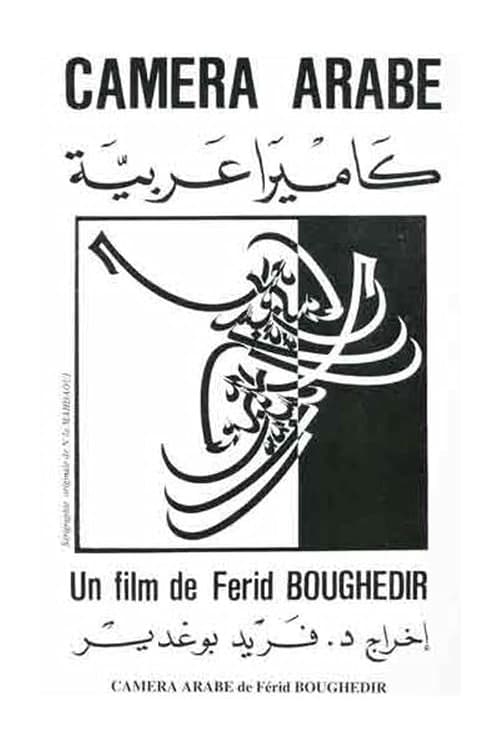
Focusing on key Arab films produced in the last 20 years. Férid Boughedir traces the development of the film-makers' concern to produce more socially aware cinema. Themes include the issue of Palestinian homeland rights and the nature of Arab identity. The film-makers also share a desire to develop a strong poetic tradition.
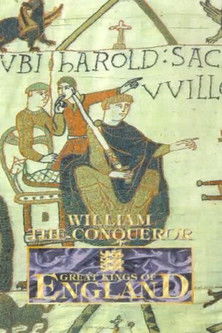
William's government blended elements of the English and Norman systems into a new one that laid the foundations of the later medieval English kingdom. How abrupt and far-reaching the changes were is still a matter of debate among historians, with some such as Richard Southern claiming that the Conquest was the single most radical change in European history between the Fall of Rome and the 20th century. Written by jeff davis, III
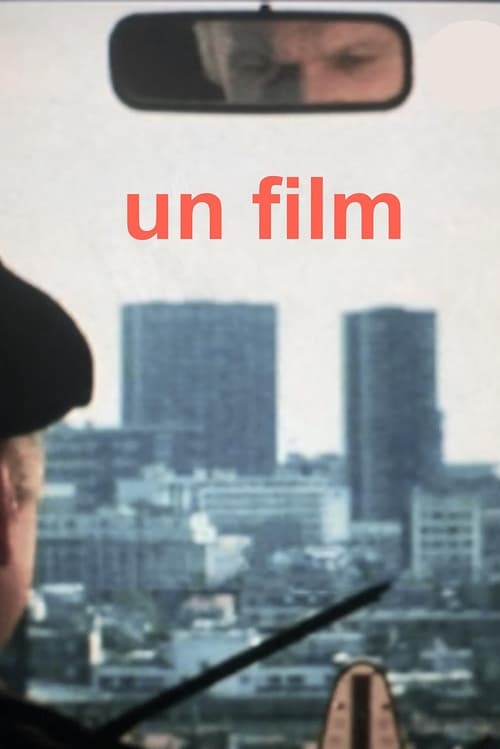
The shooting diary of a film shot in France and in the United States. Using photos of Paris and of New York City, excerpts of his former films, statements by friends of his and shooting sequences of the film itself, tormented filmmaker Marcel Hanoun has made a heterogeneous and unclassifiable film about the difficulty of filming.

In 1979, aboard the Basile, a Damien II type ship (Joubert design), French sailors and mountaineers sailed in the footsteps of the explorer Ernest Shackleton, considered one of the main figures of the heroic age of exploration in Antarctica, towards South Georgia, where they climbed Mount Paget, which is part of the Allardyce range and peaks at an altitude of 2,935 metres.
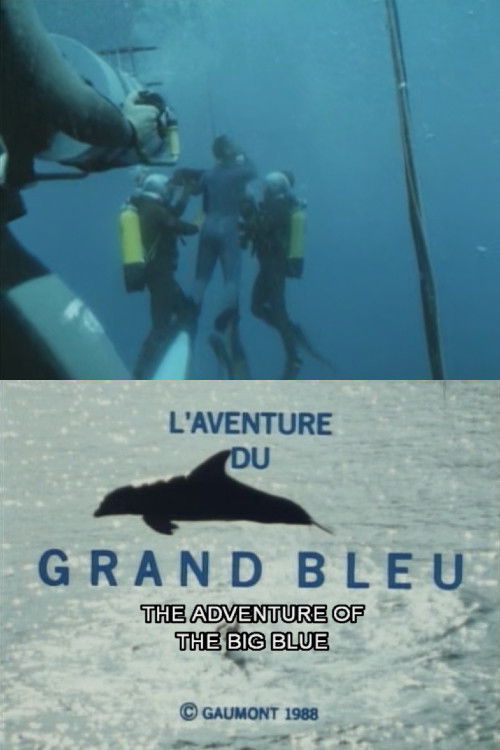
Making-off from The Big Blue movie
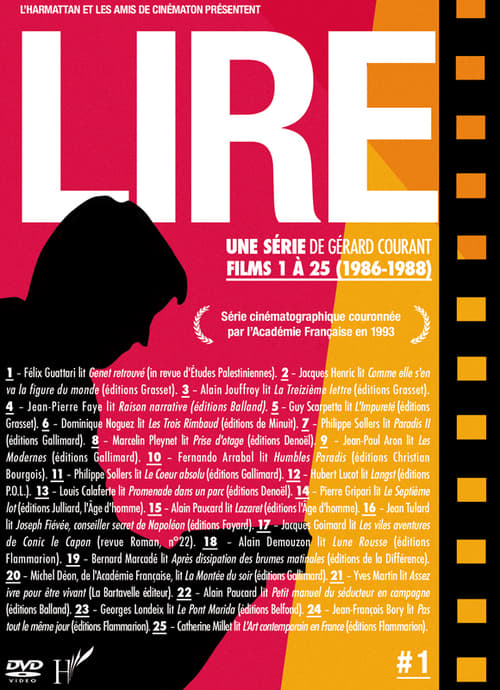
Lire is a cinematographic series of filmed portraits that shows, in a single large fixed and sound sequence shot of 3 minutes 20 seconds, a writer reading the beginning of his last published book.
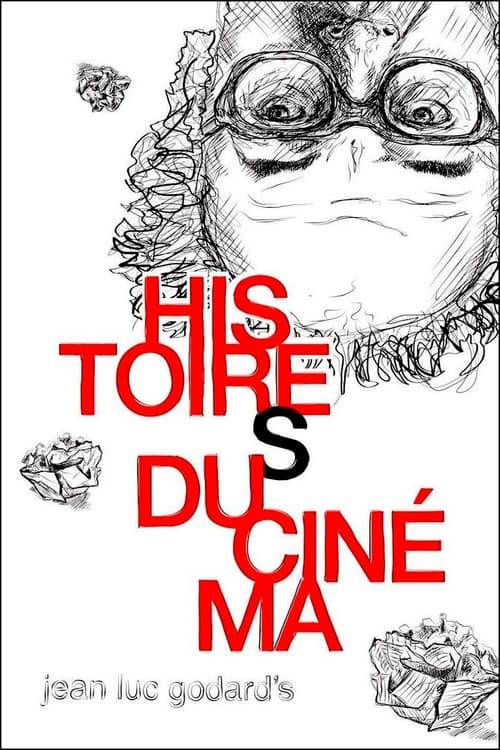
A very personal look at the history of cinema directed, written and edited by Jean-Luc Godard in his Swiss residence in Rolle for ten years (1988-98); a monumental collage, constructed from film fragments, texts and quotations, photos and paintings, music and sound, and diverse readings; a critical, beautiful and melancholic vision of cinematographic art.
It is an autobiographical fiction starring Ivens as an old man who has spent his life trying to "tame the wind and harness the sea" by capturing them on film.
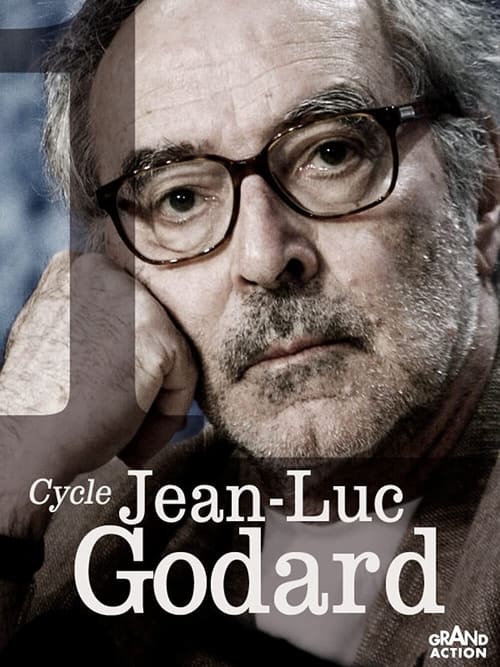
Notes on the movie Passion
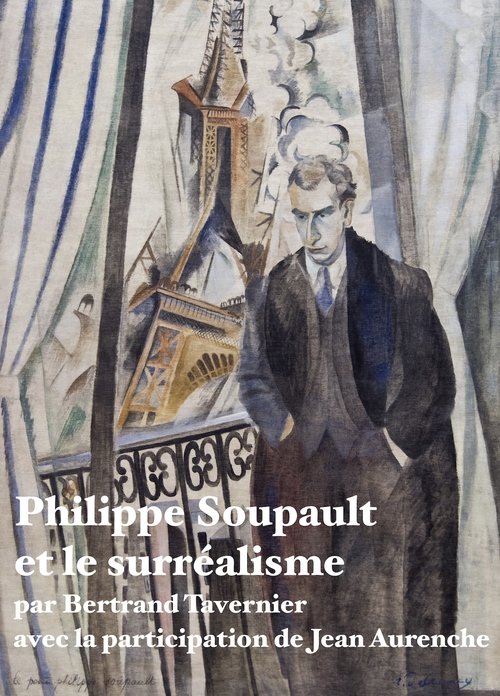
Biquefarre is a small farm in Aveyron. The changing economics of farming lead Raoul, in late middle age, to decide to sell and move to Toulouse. At least two neighboring farmers want to buy Biquefarre: Lucien and the young Marcel. Behind the scenes, Henri, whose brother is Marcel's father and who is also Lucien's brother-in-law, negotiates with Raoul so that Marcel's father can secretly sweeten Marcel's offer. Will dad and uncle succeed? In the background is the hard daily work of farming: milking cows, harvesting at night, and finding help when a farmer falls ill. Progress brings challenges: polluted water, factory farms, and skyrocketing land prices.
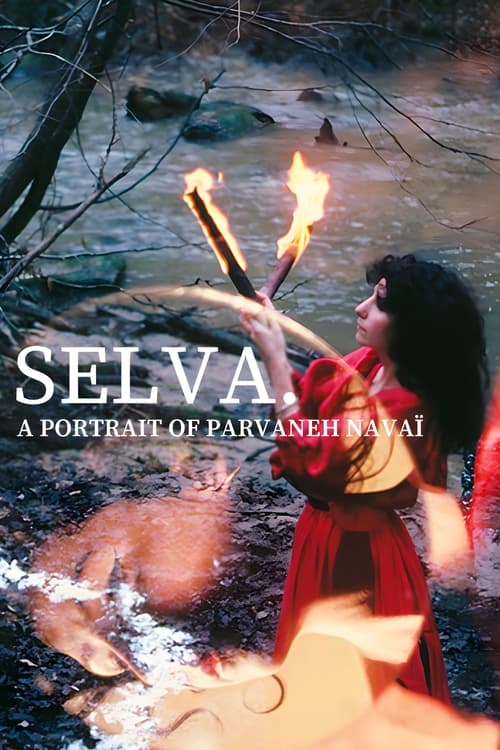
Trance dances and out of body projection. In front of the camera, Parvaneh Navaï becomes a mediator who enters in contact with and immerses into the energies of Nature, while her own energy radiates and echos in the forest ("selva"). The camera amplifies and expands her presence, transforming the forest into an imaginary space. The camera becomes a painter's brush.
The theme of Romeo and Juliet is the starting point from which the film spins a web of several stories. A love story between a boy and a girl whose families are Algerian: they are young, beautiful and they are trying to build a family and a social life in France. They love each other, and yet conflicts, family pressure and contradicting desires alternately tear them apart and unite them. The story of Romeo and Juliet, minus death.
A French TV documentary from 1980 directed by Maurice Frydland, in which Sir Run Run Shaw gives an all-access tour of the Shaw Brothers backlot (including behind-the-scenes footage from Return to the 36th Chamber.
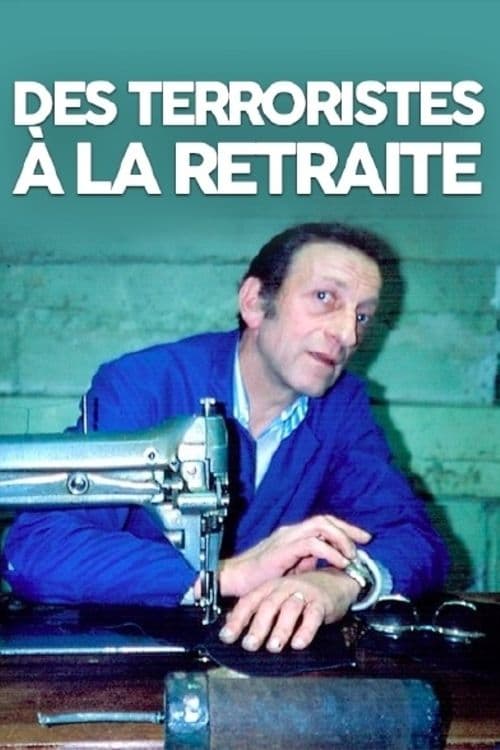
Not just another documentary on the French resistance movement, this film focuses on one particular group of underground fighters in France: those from Eastern Europe. Many were Jews and all had fled their native countries before the war broke out. They were among the most staunch and fearless enemies of fascism, as shown here in personal interviews and memoirs of war-time experiences. But the most famous of these immigrants were 23 who were rounded up among several hundred Parisians in 1943, tried for their activities, and executed -- all were immigrants under the leadership of the Armenian poet Manouchian. After their execution, Paris was papered with posters decrying these 23 martyrs as "foreign communists."

Fragments of a text by Jean Genet – “Four Hours in Chatila” – are illustrated by summer images of a park in Brussels. The contrast between what is seen and what is said attempts to stop, to break the flow of information which tends to neutralize horror.
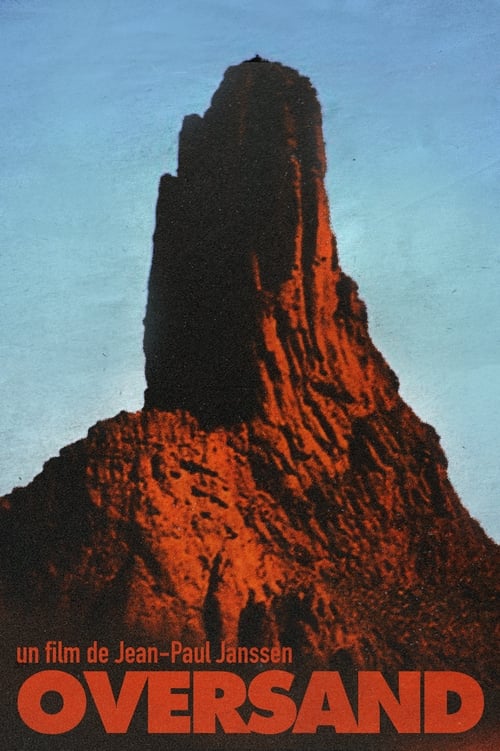
Oversand is one of the first films about free climbing, the third film in a series of three with "Overdon" and "Over-Ice". Directed by Jean-Paul Janssen, the film was shot in 35mm in Algeria, in the Sahara Desert, in the Tamanrasset region, on the walls of the majestic peaks of the Atakor massif, central sub-region of Hoggar, mountainous heart of Hoggar, a volcanic plateau of almost circular shape, whose average altitude is 2000 meters, and which culminates at Mount Tahat (2918m), the highest point in Algeria. The Atakor is distinguished by its spectacular volcanic peaks, its needles, and its rugged landscapes, resulting from the erosion of ancient volcanic chimneys, which make it the most emblematic summits of the Hoggar, such as the Assekrem, the Ilamane, or the Tizouyag, where climbers Patrick Edlinger, Patrick Bérhault, Bernard Gorgeon, Hugues Jaillet, Jacques Perrier, Stéphane Troussier and Odette Schoënleb evolve under the watchful eye of the Tuareg caravans.
This afterword to India Song (Duras' celebrated 1975 film) is organized in several parts. It begins with an interview to Marguerite Duras by Dominique Noguez, an expert in her work; the interview links the film to the two movies whom it's related to: The Ravishment of Lol V. Stein and The Vice-Consul. Several themes are tackled: childhood, autobiographical traces, relationships between differents characters and different films and more. India Song's main actors — Delphine Seyrig and Michael Lonsdale, who played Anne-Marie Stretter and the French vice-consul — join the conversation and talk about their roles and their craft. Marguerite Duras then evokes her memories of the shooting with the composer Carlos D'Alessio and her camera operato Bruno Nuytten. The conversations are punctuated by clips of the film.
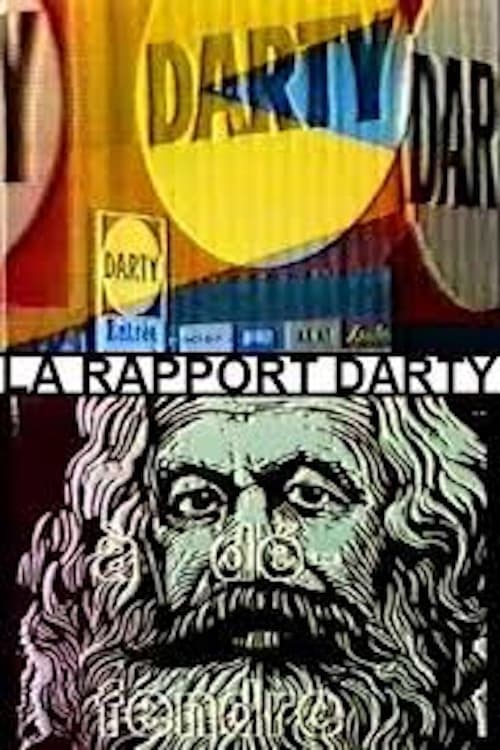
A daring deconstruction of consumerist behavior featuring a robot and Miss Clio Darty, with a voiceover by Godard and Anne-Marie Miéville, this philosophical "report," like so many of Godard's commissions, was rejected by its funders.
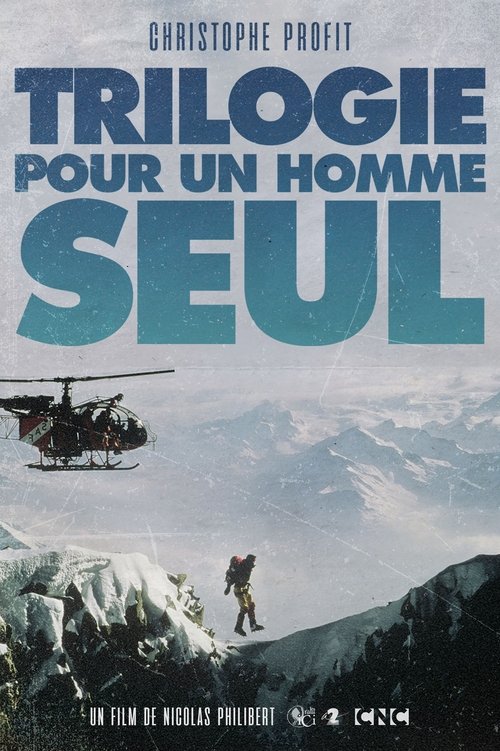
The most legendary 'sequence' ever achieved by a mountaineer: on 12 and 13 March 1987, in 40 hours, 26-year-old Christophe Profit managed to climb three of the highest north faces in the Alps, in winter: Grandes Jorasses, Eiger, and Matterhorn. But over and above this 'coverage' of the feat, we discover the wings, the story behind the project, the peaks and troughs of the preparations for it, and the personality of the man behind the climbs, a dancer on sheer rock faces, focusing all the energy and reflexes of life itself in his fingertips.
"Clara, screenplay and dialogues of a Franco-Czechoslovak film, the co-director should have been the Czech filmmaker Kadar. Screenplay adaptated in 1989 by Philippe Garrel and students of the University of Paris X (Nanterre). The subject of the film - which is also a love story - is part of the political atmosphere, release the XXth Congress of the Soviet Communist Party has changed both individual for a certain way of seeing and understanding History: political trials, purges in Czechoslovakia, Hungary events of 1956, Algeria war, cold war." - KG
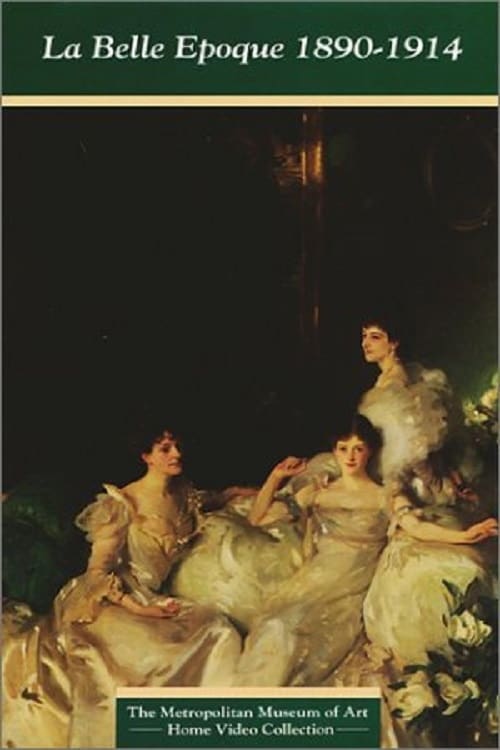
Featuring Douglas Fairbanks Jr. and Diana Vreeland, La Belle Epoque evokes "the beautiful era" of 1890-1914, a time in which the wealthy upper classes of the Western world gave themselves over to a life of elegance and taste-making, their eyes closed to the increasing social and political turmoil fermenting beneath the surface of polite society. The program uses period motion pictures, photographs, and sound recordings, as well as the arts and fashions of the period to supplement the spoken memories of the participating interviewees who actually lived... La Belle Epoque.
Revolutionary French New Wave director Jean-Luc Godard conducts a twenty-five minute interview with influential and acclaimed American director Woody Allen on the cultural radiation, the ubiquity and significance of Television, and how Television compares with cinema as a medium and form of expression.
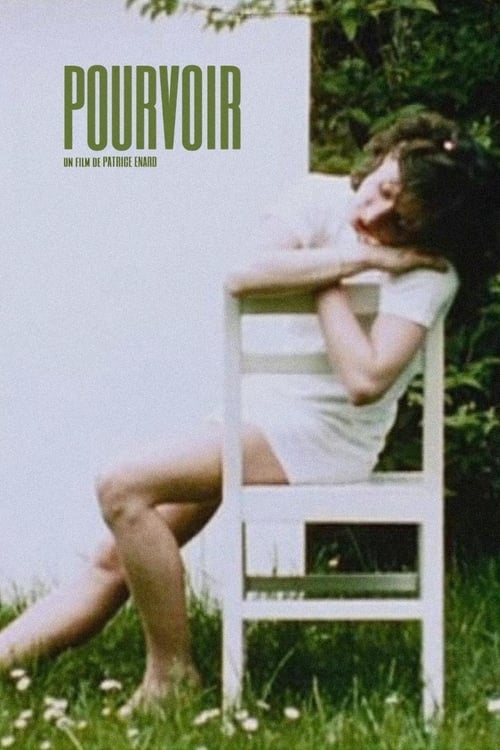
Patrice Enard’s ‘Pourvoir’ is a film mainly comprised of images of women in nature, his style is stark and repetitive, shots are angular, which both hide and reveal. There is though a visual poetry to his work - once the smoke dissipates, a sexual liberation emerges, with subtle flourishes in the staging and editing threaded together by Marxist and Freudian discourses.
A short documentary on the practice of Zar in Sudan.
A Hungarian filmmaker investigates the traces Orson Welles left behind in Hollywood, maintaining the ambiguity between truth and fiction. Janine Bazin and André S. Labarthe had long hoped to dedicate an issue of their longstanding documentary series, "Cinéastes de notre temps" to Orson Welles. But the master director-actor died in 1985, and Labarthe was left with a considerable challenge: making a film about Welles, without Welles.
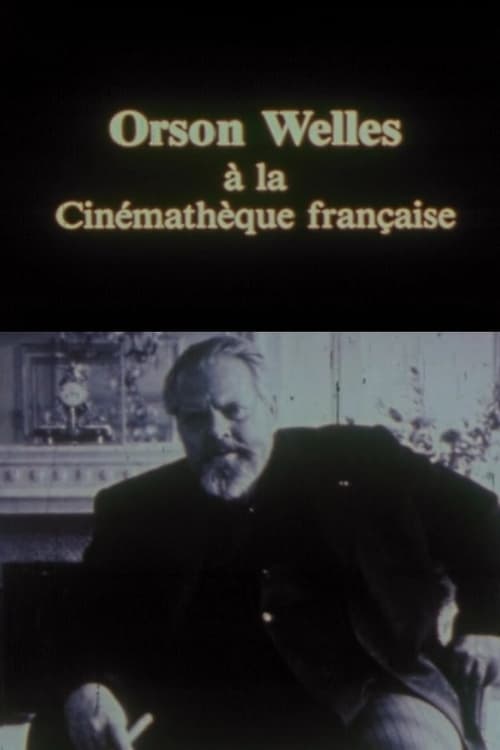
On April 24th, 1982, when Orson Welles was invited to Paris to receive the Légion d'honneur from François Mitterand, a lively filmed interview took place inside the French Cinémathèque.
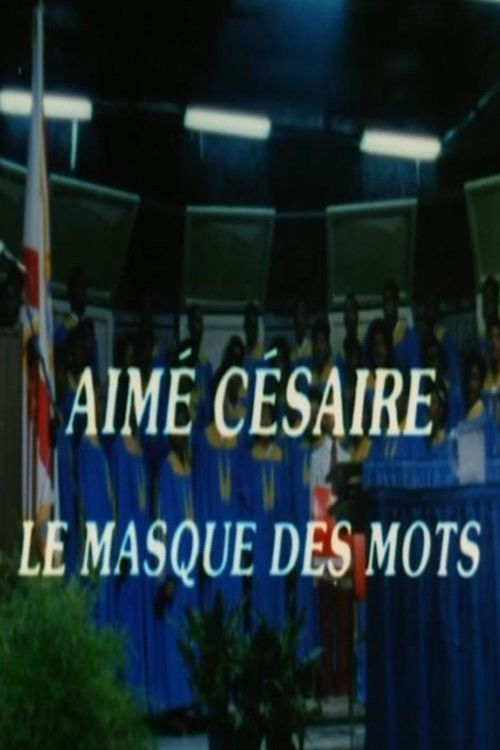
Aimé Césaire - Le Masque des mots is a portrait of the Martinican writer who calls himself a rebellious negro and for whom the poetic act represents an act of freedom.
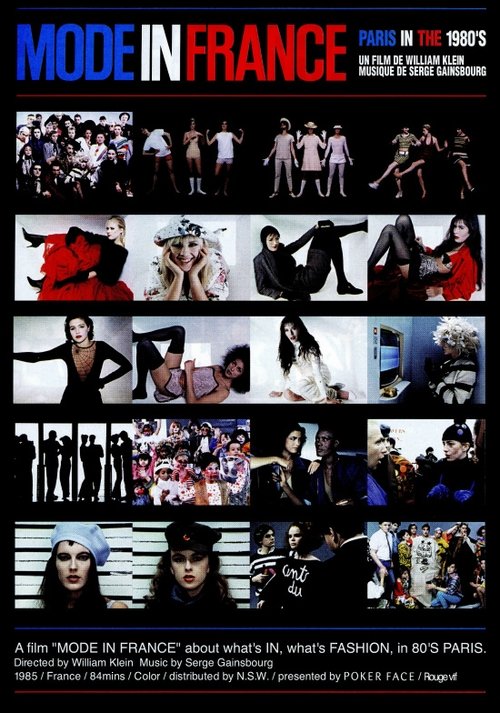
Highlighting the work of emerging fashion world all-stars like Karl Lagerfeld, Jean-Paul Gaultier and agnès b., Klein surveys the state of women’s fashion in the 1980s with this eccentric hybrid documentary scored by Serge Gainsbourg.
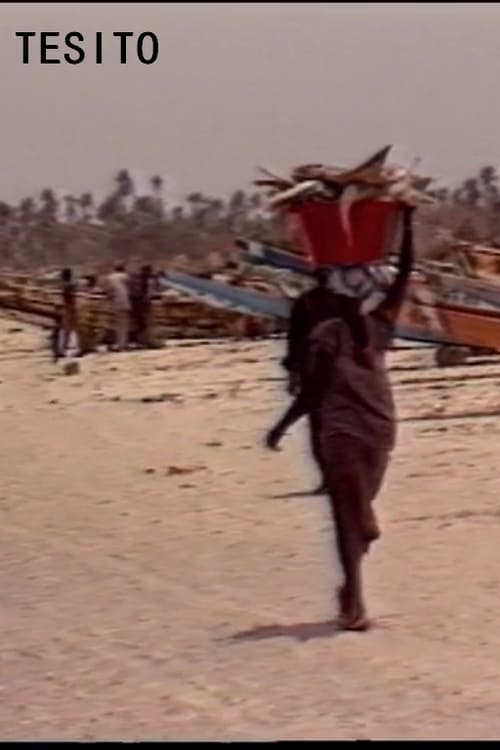
In 1989, this film was part of the PAMEZ project in Senegal which was part of the sea program of the CCFD, Catholic Committee against Hunger and for Development. It presents the economic and social role of women in the Casamance region for the development of fishing. These women who process and market fish, who are responsible for management, have a voice and express their opinion.
A silent, Super 8 film in color by Joseph Morder.
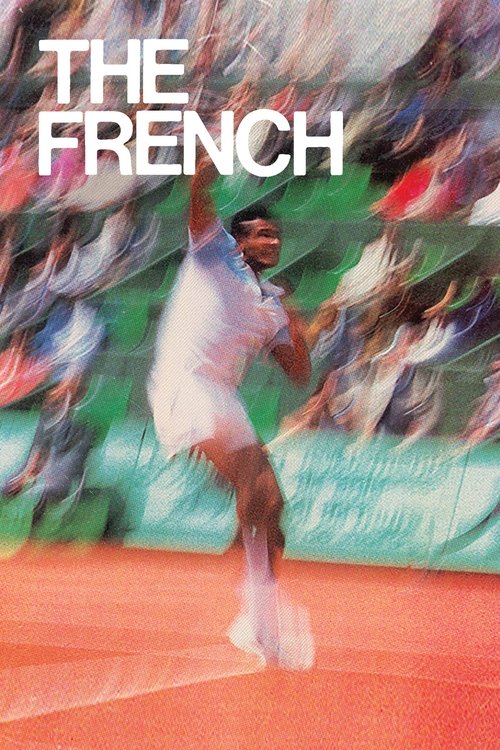
Roland-Garros, 1981: For the very first time, a documentary team is allowed to shoot sequences in the backstage of the French Open of tennis of Roland-Garros. William Klein's camera takes us on the heels of the greatest players of the time: Björn Borg, Jimmy Connors, Ivan Lendl, Chris Evert-Lloyd, John McEnroe, Martina Navratilova, Yannick Noah, Guillermo Vilas... Miles of film. Historical pictures, a thousand and one details, a thousand and one unusual scenes. A declaration of love from a tennis lover.