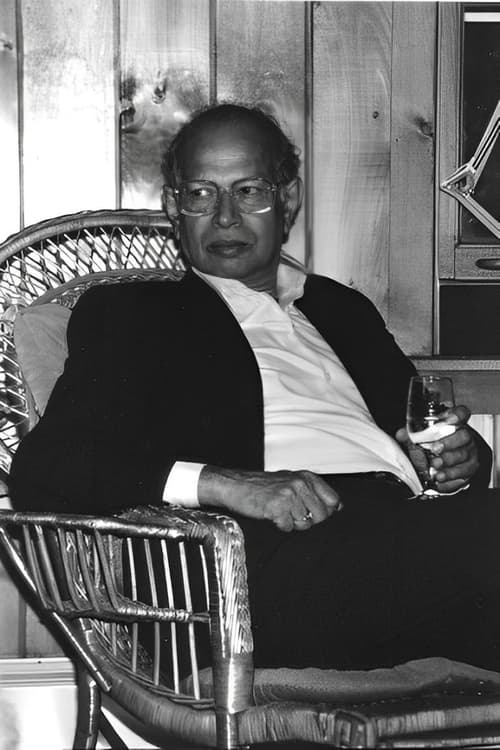
Against the backdrop of the Indo-China war of 1962, Tapan Sinha made a short documentary meant to arouse patriotic feelings, called Aamar Desh.
Aamar Desh
0.0 1962
24 Matches Found
Against the backdrop of the Indo-China war of 1962, Tapan Sinha made a short documentary meant to arouse patriotic feelings, called Aamar Desh.
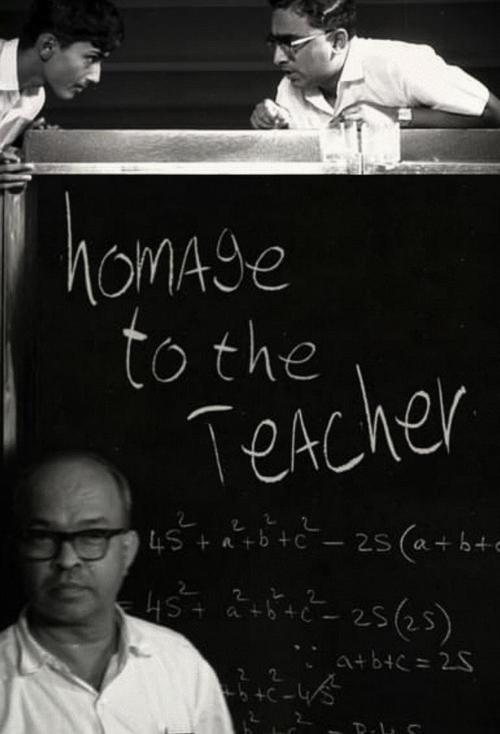
The film shows the role of school teachers and the importance thereof.

Following Israeli author Amos Oz over two years, as he meets readers and discusses the Israeli-Palestinian conflict. Along the way, Oz offers advice to Israeli president Shimon Peres, and is seen with fellow writers Salman Rushdie, Paul Auster and Nadine Gordimer, and the Palestinian intellectual Sari Nusseibeh.
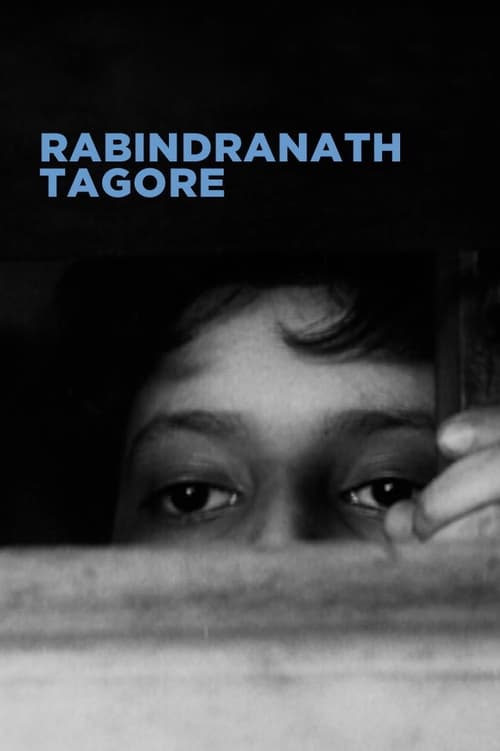
Docudrama about the life of Rabindranath Tagore, Indian polymath—poet, writer, playwright, composer, philosopher, social reformer and painter, who reshaped Bengali literature and music as well as Indian art, becoming in 1913 the first non-European and the first lyricist to win the Nobel Prize in Literature. The film was released during Tagore's birth centenary year.
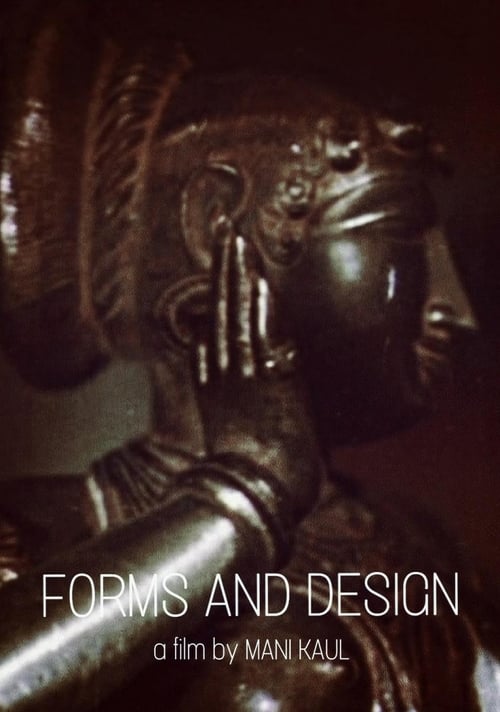
A short film that sets up an opposition between functional forms of industrial age and decorative ones from Indian tradition.
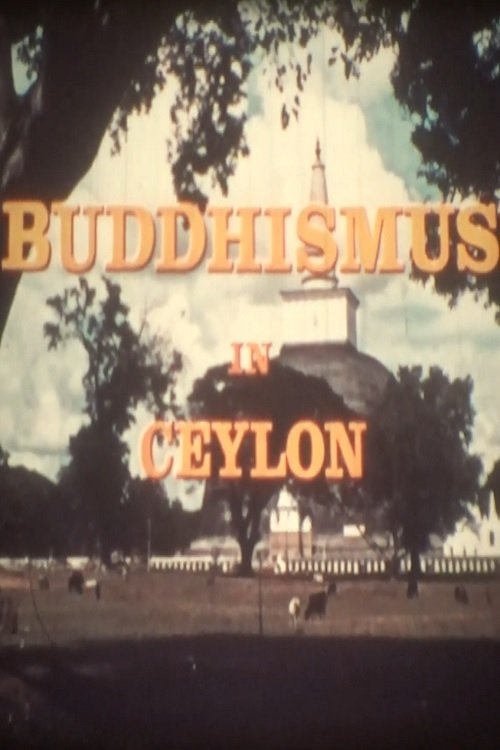
Directed by Paul Zils and co-written with Regi Siriwardena, Buddhismus in Ceylon is a documentary exploring the practice of Buddhism in Sri Lanka. The film traces the religion’s arrival from India over 2000 years ago, emphasizing its purest form as practiced in Ceylon. It highlights key rituals such as the Festival of Lights, the veneration of the Bodhi tree, and the Buddhist monastic journey. The documentary also contrasts the discipline of Buddhist teachings with the occasional resort to amulets and Hindu deities, offering a comprehensive view of Sri Lanka’s Buddhist culture and its path toward nirvana.
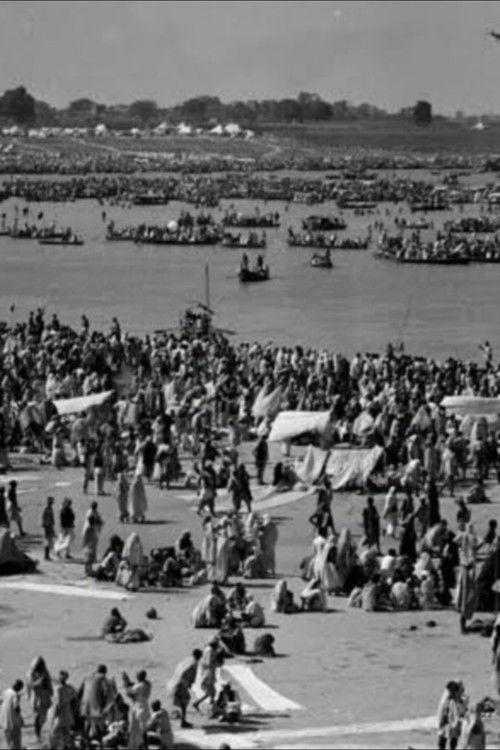
An 11 min documentary Images Of Kumbh Mela was shot by Bimal Roy just before he passed away & left untouched & forgotten, his son Joy Roy discovered the footage 33 years later & completed it to create this unique documentary which is one of the last pieces of work created by the legendary filmmaker.
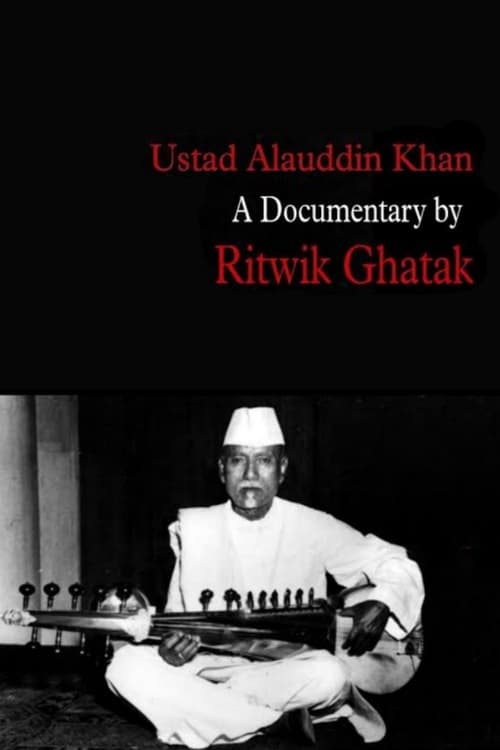
Life and disciples of legendary Indian classical musician and teacher, 'Guru' of Pandit Ravishankar, 'Baba' Ustad Alauddin Khan.

The film recounts the key events of Dr. Ambedkar’s life and it also features live footage of his later years.
In "Char Shaher Ek Kahani" (1968), K.A. Abbas contrasts official images of India’s industrial progress with stark footage of urban poverty and Bombay’s red-light district. The 16-minute documentary became a landmark censorship case after the Central Board of Film Certification objected to its depiction of prostitution, leading Abbas to successfully challenge the decision in the Supreme Court.
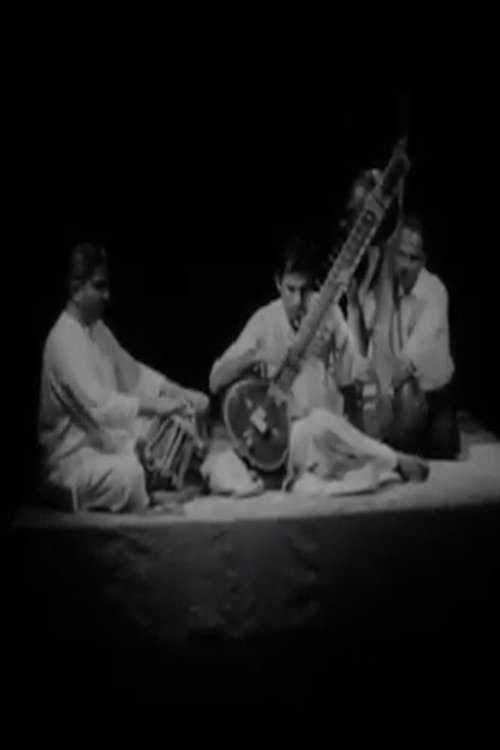
A short film on the traditional art and craft of making the musical instruments Sitar and Tabla.
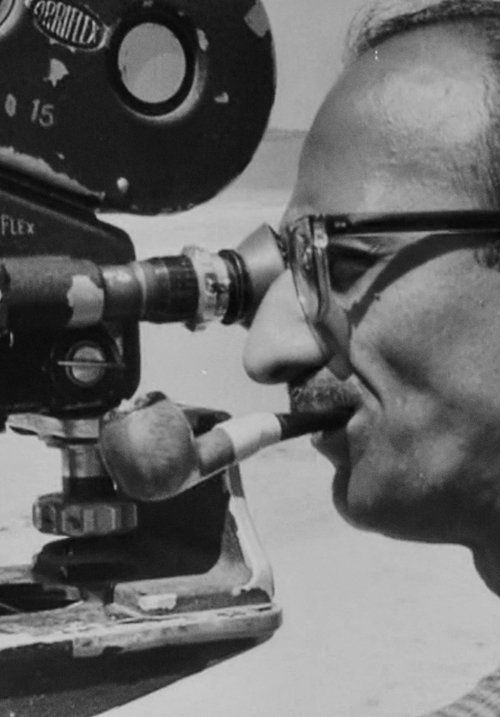
An impressionistic and dissonant portrayal of short film making by a short film maker. The views expressed in the film are sometimes bitter, often humorous, at times satirical, but seldom complimentary.

The film aims to help Indian children to learn the correct way to sing India's National Anthem.

An experimental film by Pramod Pati that presents to us a sensory collage of icons, symbols and the every-day. Exploring the mood and ambitions of youth at the time, the film eschews narrative and commentary to present the excitement and expectations of its participants.
It is an experimental quickie on family planning. Using pixelation and electronic music, the film depicts the idea that two children are enough for a family.
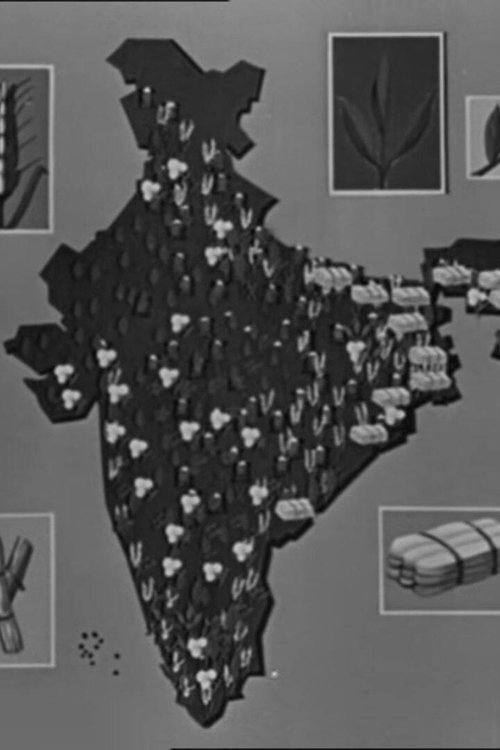
This cartoon film presents in a nutshell, with the help of animated maps and diagrams, some geographical and economic facts about India. It shows how the people of India under the Five Year Plan Projects are striving to achieve a fuller and better life for all.

Those born on Independence Day in 1947 were selected from different parts of India and interviewed to know their hopes and desires, ambitions, hobbies, fears and frustrations and the result is this unique film.
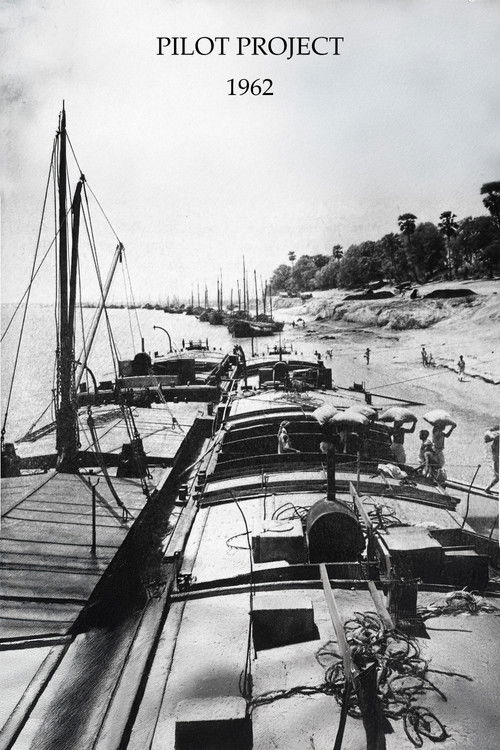
A Films Division of India documentary recording an early development initiative during India’s post-independence modernization period. Referenced by Erik Barnouw as part of the Indian state documentary tradition of the early 1960s, the film documents a “pilot project” focused on infrastructure and development, presenting modernization as a planned, collective process through observational imagery.

February 18, 1961, will be long remembered in the history of the Nagaland when the people of the area witnessed the birth of the Interim Body and Executive Council for Nagaland. The new set-up was formed amidst great rejoicing and this film records the memorable and colorful event in detail.
The film celebrates the express train, Deccan Queen which connects Pune with Mumbai, and provides an important link between the two cities. The train is part of everyday life of many people living in these principal cities of Western Maharashtra.
The film is a record of the land and the people of Nagaland and shows in detail the development and culture of the region.
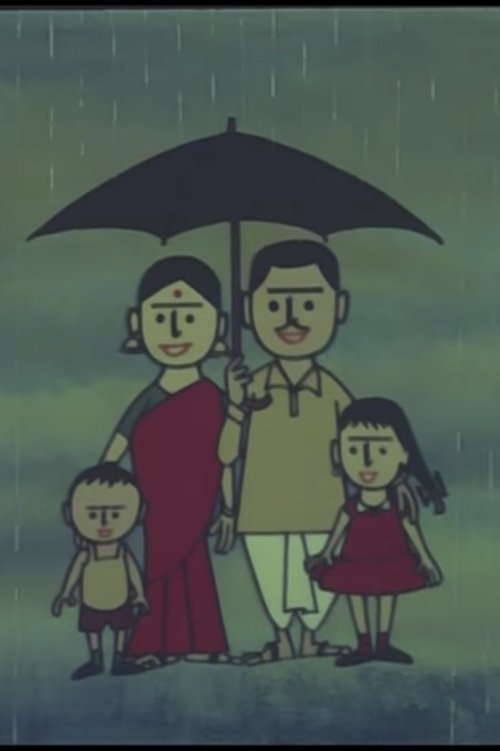
This short cartoon film is for the Family Planning campaign, comparing a large family with a small happy family.
Documentary filmed in b/w on 35mm for the Film Directorate, Gujarat, India.