41 Matches Found

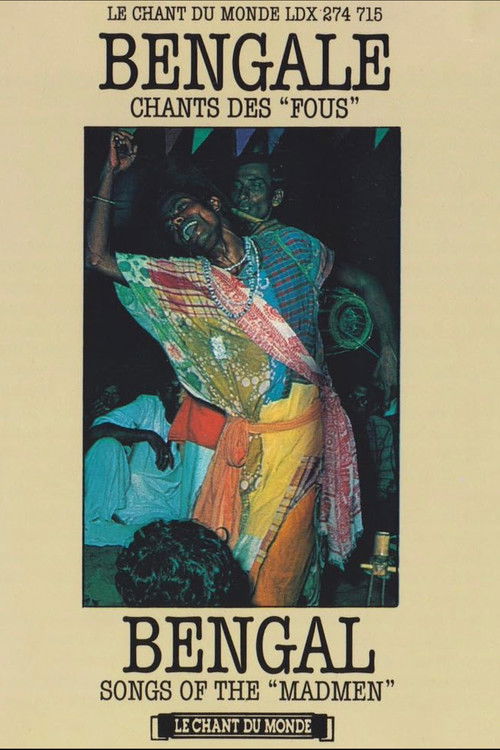
Songs of the madmen

The Bauls of West Bengal are nomad musicians who practice a traditional form of concert challenged by the increasing modernization of India. The term "Fous" here refers to those inspired and wandering musicians of Bengal known as Baül. The word Baül is derived from the Sanskrit word "vatul," which means "mad" in the sense that it commonly connotes a more or less frenetic behavior in French. The Baül are peculiar individuals, particularly in their mannerisms, customs, and practices. Although they may belong to either the Hindu or Muslim religion, the Baül refuse to be guided by any social or religious conventions. Freedom of spirit is their only guide. They thus move against the tide of habits, preconceived notions, and general theories. "Le chant des fous" (The Song of the Mad) is a film made by Georges Luneau.

Songs of the madmen

0.0 1979
Puruliar Chhau

In 1970, Ghatak explored the traditional heritage of Chhau in the documentary titled Puruliar Chhau. He explores the life of the performers, including close shots of eminent dancers like Madhu Ray, Gokul Roy, Gambhir Singh and Lal Mahato. His use of flambeau (a rural life lighting to avoid technical lights) and the dramatic way of the narration in which the narrator becomes an integral part of Chhau are highpoints of this documentary. Ritwik went to showcase how tribals use this artform to articulate their struggle against oppression and exploitation in this documentary as well as in Jukti Takko Aar Gappo.

Puruliar Chhau

0.0 1970
Enchanting Mizoram

Situated in the hilly regions of North Eastern India, the Mizo district was for many years a part of the state of Assam. Having a distinct culture, heritage and language it became a Union Territory on January 21, 1972. Divided into three districts, Mizoram's capital city is Aizwal. This film describes the agricultural wealth of Mizoram, various measures taken by the Government of India to uplift people's standard of living. The hilly territory has a rich tradition of weaving.

Enchanting Mizoram

0.0 1976
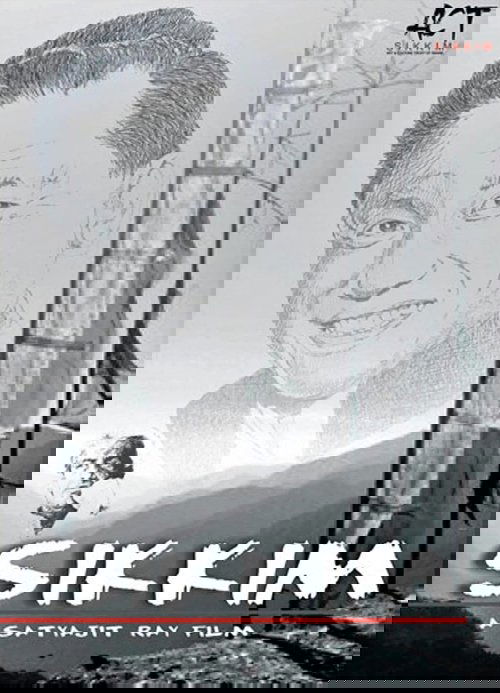
Sikkim

Tucked away in the North-Eastern Himalayas, Sikkim with an area of 7300 sq. km has traditionally been looked upon as abode of spiritual tranquillity. Hinduism is the religion of the vast majority of its inhabitants. Lepen has and Bhutias professing Buddhism form the next dominant group. A protectorate of India, since 1890, this special relationship continued after independence. The Sikkim ruler, known by convention as the Maharaja was permitted to call himself the Chogyal in 1965. The Indian Parliament passed the 38th Constitution amendment bill on April 23rd, 1975 which declared Sikkim as the 22nd state of Indian Union. This film narrates the political history of Sikkim right from 1890.

Sikkim

0.0 1975