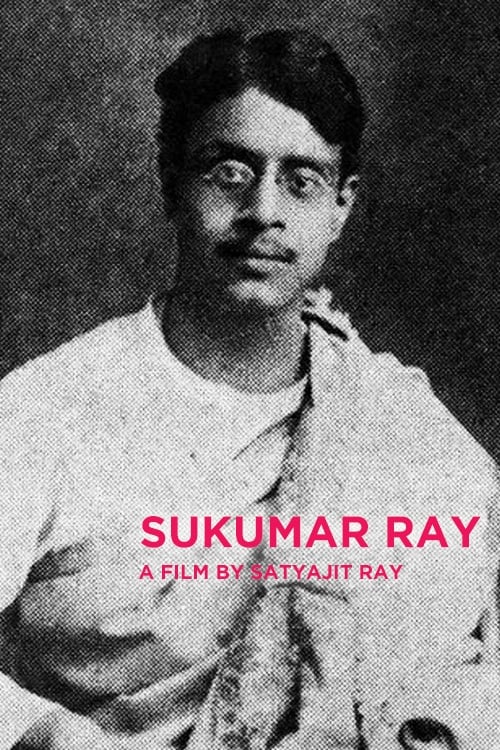
The film presents the life and work of the writer Sukumar Ray, Satyajit Ray's father. Ray made this film as a tribute to celebrate the centenary of his birth.
Sukumar Ray
5.0 1987
42 Matches Found
The film presents the life and work of the writer Sukumar Ray, Satyajit Ray's father. Ray made this film as a tribute to celebrate the centenary of his birth.
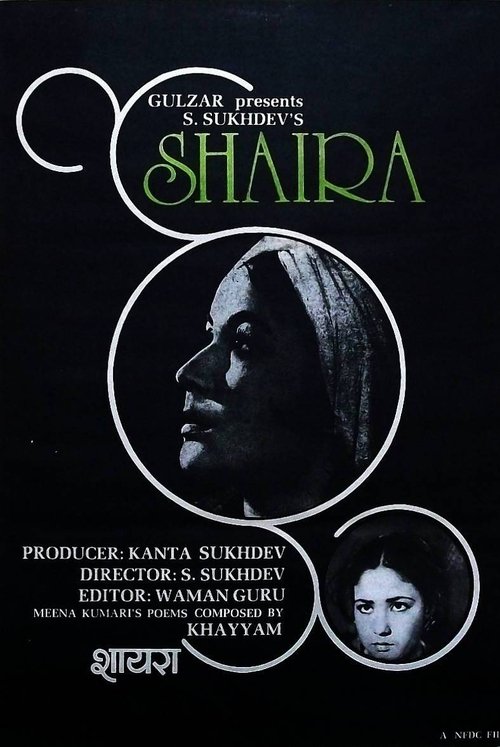
Intelligent and sensitive, Meena Kumari found solace in reading and writing poetry in her private life. She found freedom and utmost self-expression in Urdu poetry.

A 1986 Bollywood film.
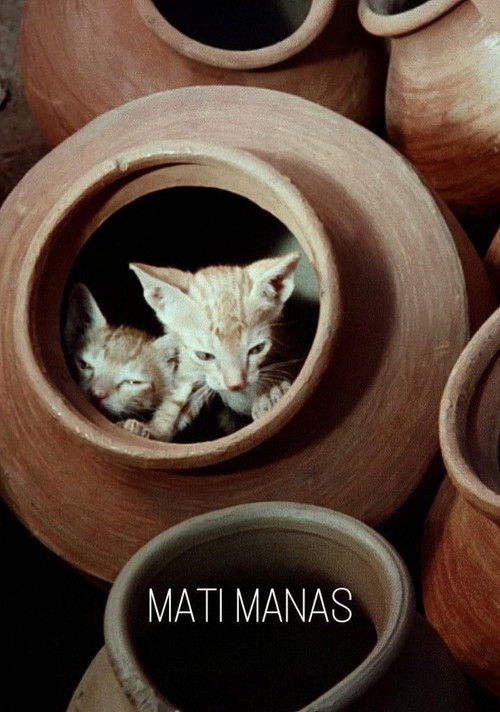
In a poetic hour and a half, director Mani Kaul looks at the ancient art of making pottery from a wide variety of perspectives.
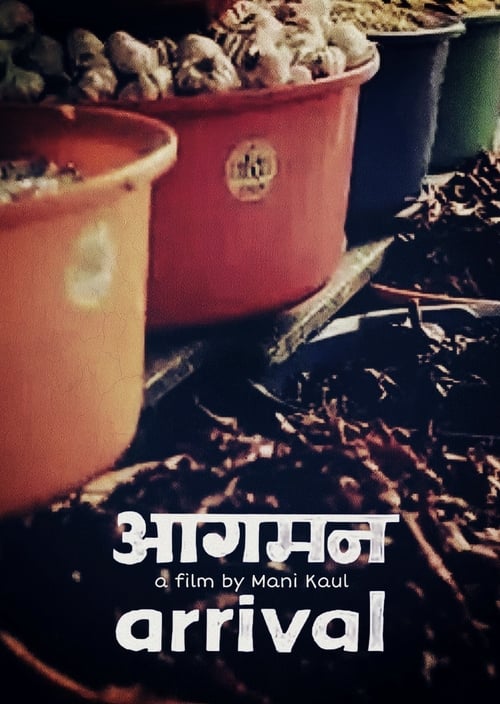
To the city come men, women, fruits, flowers, vegetables, goats and sheep – all ready for consumption. It is the process of consumption/exploitation that forms the core of the film.
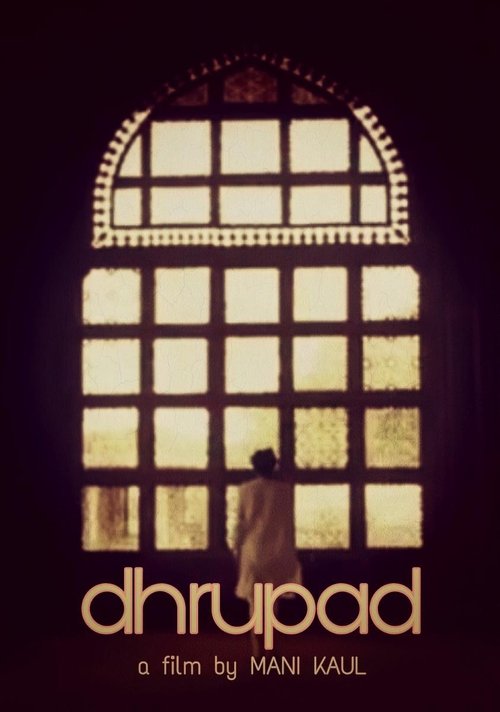
A documentary story told through images, poetry and the Dhrupad, a vocal genre in Hindustani classical music, said to be the oldest still in use in that musical tradition.
A documentary on legendary Malayalam literary icon Vaikkom Muhammad Basheer.
This is a film about the communal disturbances which stormed the streets of Nalanda District of Bihar in May 1981.From the personal point of view the film goes into the discovery of the humanitarian causes and repercussions involved in such acts of savagery. How can people engage themselves in such acts of killing? Covering common people's opinions, this film offers a diagnosis.
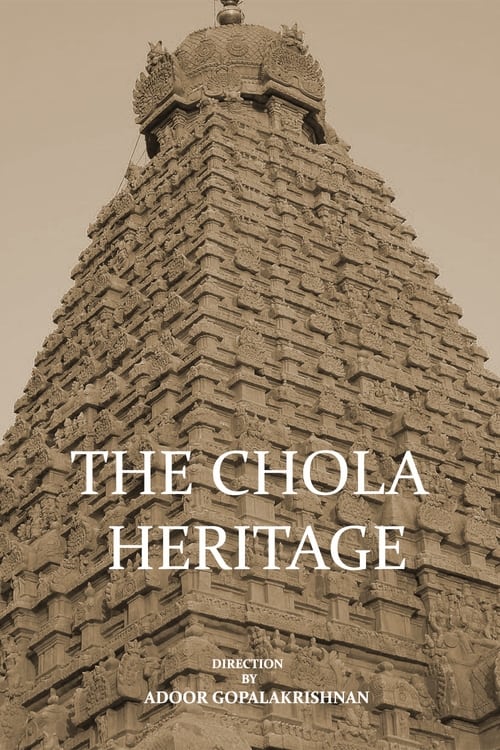
The film highlighting the Dravidian temple architecture and bronze sculpture which attained the creative pinnacle during the rule of the Cholas in the 10th and the 11th centuries. Cholas were great temple builders. The temple of Vijayalaya Cholesvara is one of the finest examples of the early Chola style. The temple of Nagesvara at Kumbakonam is remarkable for the sculptures found in the niches of its outer walls. The Brihadesvara temple at Thanjavur is a landmark in the evolution of building art in India.Among several such unique temples, Tribhuvanam is the last important temple belonging to the Cholas. Besides temple architecture,the bronze sculpture of the Cholas holds a unique place in the field of art. One of the most important and famous of all Hindu icons,that of the cosmic dance of the Nataraja is intimately associated with the Chola bronzes.
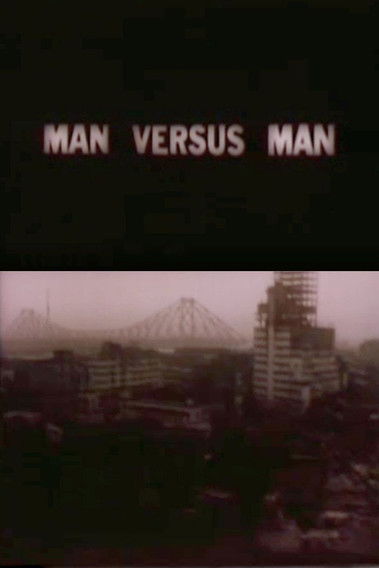
Man-pulled rickshaw, which have served Kolkata for over eight decades face virtual extinction as a result of legislation introduced by the State Government in 1981. This would rob over 100,000 people of a living. The film analyzes the critical situation, and on the basis of concrete facts and figures, questions whether such a step would be fruitful at all. The image of a man pulling a man is a depressing and a negative one - but not more negative than that of the image of a man going without food.
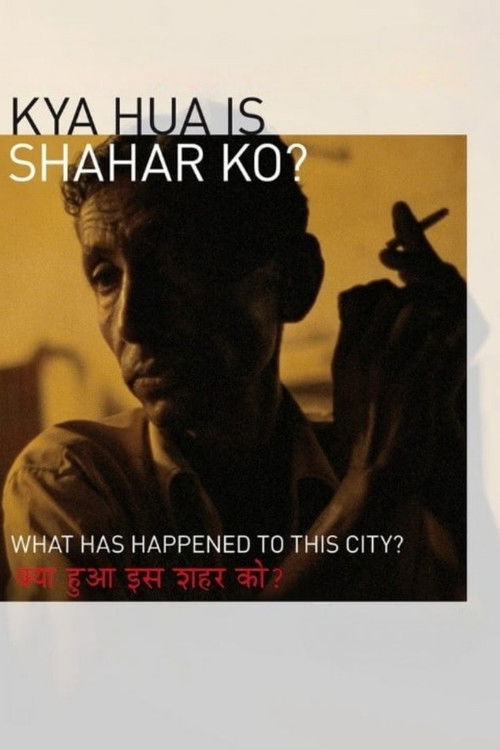
Explores the processes of political maneuvering which led to the Hyderabad communal riots in 1984. The city’s history, the provocative speeches of its politicians and the instrumentalisation of religious processions stands next to the testimonies and the striking visual accounts of the Old City’s working class – those who lose their livelihoods through violent attacks and long periods of imposed curfew.
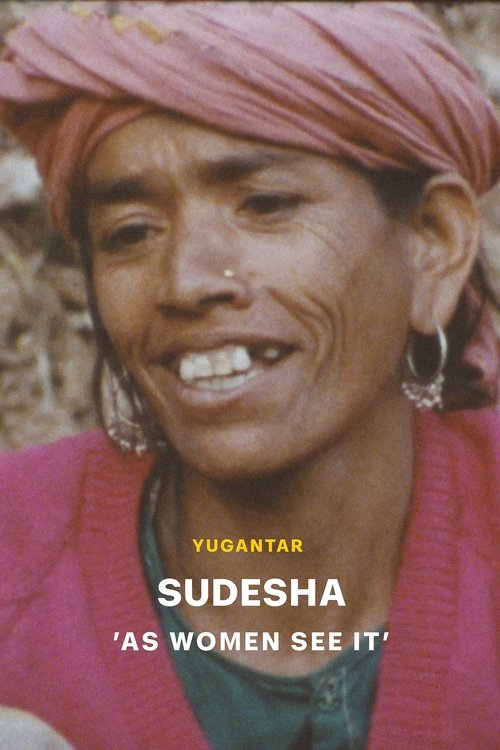
The story of a woman living in a village in the lower Himalayas. In this area, people depend entirely on the forest for their daily needs of firewood, food and water. But the forests have been destroyed by powerful timber traders. And along with the forest, the livelihood of the people has been greatly altered. The women of this region played an active role in the "Chipkow Movement". Sudesha was imprisoned for her protest.
About the saints Kanaka and Purandara who led the Bhakti movement, which insisted that theological language be spoken in popular dialect rather than Sanskrit.

A documentary short about the life and work of social reformer and the Father of the Bengali Renaissance, Raja Ram Mohun Roy
Krishnattam or Krishnanattam (Play of Krishna) is a temple ritualistic art performed at Guruvayur Temple (Guruvayur 680101, Trishshur District, Kerala) by a troupe owned by Guruvayur Devasvam. The performance of Krishnattam is based on Krishnagiti, a poetic text in Sanskrit containing verses and stanzas, written by the Zamorin King Manavedan in 1654. The story of Krishna, described in Bhagavata, Mahabharata and Harivamsha is presented in Krishnattam as songs, dance and acting in a sequence of eight plays (Avataram, Kaliyamardanam, Rasakrida, Kamsavadham, Svayamvaram, Banayuddham, Vividavadham and Svayamvaram) in eight days.
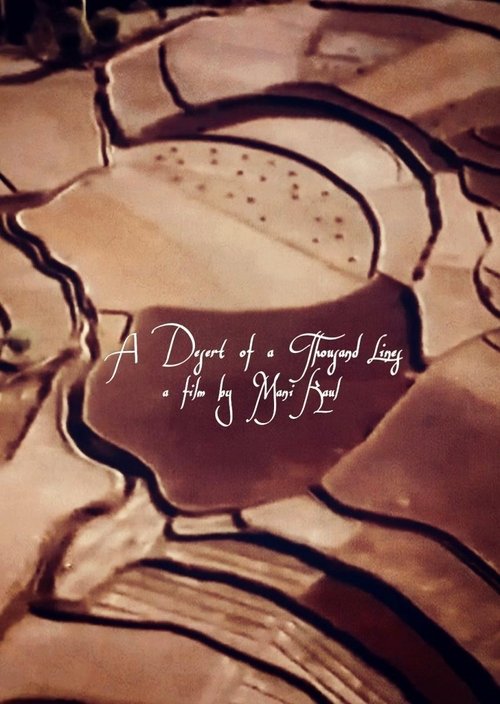
Based on the text written by Vijaydan Detha and Kamal Kothari, the film is set in the arid desert of Rajasthan, a setting similar to Duvidha, where two rival clans face off one another in the desert.
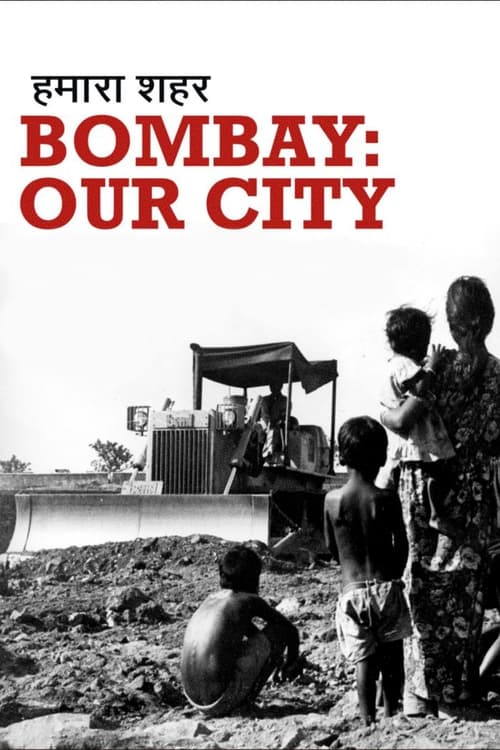
A documentary on the socio-economic injustice meted out to the slum-dwellers in Bombay, and an attempt to understand the factors responsible for it.
Islam and India have a long-standing symbiotic relationship, integrating their culture, poetry, architecture, and tradition into existing Indian traditions, resulting in a beautiful syncretism.
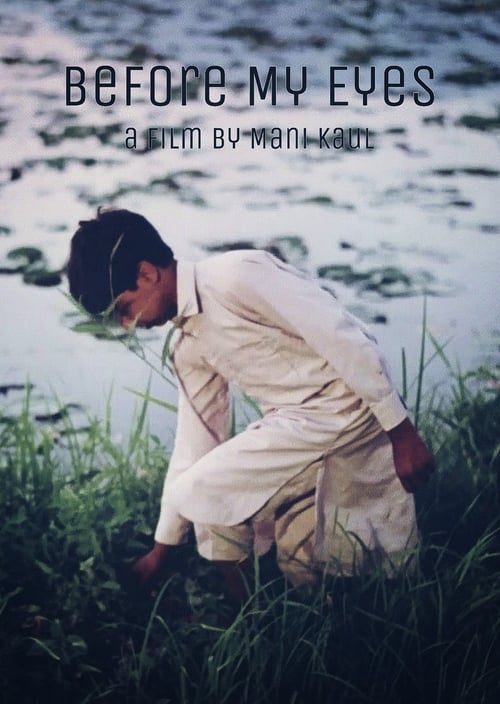
A 'filmscape' on the Kashmir valley.
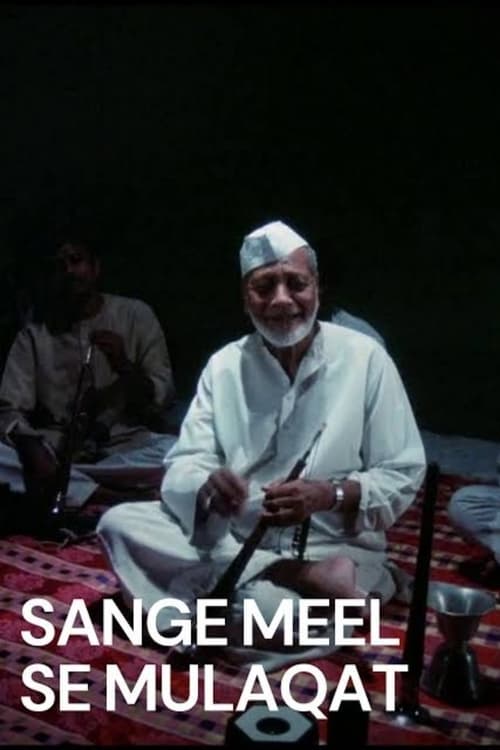
A documentary on life of Ustad Bismillah Khan by Goutam Ghose.
Documentary about the teachings of Jiddu Krishnamurti.
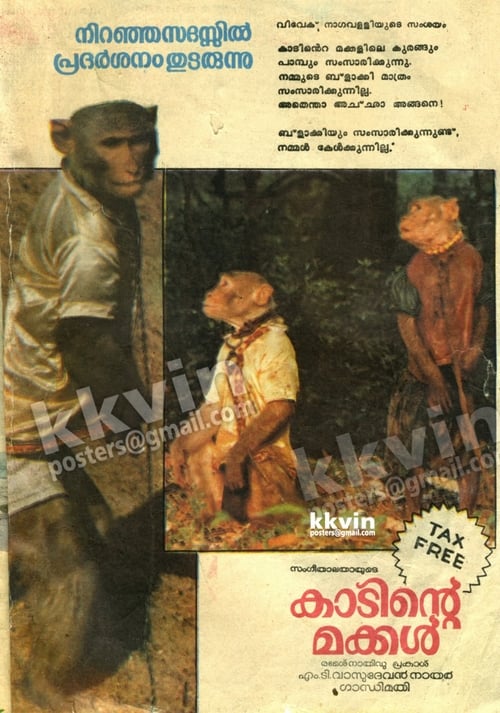
A pair of monkeys decide to break free from their human handler who ill treats them.
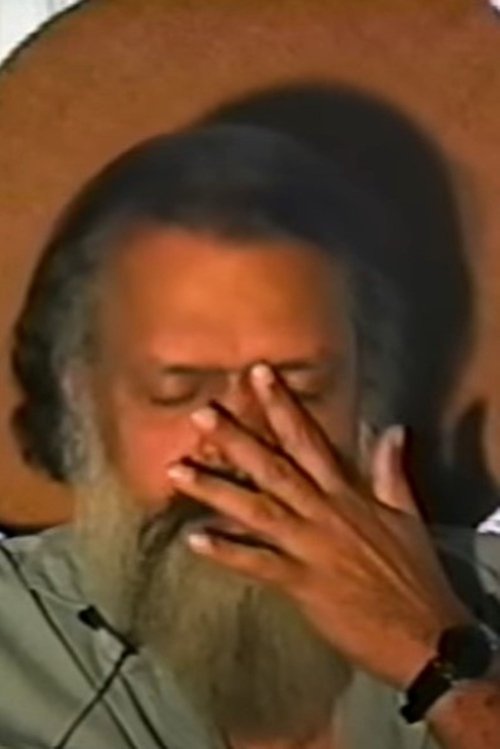
Interview with Indian filmmaker G. Aravindan, conducted by Thomas Waugh, 1988.
In a remote village in Odisha, poverty and illiteracy have fostered dependence on superstition. The villagers have mortgaged their land to the landlord Janrdhan, who forces many of them to become contract laborers and leave the village to earn a livelihood. The story revolves around two villagers, Haria and Bhamar, and Bhamar's daughter, Phoola, who become entangled in Janrdhan's greed and oppression.

The film is based on the witch-craft practice amongst the villagers.
Manipur has a rich tradition of culture, dance, music, art and sports. Dances are associated with deities and festivals. Raslila is one of the classical dances of India. Theatre personalities and artists of the states are internationally acclaimed. The state is also distinguished by its rich tradition of handloom and handicrafts. The contribution of Mary Kom is well known. The state is the birth place of game of Polo. Loktak is the largest freshwater lake, which is distinguished by floating islands. Keibul Lamjao National Park is home to Sangai, the endangered brow-antlered deer. The Ima Bazar, situated in the centre of city of Imphal symbolizes women power. Moreh is the last town of Manipur and is the gate-way of India to Myanmar.
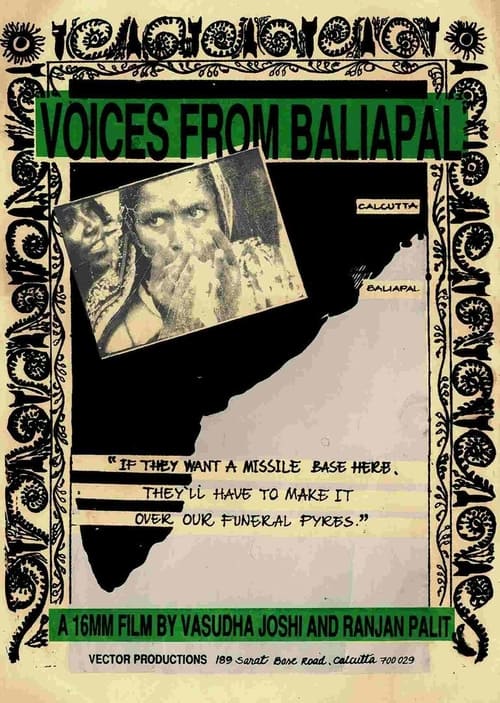
"This is our land, our sea... we will die rather than lose this place” was the cry raised by 70,000 people in Baliapal when the government announced their decision to locate a missile testing range there in August 1984. Since then a remarkable non-violent struggle is in its fourth year...

TAMBAKU CHAAKILA OOB ALI documents, re-enacts, and takes forward one of the largest movements of unorganized labor of its time and context, which sparked unionizing processes across India throughout the 1980s. In the spirit of mobilizing for the leftist labor and the women’s movements the Yugantar collective spent four months with female tobacco factory workers in Nipani, Karnataka in India, listening to their accounts of exploitative working conditions, discussing strategies for unionizing and steps to broaden solidarities for strike actions, and filming previously unseen circumstances inside the factories.
A film about folk dances of India that deals with their broad classification with an assumption that these folk dances are governed by the moods and methods of their own with unlimited capacity to assimilate, improvise and vibrate with vitality.
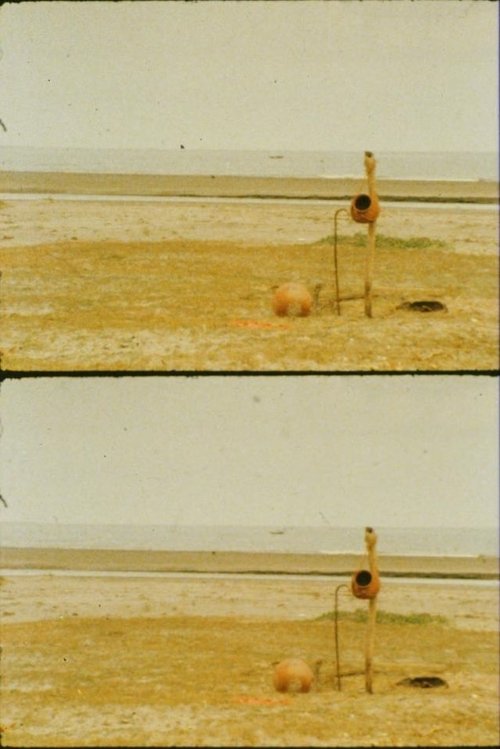
The second entry in Velu Viswanadhan's series of experimental documentaries. This film traces the Ganges river upstream.

A 1980 Documentary on Durga Puja by National Film Development Corporation (NFDC).
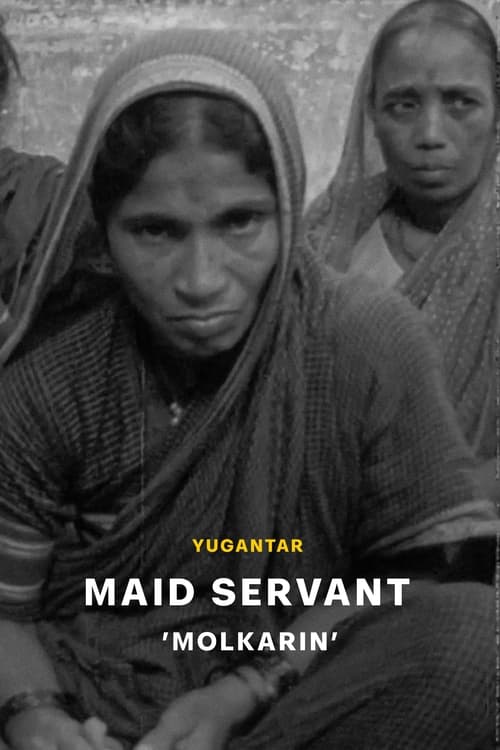
The film depicts maidservants in Pune, who work ‘purdah style’ in the isolation of home. It looks at piece work home labour, with long hours and low wages, and how the women organise to fight for their rights.
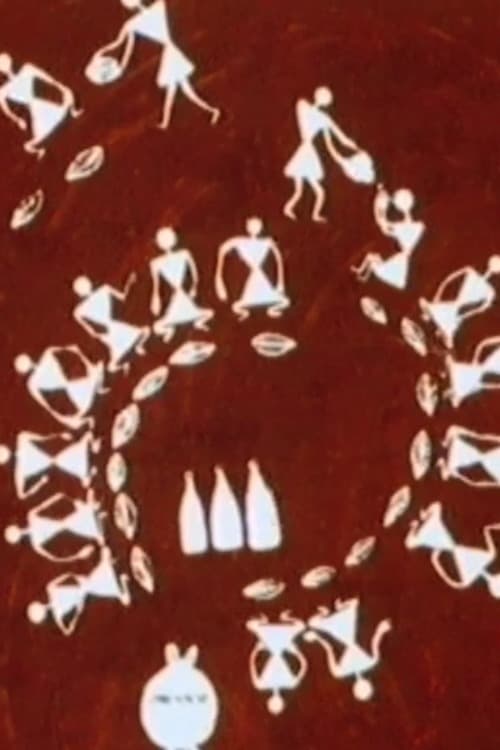
An animated documentary of the village life of Warli tribe, with drawings done by indigenous artists.
A documentary on the renowned Marathi humourist Purushottam Laxman Deshpande, lovingly known as Pu. La. Deshpande.
Documentary on 35mm (censored but not released) made for Films Division, India.
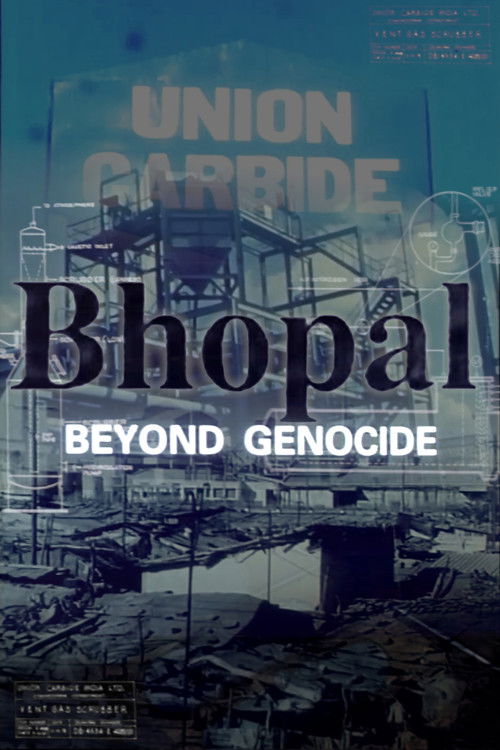
'Bhopal: Beyond Genocide', is an Indian documentary about the Bhopal Disaster of December 1984, in which a gas leak at the Union Carbide India Limited pesticide plant in Bhopal, India caused nearly 4000 deaths and over half a million injuries; directed by Salim Shaikh, Suhasini Mulay and Tapan K. Bose, 1985.
A documentary about the record of Man-Eating Tigers in India
Sikkim is a paradise for the naturalist. The steep variations inelevation and rainfall help create a multitude of species within a limited area. The original inhabitants of Sikkim belonged to the Lepcha tribe, then came the members of the Bhutia tribe from Tibet, and even later the Nepalese. The Sikkimese love to decorate not only their homes but anything that can be decorted -with flowers. This film introduces to the viewer some floral - species of Sikkim.
Manipur, which became a state of India in 1972, abounds in natural beauty in the north-eastern region. As mythology goes,God Nongpokingthou and Goddess Panthoibi created Manipur in their cosmic dance for the happiness of ancient tribes. This film has a panoramic view of life, culture of Manipur and various developments that have taken place since 1972.
A biographical film on Khan Abdul Ghafar Khan (Badshah Khan). He was also lovingly known as the Frontier Gandhi for his firm belief in the non-violent movement. This film presents Badshah Khan's visit to India, when he came to receive the Jawaharlal Nehru Memorial Award for International Understanding. This Award was handed over to Badshah Khan by India's President, Mr.VV Giri in 1967.
The Frontier Gandhi is a Black and White documentation of the life and works of Khan Abdul Ghaffar Khan. From his childhood days in the undivided Punjab province to the establishment of Khudai Khidmatgar movement (the Servants of God), he lived a truly inspiring life and made notable contribution to the Indian independence struggle. His uncompromising integrity and total commitment to the path of non-violence and a belief in a united India is resonated through the biopic.
Short documentary on how television and advertising construct the image of modern Indian women.