
Gopal causes much angst among his male neighbours as he is friendly with their spouses. They are relieved when he marries Usha. But Usha leaves him after learning that he was married once before.
Gopala Gopala
7.0 1996
48 Matches Found
Gopal causes much angst among his male neighbours as he is friendly with their spouses. They are relieved when he marries Usha. But Usha leaves him after learning that he was married once before.

"Made in the aftermath of Indian and Pakistani nuclear tests, Ribbons gives new meaning to an old film song by Kishore Kumar – a kind of “Imagine” composed before the days of John Lennon. With guest appearances by well-known movie stars like Naseeruddin Shah, Aamir Khan, Kittu Gidwani and Chandrachur, the film was made to counter a pro-nuke music video made by the political party in power."
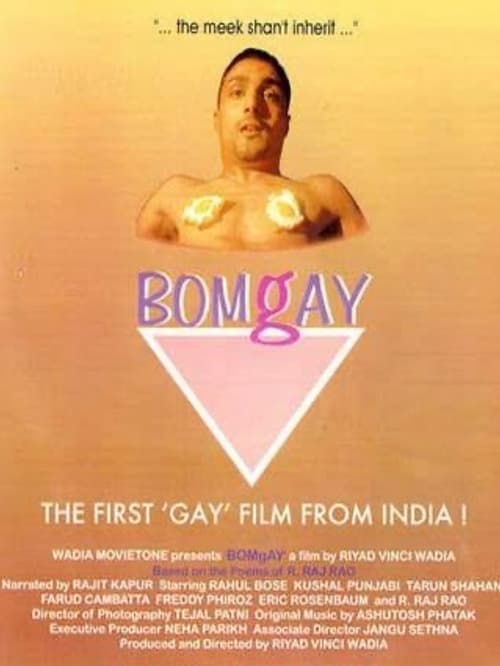
Based on the poetry of R. Raj Rao, Bomgay is a collection of six vignettes that depict the underground and complex nature of the gay identity in urban India. Part Genet, part Bollywood, this film combines acidic verse and insightful imagery to reveal the emerging gay community in the post-liberalized India of the 1990s.
Clips and interviews show that the renowned Satyajit Ray was more than just a filmmaker: He was a sketch illustrator, a music composer, a children's book creator, an all around intellectual.
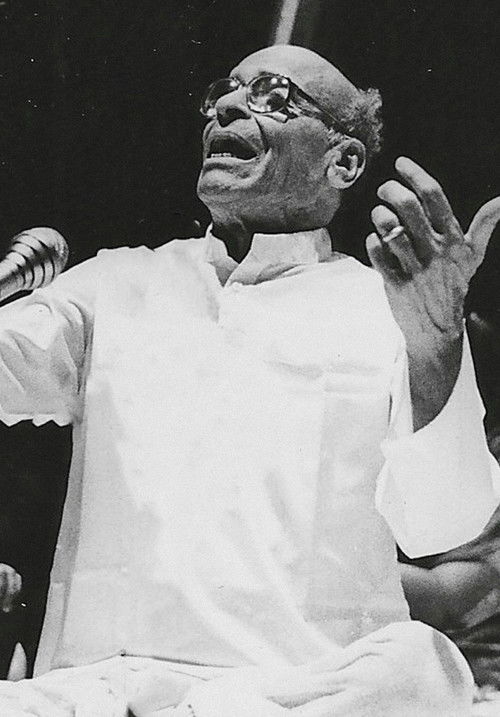
'Rasayatra' presents the life and music of Mallikarjum Bheemarayappa Mansur (1910-92). Visualising the music of the maestro the film explores Mansur's love and passion for music. Using his interviews the film takes us on a journey through his life, starting from his love for music as a child to his greatest achievements. Exploring Indian classical music the film also enters the realm of the poetic meaning of the lyrics and Mansur interpretations of those. Filled with personal anecdotes it talks about his personal life and how his music never got affected by it. The film is a tribute to the music and to the man.
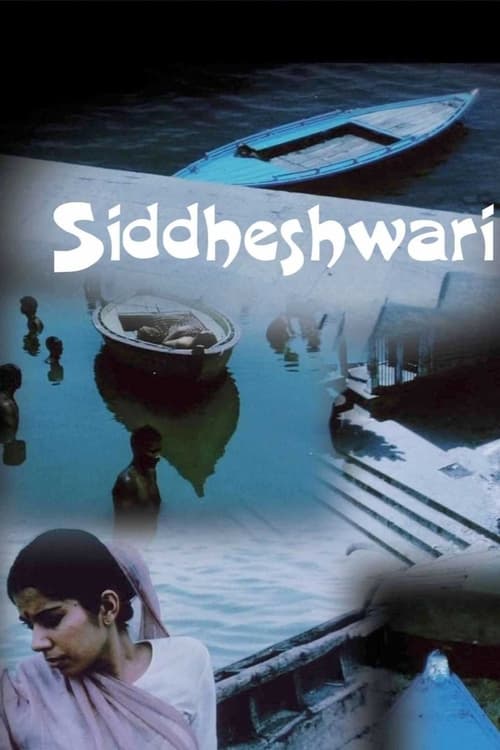
An impressionistic biographical look at Siddheshwari Devi (1908–1977), the classical Indian singer whose voice was appreciated by the maharajas and public alike.
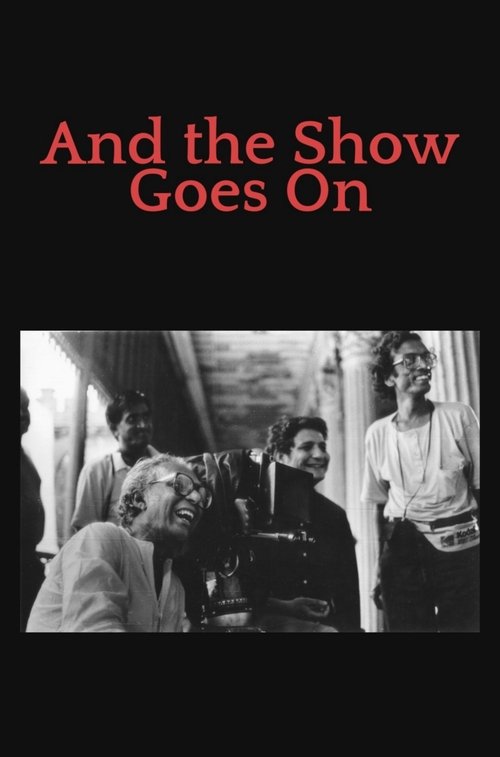
The 'Century of Cinema' is an 18-part series produced by the British Film Institute to celebrate 100 years of cinema. The series includes films directed by Scorsese, Oshima, Godard, among others. Mrinal Sen directed the Indian chapter of the series.
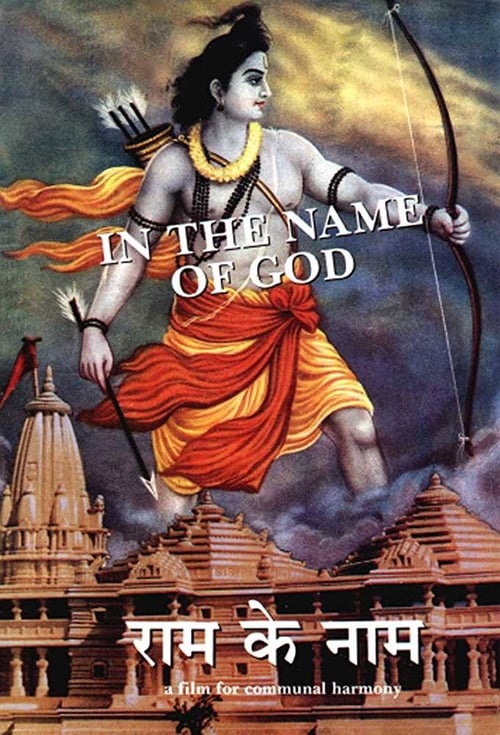
The film explores the campaign waged by the Hindu right-wing organisation Vishva Hindu Parishad to build a Ram temple at the site of the Babri Masjid in Ayodhya, as well as the communal violence that it triggered. A couple of months after Ram ke Naam was released, VHP activists demolished the Babri Masjid in 1992, provoking further violence.
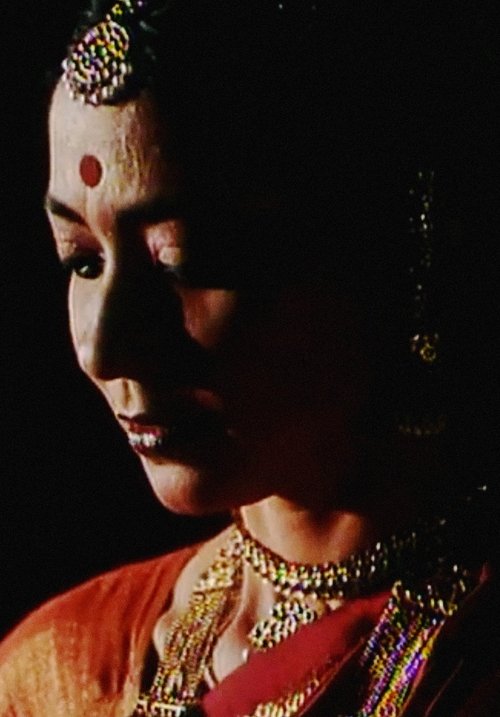
A holistic view of the classical dance form of Bharatanatyam.
The history of trance music between Goa and Tel Aviv. During their annual leave, young active duty Israeli soldiers discover the path to a new techno music genre: Goa trance is born.

A documentary capturing Badal Sircar's revolutionary "Third Theatre" movement. It uses the political satire of his play to showcase theatre as a tool for social change. Filmed in public spaces, it blends performance footage with Sircar's narration, highlighting the need for collective action against oppression.

A young woman's story of possession and healing in rural Rajasthan
Aruna Har Prasad travels to the inaccessible locations in the Andamans archipelago, to document the last of the world's living aborigines. It portrays the life and time of six tribes, which number less than a thousand and await extinction. Shot on location and 40 days on sea. It was nominated for the 1995 Mumbai International Film Festival.

A fascinating documentary that reveals the enigmatic real-life story of India’s most famous transsexual, the fabulous Aida Banaji. Director Wadia explores the politics of gender and boldly challenges perceptions of race, culture, and social morality.
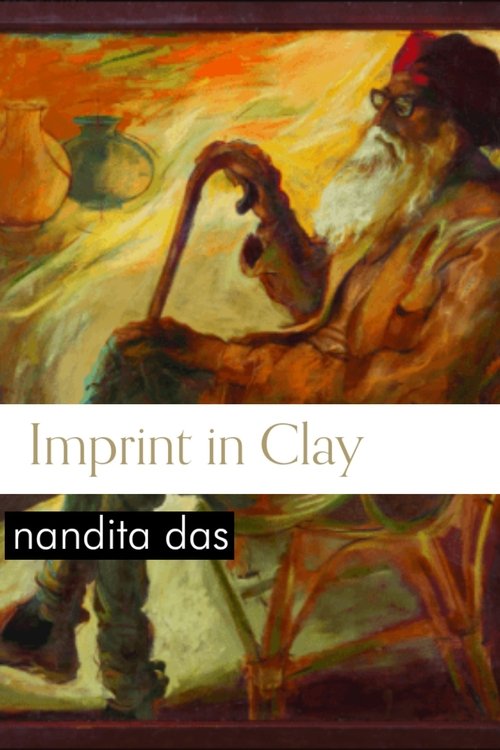
“Sardar Gurcharan Singh was the father of studio pottery in India. "Daddyji" as most called him lovingly was very close to my father. I often tagged along to visit his home studio where pottery wheels were lined up under the big neem trees in his old brick house. My father wanted me to make a film on Daddyji, who was then 95. He was afraid that Daddyji's wonderful story would be left untold. He not only introduced studio pottery in India but due to his longevity, mentored many potters. So despite not knowing anything about films, I made the documentary, Imprint in Clay with a classmate of mine, which was mostly funded by my father.”
Film on art and life of well-known Kathakali Artist - Kalamandalam Gopi.
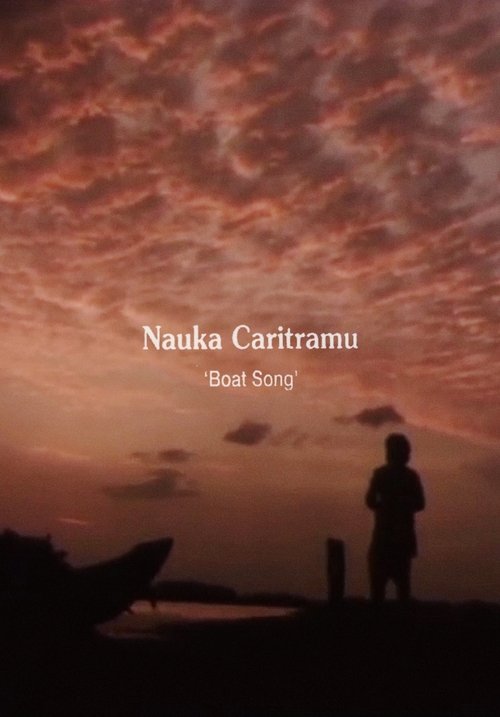
'Nauka Caritramu' pays tribute to three women artists of the Carnatic music tradition of South India: M. S. Subbulakshmi, D. K. Pattammal and Tanjore Brinda. Each in their own individual style has carried forward the rich heritage of Carnatic music in the spirit of the Bhakti devotion. Their purity, expression and dedication is shared by the maestros as they relive their memories and bring alive the image of the Bhakta, poet composer Tyagaraja, who, through his musical wisdom seeks liberation from all sansara or worldly life, and surrenders to this Divine medium. The film explores their music, their life experiences and their devotion towards their music.

Filmmaker Anand Patwardhan looks to history and psychology as he delves into the possible reasons behind the demolition of the Babri Mosque.
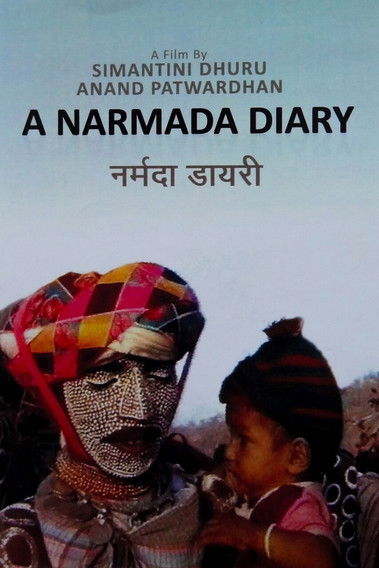
"Narmada Diary" introduces the Narmada Bachao Andolan (the Save the Narmada Movement), which has spearheaded the agitation against the Sardar Sarovar Dam. As government resettlement programs prove inadequate, the Narmada Bachao Andolan has emerged as one of the most dynamic struggles in India today. With non-violent protests and a determination to drown rather than to leave their homes and land, the people of the Narmada valley have become symbols of a global struggle against unjust development.
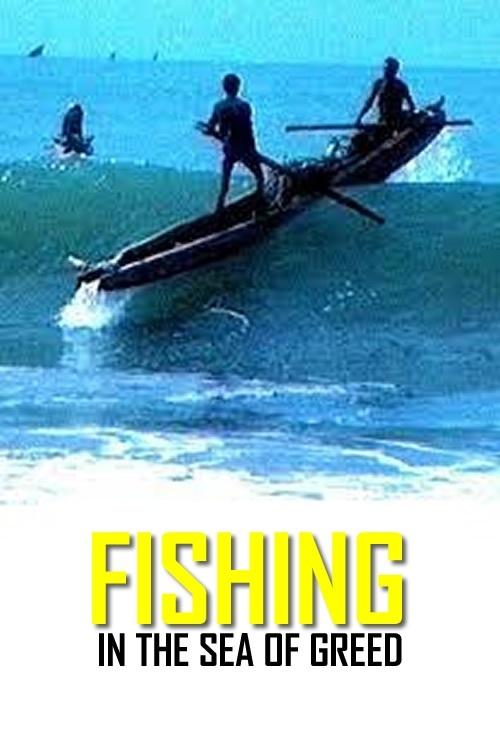
Fishing in the Sea of Greed documents the response of one fishing community in India to the “rape and run” industries that have begun to dominate their livelihood and decimate their environment. Under the leadership of the National Fishworkers Forum and the World Forum of Fishworkers and Fish Harvesters, workers are fighting not only for their jobs, but for the survival of the world’s coastal communities and ecosystems.
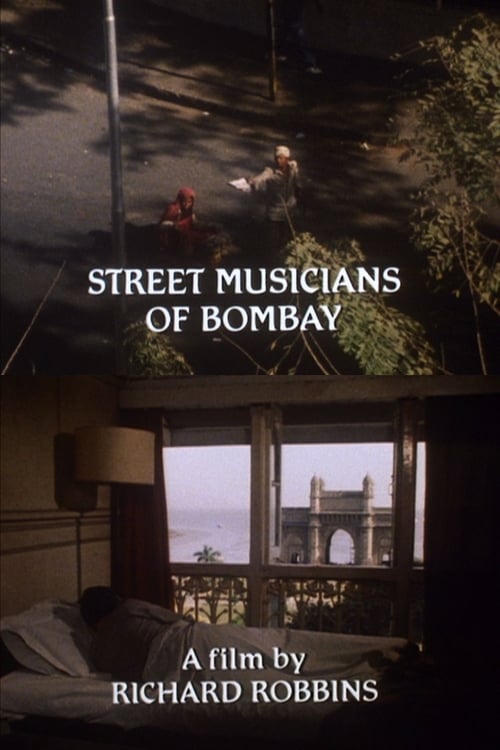
Off-camera, a Western traveler tells us of hearing singing from his hotel window in Bombay. He searches for the source, and discovers a caste of street performers, eking out a modest living. We see individuals and groups, old and young, snake charmers and those hired to sing at family celebrations. A few talk about their lives and refute accusations of kidnapping lodged against the caste. A troupe of women sing at a party for a pregnant woman - they are saucy and blunt, encouraging and sisterly.
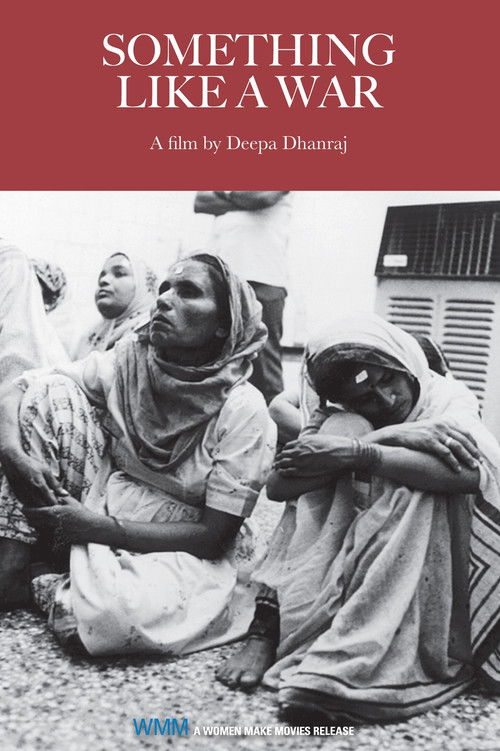
An examination of India’s family planning program from the point of view of the women who are its primary targets. It traces the history of the family planning program and exposes the cynicism, corruption and brutality which characterizes its implementation. As the women themselves discuss their status, sexuality, fertility control and health, it is clear that their perceptions are in conflict with those of the program.
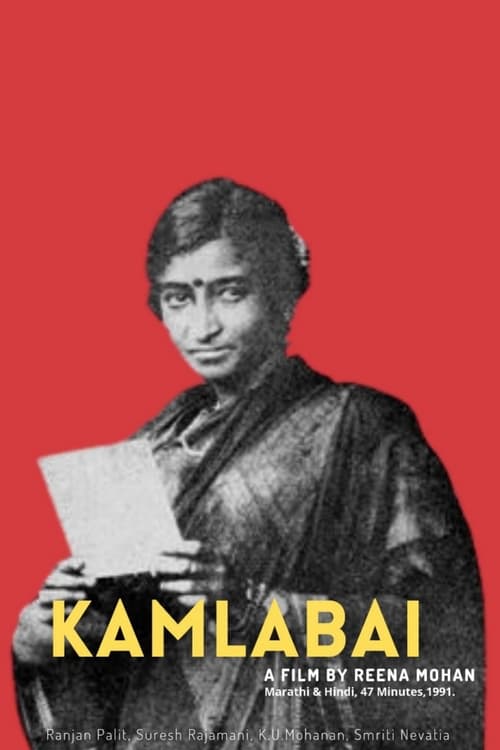
Conversations with 92 year old Kamlabai Gokhale, a pioneering actress of the Marathi stage and the first lady of Indian film. The documentary gives an impression of the history and growth of Indian film and theatre as it was experienced by a woman who struggled against the social structures of her times.

On Shankar Guha Niyogi’s last testament.
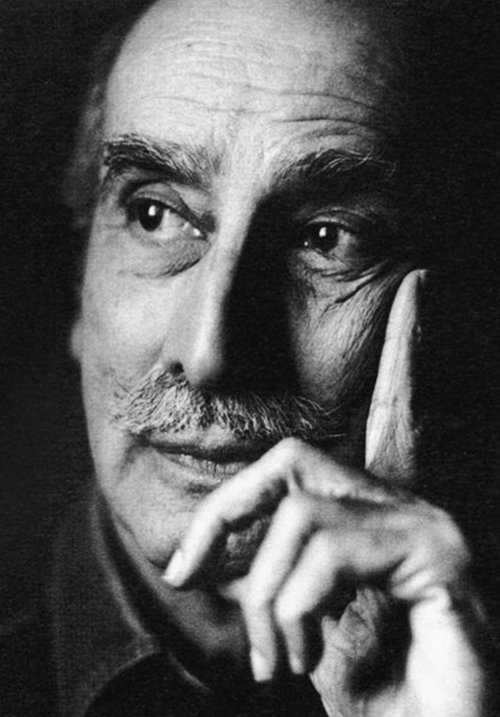
The film documents the life and art of painter Jehangir Sabavala, capturing the intricate relationship between the artist’s vision and his environment. Khopkar describes the challenges of conveying Sabavala’s creative spirit through film, emphasizing the need to engage with the subtleties of colour, light, and composition.
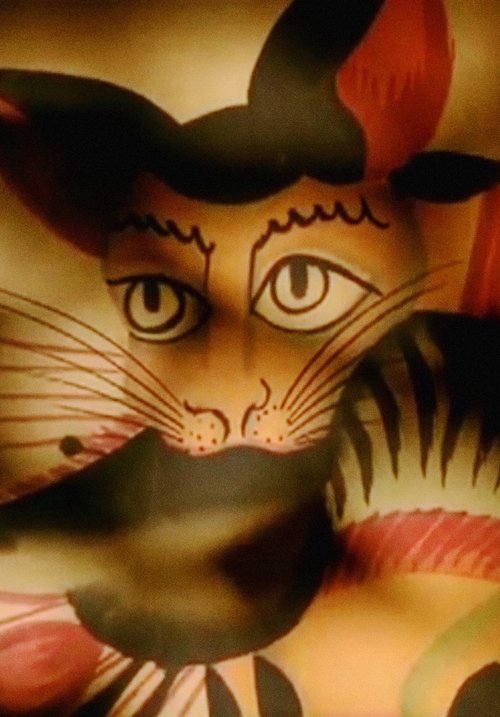
The film shows the emergence of individual modern artist as a result of colonial transformation of the country, colonial hegemony and its nationalistic negation and also focused how Gandhian and Nehru influenced the artist during the years leading to and following independence.
A Documentary on Tapan Sinha
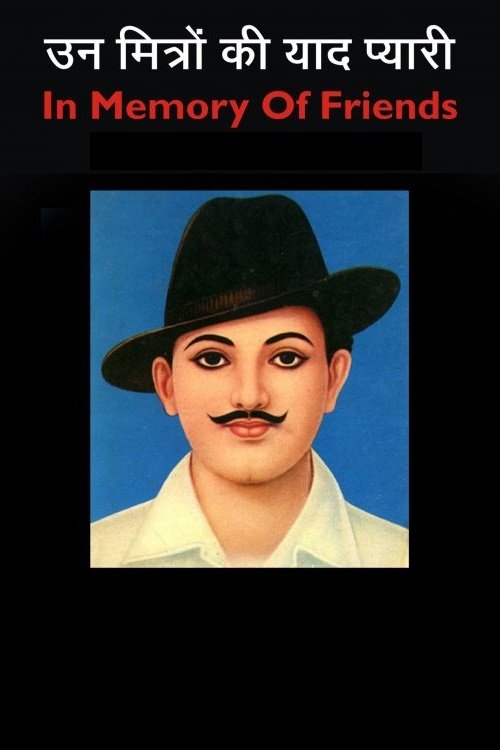
About the communal clashes between Sikh and Hindu fundamentalists during the Khalistan Movement and the subsequent endeavors of secular parties with Marxist associations in reinstating peace in the state.

The film is a cinematic articulation of inculcating curiosity in classroom spaces. It urges reflection on the idea that education is not just about gaining knowledge; it is also about being open to dialogue, self-awareness, and personal transformation.
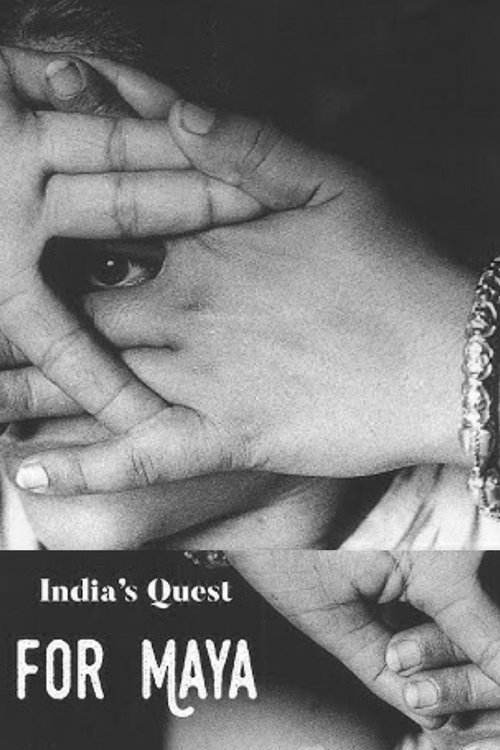
Set in the Himalayan districts of Kumaon and Garhwal, the film explores the lives of three generations of women, ending with the fourth, a small girl on the threshold of growing up.
Ambika has just come to know that she has failed once again, and she will not be given any more chances. At first, she leaves the city for her home in another city. But very soon the city takes over and her confusions return even more intensely this time.
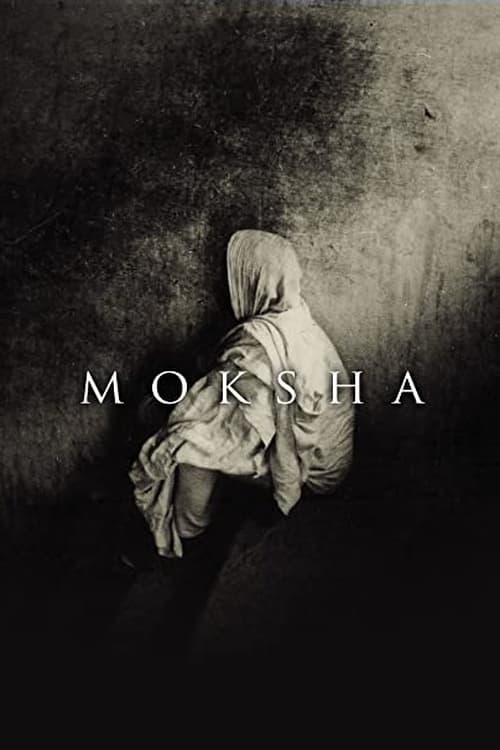
Abandoned by their families to lives of penury, marked by white veils which they wear, Bengali widows find solace and food in the ashrams of Vrindavan where they gather every morning and evening to sing religious songs. In this profoundly moving documentary on widowhood portrayed both as social institution and personal tradition, moments of astonishing sensuous beauty alternate with rhythms of anguish. In the best of the new ethnographic tradition, ‘Moksha’ de-centres the voices of authority and allows a plurality of voices to introduce contesting positions. Haunting in it_s evocation of grief and anger, the film transcends documentary and assumes it_s place in the great tradition of lamentation, the expression of the dark night of the human soul.

A Documentary about the decadence of Donyi-Polo in Northeast India through the eyes of an anxious Nyibu.

A film explores feminine sexual symbols and rituals, tracing its journey from North Karnataka to Kerala and culminating at Kamakhya, a sacred site in Assam.
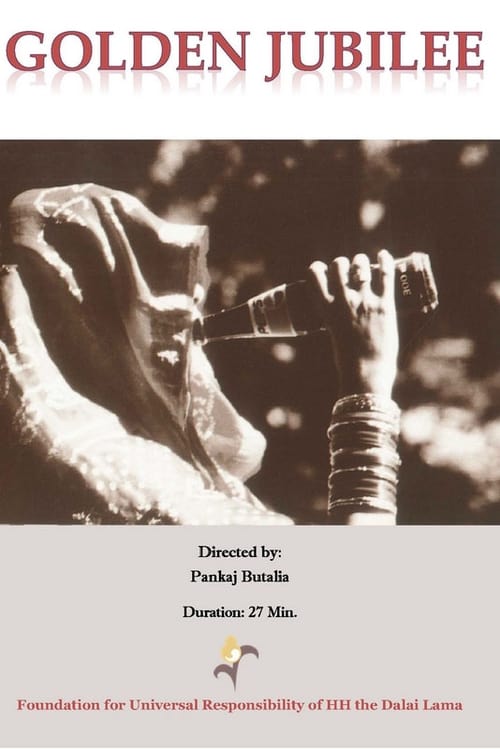

Loktak, the largest freshwater lake in India, is the main source of livelihood and food not only for the human inhabitants but also for the birds and other animals residing there. The film documents with compassion and anger the death throes of the lake and its inhabitants which include the endangered dancing deer – Sangai.
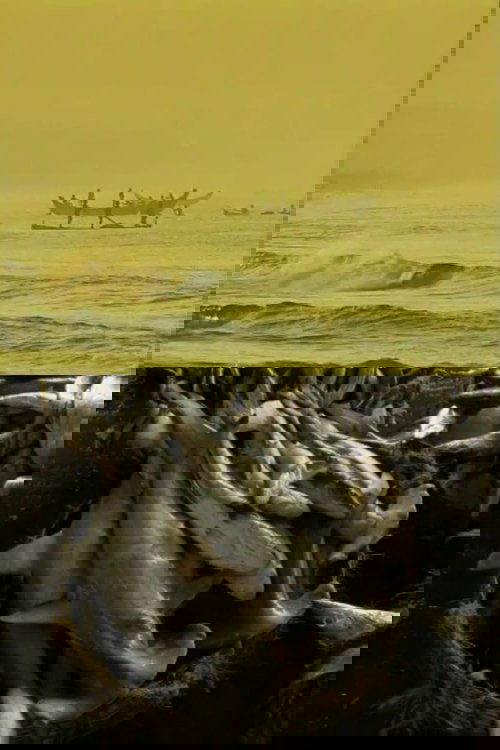
This film was one of seven commissioned of leading documentary filmmakers in India as part of a series, India’s Quest, to commemorate 50 years of India’s independence. An exploration of the nature and scope of the crisis of modern India. The mechanization of the fishing industry has depleted fish stocks worldwide leading to a major crisis. Along the Kerala coast, traditional fishermen face similar problems as their catch dwindles every season. In the village of Adimalathura, a group of fishermen come together in an effort to reverse this trend. Their solution? Constructing artificial reefs out of ferro-concrete and then planting them on the seabed.
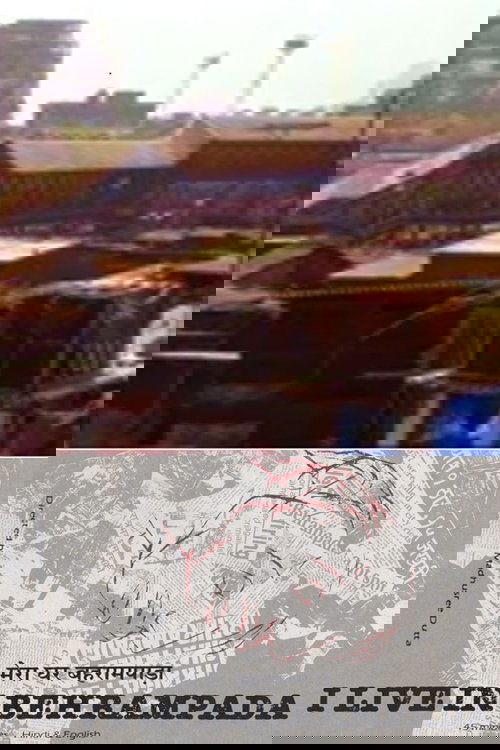
The communal riots that reduced Bombay into two distinct communities in December '92 and January '93 also created an underclass of citizens. During this time, Behrampada a slum colony in the city's western suburb with its predominantly (80%) Muslim population was cast as the villain by the majoritarian media and the communal forces. I Live In Behrampada traces the history of this Muslim ghetto which was first populated in 1950 and grew through the efforts of the slum dwellers who turned the slimy marsh land into solid ground. But in the face of rapid development yesterday’s pathfinders have become today’s interlopers. Is the dividing line language, culture and religion or class?

Set at the RSS headquarters in Nagpur, India, this is a film about the indoctrination of young Hindu boys by the Rashtriya Swayamsevak Sangh (the RSS), India's foremost Hindu fundamentalist organization. Juxtaposing the activities of two different RSS 'shakhas' or branches, the film documents the stories and the games, the rituals and the play that socialize the young RSS recruit.
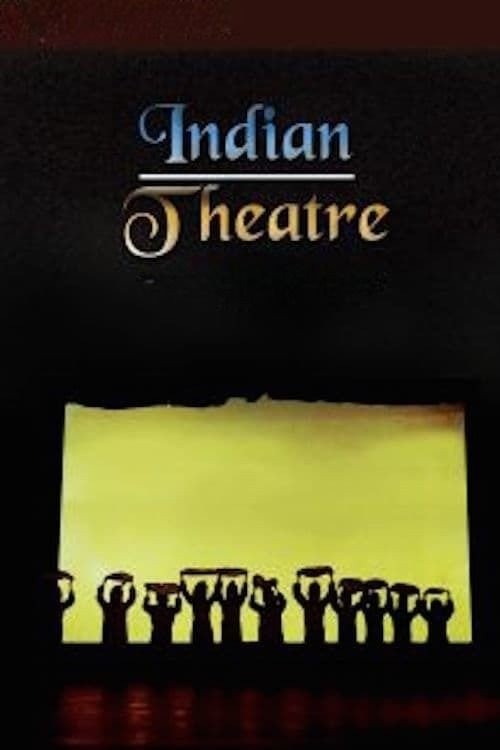
A documentary on the theatre of India.

This film traces the origins of Indian Animation, from the pioneering work of Dada Saheb Phalke, it moves to preset day high -tech computer animation. The films under lines important contribution of Films Division's Cartoon Film Unit.

Suresh Verma, who owned a radio shop in Agra, was shot in the head in 1983. Titu Singh was born in December 1983 and had spontaneous memories of his life as Suresh. He had birthmarks corresponding to the entry and exit wounds documented on the autopsy report for Suresh Verma.
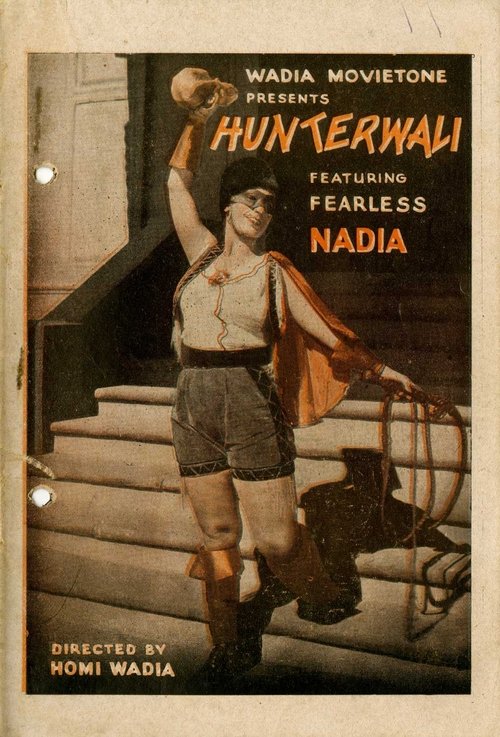
A retrospective documentary about the life of Mary Evans Wadia AKA Fearless Nadia.
In Siwan, a small town in Bihar caught in the vice-like grip of a political strongman, student activist Chandrashekhar Prasad is assassinated in broad daylight for daring to speak out. Back in Delhi, the Jawaharlal Nehru University campus erupts on hearing this news about its former student union president. The students come on the streets to protest the inaction of the administration in spite of eyewitness accounts identifying the perpetrators, and they, too, are met with police water cannons and lathis. In that moment of protest, emerges an idea: to create a testament of Chandrashekhar's courageous and principled brand of politics as a tribute to him and as a mirror to the state of society and politics around. Several television professionals and Chandu's friends get together and, from the footage of television channels on Chandrashekhar, a documentary is created that pulsates with urgency and a purity of purpose that communicates itself to viewers to this day.
Nagarjun was an eminent Maithili and Hindi poet. He had also written novels, short stories and travelogues. Born in Madhubani district of Bihar state, he was famous for his revolutionary ideas.
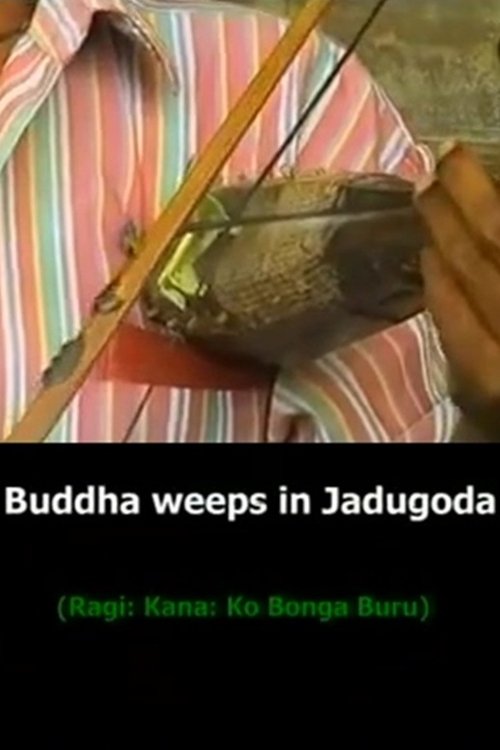
A documentary film on uranium mining and its deadly impacts on the tribal people living near the Jadugoda mine, mill and tailings dam, in the East Singhbhum district of Jharkhand (India). Unsafe mining, milling and tailings management by UCIL in this area for almost 30 years has resulted in excessive radiation, contamination of water, land and air, destruction of the local ecology, and lead for to genetic mutation, and slow death for the people of the region. The film attempts to depict the gross misuse of power by the authorities in displacing the original inhabitants of the region, the utter lack of concern for internationally accepted norms and safety precautions in the handling of uranium and its by-products, and their callousness of its disastrous impact on the people and the region.

This film is a study on the relationship between the tribal and the bamboo as a relationship from birth to death. It investigates further into the flowering of bamboo in Manipur and Mizoram which has got environmental, economic and political dimensions.

Highlights the plight of young children employed in the fireworks industry. Their childhood is lost in the dark factories with no basic amenities even.