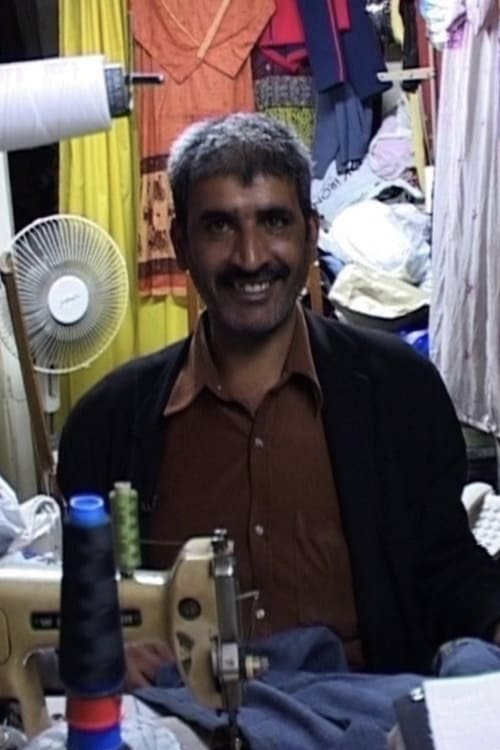
The film highlighted the importance of childhood education and sought to create awareness of early dropouts and child labour in Tamil Nadu.
Herova? Zerova?
0.0 2008
99 Matches Found
The film highlighted the importance of childhood education and sought to create awareness of early dropouts and child labour in Tamil Nadu.
Filmed in India over six years and narrated by Academy Award winning actor, Helen Mirren, YES MADAM, SIR is a ‘David and Goliath’ epic story profiling Asia Nobel Prize winner, Kiran Bedi – India’s first woman police officer.
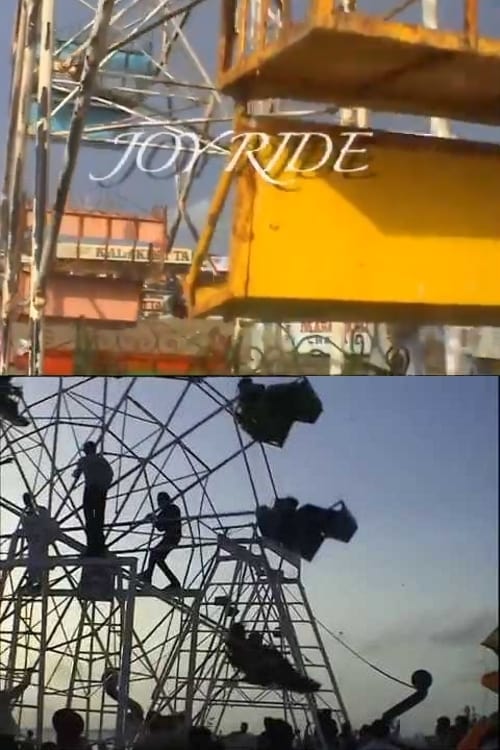
A documentary about human-powered manual ferris wheel rides at Juhu beach in Mumbai.
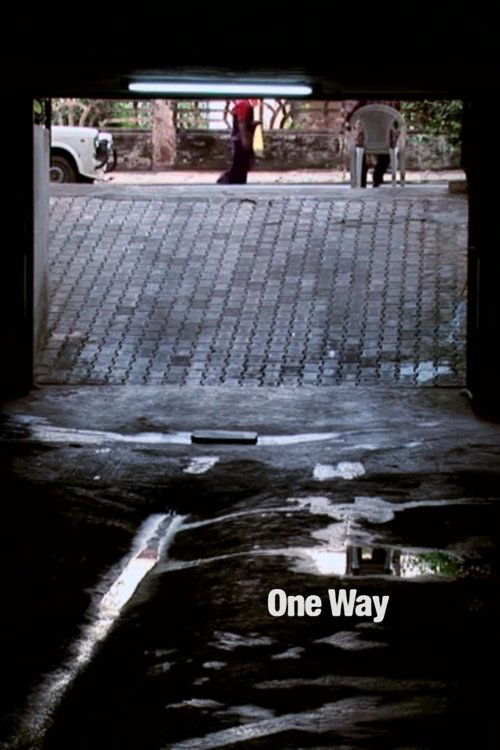
Contemporary economic conditions in Nepal are examined with documentary images, interviews, and narration. There has been, for many years, a labour migration from across Nepal to India ’s cities. This short film is set in the underground parking lot of an apartment building in Bangalore, in South India. One Way follows the livelihood of a security guard named Shyam Bahadur, who lives with the rest of his family in the electric switching room of an apartment block, to whom he provides service for the sake of survival. The narrative of the journey he made 35 years ago, from the mountains of Nepal to the southern plateau of Bangalore, punctuates his day-to-day life in and out of the basement. As his personal story unfolds, the hills of Nepal are being rocked by “the people’s war,” yet another historical disturbances that has forced Nepalis to emigrate for work.
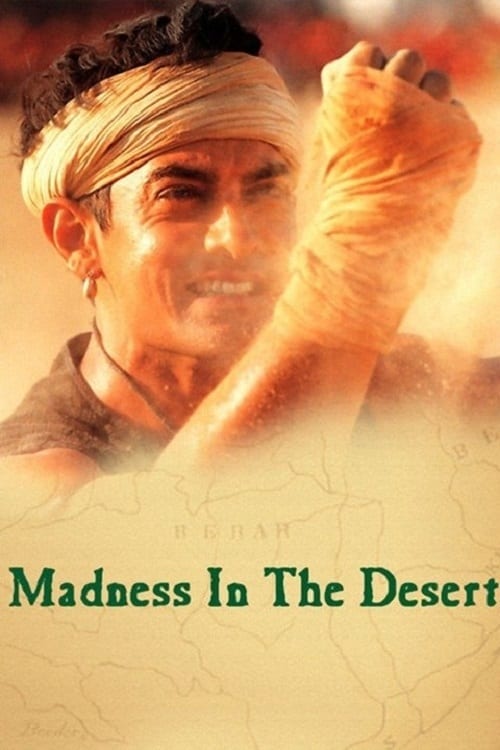
The story of making "Lagaan," one of the millennium's seminal Indian films, is told from the point of view of production team member Satyajit Bhatkal.

This biographical film is a tribute to a pioneering actress Smita Patil through her works a tribute to the parallel cinema. Her realistic dignified portrayals of the emerging women's movement in India creating a space for women on screen and role models for them off-screen.
A film about creating awareness for HIV/AIDS and drug abuse in India.

VOLUME ZERO is an hour-long documentary on the work and the ideas of Charles Correa, one of the world’s most important architects. It deals with his childhood, architectural training, formative years and the paradigm underlying his large and complex oeuvre spanning over five decades – as well as his pivotal role in addressing issues of urbanization in the Developing World. It uses first person narration by the filmmaker, combined with extended excerpts of interviews with Correa, live action, stills, diagrams, animation and archival footage to open up the thought processes that generate architectural space and form.

The making of the Tarsem Singh's fantasy-film 'The Fall'. Behind the scenes: Part I.
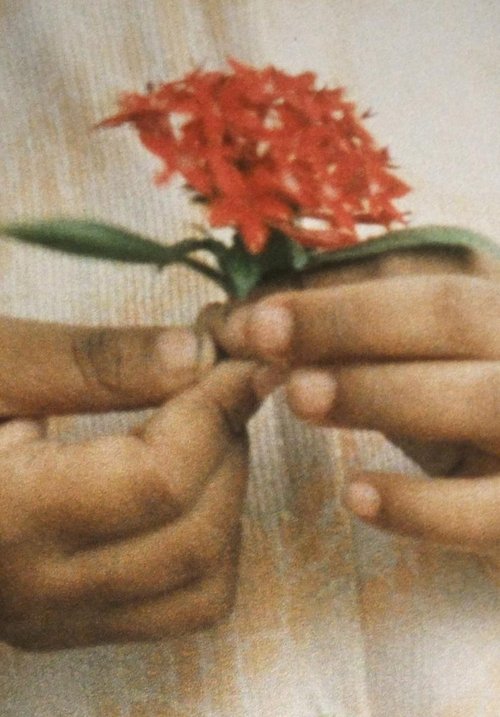
"India" developed out of my three journeys to Pune in 2001, 2002 and 2004. I arrived in a forgein country, and felt surprisingly familiar in the foreign. There in the streets, walking among the people, surrounded by their movements, their gestures, by the colors, the light, the beauty. Small things awakened my attention, sometimes only a short glimpse, a hand movement, the color of a sari, a temple hidden in a courtyard. It was like a long hot bath that I took there in Pune's streets - something unique and very beautiful.
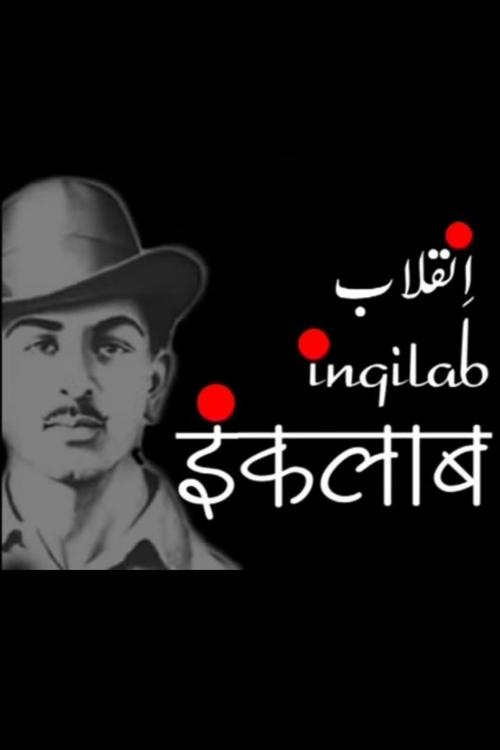
A documentary that traces the life and times of Bhagat Singh, a committed Marxist who most ably exemplified the spirit of revolutionary resistance against British imperialism in undivided India.
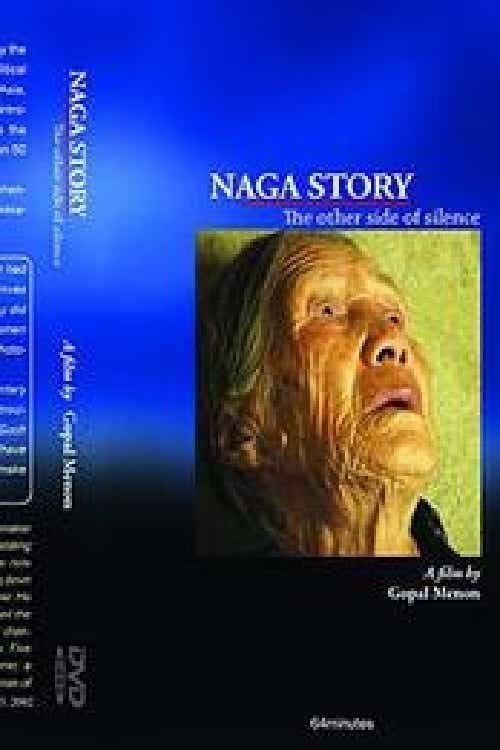
The Nagas are a three mllion - strong indigenous peple who occupy the Northeast frontier of India. The Naga political struggle is one of the oldest National movements in South Asia,and is continuing still.. The film provides an indroduction to the history of Naga struggle,and documents the human rights abuses suffered by the people for more than 50 years since the existence of independent India
An ascetic walks through the narrow streets of a village every morning while his family is still asleep. In his semi-somnolent state he dreams about the history of the village mixing up myths, folklore and facts.
This is a video about the Park Street cemetery in Calcutta - one of the earliest colonial cemeteries in the world – its degrading conditions and its status as an abandoned legacy of an empire lost and forgotten.
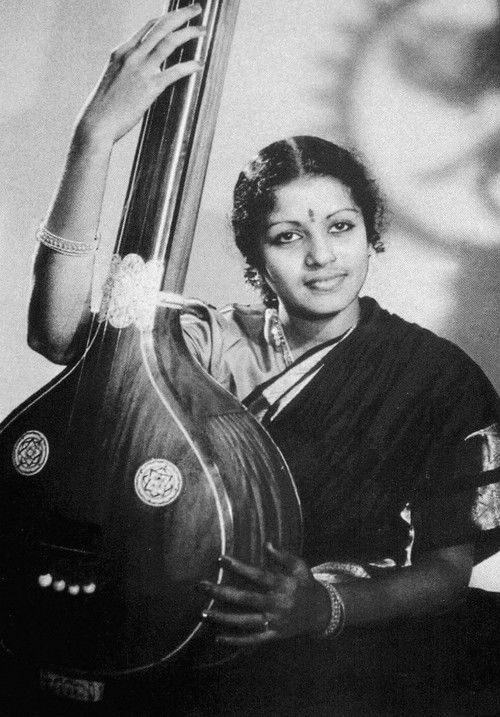
This biographical film on M. S. Subbulakshmi portrays how this ancient and glorious tradition of carnatic music, got enriched by fervent devotion and Bhakti Bhavana of M. S. Subbulakshmi and how she rose as 'A Legend Forever' and is treated with equal reverence and affection by millions of music lovers all over the world.

A closer look at a taboo subject in India: menstruation and how it is embedded in Hindu rituals and beliefs, dating back to ancient times. A short docu-fiction in the enigmatic, associative narrative style typical for this award winning South Indian director. This film by Tiger Award winner (in the category short film) contemplates in a very exciting visual manner on one of the taboo subjects in India - female menstruation and its connection with Hindu rites and beliefs. While in Brahmin Orthodox culture the period of menstruation is considered to be impure and women are not supposed to cook or touch any food prepared for other family members, the main character in this film evokes old menstrual rituals and places them in ancient Indian culture.
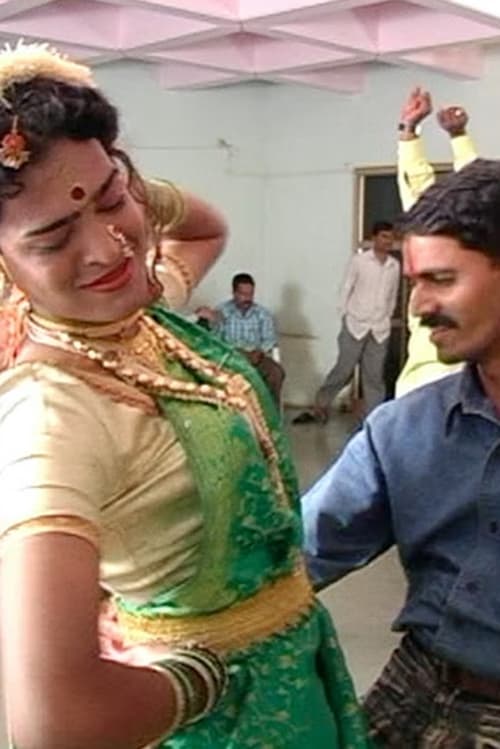
A documentary that follows a group of kothis (gay men who identify as femme) in Belgaum, a small city in Karnataka, and traces their stories of love, desire, and ostracization, as well as their work with an NGO that promotes safe-sex practices.
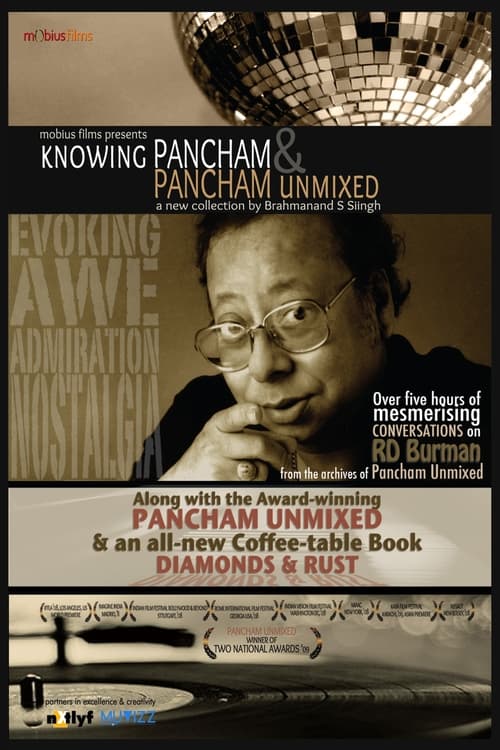
Winner of 2 National Awards, Pancham Unmixed: Mujhe Chalte Jaana Hai, takes an incisive look into the legendary composer, RD Burman's reflective artistry and buoyant-but-also-lonely inner being. Featuring a host of close friends, colleagues and admirers, the film evokes awe, admiration and nostalgia the way most of his music does, till date.

This film is a tale of the cities of Bom Bahia / Bombay / Mumbai, through a tapestry of fiction, cinema verite, art objects, found footage, sound installation and literary texts.
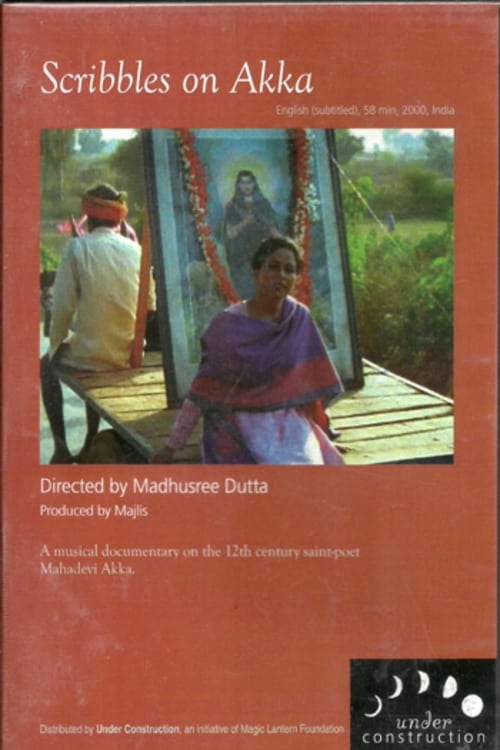
A film on feminine legacy of rebellion, language and transgressions. Using the composition of Mahadevi Akka, a 13th century saint-poet, the film explores the multiplicity of contemporary women and their own points of transgressions.
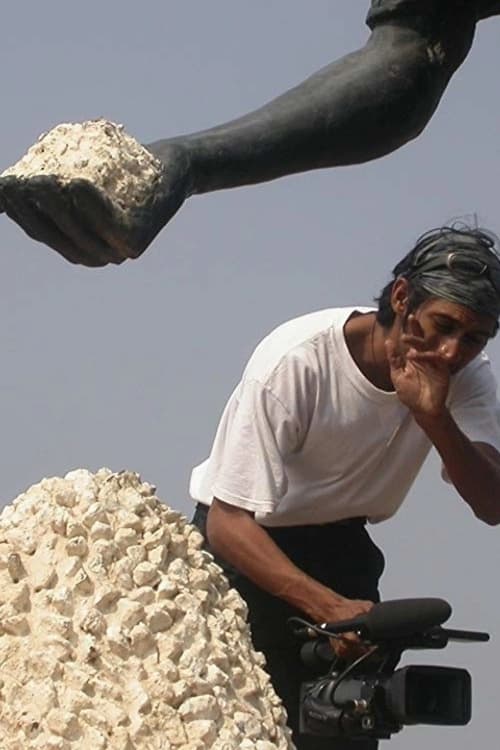
In 1930, a group of Indians led by a frail, elderly man marched a distance of 241 miles. They marched for salt. Mahatma Gandhi was able to craft an anti-colonial, nationalist movement around the most basic issue of livelihood: the right of Indians to make and consume their own salt. 77 years later, the Wide Eye Film team followed the trail of the famous Dandi salt march, stopping at the same villages and towns, in search of Gandhi's legacy. Set against the backdrop of Gandhi's original journey, this is a road movie about issues of livelihood in modern, globalizing India. It is a documentary about 'the salt stories' of our times.
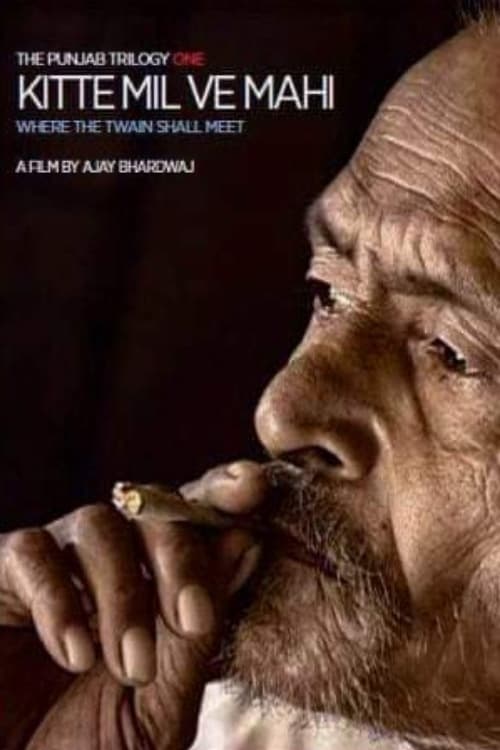
In “Kitte Mil Ve Mahi” the director journeys through the Doaba region to explore the unique bond between Dalits and Sufism in unfolding a spiritual universe that is both healing and emancipatory and hinting at the economic, religious and ideological marginalisation of Dalits.
‘Beyond Boundaries’ was an Indo-Pak street children initiative. It was a response to the growing communal tension in the region. Cricket, a much revered subcontinental game, was the bridge that brought street children together to play cricket across both borders.
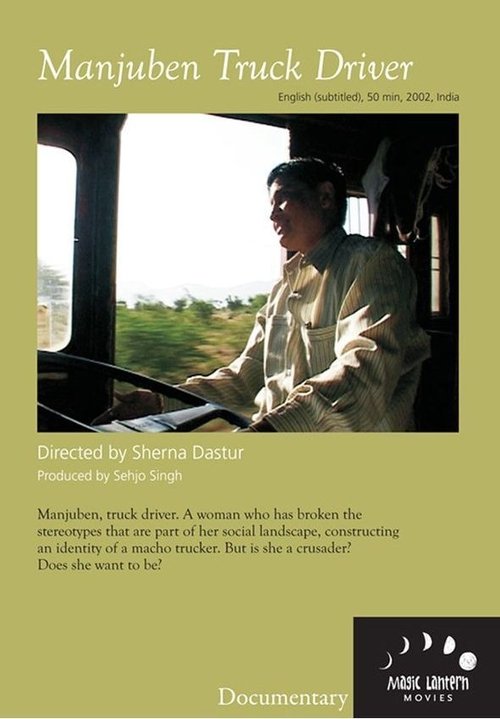
At the wheel of a lorry, Manju travels the roads of India carrying goods to Delhi. As head of the company Manju is respectable, well dressed and regularly visits the barber. However, Manju is a woman. It is not only because of her job, traditionally reserved for men, that she is breaking taboos. A beautiful and rare documentary on the position of women India, and those who break the barriers.
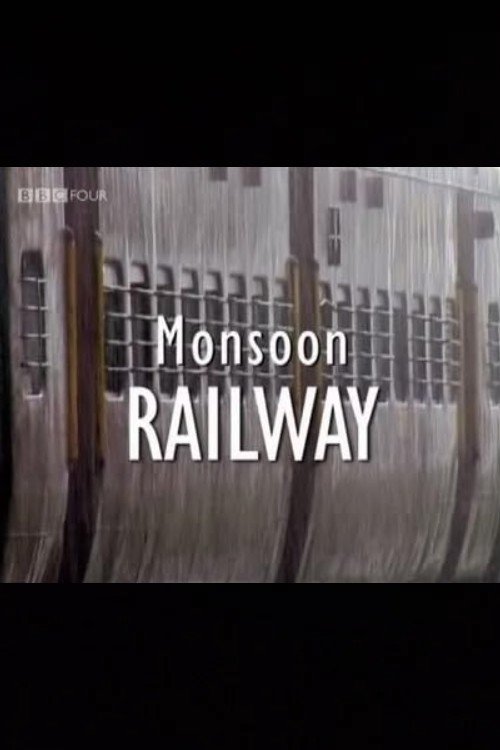
A look at three typical employees on Indian Railways as they fight the annual battle to keep the railway service running during the monsoon season.
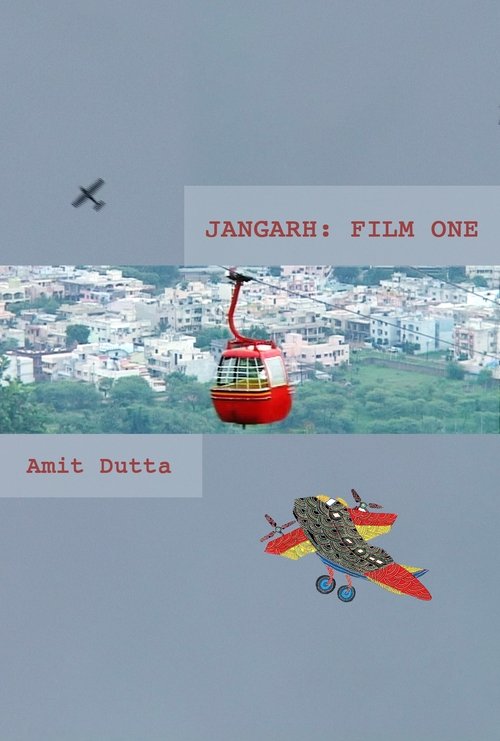
The village artist Jangarh Singh Shyam left home and became a well-known contemporary painter. He committed suicide in 2001. Through his art, places and stories, the filmmaker explores the traces he left on his path.
An anthology of Marathi Cinema from 1885 to 1980.
A collection of images from Mumbai, India.
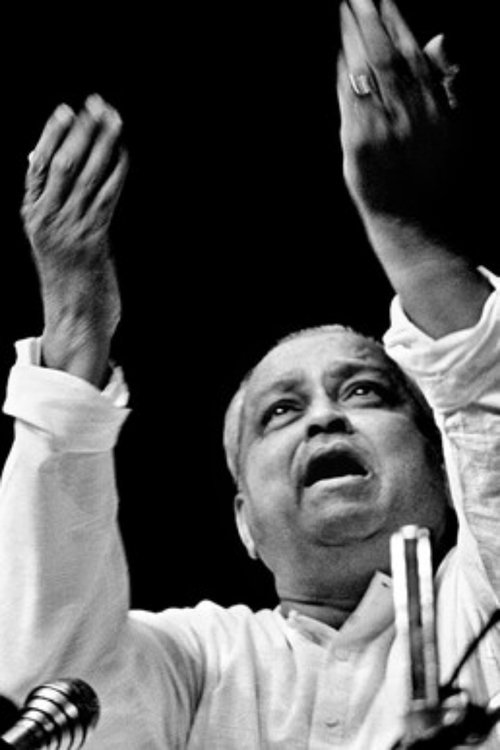
Kumar Gandharva or Shivaputra Siddharamayya Komkalimath was a Hindustani classical singer, well known for his unique vocal style and his refusal to be bound by the tradition of any gharana.
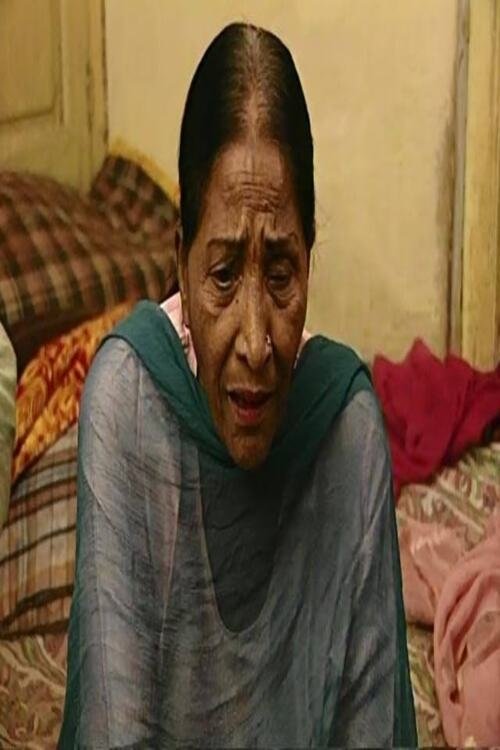
The film nostalgically traverses the unique tradition of the Punjab, in which the Mirasans cry on death, bring laughter at birth and marriage and bridge communities. Today, children of Mirasans are struggling to survive with dwindling patronage and are moving out from family space to public space.
Aftershocks is about the transformation of the Welfare State into an ally of the Corporation. It examines the acquisition and displacement of two earthquake-affected villages for lignite mining and power generation. It probes the microcosm in the nature of a study "from below" of globalisation of Economy and corporatisation of Democracy
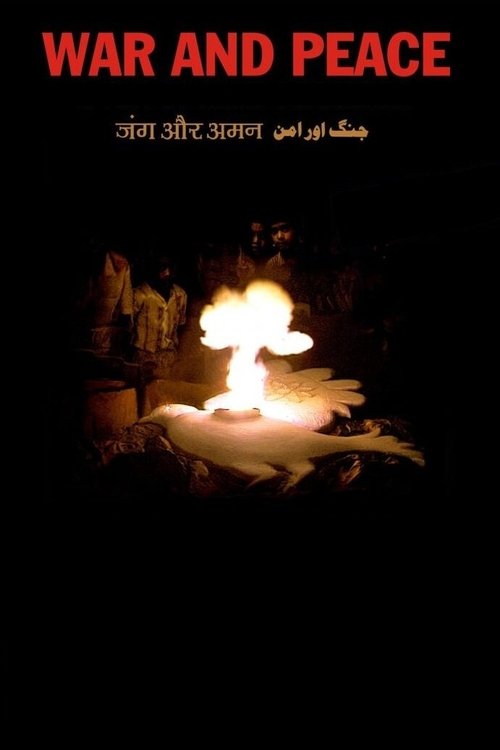
Documentary about the nuclear sabre-rattling that has been going on between India and Pakistan. Comprised mostly of interviews with average folks on the street, the movie superbly demonstrates the gulf between the people's will and the greed of those in power.

Atreyee, a young Bengali woman leaves Calcutta in search of a new life in Bombay. She finds paying guest accommodation in the suburbs. In a series of still photographs, the film records her establishing daily routines. Eventually, she travels home to Calcutta. Marriage is an option to lonely and disinterested modern life.
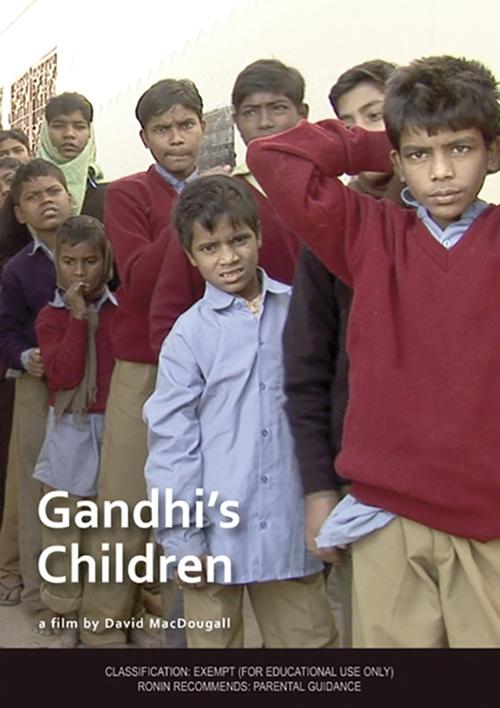
A shelter for children on the outskirts of Delhi provides food and accommodation for 350 boys. Some are orphans, others have been abandoned, still others have run away from home. About half are held under a court order, having been picked up from the streets for petty crimes. Living at the institution for several months, the filmmaker explores its routines and the varied experiences of several boys. Despite the harshness of their lives, many show remarkable strength of character, knowledge, and resilience. One day 181 child labourers arrived, placing additional strain on the building's deteriorating facilities. The institution does what it can, but is it enough?

In a quest to explore the impact of India's Partition on the classical music traditions of South Asia, Delhi-based filmmaker Yousuf Saeed spent about 6 months in Pakistan in 2005. After traveling in Lahore, Karachi and Islamabad - interviewing musicians and scholars, attending music concerts, and observing the teaching of music in various institutions, Yousuf not only documented some of the surviving practitioners and patrons of classical music, but also raised many vital questions, about cultural identity, nationalism, legitimacy of music in Islam, Pakistan's popular culture and its affairs with India, and the survival of classical music itself in South Asia. This quest has resulted in a musical documentary film, Khayal Darpan, featuring some well-known as well as many lesser known but talented musicians of Pakistan.

This documentary is the first public documentation of the concept of love jihad. Filmed in Meerut following a televised moral policing event termed Operation Majnu, the film tracks the birth of a language of television news which has today become a norm of sensationalism and witch-hunts.
Documentary film based on the artist Akbar Padamsee.
This film explores multinational shoe company Bata’s impact on individual lives and their surroundings. The film’s aesthetic, shifting from site to site and shot to shot, offers pockets as a visual version of the bubble that was the Bata colony itself. The characters are all connected to that past. They guide the viewers through the merging of past and present in memory. The film’s colouration also evokes this mixture.
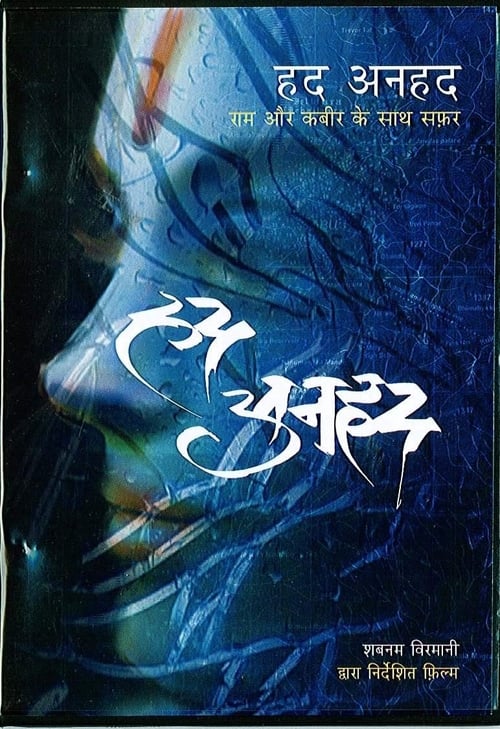
Kabir was a 15th century mystic poet of north India who defied the boundaries between Hindu and Muslim. He had a Muslim name and upbringing, but his poetry repeatedly invokes the widely revered Hindu name for God – Ram. Who is Kabir’s Ram? This film journeys through song and poem into the politics of religion, and finds a myriad answers on both sides of the hostile border between India and Pakistan.

This award-winning documentary explores the changing face of right-wing politics in India through a study of the 2002 Gujarat Riots. It specifically examines political tendencies reminiscent of the Nazi Germany of early 1930s. Final Solution is anti-hate/violence, as 'those who forget history are condemned to relive it'.
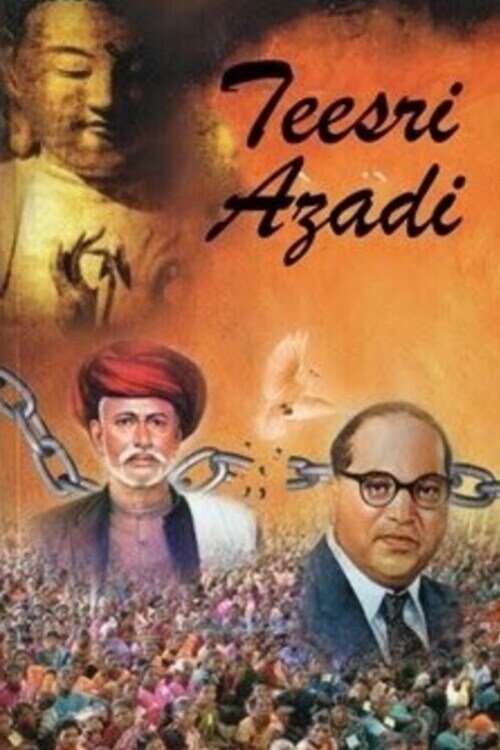
Film on caste system in India's historic times.

Who’s Sandra? If you saw her would you know her? Is she naughty or is she nice? And where is she anyway? This film takes a playful look at the figure of “Sandra from Bandra” – part covetous fantasy of the racy Christian girl from Bombay who works as a secretary, wears a dress and likes to dance; part condescending stereotype of a dowdy, religious girl from a minority community. The film searches for Sandra in Bollywood films, in the words of writers and poets, on the gravestones in Bandra’s churchyard. We encounter various claimants to the title – some who aren’t from Bandra and some who aren’t even called Sandra. Finally we find 5 women who really are Sandra from Bandra, each as different from the other as can be even if they are all a little bit the same.

An impressionistic sketch of ‘the public’ as created by our cinema and its relationship with cinema itself.

Kabir sang his poems in the market place, his spirituality firmly grounded in the public square. 600 years after his time, this 15th century Indian mystic poet’s legacy can be found in both spaces – sacred and secular. This film interweaves the deification of Kabir by a religious sect with his secular appropriation by a social activist group. The story unfolds through the life of Prahlad Tipanya, a Dalit singer whose participation in both domains begins to raise difficult questions for him about ritual and organized religion.

Vipin Vijay's Palace of the Winds is a poetic essay about that "Holy Little Box," the radio, conceived of as a ghostly transmitter of Indian cultural artifacts.
A film about creating awareness for HIV/AIDS in truck drivers in India.

A film about home and belonging, tracing the filmmaker's personal journey to understand what it means to be a Muslim in India today.
From the vast coastlines of Tamil Nadu, to the arid lands of Rajasthan and the lush greenery of Sikkim, the camera joins local children on the journeys of their daily lives: to and from school, in their classes and after-school play, and doing chores. The children are shy but face the camera directly to talk about their families, their teachers, and their own feelings. Their gazes imply straightforward doubts about the adult world, which the director captures, in taking a sincere look at the meaning of education.

Lakshmi is a professional singer and dancer at funerals. Krishnaveni makes her living by burying and cremating unclaimed dead bodies from the rivers and streets. Sethuraku never went to school and instead took to the sea at an early age.
The film explores Mirabai as a cultural icon, revealing her poetry's conflicts with popular beliefs, despite the overwhelming influence of her images and stories.
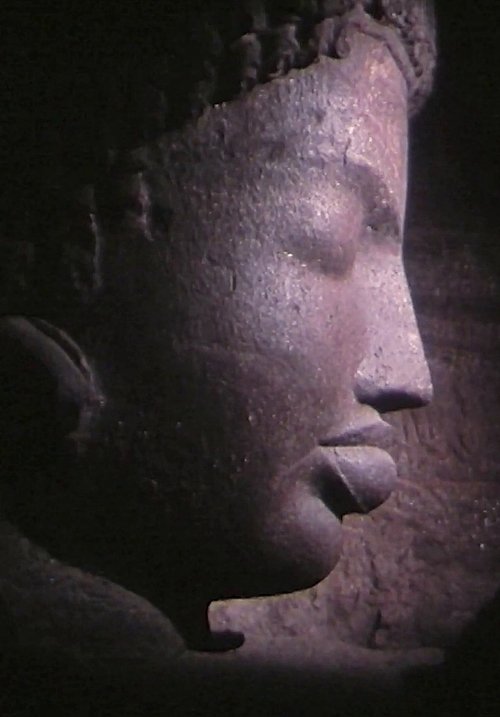
Rasikapriya’ is a cinematic exploration- the camera's desperate attempt to "see" music. The journey becomes a meditation on Indian rock paintings, sculpture, nature and cities and what the camera manages to create is a canvas of vivid calligraphic designs that often allude to poetry and rhythms of Indian classical music.
Feature documentary, completed but unreleased.

A story of Shyamal: a runaway, a pickpocket & a tiger's cub.

For millennia, the Irulas, an ancient tribe of hunter gatherers from the dark jungles of the southern Indian state of Tamil Nadu, have stalked these woods looking for snakes of all hues.

The fabric of the city emerged from the warp and weft of diverse threads, from the labour of migrant communities that made Bombay/Mumbai their own.

Film is about Patachitra Paintings in rural West Bengal, where images of Hindu gods are made by Muslim community.
The contemporary relevance and future of oldest classical music.

Interweaving the folk music traditions of the mystic poet Kabir with the life and music of the late Indian classical singer Kumar Gandharva, this film searches for that elusive sound, that "jhini si awaaz", that Kabir urges us to hear. Where does it resonate, that subtle sound? Journeying between folk and classical, oral and written, rural and urban expressions of this 15th century mystic poet of north India, the film finds moments of both continuity and rupture between these disparate worlds.