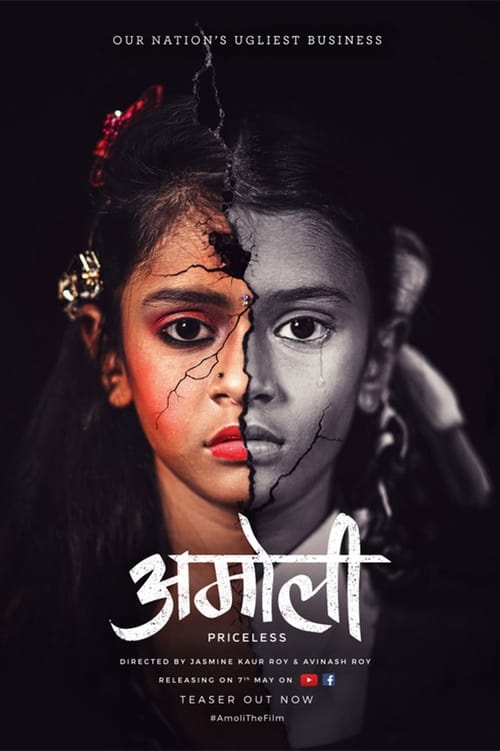
In India, a child goes missing every 8 minutes. Where do these children go? What happens to them? This is not just a story of one missing child. This is the reality of our nation. And yet, we sit in silence.
Amoli
6.0 2018
38 Matches Found
In India, a child goes missing every 8 minutes. Where do these children go? What happens to them? This is not just a story of one missing child. This is the reality of our nation. And yet, we sit in silence.
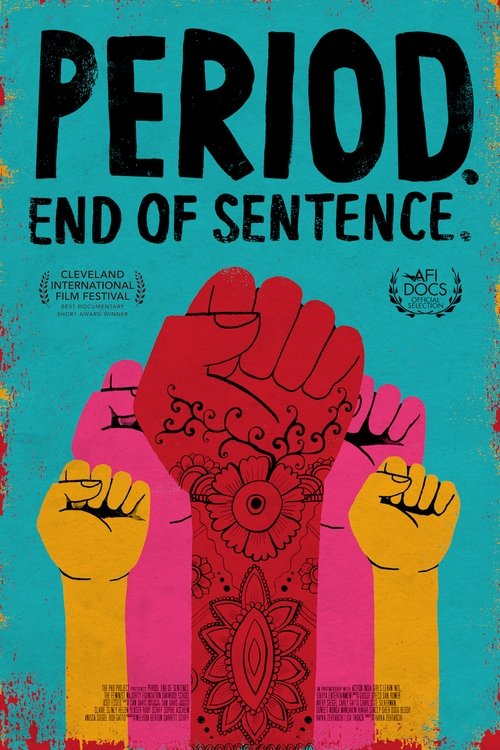
In an effort to improve feminine hygiene, a machine that creates low-cost biodegradable sanitary pads is installed in a rural village in Northern India. Using the machine, a group of local women is employed to produce and sell pads, offering them newfound independence and helping to destigmatize menstruation for all.
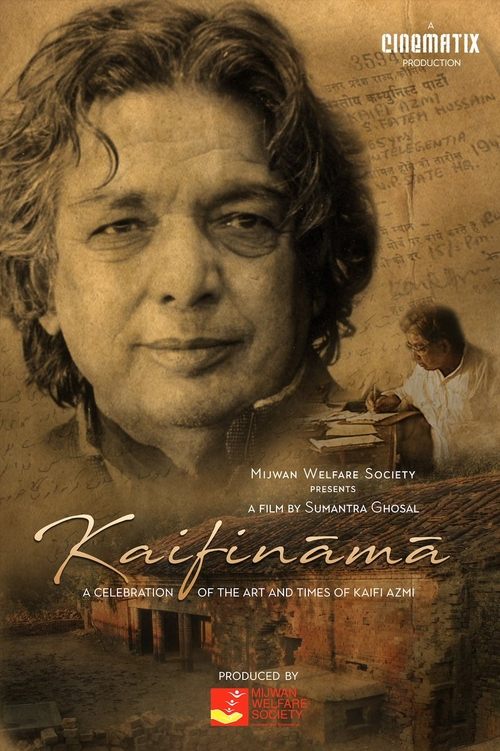
Kaifinama looks at the life and art of the Urdu Progressive poet Kaifi Azmi. Kaifi Azmi was both a poet for social change as well as one of the foremost lyricists in the Hindi film industry.
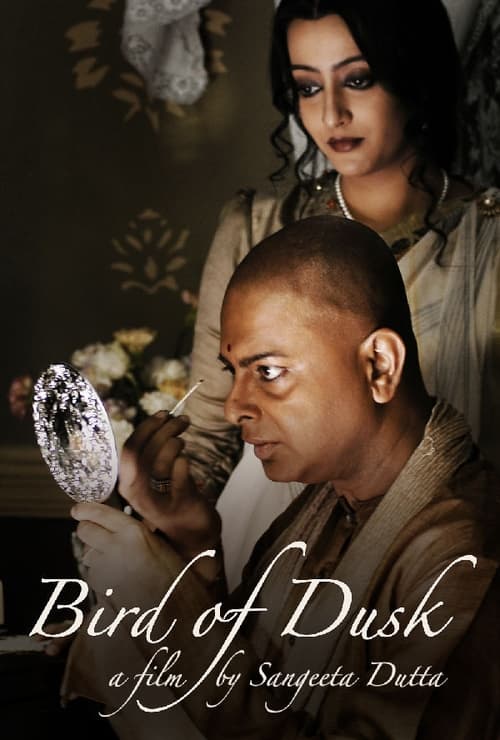
An insight into the life of late writer-director Rituparno Ghosh, the iconic cultural figure from West Bengal (India), who pushed and transgressed the boundaries of sexuality, feminism, and freedom of thought. The film is about an artist's relationship to his city Calcutta and is based on his personal memoirs, archival material, and conversations with cast, crew, and family.
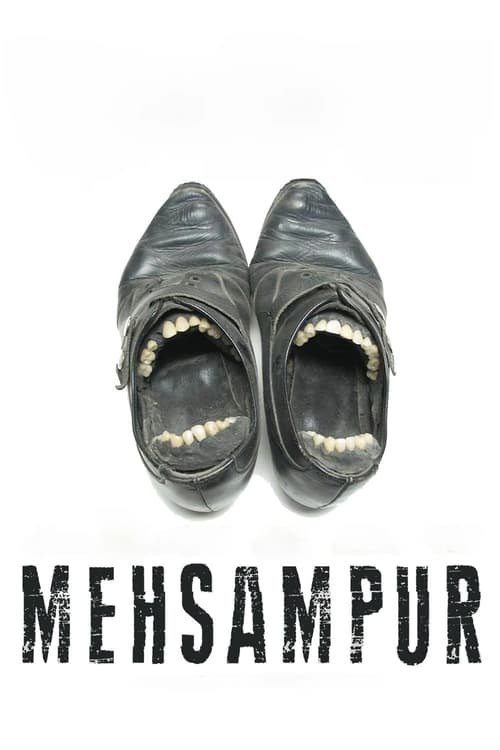
A desperate filmmaker drives a neurotic actress and an aging musician to a village of trauma.
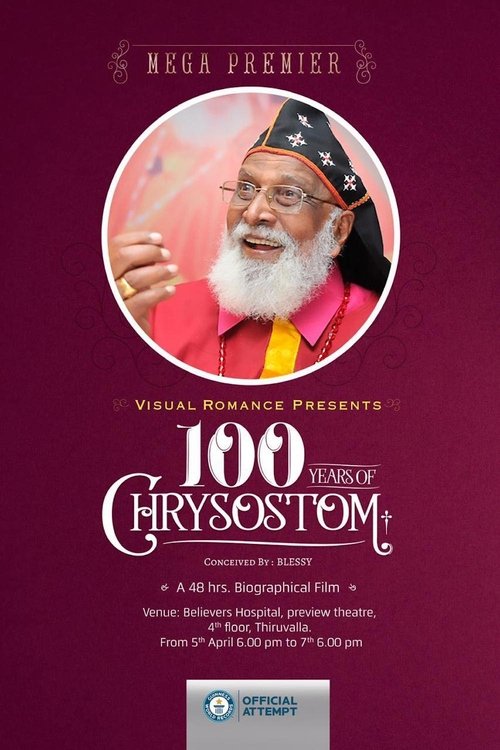
A Malayalam biographical documentary film on Philipose Mar Chrysostom.
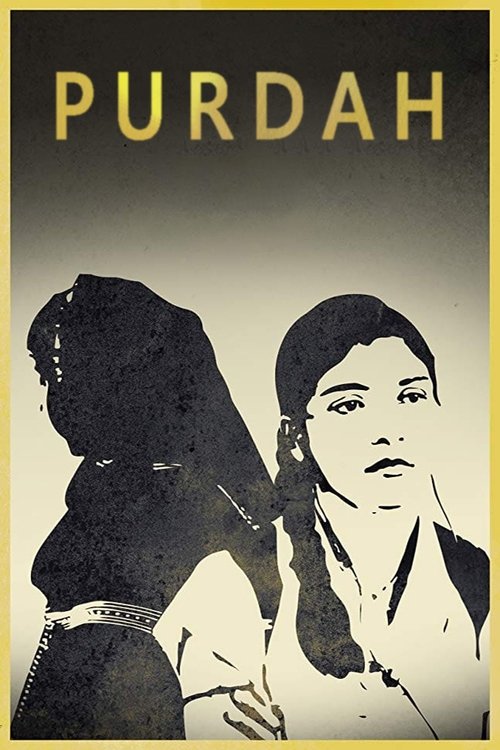
The inspiring story of a young Indian Muslim woman who trades her burka for dreams of playing on the Mumbai Senior Women's Cricket Team and how the harsh realities for women in her country creates an unexpected outcome for her own family, ultimately shattering and fueling aspirations.
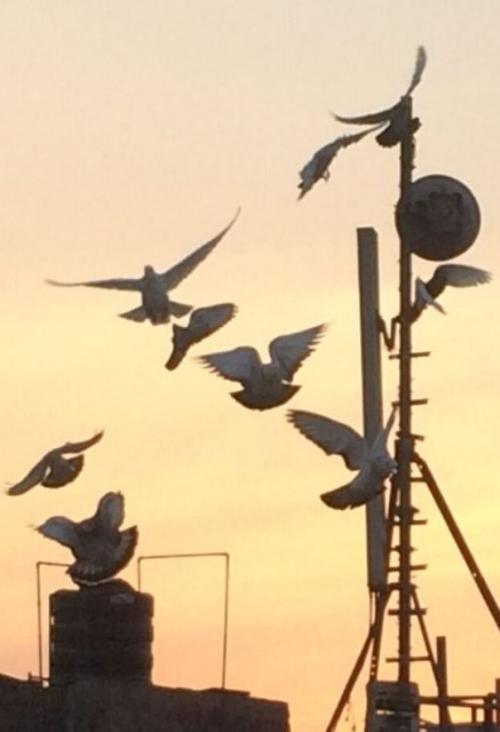
A dazzling display of flying pigeons above the cacophony of Old Delhi.

The waves of migration from rural regions of India to the cities gets a lyrical portrait in Ekta Mittal’s exquisitely crafted look at longing and loss.
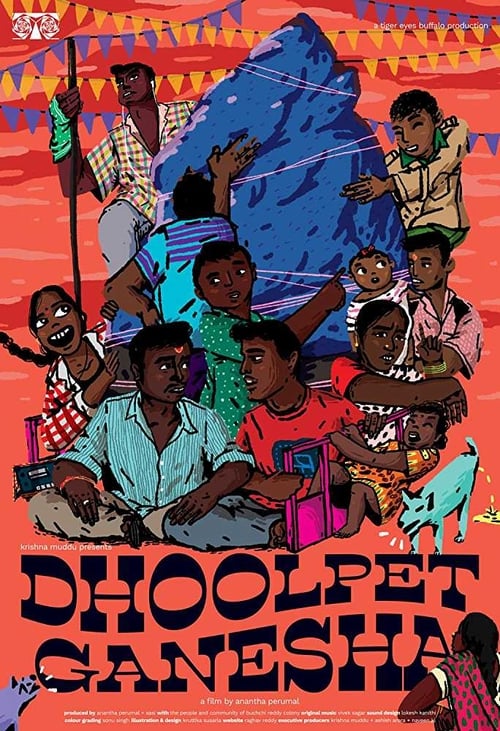
Dhoolpet Ganesha is a Telugu documentary that follows a small, marginal community in South India as they attempt to throw the best Ganesha Festival in town.

This documentary explores how Indian women are taught to conceal something as ordinary as their inner wear while drying it, hiding it under towels or behind doors. Through everyday moments and personal reflections, the film reveals how this small act of shame mirrors a much larger culture of policing women’s bodies and visibility.
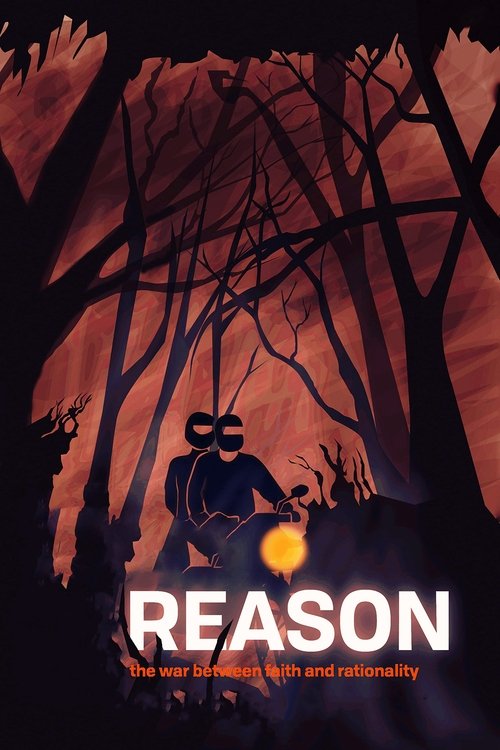
A broad-ranging examination of Indian society, where secular rationalists are hunted down as they attempt to stem the rising tide of religious and nationalist fundamentalism.
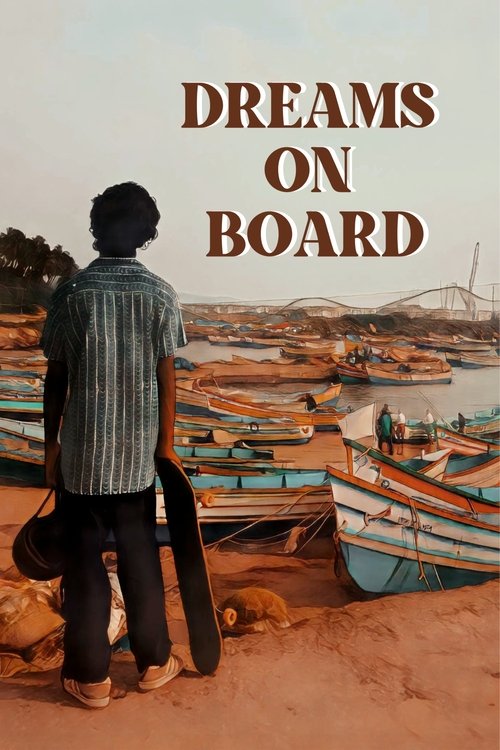
The SISP Kovalam Skate Club is located in Kovalam, India and was founded in 2013 as a part of the bigger NGO SISP. With free skateboarding lessons we try to motivate the school drop-outs of the area to participate in the educational program of SISP
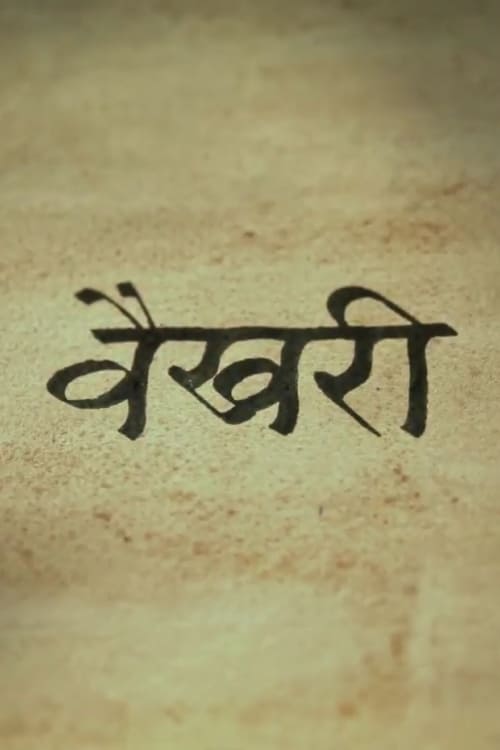
Vaikhari, which in Sanskrit means intelligent and articulate utterances, primarily focusses on "padhant" which is the art of recitation of mnemonic syllables used in Hindusthani Classical Music and Dance. The film incorporates different artistic streams in allusion to padhant, thereby aiming at a profound aesthetic experience of rhythmic utterances in its multiple manifestations. Kalidasa's immortal Meghdootam serves a template for narrative development while creating a realm of different temporal designs fabricated by various rhythmic elements (percussion, dance) where padhant lies at the nucleus of contemplation and subsequent artistic expansion.
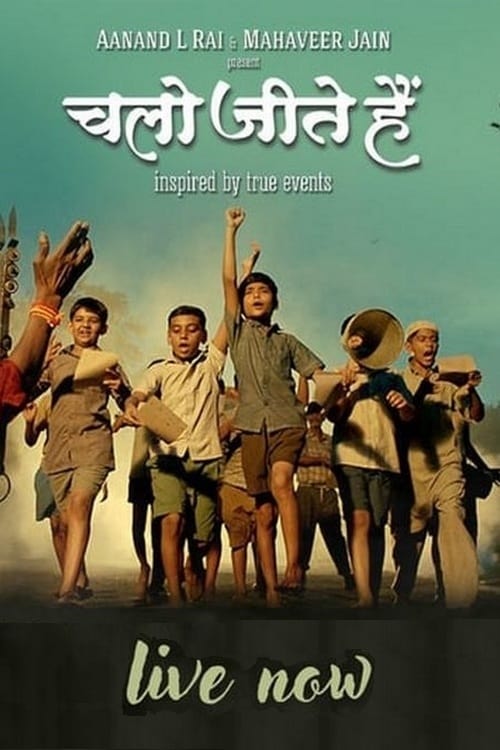
An impressionable boy is struck hard by Swami Vivekananda's quote, "Wahi jeete hain, jo doosro ke liye jeete hain" (translation: "Only those who live for others, actually live"). On the quest for purpose of life, he tries to pursue what he can do for others in his small world.
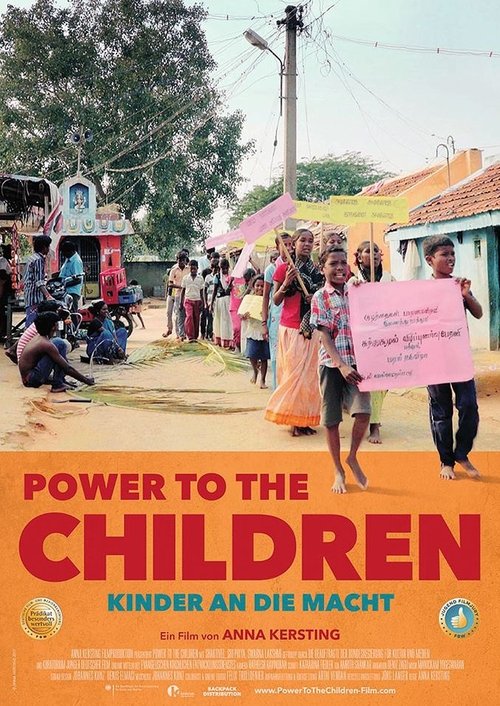
Children in India have taken their lives into their own hands. They don’t want to tolerate social grievances as well as environmental pollution any longer. They have been founding childrens parliaments and electing their own ministers in order to stand up for their rights. They are not only changing their own lives for the better, but also those of their communities. This documentary introduces us to several villages in India, whose powerful actions even take their voices to the UN.
The camera sways slightly, setting in a majestic black and white on the intimate stories of a small village bordering the jungle. A mystical and poetic cinematic experience, in which one gladly gets lost.

With the severe drought and lack of jobs, Aagaswadi village’s youth are forced to leave home for the city. Desperate for water, Bhimrao digs a well. This documentary follows the people of Aagaswadi’s struggles against the drought and its negative impact.

Lynch Nation chronicles India’s descent into terror, as mob lynchings targeting Muslims and Dalits have surged since Narendra Modi’s rise to power in 2014. The film, shot between 2017 and 2019, listens to the testimonies of survivors left shattered by violence unleashed by state sanctioned Hindu militias.

Kota, a city in North-West India famous for its coaching institutions, attracts more than 200,000 teenagers from all across the country to prepare for the undergraduate competitive exams. These students reside in cubicle sized hostel rooms and study for more than 15 hours a day for two consecutive years to crack the entrance exams for prestigious colleges that has acceptance rate of less than one percent. These students face intense insurmountable pressure from coaching institutes, peers and their families which not everyone is equipped to cope with, resulting in some students taking the extreme step of suicide.
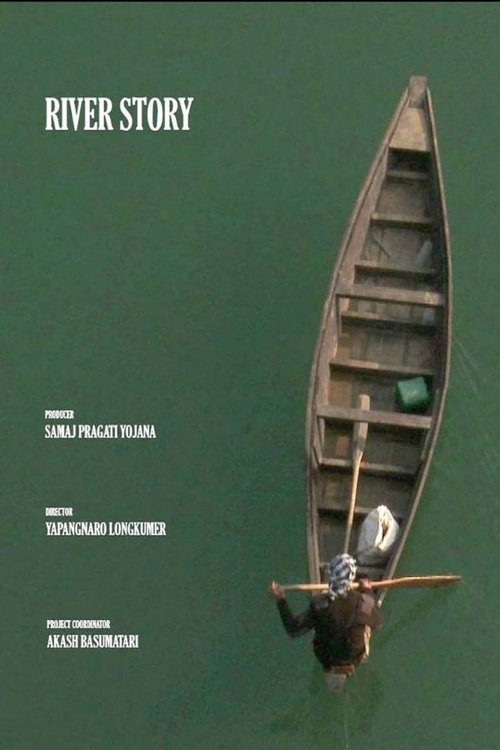
Set in Nagaland, the film hopes to find resonance in other geo-political locations of the world where people living on the margins are challenged by the seemingly inevitable phenomenon of modernization. The film follows Zarenthung, a first generation fisherman as he navigates his new profession as the reality around him is changing.
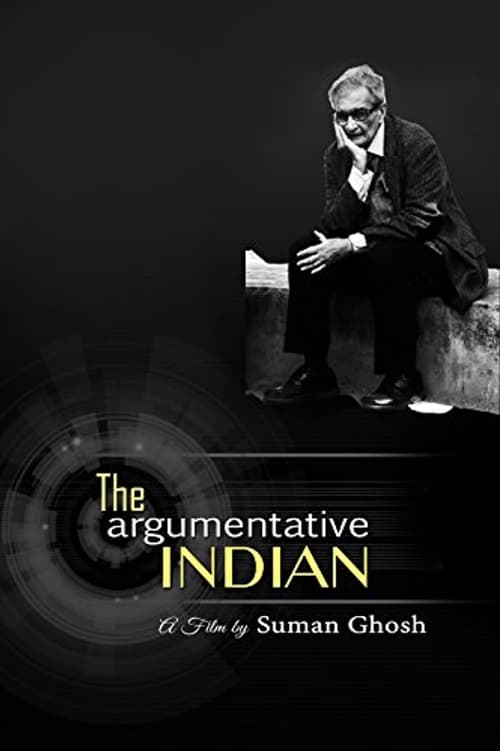
A documentary on the Indian Nobel Laureate Amartya Sen

Gopi was the youngest and first intersexual to run in the Legislative Assembly elections in the state of Tamil Nadu in India. Everyday, Gopi fights for the rights of the intersex people and the LGBTQIA community.
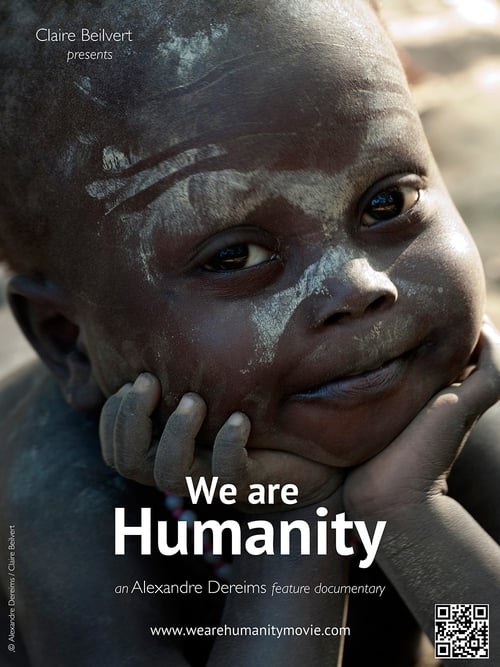
The Jarawas live in the Andaman Islands on the Indian Ocean. The origin of the tribe is in Africa some 70,000 years back. They have lived in almost perfect isolation from the rest of the world until recent times.
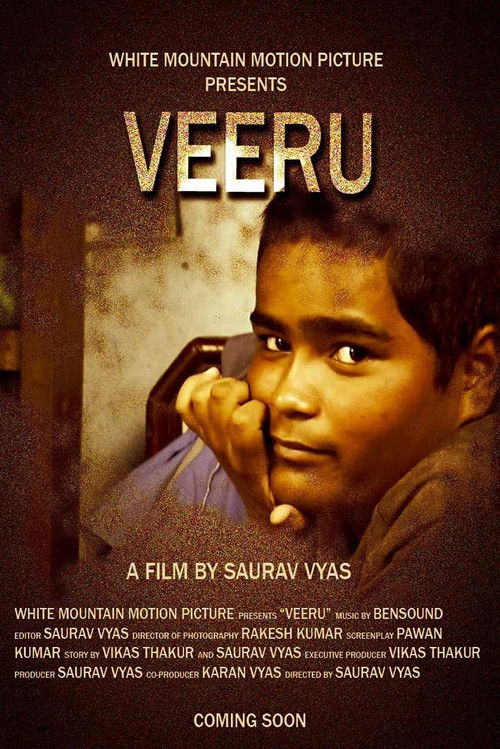
Short, Documentary

Jabali is a documentary on Jabalpur and its people. It explores the city's various cultures and perspectives.
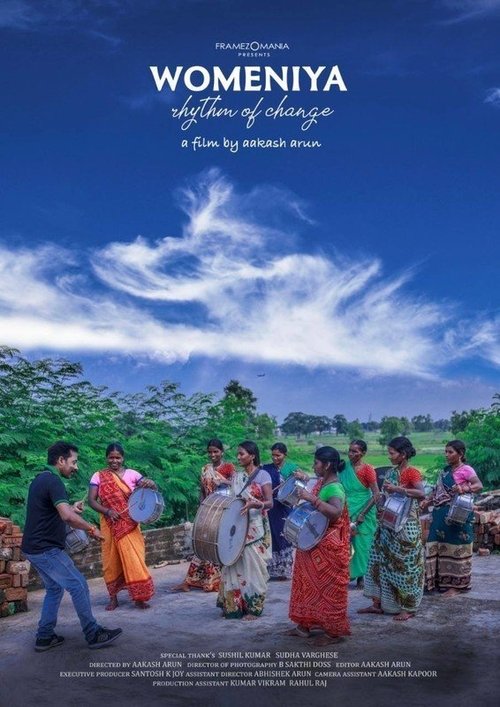
A documentary om the struggle of a woman band from a village near Patna, Bihar. The film depicts their fight against poverty and alcoholic husbands.
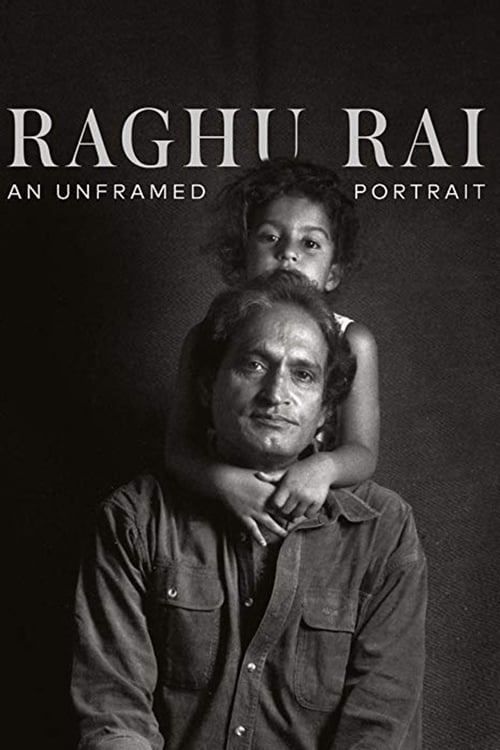
This documentary depicts the 50-year career of Indian photographer Raghu Rai, a staple at the illustrious Magnum Photos Agency, but also his relationship with his daughter and the film’s director, Avani Rai. The camera both unites and separates their generations.
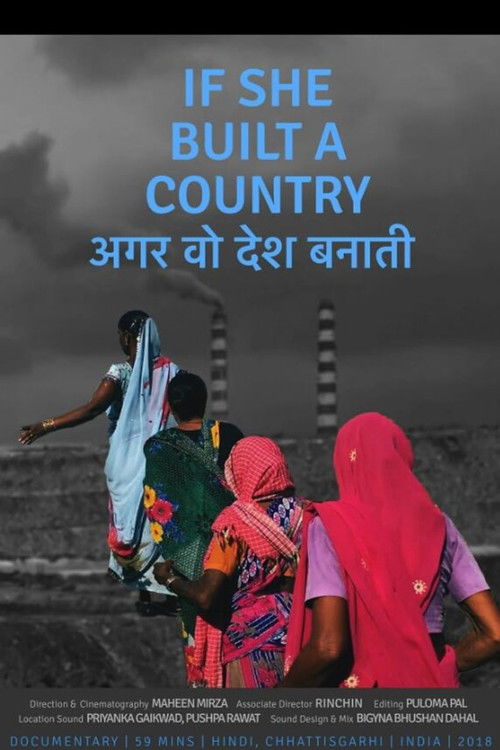
Rural, adivasi women from the villages of Raigarh, Chhattisgarh critique the grand plan of development of the country. As mines and power plants appear and grow in monstrous proportions around them, many of them have been cheated of their land and compensation. Their relationship with the forest and environment has been severed, leaving them surrounded by a toxic, polluted, gutted earth. As they grapple with all this, they seek justice for themselves and their communities and share their thoughts about how a country should be.

Brocken Spectre' is about a man, his theatre troupe comprising mostly dwarfs and their journey to build a kinder and a more compassionate society.

A communist poet and radical journalist, a secret State killing, an attempted revolution sparked in the village of Naxalbari at the Himalayan foothills. Setting out to tell the story of the slain revolutionary Saroj Dutta (lovingly known as comrade S.D.), the film gets drawn into a vortex of his tumultuous times, tracing turns and twists of the communist movement in India over three decades. A search by present-generation filmmakers, the film uses personal and public historical archives and conversations with rebels of the Naxalbari rebellion. Five decades later, the film holds a key to understanding the turbulent, audacious sixties and seventies in India and the world.
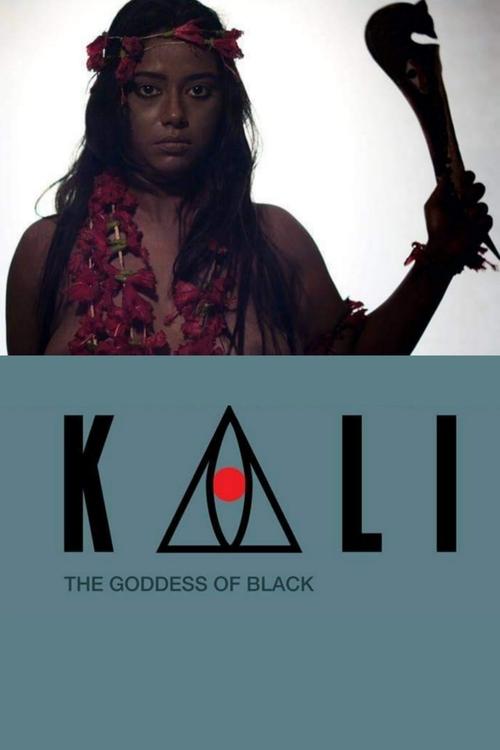
Kali is black, the most powerful and revered goddess in India. She is the goddess who bestows Tantra to her followers. While this dark-skinned goddess is worshipped all over the world, girls with dark skin are regularly ostracised in India. This documentary looks into the dichotomy of social conditions and delves into Kali and Tantra from the heartland of Bengal, where Tantra and Kali worship continues in full vigour.
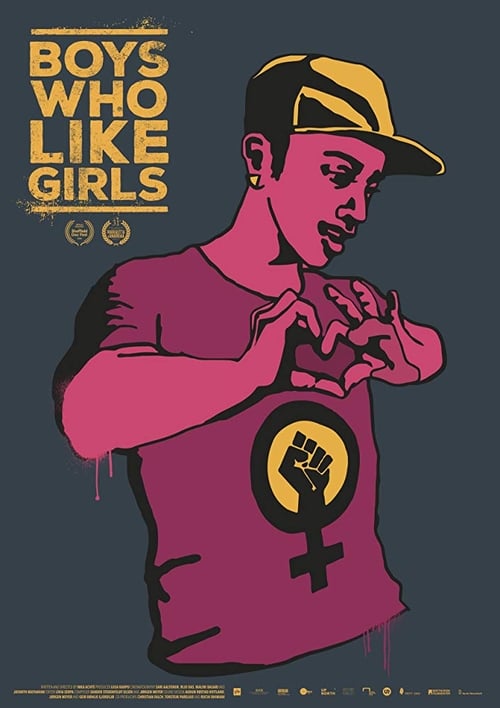
Teenager Ved comes from a violent home in the Mumbai slums. When he joins a project aiming to foster healthy masculinity, he begins to realise there may be a brighter path for his future than the one paved by his abusive, controlling father. One of Ved's mentors is Harish, a gentle man in his 50s who has dedicated his life to abolishing toxic masculinity. Through the support Ved gets, he takes his first wobbly steps into adult life while developing an unlikely new passion: dancing. Boys Who Like Girls is a coming of age story set in the aftermath of the infamous 2012 Delhi gang rape and the rise of the #MeToo movement. The world is in the midst of furious discussion about gendered violence and what it means to be a man. Will Ved's generation of boys be the first that actually likes girls?

The Film-maker’s childhood friend dons a borrowed uniform and poses as an ULFA rebel. Another friend opens an old diary. Some other friends rehearse a play from the film-maker’s childhood days. A poem by an ULFA rebel is recited. The film embarks on a journey to revive the memory of growing up in Assam in the 1990s – a turbulent time when the United Liberation Front of Assam (ULFA) was heading an armed rebellion for independence from India. Violence, death, and disappearance dominate the stories from the film-maker’s childhood. The film recollects and reconstructs fragments of those memories through personal narratives of the film-maker’s friends, parents, and relatives.
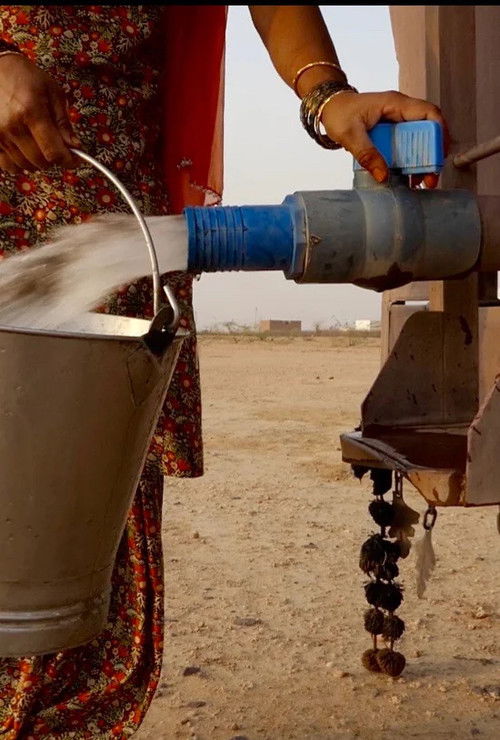
Against the bleached sky of Rajasthan, we encounter the women of a small Muslim village as they engage in their work. Here, water binds their daily labour rituals: they collect and carry water in massive urns, they clean plates and clothes with it, water their animals, and even maintain their homes with it (we see them churn mud to smear across their floors). A record of the ongoing cycles of women’s labour (“we make food, we eat, we sleep, we wake up…”), their sense of humour and resilience, and the ways the community co-operate to deal with scarcity.
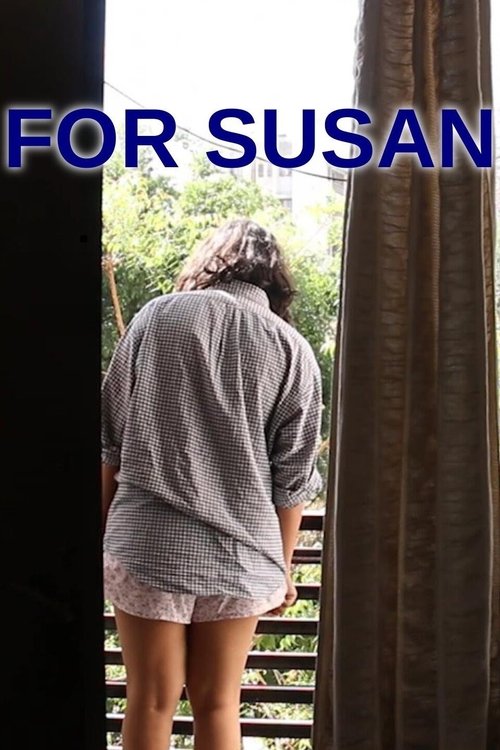
For Susan explores the idea of dignity. Inspired by the director’s grandmother’s notebooks, it finds pleasure in activities hidden or forgotten.
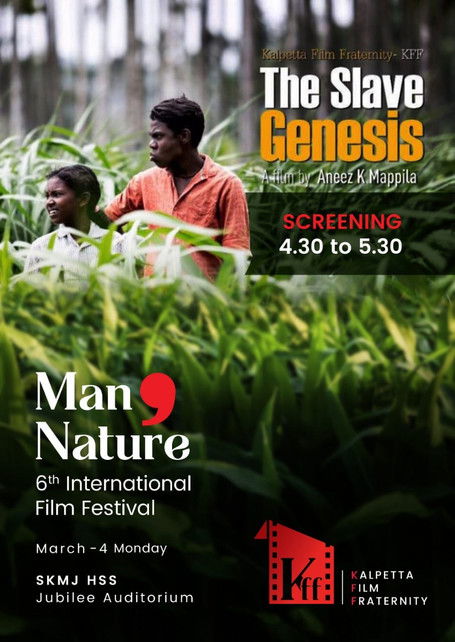
The Slave Genesis features the lives of the people within the Paniyar community. Let him be just and deal kindly with my people, for the dead are not powerless. Dead, did I say? There is no death, only a change of worlds.
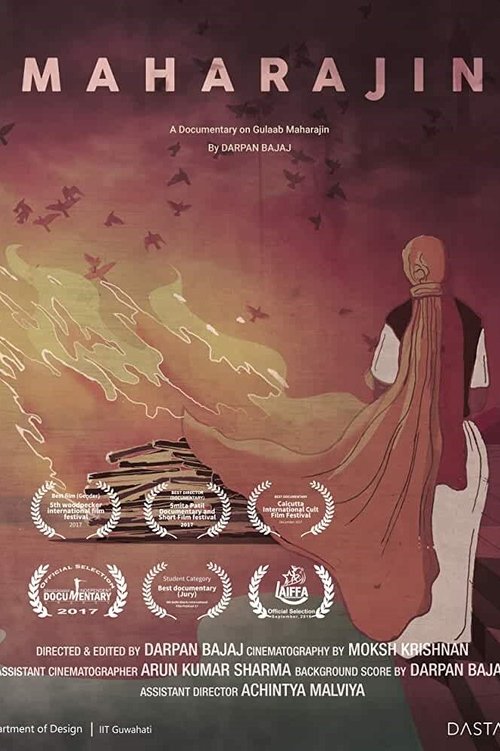
In Hinduism, women are prohibited from entering the cremation ground but Gulab Maharajin performed Cremations at Rasoolabad Ghat, Allahabad for more than 60 Years.