40 Matches Found

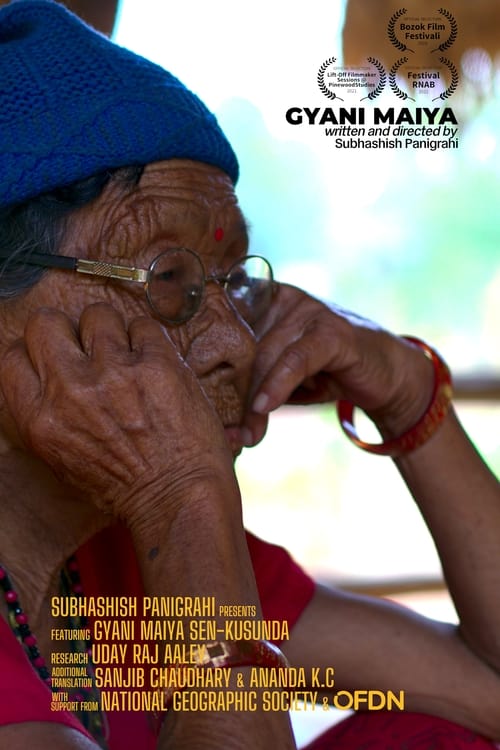
Gyani Maiya

“We left our language and started speaking others’. The girls have got married and have left for the villages. Boys are getting married in villages. It should be taught to children”. — Gyani Maiya Sen-Kusunda The Gi Mihaq (also known as Kusunda) was a semi-nomadic hunter and gatherer community that settled in villages around the mid-western Nepalese district of Dang. They have long lost their native language Mihaq (Kusunda), to acculturation and other barriers to active use. The community also lost their 83-year-old elder Gyani Maiya Sen-Kusunda in 2020, the most and the only known fluent Kusunda speaker then. Filmed in Kulmor in the Dang District in 2018, this openly-licensed documentary is a memoir of Sen-Kusunda in her own words and a biography of her people who were forced to leave their language and cultural identity. Kusunda is being revived by Kamala Sen Khatri, Sen-Kusunda’s younger sister, and Uday Raj Aaley, a local researcher who is the key interviewer for this film.

Gyani Maiya

10.0 2019
Prison Diaries

Story of the unexpected imprisonment of a number of women, for their resistance to the Emergency of 1975-77, through the life of Socialist and famous actor Snehalata Reddy. Being the only woman political prisoner in jail, she spent eight months in solitary confinement, recording her concerns and traumatic experiences in her diary, extracts of which were later published. Released for a few weeks on parole, she died of a heart attack just before she was to return to jail. The film recounts her ordeal through the reminiscences of her children and close friends.

Prison Diaries

0.0 2019
From Janata Colony to Janata Colony (imaginary to destroyed)

The work narrates the social, cultural and political history of the “housing question” in Mumbai, by bringing together cinema, state-sponsored documentary, newspapers, policy reports and archives from social movements, among other source materials. These materials are assembled, via a hand-built web editor, into a new kind of "annotated film" that links to online archival sources. Drawing in form from the video lecture-performance style honed on CAMP's rooftop cinema and studio that takes its audience on dense archival journeys, the work examines a "poor man's colony" that was set up in the 1950s and destroyed twenty-five years later to make room for an atomic research facility in Bombay.

From Janata Colony to Janata Colony (imaginary to destroyed)

0.0 2019
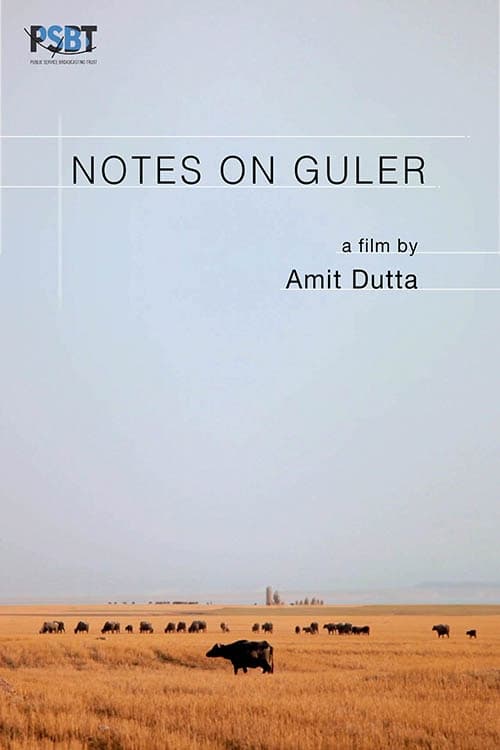
Notes on Guler

Guler, a small principality near Kangra, was an artistic and cultural wellspring since it's accidental inception in the 15th century. Many greats like painters Pandit Seu, his sons Manaku, Nainsukh, and the poet Brajraj were born here. Today the whole system of patronage under which lofty endeavours were possible even in financially austere conditions is gone. And tragically even the physical landscape is submerged under a dam. The film seeks out some traces of the submerged past, through the memories of those left behind, a condensation of a bygone civilization.

Notes on Guler

0.0 2019
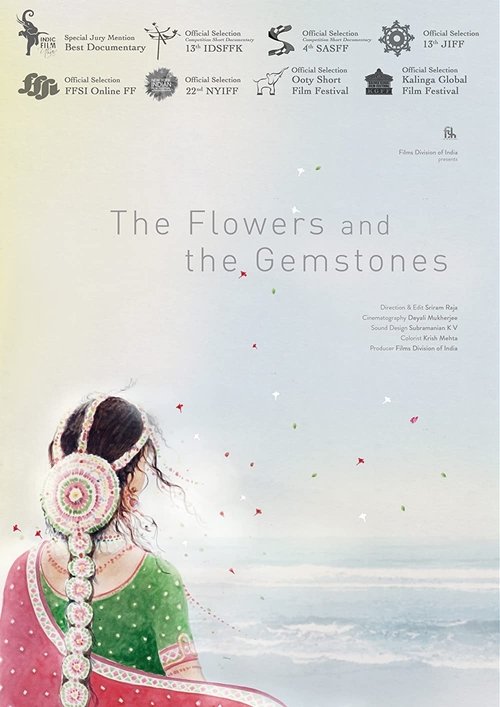
The Flowers and the Gemstones

Skanda Puranam (from mythology) tells the story of Kanyakumari who threw into the sea, the flowers and gemstones kept for her marriage with Shiva. It is said to have coloured the shores. When the last Maharaja of Travancore dynasty travelled through Kanyakumari, he was awed by the exquisite garland made of Oleander flowers and called it Manikkamalai - the ruby garland. Ever since, a family in Thovalai village of Kanyakumari has been weaving Maharaja's favourite garland every morning, to be sent to his Palace temple. The dynasty ended long ago and state borders were marked in modern India. Yet, the custom holding the two lands, in Kerala and Tamil Nadu, remains intact.

The Flowers and the Gemstones

0.0 2019
The Women Weavers of Assam

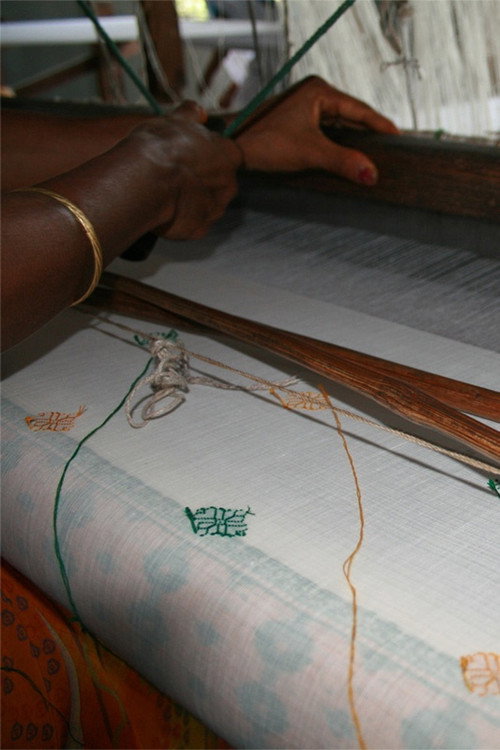
The Women Weavers of Assam focuses on the craft, labour and the everyday lives of a group of women weavers in India’s northeastern state of Assam. The weavers belong to a non-profit collective called Tezpur District Mahila Samiti (TDMS), which was founded a century ago by women activists and Gandhian freedom fighters of Assam. The TDMS weavers preserve traditional motifs and methods of Assamese weaving, which have been declining since the introduction of mechanized cloth production in India. Montages of weaving blend with the weavers' accounts of their personal experiences, generating an evocative representation of the environment and the rhythms of TDMS, and the cultural significance of hand-weaving as a craft and industry in Assam.

The Women Weavers of Assam

0.0 2019
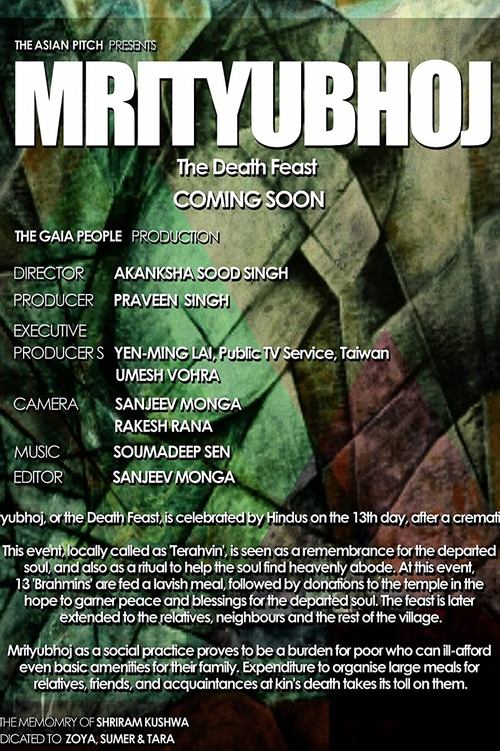
Mrityubhoj: The Death Feast

Hindus celebrate 'Mrityubhoj', or the Death Feast, on the 13th day after a cremation as a remembrance for the departed soul, and also as a ritual to help the soul find heavenly abode. However, today this practice has become akin to a status symbol and a reflection of a family's social standing. This film takes a fly on the wall approach, following a family in the Chambal district in India, as they get ready to organize a death feast following the demise of their father. Caught between tradition, societal pressure, and prestige on the one hand and on the other hand, activists trying to put a lid on the pernicious practice of Mrityubhoj, especially for the poor, it tries to capture their predicament of being caught between a rock and a hard place.


Mrityubhoj: The Death Feast

0.0 2019
Simplicity and Complexity

In a world subjected to an onslaught of saleable ideas and products, a world where we indulge beyond our means, is there a possibility of leading a life true to the values we believe in? To abstain from indulgence? ‘Sarala - Virala’ is an insight into a life of simple man, who remains steadfast and true to his beliefs in the midst of awards, popularity, wealth, and the materialistic new-age lifestyle. L. Narayana Reddy is an octogenarian organic farmer, imparting knowledge on environment-friendly agriculture gained from decades of practice to people from all walks of life. Narayana Reddy’s farming methods, the knowledge he shares and the lifestyle he leads is a stark contrast to the problem-laden modern farmer. It is this contrast that 'Sarala-Virala' dwells upon, thus documenting a man of example for present day society.

Simplicity and Complexity

0.0 2019
Are You Going to School Today?

The Film takes us to rural schools in the predominantly tribal district of Dungarpur in southern Rajasthan. With two Government school teachers as focal points, it explores the challenges of being a teacher and a student in fairly adverse circumstances. Children come from difficult contexts with very limited material resources, absentee fathers and younger siblings to attend to. How do teachers respond to this situation? How do they bring children to school and create an environment in which they are motivated to learn?

Are You Going to School Today?

0.0 2019
The Unsung

The Unsung is a film on a dying tribe on the coastal region of Karnataka, the Halakki Vokkaliga. This once culturally rich tribe with a treasure trove of folk songs, passed down orally from generations is now grappling against the tide of modernisation and westernisation. With only a handful of old ladies who identify with the tribe, their traditions and cultures, the passing of these few old women will see their very culture fading away. The film touches on the struggles of the tribe, the clash between modernisation and their culture, the fight to keep their forests alive and the painstakingly long battle to be included in the Scheduled Tribe list in India.

The Unsung

0.0 2019