40 Matches Found

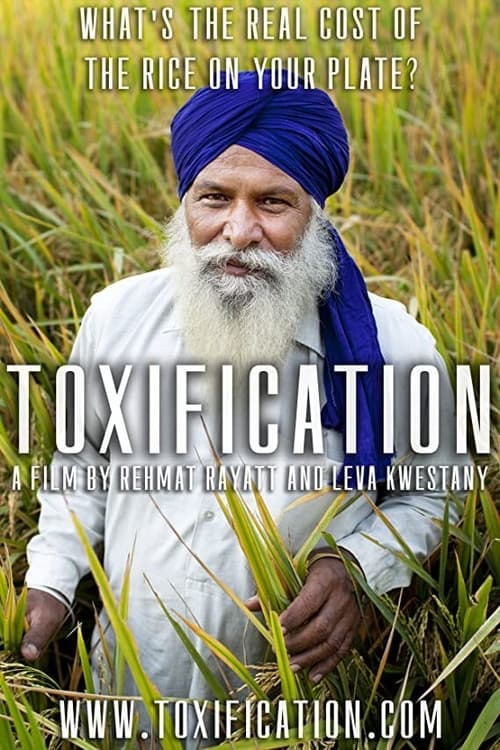
Toxification

India's prosperous Green Revolution was led by Punjab, a state in northern India famous for its lush rice fields and wet, fertile soil. But as farmers are conned into buying more and more pesticides, herbicides and fertilisers that they don't need, which demand often ten times more water, the water table is sinking at an alarming rate. Punjab's water has been poisoned by the chemicals, and the farmers poison their bodies with opium, helping them to work longer and harder. Loans from a middleman are taken out, with extortionate interest rates that are impossible to pay back. As a result, hundreds of Punjabi families are left without a father, husband or son as more and more farmers cave in under the pressure and drink their own chemicals to end their lives.

Toxification

0.0 2020
A Rifle and a Bag

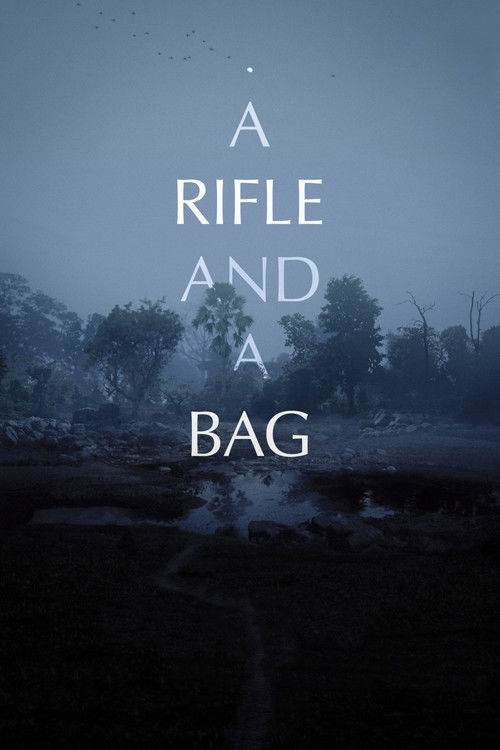
Somi is pregnant with her second child. A girl, she hopes. Together with her husband she prepares for this new phase of their parenthood. It means that their son has to go to school, but as an ex-Naxalite that is tough to achieve in contemporary India, where people like them are third-rate citizens. They lack the certificates and an opaque bureaucratic process doesn't help. Directors Isabella Rinaldi, Cristina Hanes and Arya Rothe of the NoCut Film Collective concentrate on Somi's close family ties, painting a portrait of ex-Naxalites in India. Once, Somi and her husband were communist rebels fighting for the rights of Indian tribes. However, to safeguard their family's welfare, they surrendered to the government in exchange for marginal compensation and simple accommodation.

A Rifle and a Bag

5.3 2020
Ee Bhoomeente Peru

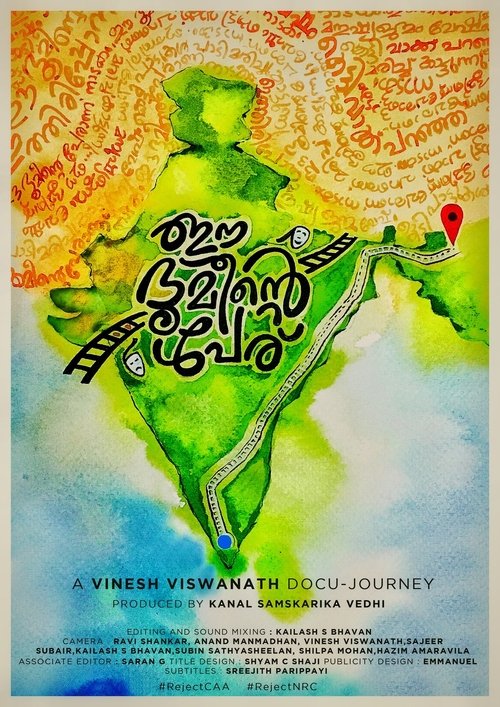
The world is moving at a very fast pace. Everyone is running around, chasing something to achieve. But theatre artists are the ones who step away from all this rush and immerse themselves in their own small yet vast world. In each of their theatre journeys, leaving everything else behind, what do they truly gain? At every theatre festival, what mark do they carry back with them? What does the stage give them in return? *Ee Bhoominde Peru* (The Name of This Earth) is the story of a dream — the dream of a group of theatre artists who are often unseen and unnoticed by the mainstream world. This is not just the story of a single theatre troupe; it reflects the experiences of all theatre troupes across the world. It is about the little dreams and desires of theatre artists around us, which we often overlook. Vinesh Viswanath has captured these moments and shaped them into a documentary journey.

Ee Bhoomeente Peru

10.0 2020
The New Generation Baul

"Notun Projonmer Baul which means The New Generation Baul is my journey into the Baul world, it was made in the year 2003. I was deeply 'effected', by the Baul Philosophy and their Music. Bauls are Mendicants or Bards in search of the, "Moner Manush", or the Man after my heart. They have deep suspicion of all man made boundaries and believe in the religion of mankind. Their world has no Maps or Countries, they believe in the religion of mankind, for them the worshipper and the shrine, reside inside the body and one has to dive deep below to soar beyond. Their songs are very esoteric and deeply spiritual." - Bonnie Chakraborty (Director)

The New Generation Baul

0.0 2020
Mannu - Sprouts of Endurance

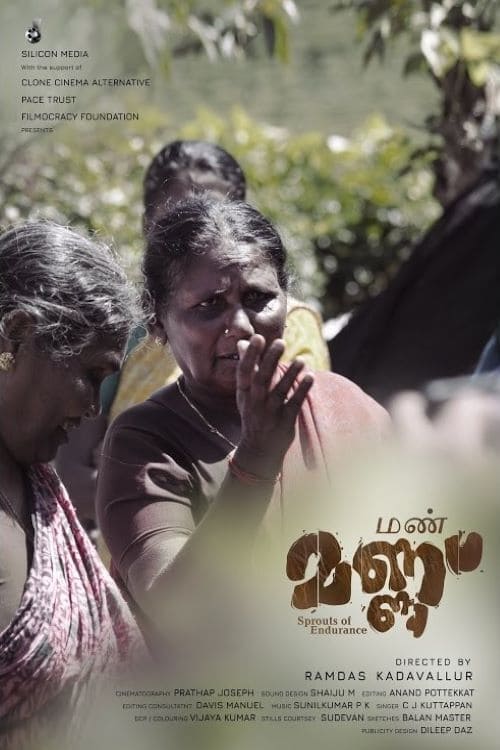
The Plantation strike led by the women tea plantation workers in Munnar, Kerala was a nine day strike, which further lead to the formation of Pempilai Orumai (women's unity) , a landmark movement in the labour union history of India. The strike has broke out on 2015, Sept 5 with around 5000 workers started their agitation in front of Kannan Devan Hills Plantations Ltd. Office, when management decided to scale down the bonus to 10 percent from 20 percent. The strike was a female labour movement first time in the history of India and was an attempt to demarcate the economical and gender disparities in plantation sector.

Mannu - Sprouts of Endurance

0.0 2020
Artist Talk: Nandita Kumar

Nandita Kumar is a new-media artist who works at the intersection art, science, technology, and community to creates interactive installations. She explores the elemental process through which human beings construct meaning from their experiences, by creating sensory narratives through the usage of sound, video / animation, and performance, smartphone apps, customized motherboards, solar / microwave sensors. Her interest lies in propelling the human race towards a sustainable development, which not only focuses on environmental protection but also on social development. Her process envisions a desirable future state for human societies in which living conditions and resource-use continue to meet human needs without undermining the "integrity, stability and beauty" of natural biotic systems.

Artist Talk: Nandita Kumar

0.0 2020
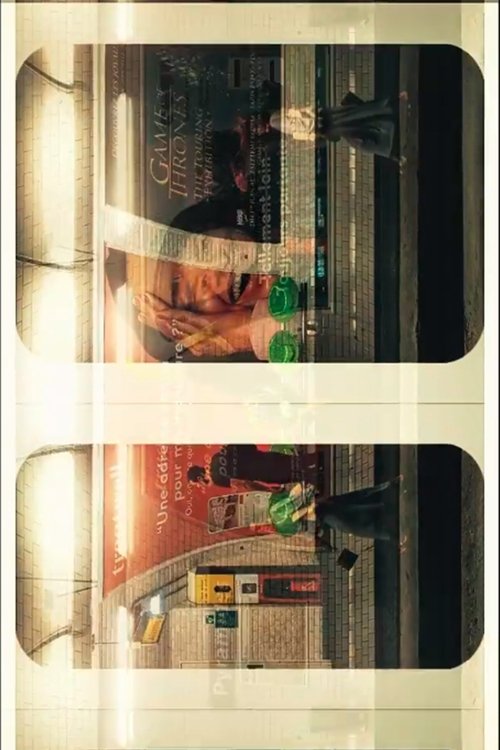
Home Address

Ghar Ka Pata is an autobiographical account of director Madhulika Jalali’s search for her identity as a Kashmiri Pandit woman. In the early 1990s, the six-year-old Madhulika and her household fled Rainawari—a quaint suburb of Srinagar—in response to Kashmir’s separatist insurgency. 24 years later, with no memory of her birthplace, she returns to visit with her family. In retracing her roots, Madhulika weaves a narrative that juxtaposes short, impromptu conversations, filmed on the streets of Rainawari, with a string of family anecdotes. These oral accounts of a bygone era reveal connections extending beyond religion and politics. On a personal level, Madhulika’s film underlines how the pain of exile can linger across generations.

Home Address

0.0 2020
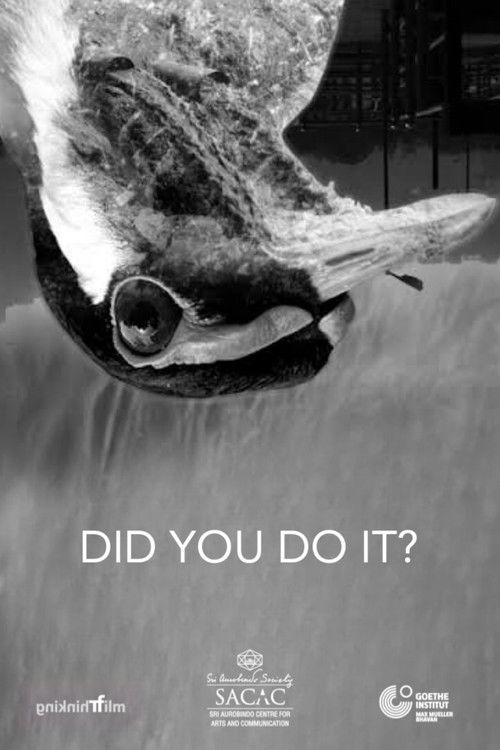
Did You Do It?

Set in Crossings Republik—a sub-city, neither urban nor rural, on the fringes of New Delhi—Did You Do It? explores the dynamics between natural resources and human intervention. Director Aditi Bhande moved to this ‘integrated city project’ with her family last year. After days of commuting to Delhi through a landscape of farms, high-rises, villages, factories and the polluted Hindon river, she reached an epiphany of horror. Where did the water to grow the food she ate come from? Where did the garbage she threw out go, and where did it end up? How was her everyday reality connected to the wider one around her?

Did You Do It?

0.0 2020