117 Matches Found

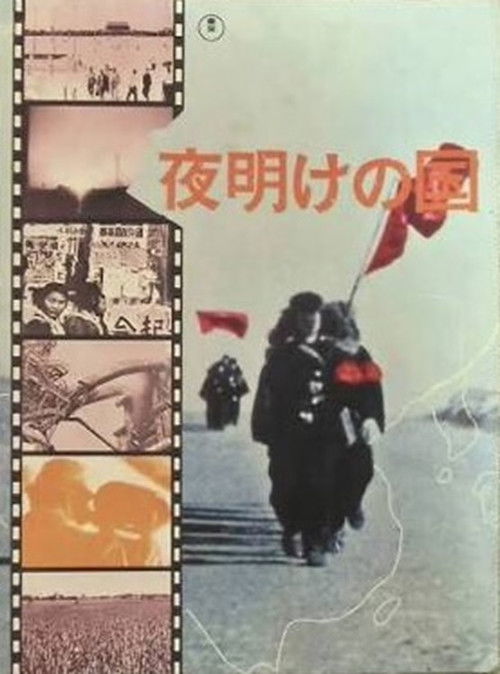
The World of the Siberians

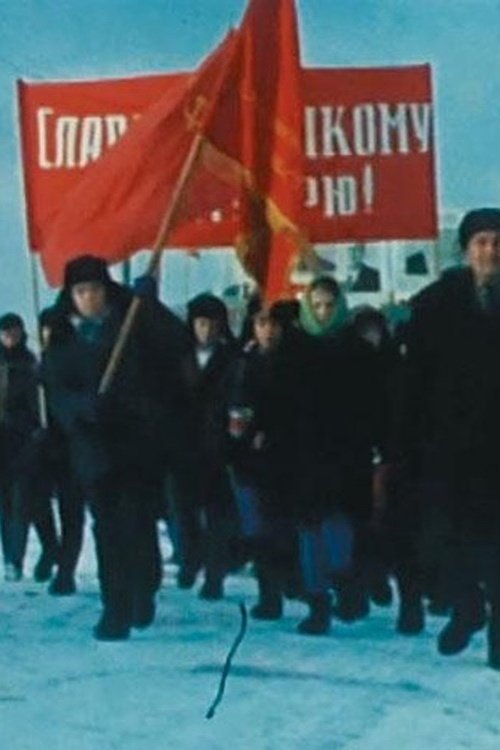
Tsuchimoto made this travelogue film in 1967, documenting a five-month journey from the port city of Nakhodka on the coast of the Sea of Japan, to Moscow on the 50th anniversary of the Russian Revolution. Beautifully shot in colour, Tsuchimoto moves the camera from celebrations and official parades to the expressions of ordinary daily life, portraying the experiences of young people in Siberia. This commissioned film was televised, but this theatrical version was never released, and it is rarely shown.

The World of the Siberians

0.0 1968
The Masseurs

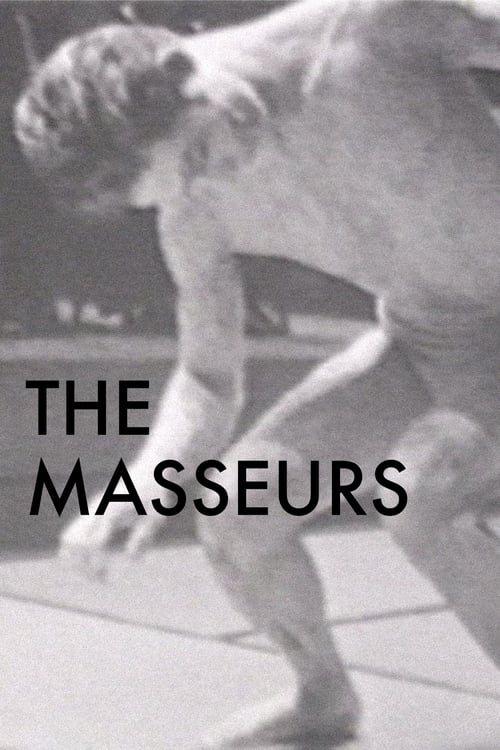
Anma (The Masseurs) is a representative and historical work by the creator of Butoh dance, Tatsumi Hijikata in his early period in the 1960s. The film is realized not only as a dance document but also as a Cine-Dance, a term made by Iimura, that is meant to be a choreography of film. The filmmaker "performed" with a camera on the stage in front of the audience. With the main performers: Tatsumi Hijikata and Kazuo Ohno, the film has the highlights such as Butohs of a soldier by Hijikata & a mad woman by Ohno. There is a story of the mad woman, first outcast and ignored, at the end joins to the community through her dance. Inserted descriptions of Anma (The Masseurs) are made for the film by the filmmaker, but were not in the original Butoh. The film, the only document taken of the performance, must be seen for the understanding of Hijikata Butoh and the foundation of Butoh.

The Masseurs

0.0 1963
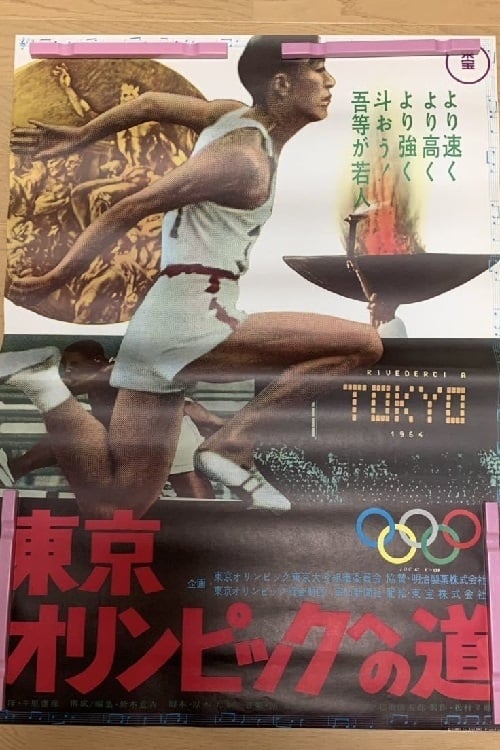
Record of a Marathon Runner

This was a sponsored documentary film by director Kazuo Kuroki of Japan. This highly artistic film focused entirely on Japanese marathon runner Kenji Kimihara. Kimihara finished eighth in the 1964 Olympic marathon with a time of 2:19:49. He had previously won the Japanese trials in 2:17:11 on April 12th of that year. He competed in a total of three Olympic marathons in all (finishing 2nd in 1968, and 5th in 1972) and he won 9 of 18 marathons prior to the Mexico City Games, including the Boston Marathon in 1966. Kimihara’s personal best was 2:13:25.

Record of a Marathon Runner

0.0 1963
Mon-Yo: Ornamental Motifs from Japan

This is a documentary centered on traditional Japanese patterns. To capture the unique sensibility of the Japanese people, the film features 170 kimono fabrics from the Muromachi to Edo periods, along with over 1,000 family crests that have been passed down through generations. These elements are presented using avant-garde visual techniques. Viewed from a modern perspective, the film transforms the exceptional patterns created by the Japanese in the past into a completely new illustrated scroll. The entire documentary contains no narration, relying solely on visuals and music to convey its message.

Mon-Yo: Ornamental Motifs from Japan

0.0 1963
The Oppressed Students

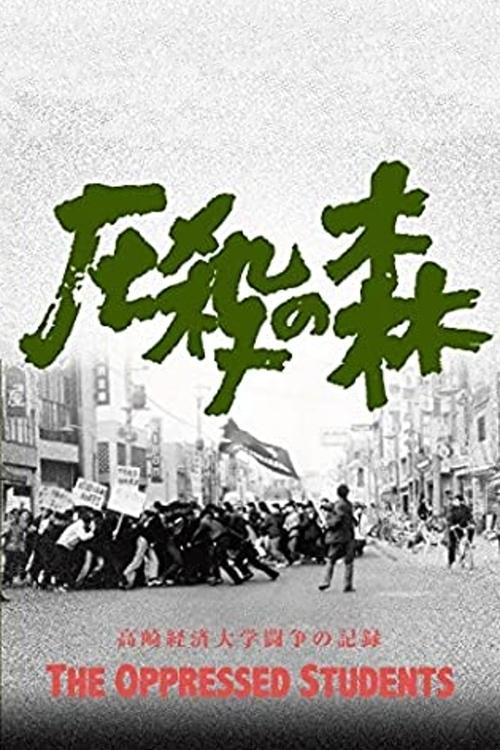
A galvanising documentary about the organised resistance of a group of students barricaded at the Takasaki City University of Economics. The university student struggles at the end of the 1960s in Japan were the culmination of over a decade of protests, social dissent and political unrest. All this gave energy to the student movement, which displayed original and sustained forms of organisation and resistance against the government and which would spread to universities all over the country. Together with the filmmakers of the recently formed collective Jieiso, Ogawa Shinsuke joined a group of students barricading themselves inside the Takasaki City University of Economics. Shot over the course of a year, this film documents the nature of the political discussion and organisation as well as the fierce debates going on among the students and their violent struggles with the authorities. Credit: ICA London

The Oppressed Students

6.8 1967
Summer in Sanrizuka

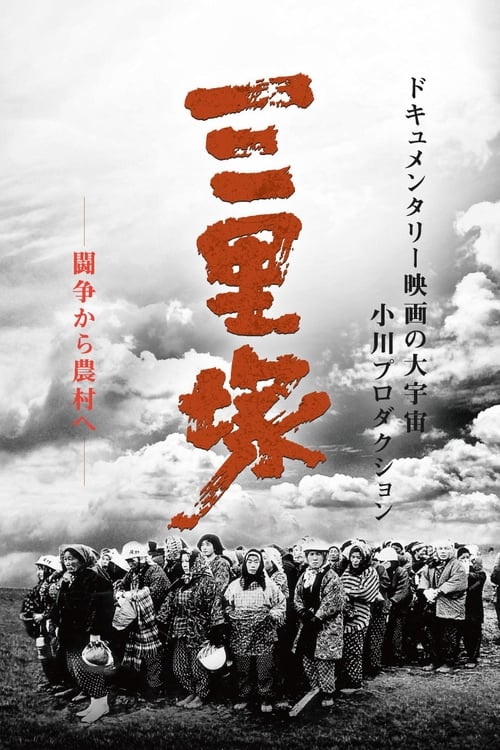
In 1968, Ogawa decided to form Ogawa Productions and locate it at the newly announced construction site of Narita International Airport in a district called Sanrizuka. Ogawa chose to locate his company in the most radical of the villages, Heta. Some farmers immediately sold their land; others vehemently protested and drew the support of social movements across the country. Together they clashed with riot police sent in to protect surveyors, who were plotting out the airport. Summer in Sanrizuka is a messy film – its chaos communicating the passions and actions on the ground.

Summer in Sanrizuka

6.2 1968
An Engineer's Assistant

"In my filmography, An Engineer’s Assistant (1963) is called my “first film.” This PR film on the safety of the Japanese National Railways was designed to be “self-criticism” after the big accident on the Joban line at Mikawashima Station, which had occurred in 1962. Right after the events back then, the responsibility for the accident was considered to be negligence of the engineer and the engineer’s assistant. The topic of this project was the promotion of a new device to avoid accidents. However, I had seen that the true cause of the accident was a congested service schedule, and I consciously placed emphasis on the depiction of the actual work of the engineer and his assistant, and of those who had chosen the route and were responsible for safety on the line on which the accident took place."

An Engineer's Assistant

5.0 1964
Poem of the Young Hearts

An independently produced documentary about growing up as a blind youth in 1960's Japan. It focuses on a group of elementary level students being taught by Mr. Kawai at the Zoshigaya Branch of Tokyo Educational University. Filmed over 12 years, the documentary tracks these student's lives up through their young adulthood. It follows the journey of one student in particular, Kiyoshi Hasegawa, a young boy who eventually learns a passion for music and wants to become a recording artist. Expanded from director Hideo Hamada's documentary short "But We Can Gaze!"

Poem of the Young Hearts

0.0 1969