144 Matches Found

The Glacier Fox

Director Koreyoshi Kurahara chronicles a year in the lives of Flep and Leila, two foxes living in Hokkaido, Japan's northernmost island, where the freezing winters are long and the mild summers short. After Flep defeats another male fox to become Leila's lifelong partner, they mate and raise a litter of five kits. With their family complete, the group must contend with human interference in their habitat, such as chicken farms and snowmobiles, and struggle against the debilitating cold of winter. The animals experience both triumph and tragedy, as the law of this harsh land proves – only the strong survive.

The Glacier Fox

7.8 1978
That's a UFO! The Flying Saucer

UFOs and aliens from beyond the stars are common themes in media, entertainment, and other forms of science fiction; however, many individuals have sworn they have seen UFOs and have been abducted in real life! Sit back and watch as the makers of Mazinger take you on a journey through the history of UFO lore. Could it be that UFOs are real and that aliens watch us from afar? In the end, only you can be the judge. This was used for promotion of the then upcoming animated film, "Battlefield of the Space Saucers".

That's a UFO! The Flying Saucer

5.2 1975
Extreme Private Eros: Love Song 1974

When his wife, the outspoken feminist Miyuki Takeda, announced that she was leaving him in order to find herself, Kazuo Hara began this raw, intensely personal documentary as a way to both maintain a connection to the woman he still cared for and to make sense of their complex relationship. Granted at times shockingly intimate access to Miyuki’s personal life, Hara follows her wayward journey toward liberation as she explores her sexuality with both men and women, becomes pregnant and raises a family as a single mother, and grows increasingly disenchanted with the constraints of traditional social structures.

Extreme Private Eros: Love Song 1974

6.8 1974
The Shocking History of the Death Penalty

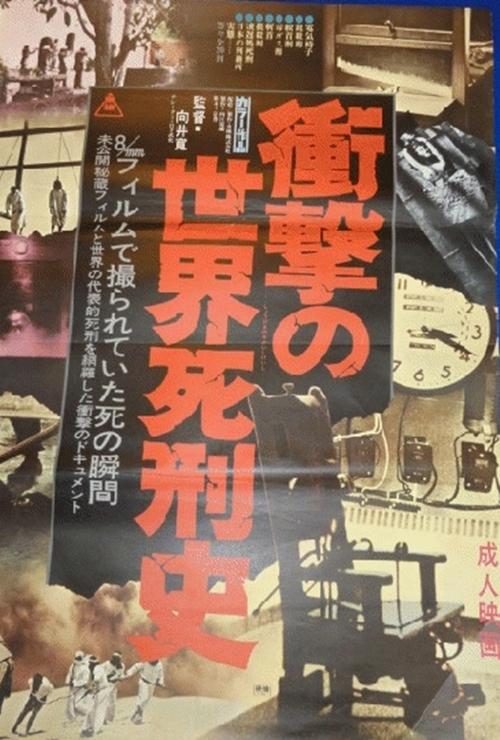
Do humans have the right to judge and kill other humans? This program includes a history of capital punishment around the world through documentary footage and commentary. The electric chair, firing squad, hanging, poison gas, beating to death, slow execution, crotch-splitting, iron maiden, guillotine, execution by running, and beheading... It features a military execution in a South American country, obtained from a former prison officer. It also includes footage of the reality of life in Japanese prisons, death row inmates facing death, the parents of death row inmates, the families of their victims, and the gallows.

The Shocking History of the Death Penalty

2.0 1977
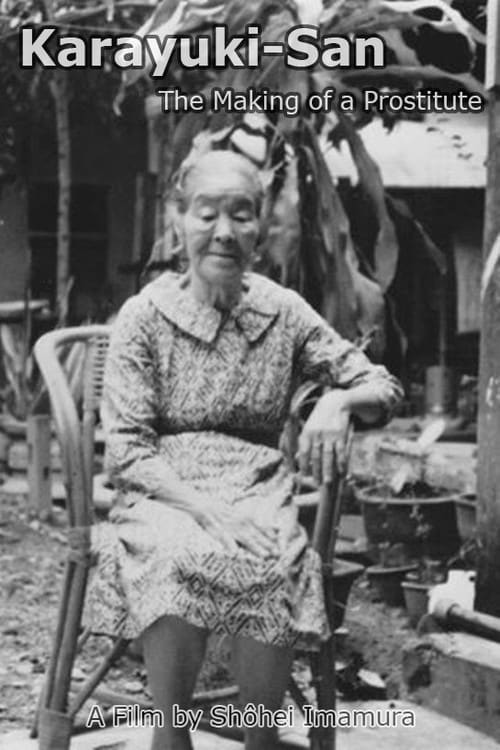
Karayuki-San, the Making of a Prostitute

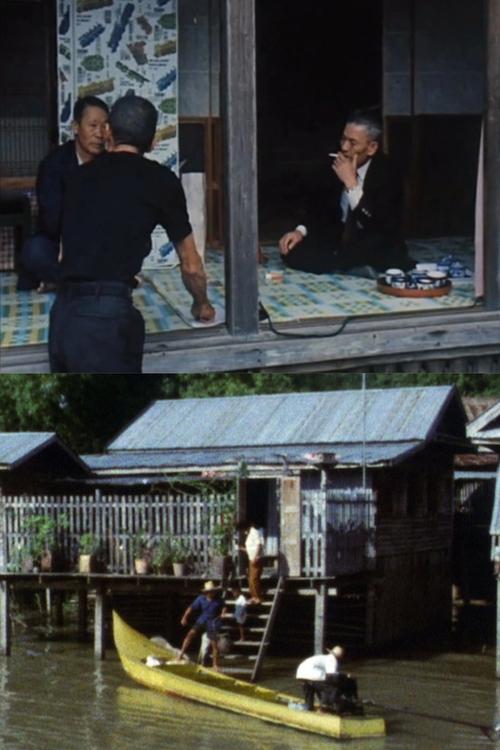
Karayuki-san, the Making of a Prostitute is a 1975 Japanese film by director Shohei Imamura. It is a documentary on one of the Japanese "karayuki-san," who were women that were taken from their homes in Japan and used as prostitutes in the post-war period. Many of these women were told that they were doing this to support their families because of the extreme poverty that the war left much of Japan to live in. Imamura focuses on a particular such woman who was sent to Malaysia and never returned to Japan. Joan Mellen, in The Waves at Genji's Door, called this film, "Perhaps the most brilliant and feeling of Imamura's fine documentaries."

Karayuki-San, the Making of a Prostitute

7.5 1973
Outlaw-Matsu Comes Home

“In Search of Unreturned Soldiers was about former soldiers of the Japanese army who chose not to return to Japan after the war. I found several of them who had remained in Thailand. Two years later, I invited one of them to make his first return visit to Japan and documented it in Outlaw-Matsu Returns Home. During the filming, my subject Fujita asked me to buy him a cleaver so that he could kill his ‘vicious brother.’ I was shocked, and asked him to wait a day so that I could plan how to film the scene. By the next morning, to my relief, Fujita had calmed down and changed his mind about killing his brother. But I couldn’t have had a sharper insight into the ethical questions provoked by this kind of documentary filmmaking.” —Shôhei Imamura

Outlaw-Matsu Comes Home

6.3 1973
Cruel Famine Continent

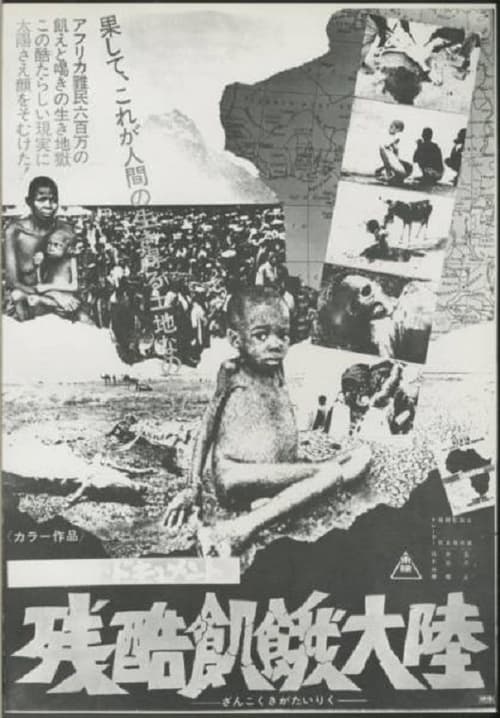
Cruel Famine Continent documents the Great Sahelian drought in West Africa and its effect on the people. The production was an attempt to pivot Toei's output from yakuza films and Toei Porn towards "global issues" and "whatever makes money", as stated by then-Toei president Shigeru Okada. Theatrical proceeds were to be shared as relief funds through the Japanese Red Cross, though the box office returns are unknown. Footage shot for the documentary by Yoshimitsu Banno would later be reused in the 1974 Toho production Prophecies of Nostradamus.
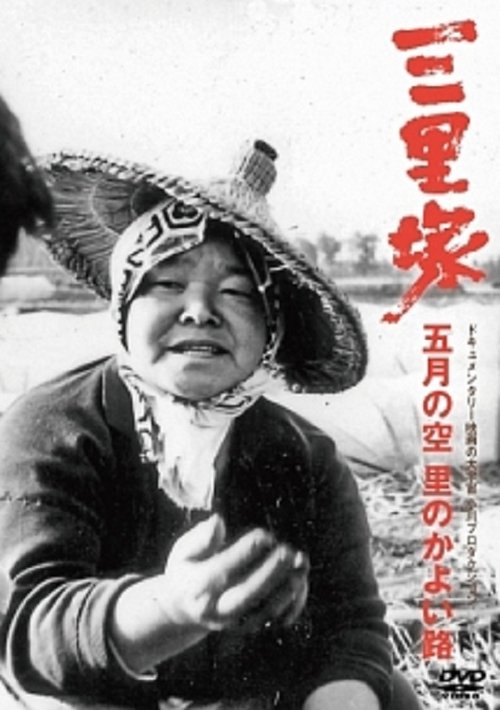
Cruel Famine Continent

0.0 1973
Dokkoi! Songs from the Bottom

After the waning of the protests in Sanrizuka, Ogawa Pro started questioning the future of the collective and looking for other subjects to film. Following the method developed in the previous films, the filmmakers moved to the slum of Kotobuchi in the port city of Yokohama, where more than 6000 people were struggling to get by without any means of survival, exposed to industrial accidents and diseases. The result is one of the most moving films produced by the collective, a series of beautifully filmed portraits, voicing the silenced stories and songs of a group of people living in this community. Credit: ICA London
Dokkoi! Songs from the Bottom

0.0 1975
History of Postwar Japan as Told by a Bar Hostess

Postwar Japan as it is described by Etsuko, the manager of a bar catering to foreigners in Yokosuka. The way of life of a woman brimming with vitality, who skipped the countryside right after the war and, with her womanhood as a weapon, lived through atomic bombings, black markets, prostitution aimed at American soldiers and the Korean War. Inserting newsreels, Shohei Imamura depicts the history of twenty-five years in the Japanese postwar by way of the female body. (doclisboa)

History of Postwar Japan as Told by a Bar Hostess

6.0 1970
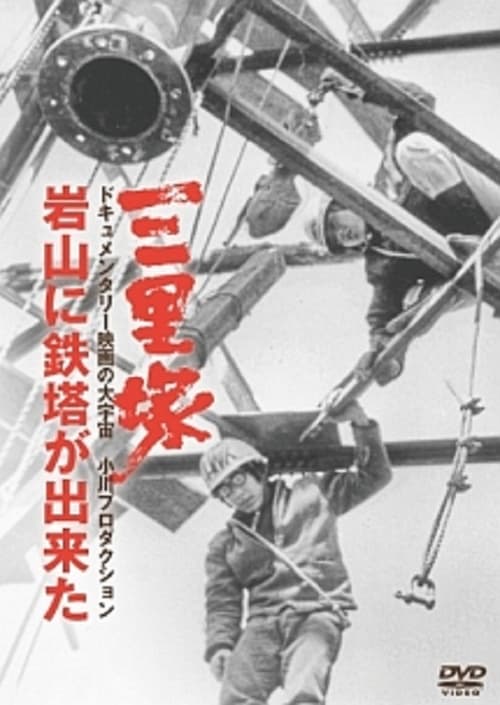
Sanrizuka: The Sky of May

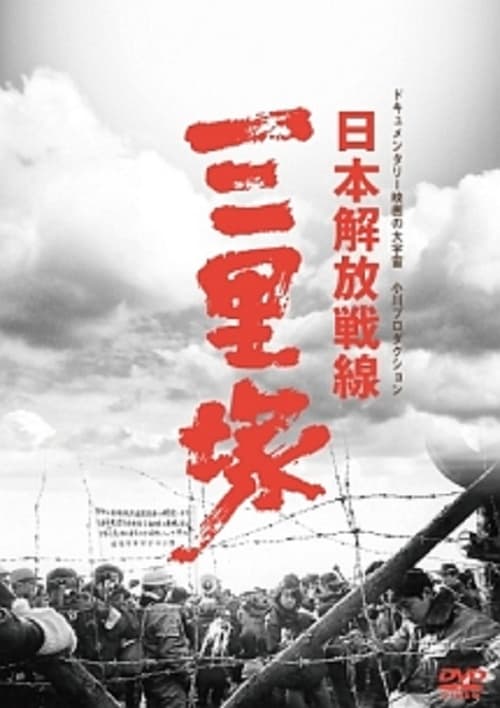
In the mid-1970s, protests were waning across Japan after the Red Army scandal of Asama Cottage. In Sanrizuka, people were weary of the violence and the airport was well under construction. As for Ogawa Productions, they invited criticism by pulling out and moving to a quiet village in northern Japan. But when protesters back in Sanrizuka erected a tall tower at the end of one runway, they sent a crew to document what happened. This became the final film of the Sanrizuka Series.

Sanrizuka: The Sky of May

5.0 1977
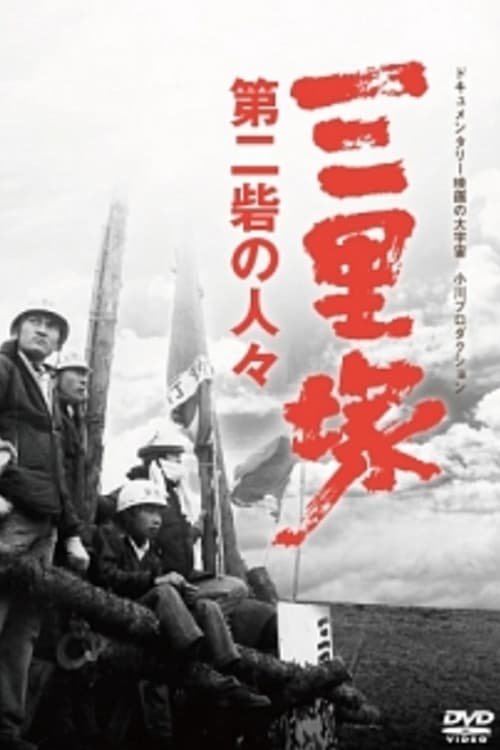
Narita: The Peasants of the Second Fortress

"Narita: The Peasants of the Second Fortress" (1971) chronicles a decisive phase in the struggle against the construction of the Narita International Airport, as farmers in Sanrizuka adopted new defensive tactics, including the construction of fortified towers and underground shelters. As police forces moved to dismantle these structures, confrontations intensified. The film combines scenes of direct conflict with extended conversations between Ogawa and the farmers, documenting both the physical resistance and the sustained community organizing that defined this stage of the protest.

Narita: The Peasants of the Second Fortress

5.7 1971