68 Matches Found

Shanghai Landing Party

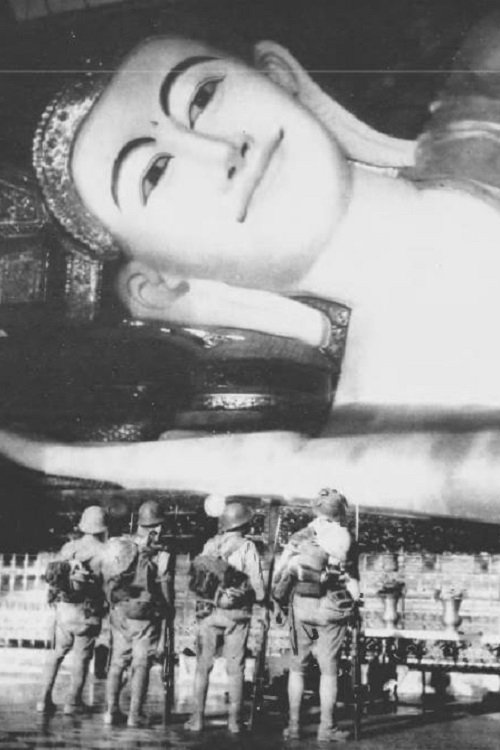
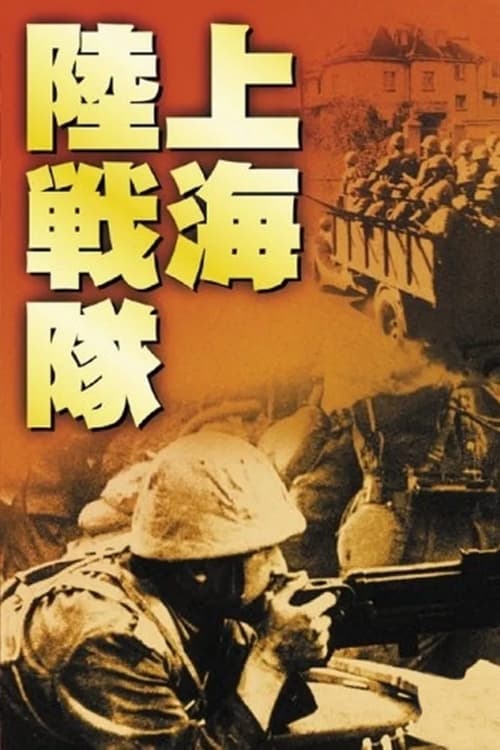
This film attempts to reconstruct the tension of the Battle of Shanghai through an episode in an understated way, introducting its story in a documentary mode. In the film story, Japan's marine regiment protects Japanese residents and Chinese refugees-women and young children-from rampant street fighting, Shanhai Rikusentai unsparingly uses its first eight minutes for an official-mannered self-justification of the war. From the viewpoint of explaining Japan's military operation,the narration refers to the city s spatial division in sync with maps on screen.

Shanghai Landing Party

5.0 1939
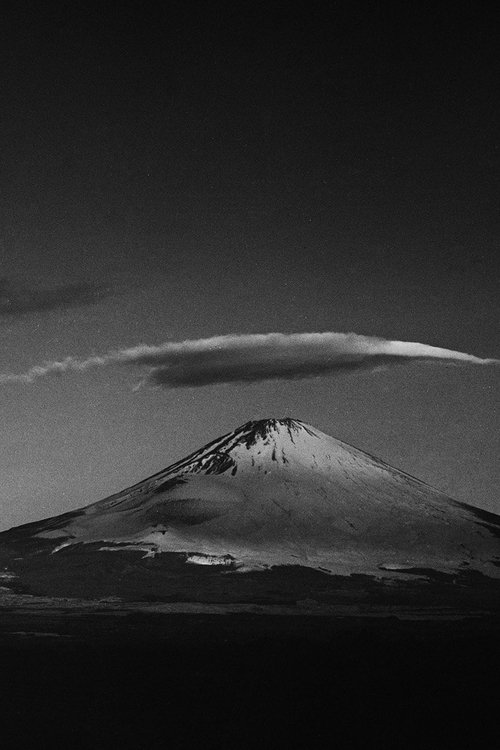
Mount Fuji – The Movement of Clouds

In 1927, meteorologist Masanao Abe (1891-1966) established the Abe Cloud Air Current Research Observatory on the heights of Gotemba in Shizuoka Prefecture. Until 1942, through his contributions to research magazines and publications, he worked on elucidating the formation process of clouds above Mount Fuji. He left a colossal archive representative of modern meteorology, including pictorial records of every kind-- this one an early success, artistically.

Mount Fuji – The Movement of Clouds

0.0 1929
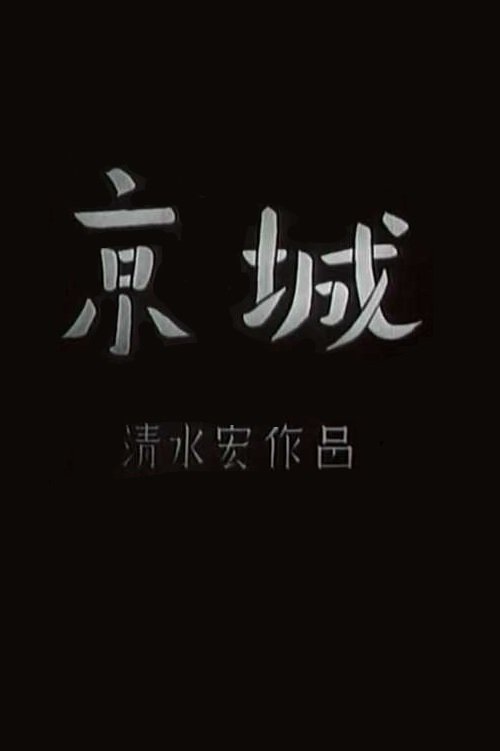
Keijo

This documentary was produced on the request of the Korean railway-organisation during the Japanese occupation of Korea. The news-coverage in those days was aimed at strengthening the public opinion that Korea and Japan were indissolubly allied. This film, as many other films in those days, was meant to clearly propagate this pact. However, the director of this film, Shimizu Hiroshi, only shows streetscenes. He films without the ideology that was so common in this kind of films. He registers the people in the street in their daily occupations.

Keijo

0.0 1940
Across the Equator

Tsuburaya served both as director and cinematographer of this feature-length national policy documentary, supported by the naval ministry, which creates a sketch of life among cadets aboard a naval training vessel on a voyage around Indochina, Malaya, Hawaii and the South Pacific islands. The film clearly outlines the economic motives behind Japan’s southward expansion, but also presents the music and dance traditions of various regions, in what has been termed “folklore through sound”.

Across the Equator

0.0 1936
Tragedy of Japan

Using mostly footage from Nippon News newsreels, this film explains the history of Japanese aggression, from the Manchurian Incident to the Pacific War. The governing classes of Japanese capitalism planned and carried out the war project to acquire foreign markets. and while most people were forced into poverty, the capitalists became rich. The special political police detained Communists and those who opposed the war. With the rise of fascism, Japan’s tragedy begins.

Tragedy of Japan

0.0 1946
Yamamoto Senji Watanabe Masanosuke Worker-Farmer Funeral

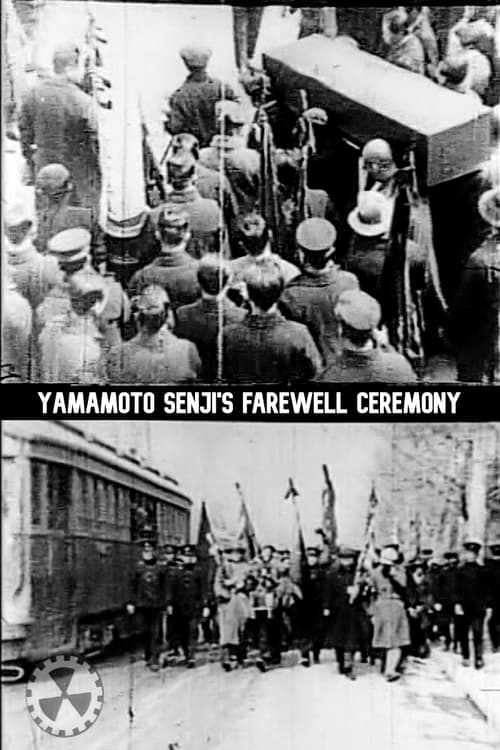
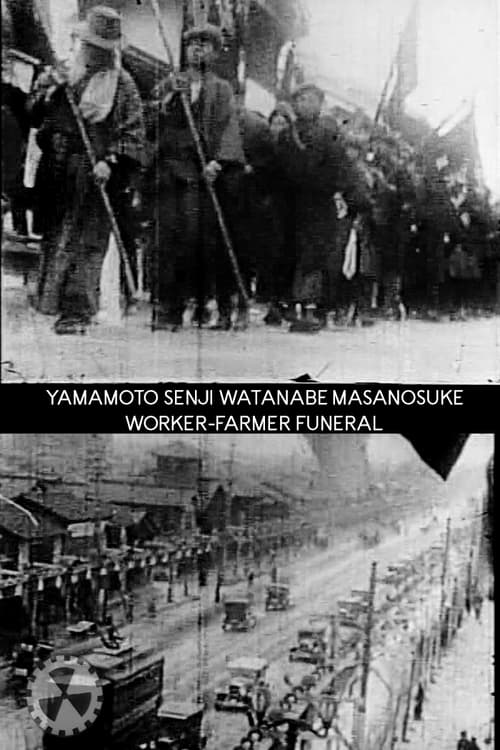
After his Tokyo farewell ceremony, Yamamoto's ashes were sent to Kyoto on March 9. Many friends and citizens gathered at his home in Uji. On the 15th a worker-farmer funeral was held at the Sanjo YMCA. Prokino's Kyoto Branch shot these five days of activities. The long line of cars is filled with taxis, whose drivers deeply admired Yamamoto. The Watanabe in the title refers to the head of the Communist Party of Japan. Watanabe was returning to Japan from Taiwan when he was stopped by authorities. He committed suicide in their custody. Yamamoto and Watanabe were mourned together.

Yamamoto Senji Watanabe Masanosuke Worker-Farmer Funeral

0.0 1929
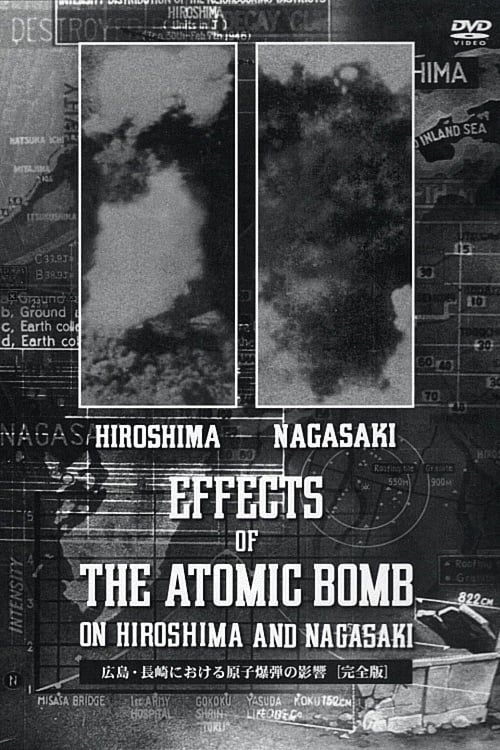
Effects of the Atomic Bomb on Hiroshima and Nagasaki

This was the only documentary made in the aftermath of the atomic bombings of 1945. Japanese filmmakers entered the two cities intent on making an appeal to the International Red Cross, but were promptly arrested by newly arriving American troops. The Americans and Japanese eventually worked together to produce this film, a science film unemotionally displaying the effects of atomic particles, blast and fire on everything from concrete to human flesh. No other filmmakers were allowed into the cities, and when the film was done the Americans crated everything up and shipped it to an unknown location. That footage is now lost. However, an American and a Japanese filmmaker each stole and hid a copy of the film, fearful that the reality of Hiroshima and Nagasaki would be hidden from history. Eventually, these prints surfaced and became our only precious archive of the aftermath of nuclear warfare -- a film that everyone knows in part, yet has rarely seen in its entirety.

Effects of the Atomic Bomb on Hiroshima and Nagasaki

0.0 1946
Kawasaki Mitsubishi Strike

In the summer of 1921 (Taisho 10), a major labour dispute broke out at the Kawasaki-Mitsubishi shipyard in Kobe. The Kawasaki-Mitsubishi dispute is said to be the largest labour dispute in the pre-war period, with an unprecedented scale of 30,000 participants. The dispute, which had been fiercely fought for more than 40 days under the scorching sun, ended with the declaration of defeat by the workers. This live-action film, only nine minutes long and silent, provides a glimpse into the grand demonstration on July 10th, when the dispute was at its peak. Filming was done by the Nikkatsu film crew at the request of the Ohara Institute for Social Research.

Kawasaki Mitsubishi Strike

0.0 1921
The 12th Tokyo May Day

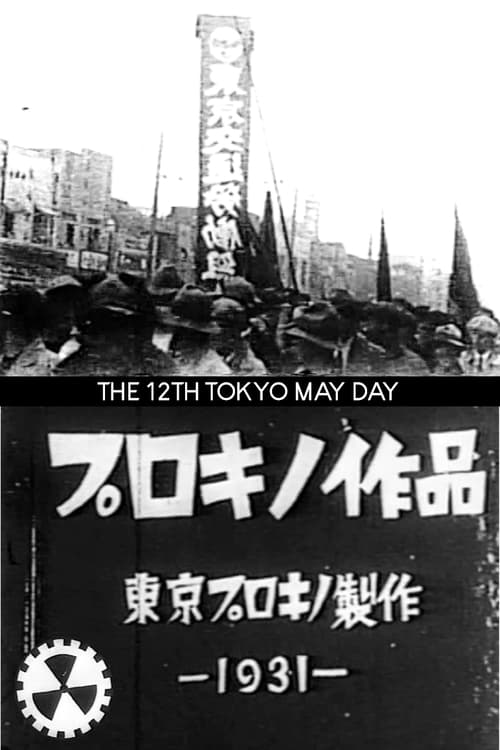
On May 1st, unions all over Japan celebrate May Day, the international day for workers. Workers gather together at parks and hold demonstrations and parades. May Day has its origins in a strike that occurred in the United States on May 1, 1886, a strike that called for an eight-hour workday. Prokino recorded the May Day every year from 1927 to 1932. Among these films, this work is the only one that has survived. However, only its first part has survived. The original film depicts the march to the Ueno Park where the rally was dismissed. Iwasaki Akira coordinated the entire Tokyo Prokino organization as it photographed the 1931 May Day celebrations. They shot in both 16mm and 35mm (other 35mm productions were planned, but this is the only one that achieved completion). A 16mm print was circulated around the countryside by mobile projection units, and a 35mm print was shown at Soviet film nights in Tokyo and Osaka.

The 12th Tokyo May Day

0.0 1931
Malaya War Record: A Record of the Onward March

A feature-length wartime documentary compiled by Nihon Eigasha, Malayan War Record: A Record of the Onward March chronicles Japan’s 1941–42 campaign from the Malayan Peninsula to the fall of Singapore. Built from Japanese newsreels and confiscated British material, the film depicts key operations and ceremonies surrounding the British capitulation at the Ford Factory, functioning as morale-boosting propaganda for home and occupied audiences. First part of the two-film Mare Senki series; the companion title is Birth of Syonan-to.

Malaya War Record: A Record of the Onward March

0.0 1942
In the Rear in Joseon

This is a propaganda film that promotes Japan's victory in the Sino-Japanese War in 1937 and orders that Koreans to be ready for battle and armed with the Yamato (Japanese) spirit. Women are exhorted to donate a spoonful of rice each time they cook, while men are advised to quit drinking and smoking and donate the money they save to the war effort. The film illustrates how the Japanese colonial rule gave each person a role, however small, so that everyone could serve in the wartime machine. Acquired in 1993.

In the Rear in Joseon

0.0 1938
The Sheep in Northern Joseon Speak

In the 1930s, Japan implemented a colonial policy called the “Policy of Sheep for North and Cotton for South.” The policy forced cotton cultivation in the southern region of the Korean Peninsula and sheep raising in the north in order to secure raw materials for its own industry. The film chronicles the process of transporting thousands of sheep on a boat from Australia to the Unggi region (now Seonbong in North Korea), how the sheep adapt after their arrival, and the process of wool production. The narration of the film, which appears as intertitles, is from the sheep's point of view, giving the film a whimsical, children’s-movie-like touch. Although the film hides its purpose of explicit propaganda behind its family-friendly format, it is of great importance; it gives us a glimpse into one aspect of the policy of expropriation of cotton and sheep under the Japanese colonial rule in the 1930s. Acquired in 2010.

The Sheep in Northern Joseon Speak

0.0 1934
Divine Soldiers of the Sky

Released in September 1942 by Nippon Eigasha, this 55-minute kokusaku (national policy) documentary follows Japanese paratroopers through every stage of their training—from gymnastics and parachute packing to tower drills and their first jumps from aircraft. Produced under the supervision of the Army Aviation Headquarters, the film embodied wartime ideology and propaganda aims. Widely popular at home and in occupied territories, it was accompanied by a theme song that helped brand its soldiers as “saviors from the sky.”

Divine Soldiers of the Sky

0.0 1942
Japanese Chronicles

The film begins with a number indicating that the number of volunteers for the army increased sharply from 1938 to 1940 (by 35 times) after the National Mobilization Law was promulgated in 1938. It shows scenes of the volunteers in a boot camp such as close-order drill, bayonet drill, and guerrilla training. The boot-camp scenes reveal the frantic urgency of the wartime system in the early days of the Pacific War that literally 'mobilized' all human and material resources. After the volunteers are summoned to boot camp in the morning, they all pay their respects toward the Japan's Ise Grand Shrine across the sea. It once again reminds us of the sorrow of losing one’s own country to invaders. Acquired in 1994.

Japanese Chronicles

0.0 1943
Korean Newsreel #11

The film is a war-propaganda newsreel film produced when Japan’s defeat in the Pacific War was imminent. The film covers the visit to the birthplace of the late Captain Choe Myeong-ha (Takeyama in Japanese), the first Korean-born Air Force officer who was killed in an operation to attack an airfield on Sumatra. It introduces the captain's parents and keepsakes, and follows junior officers undergoing military training at the captain's alma mater. The film also covers the training of young sailors, the process of making pine coal oil using rosin, the achievement of 1.2 billion won of savings, and mining ore for military supplies. Acquired in 1994.

Korean Newsreel #11

0.0 1943
Ondol

This documentary film was produced by the Japanese Government-General of Joseon to introduce Joseon's ondol (a traditional Korean sub-floor heating system) and winter culture to Japan. The film takes a close look at the heating mechanism of the ondol, the installation process, how Koreans get through the winter in a house equipped with ondol, children's various winter games, and a visit to a kitchen, where 'gourd dippers' (unfamiliar to Japanese people) are shown and Korean names for things, such as ‘food blade' for a kitchen knife, are described. This film’s tone resembles an anthropological report. The ending is also impressive. The film beautifully utilizes the sound of fulling cloth resonating quietly on a winter night. Collected in 2020, and transferred in 4K resolution.

Ondol

0.0 1941
Iyomande: The Ainu Bear Festival

Documents the most important ceremony of the Ainu people of northern Japan. For both the Ainu – and the peoples of the Amur river area on the mainland – the bear is an important spirit ancestor, and the annual ceremonial year used to revolve around ceremonies of the bear cult, where a bear is ritually killed and its spirit honoured. Also documented are aspects of Ainu daily life in the 1930s: houses, boats, ornate swords, religious artifacts, and the elaborately tattooed mouths of the older women. There are two shortened versions (28 and later 25 minutes) of this documentary edited in the 1960s. Although shorter, these versions include some new images that Munro had not sent to England.

Iyomande: The Ainu Bear Festival

0.0 1931
Gichin Funakoshi

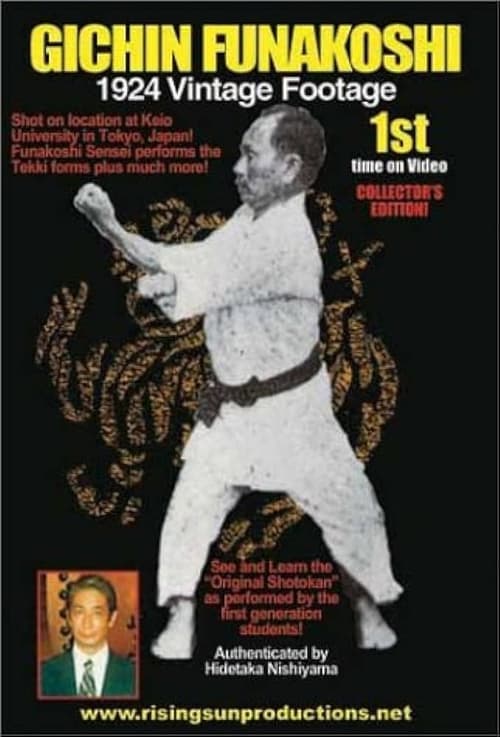
Considered to be the father of modern karate and the originator of the shotokan style, Sensei Gichin Funakoshi is captured on this remarkable documentary film demonstrating the Tekki 1, 2 & 3 katas and the meykyo kata shot c. 1924. Shot on location at Keio University in Tokyo, Japan at the Keio Karatebu (Karate club of Keio) which was the first University to adopt Karate into it's physical education curriculum. In addition to Sensei Funakoshi, there is lots of other footage covering the training of the University students and summer training camps (Shochu keiko) at the beach. (Ryukyu)

Gichin Funakoshi

0.0 1924