A nostalgic look at the birth and death of arthouse film distribution in Russia in the early 2000s. The story of the company Cinema Without Borders and its two founders, Sam Klebanov and Anton Mazurov.
Plankton Salesmen
0.0 2017
1,633 Matches Found
A nostalgic look at the birth and death of arthouse film distribution in Russia in the early 2000s. The story of the company Cinema Without Borders and its two founders, Sam Klebanov and Anton Mazurov.

Dedicated to the 80th anniversary of Andrei Tarkovsky. The film uses unique materials related to the years Tarkovsky spent in Italy, personal accounts of friends and professionals, the shooting locations of his films, to what degree his works reflects his personal life. The film brings us closer to the man to whom contemporary filmmaking owes so much.
The strange case of Mikhail Khodorkovsky — once believed to be the wealthiest man in Russia — who rocketed to prosperity and prominence in the 1990s, served a decade in prison, and became an unlikely martyr for the anti-Putin movement.
Andrei Tarkovsky is the most famous Russian director, often called a genius during his lifetime. He made relatively few films, but each has become a classic of world cinema, including "Andrei Rublev," "Solaris," "Mirror," and "Stalker." His films seem to be crafted from air, water, fire, deep emotions, and even his own dreams. This art is profoundly sincere and confessional, but what about the creator behind it? What was this god-like figure like, living a mortal life filled with weaknesses, fears, and doubts?
This film is not about Oleg Yankovsky in the usual sense: not a biography of a great actor, not a review of roles. And not the sharp facts from his personal life. Although it's all in the film: a dramatic fate, unknown pages of biography. Like any great actor, he possessed a secret - he did not tell both in the movies and in life. But his main gift was not even acting. Yankovsky was talented at making people fall in love with him. I wanted to look at him again and again: that's why they loved him and still love him.
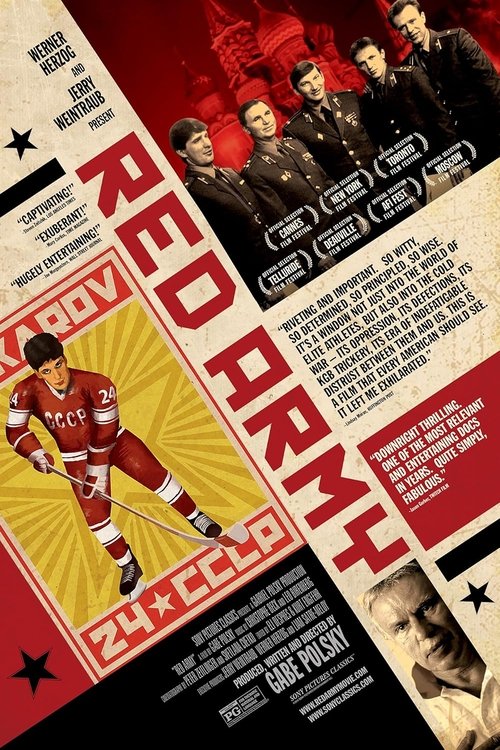
A documentary highlighting the Soviet Union's legendary and enigmatic hockey training culture and world-dominating team through the eyes of the team's Captain Slava Fetisov, following his shift from hockey star and celebrated national hero to political enemy.
An account of the life and work of Russian filmmaker Andrey Tarkovsky (1932-86) in his own words: his memories, his vision of art and his reflections on the fate of the artist and the meaning of human existence; through extremely rare audio recordings that allow a complete understanding of his inner life and the mysterious world existing behind his complex cinematic imagery.
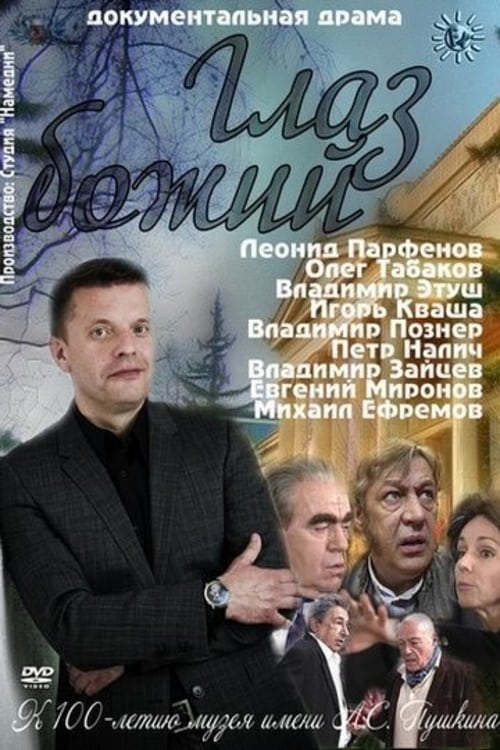
The «Eye of God» is dedicated to the 100th anniversary of the Pushkin Museum. It shows how progressive and pro-West Russians can be, when it comes to comprehending the essence of beauty. Ivan Tsvetayev, a village priest's son, the founder of the museum, wanted the new generation of "Ivans" to understand that we are Europe, while Antiquity is our mutual cradle.
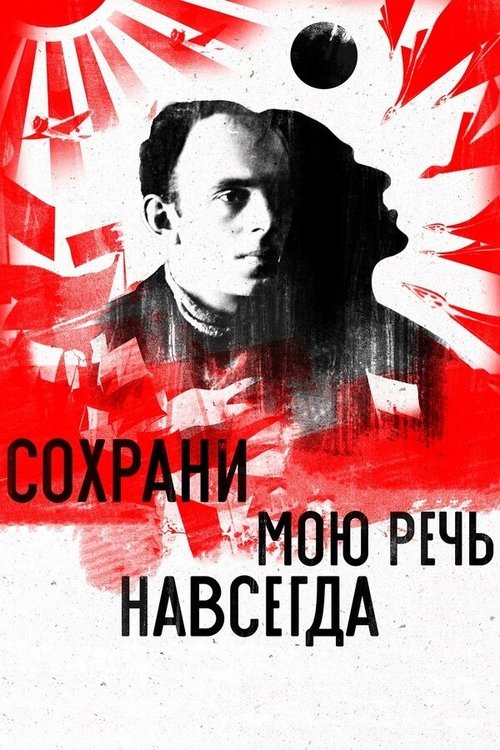
This is the story of the poet Osip Mandelstam, recreated at the intersection of the arts and genres: puppet theater, design, computer graphics, documentary. The rebellious spirit of Mandelstam's poetry sounded a challenge to the authorities, and their author was destroyed by a state machine - he died in a transit camp. Much of what he wrote could not have been preserved had it not been for her husband Nadezhda, who taught his works by heart, copied manually-in anticipation of times when they could be published.

The film is based on a dialogue between young and older generations about life, profession, fame, love, the mission of art, the destiny of man, heroism and the ideals of our time. Conversations of outstanding figures of Russian culture with actors who have recently started their professional path and have already clearly declared themselves in art.
Alexey is shooting a movie about himself. He is in search of a boyfriend. Everything would be alright, if Alexey's mother could accept his sexuality. Alexey comes to visit her and admits that he likes boys, saying 'Don't you anticipate any grandchildren from me'. We find Alexey at Tarkovsky film festival, where he apparently came to rest. Alexey meets Grisha, and a stormy holiday romance begins.
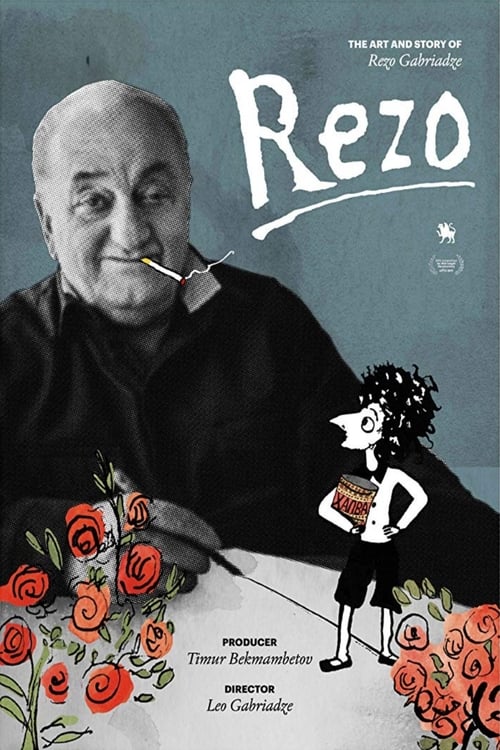
The rich inner world of famous Georgian theater and film director, artist and puppeteer Rezo Gabriadze is as fantastic as the animation into which he has poured this story of his life. Rezo’s director son Levan "Leo" Gabriadze, who previously made the horror film Unfriended (2014), leaves it to his father to talk about a life suffused with magical thinking.

A documentary grotesque in which even the walls speak. Famous directors of St. Petersburg cinema recall their lives and work, and images of old films come to life to remind the viewer of themselves.
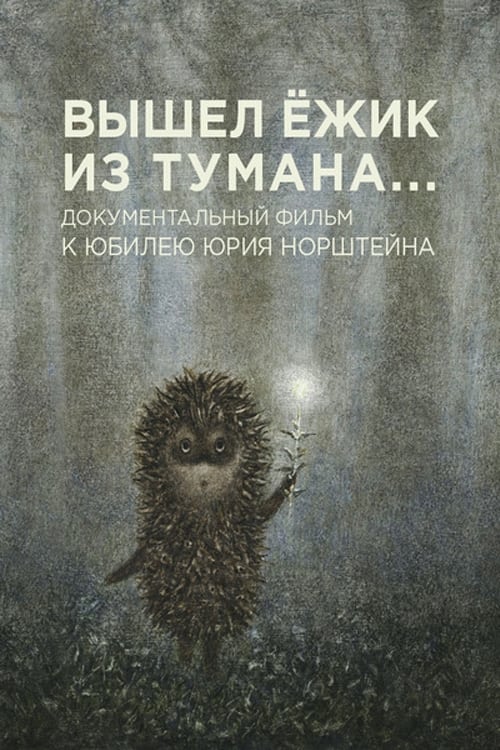
Norstein conquered the world 36 years ago with the creation of the legendary Hedgehog in the Fog. It was recognized as the best cartoon of all times and peoples according to a survey of film critics and animators from different countries.
A journalistic investigation, built not on rumors and assumptions, but on direct evidence, revealing the true mechanisms of podium coronations. Hidden camera footage of negotiations with the owners of the largest national beauty contests and an attempt to answer the question of why these people are not yet in prison. Famous people on the jury are not a guarantee of fair judging. Irrefutable evidence of the corruption of the so-called “stars” who elect the next Miss and Mrs. The collection and subsequent theft of funds for charity is a side business of the owners of fraudulent shows. What actually awaits the titled Misses after purchasing the prize? And what do children's beauty pageants turn out to be like for young participants?
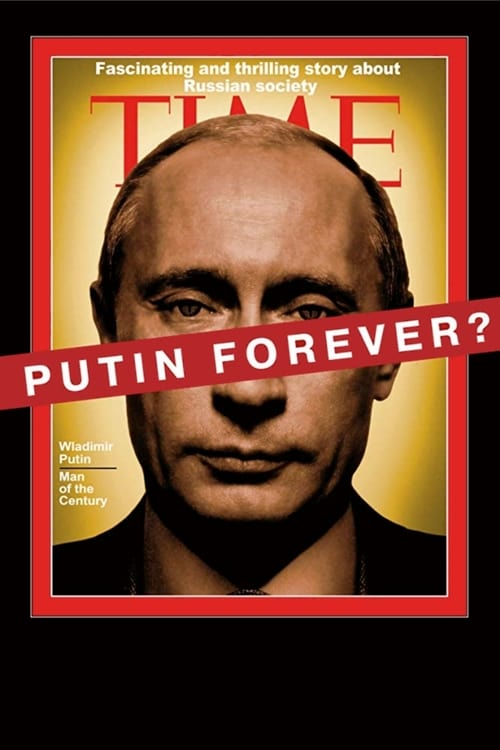
Russian Federation, May 6, 2012. On the eve of the ceremony of inauguration of Vladimir Putin, elected for a third term, the police brutally repressed a march of protest over the lack of freedom existing in the nation. Some people believed that this demonstration would be the beginning of a peaceful revolution, but it was the day when silence and fear won the game. Realize what happens when a person has too much power in his hands.
The documentary project The Term was conceived in May 2012. When the directing trio commenced mapping the Russian sociopolitical landscape, Vladimir Putin had just settled into the Kremlin for his third term. The original experimental format of “documentary bulletins,” which were published daily online, allowed for wide-ranging content; in the feature film version, however, the filmmakers focused solely on the members of various opposition groups. Nevertheless, the work’s neutral position remains and viewers have to interpret the objectively presented situations for themselves. The main characteristics of this strongly authentic movie include close contact with the protagonists, precise editing, and an effectively controlled release of information.
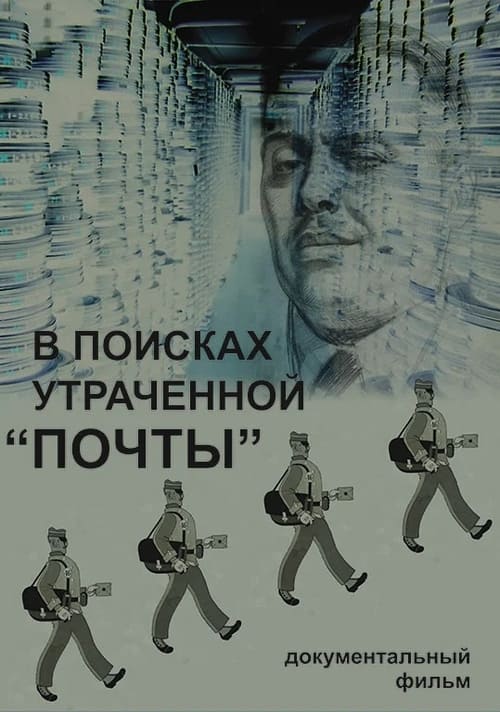
Travelogue of two film historians Nikolay Izvolov and Sergey Kapterev who visit world film archives around the globe in search of a lost sound version of one famous Soviet cartoon. It's "The Post" made by Mikhail Tsekhanovsky in 1929 and based on a poem by Samuil Marshak. At first "The Post" has been released in a silent form and later Tsekhanovsky remade it with experimental music and narration by Daniil Kharms. At that moment it was the first Soviet sound cartoon and it was a success all over the world. Russian film studies consider "The Post" to be of great importance and artistic value but unfortunately it's still lost. Only the silent version and the 1964 remake are still known and available.
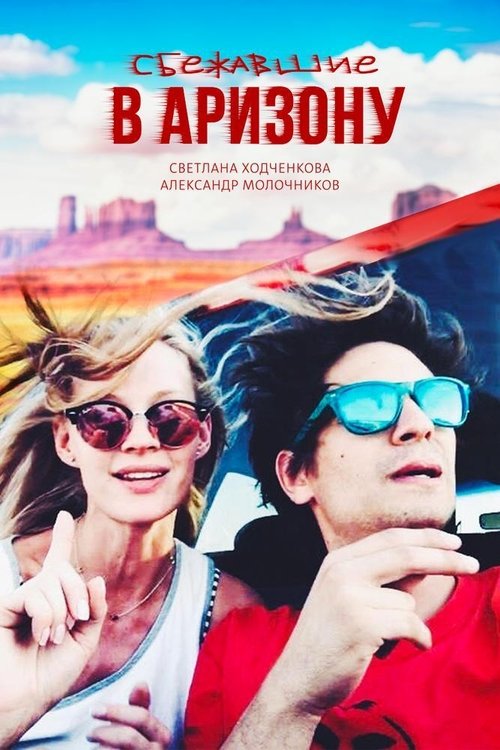
Filmed at the junction of a video blog and the “what if” genre, a reality short film about the travel to the USA of the exuberant Moscow Art Theater star Alexander Molochnikov and actress Svetlana Khodchenkova, who starred in Godunov and Wolverine, but wants to see the Grand Canyon while Molochnikov wants Khodchenkova. Is everything happening - a real story of a relationship or is it just a script? Each viewer decides for himself.
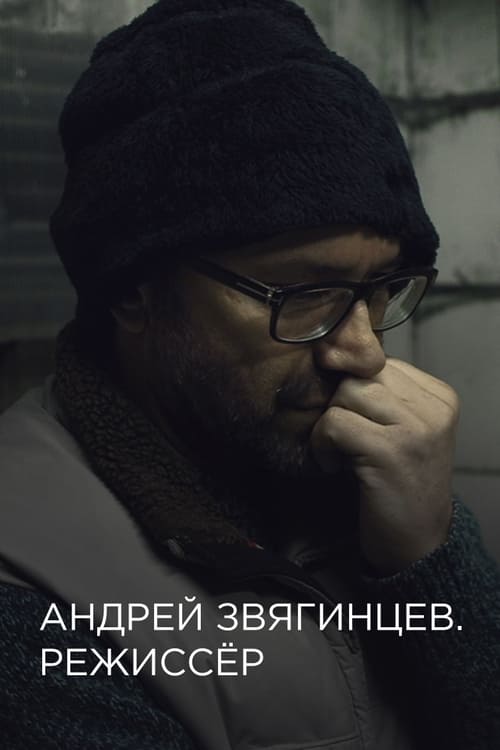
Portrait of director Andrey Zvyagintsev against the background of the filming of his film "Loveless".
The author of the film comes to his Russian uncle Sasha in the German province and helps him in the relentless search for the woman with whom he could live.
In the spring of 2017, the Investigation Committee conducted the first searches in the criminal case, which everyone now knows as the “Serebrennikov case”, “the Seventh Studio case” or “The Platform case”. Six people, among whom is a world-famous director, are accused of having stolen more than one hundred million rubles allocated for staging performances from the state. And for this they can go to jail for 10 years. Journalists Katerina Gordeeva and Roman Super tried to figure out the essence of this matter. We talked to people who know what theater is, including in terms of money. Studied financial documents. Communicated with those with whom no one had ever succeeded. They understood why the applause of the audience and the compliments of the Ministry of Culture turned into arrests. And of course, went to all court sessions.
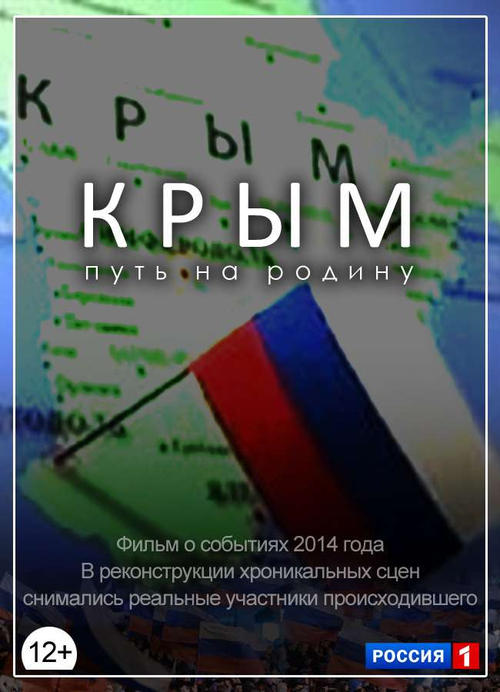
For the first time, this documentary includes two exclusive interviews with Vladimir Putin and full details about actions in Crimea during spring 2014. These events determined the history of modern Russia. The President talks frankly and openly about the challenges and risks that Russia faced during that time. This film provides the Russian view of the situation. It is impossible to form a complete picture of the world without it.
Schoolboy Semyon Golubovsky, Vladivostok. Students Egor Chernyuk and Oleg Alexeev, Kaliningrad. Entrepreneur Viktor Barmin, Yekaterinburg. Activist Violetta Grudina, Murmansk. Minibus driver Vladimir Semenov, Astrakhan. What unites these people? All of them are activists of regional headquarters created for the campaign of Alexey Navalny, who announced his self-nomination for the post of President of the Russian Federation. And all of them are the heroes of the film "Electing Russia."
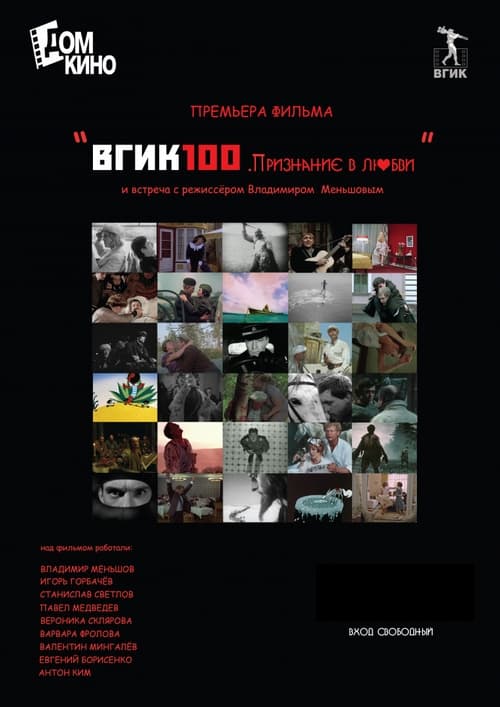
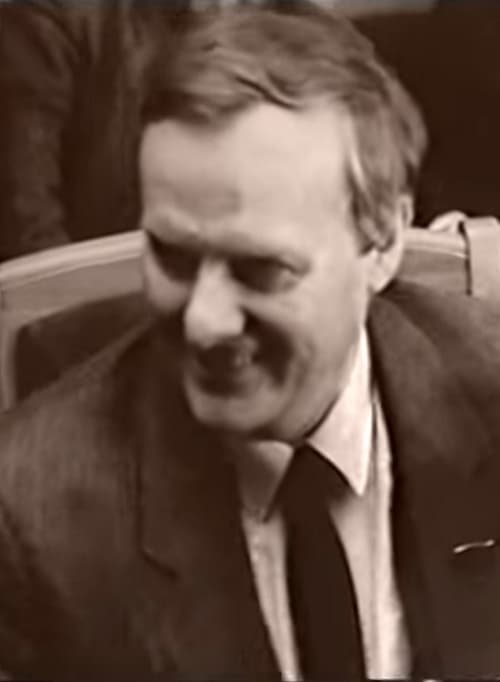
The first attempt in the history of Russian documentalism to understand what was the historical moment in which Anatoly Sobchak appeared in the political arena what his role in the history of the country was and, finally, why he suffered as a politician collapse. Perhaps his ideas were too advanced for his time?
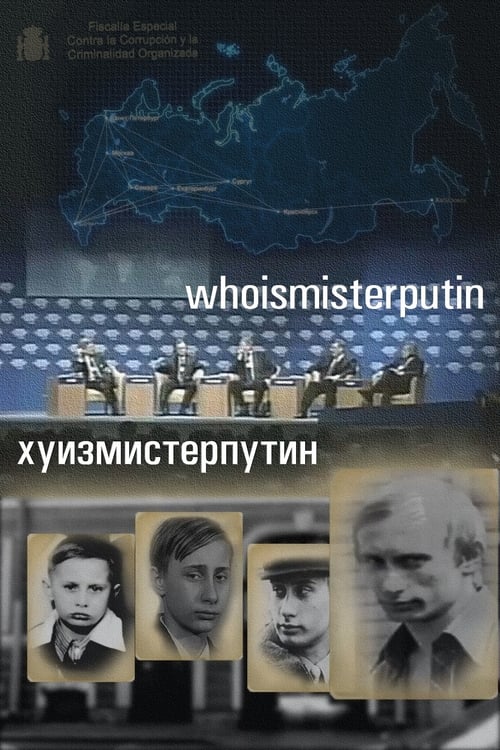
Based on investigations by independent journalists, the film documents the origins of Russian President Vladimir Putin’s private wealth and subsequent rise to power, demonstrating his ascension to the Russian presidency after an alliance built in the early 1990s between himself, certain friends from Leningrad’s KGB, and mafia groups.
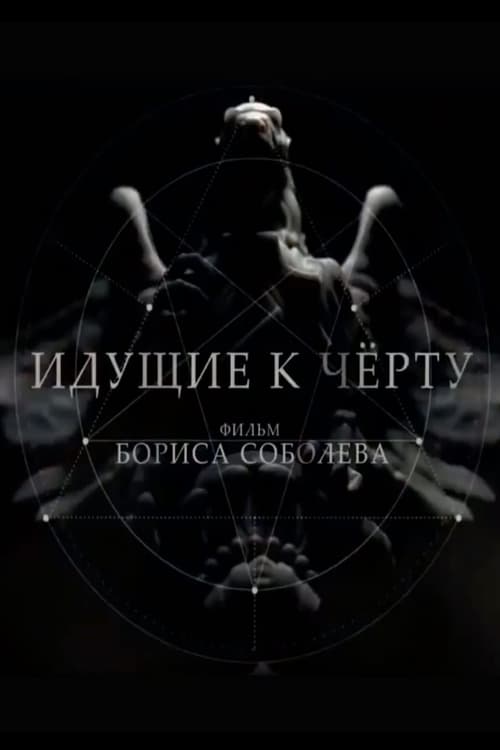
A documentary film exposing the truth about psychics and fortune-tellers. All the ins and outs of magical TV shows and services of the most famous psychics with evidence, names and prices.
Documentary montage film by Alexander Vartanov, a subjective look at the beginning of the 21st century in Russia

On the same day that Stalin was buried, Sergei Prokofiev's funeral took place completely unnoticed. And if the farewell to the composer quietly went against the backdrop of the farewell to the dictator that swept the whole country, then in the play everything is the opposite - Prokofiev's music is in the center, and it is interrupted by the stories of those people who would probably ignore Stalin's funeral and went to say goodbye to the great composer.
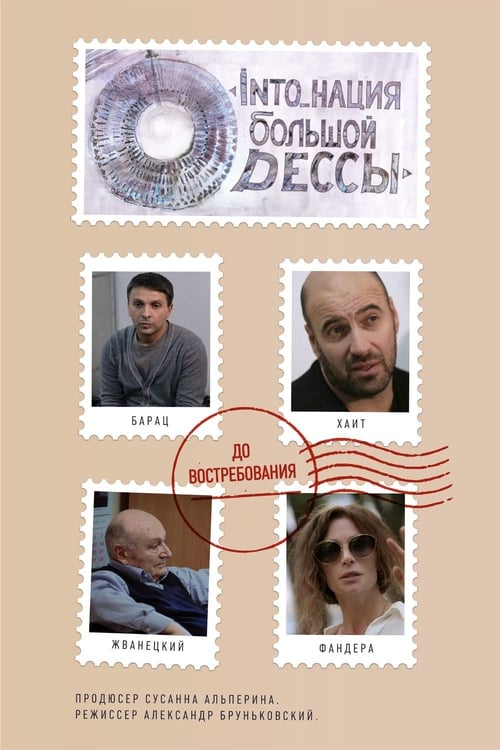
In the world, there is a city-port Odesa, which was specially created as a refuge for people of different nationalities and religions. Humor is a special language that helps people from Odesa to communicate and get along with each other. Legends are spreading about Odesa's humor and accent. But - a paradox - people are constantly leaving it. It is loved, but it is left as a child leaves his mother. On the example of this city and its inhabitants, we wanted to understand - why people flee from their cities. We tried to find the answer taking pictures of Odesa citizens in Germany, Israel, Ukraine, Russia, Austria, France and other places. Michael Zhvanetskij, Roman Kartsev, Leonid Barats and Rostislav Khait Victor Loshak, Oksana Fandera, Valerij Todotovskij, Mikhail and Anatoly Kontush and many others are telling their stories and giving their opinions on what is the phenomenon of the city by the Black Sea.
Ten director graduates from Marina Razbezhkina’s School of Documentary Film and Documentary Theatre lived with a camera for two months in order to chronicle the last “Russian winter” and its popular uprising against Vladimir Putin’s presidential run. People, faces, conversations, protests, failures and triumphs come together to chronicle the campaign.
In the frigid waters off of Russia’s Bering Strait, Inuit and Chukchi hunters today still seek out the giant sea mammals that have provided their people with food since time immemorial. It is known, that the whale hunting today is controversial and subject to international criticism and regulations. But the Inuit and Chukchi hunt is permitted by international law because of the whaling is the foundation of their culture and their life. The contemporary story of elders Aleksandr and Aleksei blends seamlessly with that of “the woman who gave birth to a whale” and other ancient myths, told here in vivid animation, in this ongoing struggle for survival and preservation of a traditional lifestyle in one of the most remote places on earth.
200 years ago, the Russian poet Mikhail Lermontov was born. The young man with huge eyes: his portrait is known to everyone since school. Lermontov wrote poetry, fought, fell in love, and was killed in a duel. Short life of 27 years. But what do we know about the real Lermontov? Biographical documentary-feature film tells in detail about the life of an outstanding person and a great poet.
Travel the longest railway in the world. Stories and destinies of ordinary Russians who met by chance on the Moscow-Vladivostok train. A kaleidoscope of passengers' stories develops into a social portrait of modern Russian society, and the endless road turns into a metaphor of a country that is constantly moving somewhere.
The film tells about the time in which the characters of the movie "Leto" lived. Performer of the role of "Skeptic" Alexandr Kuznetsov interviews Natalya Naumenko, Artemy Troitsky, Igor Petrovsky, Seva Novgorodtsev and Andrey Tropillo about Russian rock, the 80s, Soviet youth, the Leningrad way of life and the spirit of that time. The conversations take place in the real locations of the movie "Leto", where the characters come to tell how everything was in reality, and plunge into nostalgia and praise or, on the contrary, criticize "artistic fiction".
The film should look not only every fan of the battles, but everyone who wants to understand this culture, learn about its history and about where it is moving. Cast: Slava KPSS, Noize MC, Khayd, Khovansky, Garry Topor, PLC, SD, Zamay, Booker, Pokhoronil, Teeraps, Piem, Seimur, vs94ski, Ernesto, KHKHOS, Kingsta, Gabonych and many others (even Tina Kandelaki!).
An anthropological study of a cargo cult in a fictitious self-marginalized commune, which existed next to the Moscow Ring Road - a highway that marks the boundaries of the Russian capital - and survived mainly on roadside trash. Although the road provided for their basic needs, the existence of the commune was extremely precarious and highly dependent on the roadway's fluctuations. This dependency led them to develop a cargo cult of the road.
For eight years, a team of specialists created a whole world about which almost nothing was known. The world of Kievan Rus of the tenth century. They managed to make historical films with documentary accuracy. Icelandic sagas and the works of Oriental travelers, Byzantine books and, of course, ancient Russian chronicles were studied and researched. The oldest dated chronicle is kept in the Russian National Library in St. Petersburg. It was these texts that formed the basis of the script. Five built cities, hand—sewn costumes, forged weapons, a Viking ship — a drakkar — built according to the drawings of that time, complex computer graphics - all in order for the viewer to fully immerse himself in the atmosphere of the early Middle Ages of the Viking film.
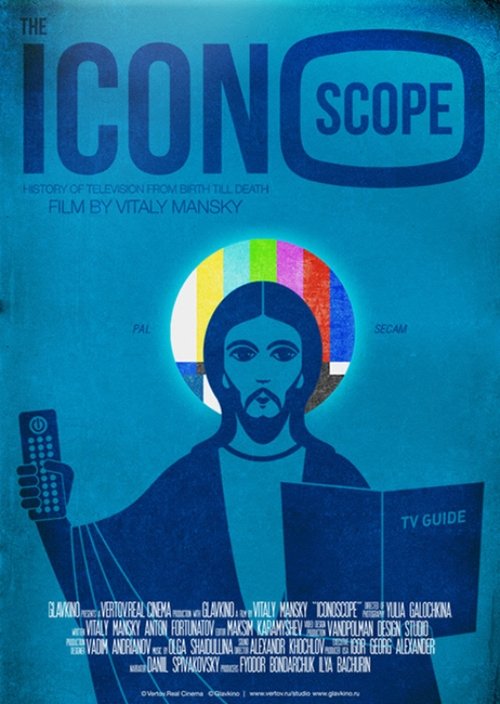
They say that the average Earthling spends about 10 years of his life at the TV screen. It is pointless to ask whether these are lost years - without television, it is impossible to imagine our civilization, although not 100 years have passed since its invention. "Iconoscope" is a chance to cover the entire vast history of television in 100 minutes of exciting and paradoxical spectacle.
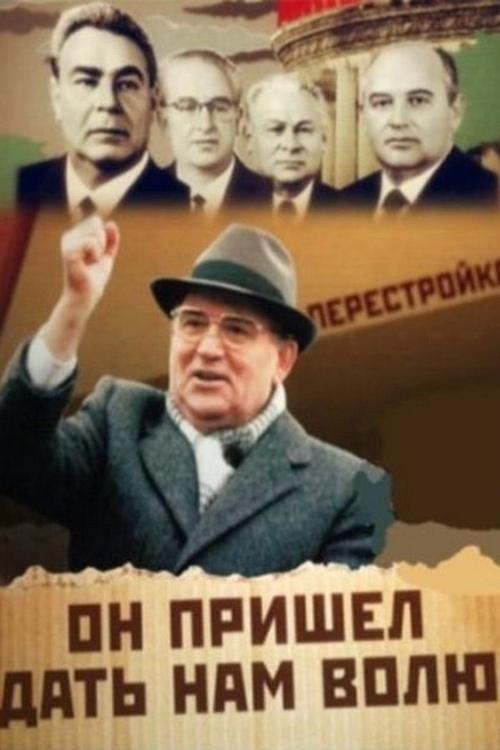
Biographical documentary about Mikhail Gorbachev and the way he did not waste his inner freedom before becoming General Secretary of the Communist Party of the Soviet Union and giving this freedom to the people.
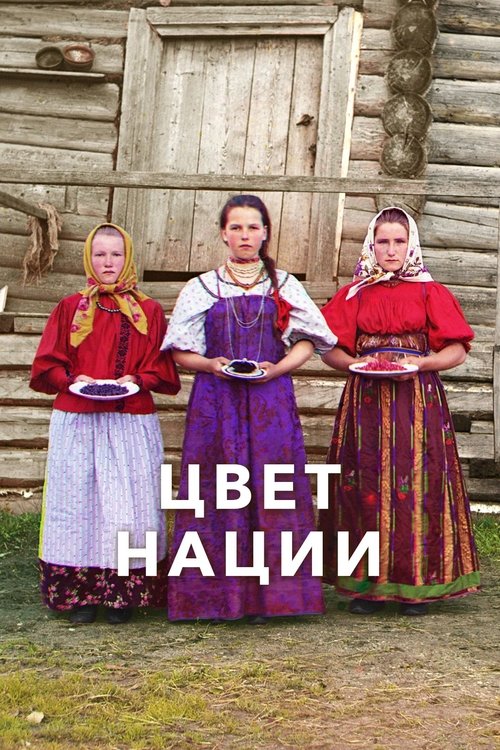
A documentary about Sergei Prokudin-Gorsky, a pioneer in color photography of early 20th-century Russia.
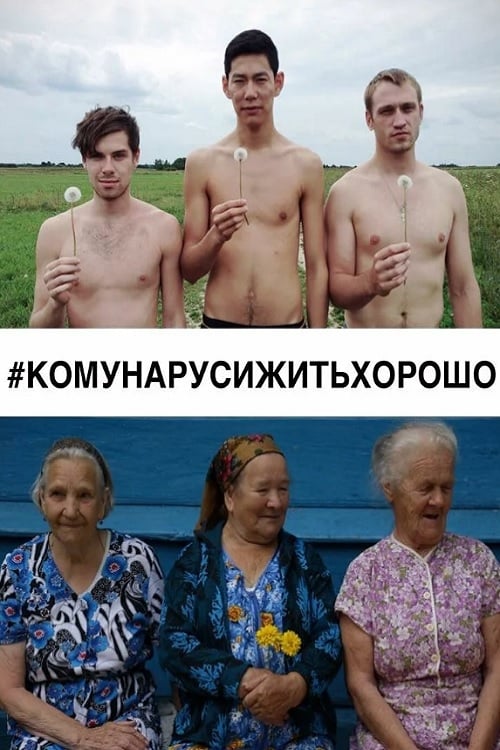
In the summer of 2014, a group of actors of the Gogol Center (Moscow) and the State Academic Drama Theater named after Fedor Volkov (Yaroslavl), headed by Kirill Serebrennikov, went on an expedition to the Yaroslavl region. The purpose of the expedition is to prepare a play based on the poem by N.A. Nekrasov "Who is to live well in Russia". The theater studied life, read a Nekrasov poem together with residents of villages and cities, wrote down documentary monologues of people, asked each person one of the main questions of the poem and today's life: “Who should live well in Russia?” The artist of "The Seventh Studio" Alexander Gorchilin and cameraman Ksenia Sereda recorded every second of this amazing research trip.
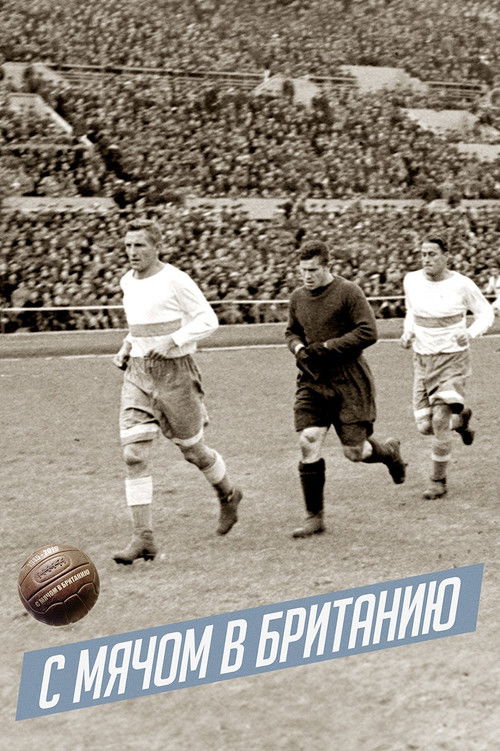
About the legendary tour of the Soviet football club Dynamo (Moscow) in Great Britain in 1945.
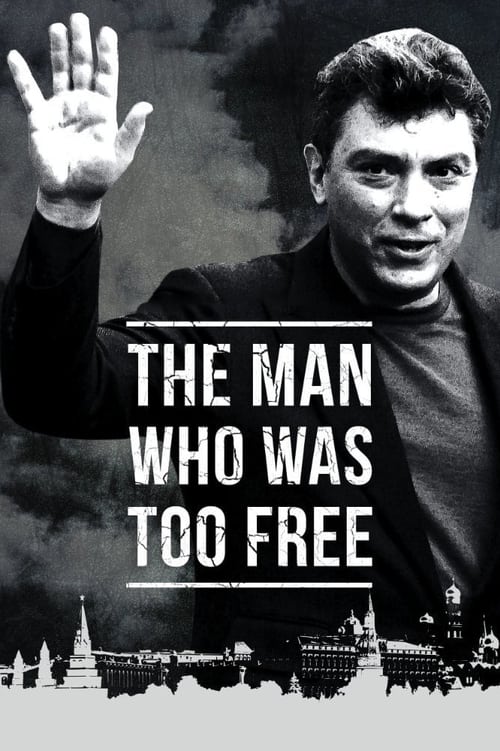
A documentary about Boris Nemtsov, a prominent figure of Russian political opposition and an outspoken critic of Vladimir Putin. Nemtsov was murdered in Moscow in February of 2015.
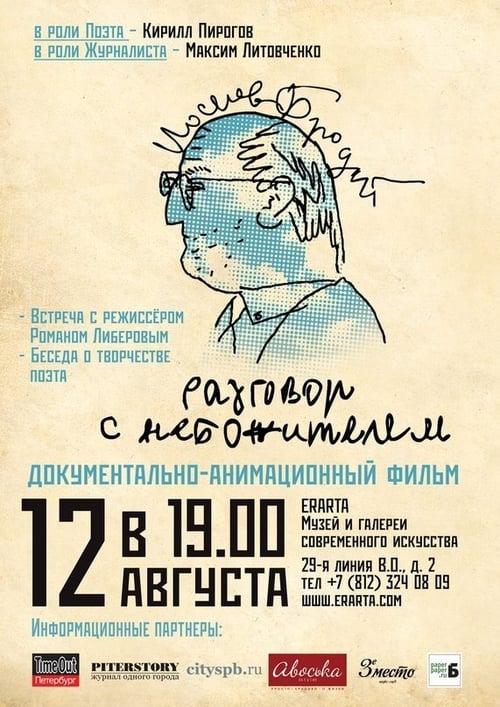
The film is based on an interview in New York in 1993 between critic Solomon Volkov and poet Joseph Brodsky. Behind the scenes, the poet answers the questions of the journalist. The conversation, in the end, covers almost the entire life of Brodsky. We are faced with the dramatic story of a man who categorically refuses to dramatize it. The story of a poet who gained in full, but lost immeasurably more.
By the age of 32, the most in-demand actor of our time has dozens of roles in cinema and theater, the title of Honored Artist of the Russian Federation, national theater and film awards. He is, of course, the hero of his generation, whose childhood was marked by drastic changes in the history of the country, and growing up and starting a career – during the formation and development of a new Russia.
In an exclusive interview, Russia's president Vladimir Putin discusses the biggest decisions he's faced as leader and where the country is headed.
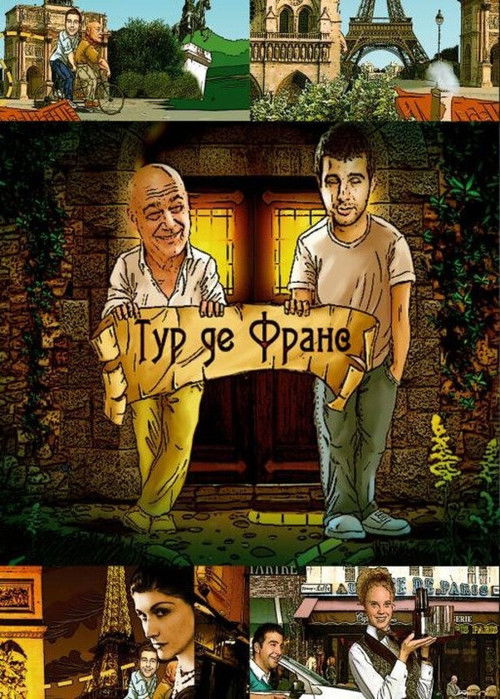
Vladimir Pozner and Ivan Urgant's grand tour of France, which they traveled by car and bicycle, from Paris to provincial towns.
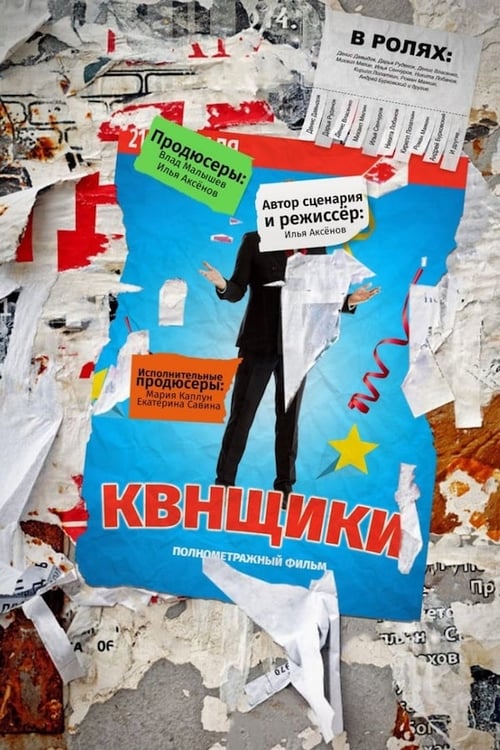
The first feature film about KVN. A unique project filmed at the KVN festival in Sochi without the permission of the festival organizers. The history of this path to the heights of the youth game itself.
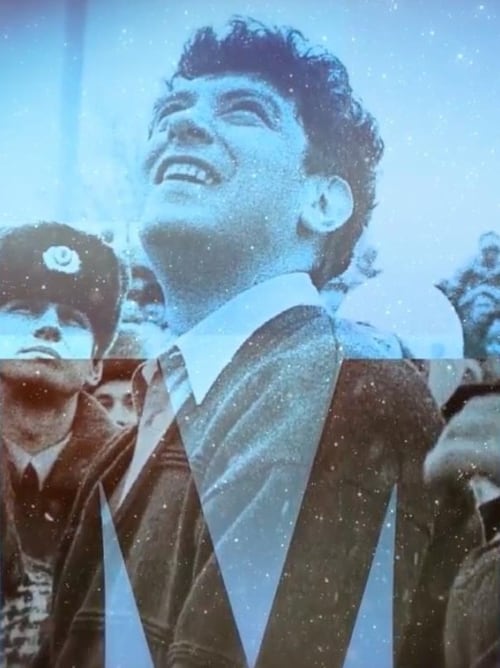
A story told by those who knew Boris Nemtsov at different times: when he was a young scientist and took his first steps in politics; when he held high government offices and was considered Boris Yeltsin's heir apparent; when he led Russia's democratic opposition to Vladimir Putin.
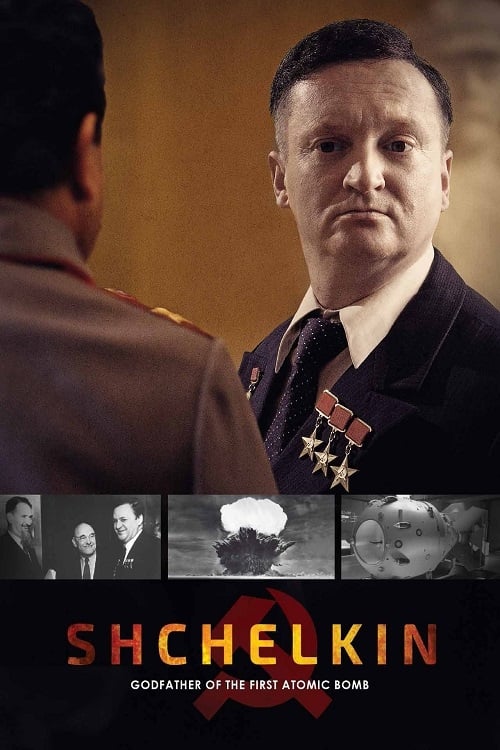
Kirill Ivanovich Shchelkin is not well-known among the most honored scientists of the Soviet Union. Meanwhile, Shchelkin was one of the main creators of atomic and hydrogen bombs, one of the founders of modern cosmonautics, three times a hero of Socialist labor, a man whom Igor Kurchatov called ‘The Godfather of the atomic bomb.’ The scientific research of Shchelkin and his colleagues, without exaggeration, saved the world from a third world war and ensured a peaceful life not only in Russia, but for all mankind.
The film is dedicated to the life and work of the Russian director, who deservedly received worldwide recognition due to his incredible talent
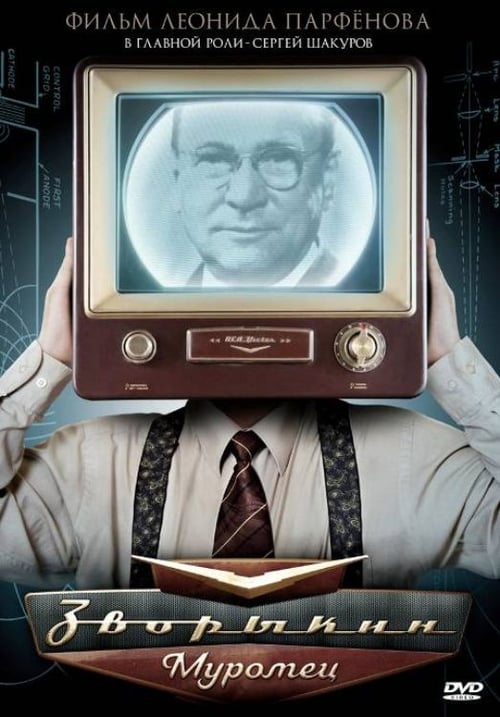
Parfenov's documentary is about a brilliant scientist and engineer, born in Russia, but only known on the other side of the ocean. The invention of modern television changed the history of mankind. The invention has an author, who is almost unknown in his homeland. Vladimir Zworykin, born in Murom, a Russian American, was the person who created distant wireless transmission of images.
The main characters of the film are Zinedine Zidane and Marco Materazzi, participants in the most scandalous episode in the history of football. During extra time of the final match of the 2006 World Cup, pitting France against Italy, the French leader, superstar Zidane, for some unknown reason took a running start and head-butted Materazzi in the chest. Zidane was sent off the field and, as a result, the French lost the match on penalties. This head-butt and the unexpected loss were now bound together in the minds of sports fans forever. But the burning question - why did it happen? – has never been properly answered. After thoroughly studying the lives of the participants in this match, the filmmakers reveal an amazing story: The 2006 World Cup appears to us in the form of a play “directed by the Creator”.
The Genre follows the rehearsals for a theatre play by an independent company in the Soviet Union, in 1991.
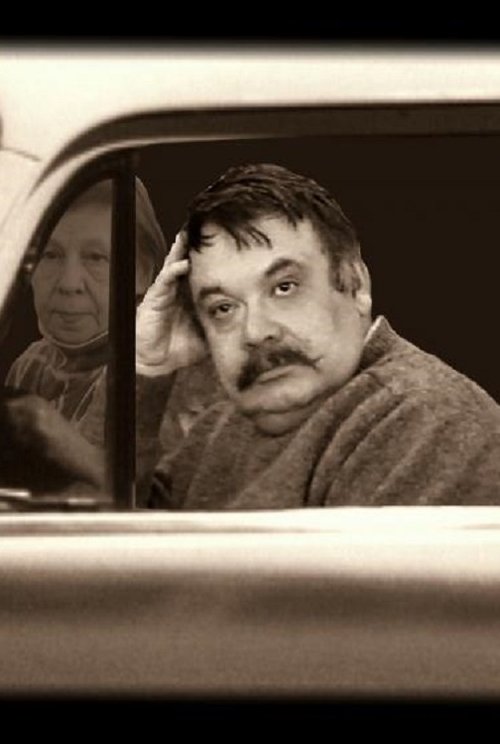
At the turn of 80-90, film director Alexei Yurievich German created a film workshop for the first film, which became famous for the paintings of young debutant directors, who later became famous masters. The film tells about how the Master selected talented directors, helped them take the first step and find themselves in the cinema. The TV version of the film.
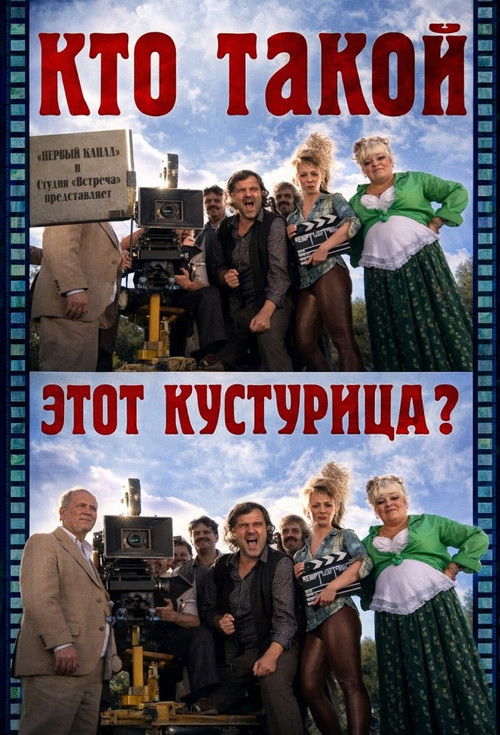
Emir Kusturica views himself as a rock musician and believes that he became a world-famous filmmaker by pure chance, as he shoots his movies only in between concert tours with the “No Smoking Orchestra” band. At these little pinpoints of time he gets “Palms d’Or” at Cannes, “Golden Lions” in Venice, builds his own villages, a power plant and a piste and regrets not becoming a professional football player. Kusturica’s own living is very much similar to his movies, where shoes are polished with cats, death is treated like a story from tabloid press, and life is a miracle...