This short celebrates the 20th anniversary of MGM. Segments are shown from several early hits, then from a number of 1944 releases.
Twenty Years After
6.0 1944
3,789 Matches Found
This short celebrates the 20th anniversary of MGM. Segments are shown from several early hits, then from a number of 1944 releases.
Flubs and bloopers that occurred on the set of some of the major Warner Bros. pictures of 1938.
This 1940 presentation features highlights of earlier (1928 onward) Oscar ceremonies including Shirley Temple and Walt Disney, plus acceptance speeches for films released in 1939 with recipients and presenters including Vivien Leigh, Judy Garland, Hattie McDaniel, Fay Bainter, Mickey Rooney, Thomas Mitchell, Sinclair Lewis, and more, with host Bob Hope.
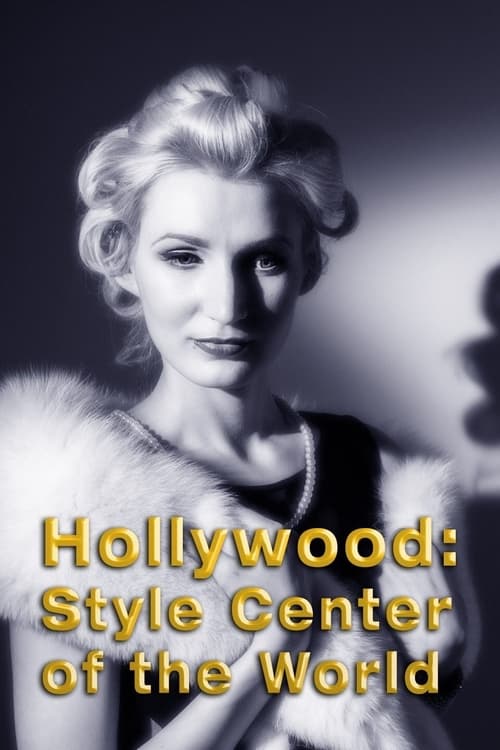
This short promotes the premise that movies often create a demand for the fashions seen in them. It starts with a vignette in rural America. A mother and daughter go to town to buy a new dress. In the dress shop window is a designer dress worn by Joan Crawford in a recent movie. We then go to Hollywood and visit Adrian, MGM's chief of costume design, and see how multiple copies of a single clothing pattern are produced. The film ends with short segments of several MGM features.
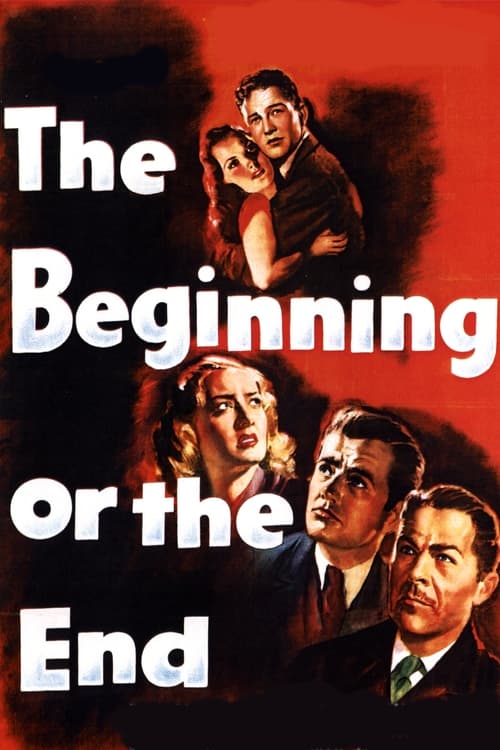
The research, development, and deployment of the first atomic bomb, as well as the bombing of Hiroshima, are detailed in this docudrama.
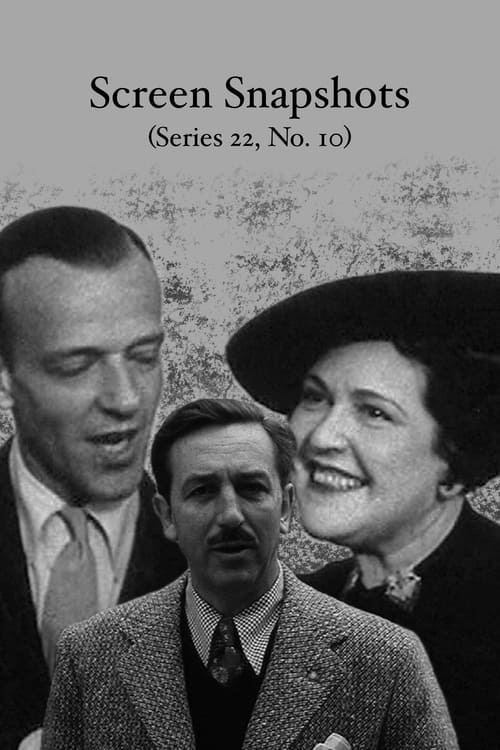
The edition of Screen Snapshots celebrates 25 years of production. It looks at the content of edition #1, then a tribute to movie people who have died in those 25 years. Finally there are tributes to the Screen Snapshots series by Cecil De Mille, Walt Disney, Louella Parsons and Rosalind Russell.
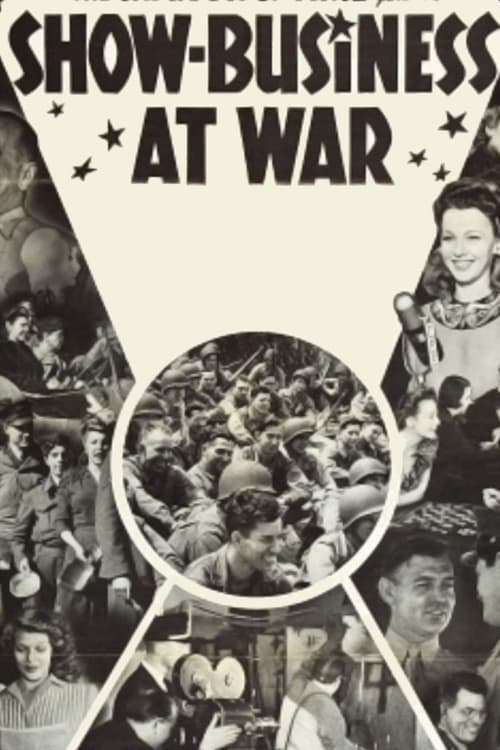
A multi-studio effort to show the newsreel audience the progress of the Hollywood war effort.
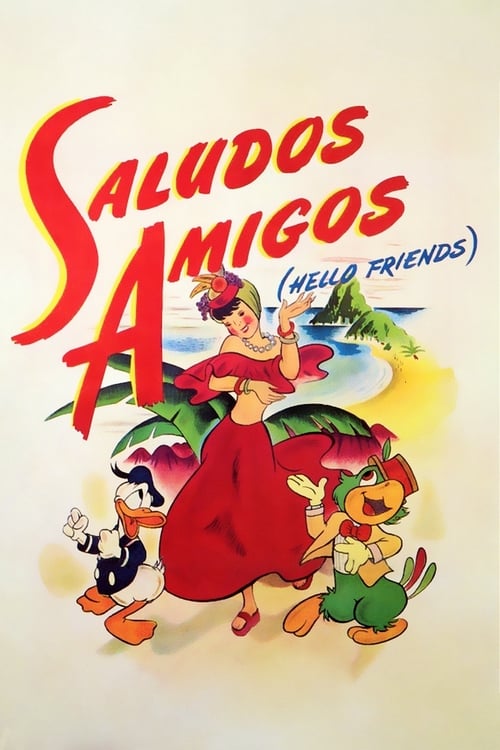
A whimsical blend of live action and animation, "Saludos Amigos" is a colorful kaleidoscope of art, adventure and music set to a toe-tapping samba beat. From high Andes peaks and Argentina's pampas to the sights and sounds of Rio de Janeiro, your international traveling companions are none other than those famous funny friends, Donald Duck and Goofy. They keep things lively as Donald encounters a stubborn llama and "El Gaucho" Goofy tries on the cowboy way of life....South American-style.
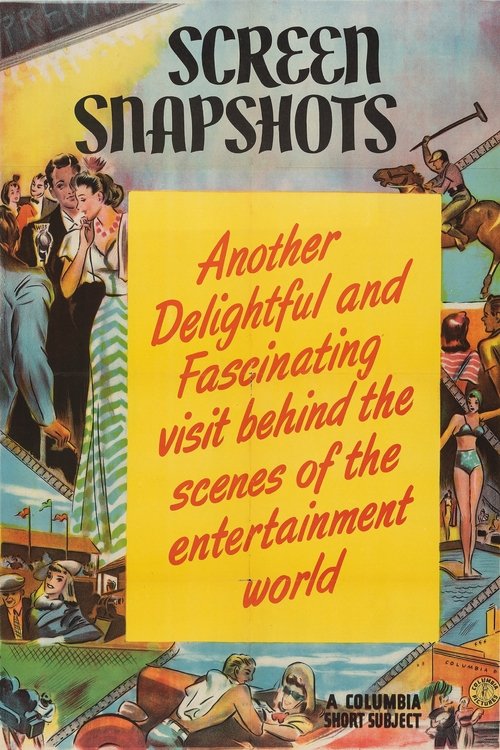
Viewers are provided a visit to Ken Maynard's private circus; Bette Davis poses for her portrait; Frank McHugh plays with his children; a visit to the West Side Tennis Club affords glimpses of many stars.
Flubs and bloopers that occurred on the set of some of the major Warner Bros. pictures of 1942.
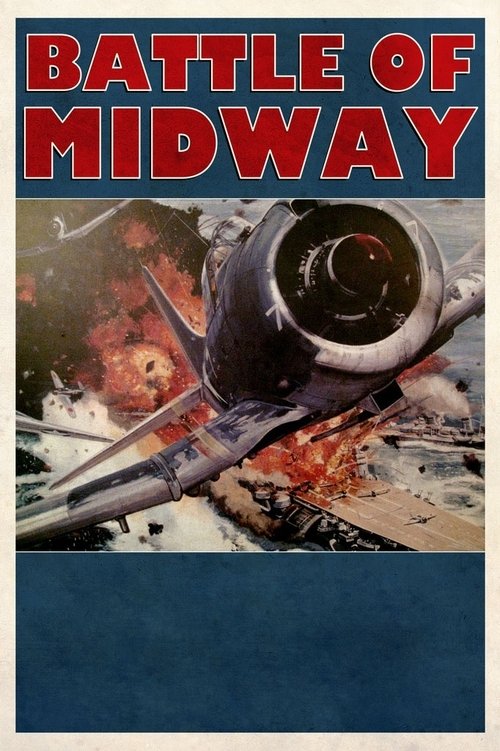
The Japanese attack on Midway in June 1942, filmed as it happened. Preserved by the Academy Film Archive, in partnership with Twentieth Century Fox Film Corporation, in 2006.
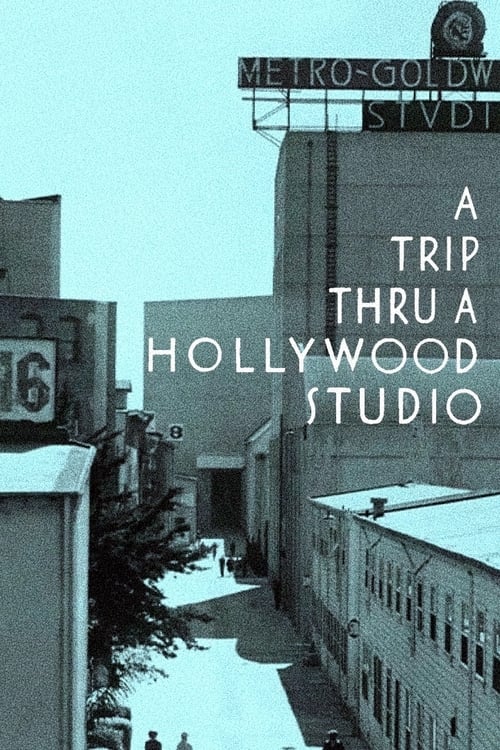
This short shows the entrances of the various Hollywood studios, then specifically visits Warner Bros. / First National Studios. We start at the casting office, then see Busby Berkeley and choreographer Bobby Connolly working with chorus girls on production numbers. Then come some candid shots of several contract stars. Finally we see comedian Hugh Herbert filming a scene for an upcoming release, then the various behind the scenes steps that transition the raw film in the camera into the finished product.
A visit to Buck Jones's new ranch and his horse, Silver, to James Gleason and his dog, to Charles Ruggles and his kennels; on the set of 'You Can't Take it With You', director Frank Capra and stars James Stewart and Jean Arthur celebrate Lionel Barrymore's sixtieth birthday; a ski meet is held at the Los Angeles Coliseum.
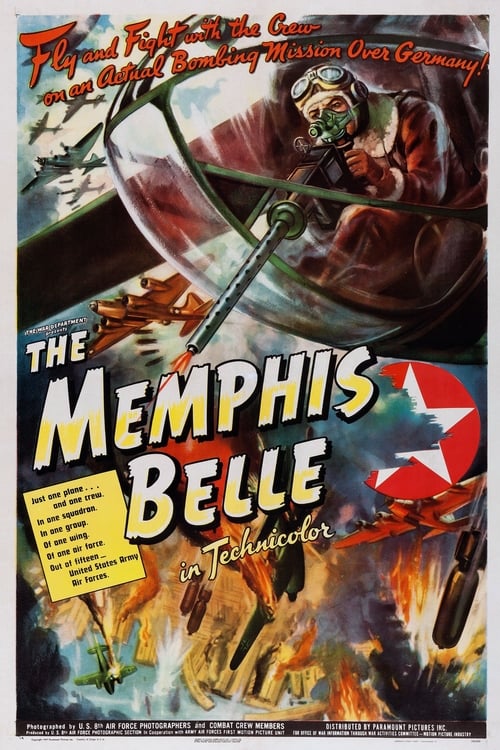
This WW2 documentary centers on the crew of the American B-17 Flying Fortress Memphis Belle as it prepares to execute a strategic bombing raid on Nazi submarine pens in Wilhelmshaven, Germany.

Propaganda short film depicting the rise of Nazism in Germany and how political propaganda is similarly used in the United States. The film was made to make the case for the desegregation of the United States armed forces.
This second entry in MGM's "Romance of Film" series documents how celluloid movie film is processed and features behind-the-scenes glimpses of current MGM productions.

Flubs and bloopers that occurred on the set of some of the major Warner Bros. pictures of 1936.

Flubs and bloopers that occurred on the set of some of the major Warner Bros. pictures of 1947.
This short traces the history of sound in the movies, beginning with French scientist Leon Scott's experiments in 1857. Featured are snippets from early sound pictures.
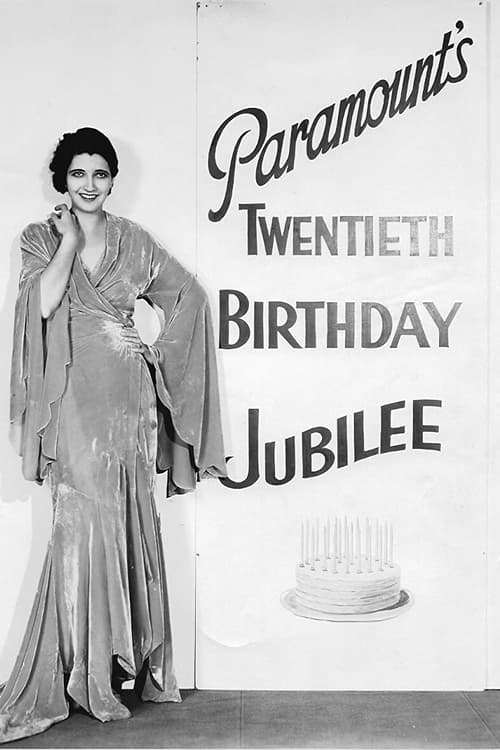
The House That Shadows Built (1931) is a short feature, roughly 48 minutes long, from Paramount Pictures made to celebrate the 20th anniversary of the studio's founding in 1912. It was a promotional film for exhibitors and never had a regular theatrical release and includes a brief history of Paramount, interviews with various actors, and clips from upcoming projects (some of which never came to fruition). The title comes from a biography of Paramount founder Adolph Zukor, The House That Shadows Built (1928), by William Henry Irwin.
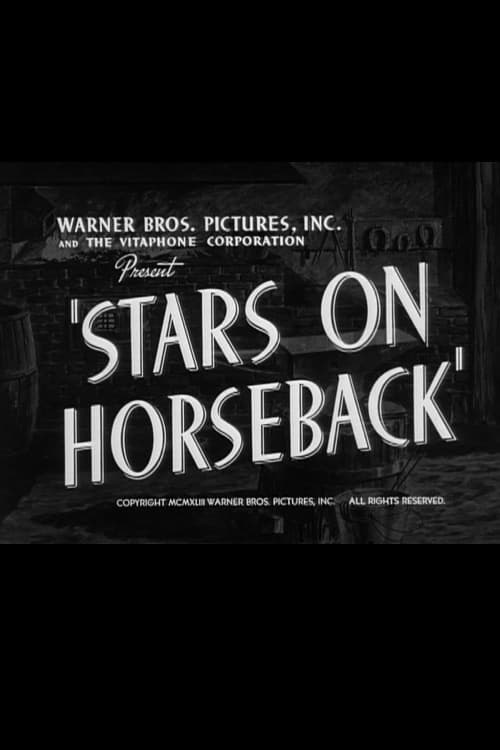
A profile of blacksmith George Garfield, among whose Hollywood clients were the horses of Joel McCrea and Guinn "Big Boy" Williams.
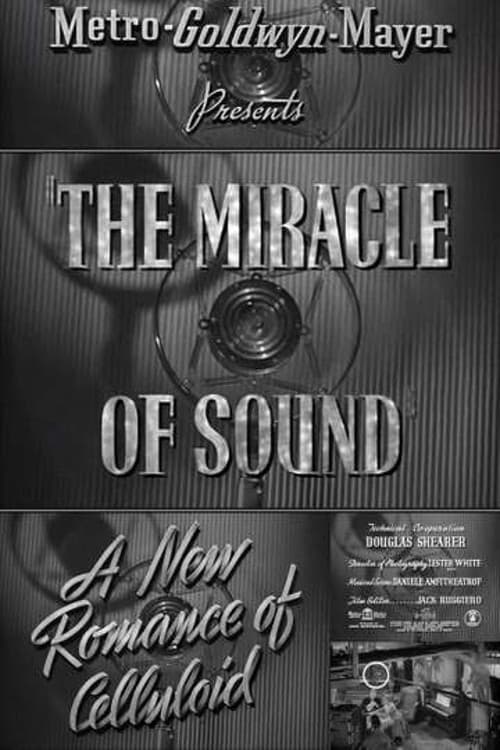
This short documentary, presented and directed by MGM sound engineer Douglas Shearer, goes behind the scenes to look at how the sound portion of a talking picture is created.
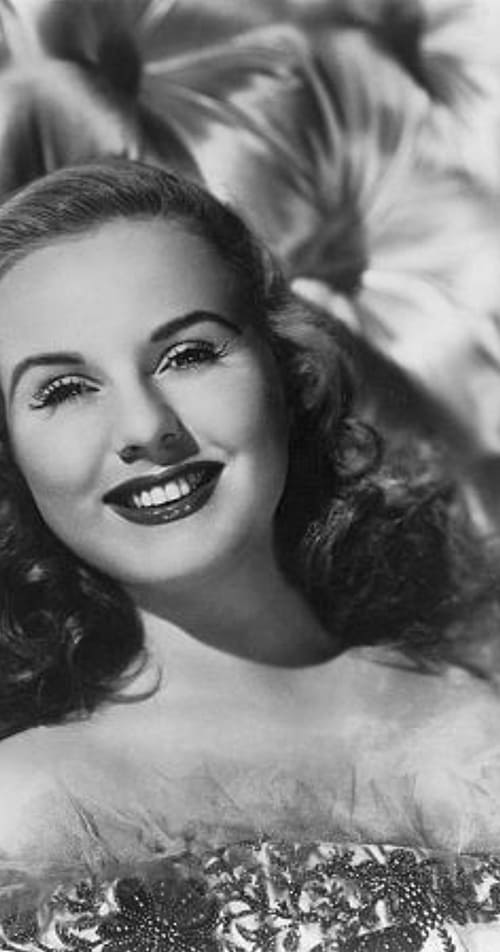
Documentary short film intended to drum up support for the Fifth War Loan Campaign. It shows a happy family in the future of 1960 enjoying the prosperity and advantages made possible by the successful prosecution of the war, and how the sacrifices of 1944 have made the world a better place.
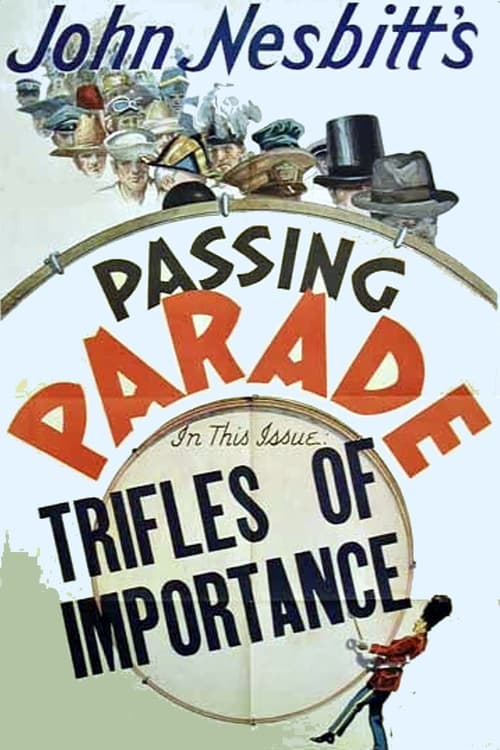
Part of John Nesbitt's Passing Parade series, this short shows how three seemingly unimportant things can affect people. The first is how the number 7 affects a student accused of theft charges. The second segment shows that a person's doodles can reveal personality traits. The final segment shows why certain items are on men's suits, such as lapels.
A promotional short to hype the production of A Midsummer Night's Dream (1935).
Flubs and bloopers that occurred on the set of some of the major Warner Bros. pictures of 1937.
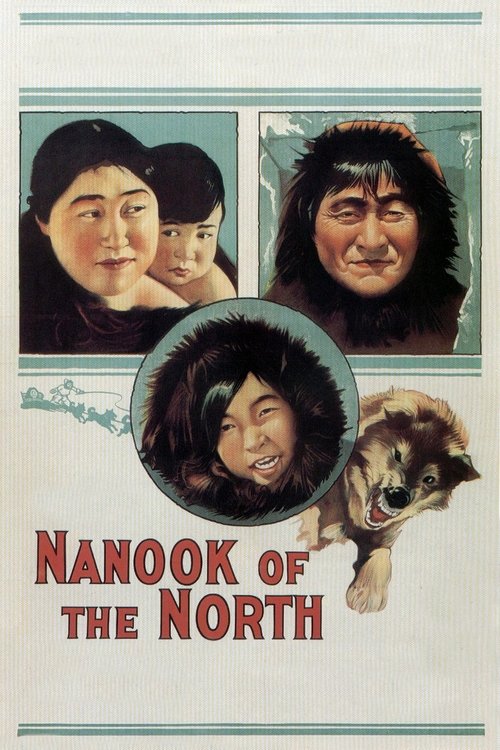
This pioneering documentary film depicts the lives of the indigenous Inuit people of Canada's northern Quebec region. Although the production contains some fictional elements, it vividly shows how its resourceful subjects survive in such a harsh climate, revealing how they construct their igloo homes and find food by hunting and fishing. The film also captures the beautiful, if unforgiving, frozen landscape of the Great White North, far removed from conventional civilization.
Flubs and bloopers that occurred on the set of some of the major Warner Bros. pictures of 1944.
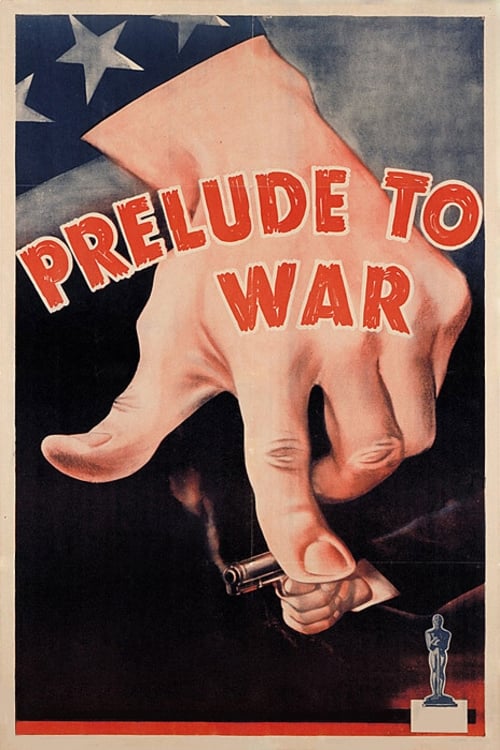
Prelude to War was the first film of Frank Capra's Why We Fight propaganda film series, commissioned by the Pentagon and George C. Marshall. It was made to convince American troops of the necessity of combating the Axis Powers during World War II. This film examines the differences between democratic and fascist states.
Flubs and bloopers that occurred on the set of some of the major Warner Bros. pictures of 1949.
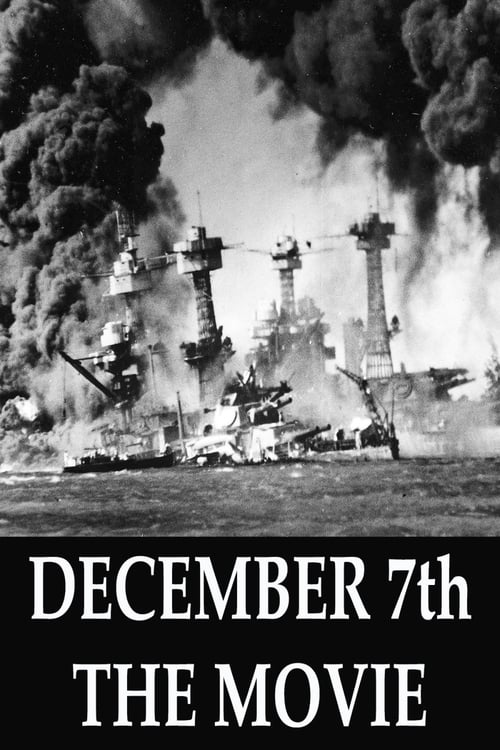
"Docudrama" about the bombing of Pearl Harbor on December 7th, 1941 and its results, the recovering of the ships, the improving of defense in Hawaii and the US efforts to beat back the Japanese reinforcements.
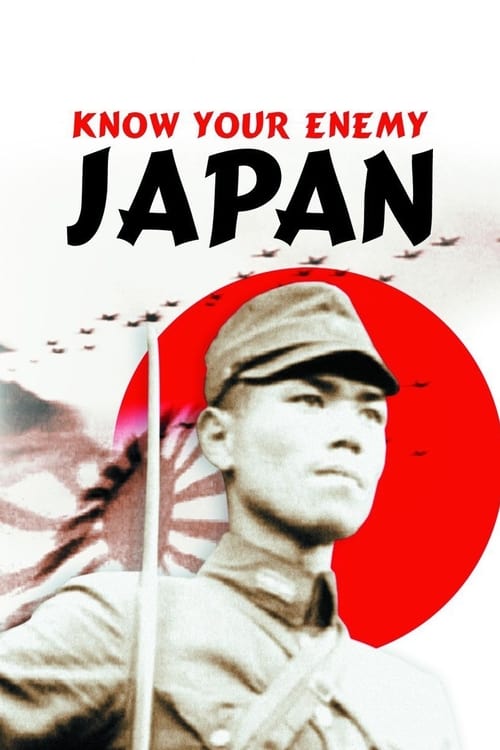
Frank Capra-directed propaganda film produced during World War II depicting the United States' new enemy: Japan.
Documentary short film extolling the virtues of the American Community Chest charity program and its value to the Allied war effort.
Ice skating is the theme; at the Tropical Ice Garden, in Westwood Hills, are seen a flock of skating stars including Irene Dare and Phyllis Ann Thomoson, as well as Hollywood luminaries such as Franklyn Pangborn, Norma Shearer, Rita Hayworth, Mickey Rooney, Dick Purcell and Ann Sheridan.
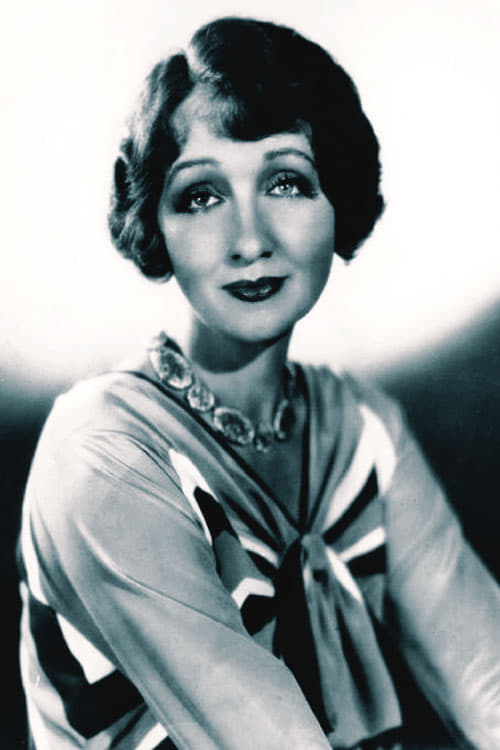
Hedda Hopper plays hostess at a party for her (grown) son William (DeWolfe Jr.). Hopper, attends the dedication of the Motion Picture Relief Fund's country home and goes to the Mocambo. There is also a sequence dedicated to the Milwaukee, Wisconsin world premiere of the first short in this series attended by more that a few film stars.
Flubs and bloopers that occurred on the set of some of the major Warner Bros. pictures of 1946.
Documentary short film depicting the filmmaking activity at the Paramount Studios in Hollywood, featuring dozens of stars captured candidly and at work.
Narrator Hopper covers two war benefit affairs, a garden party and a USO fashion show, at Pickfair, "The White House of Hollywood."
Short documentary film about the Dumbarton Oaks plan and the proposed formation of the United Nations.
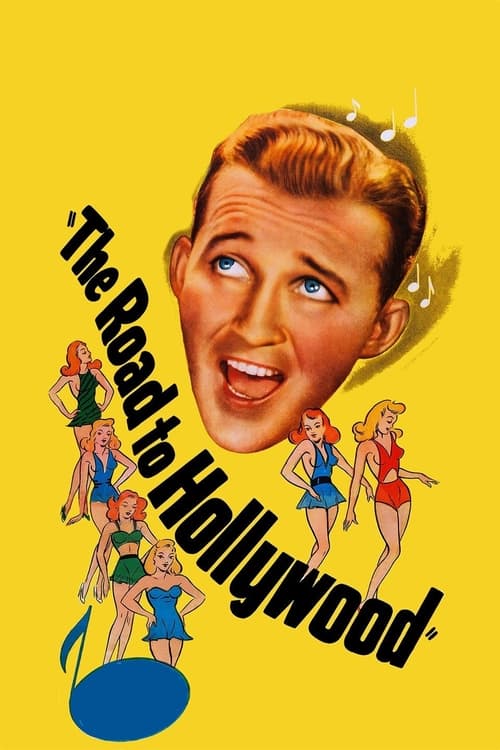
Exploitation film-maker Bud Pollard appears on screen to tell us of Bing Crosby's rise to fame, using scenes from four early Crosby shorts to illustrate his fictional biography.
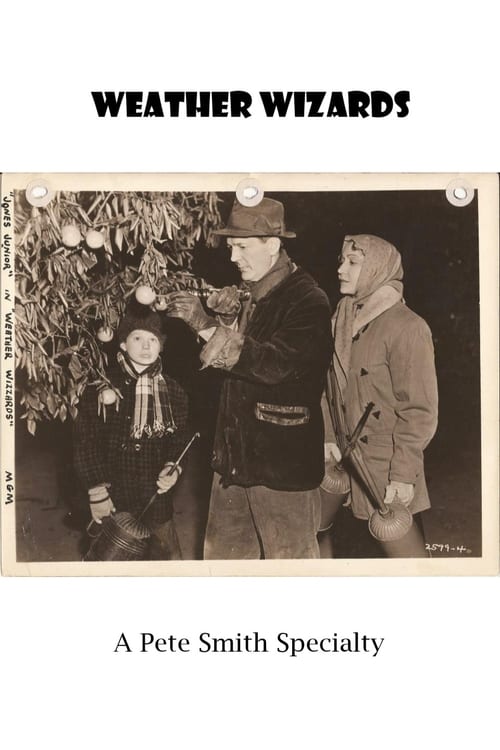
Modern meteorology and a hard-working government weather team put their science and organization to work as a cold front moves from Alaska toward the citrus groves of Southern California. First, the scientists predict the storm's course, giving several days' warning to farmers and growers. The growers, typified by the Morgan family, prepare the oil-burning pots throughout their grove. Then, as the temperature dips below freezing, they light the pots. The cold snap continues as oil-supplies dwindle; the smoky air slows traffic, including trucks bringing more oil. The scientists strive to predict how long freezing temperatures will last: can the Morgans hold out?
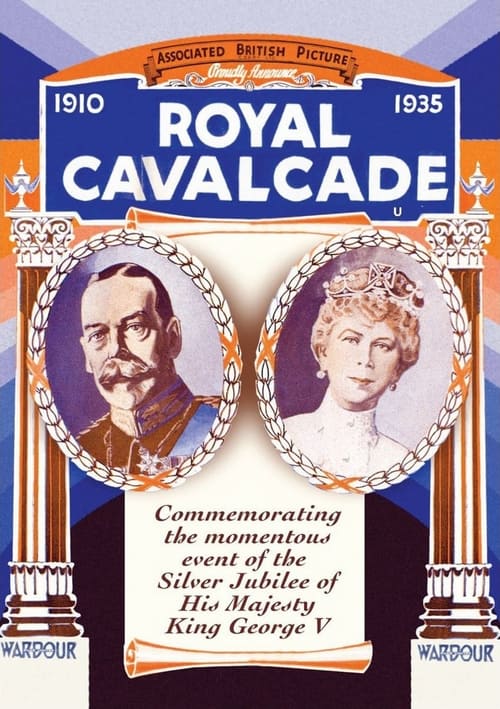
Made in commemoration and celebration of the Jubilee of King George V, this is the story of the first twenty-five years of his reign, told through the many travels of a penny that was minted in the year of his accession: 1910. Through a series of individual stories, Royal Cavalcade covers a period of striking change in every area of life – from the suffragette movement to the trenches of World War One, the effects of the Depression to single events such as the first ever Royal Command Performance, featuring Anna Pavlova and George Robey.
This early, influential propaganda film blends documentary and studio footage to show the valiant efforts of the Royal Air Force to defend the British people against the Nazis.
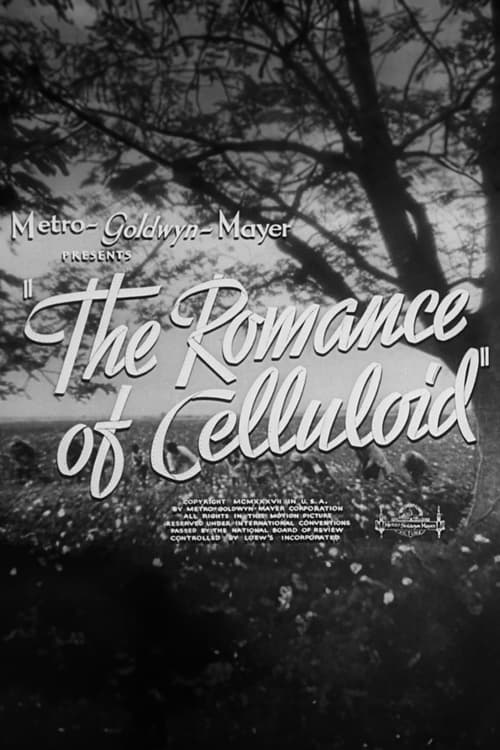
Several behind the scenes aspects of the movie-making business, which results in the enjoyment the movie going public has in going to the theater, are presented. They include: the production of celluloid aka film stock, the materials used in the production of which include cotton and silver; construction crews who build sets including those to look like cities, towns and villages around the world; a visit with Jack Dawn who demonstrates the process of creating a makeup design; the screen testing process, where many an acting hopeful gets his/her start; the work of the candid camera man, the prying eyes behind the movie camera; a visit with Adrian, who designs the clothes worn by many of the stars on screen; and a visit with Herbert Stothart as he conducts his musical score for Conquest (1937). These behind the scenes looks provide the opportunity to get acquainted with the cavalcade of MGM stars and their productions that will grace the silver screen in the 1937/38 movie season.

Documentary short film intended to drum up support for the Fifth War Loan Campaign. It shows a happy family in the future of 1960 enjoying the prosperity and advantages made possible by the successful prosecution of the war, and how the sacrifices of 1944 have made the world a better place. Edited down from The Shining Future (1944).

Joris Ivens’s wartime documentary of China’s resistance to the Japanese invasion, cross-cutting civilian exodus and bombing with the Nationalist state’s mobilization—schools, industry, dispersed war production, foreign relief—and guerrilla fighting. Framing an ancient nation of “400 million,” it contrasts tradition with modernization and closes on the unresolved question of victory.
A look back at 25 years of Columbia's series of newsreels chronicling the film industry and the lives of Hollywood stars. Clips from earlier films in the series are featured, along with a montage of film greats who have passed away in the intervening years.
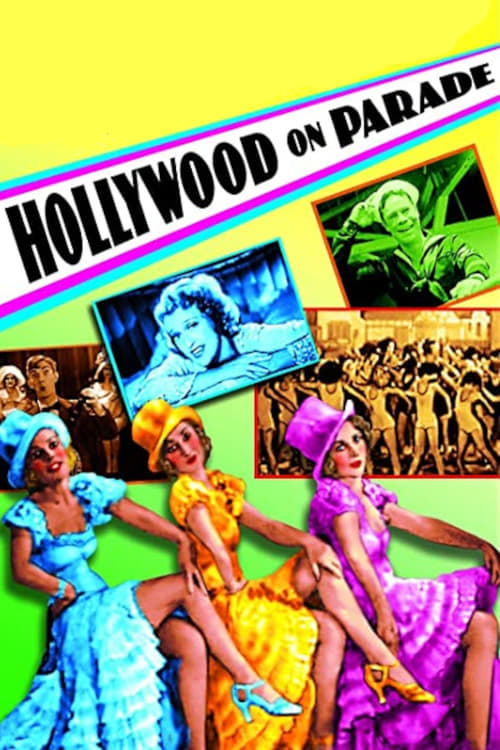
Comedian Lloyd Hamilton escorts a group of beauty contest winners to various Hollywood night spots.
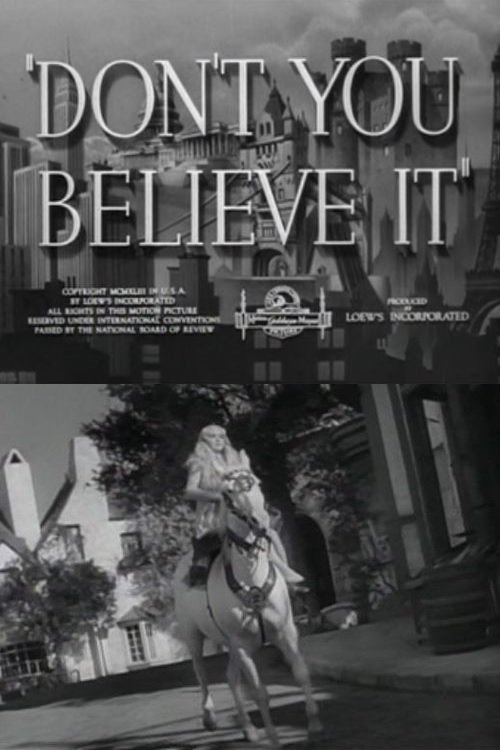
This Passing Parade entry looks at several historical "truths" that just aren't so: Steve Brodie never jumped off the Brooklyn Bridge; Mrs. O'Leary's cow did not start the great Chicago fire; Nero didn't fiddle while Rome burned; and Lady Godiva never rode naked through the streets of Coventry.
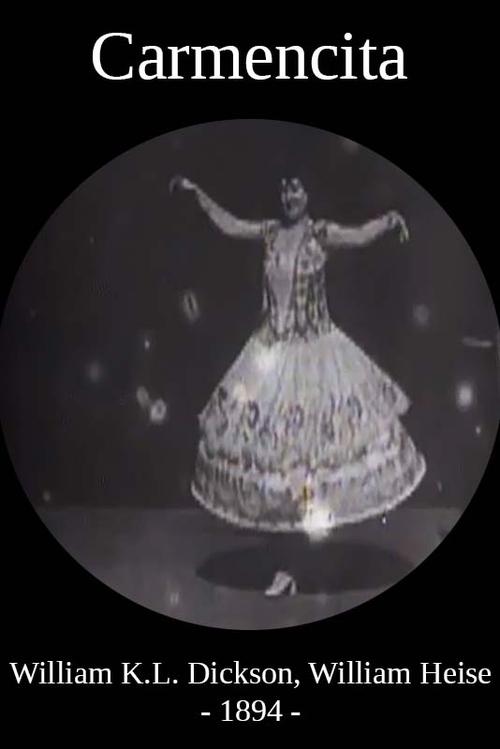
The first woman to appear in front of an Edison motion picture camera and possibly the first woman to appear in a motion picture within the United States. In the film, Carmencita is recorded going through a routine she had been performing at Koster & Bial's in New York since February 1890.
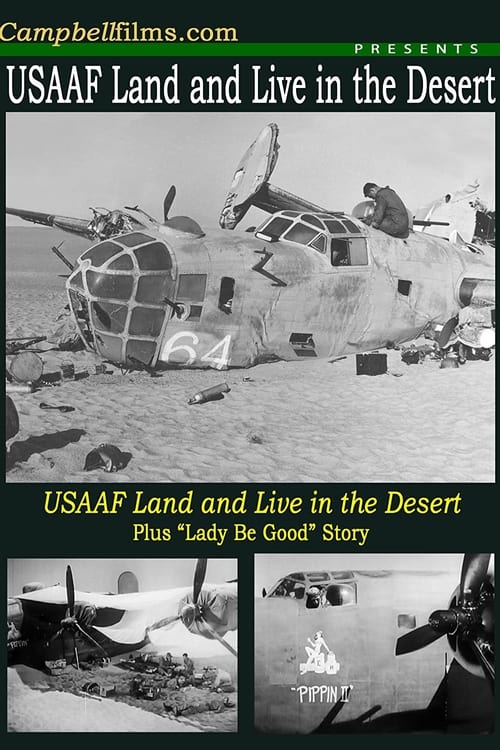
Documentary short film depicting the correct methods of surviving the crash landing of a military aircraft in the desert. Methods of conserving water, providing shelter, and signaling for help are depicted.
A film's art director is in charge of the set, from conception to construction to furnishing. This short film walks the viewer through art directors' responsibilities and the demands on their talents. They read a script carefully and design a set to capture the time and place, the social strata, and the mood. They must be scholars of the history of architecture, furnishings, and fashion. They choose the colors on a set in anticipation of the lighting and the mood. Their work also sets styles, from Art Deco in the 20's to 30s modernism. Then it's on to the next project. Preserved by the Academy Film Archive in 2012.
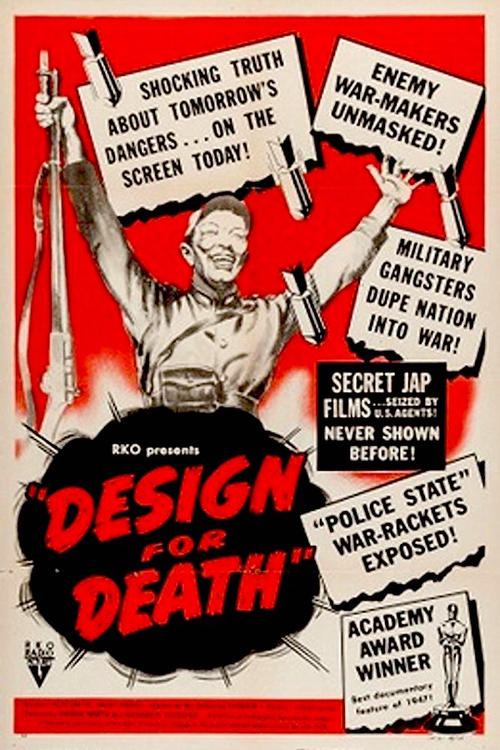
Documentary Feature winner "Design for Death" (1947) examines Japanese culture and how it led to Japan's role in WWII.
Described as a 'film argument' about homes and houses, this film is in three parts showing houses as they were, houses as they are and houses as they might be.
Part of the Screen Snapshots series.
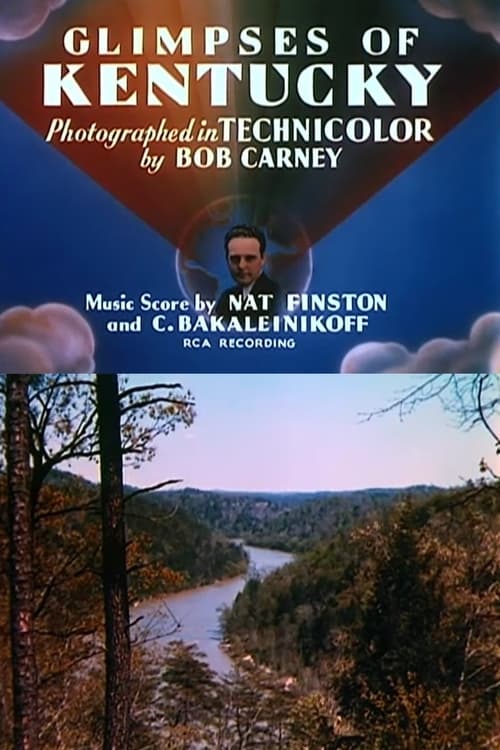
This Traveltalk series short visit to Kentucky starts with a view of the Cumberland River, which flows for about 700 miles through the state. The first stop is Old Fort Harrod State Park, which has a replica of the original fort, the first permanent white settlement in the state. We then visit the grave sites of two of Kentucky's favorite sons, Henry Clay in Lexington and Daniel Boone in Frankfort. At My Old Kentucky Home State Park, we see the mansion and grounds that inspired composer Stephen Foster to write the song most associated with the state. We then visit three horse farms in the area of Lexington, the state's horse racing capital: Spindletop Farm; Faraway Farm, where we are introduced to Man o' War, the greatest racehorse of the 20th century; and Elmendorf Farm, where Man o' War's sire and dam, Fair Play and Mahuba, are buried.
Flubs and bloopers that occurred on the set of some of the major Warner Bros. pictures of 1940.
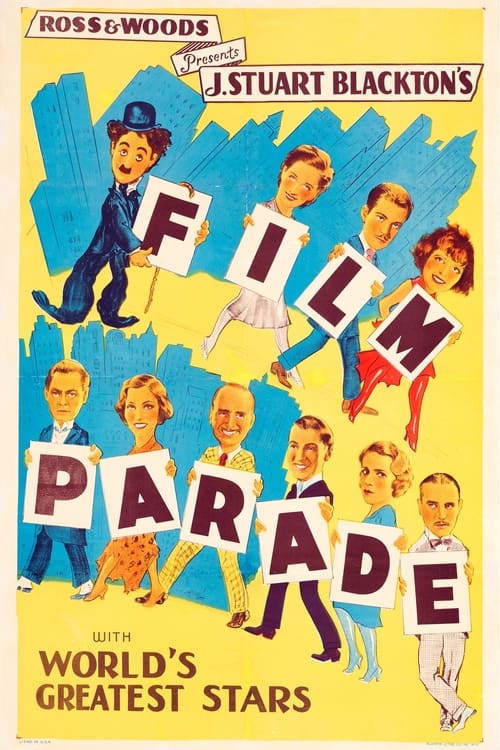
Pioneer filmmaker J. Stuart Blackton was intrigued by the idea of a film about the history of the movies as early as 1915. He finally released a 52-minute feature called The Film Parade that was shown in New York and favorably reviewed by "Variety" in 1933. He continued tinkering with the film for the rest of the decade, and later filmmakers and distributors used Blackton's footage for stock or to produce their own variously titled and truncated versions. -UCLA Film & Television Archive
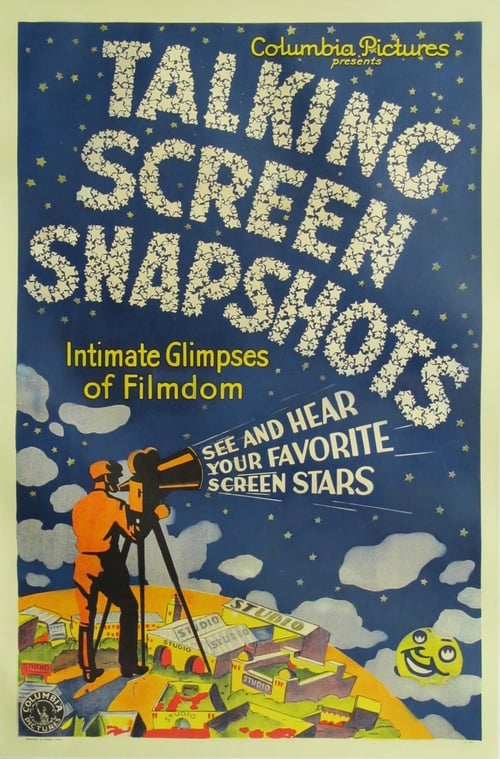
Long before the release of the cult film Dracula vs. Frankenstein, the original stars of Dracula and Frankenstein met face to face--for a game of chess. The scene is from an early 1934 episode of Columbia Pictures' Screen Snapshots, a series of short films featuring the off-screen lives of Hollywood stars.
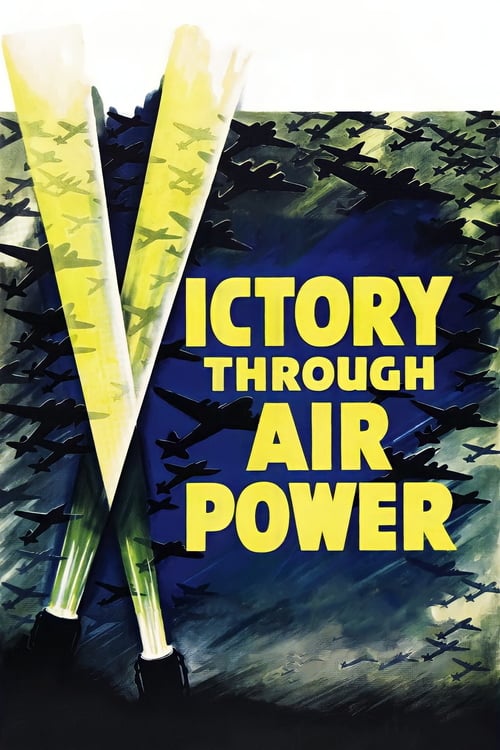
Based on the book by Major Alexander de Seversky's about his theories of the practical uses of long range strategic bombing. Using a combination of animation humorously telling about the development of air warfare, the film shows de Seversky illustrating his ideas of how air power could win World War II for the Allies.