
A psychiatrist spirals into madness after being tricked into marrying the wrong sister. When his obsession with her sibling grows, he uses his medical authority to turn her insane and imprison her within his own asylum.
Pagal
0.0 1940
941 Matches Found
A psychiatrist spirals into madness after being tricked into marrying the wrong sister. When his obsession with her sibling grows, he uses his medical authority to turn her insane and imprison her within his own asylum.

A social drama centered on a romance between its leading stars, Naseem Bano and Ashok Kumar, set within a Muslim social context.
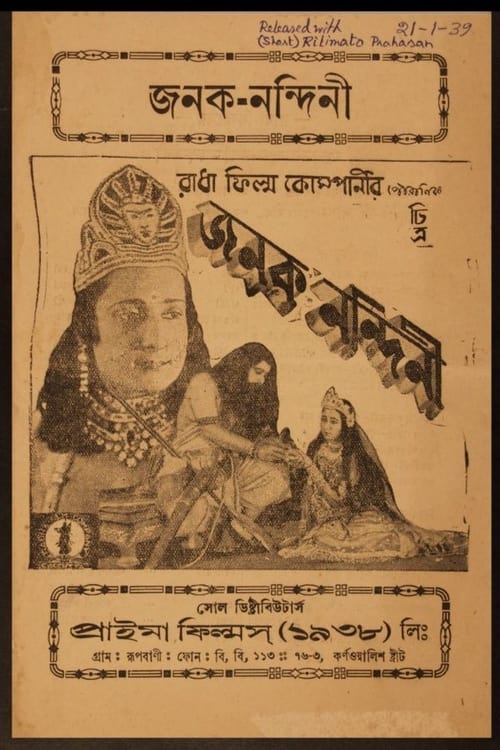
A 1939 Bengali Mythological Film directed by Phani Burma.
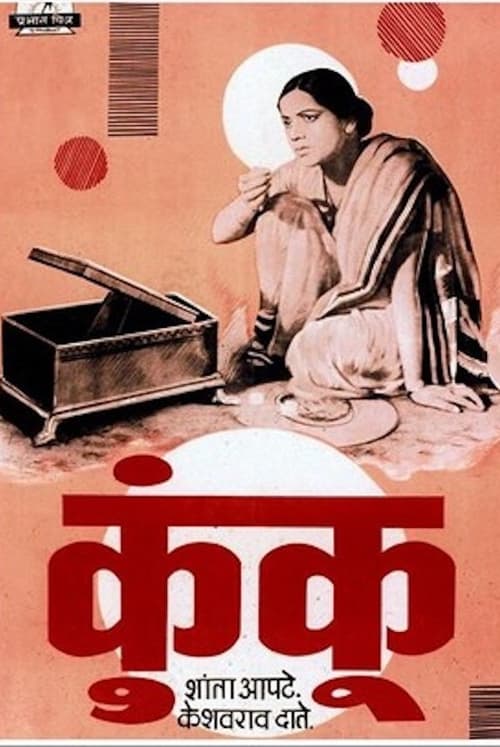
Neera (Apte) is trapped into marrying an old widower Kakasaheb (Date). He is a progressive lawyer with a son and daughter of Neera's age. Neera refuses to consummate the union claiming that while suffering can be borne, injustice cannot. Neera faces many hurdles including her mother-in-law and a lascivious stepson Pandit (Nene).
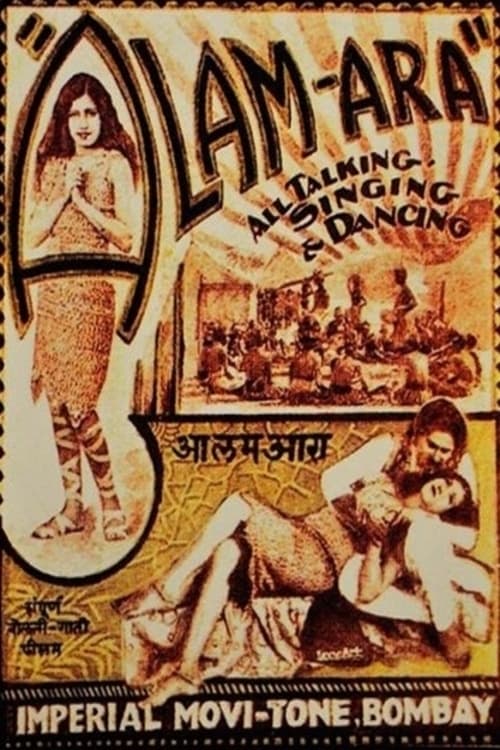
A period fantasy that told of the ageing king of Kamarpur, and his two rival queens, Navbahar and Dilbahar, and their rivalry when a fakir predicts that Navbahar will bear the king's heir. Dilbahar unsuccessfully tries to seduce the army chief Adil (Vithal) and vengefully destroys his family, leaving his daughter Alam Ara (Zubeida) to be raised by nomads. Eventually, Alam Ara's nomad friends invade the palace, expose Dilbahar's schemes, release Adil from the dungeon and she marries the prince of the realm.

Shamsher Singh (Kumar), a discharged military officer who wants to settle down as a farmer. His marriage is arranged with the educated Neela (Veera) who ditches him at the last minute and goes to the city where she learns that she stands to inherit a fortune if she gets married within 8 days. After rejecting several suitors, she finally falls in love with Shamsher Singh, whom she meets in the city unaware that he is the person to whom she was earlier betrothed. Singh treats her badly and she sues him but in the end the two realise that they love each other.
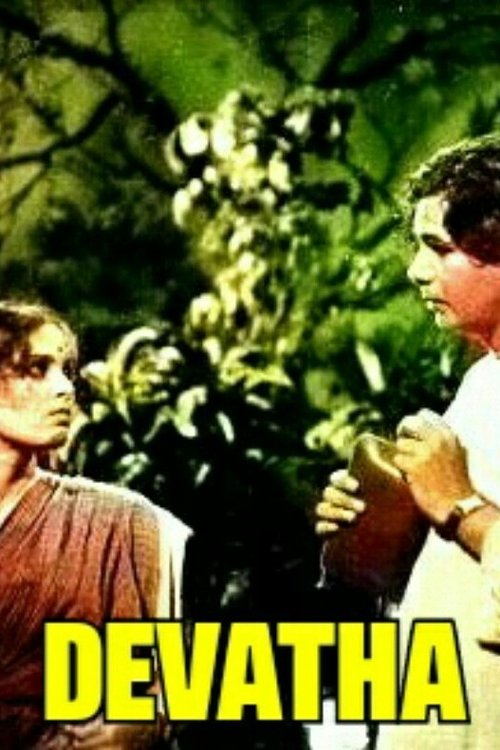
Foreign-educated Venu falls for Lakshmi, his servant's daughter. However, he leaves for the city and forgets all about her only to discover that she is pregnant with his child.
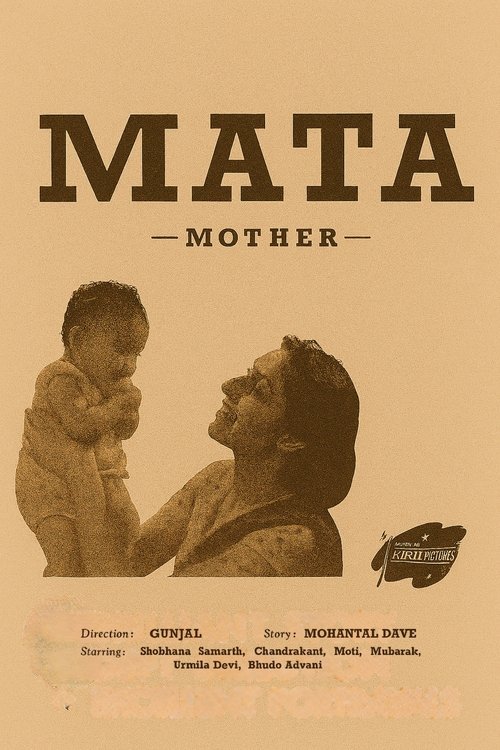
A heartfelt social drama that centers on the unwavering love and immense sacrifices of a mother for her children. Faced with myriad hardships—be it poverty, societal challenges, or the ingratitude of her own offspring—the film follow her journey of enduring immense personal struggle to ensure the well-being and future of her family.
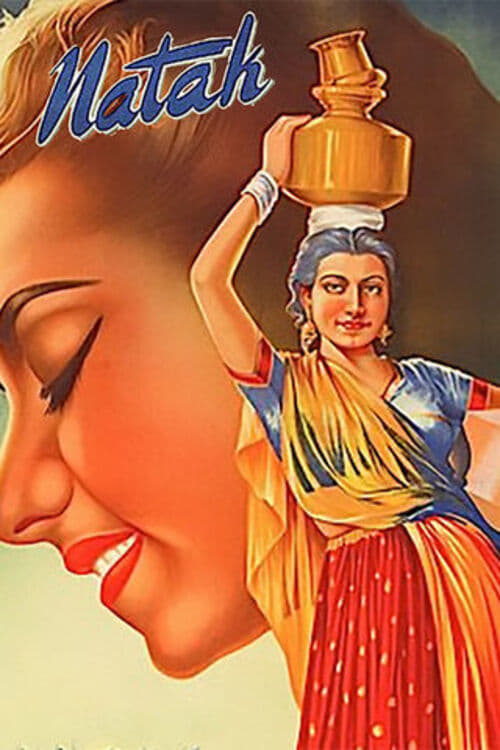
Film starring Shyam Kumar, Suraiya and Amar

Based on age-old Buddhist folklore connected with Mauryan Emperor Ashoka's son Kunal.

Chintamani (Tamil: சிந்தாமணி) is a 1937 Tamil-language film directed by Y. V. Rao starring M. K. Thyagaraja Bhagavathar, Serugulathur Sama and Aswathamma.[2] It was the first Tamil film to run for a year in a single theatre. Chintamani was based on the legendary story of a Sanskrit poet and devotee of Lord Krishna named Bilwamangal (M. K. Thyragaraja Bhagavathar). Bilwamangal, a resident of Varanasi, was a Sanskrit scholar, who gets infatuated towards a courtesan called Chintamani (Aswathamma), a woman of ill-fame. As a result, he deserts his wife. However, Chintamani is an ardent devotee of Lord Krishna (Serugalathur Sama) and spends most of her time singing bhajans in praise of Lord Krishna. His attraction towards Chintamani eventually draws Bilwamangal closer towards Lord Krishna and transforms his life forever. Bilwangal, himself, becomes a devotee of Lord Krishna and pens a monumental Sanskrit work Sri Krishna Karnamritam.
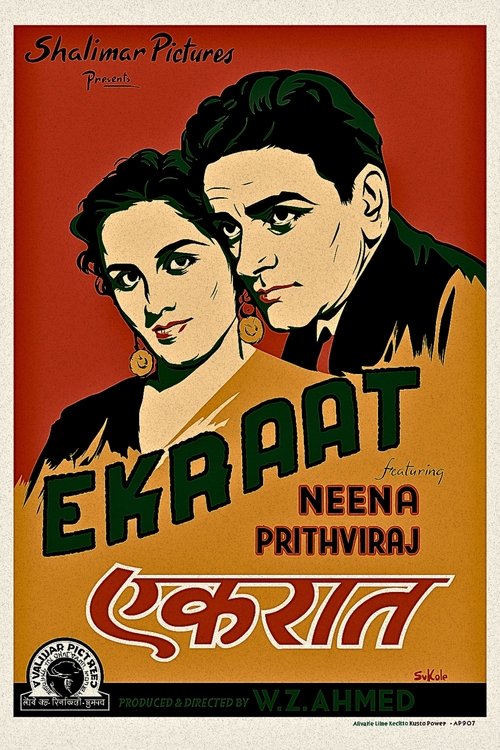
A thriller centered on Ravi, who arrives at Heera Mahal on a stormy night. He finds the bungalow now owned by Balraj Sharma, a crippled ex-police officer, and his daughter Rekha. Ravi takes a job with Balraj and learns of Balraj's fear of Jaggi, a man seeking revenge. Ravi and Rekha fall in love and try to help Balraj. The plot thickens when Ravi is accused of two murders, leading to more suspense and revelations.
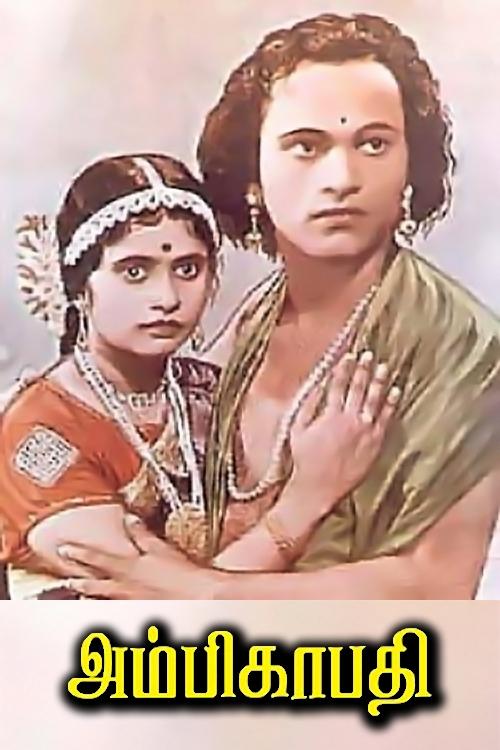
The film is based on a story set in the Chola Empire in year 1083 AD. The titular character in the story is Ambikapathy (M K. Thyagaraja Bhagavathar), the son of the Tamil poet Kambar (Serugulathur Sama) who is in love with the Chola princess and daughter of Kulothunga Chola, Amaravati (played by M. R. Santhanalakshmi). The king objects to their love and insists on testing Ambikapathy's literary mettle before judging his worth. The test given to Ambikapathi is that he should write and sing a hundred poems in the field of Puram (dealing with war and politics). The poems should not have any reference to the field of Aram (dealing of love and romance). Ambikapathi begins the test in the King's court with a Kadavul Vaazhthu (invocation to God). Amaravathi who is keeping the count, mistakes the invocation as a poem and counts it as poem number one.
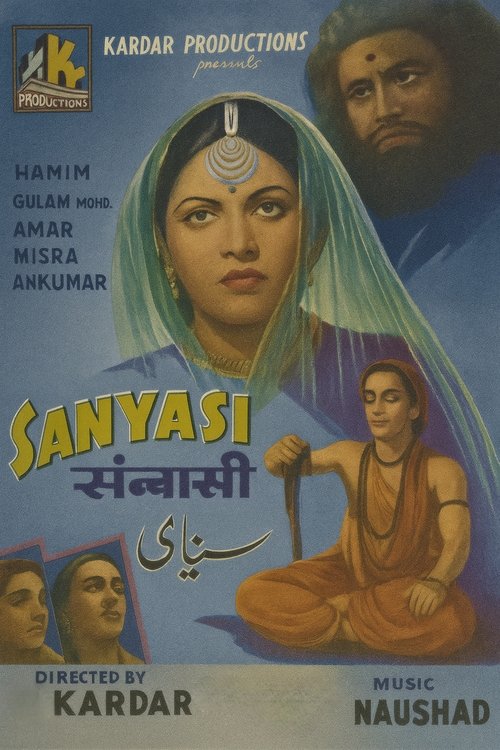
Premnath, a once-worldly man who finds peace as a devout ascetic. His detached existence is disrupted when he's compelled to become the guardian of Radha, the orphaned daughter of his old friend. As he guides her, he's drawn back into the world's complexities, fighting for her happiness and confronting societal challenges, ultimately questioning the boundaries of his spiritual vows in the face of human responsibility.

King Rajendra Varman and Queen Mrinalini are reigning the Vyjayanti empire. Mahendra Varman is the rival and the neighbouring king. Kannika is the minister’s daughter, who is in love with King Rajendra Varman and aims to attain him at any cost. This convoluted tale of palace intrigue, suspicion, unreciprocated love, seduction, villainy and piety was interspersed with excellent music.

A cashier faces false allegations for killing an actress, so he needs to prove his innocence.
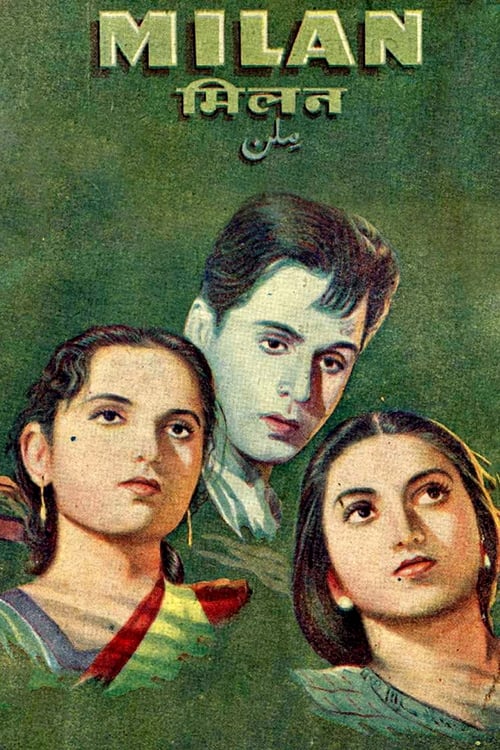
A young law student is forced into an arranged marriage though he is in love with somebody else. Following the wedding the drama focuses on the bride's mistaken identity and the search for her husband.

Indian horror movie from 1925.
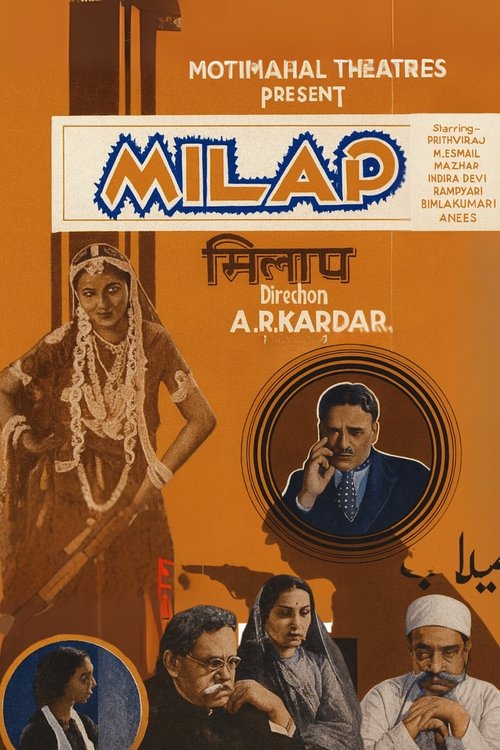
A social drama by A. R. Kardar, was a hit for Rampyari and Moti Mahal Pictures. It's famous for introducing Indian cinema's first "vamp" prototype, with Rampyari seducing Prithviraj Kapoor in an off-shoulder dress and using a cigarette-holder. Music by K. C. Dey.
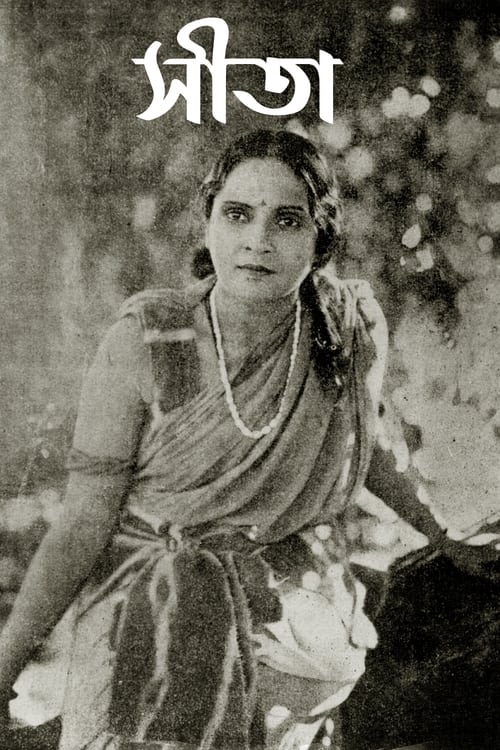
Seeta was a 1933 Indian talkie Bengali film, directed by Debaki Bose and produced by the East India Film Company.[1] It won an honorary diploma in the 2nd Venice International Film Festival in 1934, becoming the first Indian talkie to be shown at an international film festival.

Jnanambika, the heroine of the film, is the daughter of a wealthy landlord, Rajasekharan. After the death of her mother, her father marries again. Rajamani, the villainous second wife tortures Jnanambika, forcing her to run away from home.
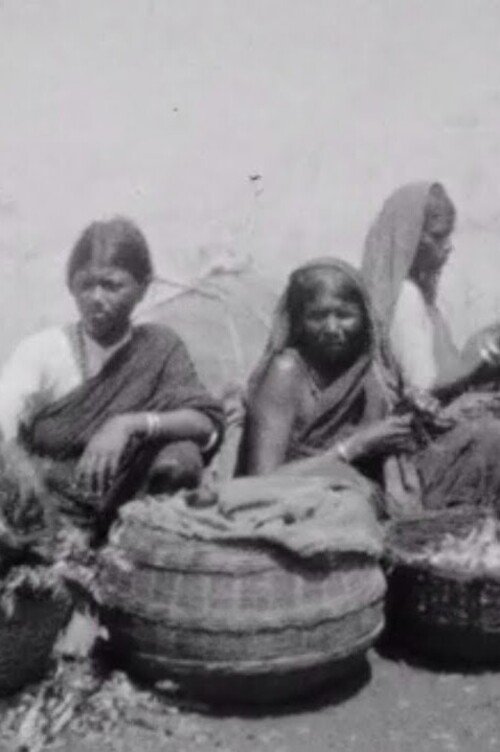
Snapshots of colonial life around Tamil Nadu, plus a visit to the Toda tribe.

The film begins after Alexander the Great (Sikander in Hindi/Urdu) conquers Persia and the Kabul valley and approaches the Indian border at Jhelum. Sohrab Modi plays the Indian king Puru (Porus to the Greeks). The story goes that when Sikander defeated Porus and imprisoned him, he asked Porus how would he like to be treated. Porus replied the same way a defeated king is treated by the winner (meaning killed).
1936 Tamil Film

This period fantasy is a tale about a good general Angar (Chandramohan) who is corrupted by ambition. Echoing 'Macbeth', the loyal Angar is told by the witch Kuntala (Ashalata) that his king (Bulbule) shall die and that he shall be king instead. Angar then kills that king and seizes power. Departing from 'Macbeth', Angar's wife Mangala (Ratnaprabha) and his friend Tarang (Chandrakant) do not approve and they eventually join forces with the people against Angar.
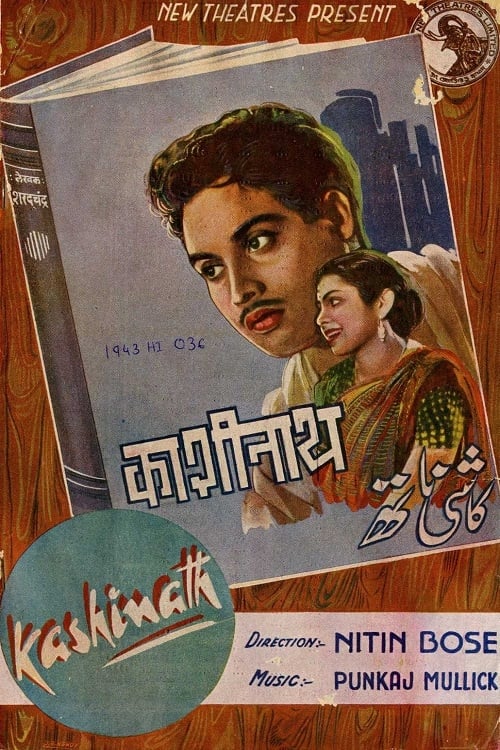
Shiromoni, a village priest sends his son on an errand to the house of Mr. Mukherjee. On his return Kashinath discovers his father is no more. With no kin to support him Mr. Mukherjee suggests that Kashinath should move over to live with Mr. Pitambar Chakraborty, the zamindar [Landlord]. Kashinath however, is in no mood to leave Mr. Mukherjee's home as he has started to grow attached to Mukherjee's daughter Bindu.
An abused wife Sumathi is driven out of her house by husband and later forced into prostitution. Later she reforms her ways and devotes her life to running an institution for the children of prostitutes.
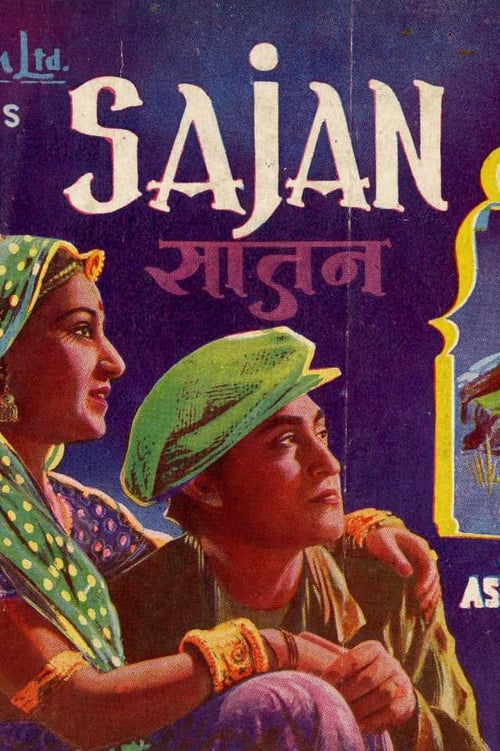
Prakash (Ashok Kumar) is returning home after eleven years from UK, and is now on a train for his journey back home. He meets a young man, also called Prakash (Ramesh Gupta), on the train who befriends him. The train meets with an accident and Prakash loses his memory. While Prakash is wandering around trying to regain his memory, the man from the train thinking that Prakash (Kumar) is dead, pretends to be Prakash and reaches his house.
A fantasy film based on a folk-tale from the Mahabharata.
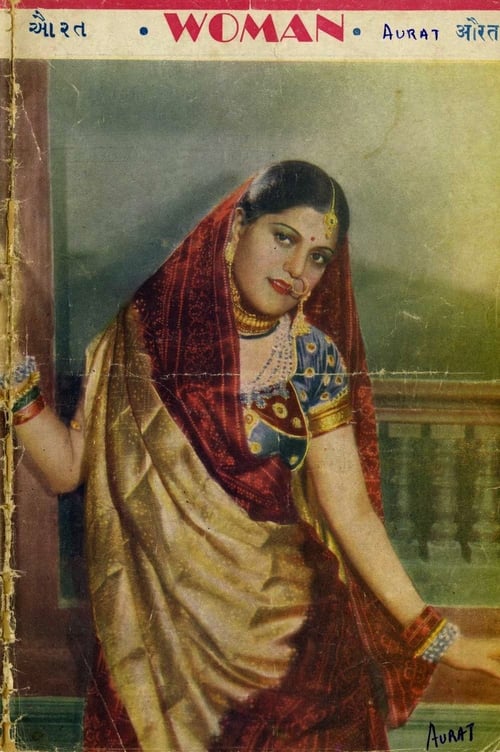
Radha is a resolute mother, who strives hard against poverty and a lecherous money lender to feed her two sons who grew up with contrasting temperament.
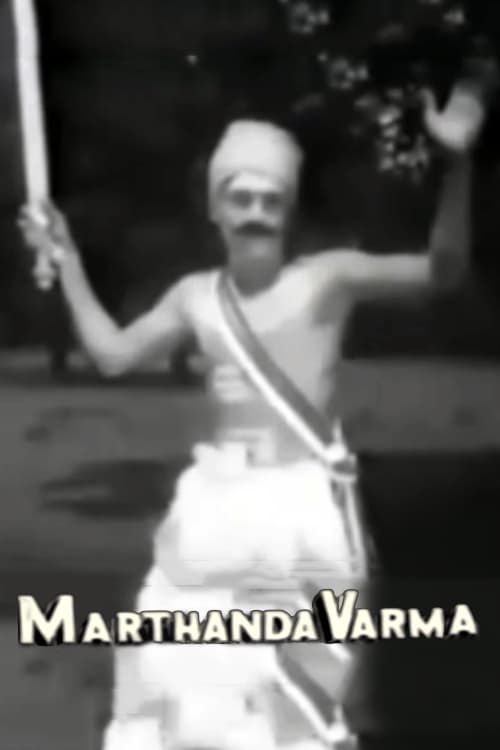
Based on the novel Marthandavarma, the film recounts the adventures of the crown Prince, Marthandavarma on how he eliminates his arch-rivals one by one, to ascend to the throne of the Kingdom of Travancore.
A spirited contribution to the Independence movement, deploying Gandhian themes.
Thyagaraja, a saint and a poet, overcomes many hurdles in his life, including grinding poverty to emerge as the greatest Carnatic music composers of all time.

India has finally won independence from British rule, and there are signs of progress among the population. One such sign of progress is in the village where two childhood sweethearts, namely Jeet and Vijay live. Vijay lives with his mom and brother Ratan. Ratan, who lives abroad, returns home to India, with all new ideas of progress and advancement. This is not met well with some of the villagers, including Jeet and Vijay themselves. Ratan overhears a conversation that Vijay is not his real brother, and asks Vijay to leave the house, despite of his mother's protests. Self-respecting Vijay leaves the house, and Ratan plans to marry Jeet, and schemes with some villagers that will revolutionize his plans for progress, and make Vijay the culprit.
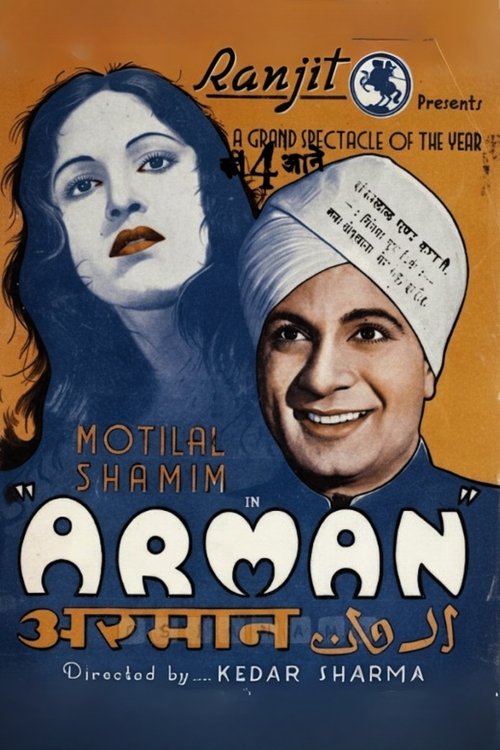
Set in 1910, its modern hero, Kanwal (Motilal), invents a ray that records pain and pleasure photographically. His experiments render him blind. Country lass Meera (Shamim) tends to him and they fall in love. Later Meera meets a sage (Shah) who has an expensive magic potion that cures blindness. Unable to afford it, Meera kills the sage, grabs the medicine and goes to Kanwal’s house while all nature protests her actions. There the evil Diwan (Bhagwandas) and his accomplices steal the medicine, cure Kanwal and take the credit. Kanwal, who can now see but does not recognise Meera, accuses her of murder but eventually realises the truth.
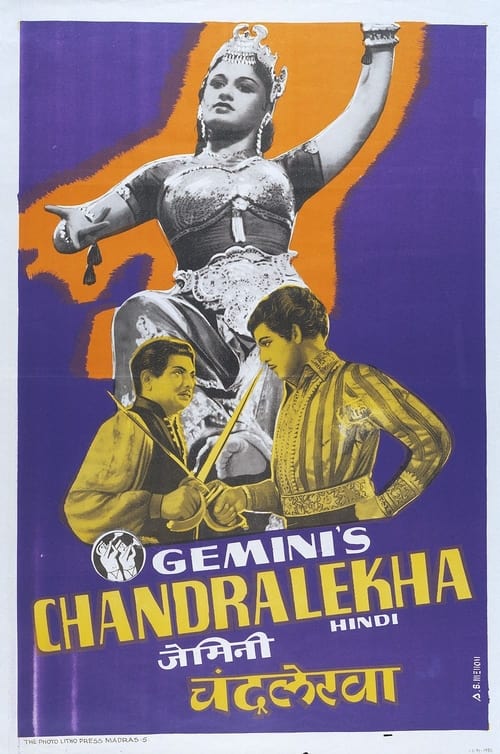
Brothers Veer and Shashank fall in love with Chandralekha. Shashank kidnaps her and forces her to marry him. She requests a special drum dance prior to the wedding. The drums, however, hold a secret.
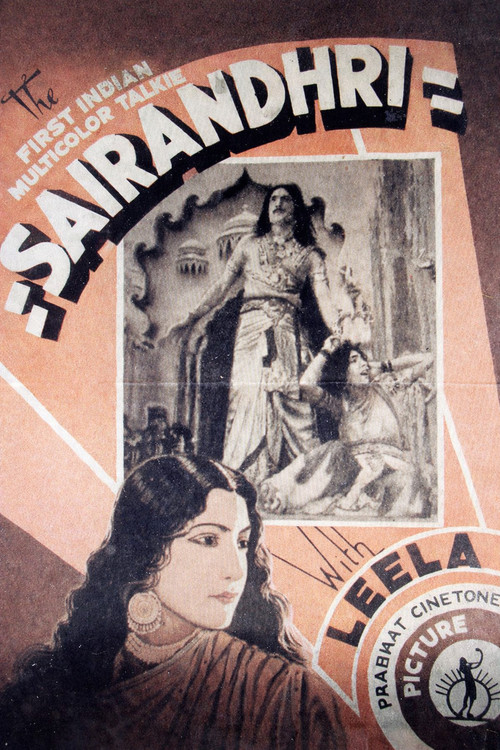
Set during the Pandavas’ exile in the Mahabharata, the story focuses on Draupadi living incognito as a maid-in-waiting named Sairandhari in King Virata’s palace. The arrogant Keechak becomes obsessed with her, prompting Bhima (disguised as a cook) to intervene and kill Keechak to protect her honor.
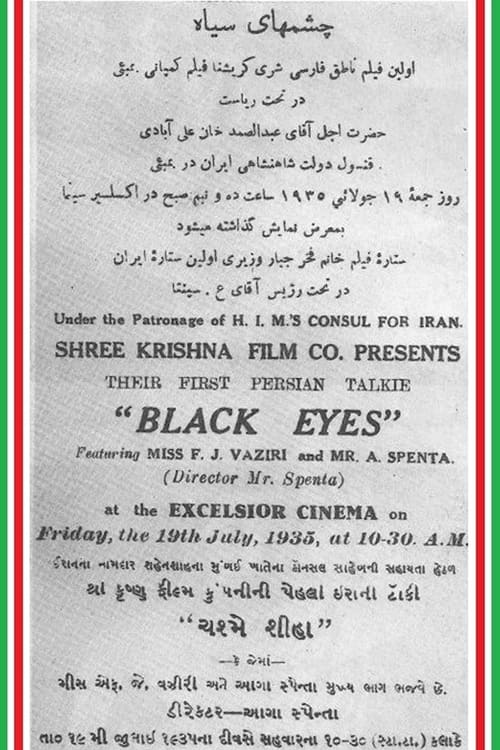
The story happens in Nader Shah era when he attacked India. At the very moment of the war in India and conquering Lahore, there is a romantic love going on between a girl and boy named Homa and Homayoun, which the war directly affects.
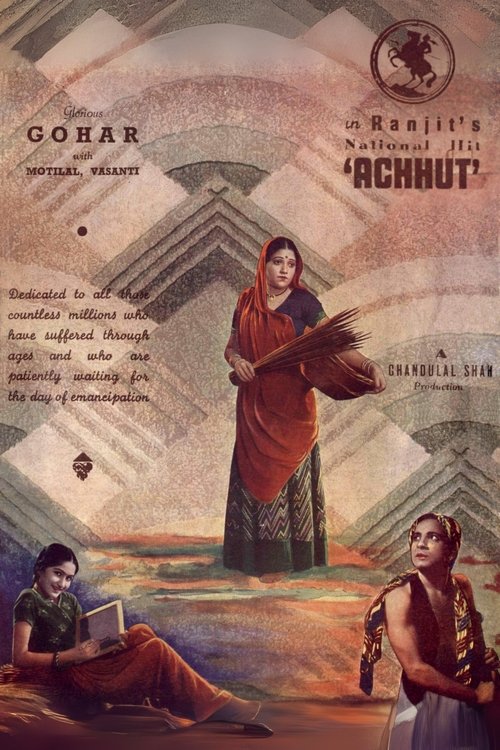
Laxmi, an "untouchable" woman fights for her community's rights against societal discrimination. She faces personal hardship and resistance from authorities, ultimately leading a movement for equality and temple access, while advocating for deeper societal change.
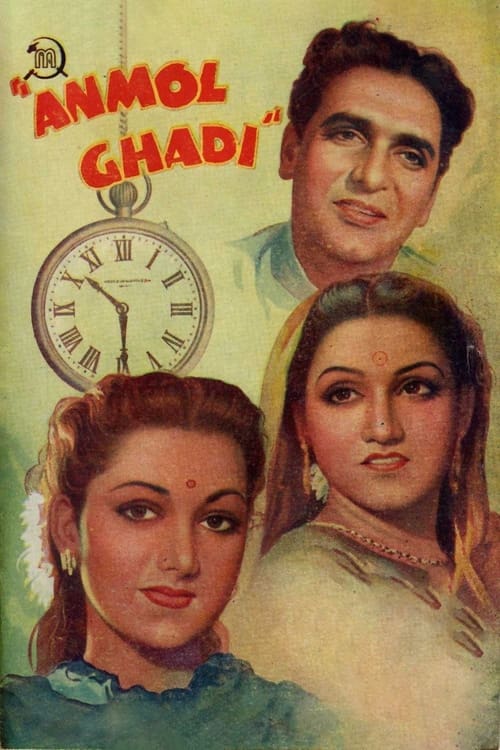
Childhood sweethearts from opposing social standings are separated when one's family moves elsewhere, leaving behind only a watch as a token of their friendship. Years later, as adults, they strive to meet again.
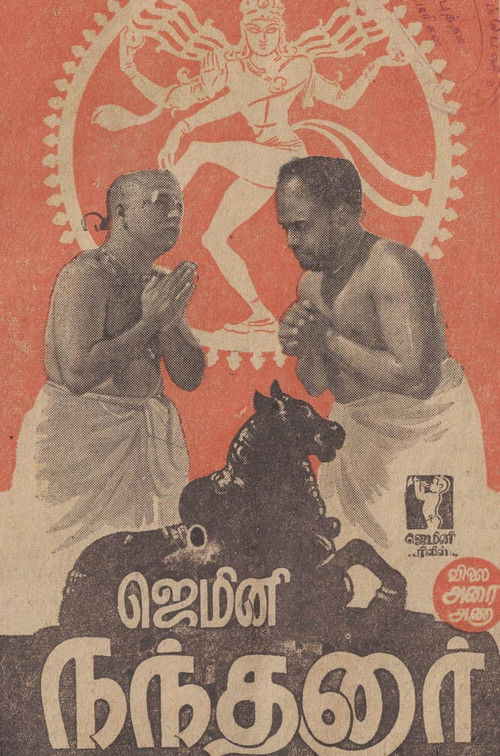
Based on Nandan, a low caste farmer's deep devotion towards Shiva.

A drama set in a Muslim family. Safhar's inheritance is lost, thanks to his sister-in-law, but he is still expected to complete his late father's work of building a mosque. If he cannot complete the work, then Salim must take over, but he goes off to fight in the Balkans, leaving the sister-in- law's orphaned daughter to complete the task. In doing so, she will lose her freedom, so she has a difficult decision to make.

Nanda, a money lender's son, falls for farmer's daughter Rupa. His father arranges his marriage to Radha for a dowry. Rupa sacrifices her love and blesses Nanda's marriage to Radha.
An orphan young girl falls in love with a young man from a rich family. The young man leaves for England for higher studies and the girl undergoes many hardships.
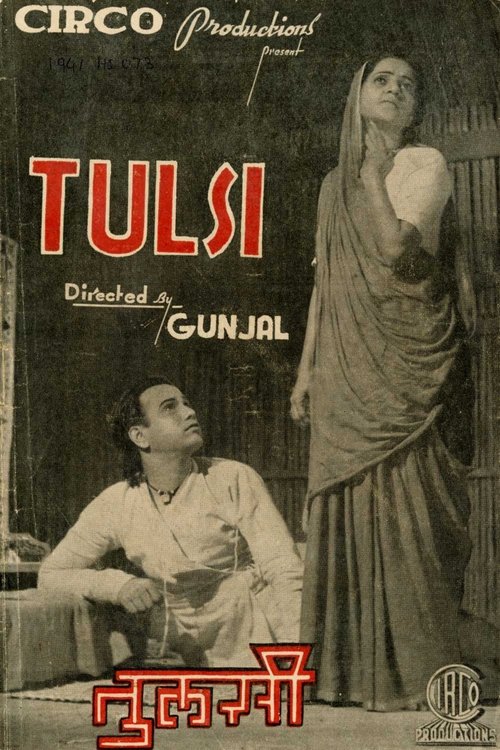
A social drama centered on a character embodying strong moral or spiritual virtues, a narrative exploring themes of faith, sacrifice, and righteousness within an Indian context
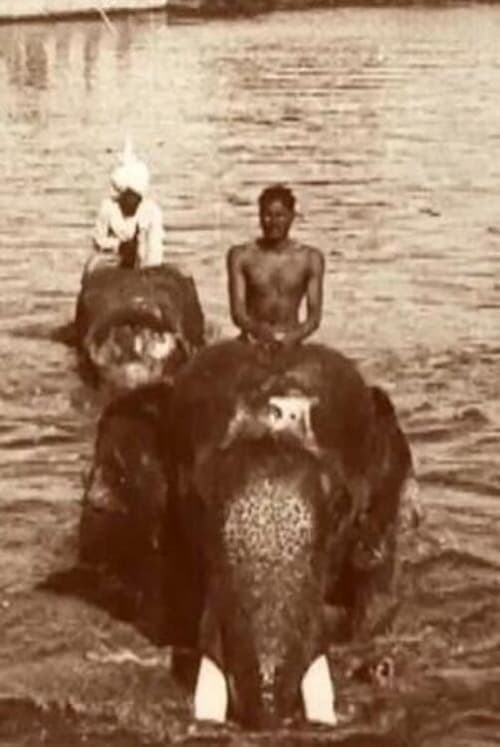
The future Edward VIII enjoys a stately procession and visits the Taj Mahal before meeting senior Indian royalty.

An heiress, played by Madhuri, who falls in love with her father's secretary played by Trilok Kapoor
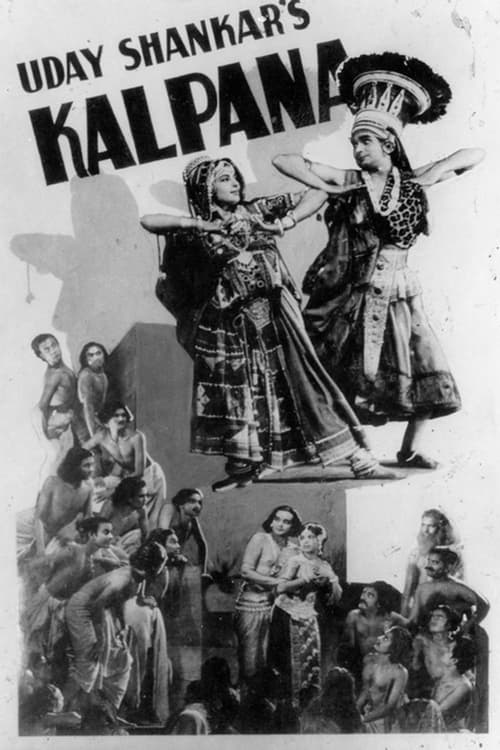
A writer goes to a film producer with a story in the hope of selling the idea for a film. As he explains it to the producer, scenes from his dance movie come to life.
Shankar abandons his religious wife Durga and takes their son Mohan into a life of crime. Years later, Durga raises her second son Kumar to be virtuous. When Mohan is arrested, he ends up being prosecuted by Kumar—his own brother—leading to a dramatic family reckoning and Mohan’s path to redemption.

Gauri is a 1943 Indian Bollywood film. It was the seventh highest grossing Indian film of 1943. Monica Desai, Prithviraj Kapoor and Raj Kapoor played the lead roles in the film. [Wikipedia]
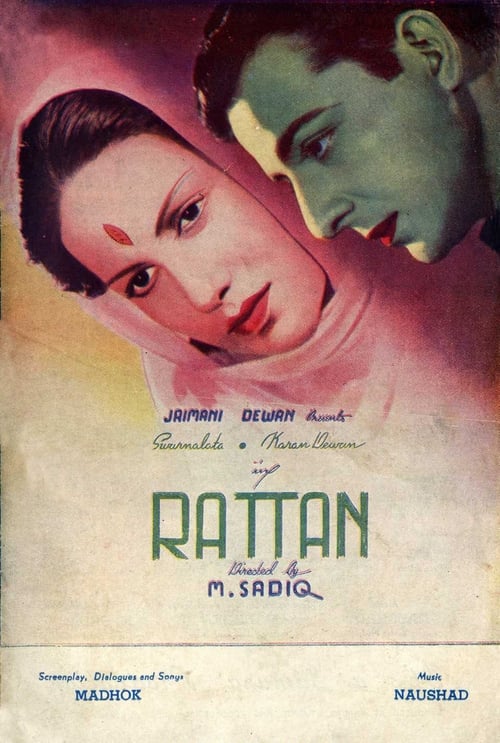
They are in love - have grown up together. Circumstances lead her to get married to a older man with a small child who does not accept her physically after having seen her face for the first time - he feels guilty that she has been cheated upon and her youth has been snatched away. One day she returns home to meet her childhood friend.
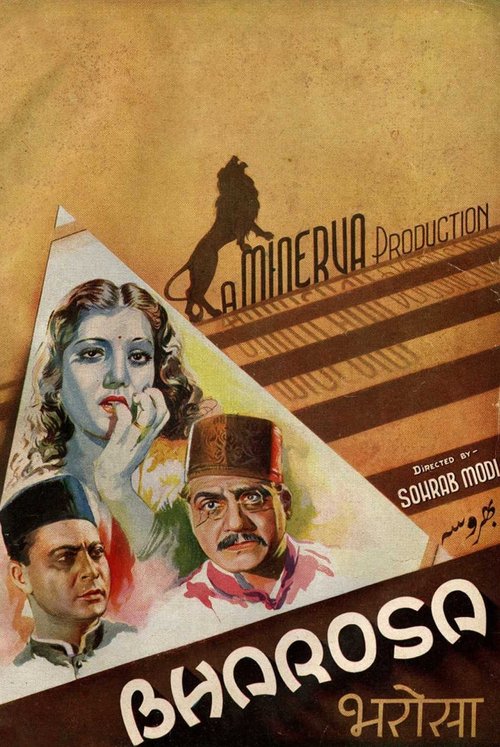
Gyan leaves his wife Shobha in the care of his friend Rasik while he travels abroad. In his absence, Shobha and Rasik fall in love and have a child, Indira. Years later, unaware of the truth, Gyan returns and unknowingly arranges Indira’s marriage to Rasik’s son—her half-brother—setting the stage for a dramatic and morally complex revelation.
Film of local events in Ajmer province including the fair at Pushkar.
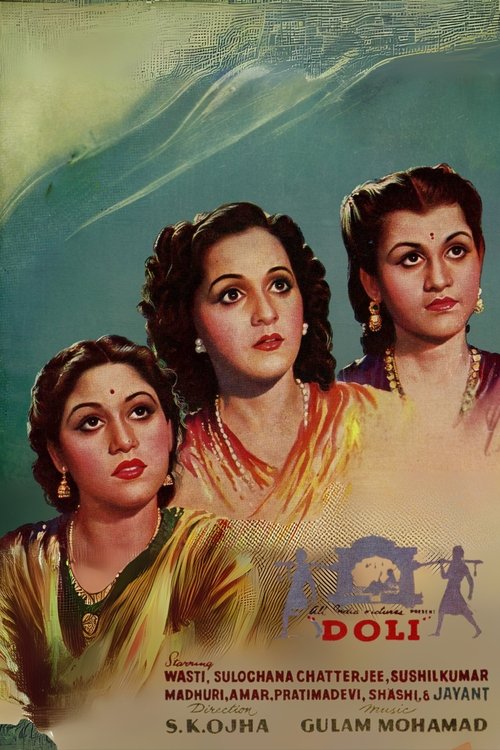
Roshan, a young man who can't see, falls for a blind beggar girl named Rani. He tries to get the money for an operation that could restore her sight, but his plan goes horribly wrong, landing him in jail. In his absence, a doctor enters Rani's life and gives her the gift of vision. After years apart, their paths cross again, but will they find their way back to each other, or has fate set them on separate courses forever?
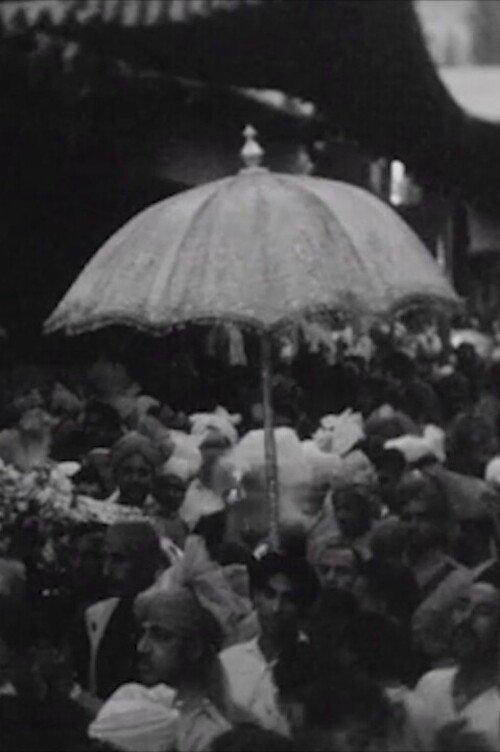
Muharram procession through Lahore bazaar, crowded streets and buildings.

Fazlu, a lifelong servant, is wrongly imprisoned after being blamed for his master's son's death. He escapes, believing his newborn is the child reincarnated. The film follows Fazlu's heartbreaking journey as he watches his family crumble under economic hardship, ultimately leading him back to prison.
Meera, a zealous devotee of Lord Krishna, considers him to be her husband. She gets married to Rana Bhojraj, but follows her own way of living which is not acceptable to her husband and the society.
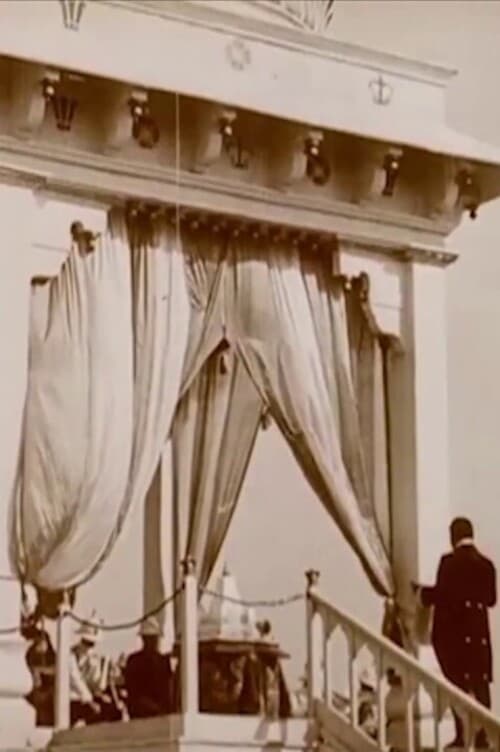
The future Edward VIII opens a durbar and enjoys a day at the races before inspecting the fire brigade in Calcutta.