395 Matches Found

Limite

Adrift in the vast expanse of the ocean, a solitary boat carries three castaways—a man and two women. Stranded and devoid of any glimmer of rescue, they find solace in recounting the tales of their lives to one another. As they delve into their personal narratives, reminiscing about the circumstances that led them to this desolate predicament, they navigate through the depths of three distinct destinies. Bound by the confines of their shared space, every aspect of their existence becomes a boundary, underscoring their plight.

Limite

7.1 1931
Amazon: Longest River in the World

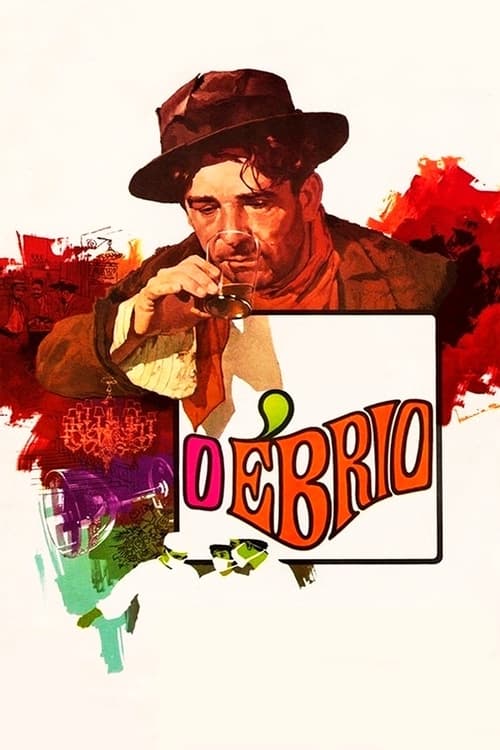
Documentary by Portuguese Silvino Santos, about the Amazon, its flora, fauna, its inhabitants and among other wonderful images from the beginning of the 20th century with alternating close-up shots of caimans, jaguars and tropical flora with footage of Indigenous rituals--including some of the earliest known moving images of the Indigenous Witoto people--and longer sequences showcasing the region’s extractive industries: rubber, the Brazil nut, timber, fishing, even the egret feathers that were a staple of women’s fashion at the time.

Amazon: Longest River in the World

0.0 1918
A Real Nave Itália no Rio Grande do Sul

Photograph of King Vittorio Emanuele III. The ship Italia, formerly König Albert, under the command of Count Carlos Grenet and with the Italian ambassador Giovanni Giuriati, entering the port of Rio Grande, on May 2: events and groups of Italian reservists for their reception; popular and authorities, representatives of societies and the cities of Cachoeiro and Pelotas, music band, including a representative of the fascism of Caxias, present at the reception.

A Real Nave Itália no Rio Grande do Sul

0.0 1924
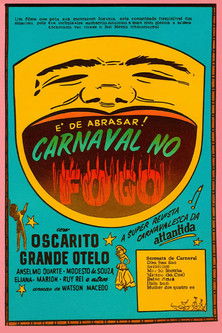
Carnaval no Fogo

A gang, leaded by the unknown and mysterious Anjo, robs a jewelry and schedules a meeting in the Copacabana Palace Hotel, in Copacabana. The identification would be through a cigarette case with an angel, and the password "- Is everything all right?" Meanwhile, the director Ricardo is preparing a show for the carnival in the hotel with Marina, and they love each other. The janitor Serafim receives a letter from his unknown American brother, who will come to Rio to spend the carnival and meet him, and asks Eliana for a chance in the show, since his brother believes he is an artist. When Ricardo finds the cigarette case lost by Anjo in the entrance of the hotel, he is misidentified by the thieves, and this is the beginning of lots of confusion and fun.

Carnaval no Fogo

0.0 1949
The Daughter of the Lawyer

In Recife, Dr. Paulo is an important lawyer that has a daughter, Heloísa, with his paramour and living in the country. A few days before traveling to Europe, Dr. Paulo asks to a close friend to bring Heloísa to Recife. Meanwhile, his bohemian and irresponsible son Helvécio meets Heloísa, and without knowing that she is his sister, he tries to rape her, and she kills him. Heloísa is arrested and goes to trial without any evidence to prove that she self-defended her honor.

The Daughter of the Lawyer

6.0 1926
Italian Wings Over the Skies of Brazil

On an expedition through Latin America, Italian General Italo Balbo made the Atlantic crossing with his seaplane squadron, which left Boloma, entered Brazilian territory via Natal and now ended its journey in the capital Rio de Janeiro. Arrival of the fascist squadron at Enseada de Botafogo. People, many in boats, applaud the descent of the seaplanes. A group of officers searches the soldiers in profile. Italo Balbo, Ambassador Vittorio Cerrutti and Royal Consul Onorevole Mammalella watch the parade of troops. A group of officers with Col. Magdalena, "the intrepid hero of several aerial feats". At the Catete Palace, Balbo and Cerrutti are received by the President of the Provisional Government, Getúlio Vargas, and his ministers. The Italian delegation leaves the Catete Palace.

Italian Wings Over the Skies of Brazil

7.0 1931

Entre as Montanhas de Minas

Hugo, a rich and wild young man, joins Julio, his close friend and party companion, and after a night of adventure and alcoholic libations, the two awaken, still thirsty for adventure. They head to the Livestock Exhibition, then in full swing. There, they part ways, and Hugo goes to meet the beautiful Geni, the young daughter of Colonel França, a wealthy rancher from southern Minas Gerais and one of the main exhibitors at the important event. Hugo, upon seeing this beautiful young woman with such sweet eyes, is attracted to her, begins to fall in love with her. And, seizing a lucky opportunity, he invites her to dinner together at a restaurant located on the Exhibition grounds. Just then, a daring man appears and tries to flirt with his young companion.

Entre as Montanhas de Minas

0.0 1928
The Mystery of the Black Domino

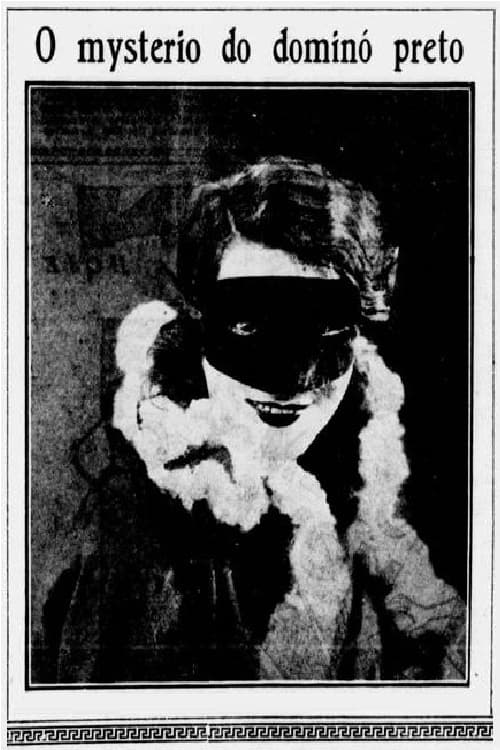
"The Mystery of the Black Domino" was the first film directed in Brazil by a woman, the pioneer Cleo de Verberena. Marcos and Virgílio are medical students and share the same room. At the end of the first night of carnaval, Marcos finds the corpse of a woman, dressed as a black domino, inside the closet and accuses Virgílio of murder. Virgílio defends himself by saying that that was Cleo, wife of Commander Fernando Almeida, and that he found her in the corso asking for help, but Marcos questions Virgílio about the veracity of the story. Lost Film.

The Mystery of the Black Domino

0.0 1931

Barcarola

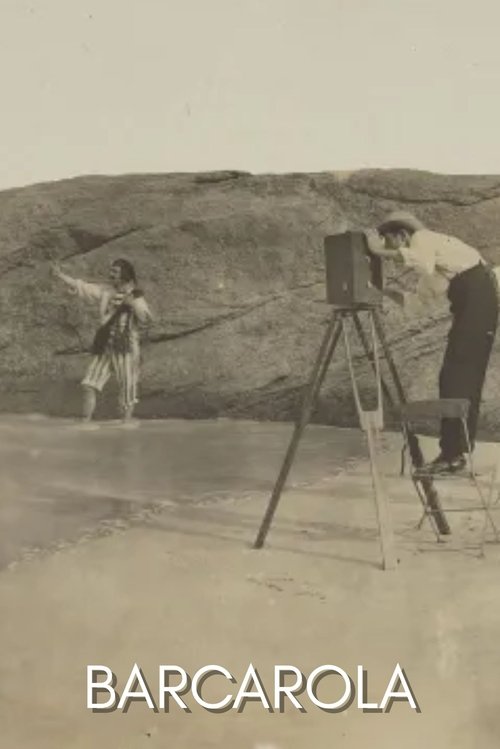
Barcarola is a 1908 Brazilian film directed by Júlio Ferrez. It was the first "sound" film in Brazil, that is, with actors dubbing themselves live, behind the screen, based on already recorded images. Premiered on September 1, 1908. It was produced by the company William e Cia. The film was inspired by the operetta "Les contes d'Hoffmann", by composer and cellist Jacques Offenbach. The film's synopsis is unknown, but given the name, which references the song "Barcarolle", it is very likely that it is inspired by the third act of Les contes d'Hoffmann. Like many films from this era, Barcarola is considered a lost film, with only one surviving image, taken during the film's production.

Barcarola

0.0 1908
Favela dos Meus Amores

Two young men from Paris bring "wonderful civilizing ideas" into the brain. But, as they returned without pity, they began to call for an auction of the furniture and objects of art that garrison their "garconiére", last vestige of the passage of opulence. The great idea would be to install a cabaret in the favela for tourists in search of new sensations and also for the inhabitants of the city. On the hill, one of the boys experiences the greatest surprise: he found there, living among the humble, teaching to read to the children, Rosinha, an enchanted little princess, queen of the hill.

Favela dos Meus Amores

0.0 1935
Lampião, o Rei do Cangaço

Scenes from the daily life of Virgulino Ferreira da Silva—the cangaceiro leader Lampião—and his group, captured by cinematographer Benjamin Abrahão. Their survival strategies in the sertão landscape, their gestures, habits, clothing, and diet are illustrated. Proud of their status, the group's main members are shown displaying their weapons and combat skills in the caatinga. Maria Bonita and Lampião appear in moments of tension and relaxation, highlighting the harmony of the band and, above all, the rigors of life as a cangaceiro. (Cinemateca Brasileira)

Lampião, o Rei do Cangaço

8.8 1937
Insect Dance

In a rural area, an insect receives a letter with an invitation to participate in the Insect Ball, to be held in the city and with no end date. There, flies, mosquitoes, mosquitoes and cockroaches have fun and dance, until a robot, named Detefon arrives to end the party, pouring an insecticide, exterminating all the insects. Animated advertisement for the insecticide Detefon entitled "Baile de Bugs", directed and animated by Eugenio Marcus and produced by the company Rex Filme.

Insect Dance

0.0 1949