
A man obsessed over two things, the theater and a childhood friend, recounts his life story to his new bride.
Aag
6.0 1948
941 Matches Found
A man obsessed over two things, the theater and a childhood friend, recounts his life story to his new bride.
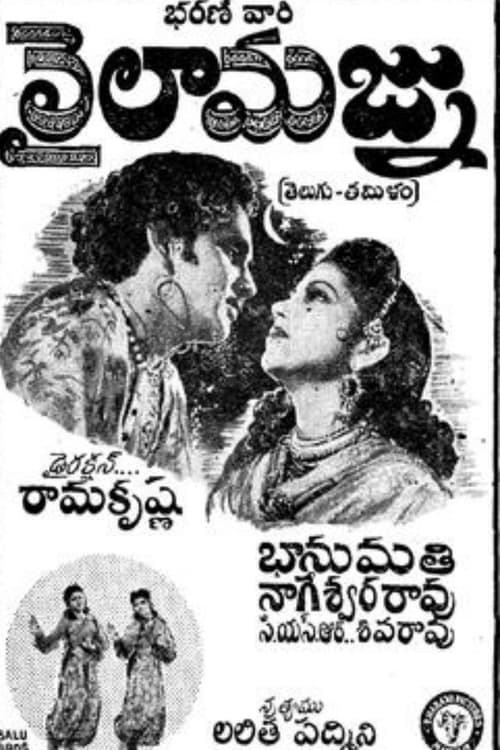
Khayas falls in love with Laila but her father refuses the alliance, which leaves Khayas heartbroken. Things take a turn when Laila then moves to Mecca.

A legendary king of Avanti, Vikramaditya, pledges to protect Princess Shreelakha of Kashmir from the Shakas, appointing Kalidas as his court poet. The film depicts Vikramaditya's heroic battles, his eventual defeat of Shakaraj, and the restoration of Kashmir's kingdom.
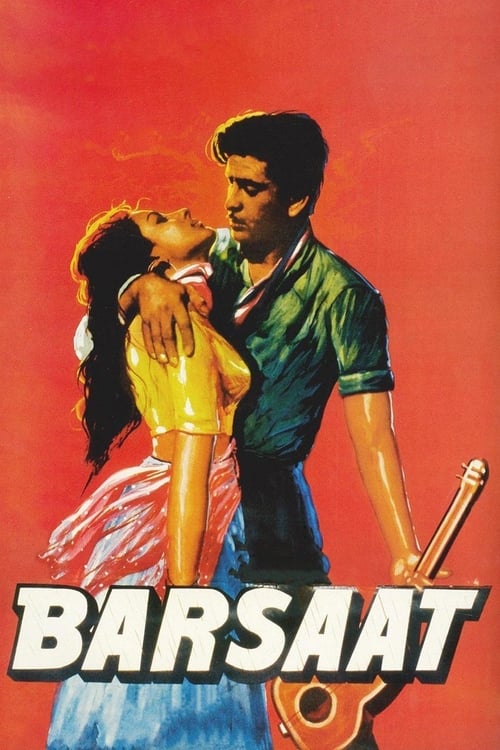
Two friends with opposite personalities, the rich but sensitive Pran and the womanizing Gopal both have affairs with two mountain girls while holidaying in the valley of Kashmir. While Pran and Reshma's love is true and reciprocated, Gopal is a womanizing villain, who disregards the faithful Neela and condemns her to wait faithfully for his return with the barsaat (rainy season).
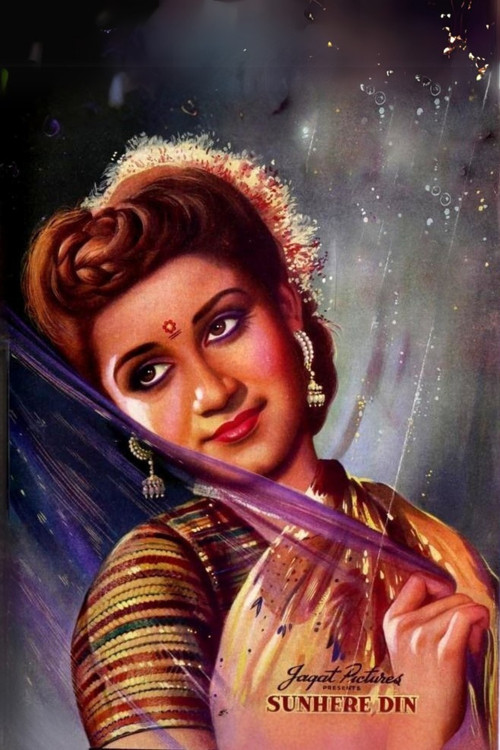
Renu gets into a minor accident and Premendra helps her out, unaware that he is her favourite singer. Lata and Asha, Renu's friends, fall in love with Premendra.
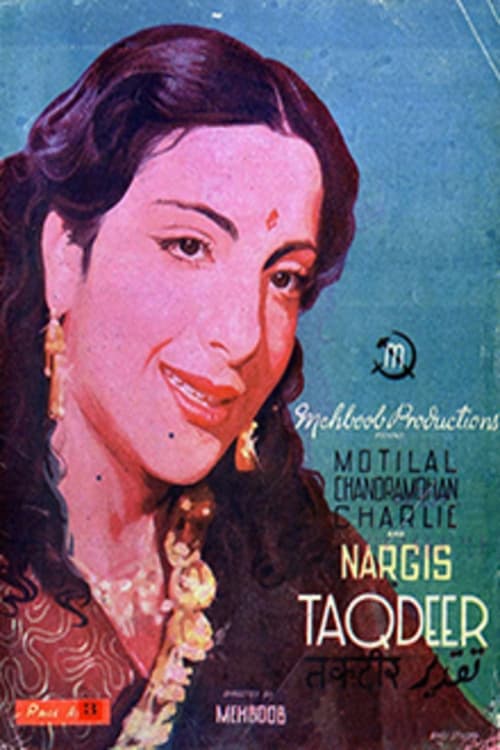
In between his more ambitious Najma (1943) and Humayun (1945), Mehboob made this lightweight comedy about Justice Gangaprasad (Chandramohan) and theatre-owner Seth Badriprasad (Charlie) who lose their daughter and son respectively in the Kumbh Mela.
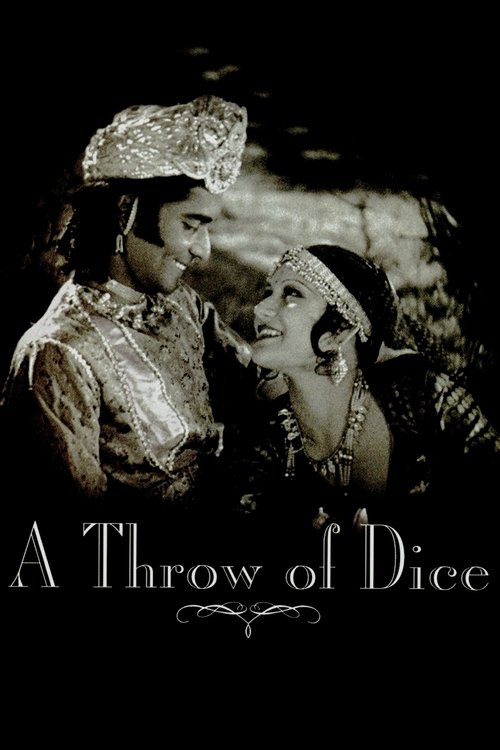
Two neighboring kings addicted to gambling, Ranjit and his cousin Sohat, vie for the same beautiful young woman, Sunita, daughter of the hermit Kanwa.
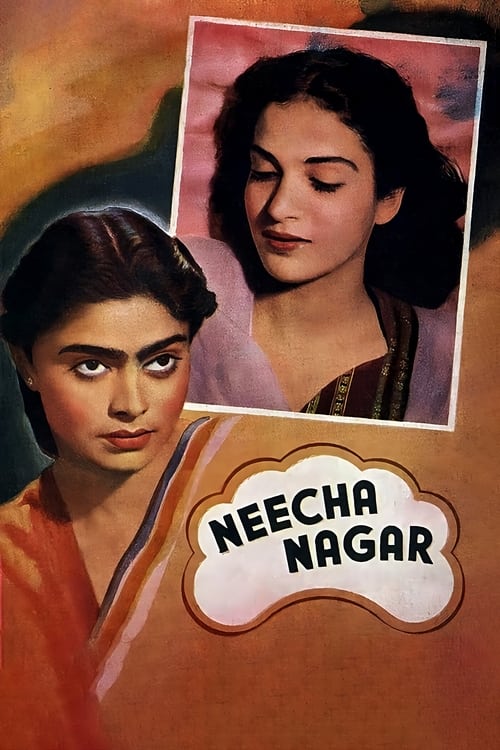
Wealthy landlord Sarkar decides to direct all waste into the village to make space for his real estate project. However, the poor villagers agitate against his plan and the protest is led by Balraj.
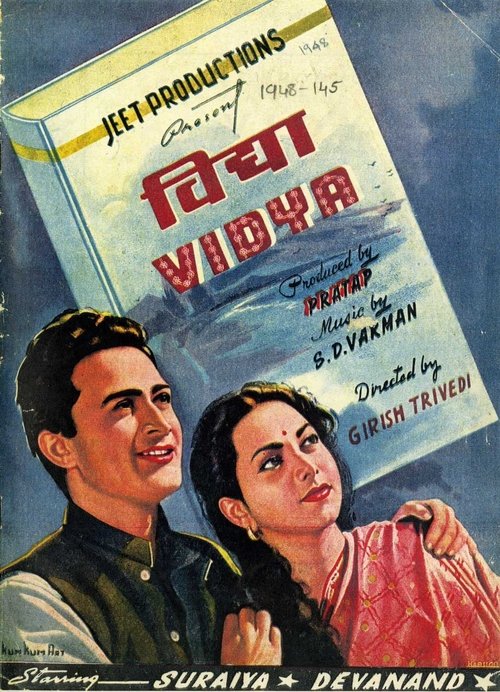
Born in a low-caste family of chamars (cobblers), Chandu alias Chandrashekhar (Dev Anand) helps his father repair shoes and other footware for a small pittance. One day a girl from a rich and wealthy family, Vidya (Suraiya) stops by to get her shoe repaired. She wants Chandu to stop doing this menial job, and go to school, study and become someone important. She offers help financially, and gets Chandu to school. Both grow up and are attracted to each other. Both intent to marry, but obstacles open up in the form of Harry alias Harilal (Madan Puri), and Vidya's alcoholic dad, who will not permit his daughter to mingle with a boy from a lower caste.
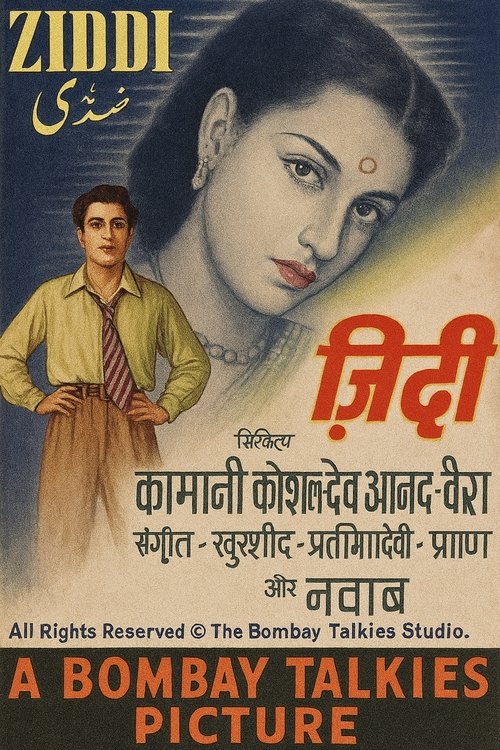
Puran, a wealthy young man, falls in love with Asha, who is poor. He insists on marrying her despite his family's strong disapproval due to their class difference. The story follows his persistent efforts to overcome this opposition and marry Asha.
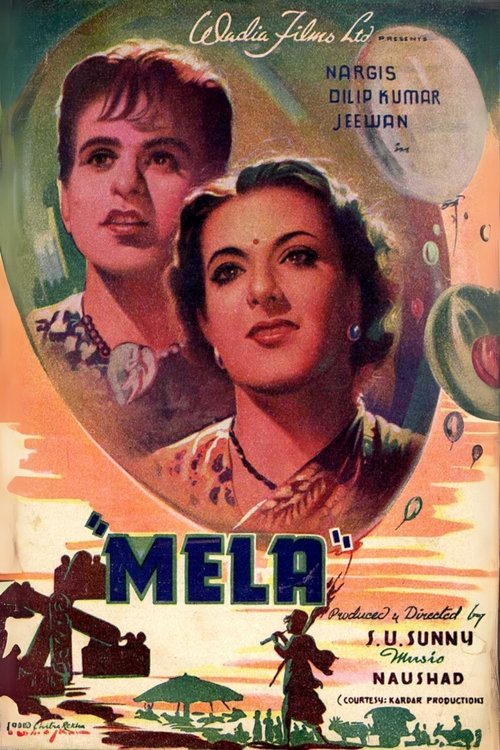
A convicted murderer is released from prison. His only possession is a broken figurine - the last token of his love. The tragic story of how he came to be incarcerated and the significance of the figurine is the subject of this tale of star-crossed lovers whose destiny is moulded by society's rigid rules and the villainy of a scoundrel.
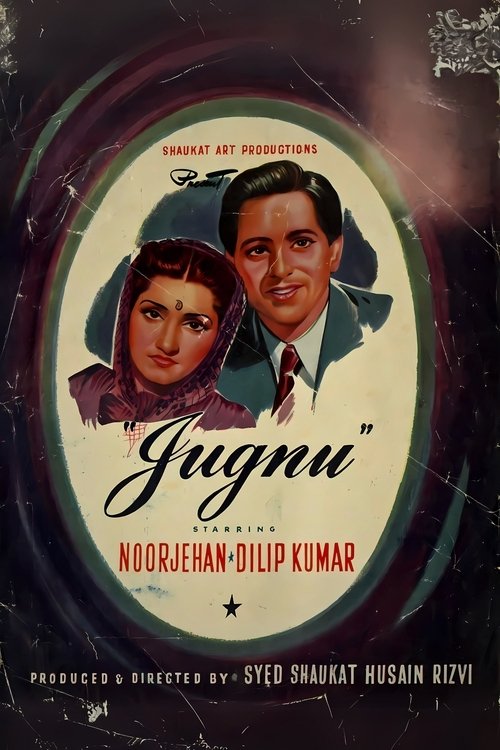
Suraj and Jugnu fall in love while studying at the same college
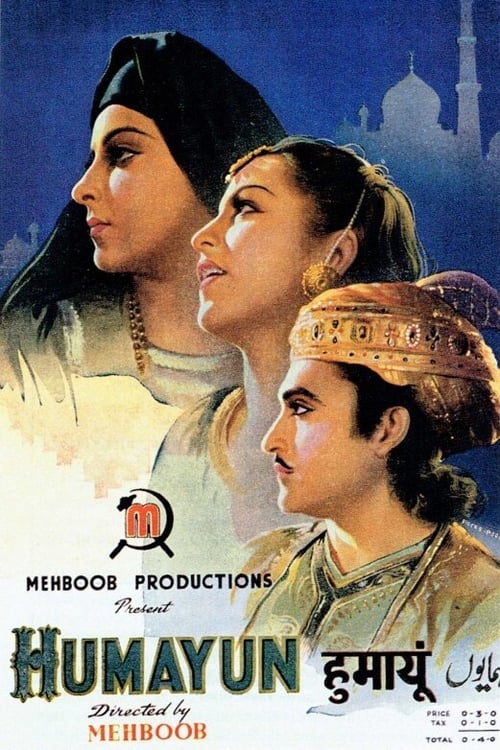
The film follows Humayun’s rise to the throne, his struggles to maintain the empire, and his conflicts with rivals—especially Sher Shah Suri, who defeats him and forces him into exile. Amid political upheaval and personal loss, the story also explores Humayun’s relationships, particularly with his noble wife Hamida Banu. Eventually, with Persian support, he regains his empire, but his triumph is short-lived, as his reign ends with a fatal accident.
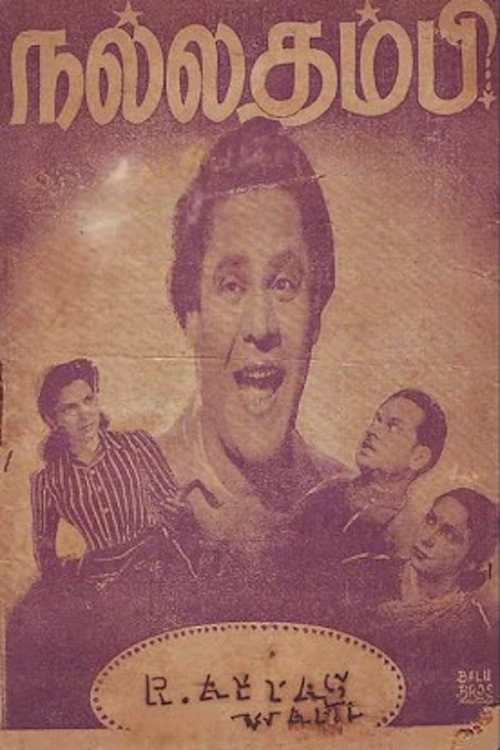
Nallathambi (NSK) a simple rural man inherits an estate from his deceased Zamindar relative. The Zamindar's daughter Pushpa (Bhanumathi) falls in love with Nallathambi. However he loves another girl (T. A. Madhuram). Bhoopathy (Sahasranamam) the estate manager has his eye on the wealth and tries to cheat Nallathambi out of it. He goads Pushpa into filing a suit that Nallathambi is mentally insane. In the end Nallathambi defeats Bhoopathy's machinations.
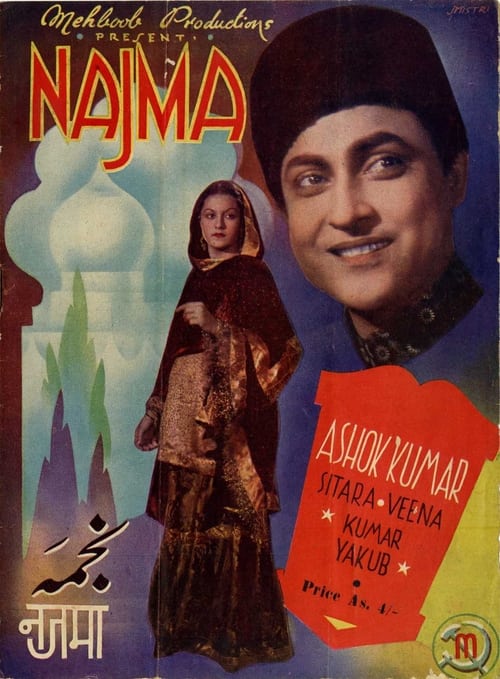
Najma is a 1943 Indian film directed by Mehboob Khan and starring Ashok Kumar and Veena. The film's music is by Rafiq Ghaznavi with lyrics by Anjum Pilibhiti. Najma was the first film under Mehboob Khan's Mehboob Productions banner. Due to its financial success upon release, the film became a blueprint for Muslim socials that followed.
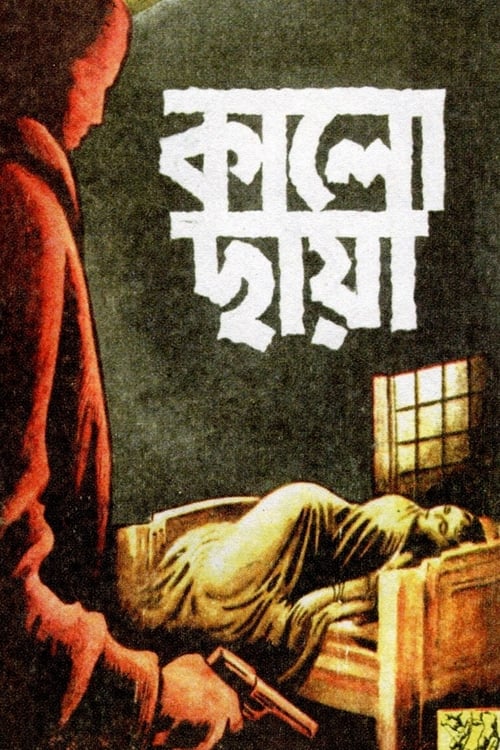
A lady visited Mr. Surajit Roy, a detective, with a proposal to steal a will from a landlord's house. Surajit did not accept the assignment. Soon after, he received a telegram from one Rajib Lochan Choudhury, zamindar of a remote village in Murshidabad district. It appeared that Rajib Lochan's life was in danger. When Surajit visited his house the zamindar had already been murdered. Detective Surajit started an investigation while staying at the house. He saw a nurse, Anima, appointed for Rajib Lochan and recalled that this lady went to him with the proposal of theft. There were several relatives and servants in the house but most of them concealed some or other facts from him. Finally, Surajit was successful in tracking down the real culprit

A man's birth is foretold by an astrologer: he will follow a prostitute, wield a knife, and face the gallows. These prophecies come true in unexpected ways, as he finds salvation through a sacrificing prostitute, becomes a surgeon, and battles personal demons, all while grappling with destiny.
A stunning trek from the vale of Kashmir, via Sind Valley and Kargil and Lamayaru Monastry.
A film produced to celebrate the coronation of George V as King-Emperor at the Imperial Durbar of 1911.

Roopa, unhappy in her marriage to Niranjan, champions changes in divorce laws to allow women to initiate separation. She successfully divorces Niranjan and marries Amarnath, only for Amarnath to then use the same laws to divorce her.

Niren Lahiri directs this social-minded melodrama about the complicated relationship between a traditional Hindu family headed by Madhab Thakur (Choudhury) and their progressive next-door neighbor Mukherjee (Chhabi Biswas). Thakur's daughter, Malati (Sheila Haldar), and Mukherjee's son, Robi (Robin Majumdar), run a school teaching traditional Hindu values which they hope will become a countrywide franchise. Their planned nuptials are impeded when Malati's older sister is forced to marry a Brahmin against her will, resulting in a full-scale revolt in both households. Eventually, the rift is settled, the hero and heroine marry, and a sort of Hindu-laden modernity reigns in the two families.
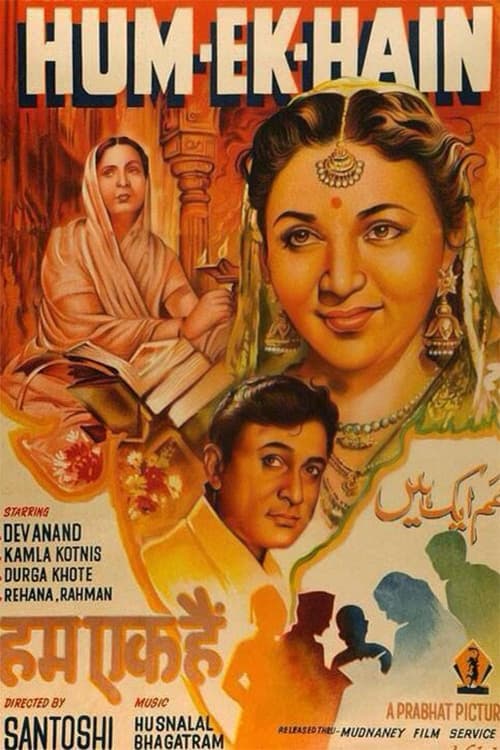
Zamindari Ma, the old landlady of a village supports its people during a famine and raises three orphaned children of differing religions. The children, although encouraged to practice their separate religions, are taught to remain united at all times.
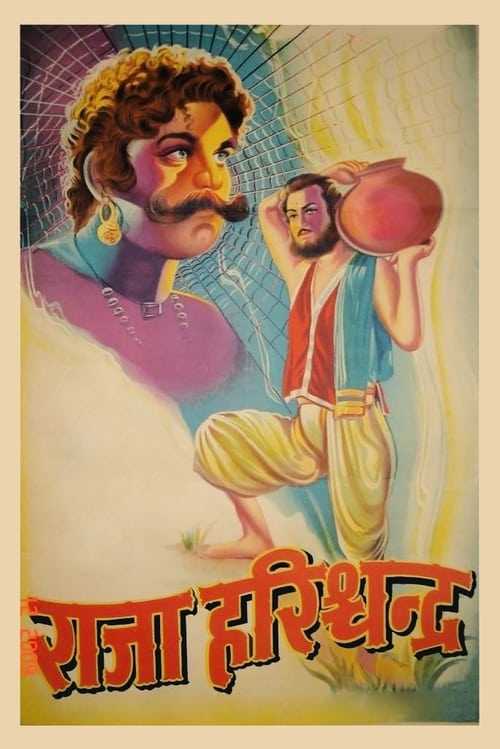
Revolves around the noble and righteous king, Harishchandra, who first sacrifices his kingdom, followed by his wife and eventually his children to honor his promise to the sage Vishwamitra.
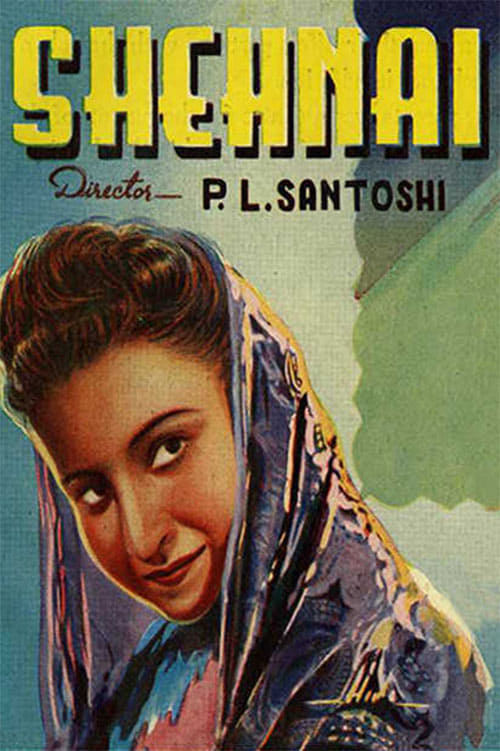
A struggling entertainer trying to keep his dance company afloat with the help of his four daughters. However, his wife is worried about the disrepute the profession is bringing the girls and diminishing their chances of marriage.

Love triangle has a flowerseller and a doctor's daughter both in love with a struggling writer.
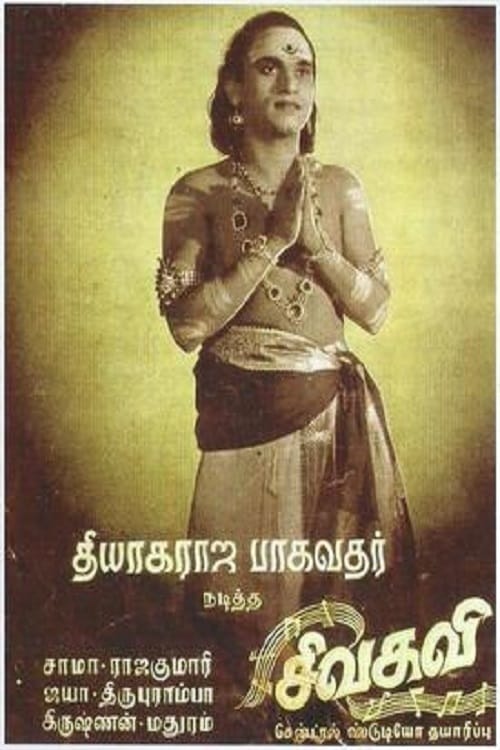
Sivakavi was a 1943 Indian Tamil-language film directed, initially, by P. K. Raja Sandow and later, S. M. Sriramulu Naidu. It starred M. K. Thyagaraja Bhagavathar, S. Jayalakshmi, Serukulathur Sama, Thripuramba, T. R. Rajakumari, N. S. Krishnan and T. A. Madhuram. The film's screenplay was written by Thiru Muruga Kirubanandha Variyar. The film was shot at Central Studios and released by Pakshiraja Films in Coimbatore.
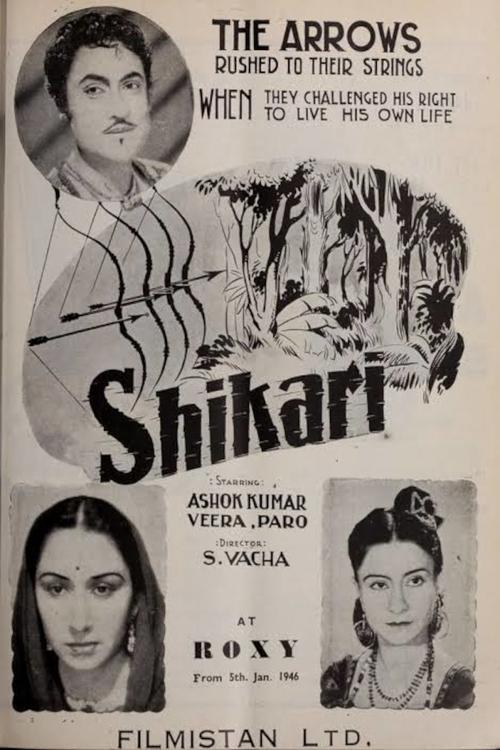
Shikari is a Bollywood film released in 1946, directed by Savak B. Vacha, starring Ashok Kumar, Kishore Kumar, Paro Devi and Veera. The music was directed by Anil Chandra Sengupta, with Sachin Dev Burman as the background singer.
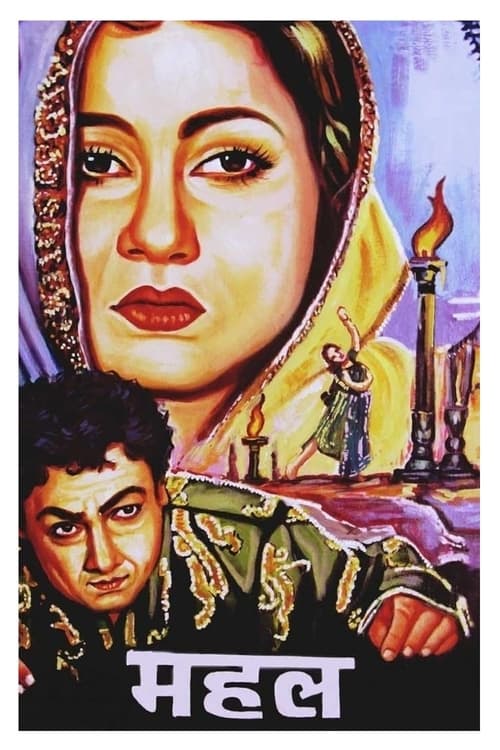
A young lawyer is involved with a ghostly woman in his new house, where the builder and his fiancée died shortly after it was built.
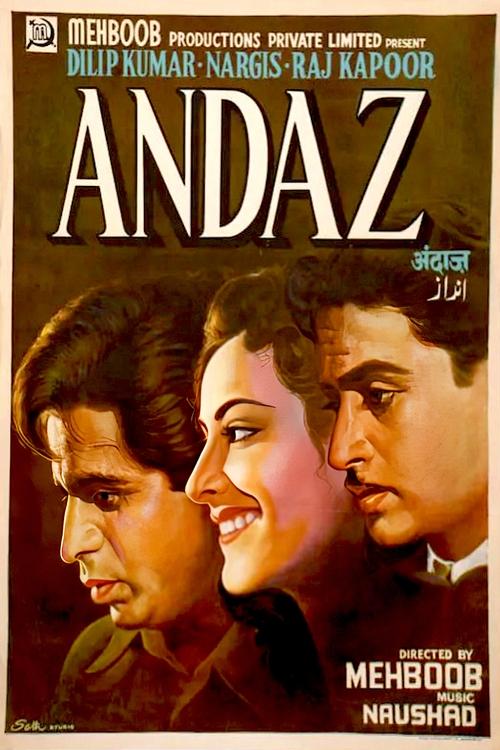
Nina is a rich and spoiled girl. Dilip accidentally meets her and starts liking her, not knowing that she is already engaged.
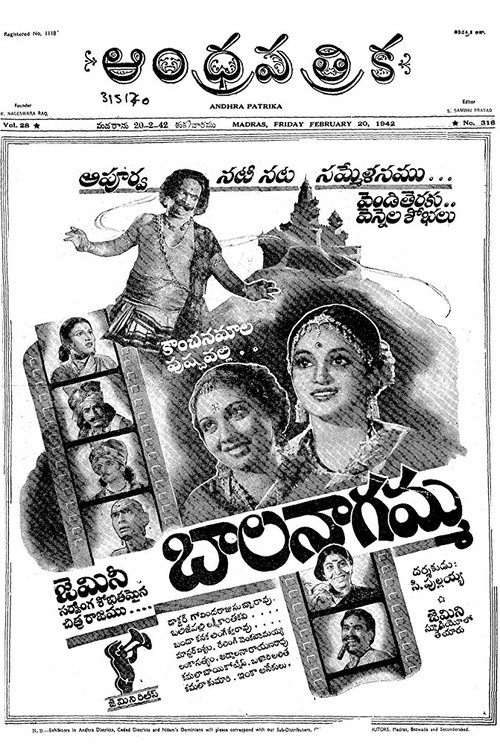
The story is about Bala Nagamma, a young princess. The King prays for progeny and is blessed with children, the youngest of them is named Bala Nagamma. She is married off to Karyavardi Raju. She is kidnapped by Mayala Marathi who turns her into a dog and takes her to his cave. Once there, he tries to take advantage of her. She keeps him away by quoting some Holy Rites and Pujas that she is involved in. She is a prisoner in the cave for fourteen years, during which time the Fakir's mistress, Sangu, becomes jealous of his obsession with Bala Nagamma. In the meantime, her son Balavardi Raju grows up and discovers the truth about his mother.
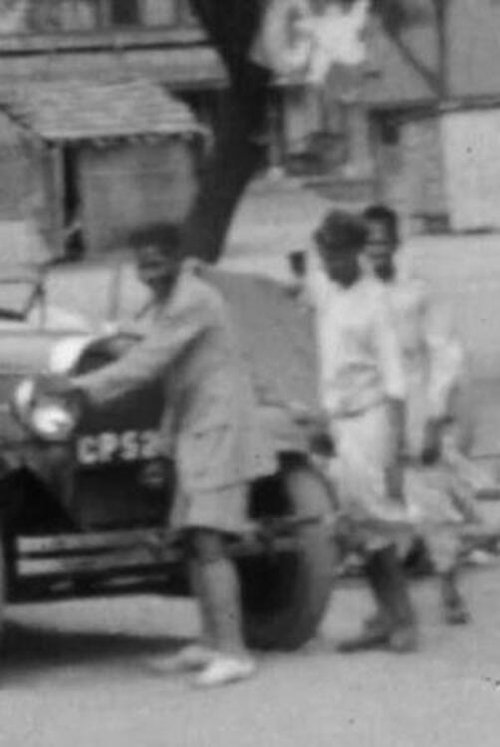
Amateur film of the passage to India - complete with guest appearance by Gandhi.
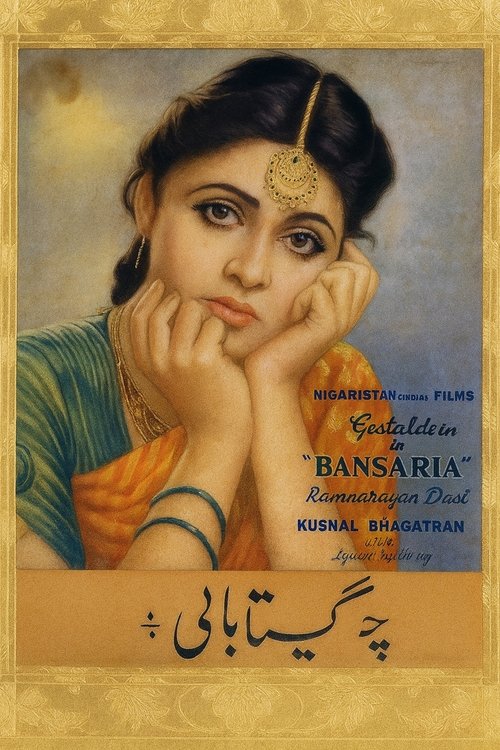
A romantic drama set against the musical traditions of its time, centering on love, conflict, and emotional upheaval.
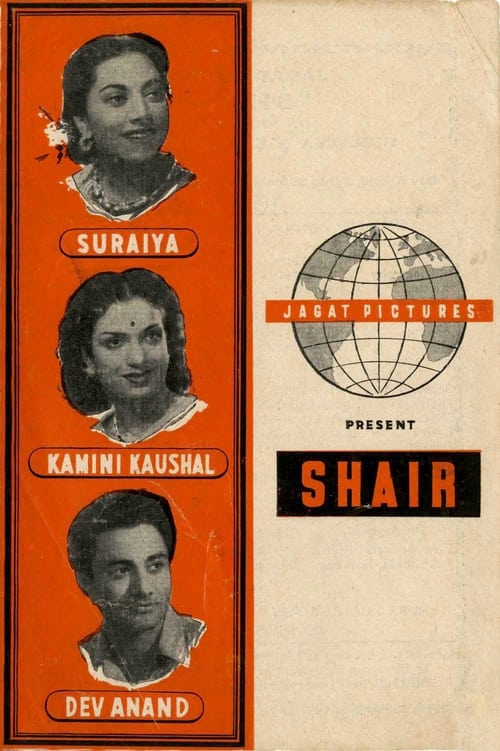
A poet who has spent life in the village with his childhood sweetheart goes to Bombay to meet a fan of his who is also a popular radio singer.
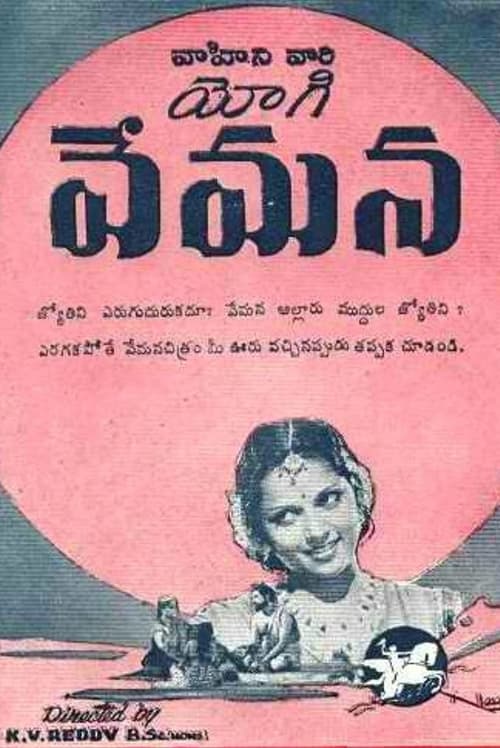
It chronicles the legend of the progressive Telugu poet-saint Vemana from his being a rebellious and hedonistic youth from a landed elite to a renunciate.

A drama set amid an earthquake in Bihar. Miss Renee (Khote) looks after the victims while her lover, the businessman Sardar (Mohanned), wants to make money from the disaster.

A man is executed for a crime he did not commit. Is his ghost seeking revenge?

The love story between the beautiful village belle Radha and Kamal, the son of the village zamindar who wants to be a great poet. The zamindar sends his son to the city, where Kamal becomes a noted novelist and playwright, while Radha is persecuted by the zamindar and his henchman Banwari. She feigns suicide but in fact goes to join her beloved in the city (on the same train as the now repentant father). When she eventually reaches Kamal's house, she hears him declaring his love to a woman. Unaware that he is merely reading lines from his latest play.
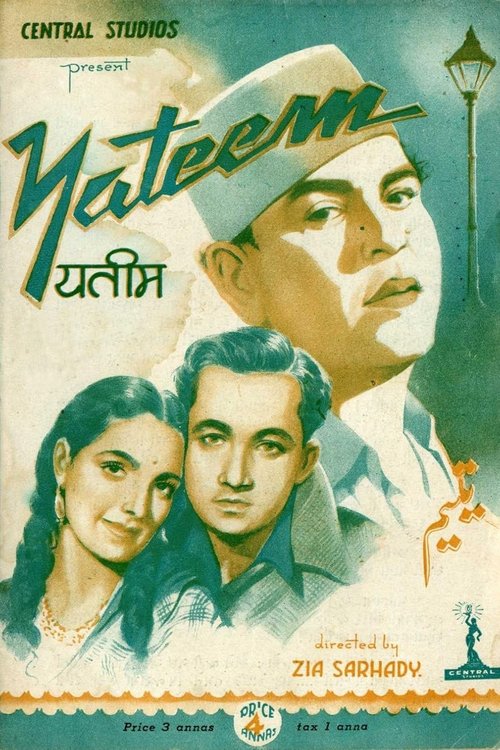
A social drama centered on the life and struggles of an orphaned child. The film explore themes of vulnerability, resilience, the search for belonging, or the challenges faced by someone without familial support in society. It aim to evoke empathy and highlight societal responsibilities towards orphans.
1938 Indian Tamil-language film
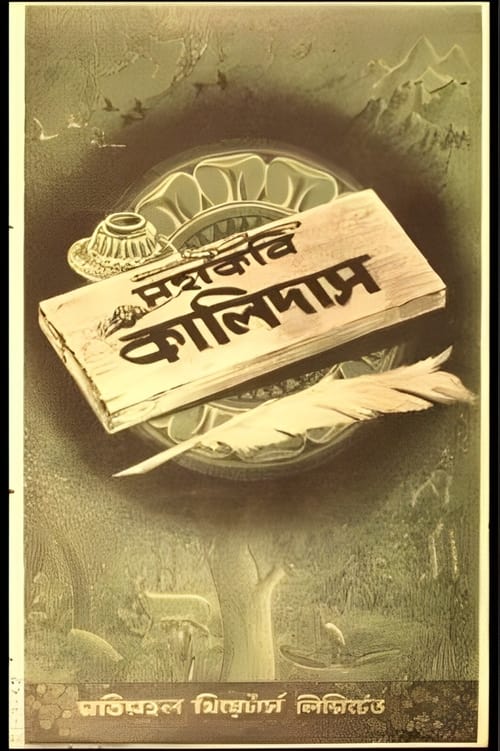
A naive Sanskrit poet, shunned for falling in love with a low-caste Indian woman, faces challenges after entering into a competition with a princess.
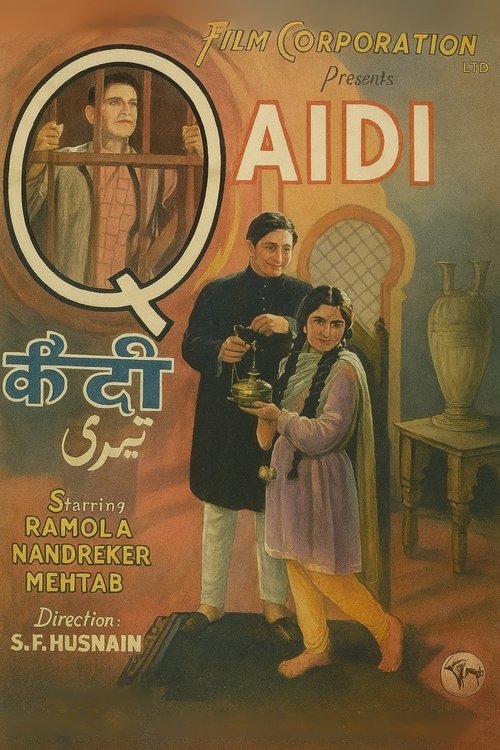
Aziz, an unemployed graduate, turns to crime after his brother’s death and ends up in prison. Years later, he escapes, becomes a gang leader, and unknowingly falls in love with his long-lost sister, leading to a tragic confrontation with the police.
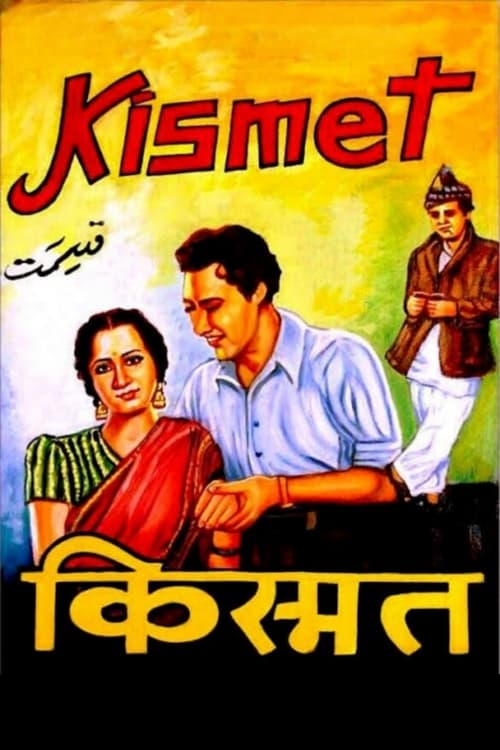
A former theater owner and his crippled daughter live in poverty until a chance encounter with a young pickpocket brings romance for the petty criminal and daughter as well as a chance by the father to get back at the villainous new theater owner who ousted him from the business years before.
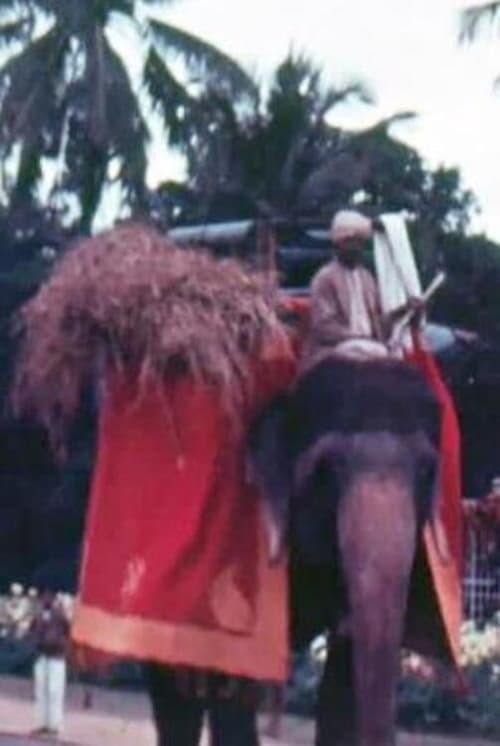
Two sides of Mysore: down to earth with the field workers and an Indian spectacle for the Maharaja.

Mayalokam is a 1945 Telugu-language film produced and directed by Gudavalli Ramabrahmam under the Sarathi Films banner. It stars Akkineni Nageswara Rao and S. Varalakshmi.
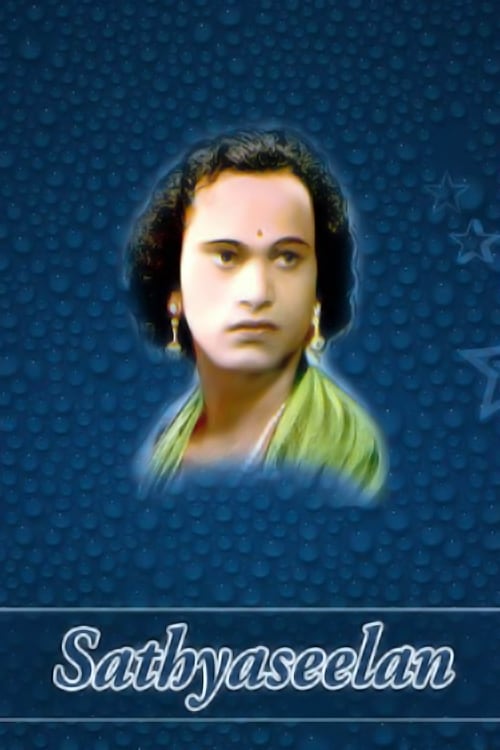
Bagavathar's next film was his first own production film under the banner Trichy Thyagaraja Films, "Sathyaseelan" (1936). The film had the novel.

Lanka Dahan (Lanka Aflame) is a 1917 Indian silent film directed by Dhundiraj Govind Phalke (Dadasaheb Phalke). Phalke also wrote the film based on an episode of the Hindu epic Ramayana, credited to Valmiki. A retelling of the familiar 'Ramayana' story of Rama's wife Sita being abducted by Ravana, the demon king of Lanka, and Rama's triumph with the aid of men, monkeys and bears. From the trees Hanuman the brave monkey observes Sita held captive in the tulasi garden where Ravana comes to intimidate her. The main part of the film covers Hanuman's rage while in Lanka when he set the whole island afire with his burning tail.
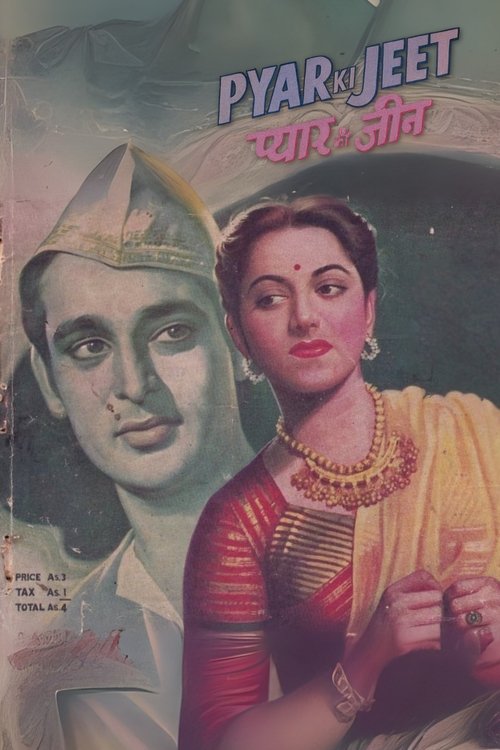
Radha, a young woman's journey through love, betrayal, and resilience. It explores her experiences with a broken promise of marriage and her subsequent struggle for independence and dignity, all set amidst a backdrop of intertwined romantic relationships and significant musical numbers.

A cruel uncle usurps his niece's inheritance, but a kind doctor and his wife help her reclaim it. Their lives intertwine with betrayal, a scheming dancer, and ultimate vindication, proving that providence always intervenes.
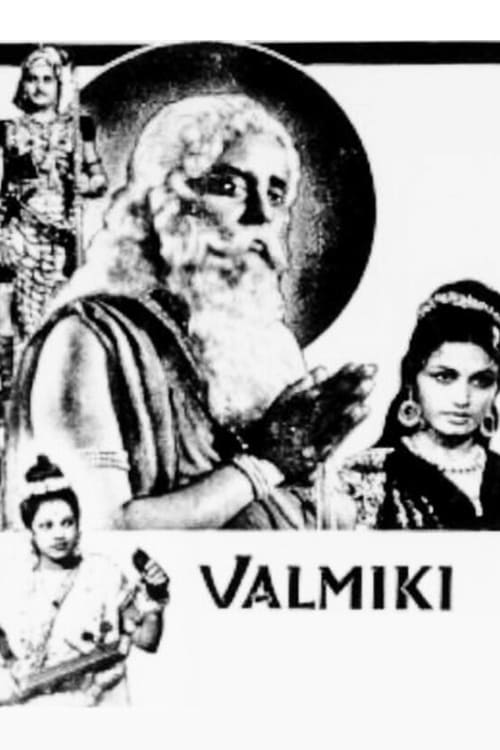
Based on the story of the Hindu sage Valmiki who starts as a bandit and eventually undergoes spiritual transformation into a religious mendicant. Valmiki falls in love with a princess,who is kidnapped by the villain
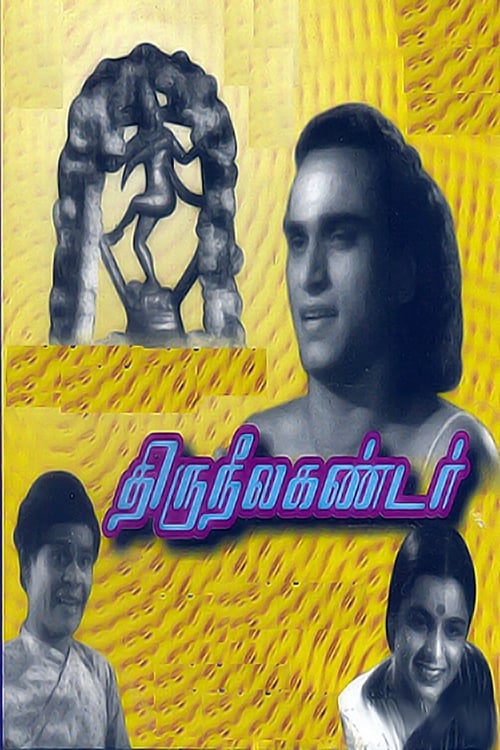
Thiruneelakantar is a 1939 Tamil-language film directed by Raja Sandow and starring M. K. Thyagaraja Bhagavathar. The film was a big hit and was known for M.K. Thyagaraja Bhagavathar's acting apart from his songs. Famous nadaswaram artist T. N. Rajarathinam Pillai makes a guest appearanace in the movie.The film was based on the life history of Thiruneelakanta Nayanar, one of the 63 Nayanmars.
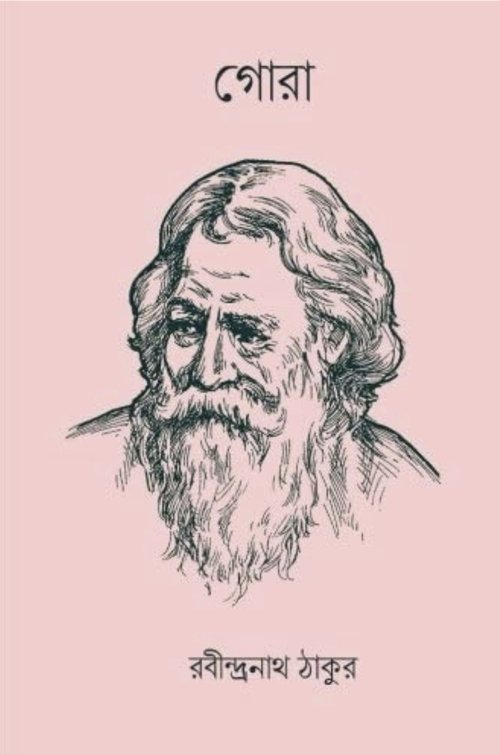
Gora and Mahim were two sons of Krishna Dayal Babu. From childhood, Bijay and Gora were friends. Through an accident, Bijay was introduced to Paresh Babu's family. Paresh was a Bramhin. So Gora did not like Bijay's visit to that house. Gora's mother was very anxious about Gora's Hindusim. Krishna Dayal was also very annoyed being an orthodox Hindu. As per his father's request, Gora went to Paresh Babu's house. Paresh babu's wife Bhadra Sundari was not happy seeing Gora there. But Gora had a real conflict with Haran Babu. The marriage of Haran Babu and Suchitra was almost fixed. The reason of the conflict was that, Haran Babu always thought of himself to be a social reformer and saviour of Brahma religion.
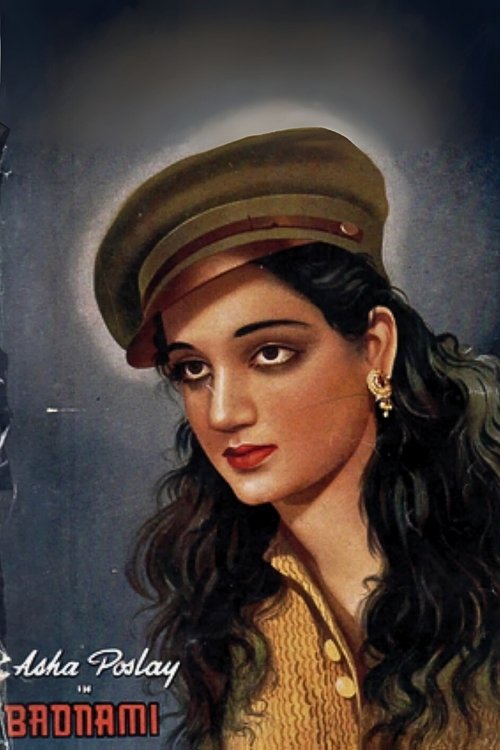
Directed by Majnu (Harold Lewis), the film revolve around the theme of a tarnished reputation or social disgrace.
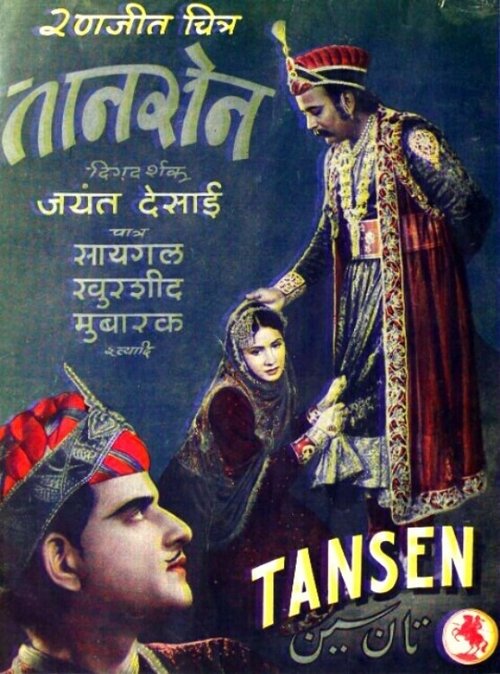
Renowned, talent singer Tansen is settled in a small village. He has a lover whom he loves madly namely Tani. His singing talent pampers everyone in his village namely the animals, the Maharaja's and other living organisms.
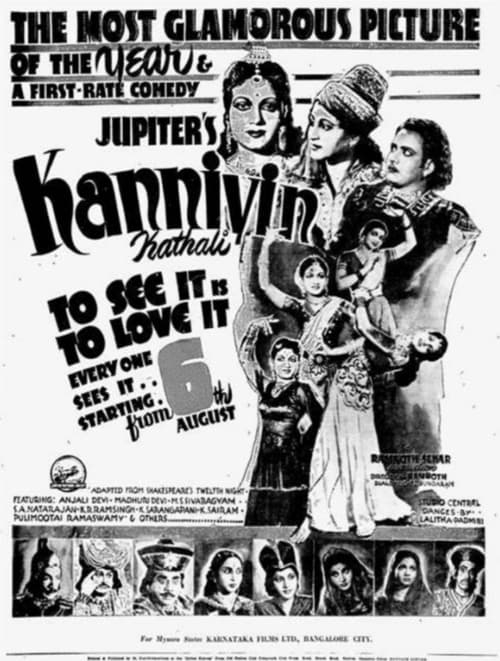
After a shipwreck, Chandrika who's disguised as a man falls in love with Prince Vasanthakumar but he is smitten by Megala Devi. However, Megala falls for Chandrika.
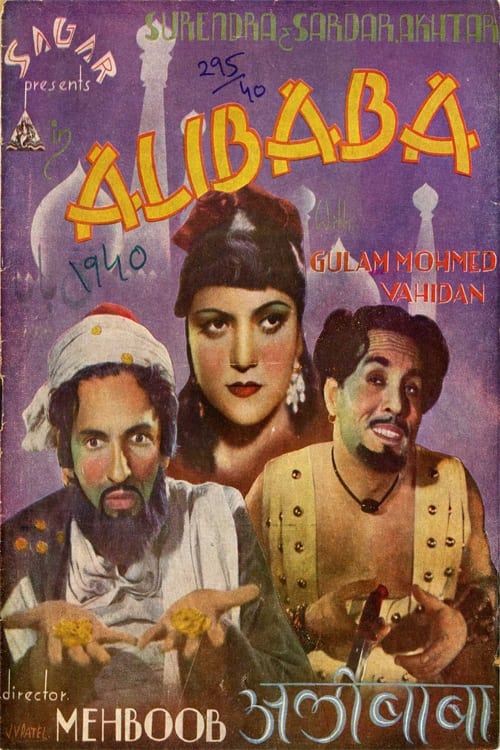
Alibaba and his son live with his rich brother Cassim. Marjina and Zabba are two slave girls who work in Cassim's house. Marjina and Alibaba's son are in love with each other. Zabba is in league with Abu Hassan, who is the leader of a gang of thieves. Alibaba finds the thieves' cave and becomes rich. Cassim's wife insists on knowing the secret of his wealth. Alibaba tells his brother who goes to the cave but can't get out as he's forgotten the magic words. The thieves find him and kill him. Alibaba and his son find Cassim and bring his body back for burial. Abu Hassan finds out about Alibaba, and the story then follows Marjina outsmarting Abu Hassan, who comes visiting as a merchant.
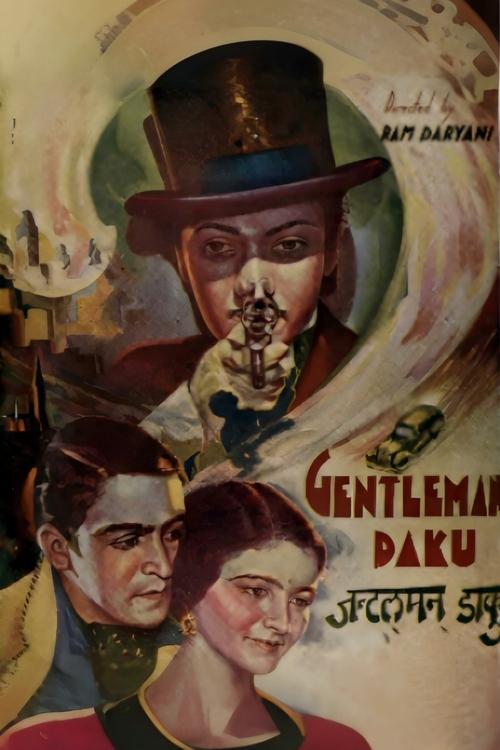
The story follows a brave man who rescues a sweet girl from criminals, and they fall in love. An incident causes trouble, leading to consequences for the family and the criminals.
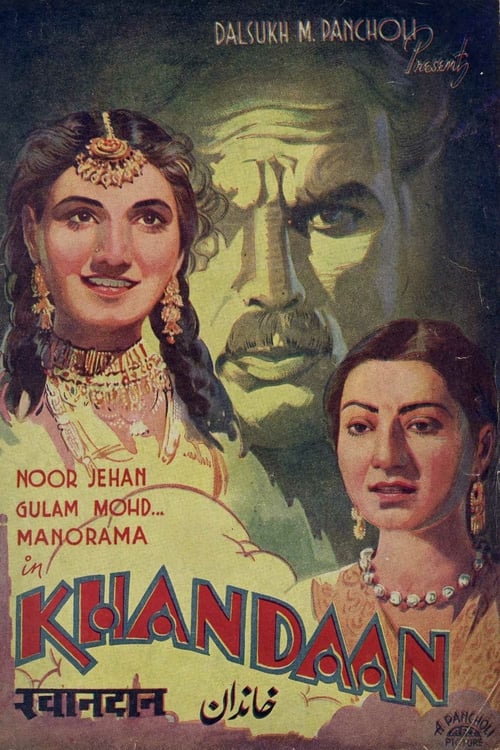
A young man gets jailed for killing a woman who seduces him. When he gets released, he tries to stop his employer's son from committing the same kind of crime he did.
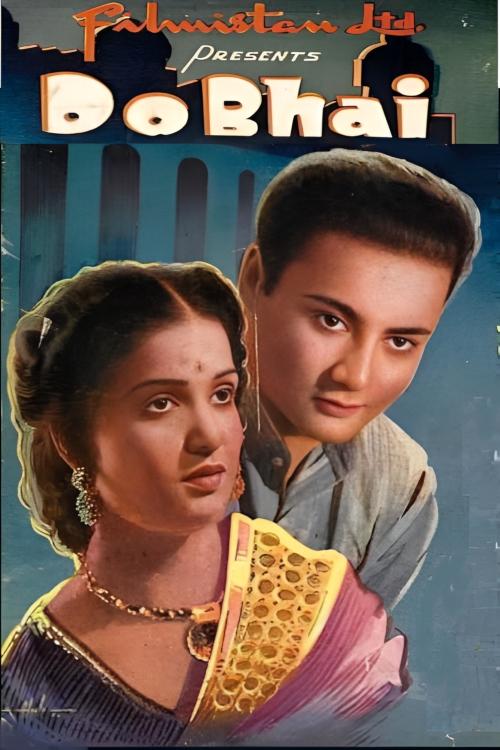
Do Bhai (English: The Two Brothers) is a 1947 Indian Bollywood film directed by Munshi Dil. Its starred Ulhas, Kamini Kaushal, Dipak Mukherjee, Tiwari, Rajan Haksar and Paro Devi in lead roles. It was the second highest grossing Indian film of 1947. Raj Karan, Nirmala's father and Forest Officer of the State had brought up Jai from childhood like his son. With the comming of youth the playful comradeship between Nirmala an Jai had naturally changed into deep love. Sarala and Shiva Karan, Nirmala's mother an brother, however hated Jai and they succeeded on day in ousting him from their home. Jai comes accross to know he has a stepmother and stepbrother. He was mistaken as the real son of his stepmother and made Yuvraaj.
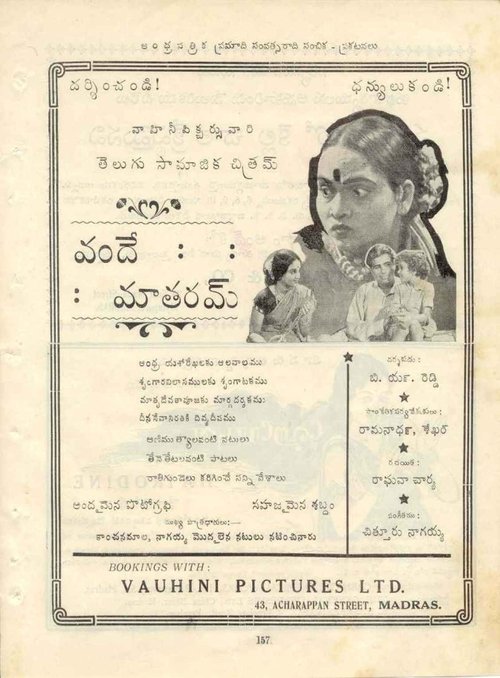
An elaborate melodrama presenting the problems of uneven development through the separation of an innocent feudal rural wife from her well-educated, but unemployed urban husband.
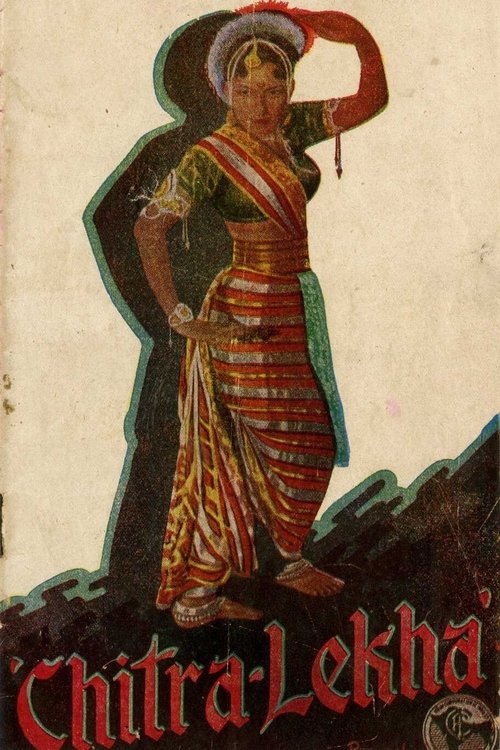
Chitralekha is a 1941 Indian Hindi-language film, directed by Kidar Sharma and based on the 1934 Hindi novel of the same name by Bhagwati Charan Verma.