1,711 Matches Found

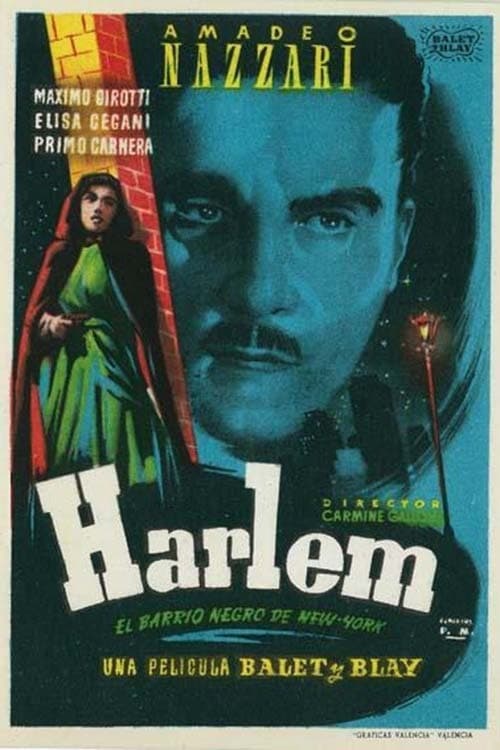
Harlem

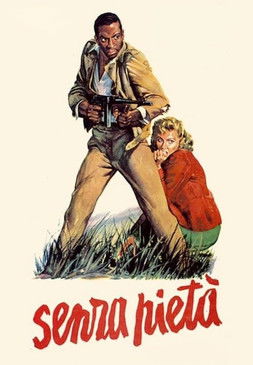
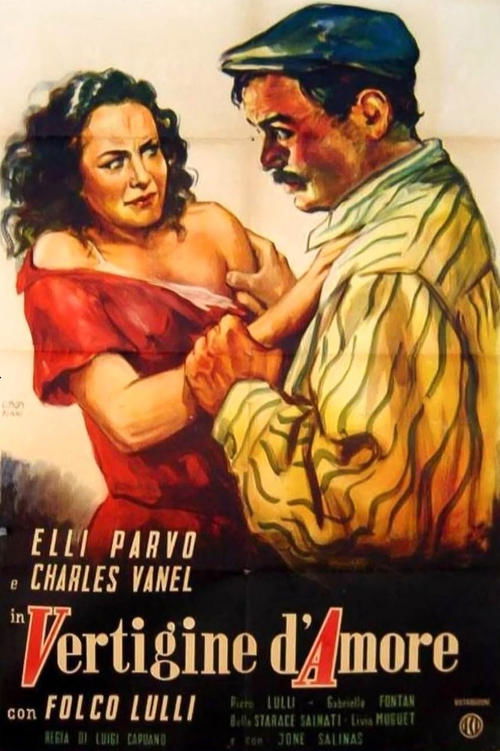
This propaganda film was partly inspired by the story of the first Italian heavyweight champion Primo Carnera who, after winning the title with Al Capone’s help in 1933, was beaten the following year by the Jewish Max Bear and then again by the ‘Brown Bomber’ Detroit Joe Lewis in June 1935, on the eve of the Italian invasion of Ethiopia. This match provoked numerous racial skirmishes on the streets of Harlem between the Black community and pro-Fascist Italian-Americans. The film overturns historical facts and here, obviously, it is the white boxer who wins in order to demonstrate the superiority of the “Aryan Italians” over the “sinister Jewish entrepreneurs” and the “savage Afro-American fans in Yankee Stadium”. In the film, these were played by South African prisoners-of-war interred in a work camp, which the German and Italian propaganda ministries had set up near Cinecittà “for cinematic purposes”.

Harlem

0.0 1943
Lure of the Sila

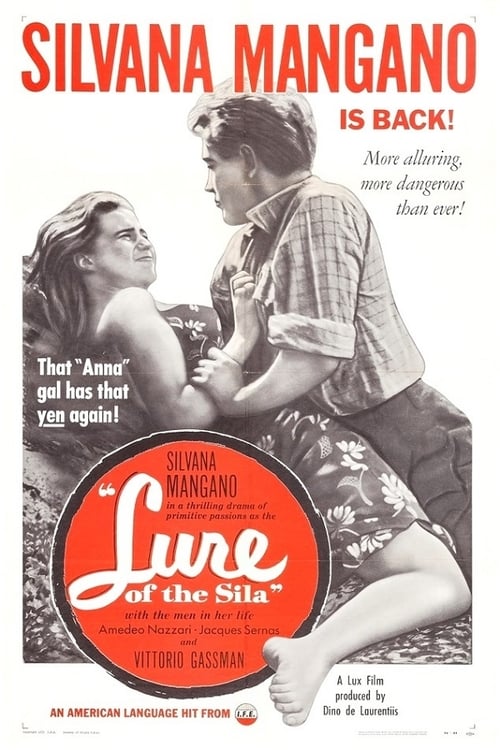
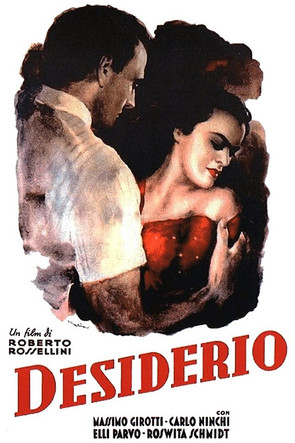
Returning home after a night of love spent in a woodman's hut with Orsola, Pietro is arrested by the police for a crime he did not commit. His mother and youngest sister, Rosaria, go to Orsola begging her to provide Pietro with the alibi that will clear him. But Rocco, Orsola's brother, dreading a family scandal, constrains Orsola to silence. Condemned despite his innocence, Pietro escapes from prison, but the police track him down and kill him, and his mother, before the eyes of Rosaria. Years pass, and one day Rocco stumbles upon a half-frozen young woman lying in the snow. He takes her home and confides her to the care of Orsola. Later, yielding to the pleas of Orsola, Rocco and Rocco's son, Salvatore, the girl stays on in the house, and Salvatore falls in love with the beautiful stranger, who is careful to keep the family members from learning she is Rosaria, the grown up sister of Pietro seeking revenge for the deaths of her brother and mother.
Lure of the Sila

6.3 1949
Quo Vadis?

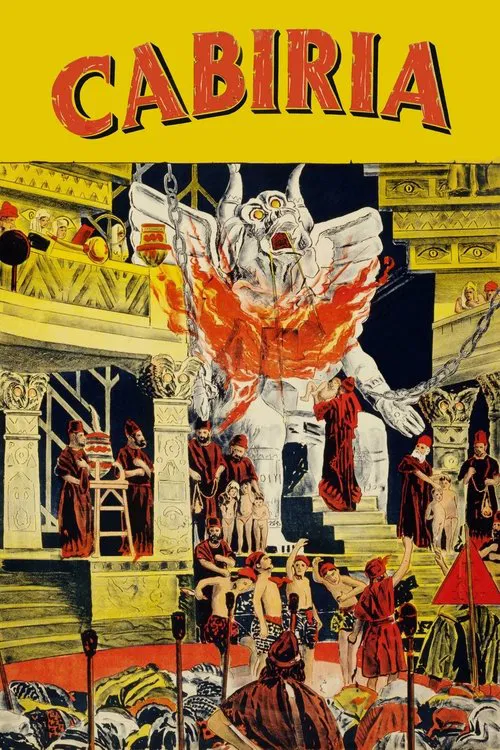
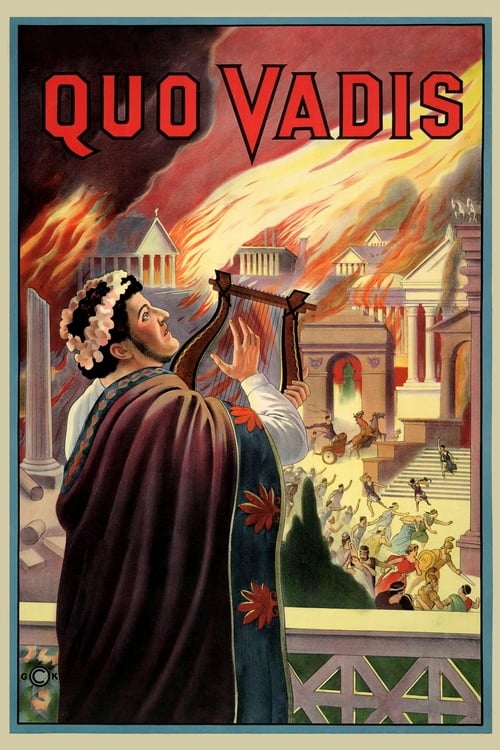
During the latter years of the reign of the tyrannical Roman emperor Nero, Marcus Vinicius, one of Nero's officers, falls in love with a young Christian named Lygia, attempting to enslave her. Lygia's protector, the noble and burly Ursus, works to save her from Vinicius' clutches. Pursuing Lygia, Vinicius finds himself at a catacomb prayer meeting led by the apostle Peter and finds his conscience stirring-- just as Nero orders Rome burned. A landmark in epic film, Enrico Guazzoni’s grand-scale masterpiece laid the foundations for what colossal Italian spectacles would become. The film had tremendous influence on Giovanni Pastrone’s Cabiria (1914) and D.W. Griffith’s Intolerance (1916).
Quo Vadis?

5.7 1913