2,070 Matches Found

Good Morning

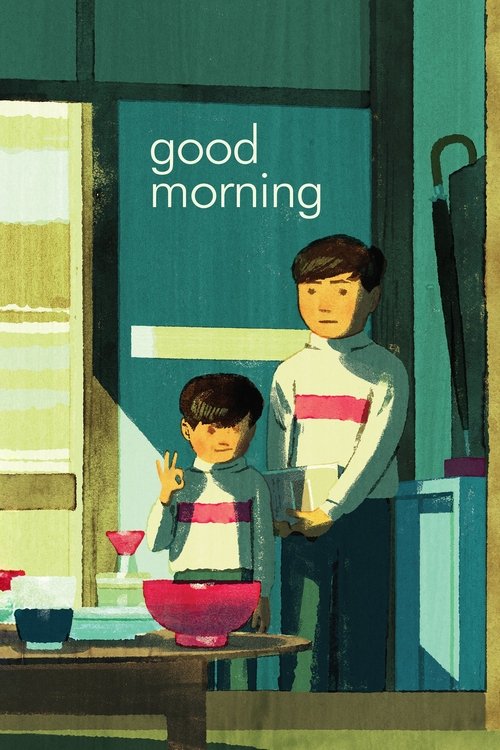
A lighthearted take on director Yasujiro Ozu’s perennial theme of the challenges of inter­generational relationships, Good Morning tells the story of two young boys who stop speaking in protest after their parents refuse to buy a television set. Ozu weaves a wealth of subtle gags through a family portrait as rich as those of his dramatic films, mocking the foibles of the adult world through the eyes of his child protagonists. Shot in stunning color and set in a suburb of Tokyo where housewives gossip about the neighbors’ new washing machine and unemployed husbands look for work as door-to-door salesmen, this charming comedy refashions Ozu’s own silent classic I Was Born, But . . . to gently satirize consumerism in postwar Japan.

Good Morning

7.7 1959
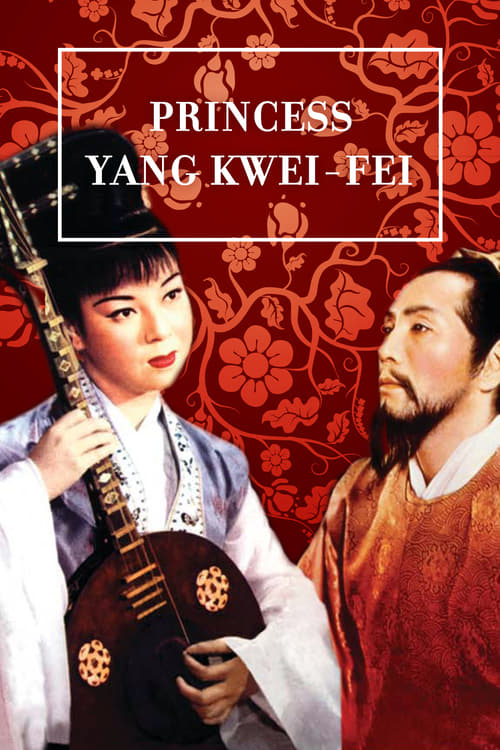
Princess Yang Kwei-fei

In 8th-century China, the Emperor grieves the death of his wife. The Yang family wants to provide the Emperor with a consort so that they may consolidate their court influence. General An Lushan finds a distant relative working in their kitchen, whom they groom to present to the Emperor. The Emperor falls in love and she becomes the Princess Yang Kwei-fei. The Yangs are then appointed important ministers, though An Lushan is not given the court position he covets.

Princess Yang Kwei-fei

6.7 1955
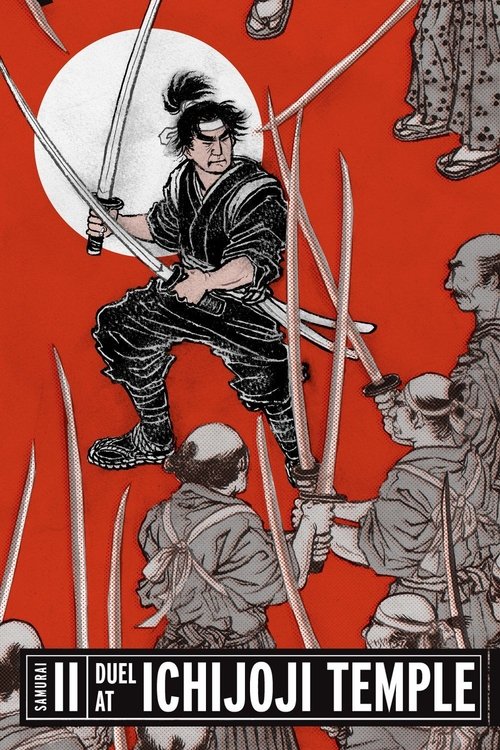
Samurai III: Duel at Ganryu Island

A humble and simple Takezo abandons his life as a knight errant. He's sought as a teacher and vassal by Shogun, Japan's most powerful clan leader. He's also challenged to fight by the supremely confident and skillful Sasaki Kojiro. Takezo agrees to fight Kojiro in a year's time but rejects Shogun's patronage, choosing instead to live on the edge of a village, raising vegetables. He's followed there by Otsu and later by Akemi, both in love with him. The year ends as Takezo assists the villagers against a band of brigands. He seeks Otsu's forgiveness and accepts her love, then sets off across the water to Ganryu Island for his final contest.

Samurai III: Duel at Ganryu Island

7.1 1956
Rusty Knife

Udaka is a new, post-war city where corruption has already taken hold. A persistent district attorney wants to arrest and convict Katsumata, a laughing, self-confident thug. The D.A. gets an anonymous letter about the suicide five years' before of a city council member. Evidence about the case leads the D.A. to Tachibana, struggling to go straight after involvement with the mob and a prison sentence for killing the man responsible for the rape and suicide of his fiancée. One of Tachibana's friends is Keiko, the daughter of the dead councilman and the ward of another powerful official. How do these stories connect?

Rusty Knife

5.7 1958
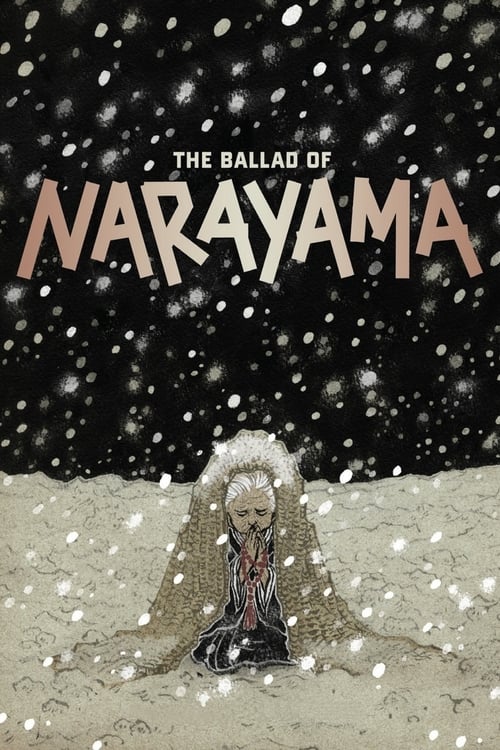
The Ballad of Narayama

In Kabuki style, the film tells the story of a remote mountain village where the scarcity of food leads to a voluntary but socially-enforced policy in which relatives carry 70-year-old family members up Narayama mountain to die. Granny Orin is approaching 70, content to embrace her fate. Her widowed son Tatsuhei cannot bear losing his mother, even as she arranges his marriage to a widow his age. Her grandson Kesa, who's girlfriend is pregnant, is selfishly happy to see Orin die. Around them, a family of thieves are dealt with severely, and an old man, past 70, whose son has cast him out, scrounges for food. Will Orin's loving and accepting spirit teach and ennoble her family?

The Ballad of Narayama

7.5 1958
Battle in Outer Space

In 1965, the space station JSS-3 is destroyed by a fleet of UFOs, which then begin a global siege on Earth, using rays to manipulate gravity and control the minds of men. In response, a global council meeting is held to determine the source of the attacks and prepare a rocket ship armada for a counter-attack, a true battle in outer space. . . The film is a sequel of sorts to Toho's THE MYSTERIANS in the reprise of the Etsuko Shiraishi character of that film as its heroine. It was edited to 74 minutes for its American release.
Battle in Outer Space

5.8 1959
Summer Clouds

A war widow with a young boy manages a farm with her bossy mother-in-law. When a reporter comes to interview her, the two begin an affair. He turns out to be married and won't leave his wife. Her older brother tries to marry off his children and hang on to/ extend his farm through an advantageous marriage in the face of threatened land confiscation and the desire of his children to get comfortable urban jobs instead of the backbreaking work in the paddy fields under parental control.

Summer Clouds

7.5 1958