The March on Rome
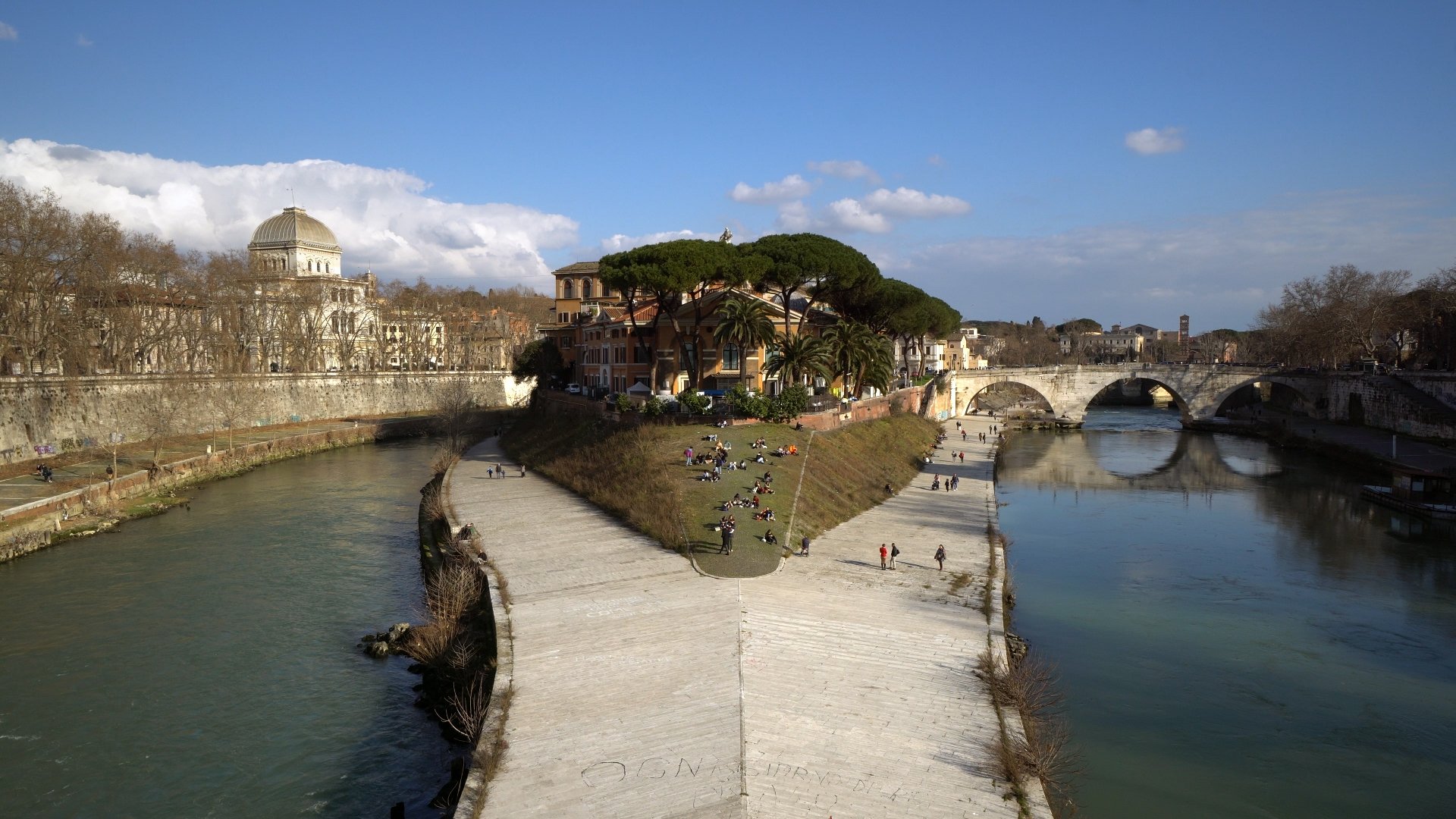
The fascinating story of the rise to power of dictator Benito Mussolini (1883-1945) in Italy in 1922 and how fascism marked the fate of the entire world in the dark years to come.
The fascinating story of the rise to power of dictator Benito Mussolini (1883-1945) in Italy in 1922 and how fascism marked the fate of the entire world in the dark years to come.
Mark Cousins
Self - Narrator (voice)
Alba Rohrwacher
Anna

Donald Trump
Self - Politician (archive footage)
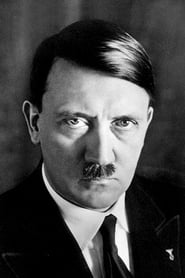
Adolf Hitler
Self - Politician (archive footage)
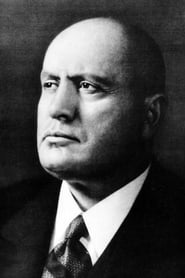
Benito Mussolini
Self - Politician (archive footage)
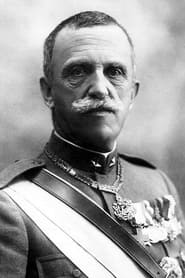
King Victor Emmanuel III of Italy
Self (archive footage)

Giacomo Acerbo
Self - Politician (archive footage)
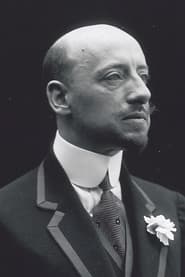
Gabriele D'Annunzio
Self - Writer (archive footage)
Cesare Maria De Vecchi
Self - Politician (archive footage)
The fascinating story of the rise to power of dictator Benito Mussolini (1883-1945) in Italy in 1922 and how fascism marked the fate of the entire world in the dark years to come.
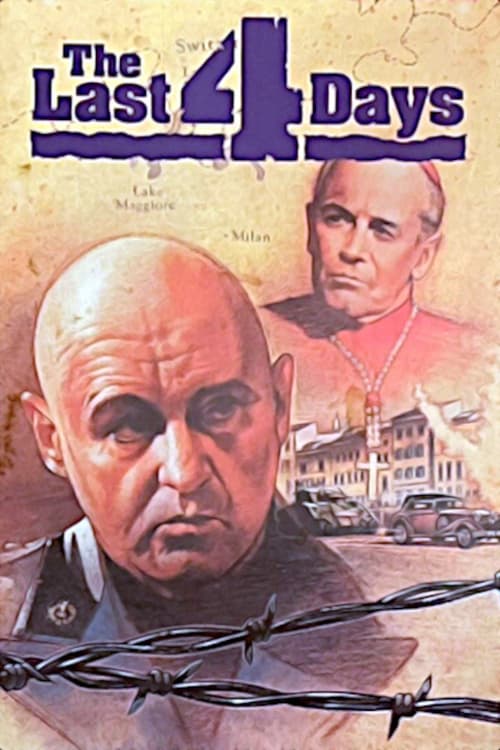
In 1945, the dictator of fascist Italy and Hitler's close ally Benito Mussolini faces defeat. In a desperate attempt to avoid capture, he tries to flee the country with his lover Claretta Petacci, but Italian partisans are on their tail.

A tribute to Italian filmmaker Sergio Corbucci (1926-90), presented by American filmmaker Quentin Tarantino.
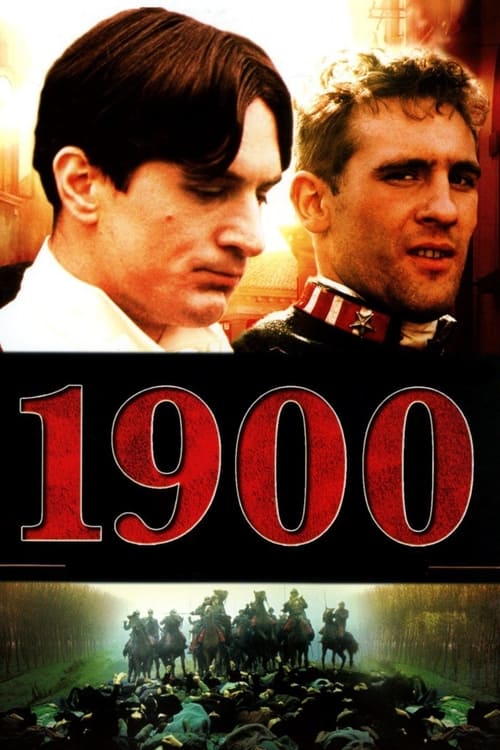
The epic tale of a class struggle in twentieth century Italy, as seen through the eyes of two childhood friends on opposing sides.
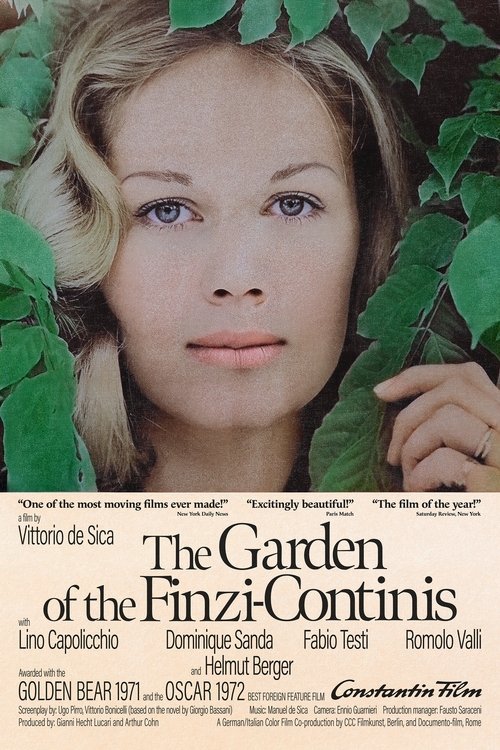
In 1930s Italy, a wealthy Jewish family tries to maintain their privileged lifestyle, hosting friends for tennis and parties at their villa. As anti-Semitism intensifies under Fascism, they must ultimately face the horrors of the Holocaust.
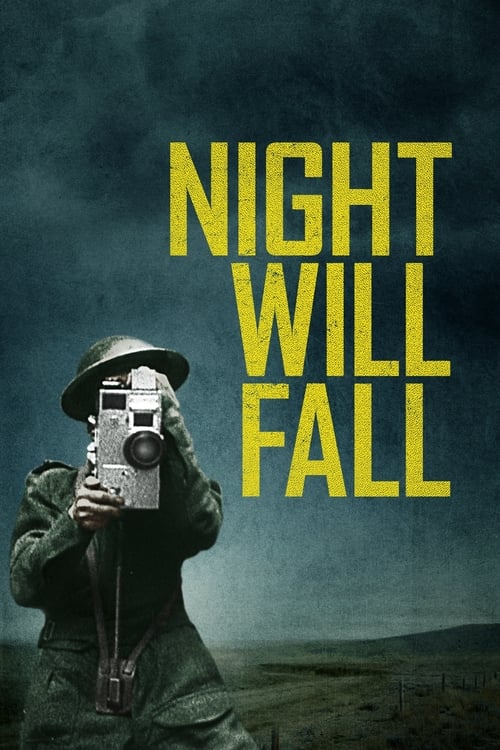
When Allied forces liberated the Nazi concentration camps in 1944-45, their terrible discoveries were recorded by army and newsreel cameramen, revealing for the first time the full horror of what had happened. Making use of British, Soviet and American footage, the Ministry of Information’s Sidney Bernstein (later founder of Granada Television) aimed to create a documentary that would provide lasting, undeniable evidence of the Nazis’ unspeakable crimes. He commissioned a wealth of British talent, including editor Stewart McAllister, writer and future cabinet minister Richard Crossman – and, as treatment advisor, his friend Alfred Hitchcock. Yet, despite initial support from the British and US Governments, the film was shelved, and only now, 70 years on, has it been restored and completed by Imperial War Museums under its original title "German Concentration Camps Factual Survey".
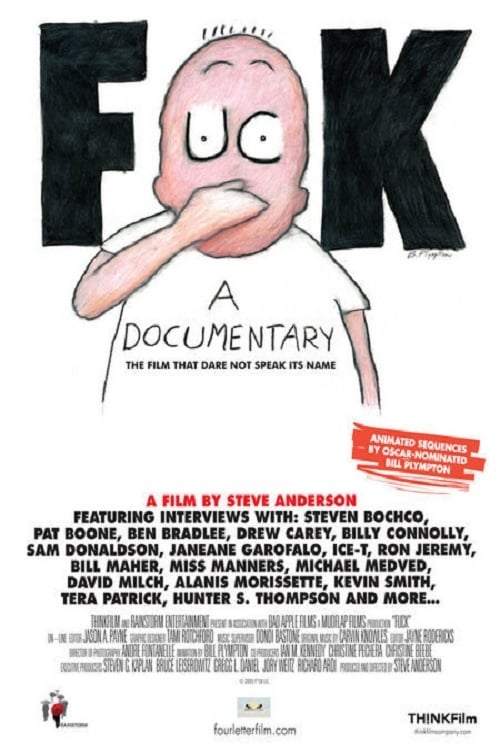
A documentary on the expletive's origin, why it offends some people so deeply, and what can be gained from its use.
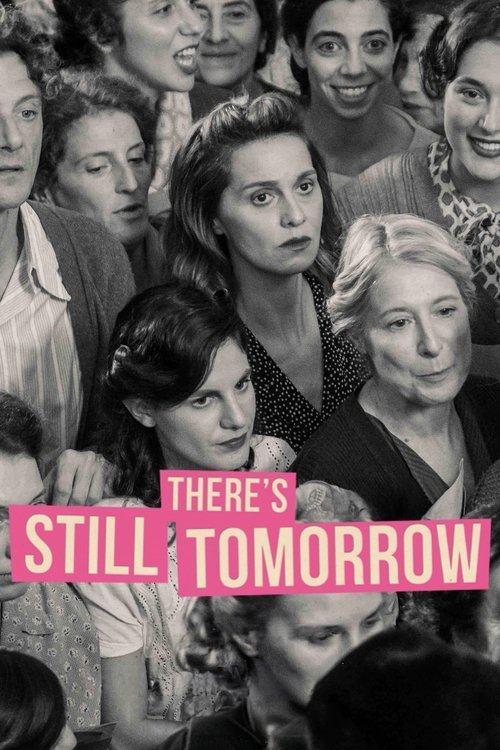
In postwar Rome, a working-class woman dreams of a better future for herself and her daughter while facing abuse at the hands of her domineering husband. When a mysterious letter arrives, she discovers the courage to change the circumstances of her life.
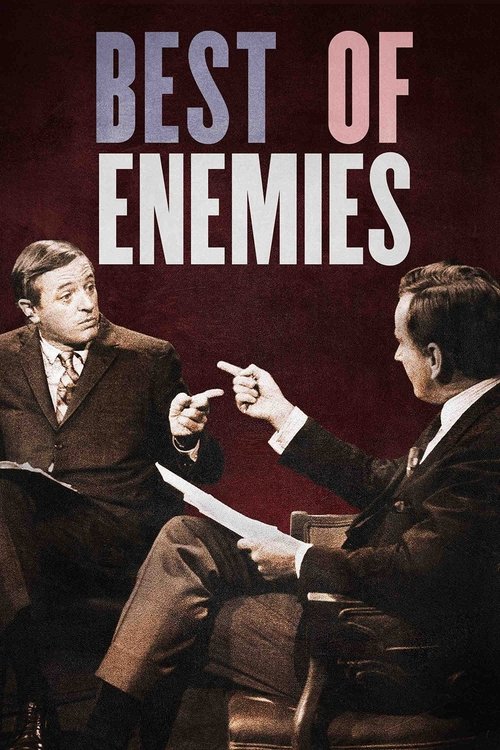
A documentary about the legendary series of nationally televised debates in 1968 between two great public intellectuals, the liberal Gore Vidal and the conservative William F. Buckley Jr. Intended as commentary on the issues of their day, these vitriolic and explosive encounters came to define the modern era of public discourse in the media, marking the big bang moment of our contemporary media landscape when spectacle trumped content and argument replaced substance. Best of Enemies delves into the entangled biographies of these two great thinkers, and luxuriates in the language and the theater of their debates, begging the question, "What has television done to the way we discuss politics in our democracy today?"