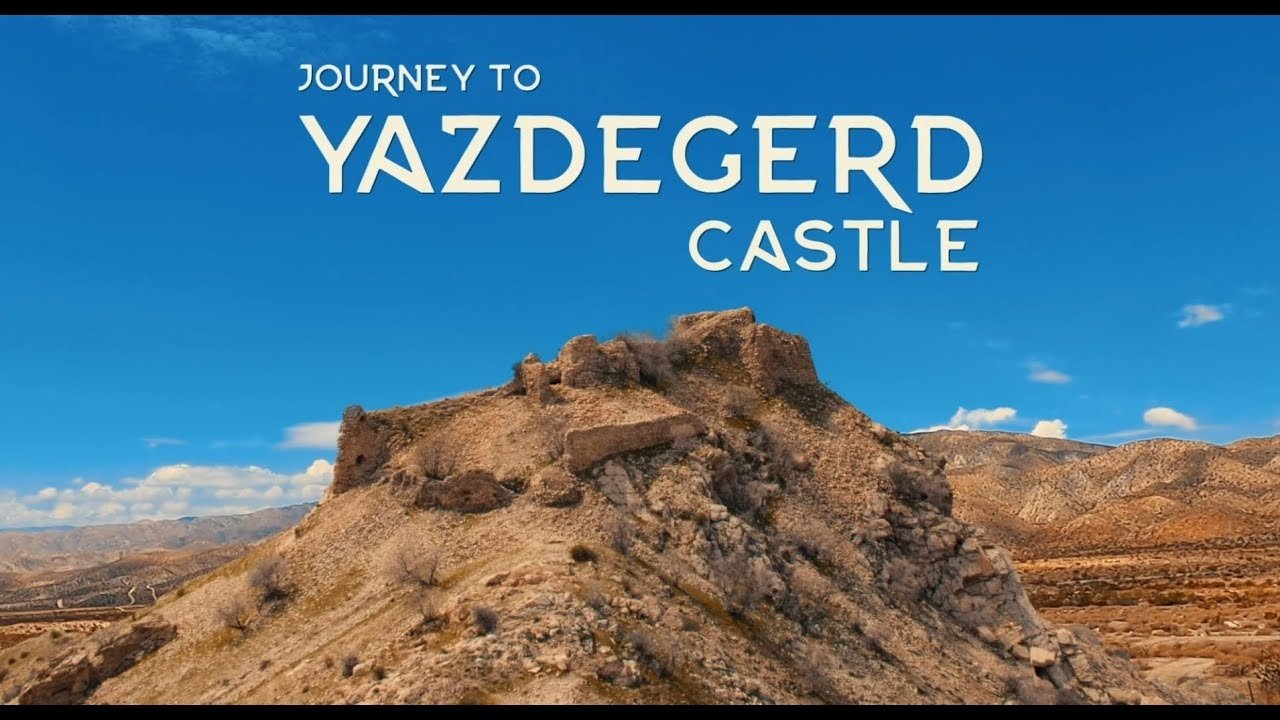
Journey to Yazdegerd Castle Backdrop Blur
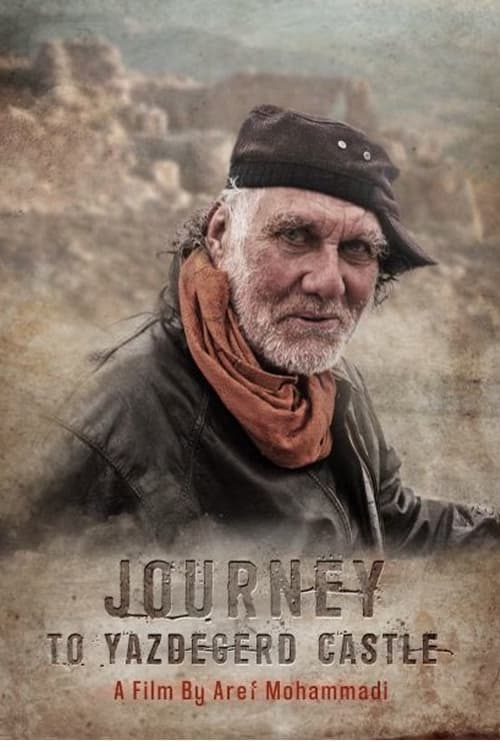
Journey to Yazdegerd Castle Poster

Journey to Yazdegerd Castle

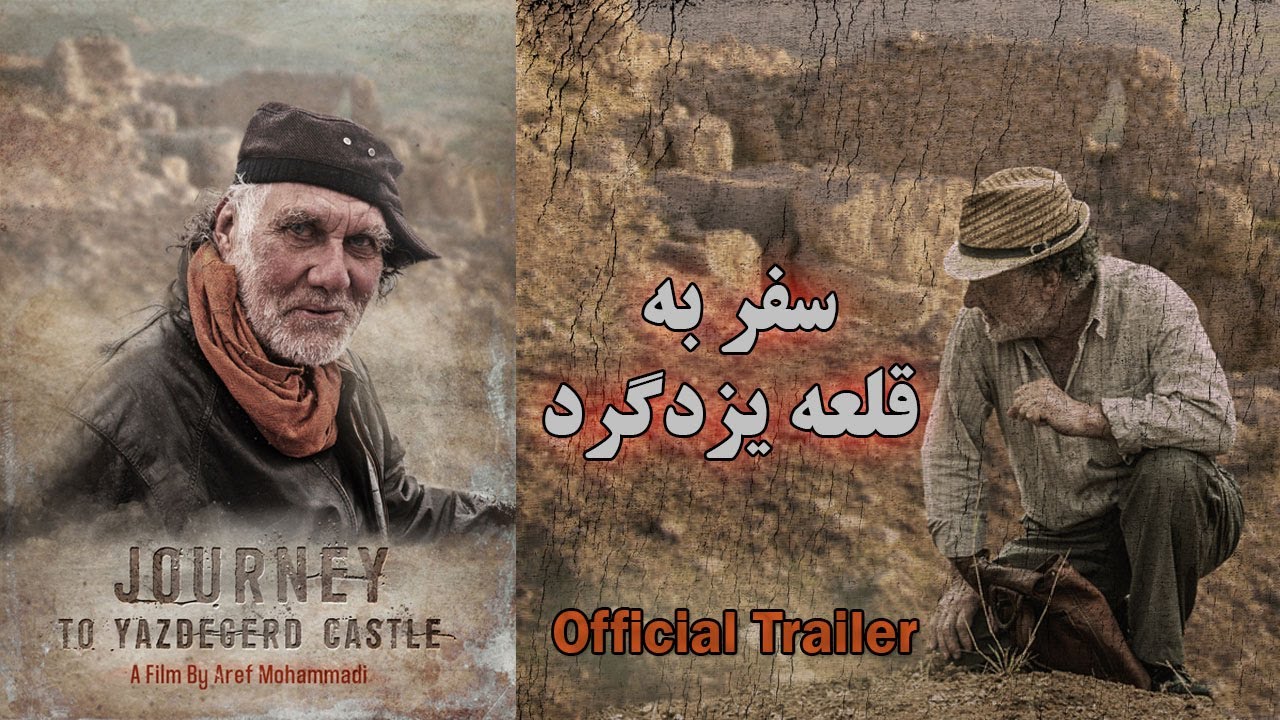
The documentary tells the story of how a young British-Canadian archaeologist went to Iran in 1962, largely on an adventure. There, he became fascinated by Iranian culture, and began to study the country’s history in earnest, specialising in the pre-Islamic Sasanian era. In 1964, Edward Keall explored the ruins of the so-called Yazdegerd’s Castle, which local legends attributed to the last of the Sasanian king of kings. After he had secured a job in 1972 as a curator at the Royal Ontario Museum (Canada), Keall’s proposal to re-activate his old exploration of the castle of King Yazdegerd was endorsed by the Iranian archaeological authorities. The first Canadian expedition was mounted in 1965; the last one was terminated abruptly in February 1979 when the Shah of Iran was toppled by the supporters of the Ayatollah Khomeini. The film documents the events of these times.

Top Cast

  • Dr. Edward Keall

    Dr. Edward Keall

    Self

Overview

The documentary tells the story of how a young British-Canadian archaeologist went to Iran in 1962, largely on an adventure. There, he became fascinated by Iranian culture, and began to study the country’s history in earnest, specialising in the pre-Islamic Sasanian era. In 1964, Edward Keall explored the ruins of the so-called Yazdegerd’s Castle, which local legends attributed to the last of the Sasanian king of kings. After he had secured a job in 1972 as a curator at the Royal Ontario Museum (Canada), Keall’s proposal to re-activate his old exploration of the castle of King Yazdegerd was endorsed by the Iranian archaeological authorities. The first Canadian expedition was mounted in 1965; the last one was terminated abruptly in February 1979 when the Shah of Iran was toppled by the supporters of the Ayatollah Khomeini. The film documents the events of these times.
Trailers & Clips

Related Movies

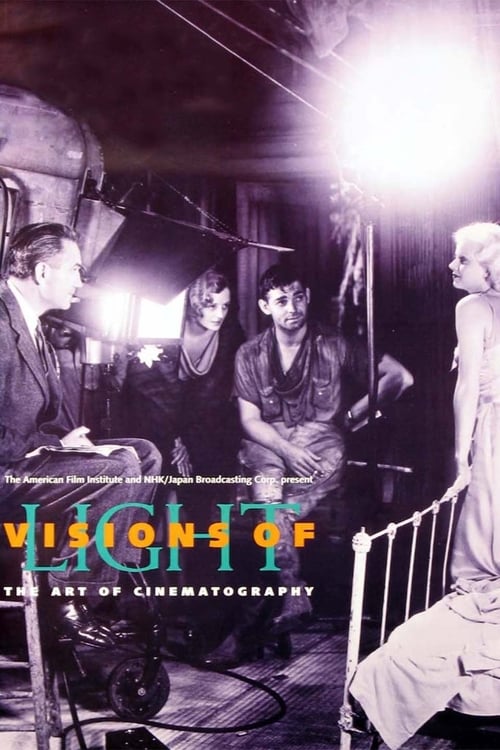
Visions of Light

Cameramen and women discuss the craft and art of cinematography and of the "DP" (the director of photography), illustrating their points with clips from 100 films, from Birth of a Nation to Do the Right Thing. Themes: the DP tells people where to look; changes in movies (the arrival of sound, color, and wide screens) required creative responses from DPs; and, these artisans constantly invent new equipment and try new things, with wonderful results. The narration takes us through the identifiable studio styles of the 30s, the emergence of noir, the New York look, and the impact of Europeans. Citizen Kane, The Conformist, and Gordon Willis get special attention.

Visions of Light

7.0 1992