Leningrad. Stimmen einer belagerten Stadt Backdrop Blur
Leningrad. Stimmen einer belagerten Stadt Poster
7.8 1h 29m

Leningrad. Stimmen einer belagerten Stadt

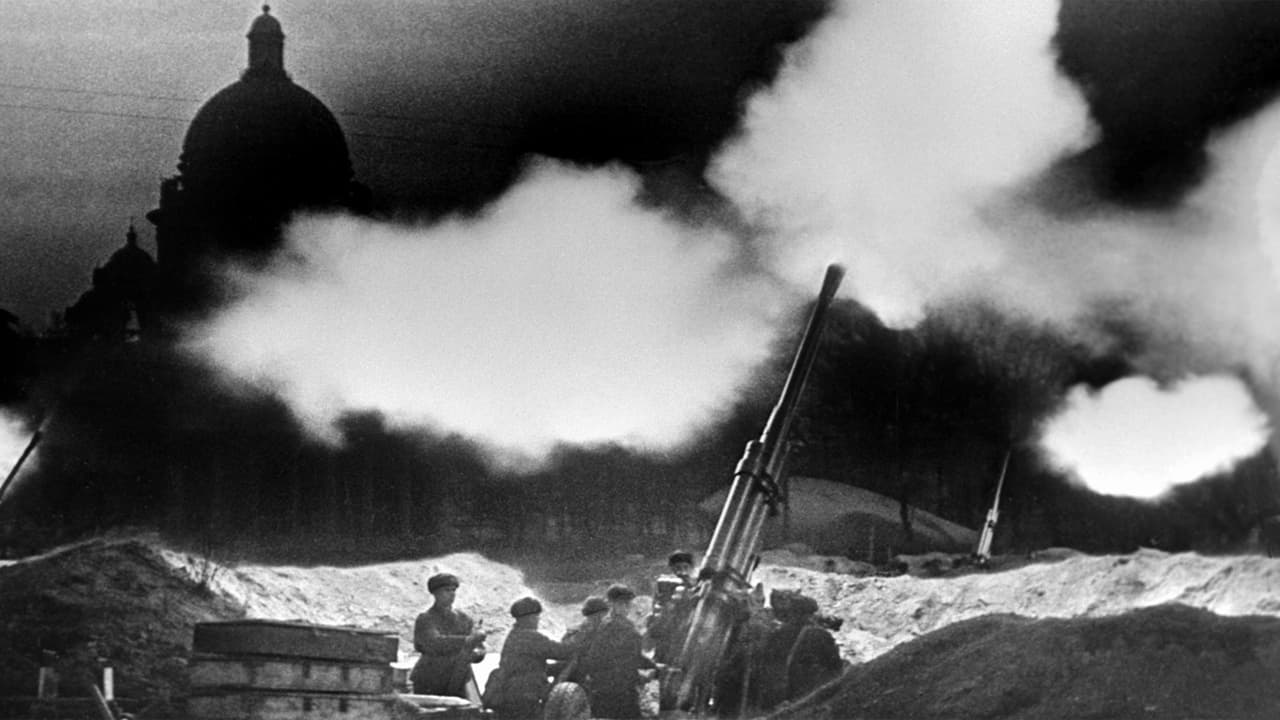
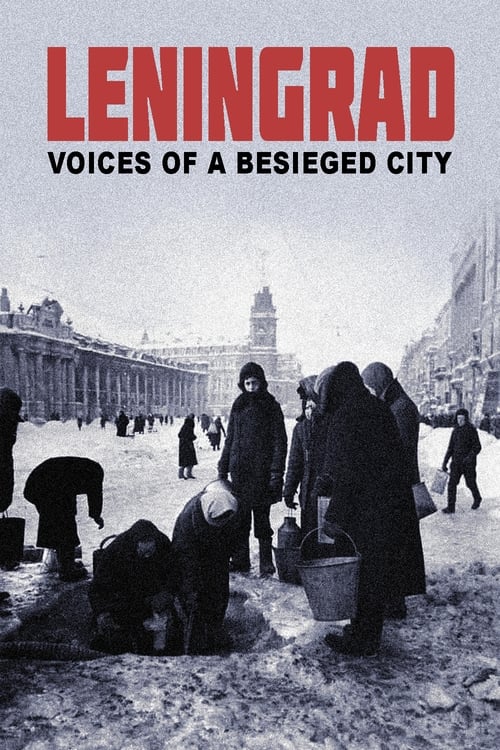
It was one of the great crimes of the Second World War: from 1941 to 1944, a total of 872 days, the siege and starvation of Leningrad by the German Wehrmacht on Hitler's orders lasted. Over a million people fell victim to the blockade, most of them dying of hunger. Countless of these starving people wrote diaries with the last of their strength, and cameramen filmed in the paralyzed city. Evidence from the hell of the siege, many of the film recordings, but above all the written memories on which this documentary on the occasion of the 80th anniversary of the liberation is based, remained under lock and key after the war. The voices of those who had suffered through this terrible time should not be heard by anyone, because they did not fit the pathos of the Leningrad heroic song that was officially sung. Most of the recordings come from women. The writers feared neither the enemy nor the Communist Party or Stalin, who often proved incompetent in providing for the population.
Top Cast

  • Hanns Zischler

    Hanns Zischler

    Self - Narrator (voice)

  • Toni Lorentz

    Toni Lorentz

    Self - Additional Narrator (voice)

  • Irmelin Krause

    Irmelin Krause

    Self - Additional Narrator (voice)

  • Sabra Lopes

    Sabra Lopes

    Self - Additional Narrator (voice)

  • Judith von Radetzky

    Judith von Radetzky

    Self - Additional Narrator (voice)

  • Adelheid Kleineidam

    Adelheid Kleineidam

    Self - Additional Narrator (voice)

  • Kornelia Boje

    Kornelia Boje

    Self - Additional Narrator (voice)

  • Agnes Regan

    Agnes Regan

    Self - Additional Narrator (voice)

  • Golo Euler

    Golo Euler

    Self - Additional Narrator (voice)

Overview

It was one of the great crimes of the Second World War: from 1941 to 1944, a total of 872 days, the siege and starvation of Leningrad by the German Wehrmacht on Hitler's orders lasted. Over a million people fell victim to the blockade, most of them dying of hunger. Countless of these starving people wrote diaries with the last of their strength, and cameramen filmed in the paralyzed city. Evidence from the hell of the siege, many of the film recordings, but above all the written memories on which this documentary on the occasion of the 80th anniversary of the liberation is based, remained under lock and key after the war. The voices of those who had suffered through this terrible time should not be heard by anyone, because they did not fit the pathos of the Leningrad heroic song that was officially sung. Most of the recordings come from women. The writers feared neither the enemy nor the Communist Party or Stalin, who often proved incompetent in providing for the population.

Related Movies

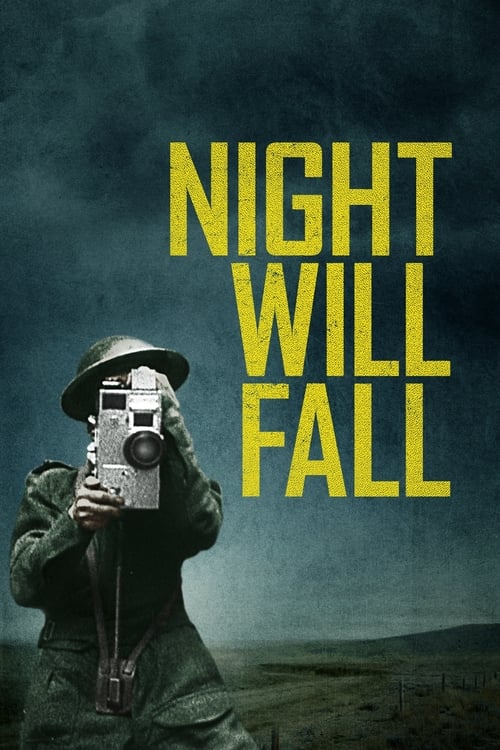
Night Will Fall

When Allied forces liberated the Nazi concentration camps in 1944-45, their terrible discoveries were recorded by army and newsreel cameramen, revealing for the first time the full horror of what had happened. Making use of British, Soviet and American footage, the Ministry of Information’s Sidney Bernstein (later founder of Granada Television) aimed to create a documentary that would provide lasting, undeniable evidence of the Nazis’ unspeakable crimes. He commissioned a wealth of British talent, including editor Stewart McAllister, writer and future cabinet minister Richard Crossman – and, as treatment advisor, his friend Alfred Hitchcock. Yet, despite initial support from the British and US Governments, the film was shelved, and only now, 70 years on, has it been restored and completed by Imperial War Museums under its original title "German Concentration Camps Factual Survey".

Night Will Fall

7.6 2014