Zwei Leben für Europa Backdrop Blur
Zwei Leben für Europa Poster

Zwei Leben für Europa

In the chaotic, highly emotional period after the First World War in 1918, the foreign ministers Gustav Stresemann (1878-1929) and Aristide Briand (1862-1932) put all their energies into trying to lead their countries, Germany and France, which were at enmity with each other, into a peaceful future and a united Europe. After their deaths, Europe has to go through a second hell before the plan of these two visionaries succeeds. The cinematic mix of archive footage and re-enactments shows two statesmen, full of facts and emotion, who give each other nothing in difficult negotiations, but at the same time hold on to their shared vision. Even if these two human lives were not enough to reap the fruits of their labor, they sowed the seeds for the next generation. In 1926, Aristide Briand and Gustav Stresemann were awarded the Nobel Peace Prize. It is a sign that the peoples of the world believe in a Europe at peace.

Top Cast

  • Michael Mendl

    Michael Mendl

    Aristide Briand

  • Ulrich Gebauer

    Ulrich Gebauer

    Gustav Stresemann

  • Annika Olbrich

    Annika Olbrich

    Louise Weiss

  • Ulrike Knobloch

    Ulrike Knobloch

    Käte Stresemann

  • Steffen Böye

    Steffen Böye

    Leopold von Hoesch

  • Hanns Jörg Krumpholz

    Hanns Jörg Krumpholz

    Pierre de Margerie

  • Elmar Gutmann

    Elmar Gutmann

    Edgar Vincent Lord D'Abernon

  • Silas Degen

    Silas Degen

    Aristide Briand (jung)

  • Jonas Daubner

    Jonas Daubner

    Gustav Stresemann (jung)

Overview

In the chaotic, highly emotional period after the First World War in 1918, the foreign ministers Gustav Stresemann (1878-1929) and Aristide Briand (1862-1932) put all their energies into trying to lead their countries, Germany and France, which were at enmity with each other, into a peaceful future and a united Europe. After their deaths, Europe has to go through a second hell before the plan of these two visionaries succeeds. The cinematic mix of archive footage and re-enactments shows two statesmen, full of facts and emotion, who give each other nothing in difficult negotiations, but at the same time hold on to their shared vision. Even if these two human lives were not enough to reap the fruits of their labor, they sowed the seeds for the next generation. In 1926, Aristide Briand and Gustav Stresemann were awarded the Nobel Peace Prize. It is a sign that the peoples of the world believe in a Europe at peace.

Related Movies

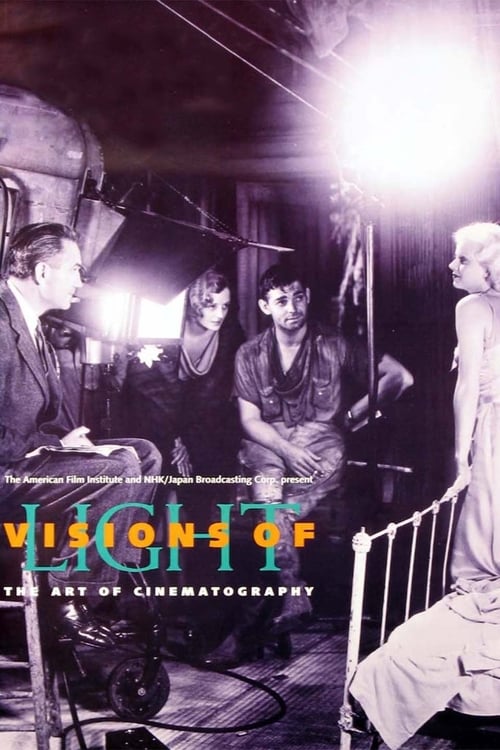
Visions of Light

Cameramen and women discuss the craft and art of cinematography and of the "DP" (the director of photography), illustrating their points with clips from 100 films, from Birth of a Nation to Do the Right Thing. Themes: the DP tells people where to look; changes in movies (the arrival of sound, color, and wide screens) required creative responses from DPs; and, these artisans constantly invent new equipment and try new things, with wonderful results. The narration takes us through the identifiable studio styles of the 30s, the emergence of noir, the New York look, and the impact of Europeans. Citizen Kane, The Conformist, and Gordon Willis get special attention.

Visions of Light

7.0 1992
Night Will Fall

When Allied forces liberated the Nazi concentration camps in 1944-45, their terrible discoveries were recorded by army and newsreel cameramen, revealing for the first time the full horror of what had happened. Making use of British, Soviet and American footage, the Ministry of Information’s Sidney Bernstein (later founder of Granada Television) aimed to create a documentary that would provide lasting, undeniable evidence of the Nazis’ unspeakable crimes. He commissioned a wealth of British talent, including editor Stewart McAllister, writer and future cabinet minister Richard Crossman – and, as treatment advisor, his friend Alfred Hitchcock. Yet, despite initial support from the British and US Governments, the film was shelved, and only now, 70 years on, has it been restored and completed by Imperial War Museums under its original title "German Concentration Camps Factual Survey".

Night Will Fall

7.6 2014
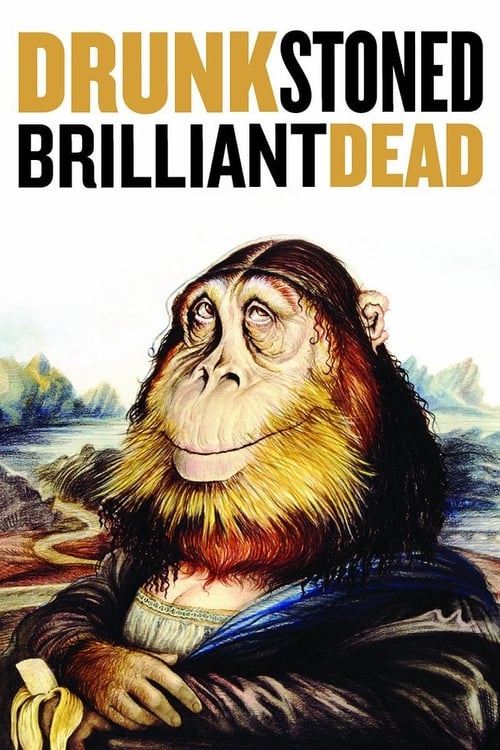
Drunk Stoned Brilliant Dead

A look at the history of the American comedy publication and production company, National Lampoon, from its beginning in the 1970s to 2010, featuring rare and never before seen footage, this is the mind boggling story of The National Lampoon from its subversive and electrifying beginnings, to rebirth as an unlikely Hollywood heavyweight, and beyond. A humour empire like no other, the impact of the magazines irreverent, often shocking, sensibility was nothing short of seismic: this is an institution whose (drunk stoned brilliant) alumni left their fingerprints all over popular culture. Both insanely great and breathtakingly innovative, The National Lampoon created the foundation of modern comic sensibility by setting the bar in comedy impossibly high.

Drunk Stoned Brilliant Dead

6.6 2015