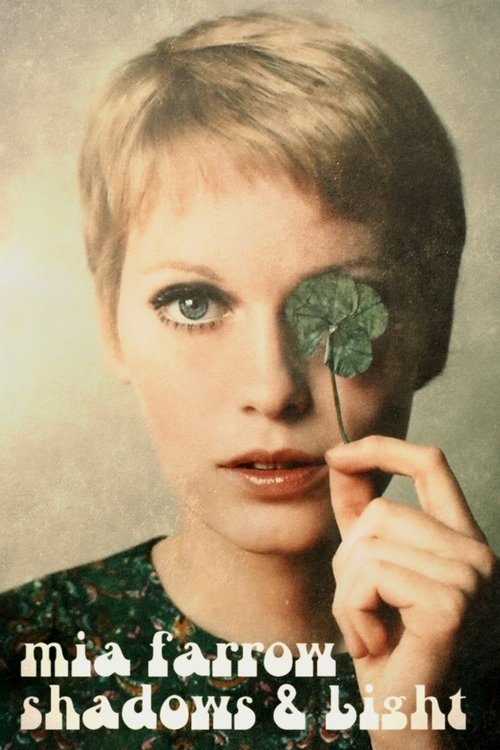
Mia Farrow: Shadows and Light
The artistic career of American actress Mia Farrow has been that of a passionate and committed woman who became the embodiment of a special kind of femininity, halfway between innocence and madness.
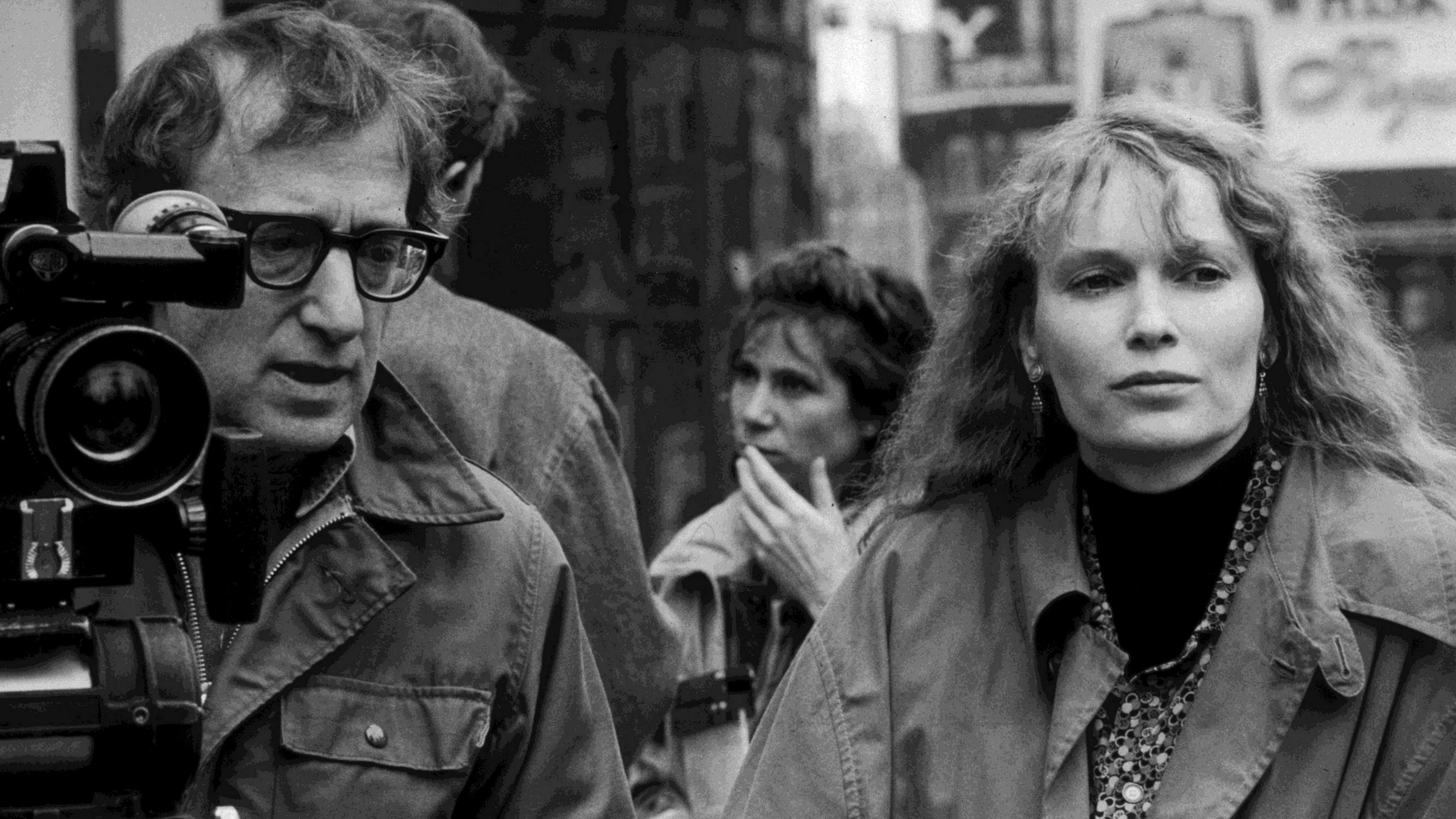
The artistic career of American actress Mia Farrow has been that of a passionate and committed woman who became the embodiment of a special kind of femininity, halfway between innocence and madness.

Elsa Lepoivre
Self - Narrator (voice)

Léonie Simaga
Self - Narrator (voice)

Mia Farrow
Self - Actress (archive footage)
Woody Allen
Self - Filmmaker (archive footage)

Claude Chabrol
Self - Filmmaker (archive footage)
André Previn
Self - Composer (archive footage)
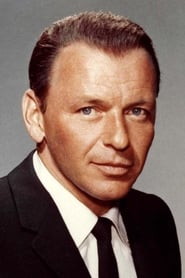
Frank Sinatra
Self - Singer (archive footage)

Roman Polanski
Self - Filmmaker (archive footage)
The artistic career of American actress Mia Farrow has been that of a passionate and committed woman who became the embodiment of a special kind of femininity, halfway between innocence and madness.
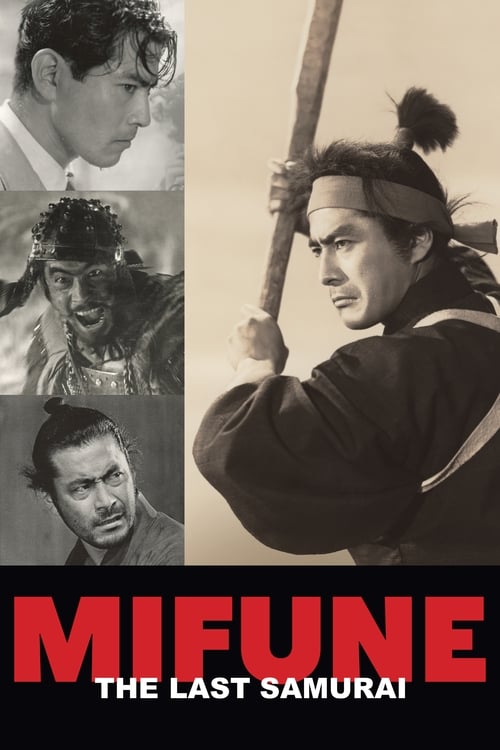
An account of the life and work of legendary Japanese actor Toshirō Mifune (1920-97), the most prominent actor of the Golden Age of Japanese cinema.
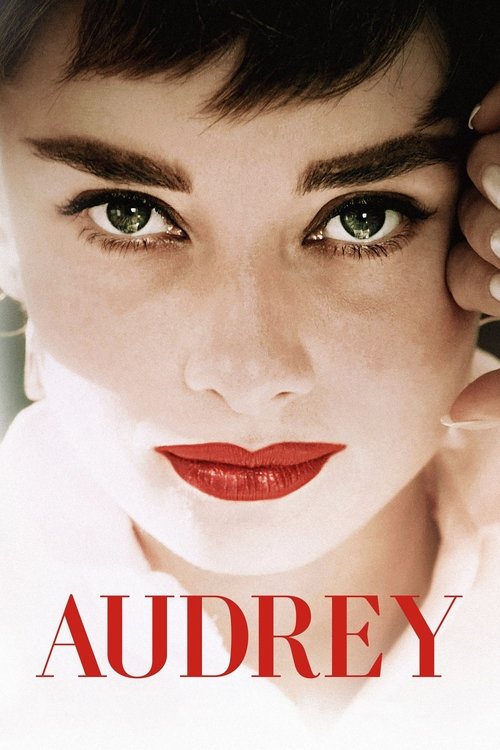
An unprecedented and intimate look at the life, work and enduring legacy of British actress Audrey Hepburn (1929-1993).
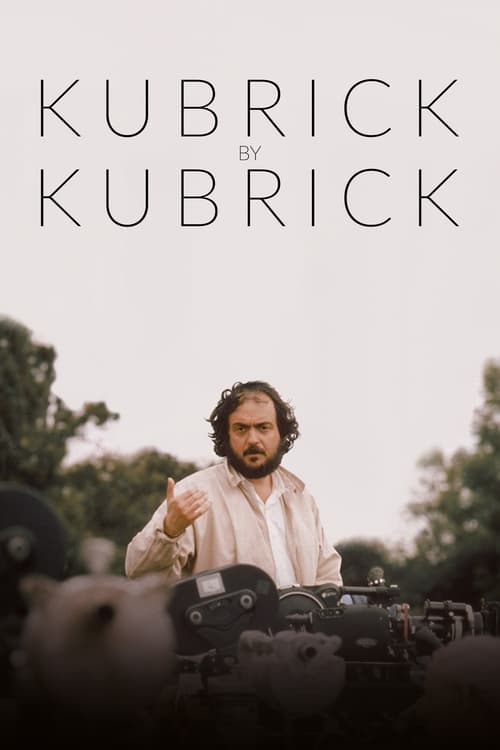
American filmmaker Stanley Kubrick (1928–1999), one of the greatest in history, but also one of the most reserved, gave few interviews throughout his long career, and none of them were filmed. A first-person journey through his life and work, based on a recorded conversation with French film critic Michel Climent.
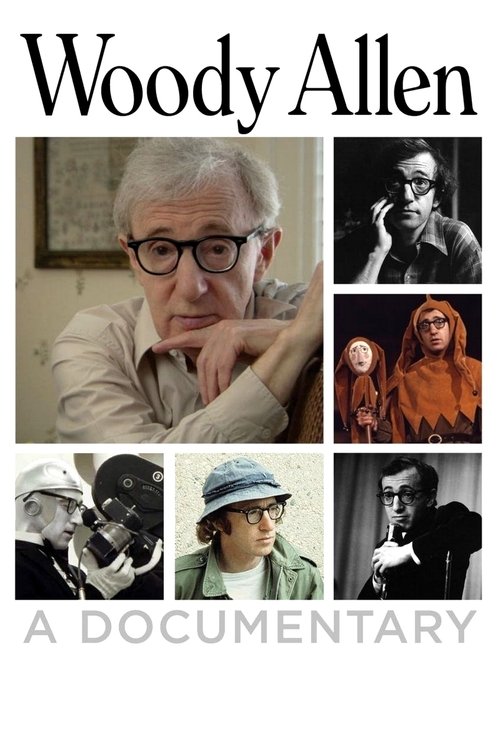
An intense portrait of the iconic filmmaker, writer, actor, comedian and musician Woody Allen: his life, family and friends; his writing and directing habits, and his relationship with performers.
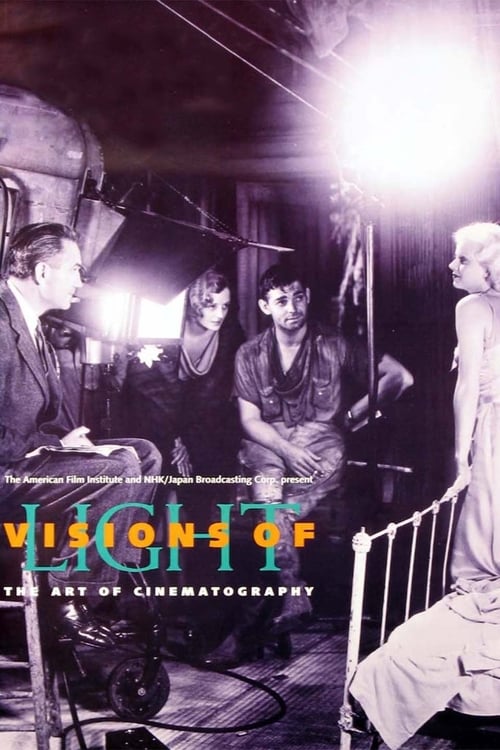
Cameramen and women discuss the craft and art of cinematography and of the "DP" (the director of photography), illustrating their points with clips from 100 films, from Birth of a Nation to Do the Right Thing. Themes: the DP tells people where to look; changes in movies (the arrival of sound, color, and wide screens) required creative responses from DPs; and, these artisans constantly invent new equipment and try new things, with wonderful results. The narration takes us through the identifiable studio styles of the 30s, the emergence of noir, the New York look, and the impact of Europeans. Citizen Kane, The Conformist, and Gordon Willis get special attention.
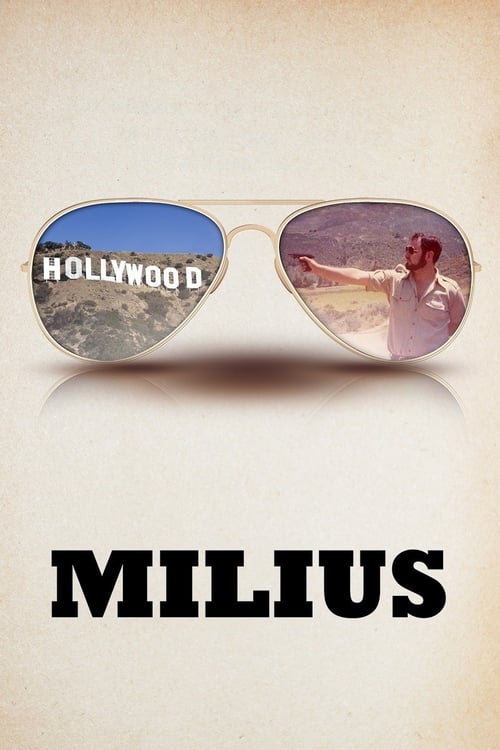
The life story of ‘Zen Anarchist’ filmmaker John Milius, one of the most influential storytellers of his generation.
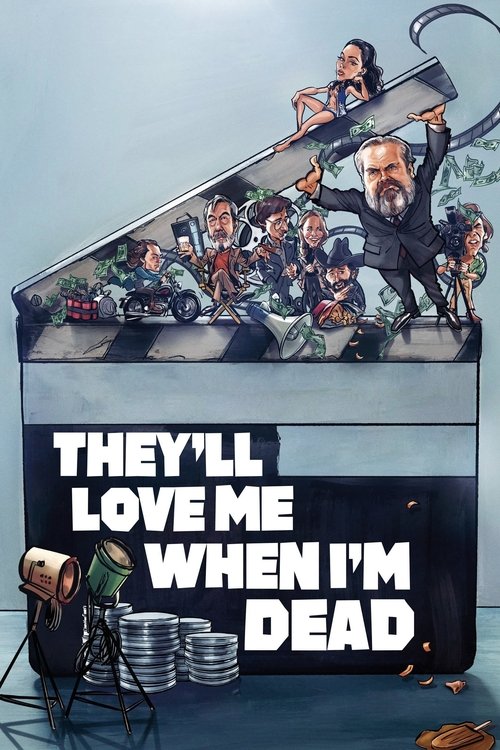
As his life comes to its end, famous Hollywood director Orson Welles puts it all on the line at the chance for renewed success with the film The Other Side of the Wind.

As a visually radical memoir, CAMERAPERSON draws on the remarkable footage that filmmaker Kirsten Johnson has shot and reframes it in ways that illuminate moments and situations that have personally affected her. What emerges is an elegant meditation on the relationship between truth and the camera frame, as Johnson transforms scenes that have been presented on Festival screens as one kind of truth into another kind of story—one about personal journey, craft, and direct human connection.