Alba Meloni. Stella nelle mie stanze Backdrop Blur
Alba Meloni. Stella nelle mie stanze Poster

Alba Meloni. Stella nelle mie stanze

An apartment on the Tiber riverfront, in the center of Rome. The director lives here, where Stella lived until her death. Stella is the nom de guerre of Alba Meloni, a partisan courier who, at a very young age, joined the Resistance in the capital. After Liberation, she became an official of the Italian Communist Party and spent the last 30 years of her life in the Testaccio neighborhood, where she is still a very popular figure. The director follows in her footsteps, talking to her, collecting her memories, capturing fragments of her daily life and experiences: at home, in the neighborhood, and on the streets of Rome, where the girl once carried weapons in a straw bag and planted nails on the roads to stop German trucks. It is a journey through time and the city, during which Alba/Stella's individual story intertwines with our collective history.


Top Cast

  • Alba Meloni

    Alba Meloni

Overview

An apartment on the Tiber riverfront, in the center of Rome. The director lives here, where Stella lived until her death. Stella is the nom de guerre of Alba Meloni, a partisan courier who, at a very young age, joined the Resistance in the capital. After Liberation, she became an official of the Italian Communist Party and spent the last 30 years of her life in the Testaccio neighborhood, where she is still a very popular figure. The director follows in her footsteps, talking to her, collecting her memories, capturing fragments of her daily life and experiences: at home, in the neighborhood, and on the streets of Rome, where the girl once carried weapons in a straw bag and planted nails on the roads to stop German trucks. It is a journey through time and the city, during which Alba/Stella's individual story intertwines with our collective history.
Related Movies

Visions of Light

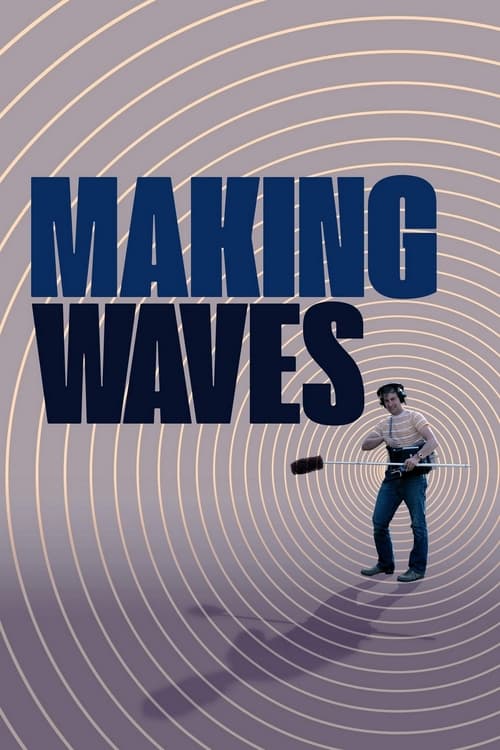
Cameramen and women discuss the craft and art of cinematography and of the "DP" (the director of photography), illustrating their points with clips from 100 films, from Birth of a Nation to Do the Right Thing. Themes: the DP tells people where to look; changes in movies (the arrival of sound, color, and wide screens) required creative responses from DPs; and, these artisans constantly invent new equipment and try new things, with wonderful results. The narration takes us through the identifiable studio styles of the 30s, the emergence of noir, the New York look, and the impact of Europeans. Citizen Kane, The Conformist, and Gordon Willis get special attention.

Visions of Light

7.0 1992